
















about
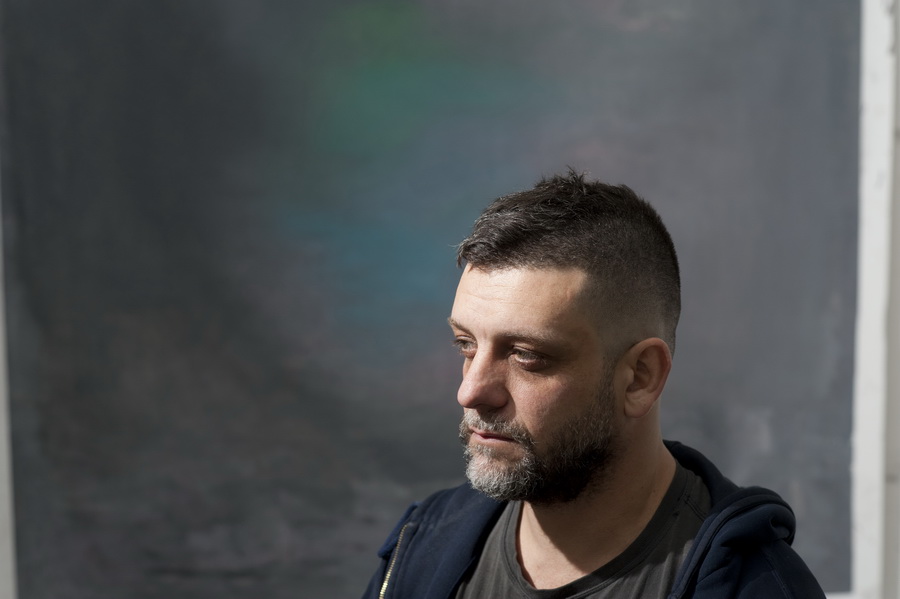
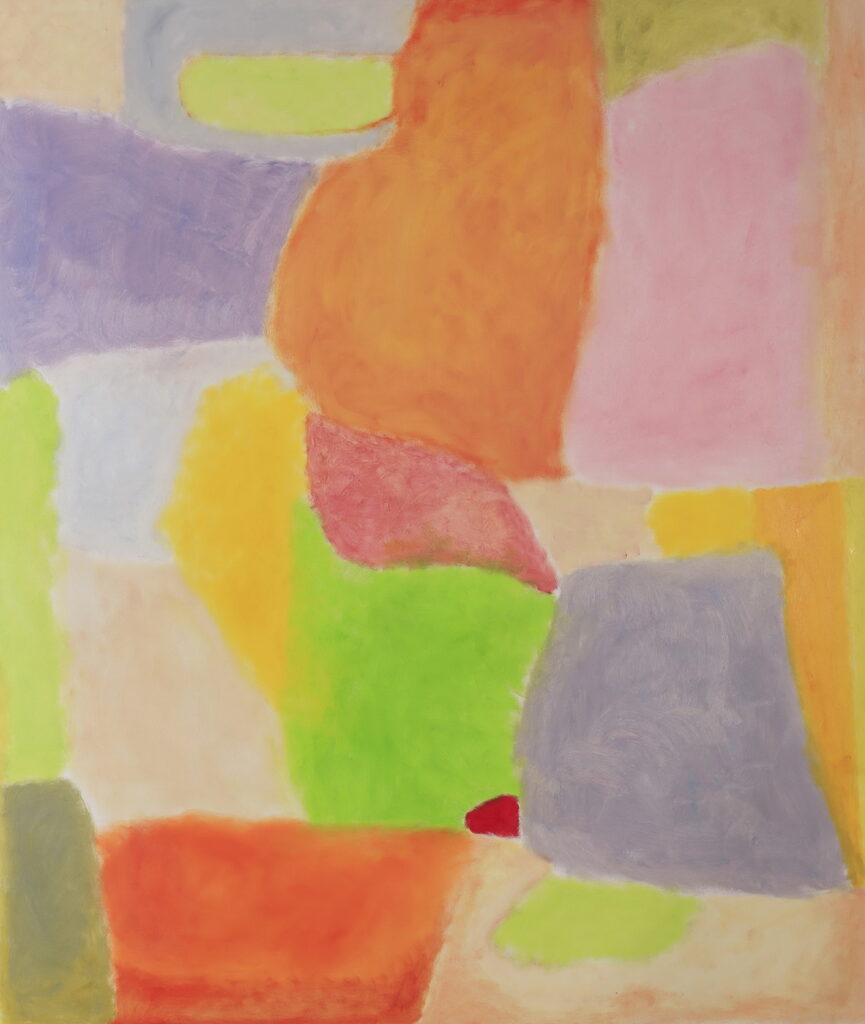
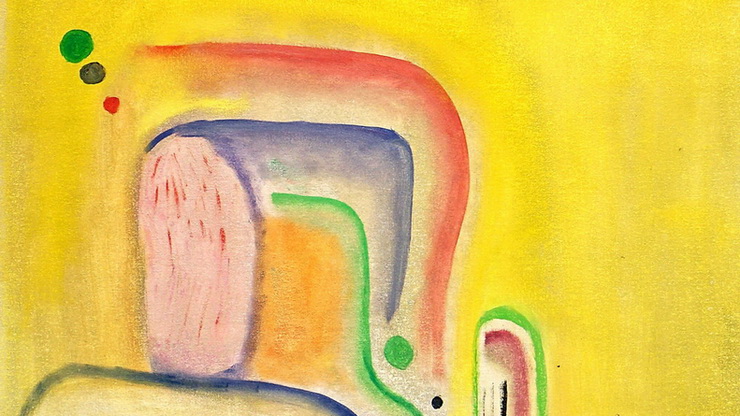
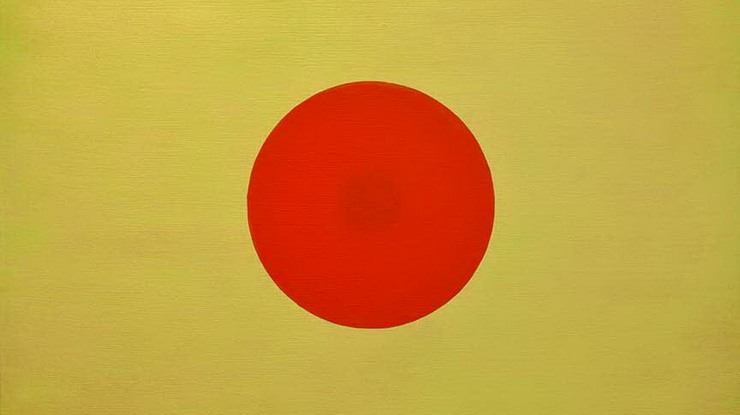
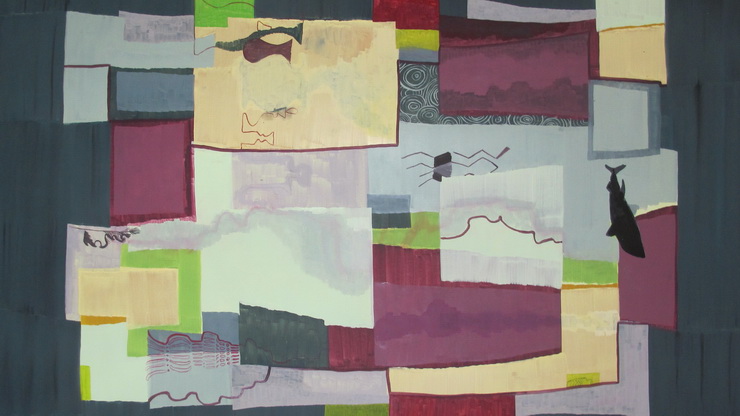
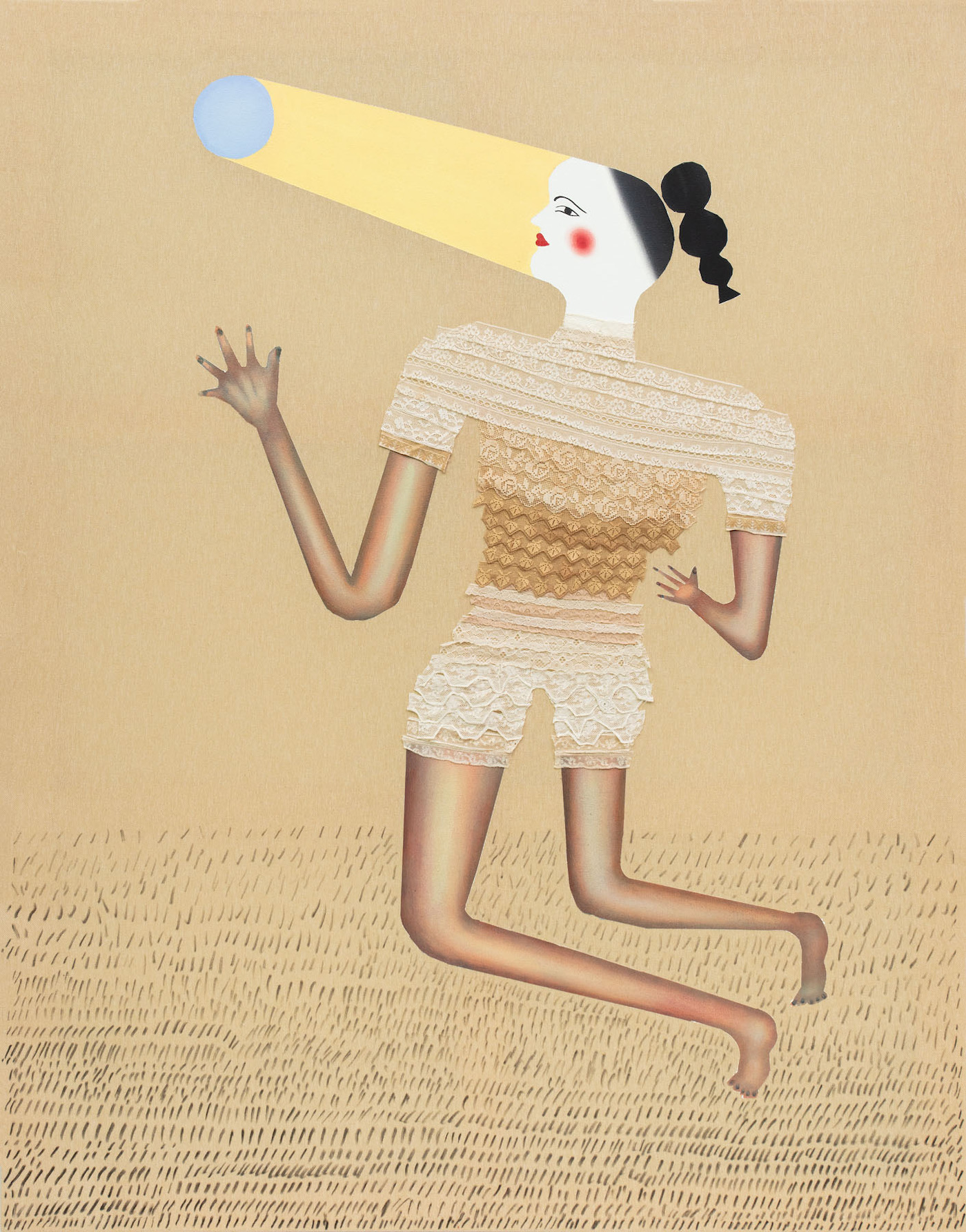
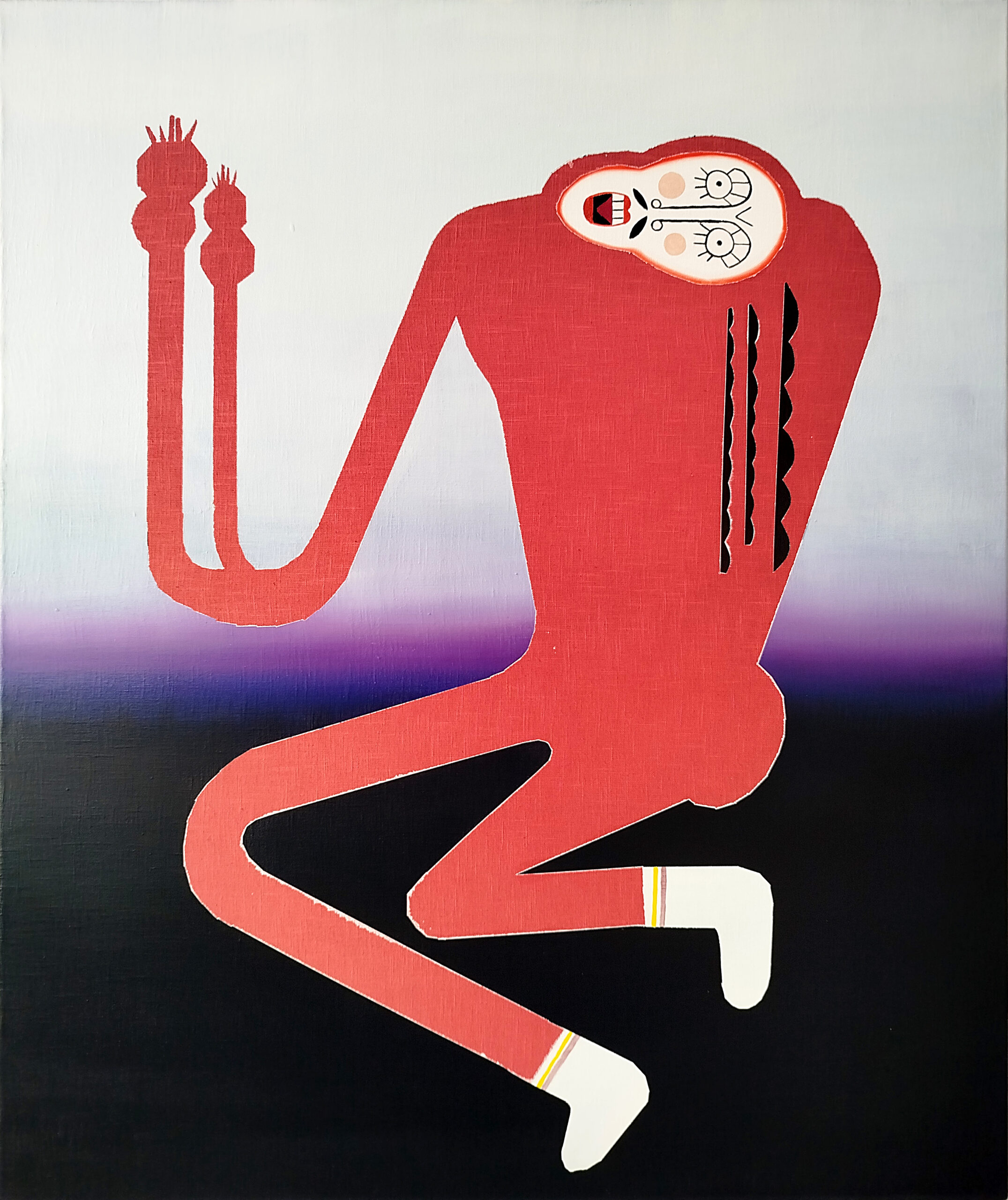
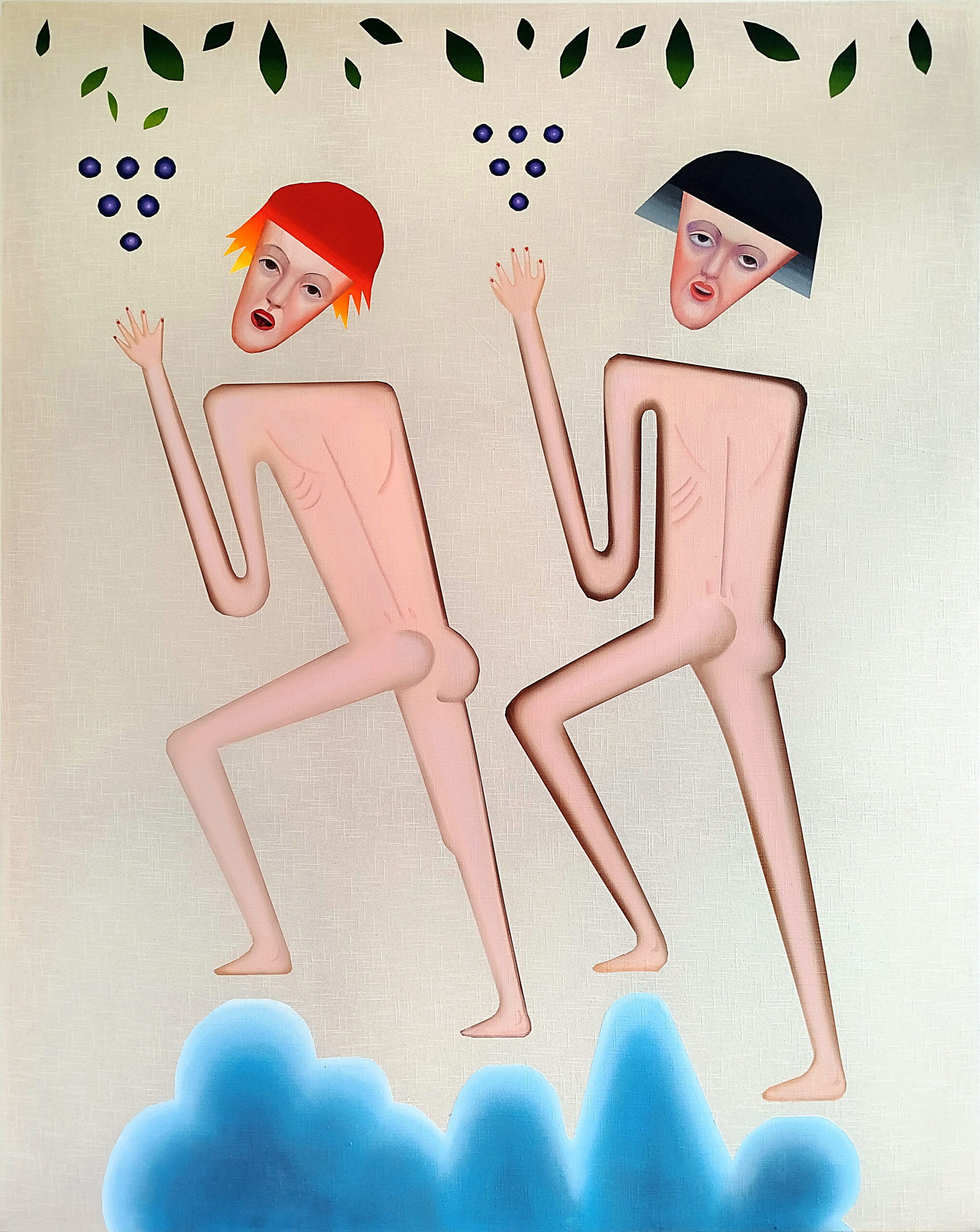
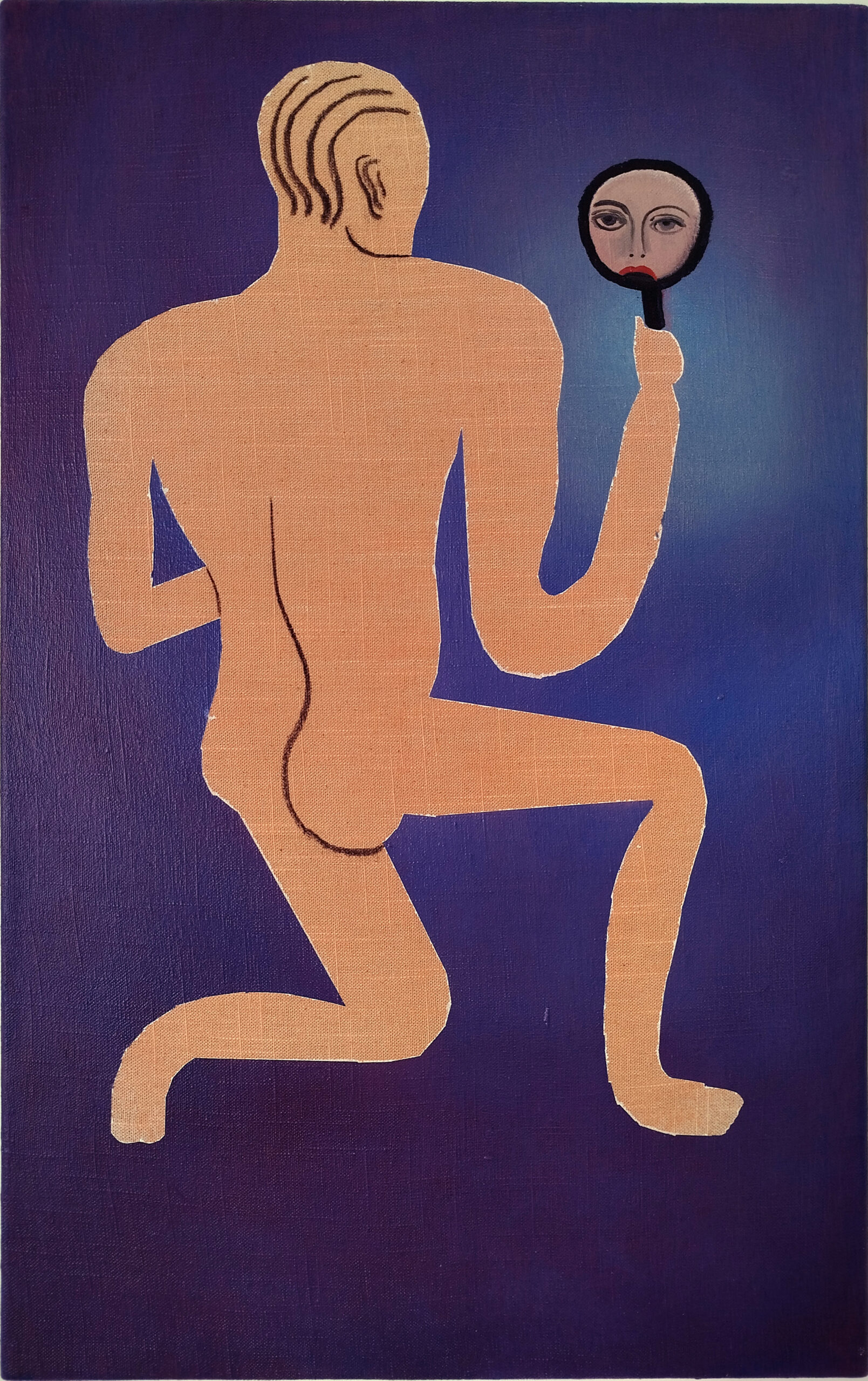
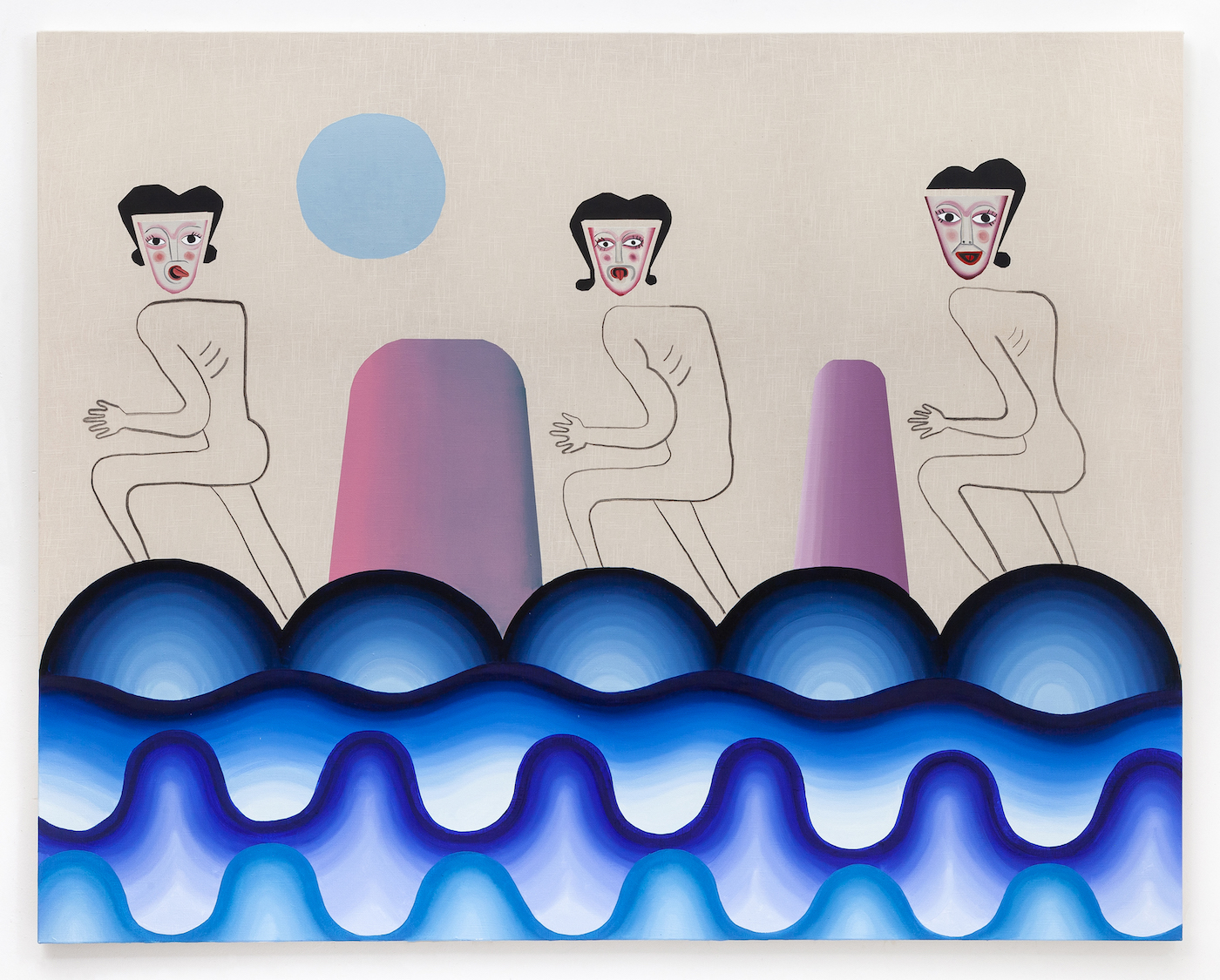
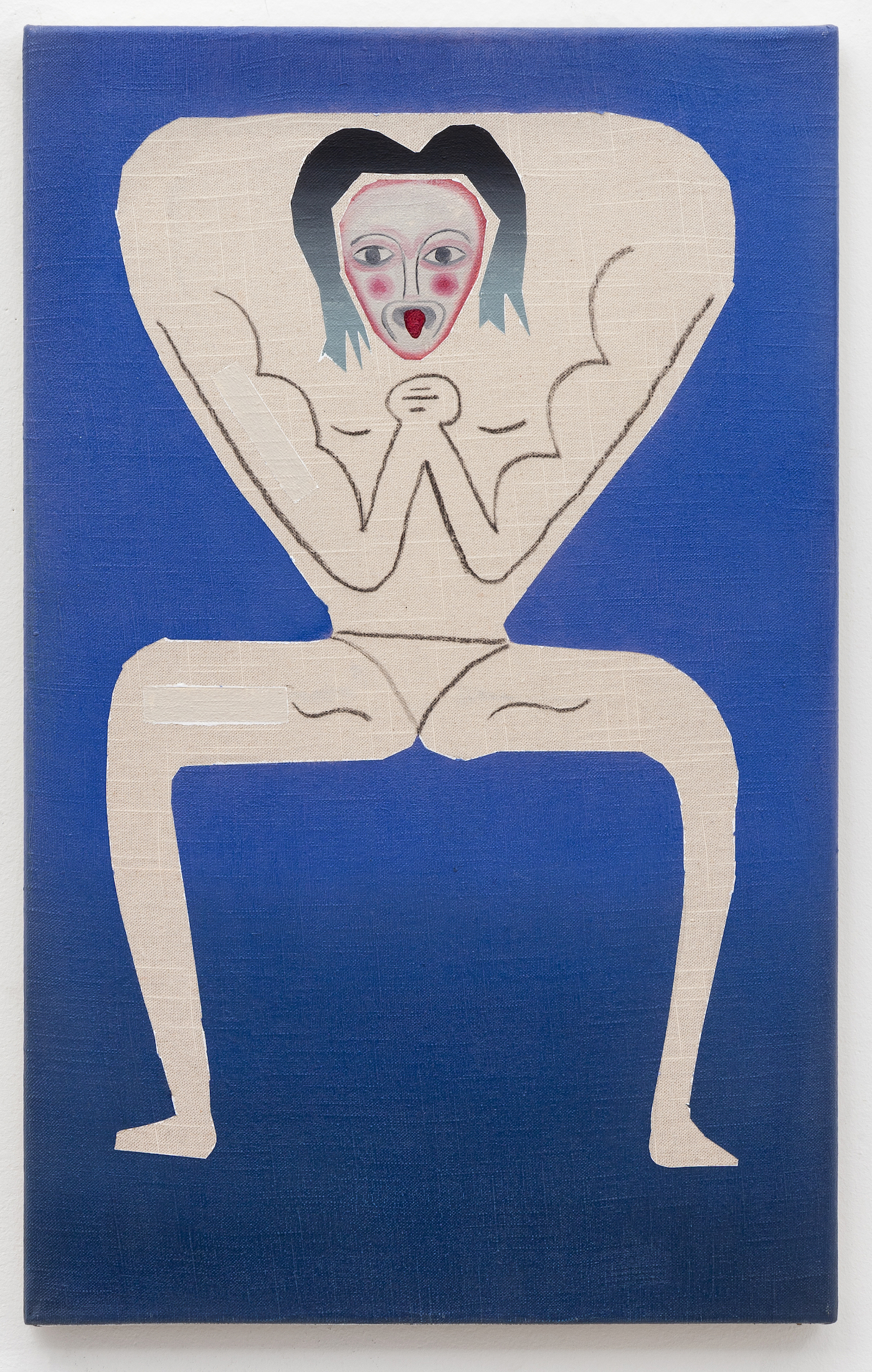
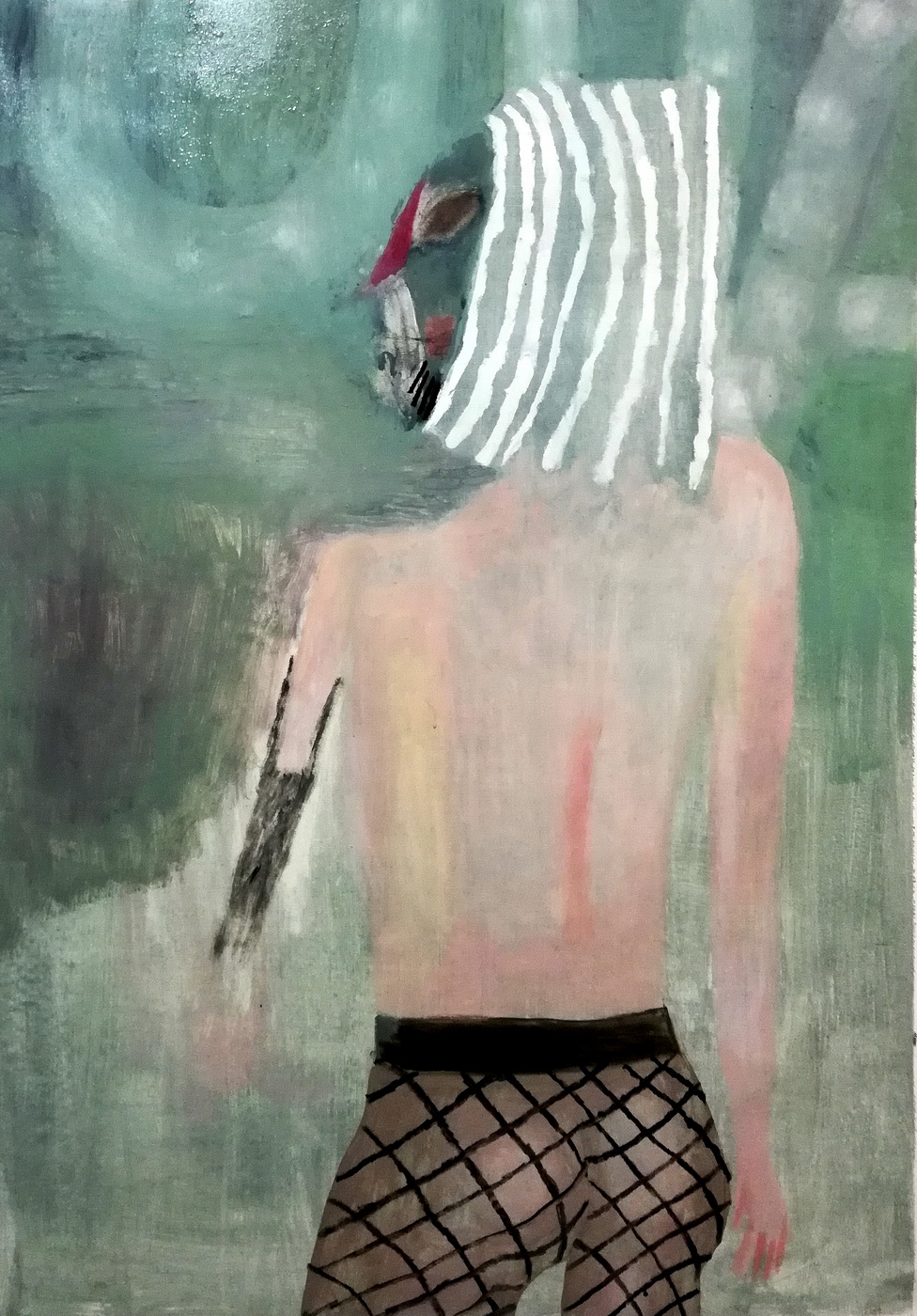
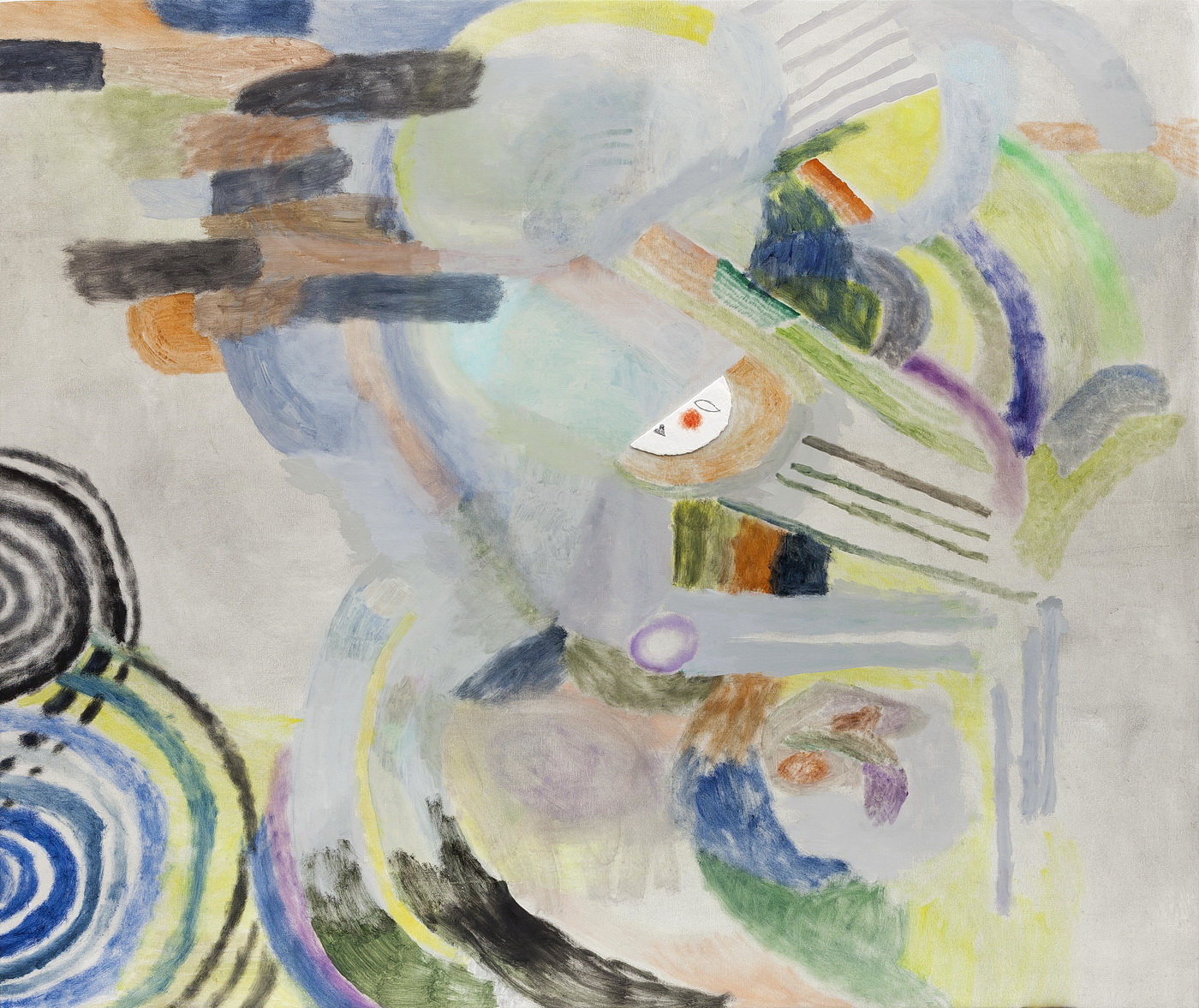
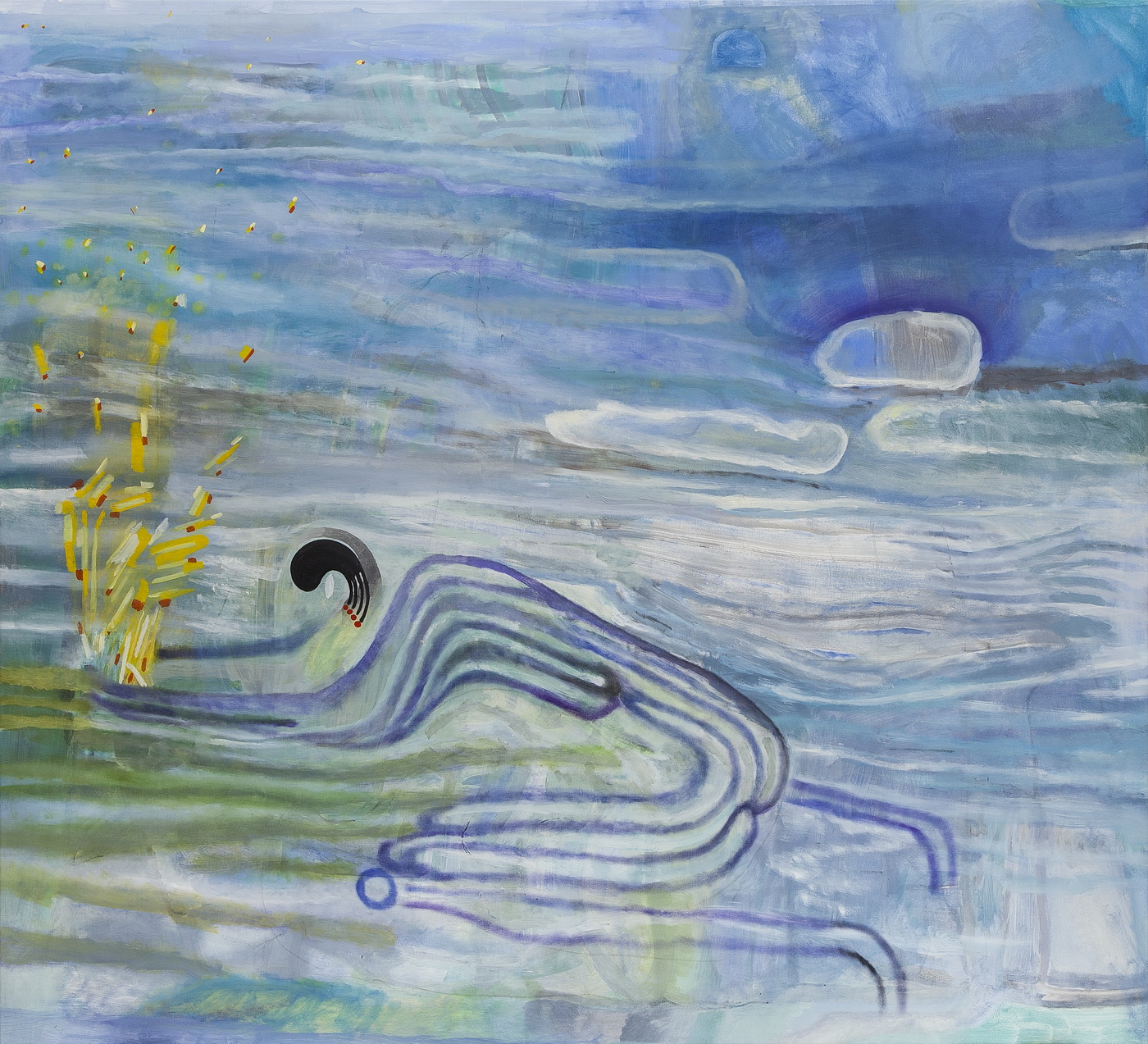
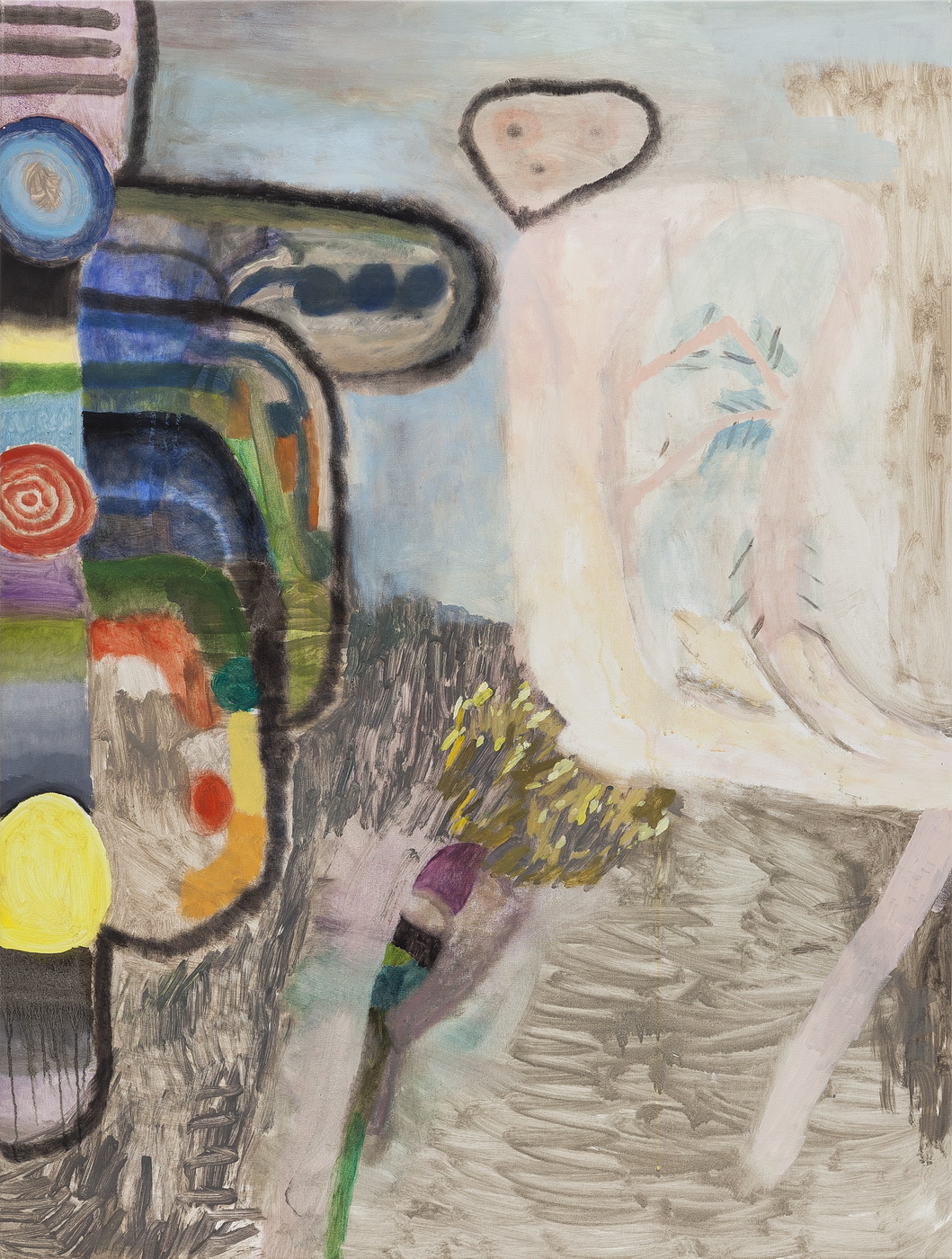
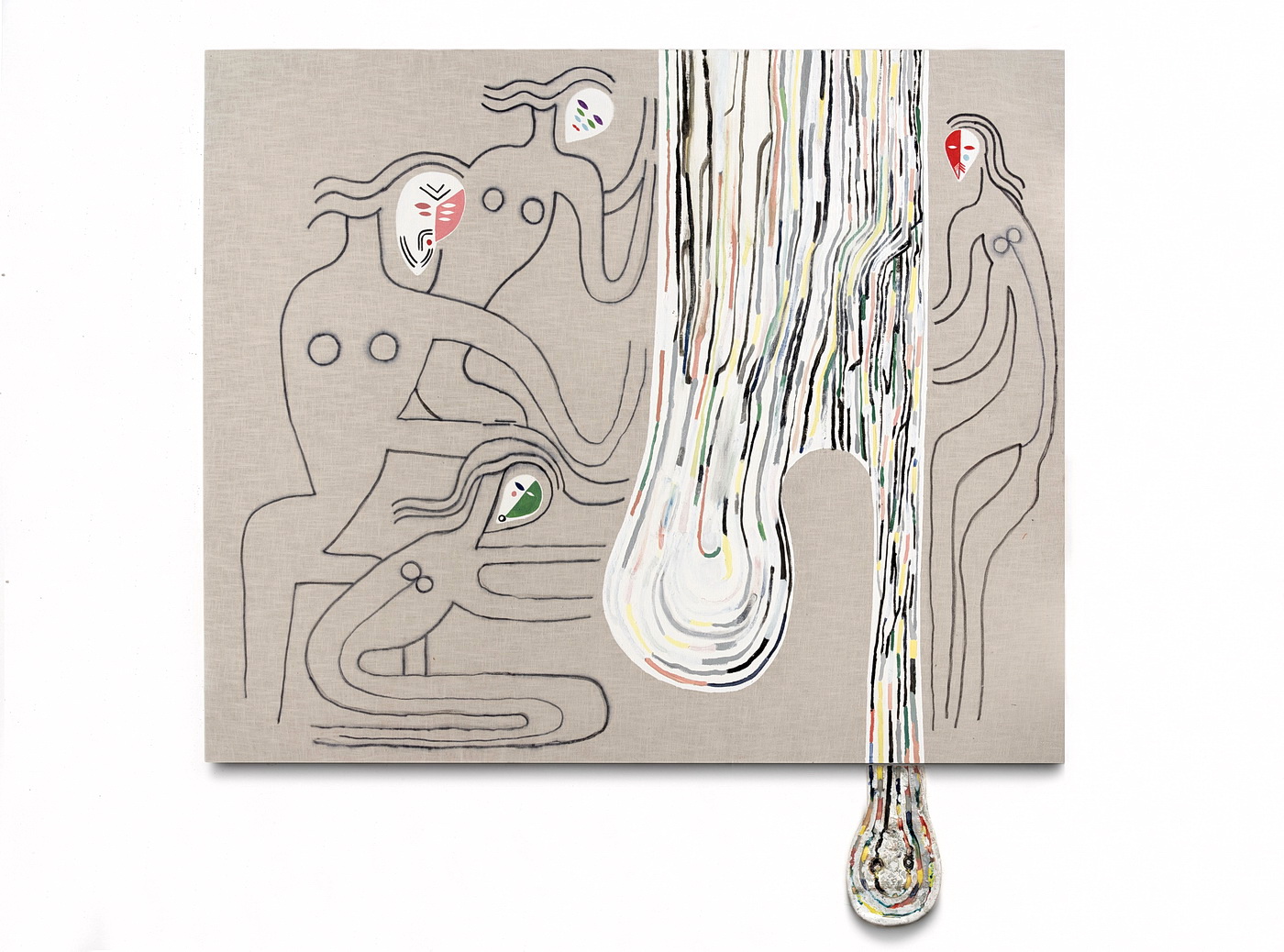
Juan Tessi’s work unfolds as an ongoing exploration of the language of painting as it shifts across supports, formats, and methodologies. The body remains a constant presence, with reflections on queer desire and corporeal processes interwoven into his understanding of painting. Tessi also probes the tension between craft and technology, approaching painting simultaneously as surface and as object. The result is a deeply personal poetics grounded in both the material and conceptual possibilities of pictorial practice.
Born in 1972 in Lima, Peru, Tessi lives and works in Buenos Aires. He graduated from the Maryland Institute College of Art. He has presented sixteen solo exhibitions, including Cameo (2016) at MALBA—Museo de Arte Latinoamericano de Buenos Aires, one of the region’s leading institutions. He has also exhibited in galleries in Buenos Aires, Lisbon, Santiago, and São Paulo, and presented a solo project at Frieze New York. Selected group exhibitions include Ultramar: Fontana, Kuitca, Tessi, Seeber at the Thyssen-Bornemisza Museum, Madrid, and Empujar un ismo at the Museum of Modern Art of Buenos Aires, among others.
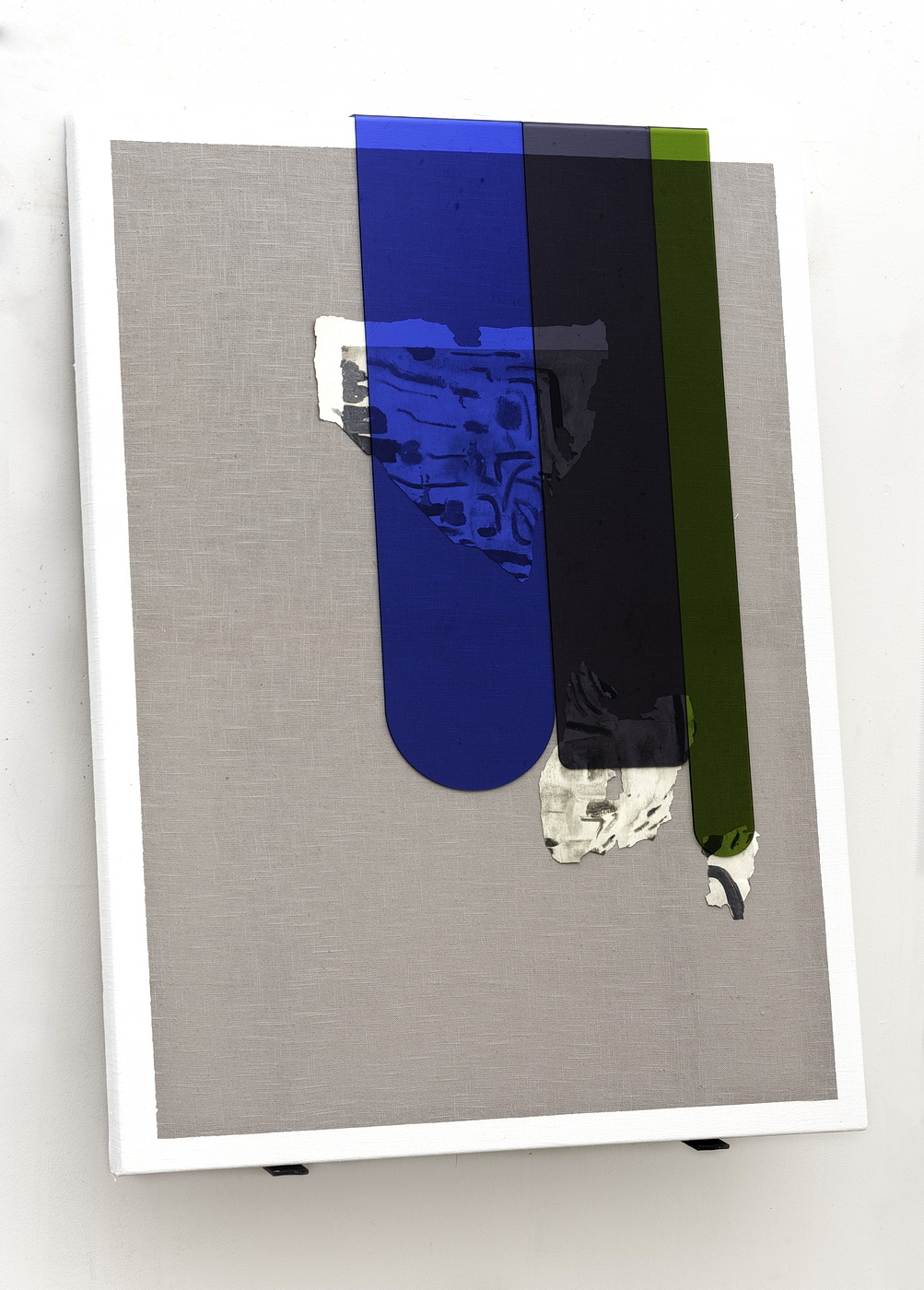
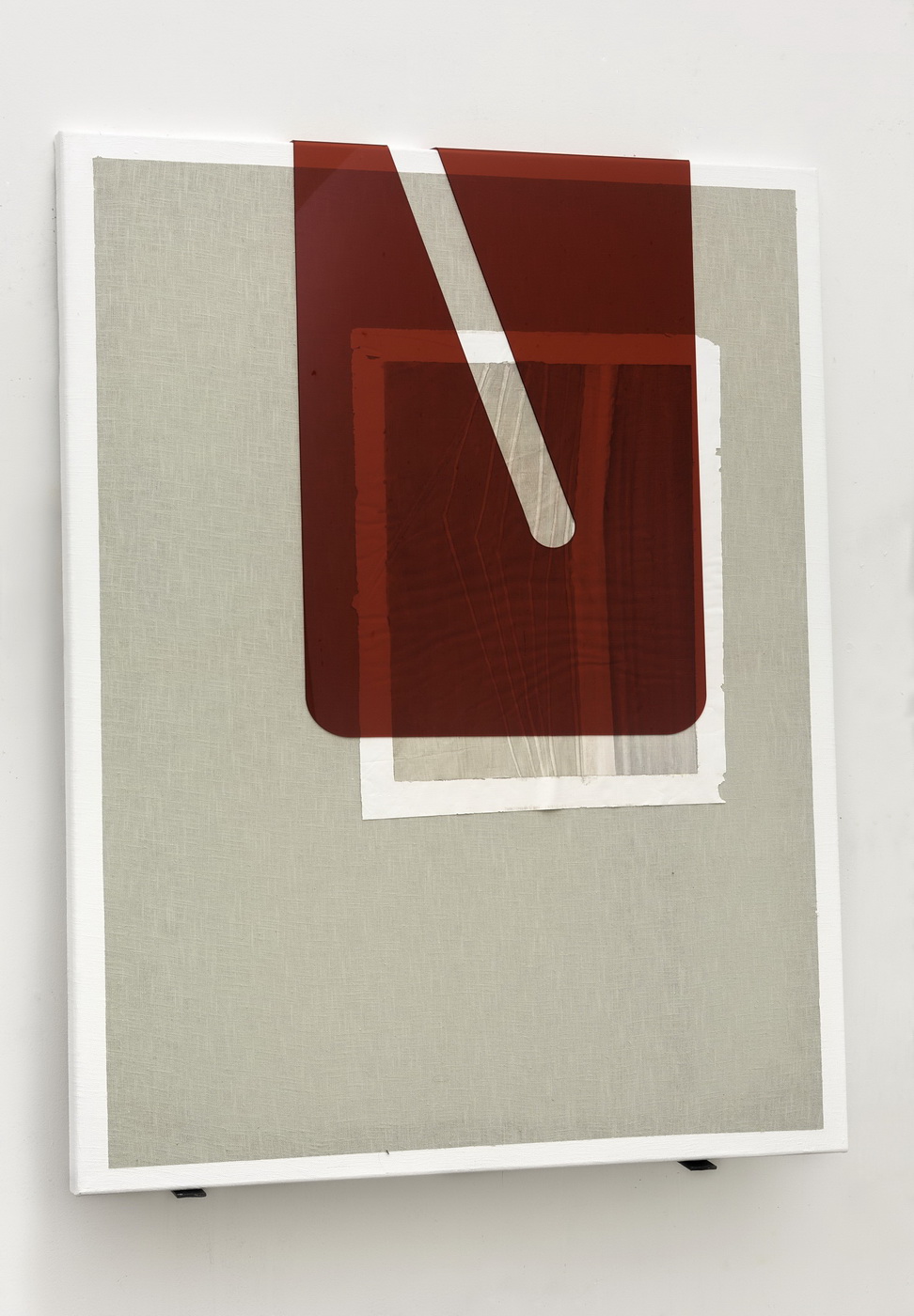
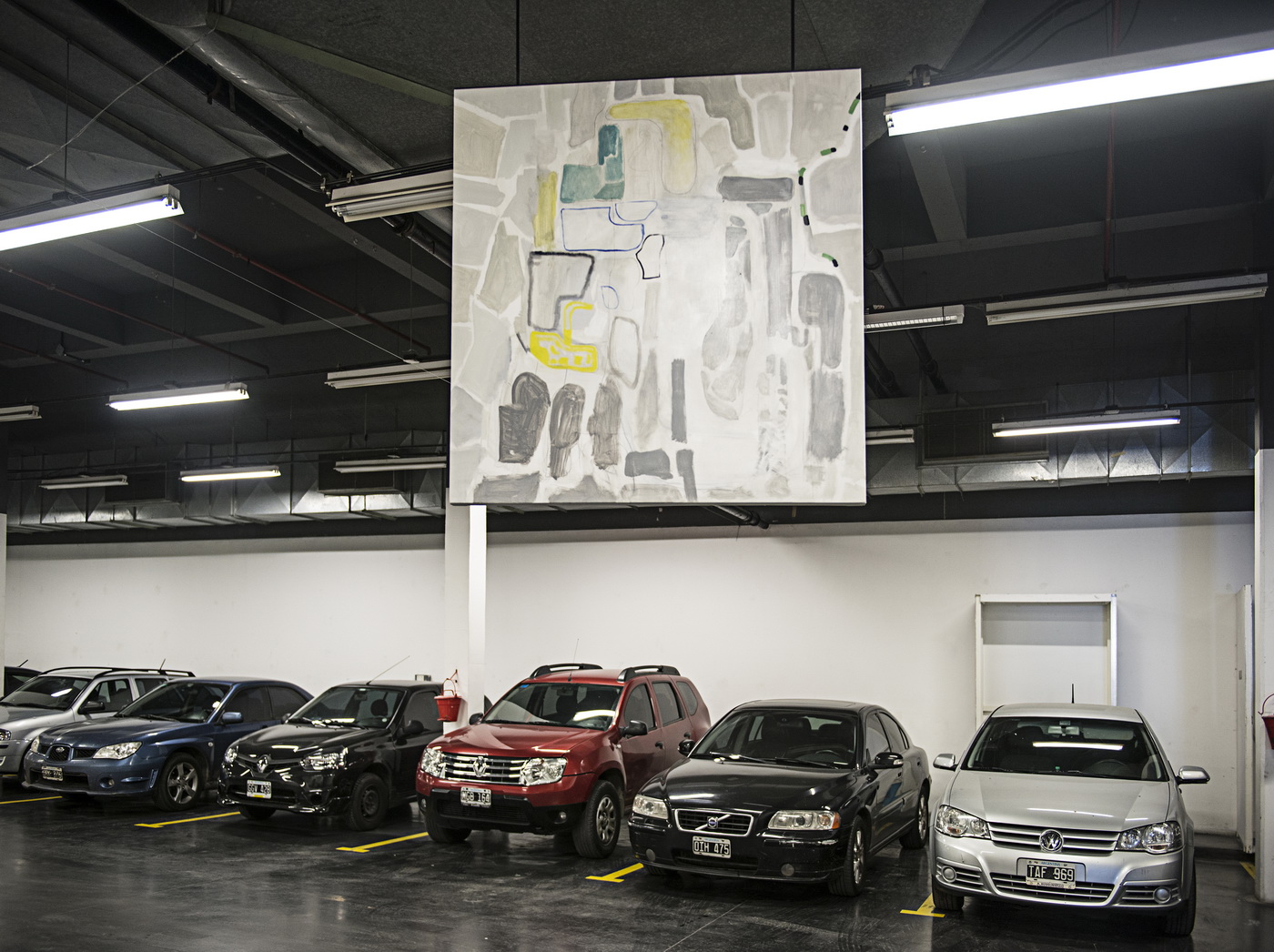
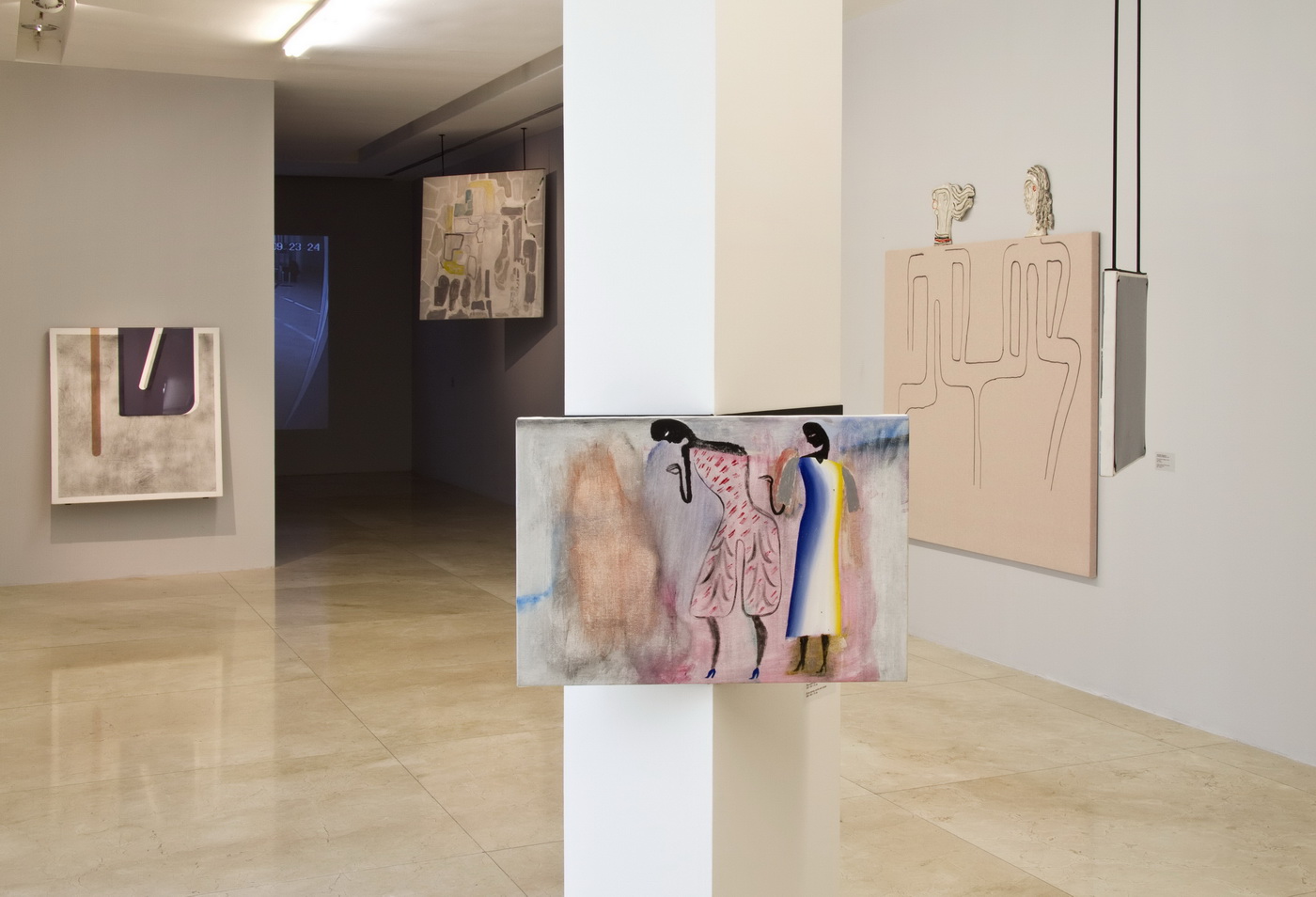
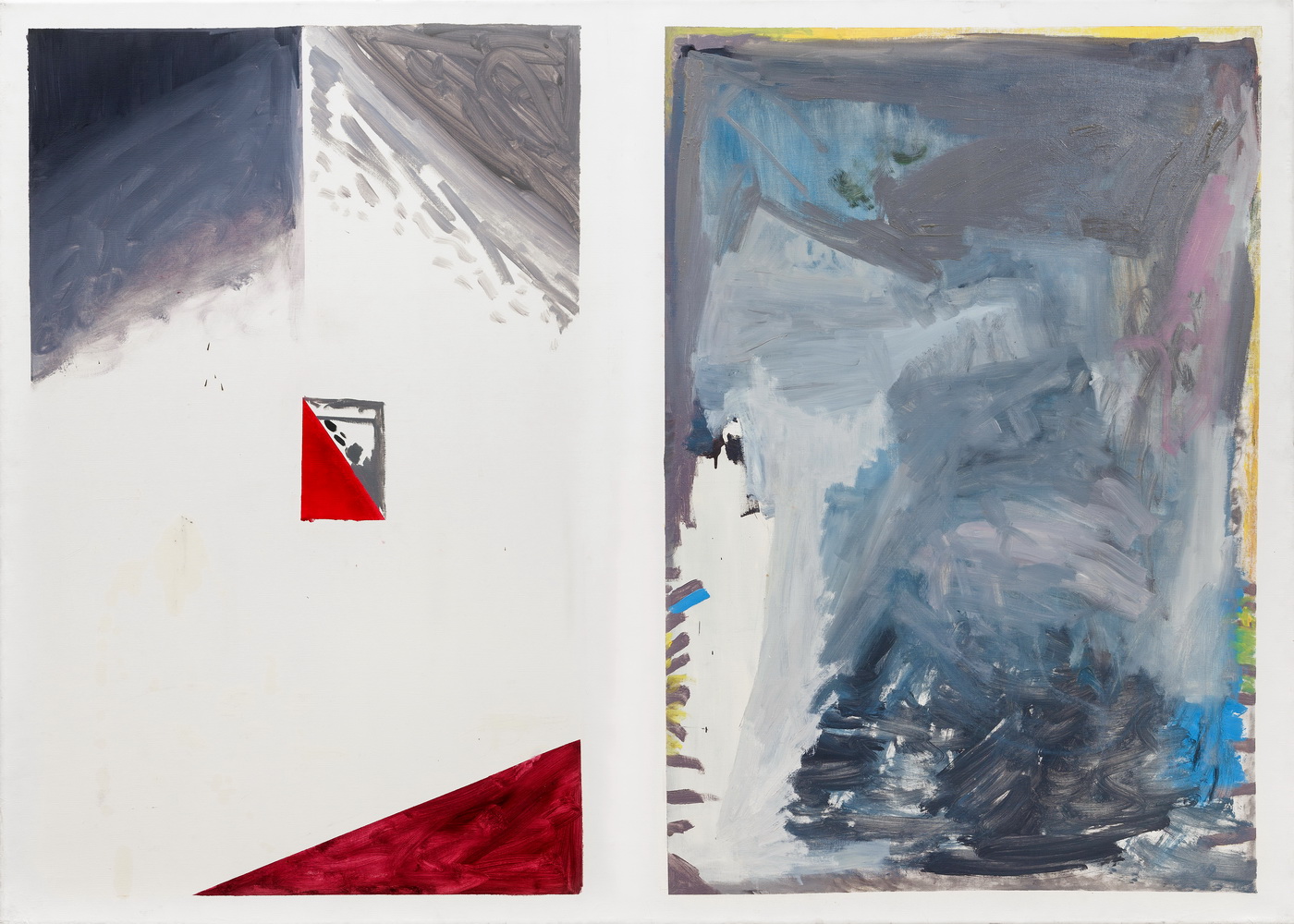
In the early 2010s, Tessi produced a series of enigmatic abstract paintings by following the instructions of a 1980s diva makeup tutorial, translating its logic into painterly gestures. In a subsequent body of work, he peeled away the “skins” of paintings and reattached them to stretched raw linen, holding them in place through static electricity generated by plexiglass forms resting on the surface. For his 2016 solo exhibition at MALBA, he conceived a two-stage project: during the initial weeks, paintings were installed in peripheral and unexpected locations within the museum—areas under surveillance such as the parking lot, ticket counters, and even an outdoor terrace, where the works were exposed to the elements. Inside the gallery space, monitors displayed live camera feeds; only in the final weeks were the paintings relocated to the exhibition hall.
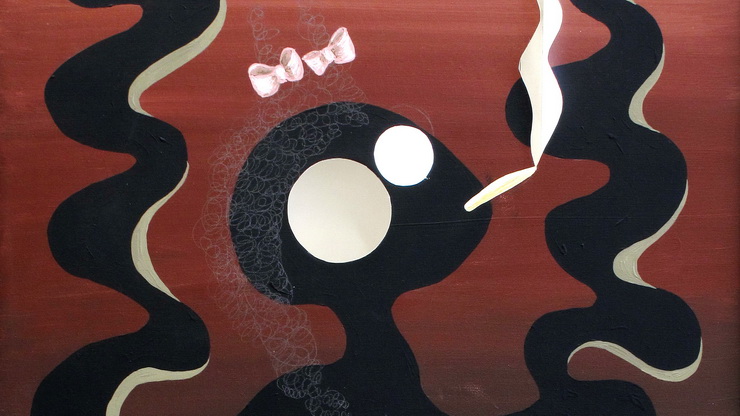
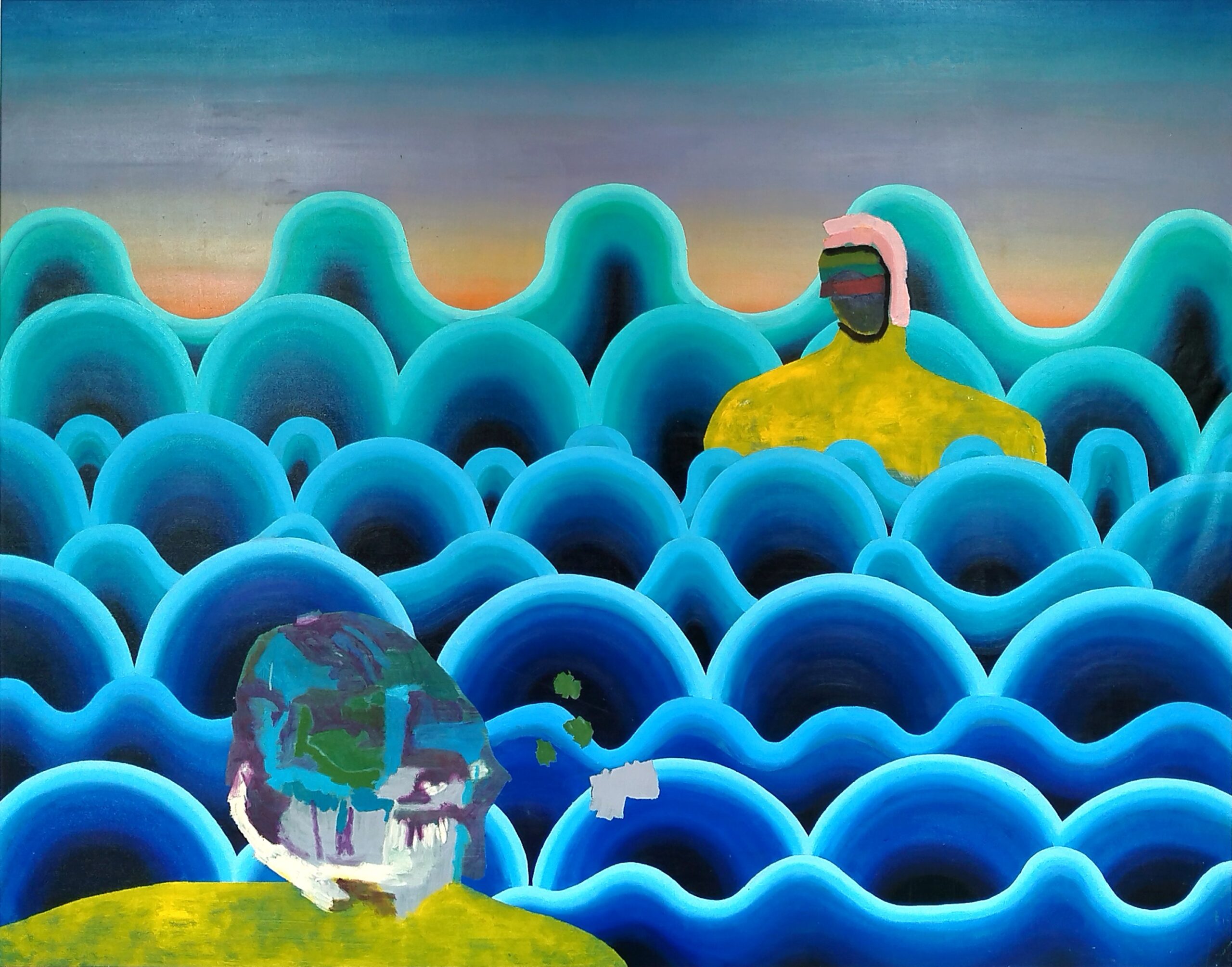
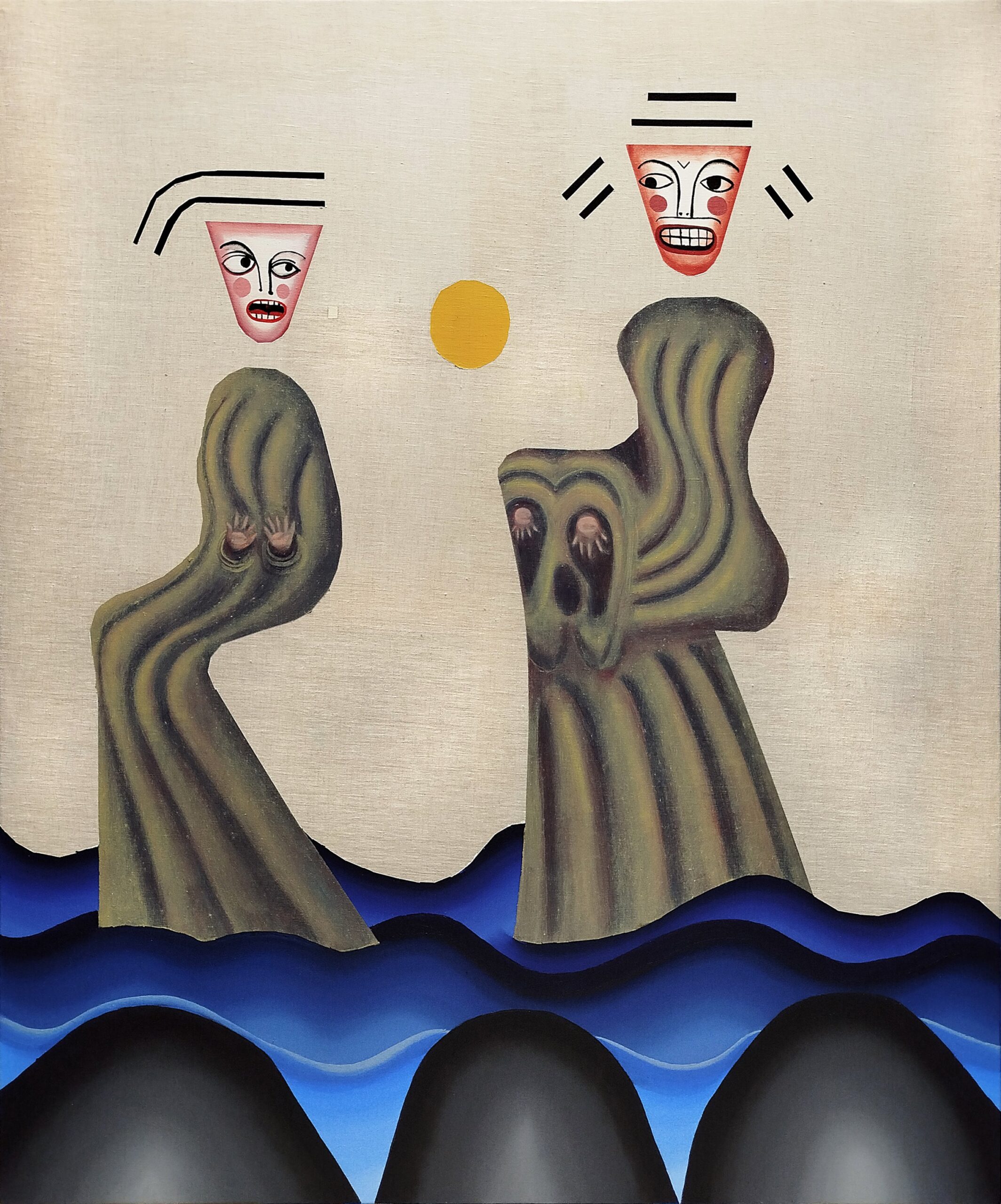
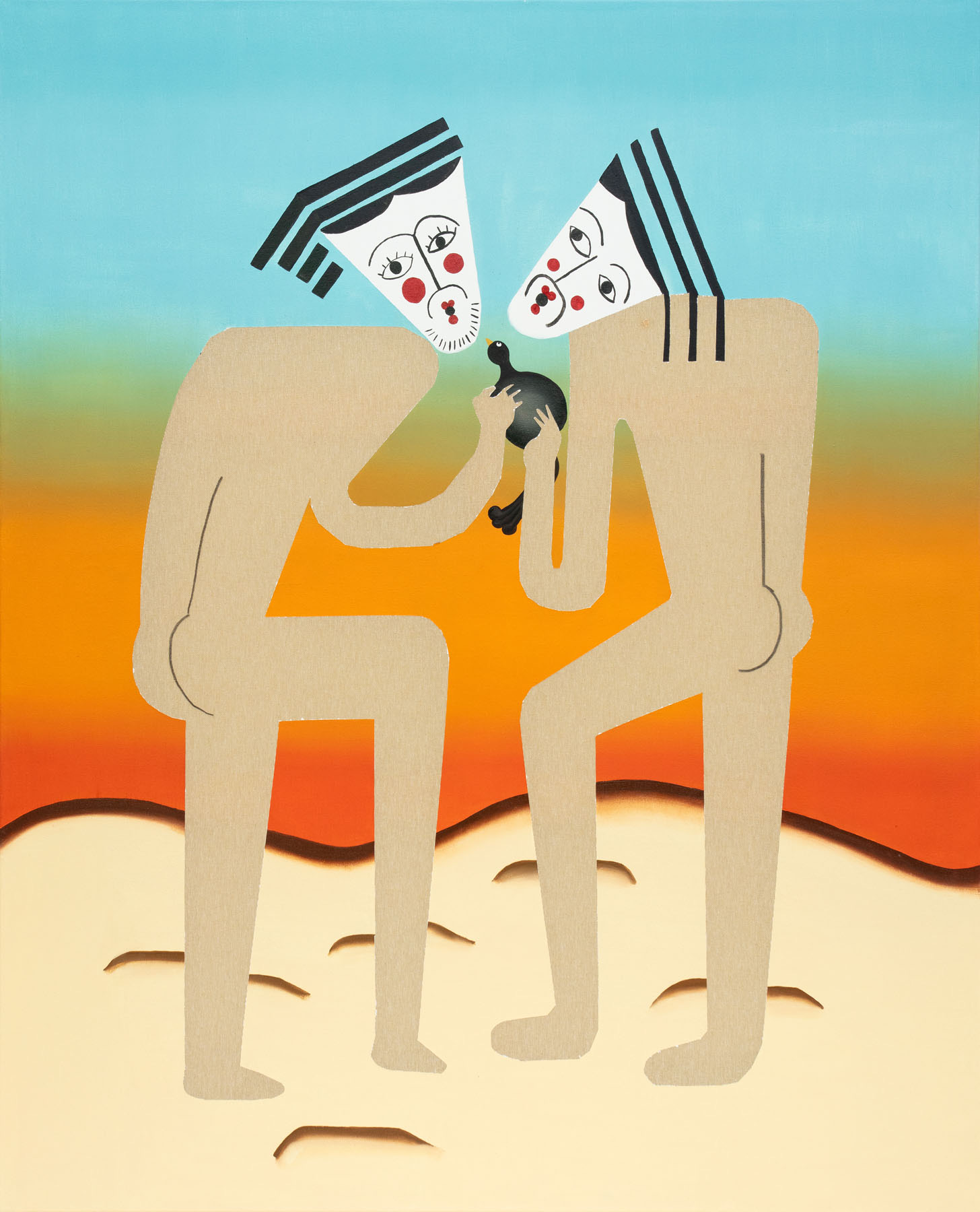
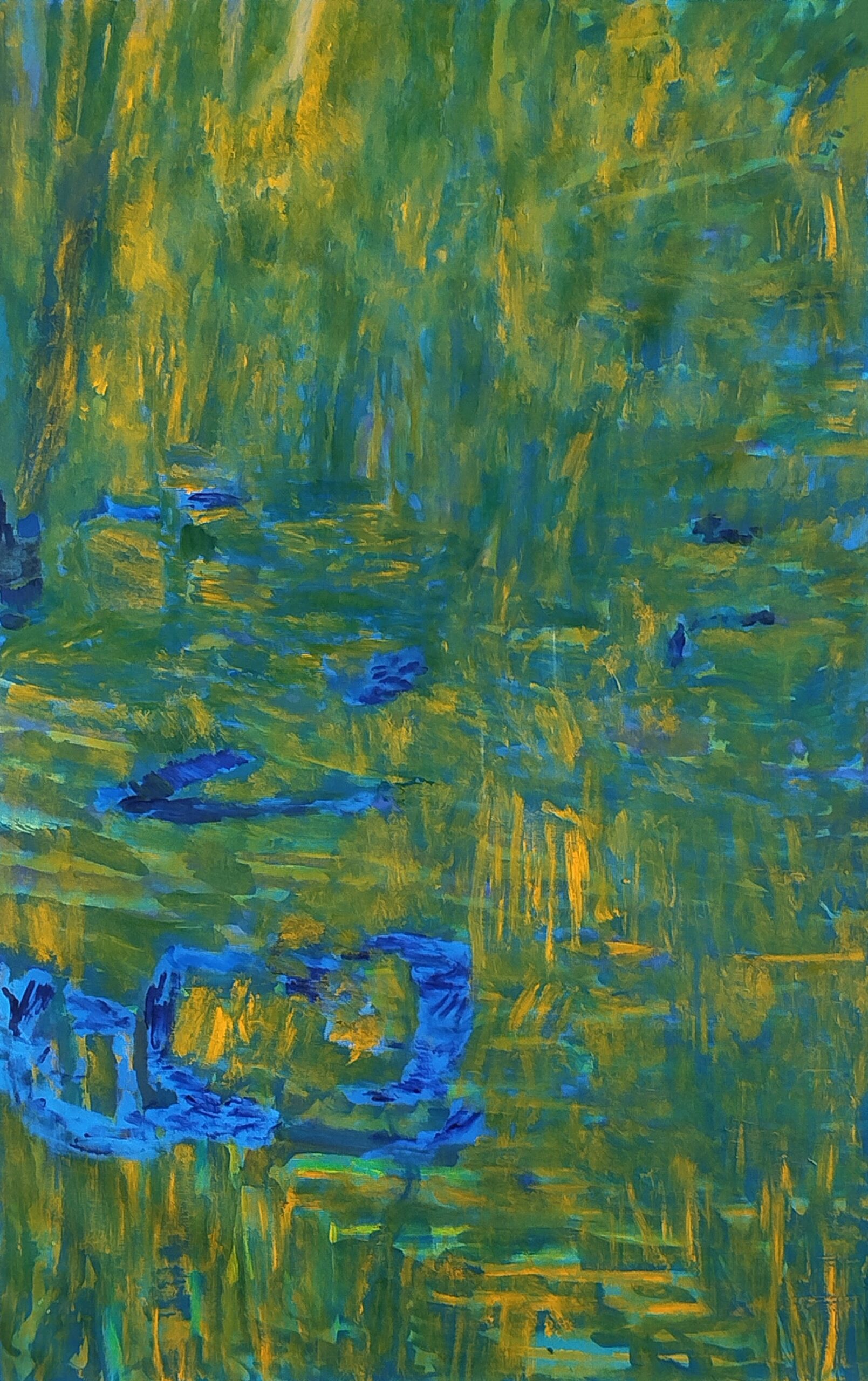
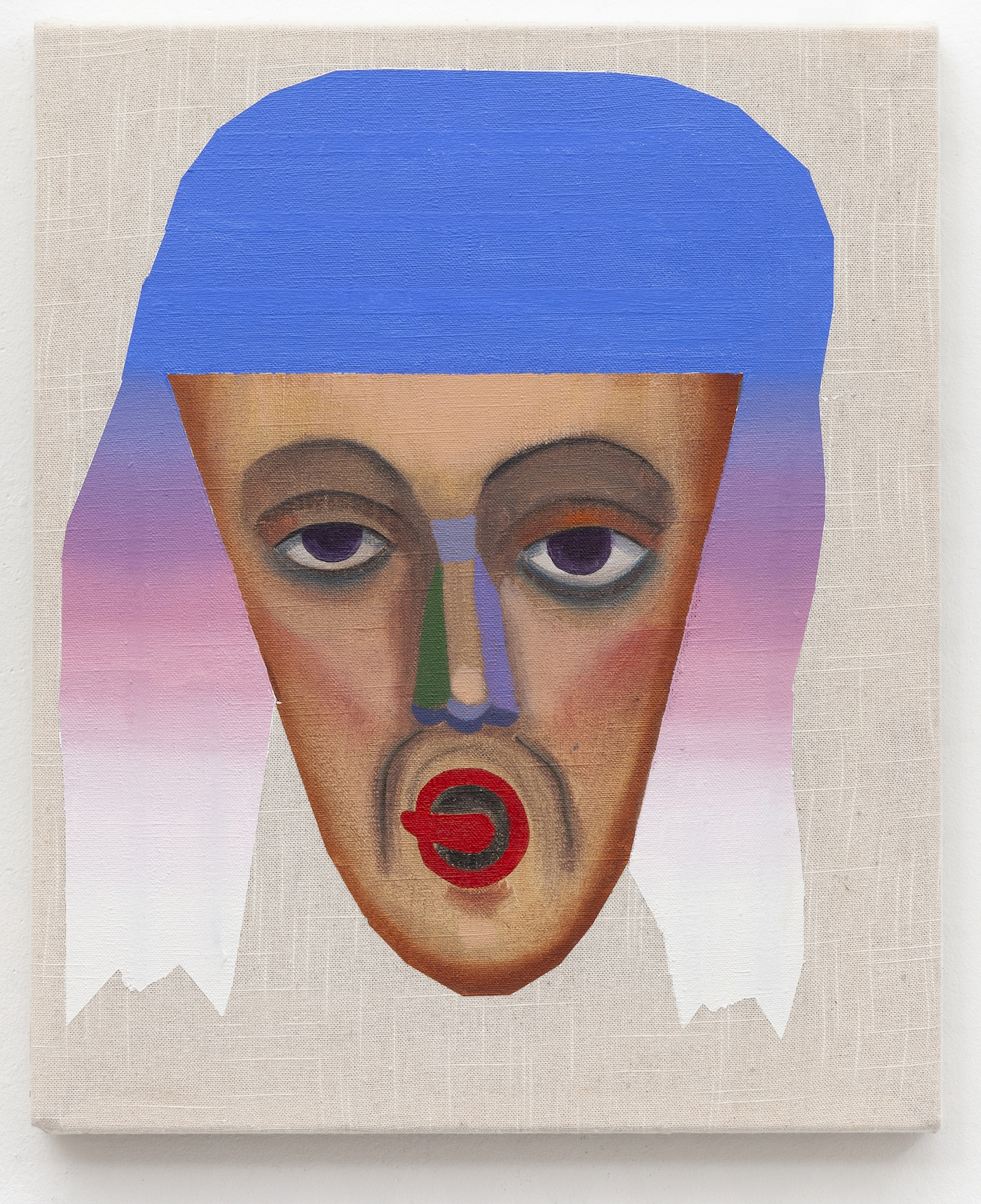
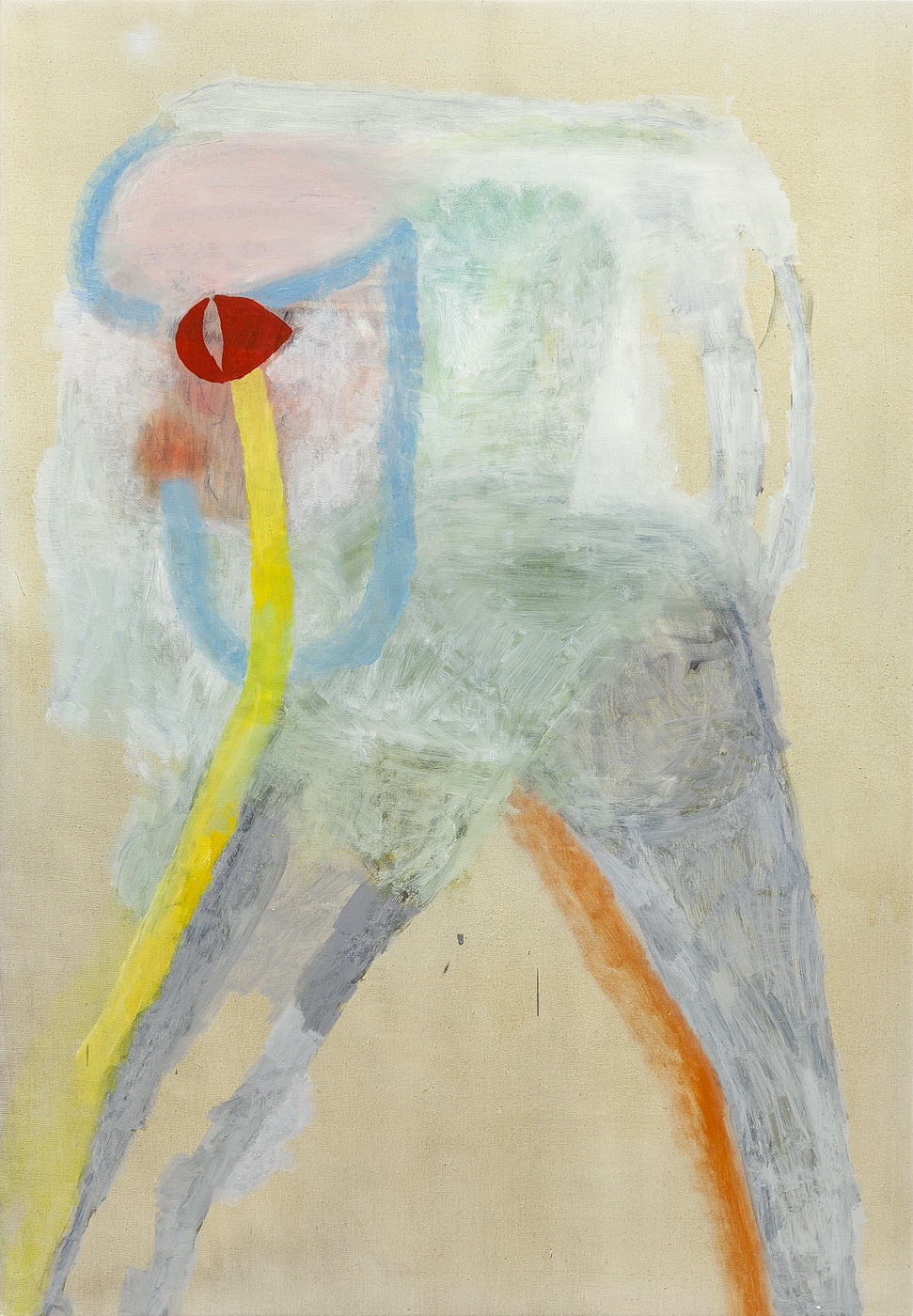
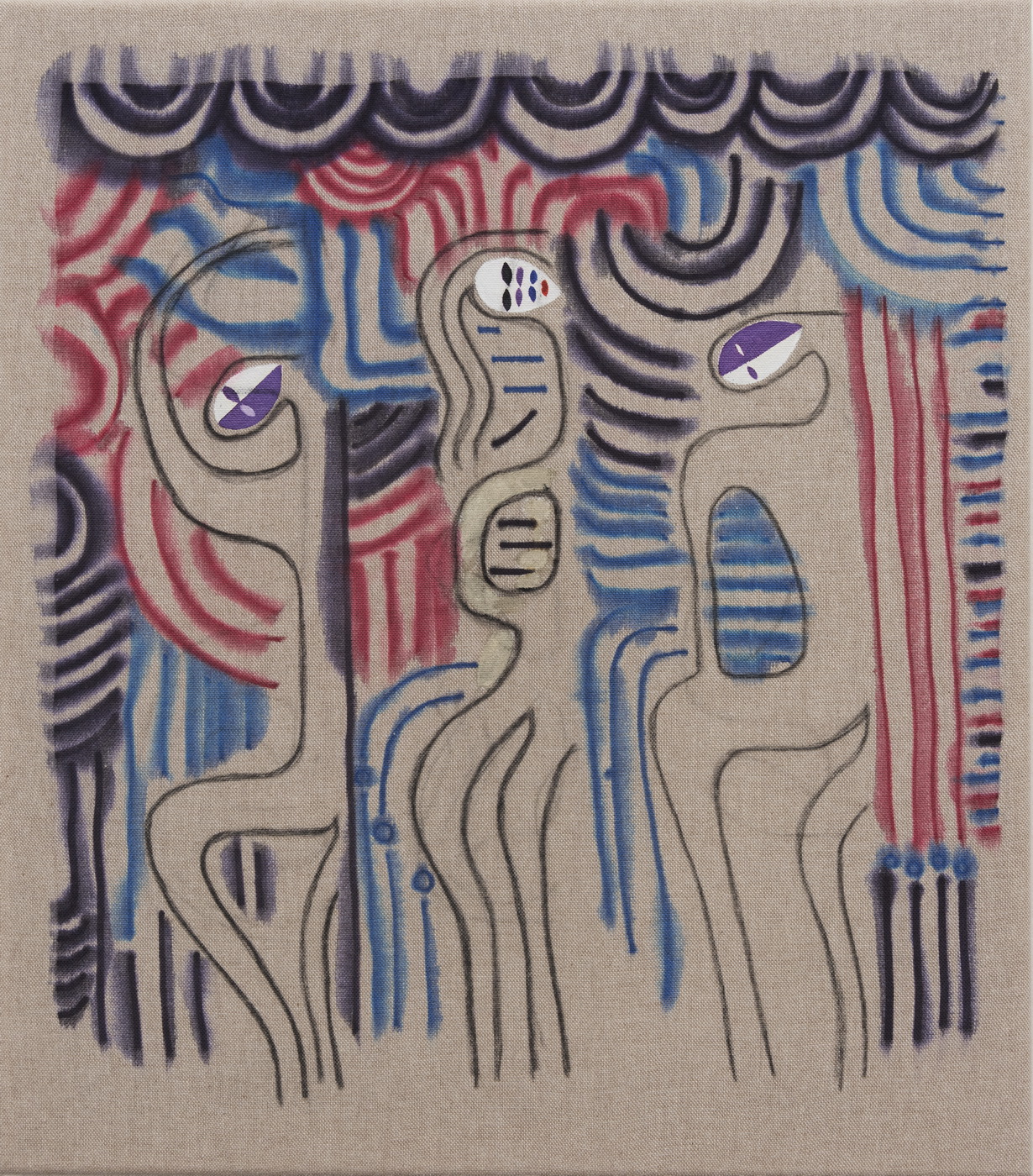
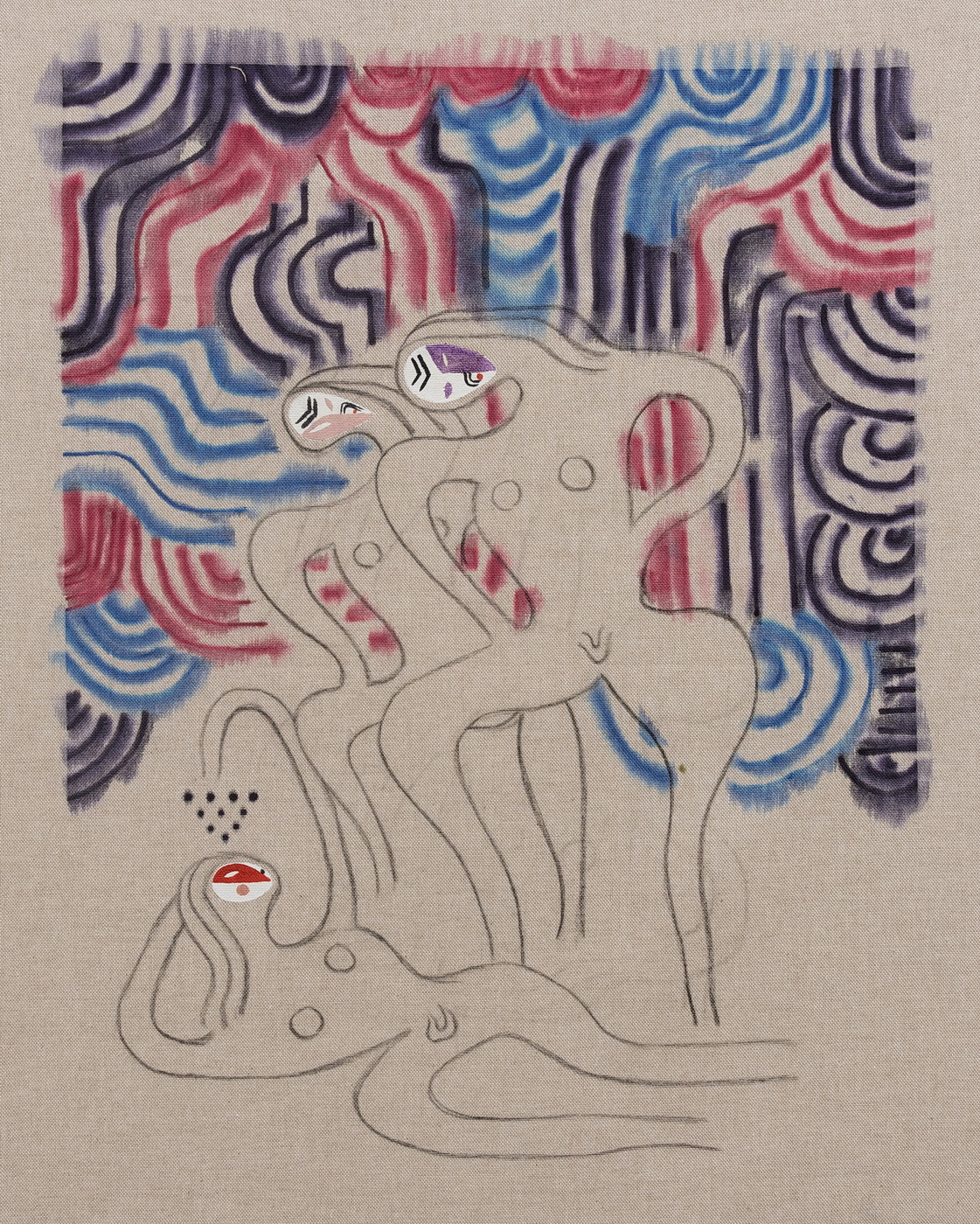
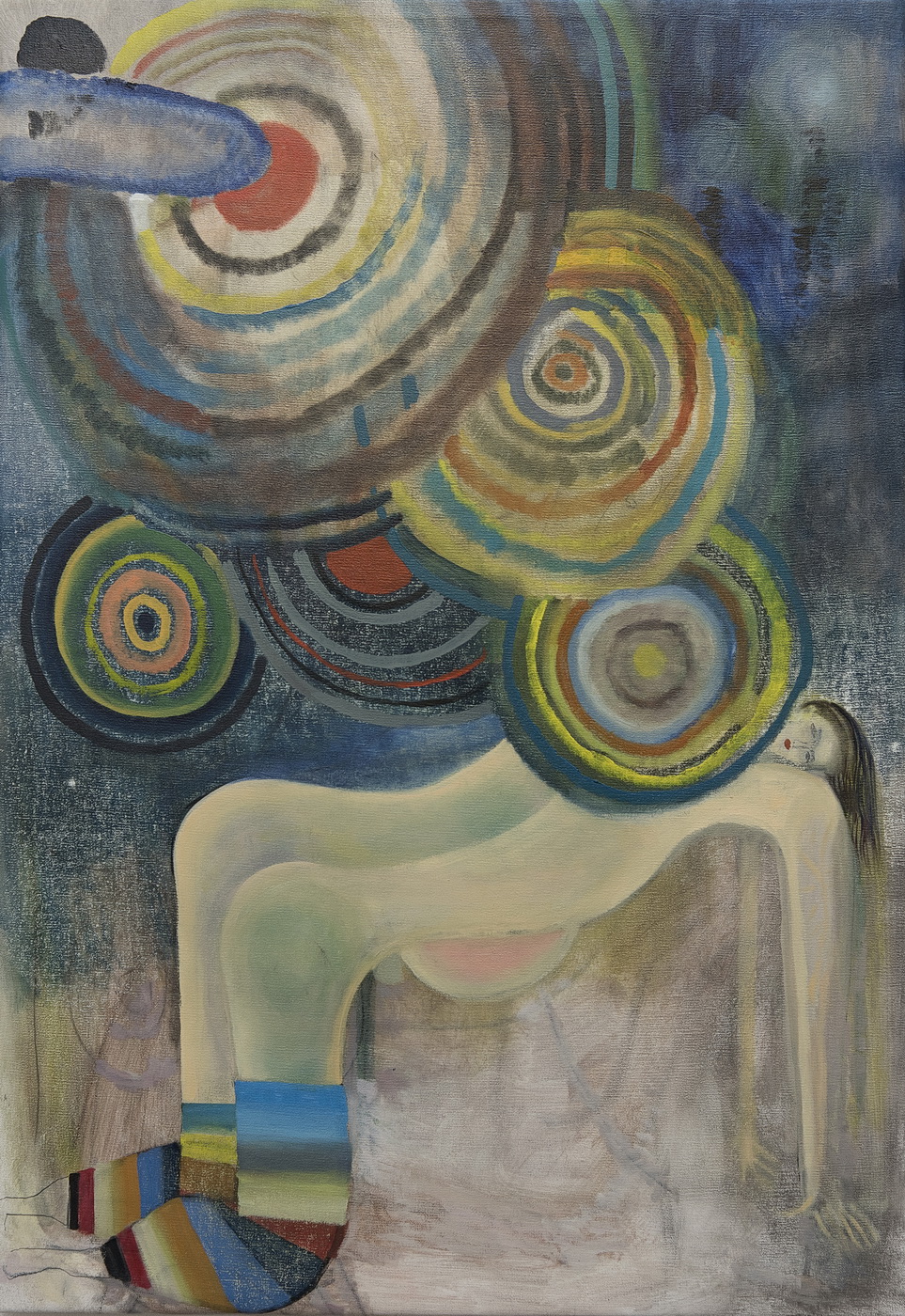
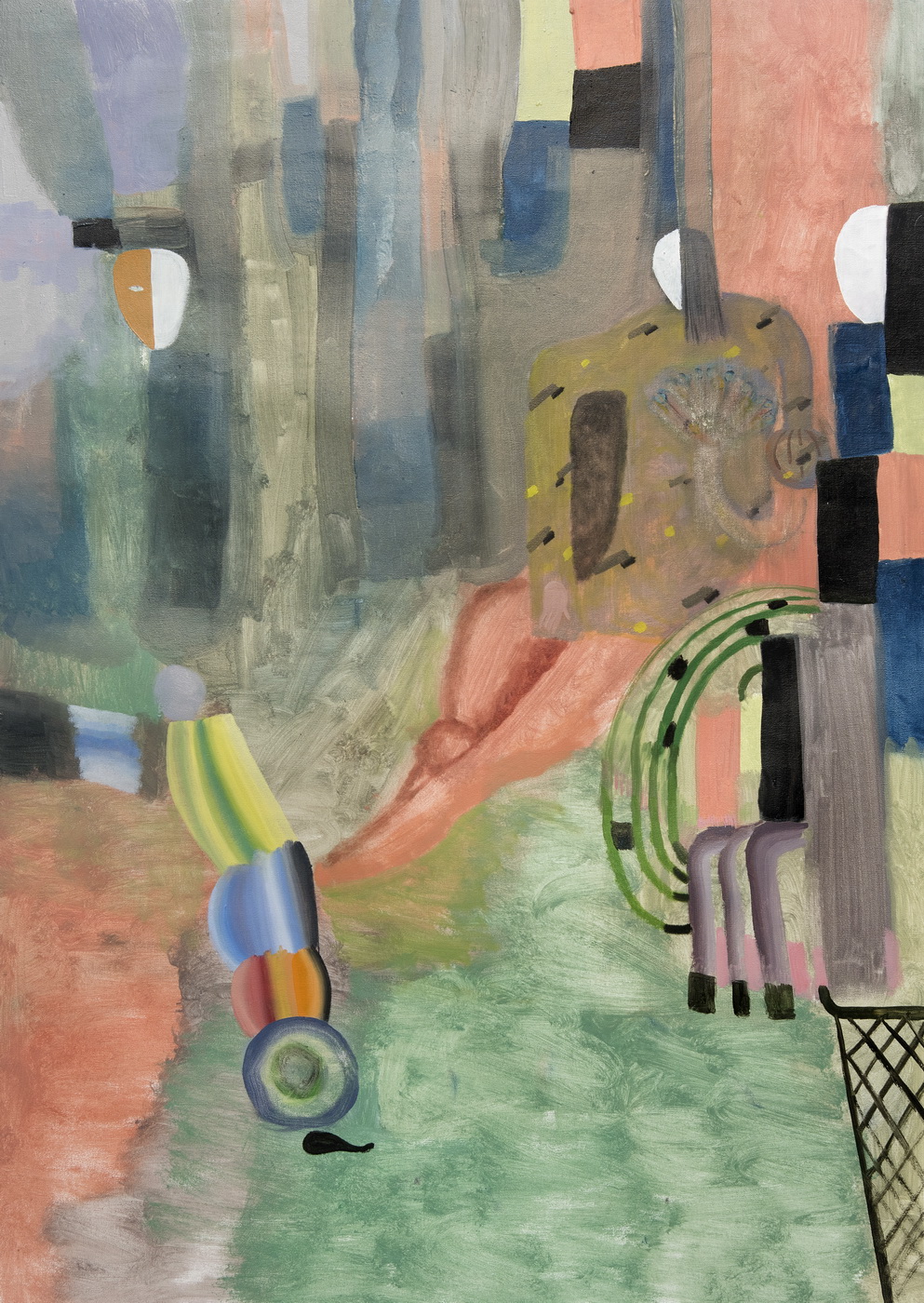
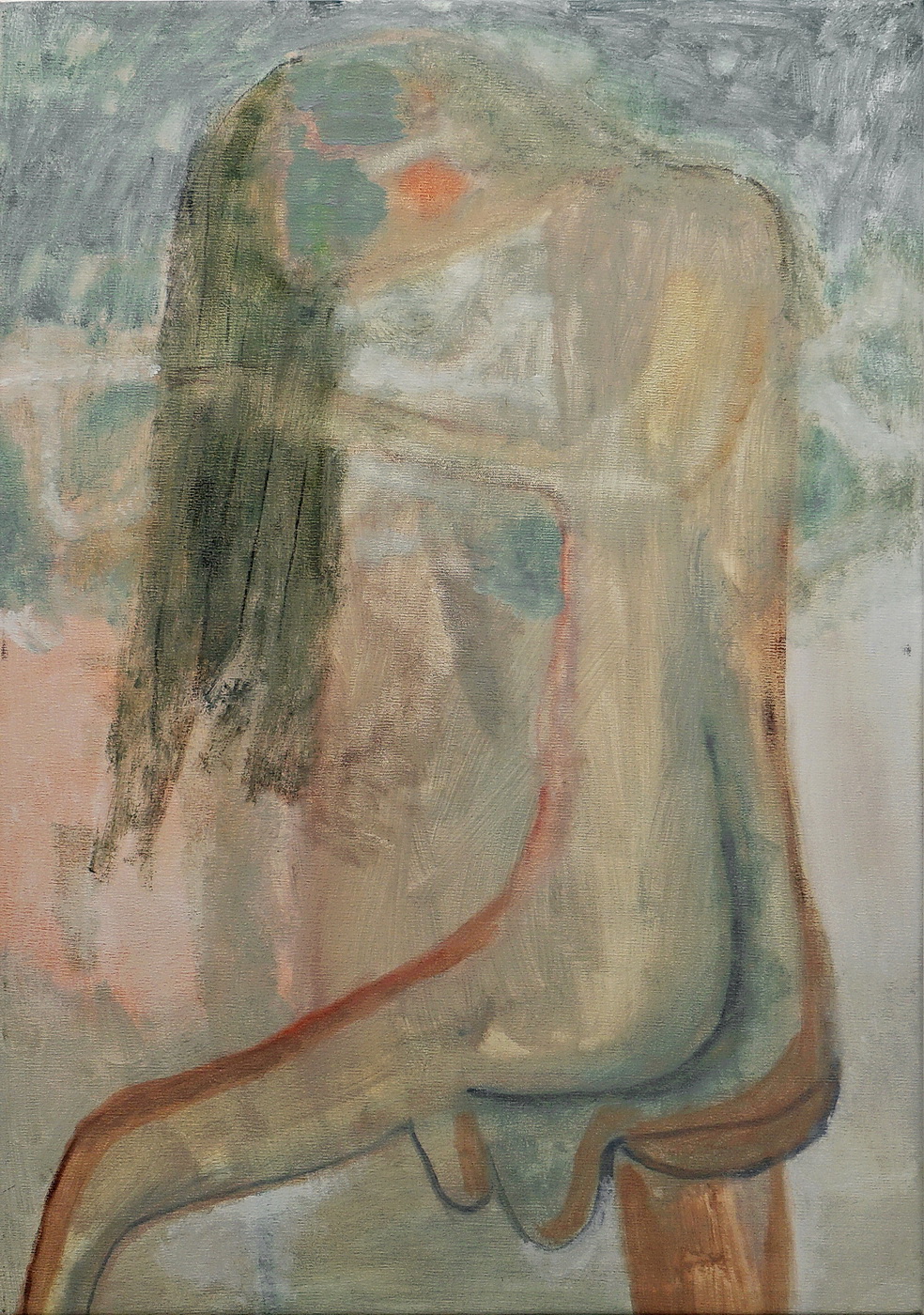
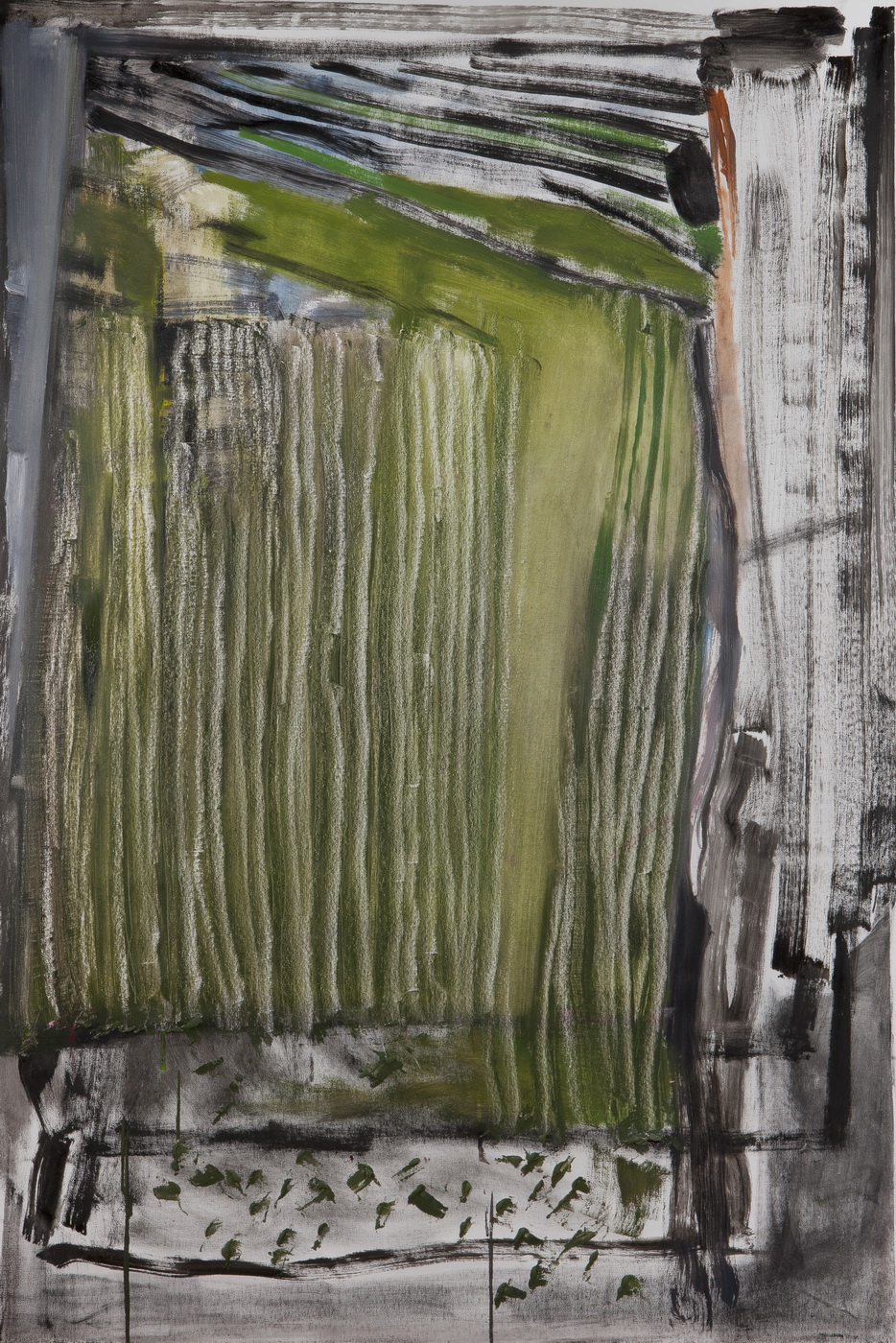
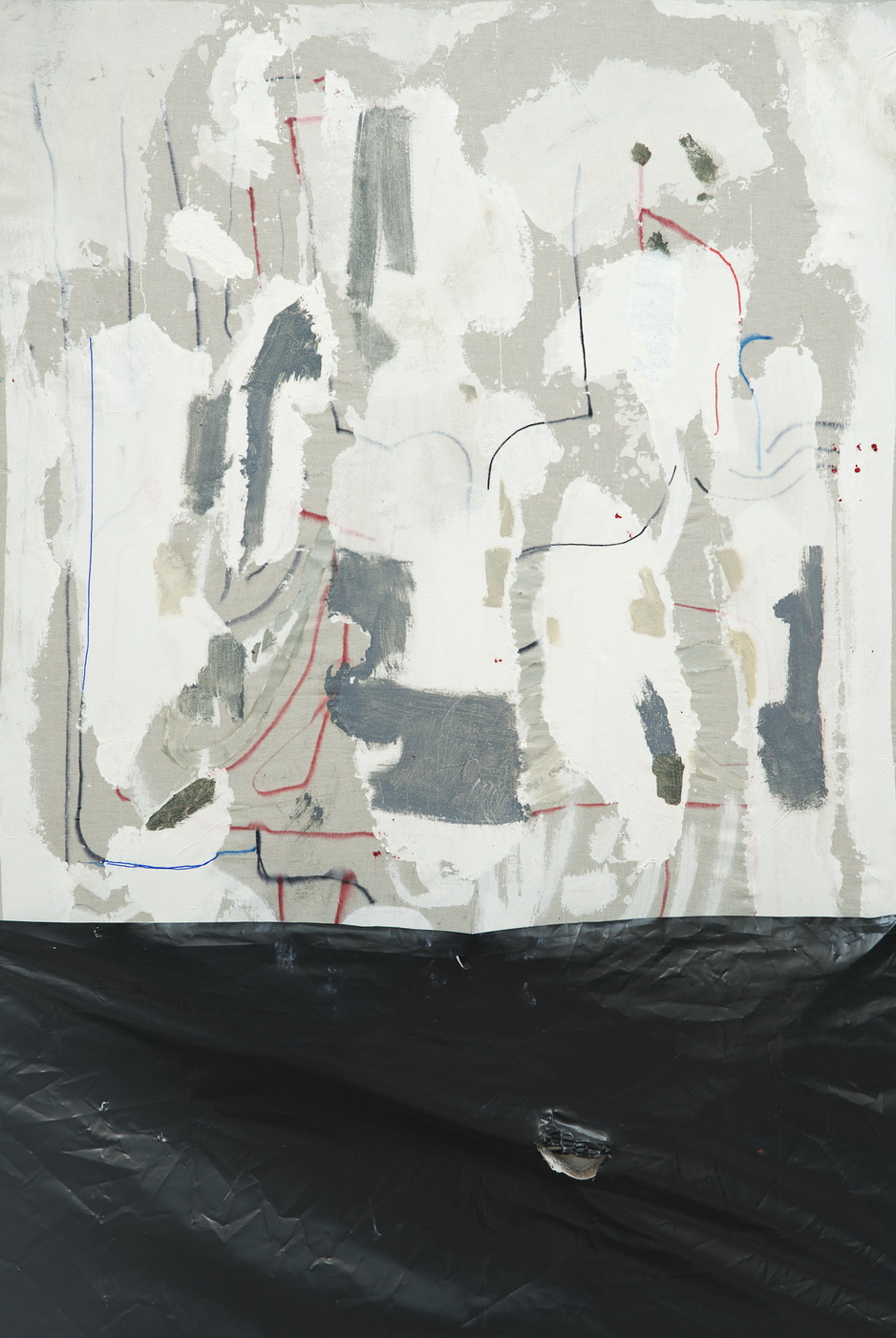
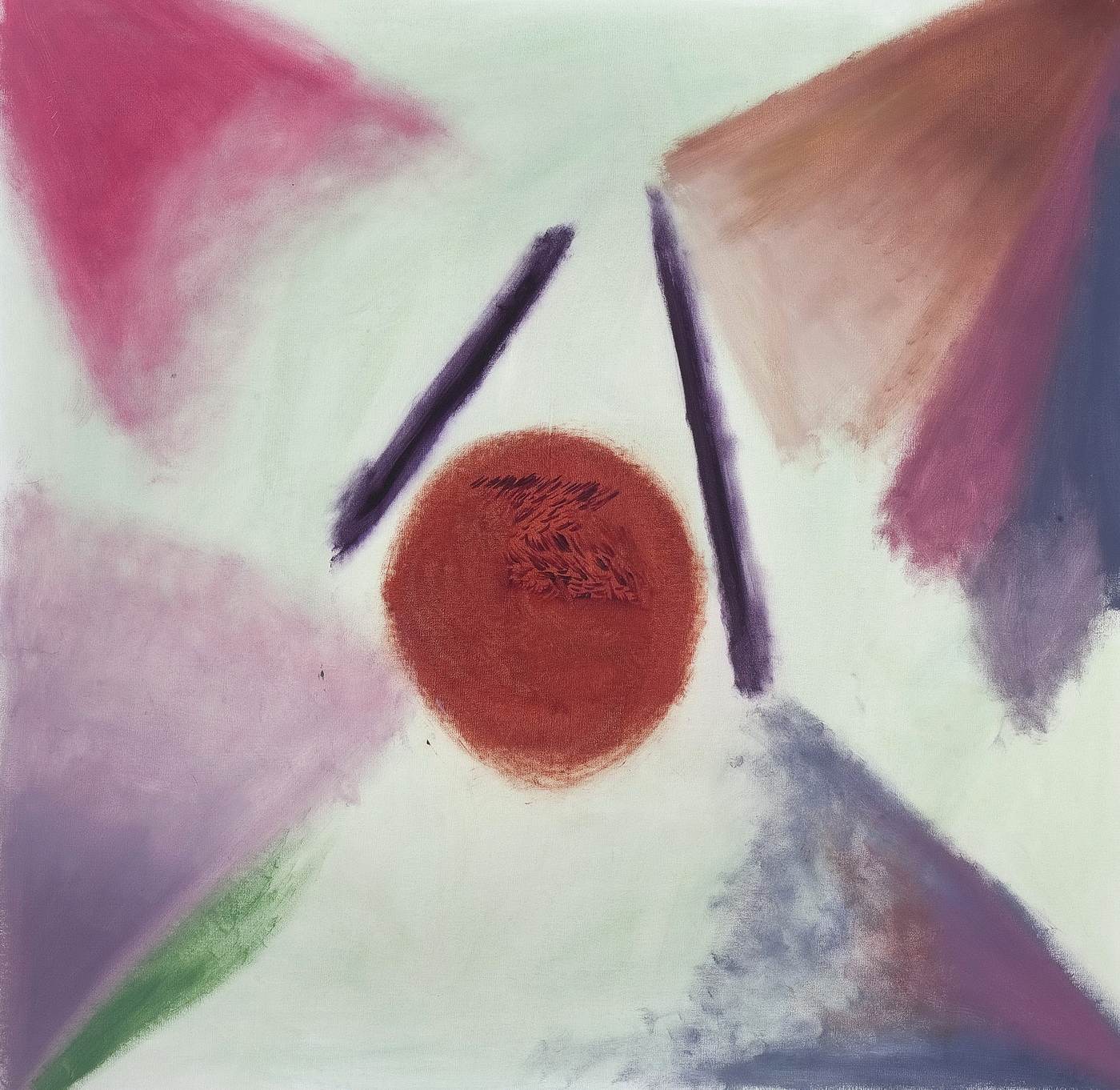
Between 2016 and 2019, he developed a series in which canvases functioned as supports for ceramic heads, displacing painterly gesture onto sculptural elements beyond the pictorial field. This was followed by a body of work engaging with early modernists Marsden Hartley and Arthur Dove, allowing their visual languages to permeate his own. In more recent works, Tessi has foregrounded the tension between raw linen and primed areas of the surface—zones that offer “protection” against the corrosive effects of oil paint on untreated fabric. These paintings are inhabited by figures whose features resonate with archaic references.
In an essay, Javier Villa—former senior curator at the Museo de Arte Moderno de Buenos Aires and current director of the Centro Cultural Recoleta—situates Tessi’s practice within a lineage that diverges from both the linear, “monotheistic” tradition of European modernism and the logic of “anthropophagy” articulated by Oswald de Andrade, in which cultural influences are metaphorically “devoured.” Rather than rejecting or subsuming the past, Villa likens Tessi’s approach to that of ancient Mesoamerican cultures, which incorporated foreign deities into their own pantheons as a means of gaining strength. “His is a political manner of creating,” Villa writes, “one that seeks to generate a new species.” Tessi’s painting moves fluidly across temporalities and styles—between works and within them—guided by what Villa describes as the ethics of an inclusive pantheon.
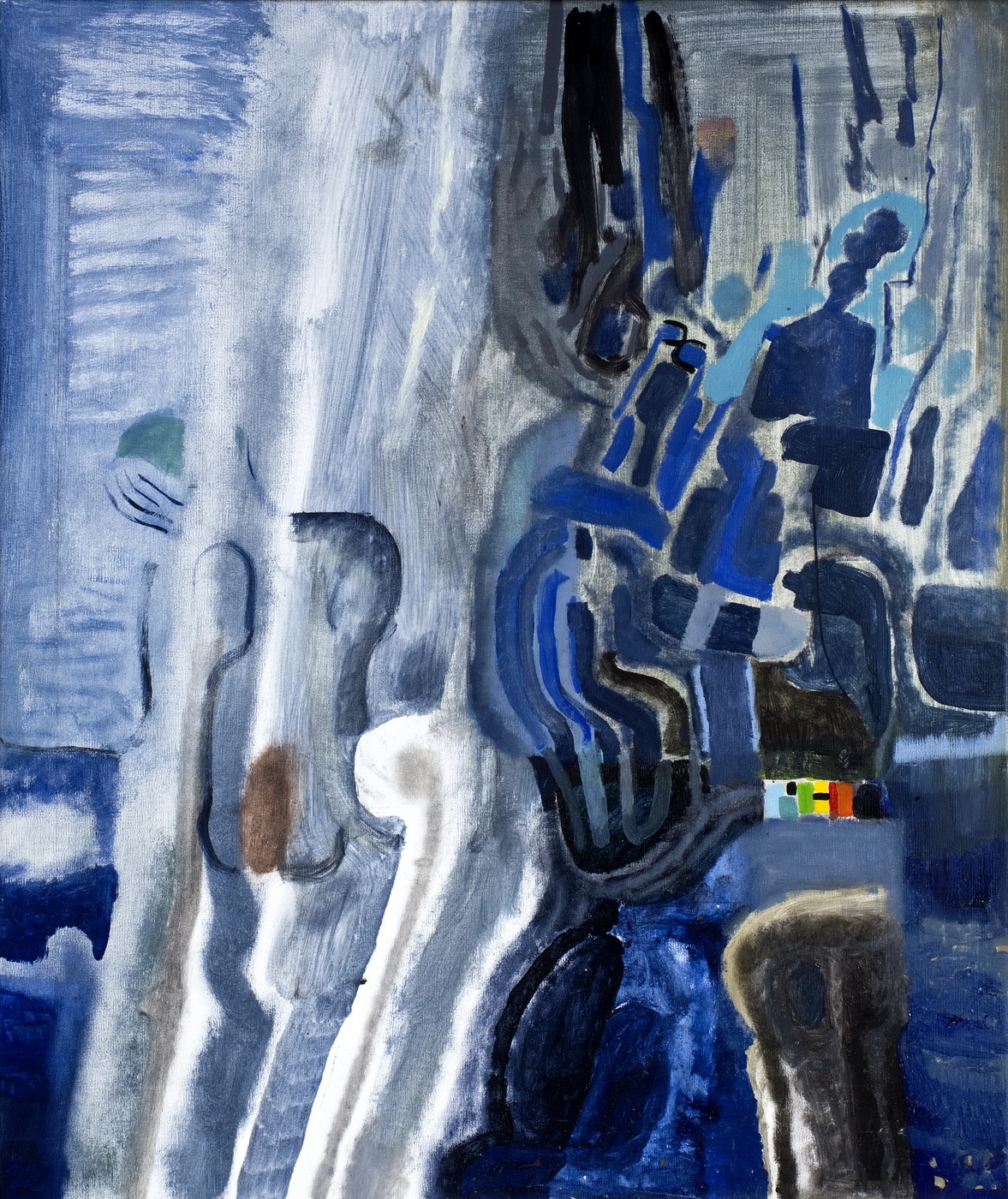
Villa further characterizes Tessi as “a kind of prophet of pictorial interspecies,” for whom the question is not which deity is embodied, but how painting might exceed its own limits and resist the closure of language. He describes Tessi’s exhibition Manglar as an amphibious environment in which multiple currents converge: pre-Columbian imagery, orientalist exoticism, the lyricism of early twentieth-century North American painting, and conceptual strategies linked to local informalism. The exhibition emerges as an ecosystem capable of sustaining diverse forms and generating new ones—a “trans” habitat in which everything may enter into relation with everything else.
In this sense, Tessi’s work can be understood as profoundly Latin American. As Villa concludes, it is a practice unconcerned with moral accumulation or historical antagonism, operating instead with the confidence of one who paints under the protection of a plural and expansive pantheon. From a position shaped by desire and hedonism, Tessi claims the freedom to engage disparate visual traditions without restraint.