











about
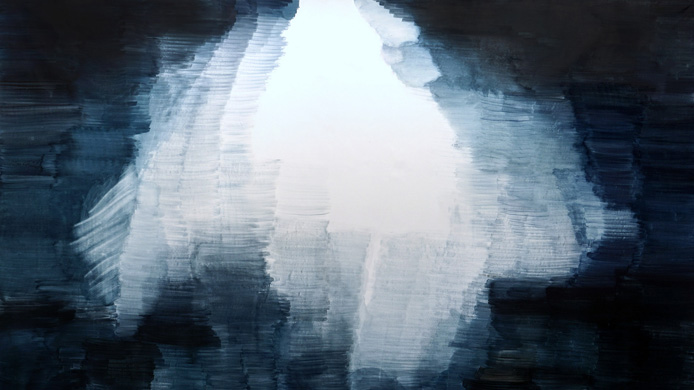
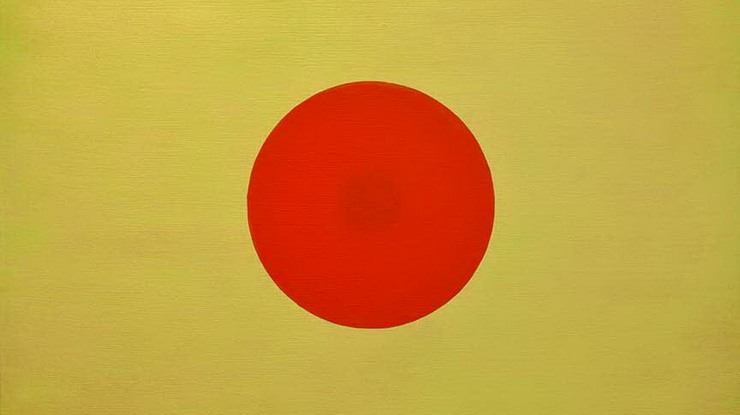
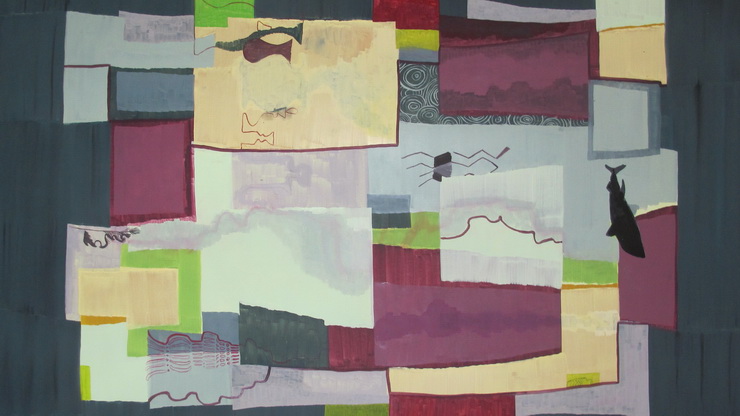
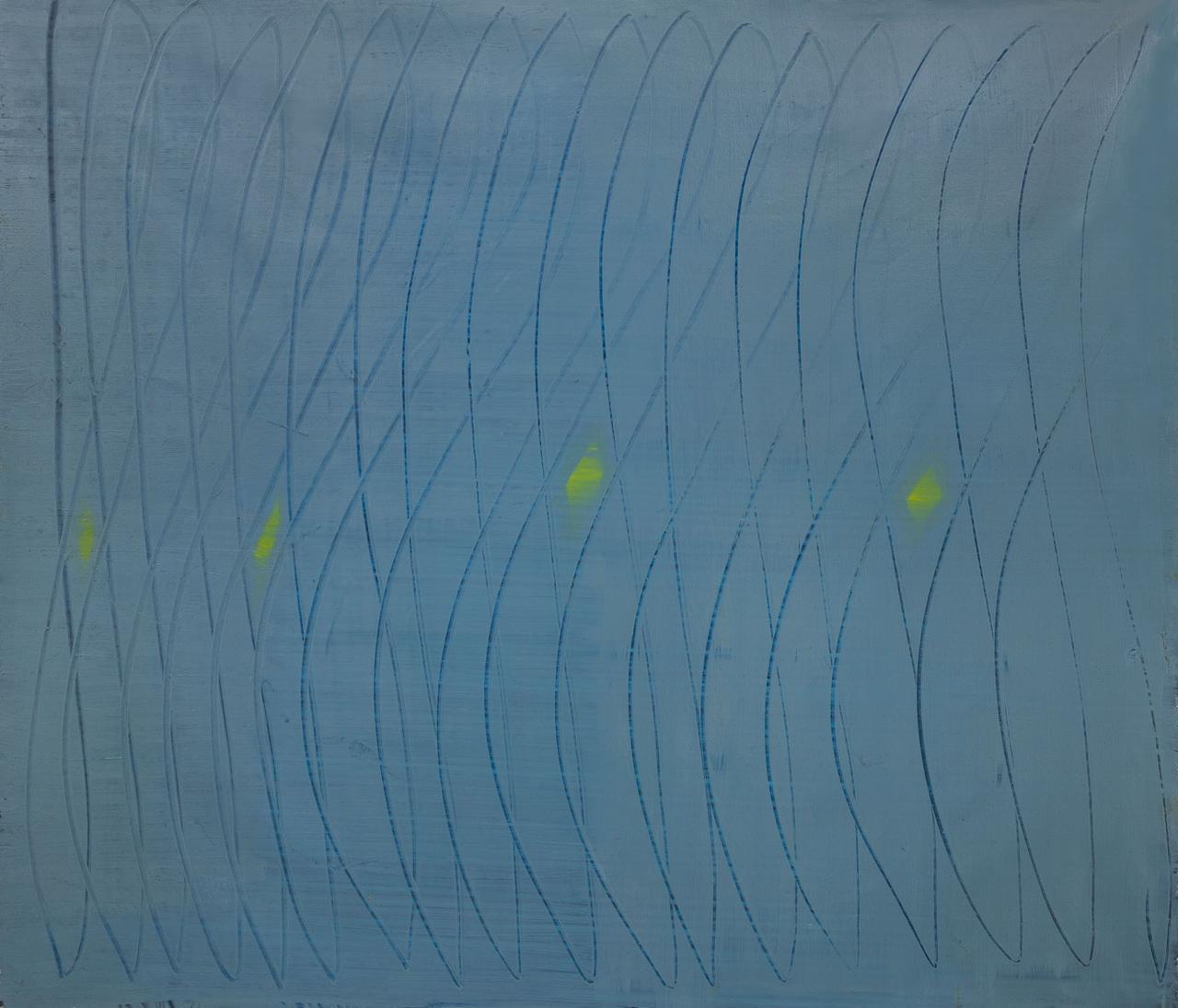
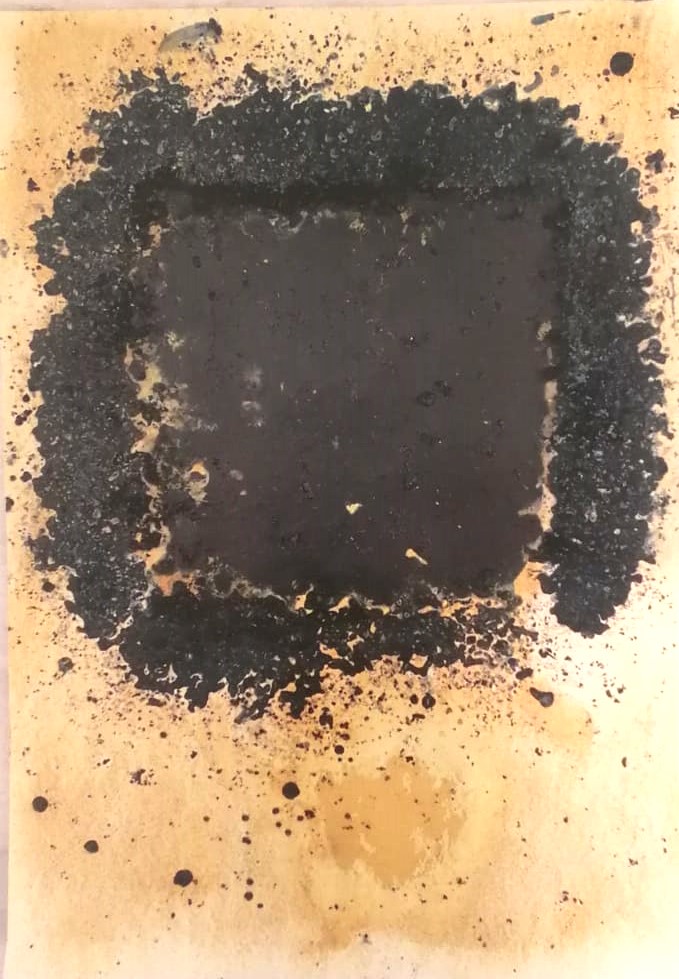
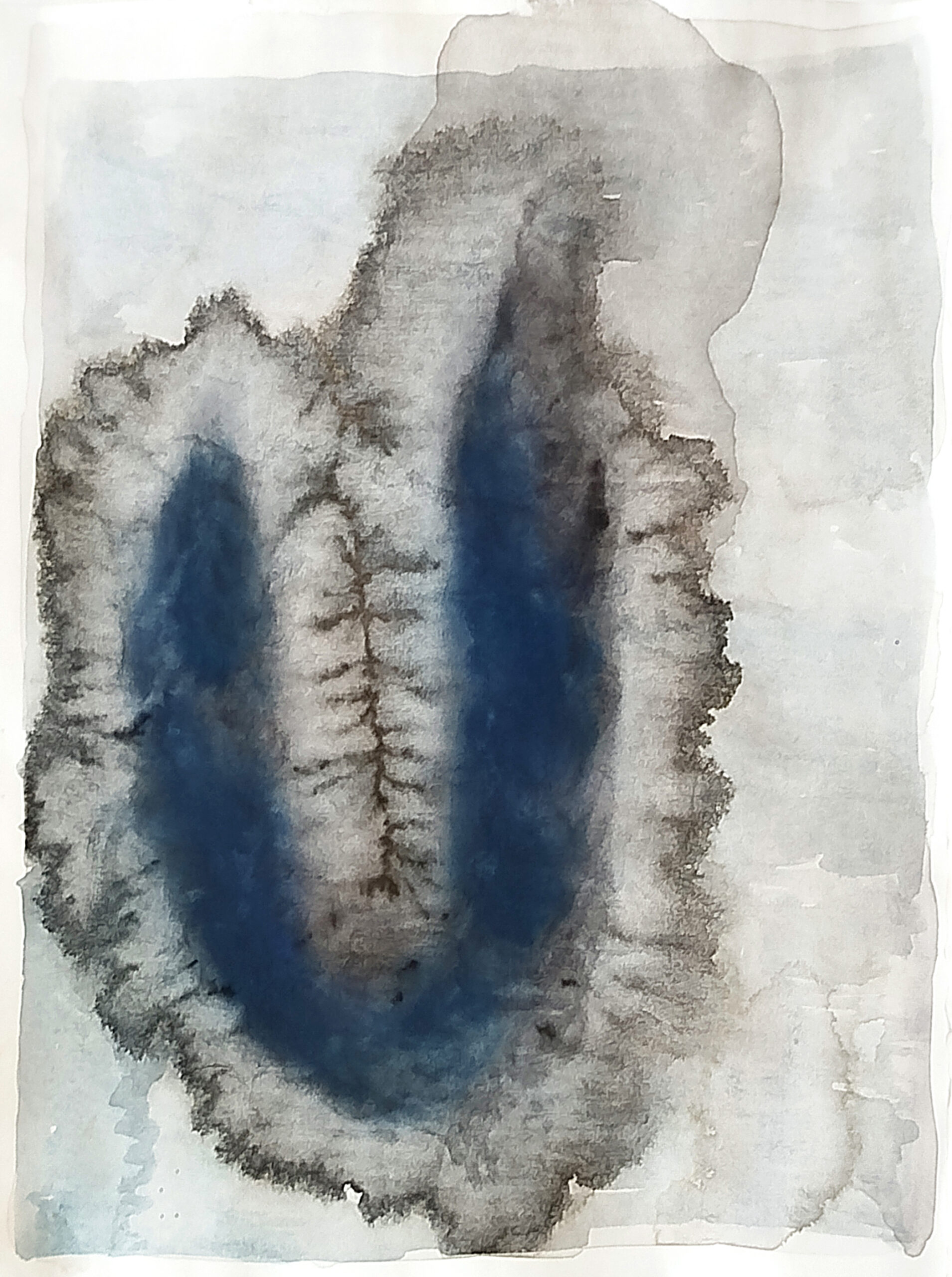
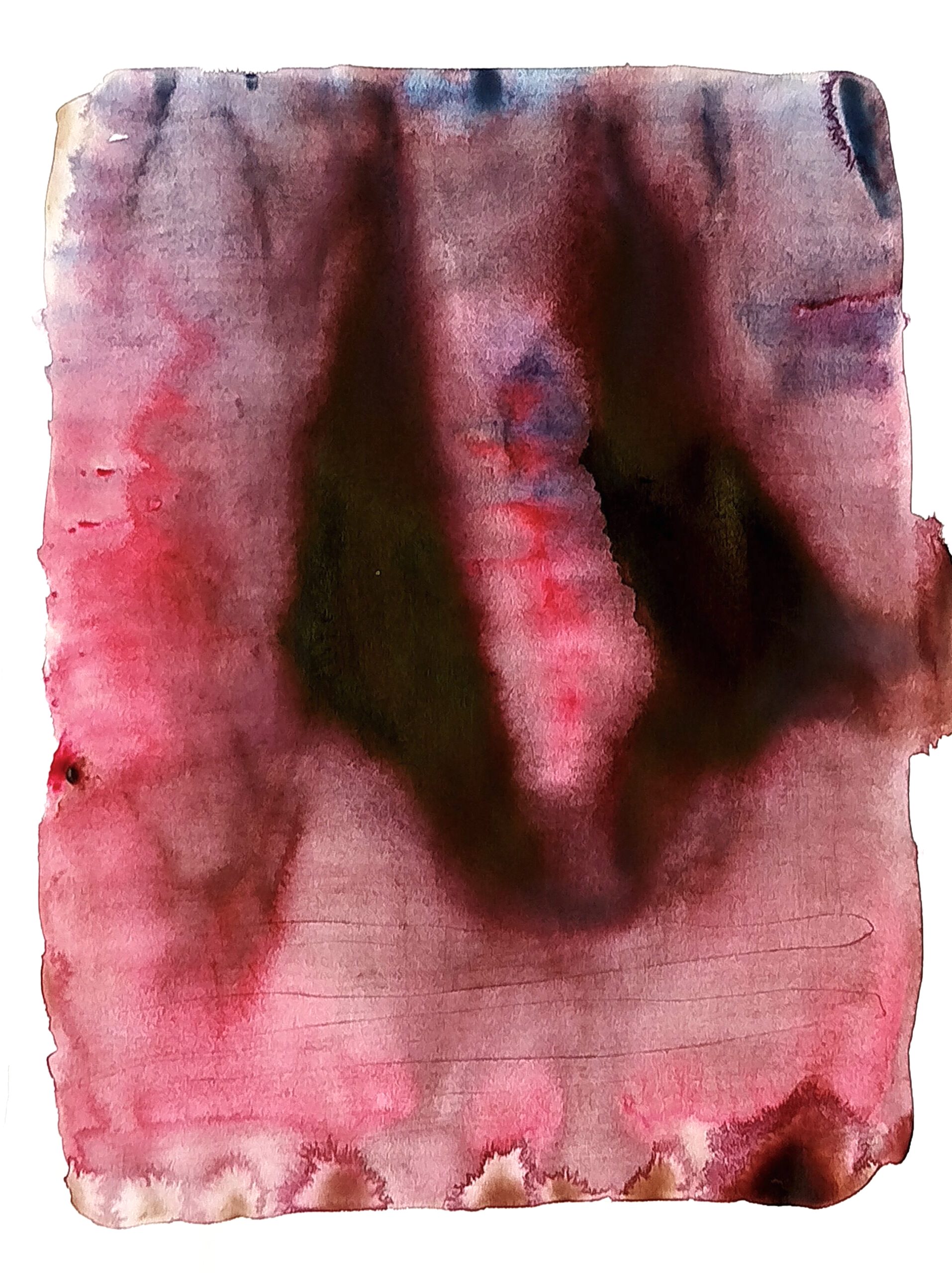
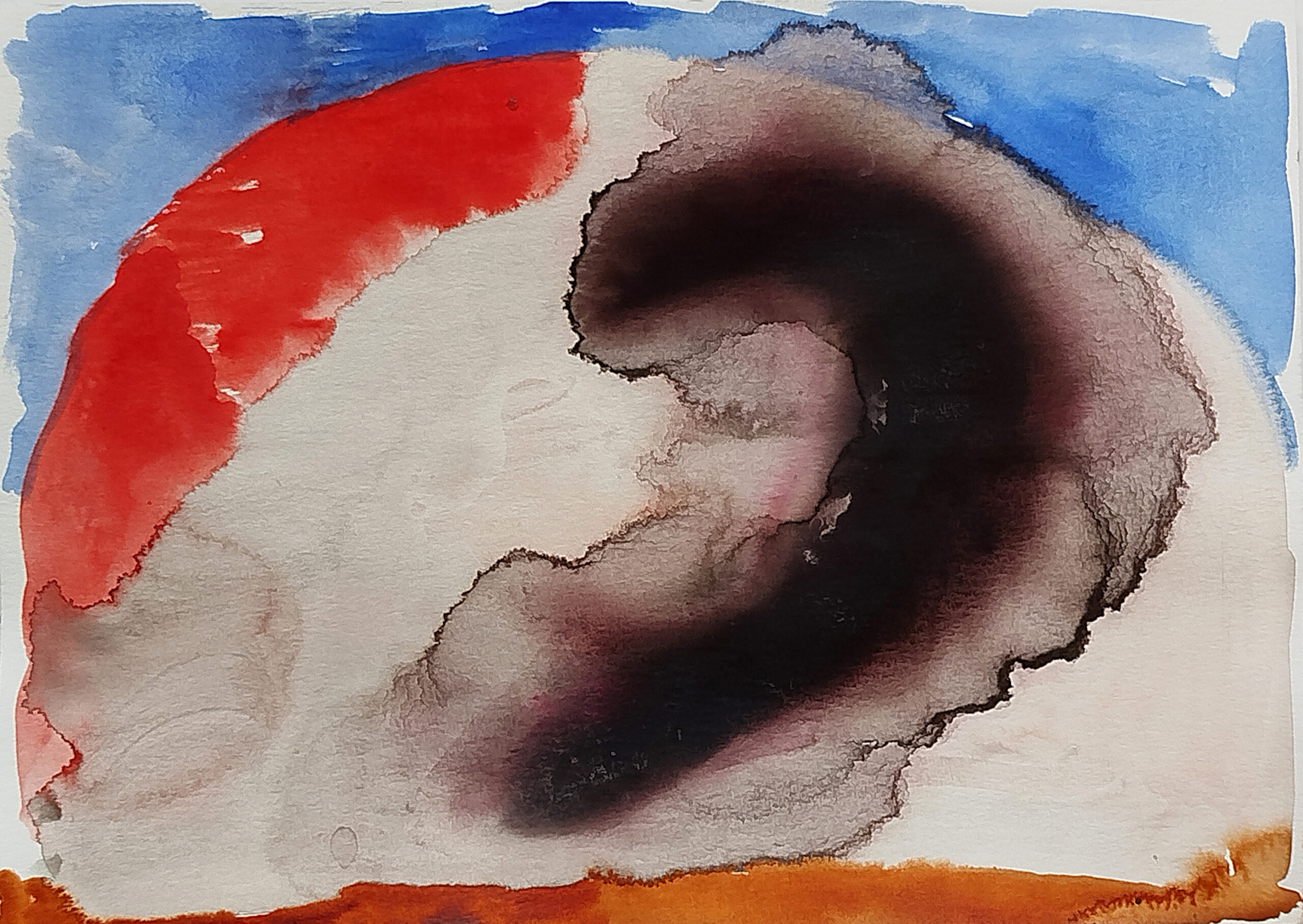
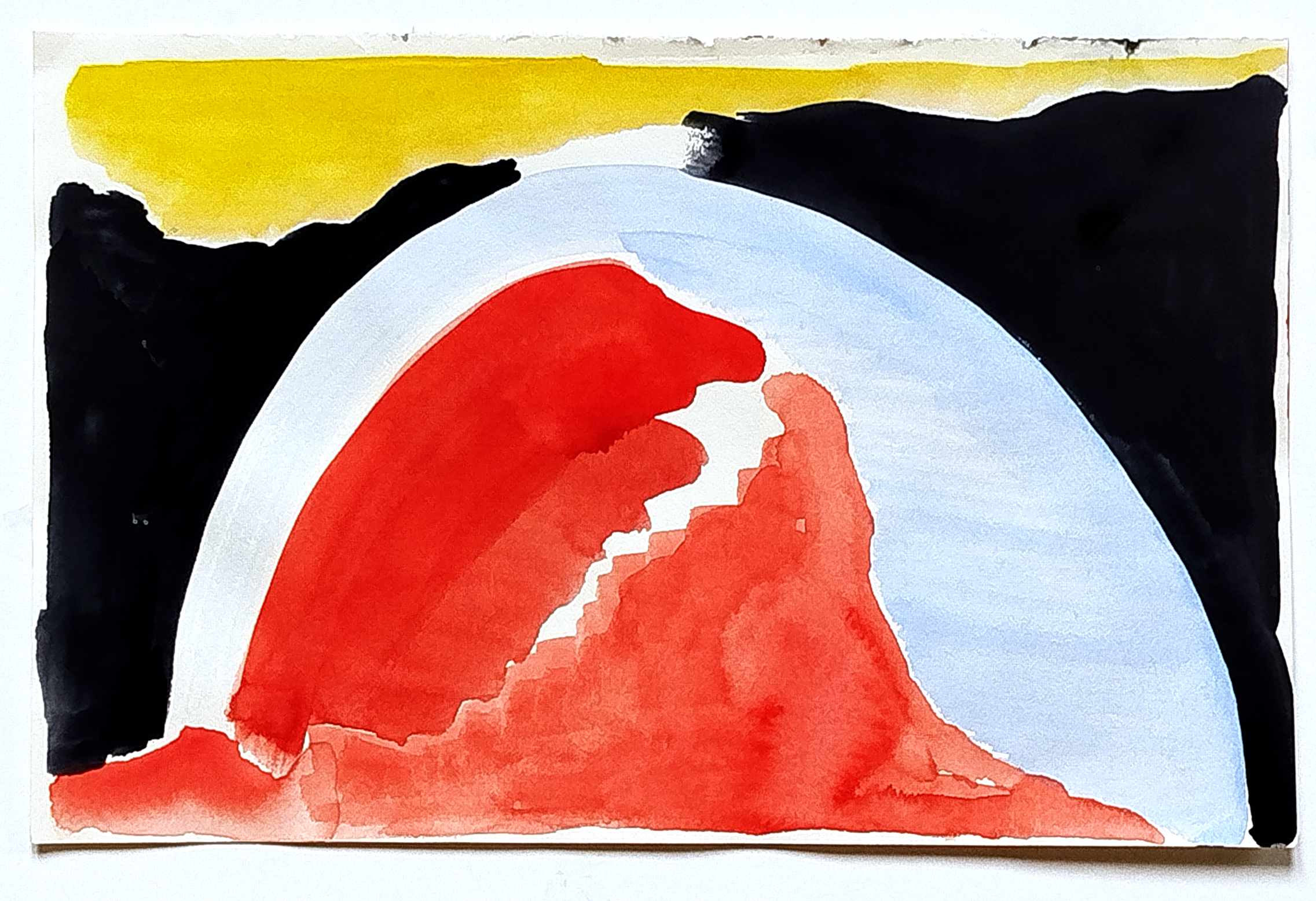
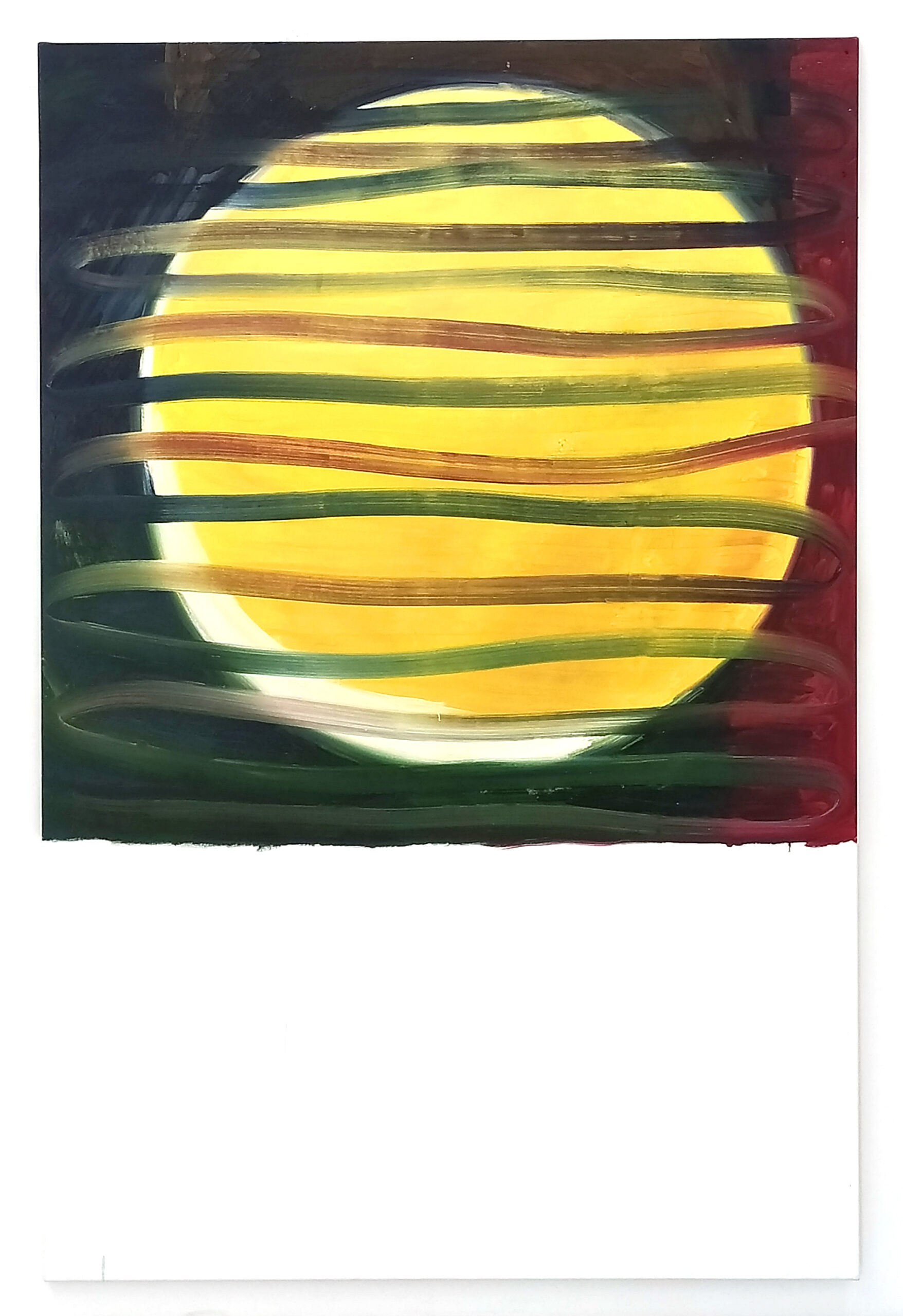
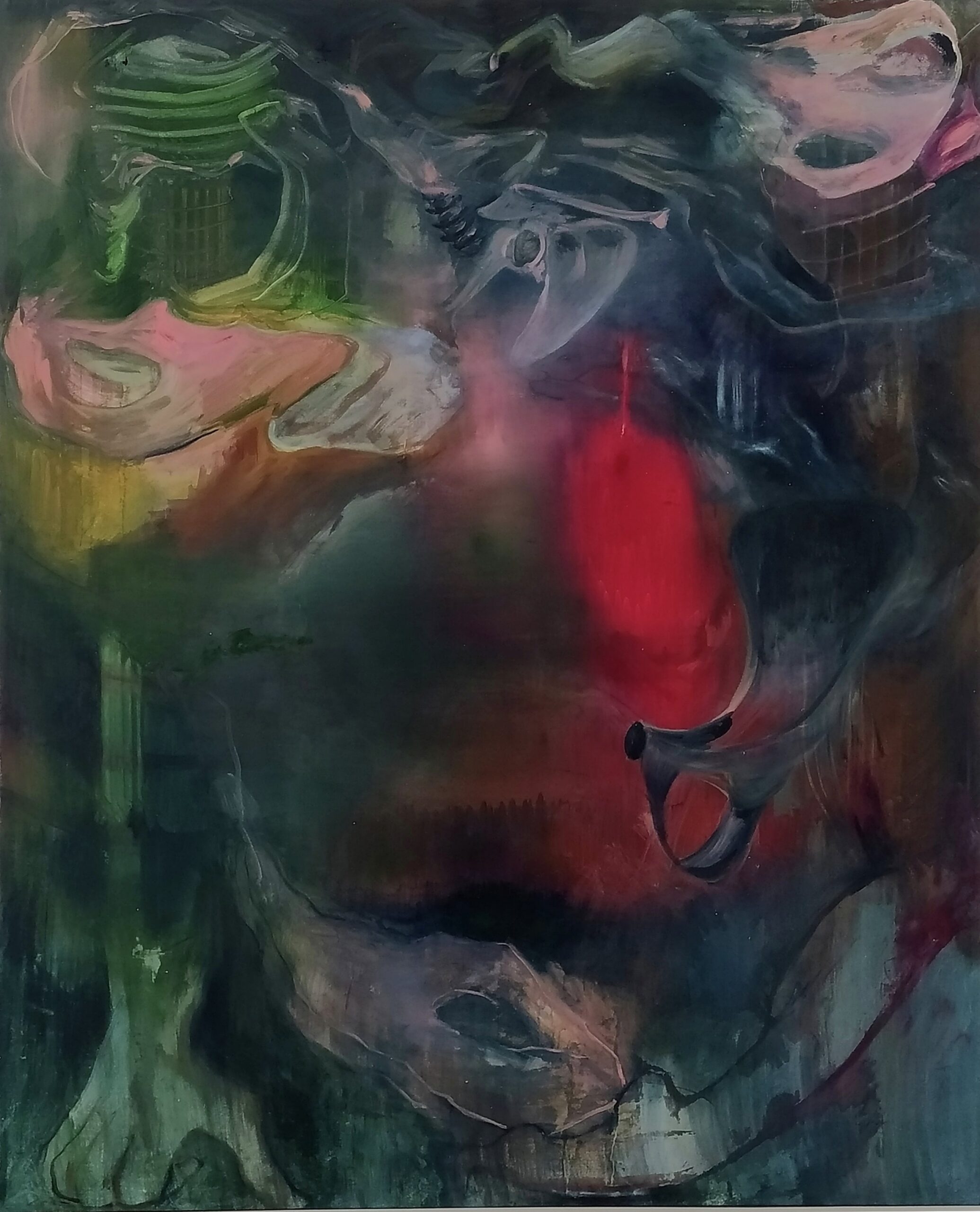
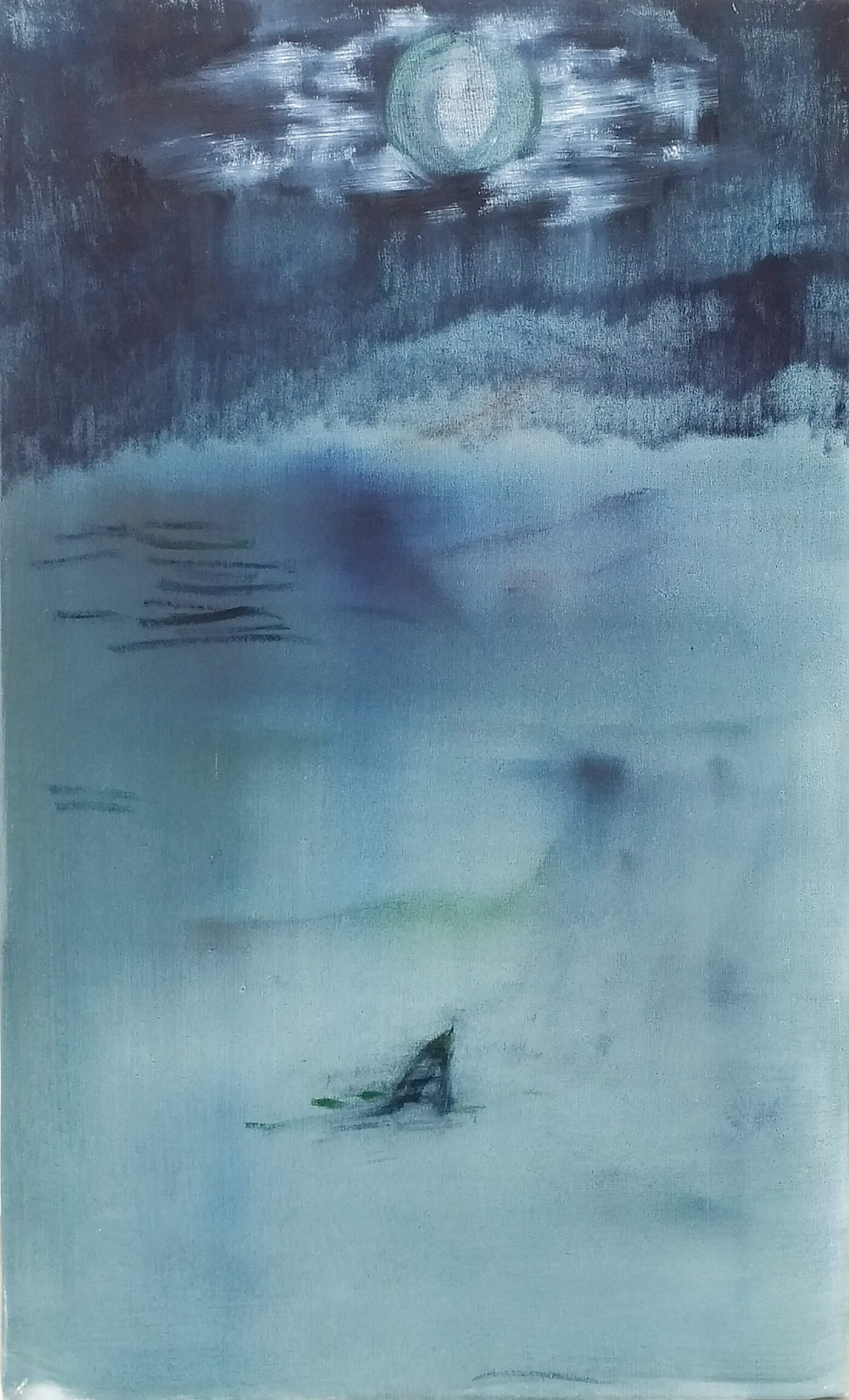
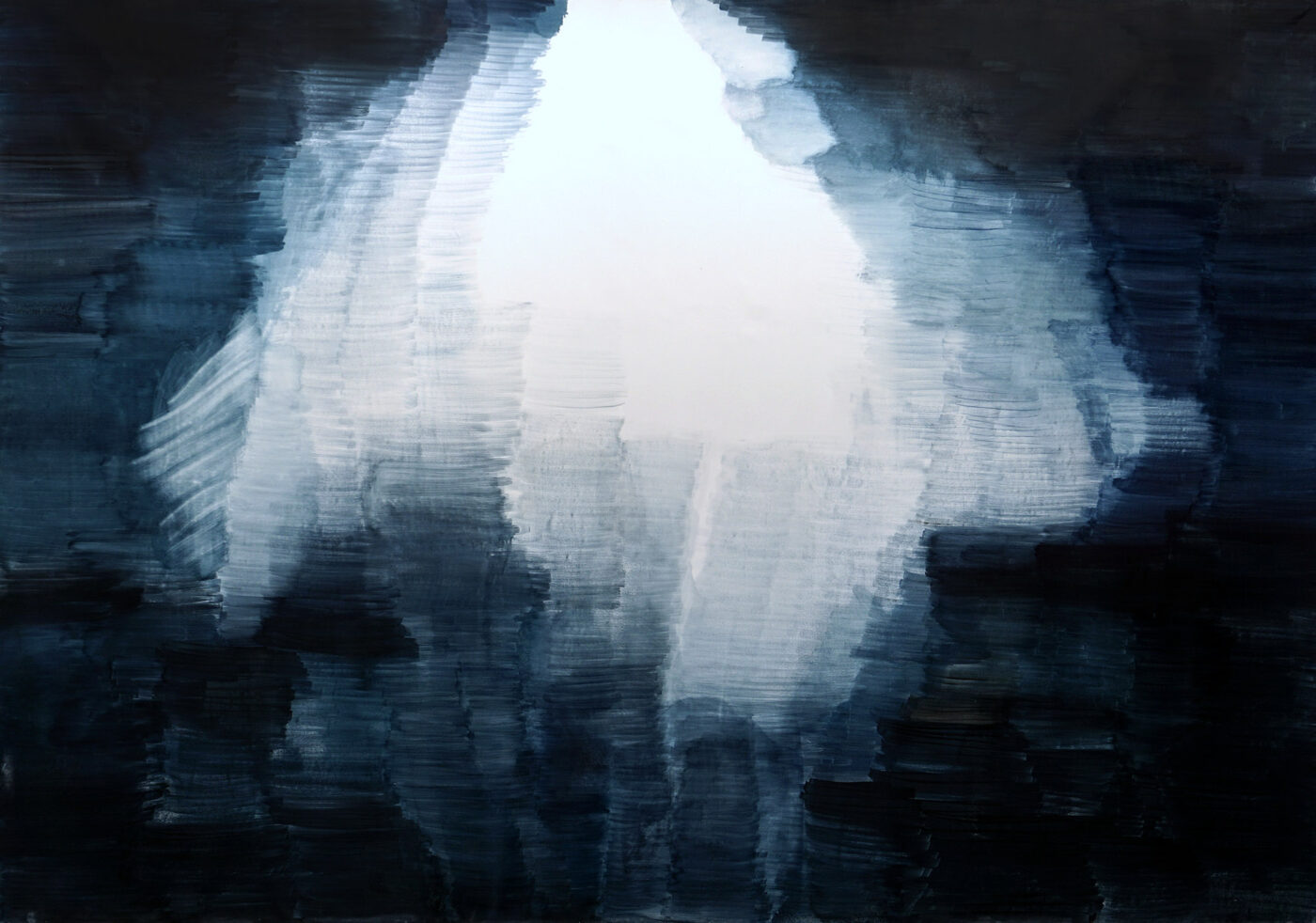
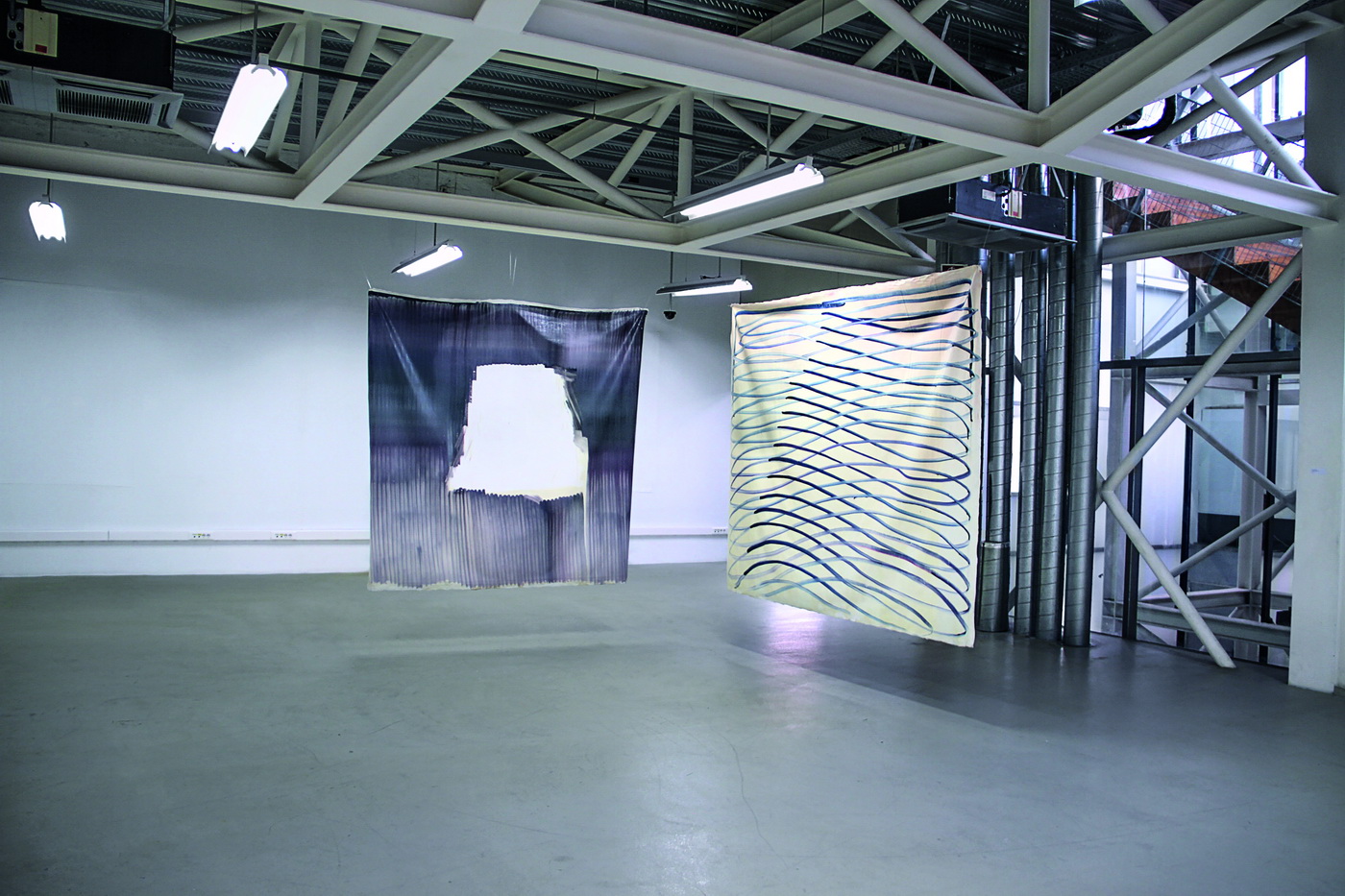
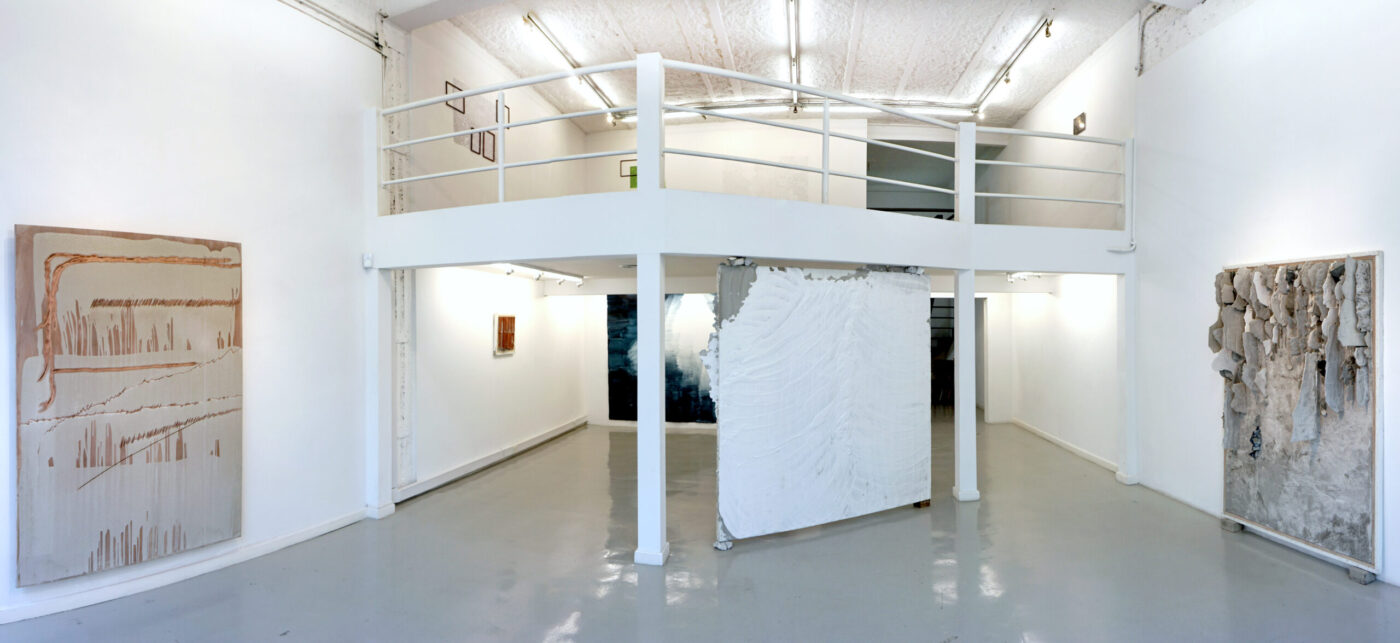
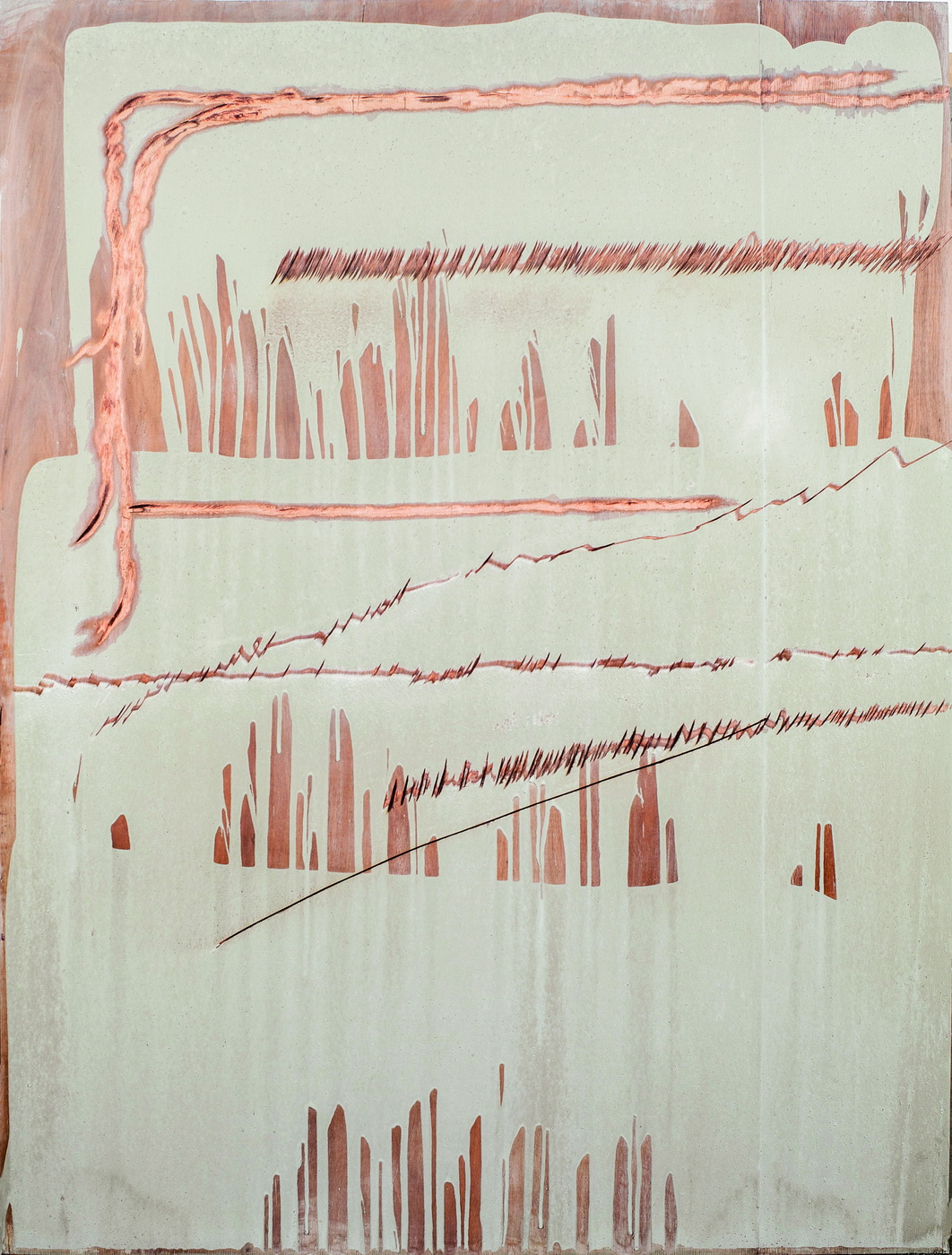
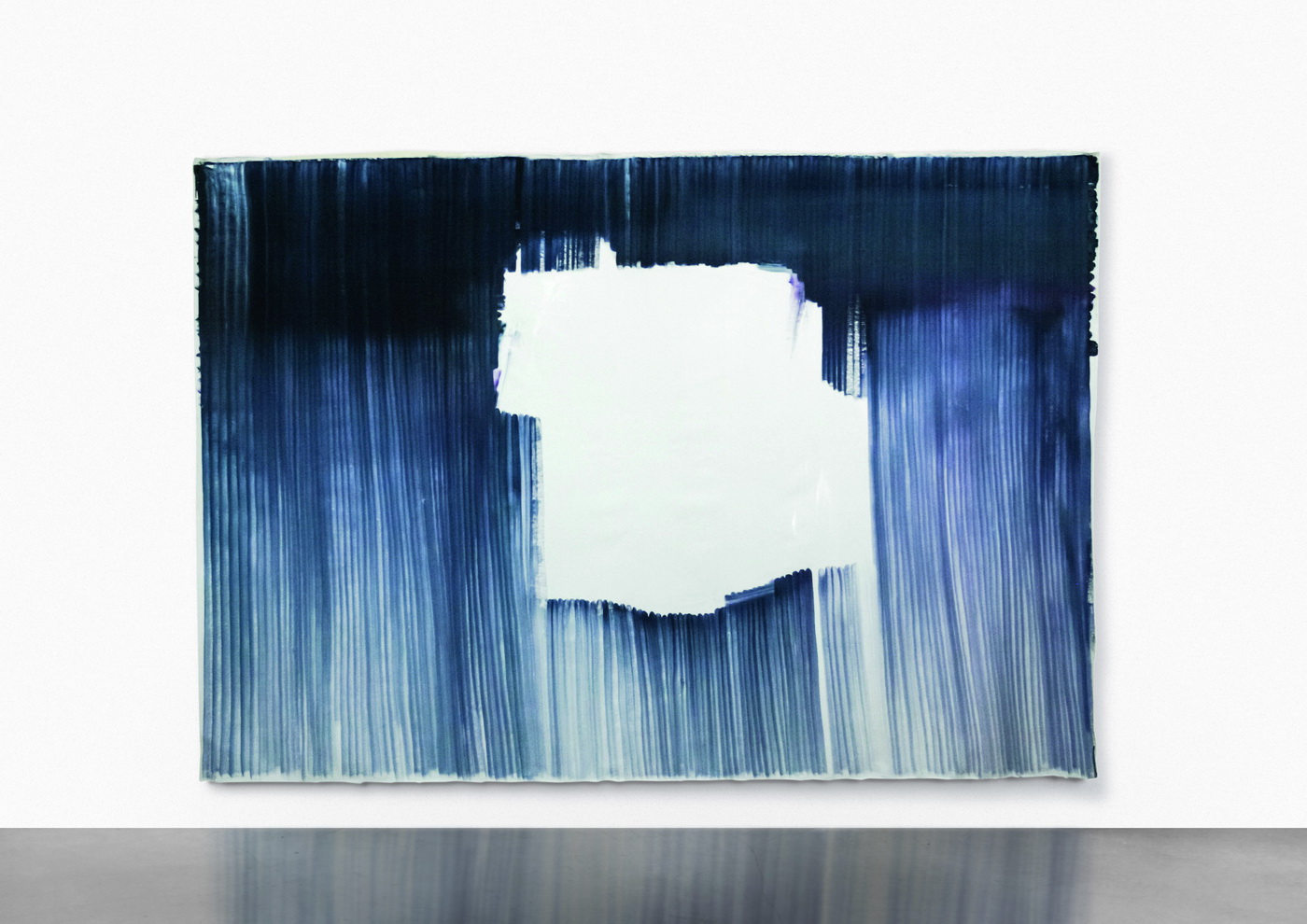
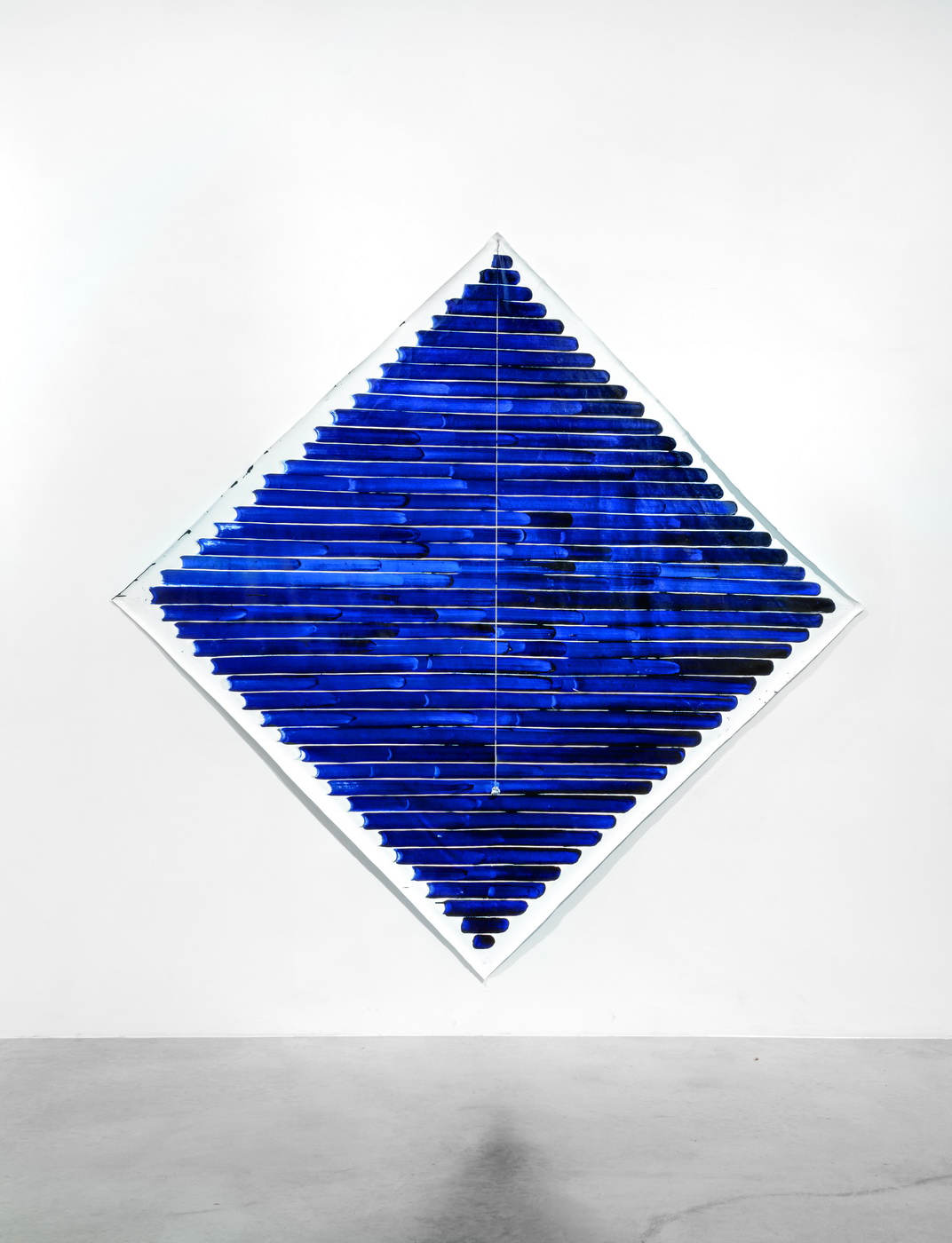
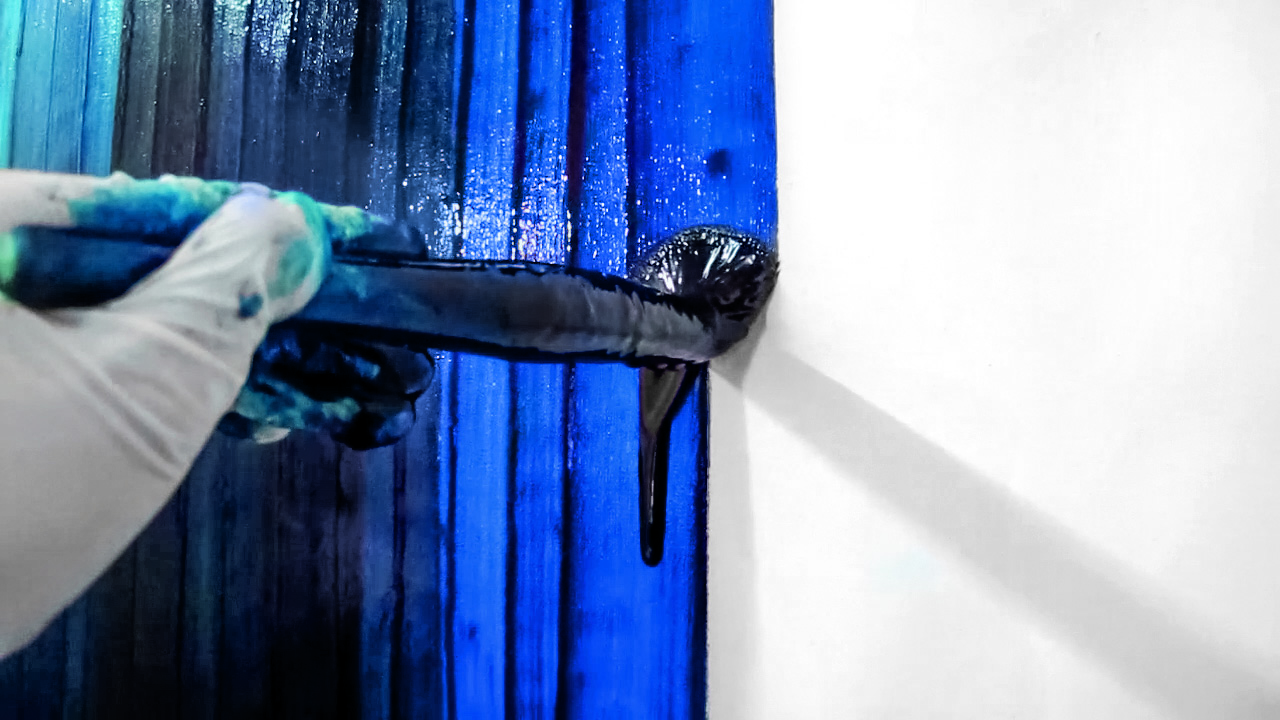
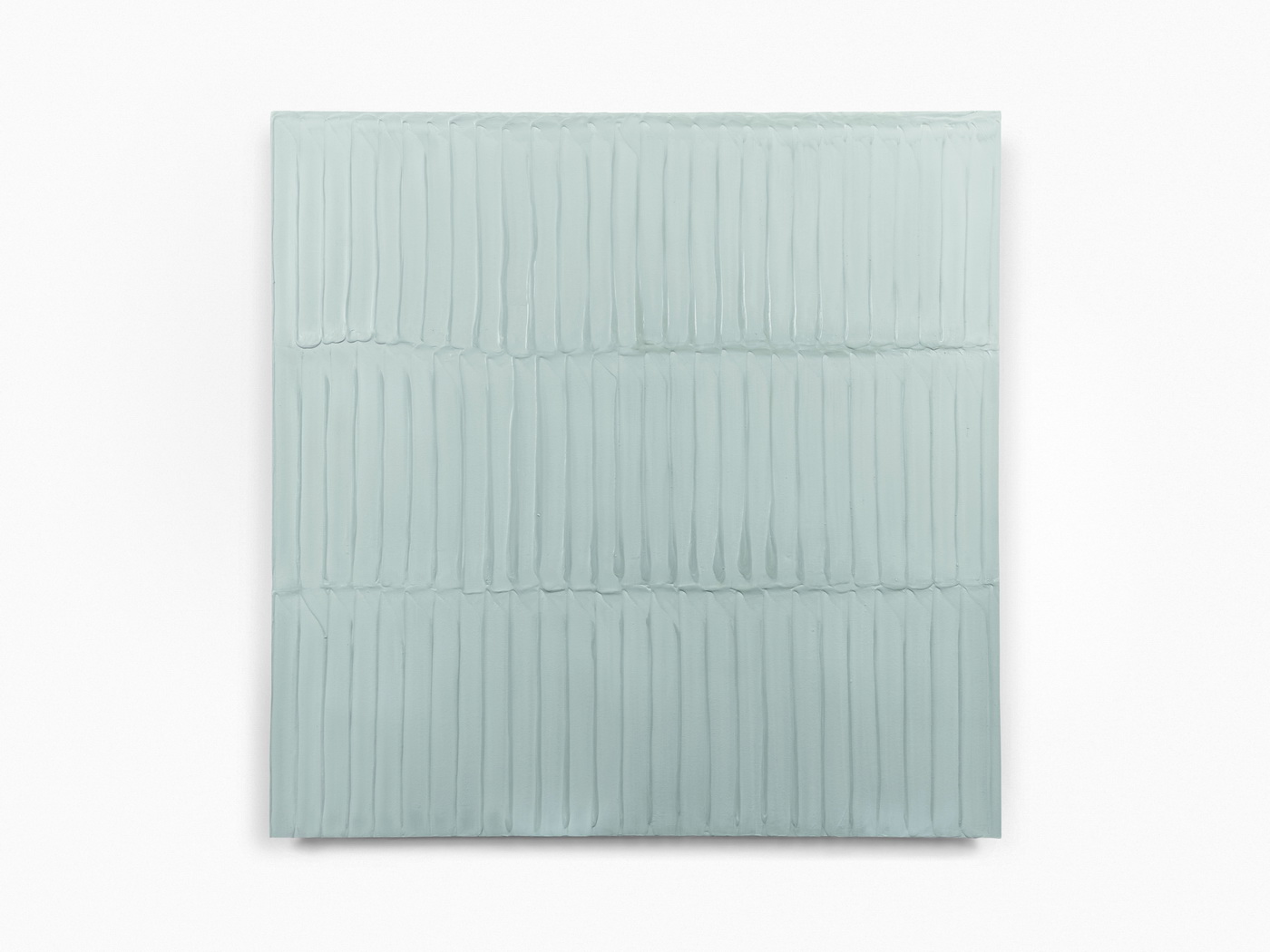
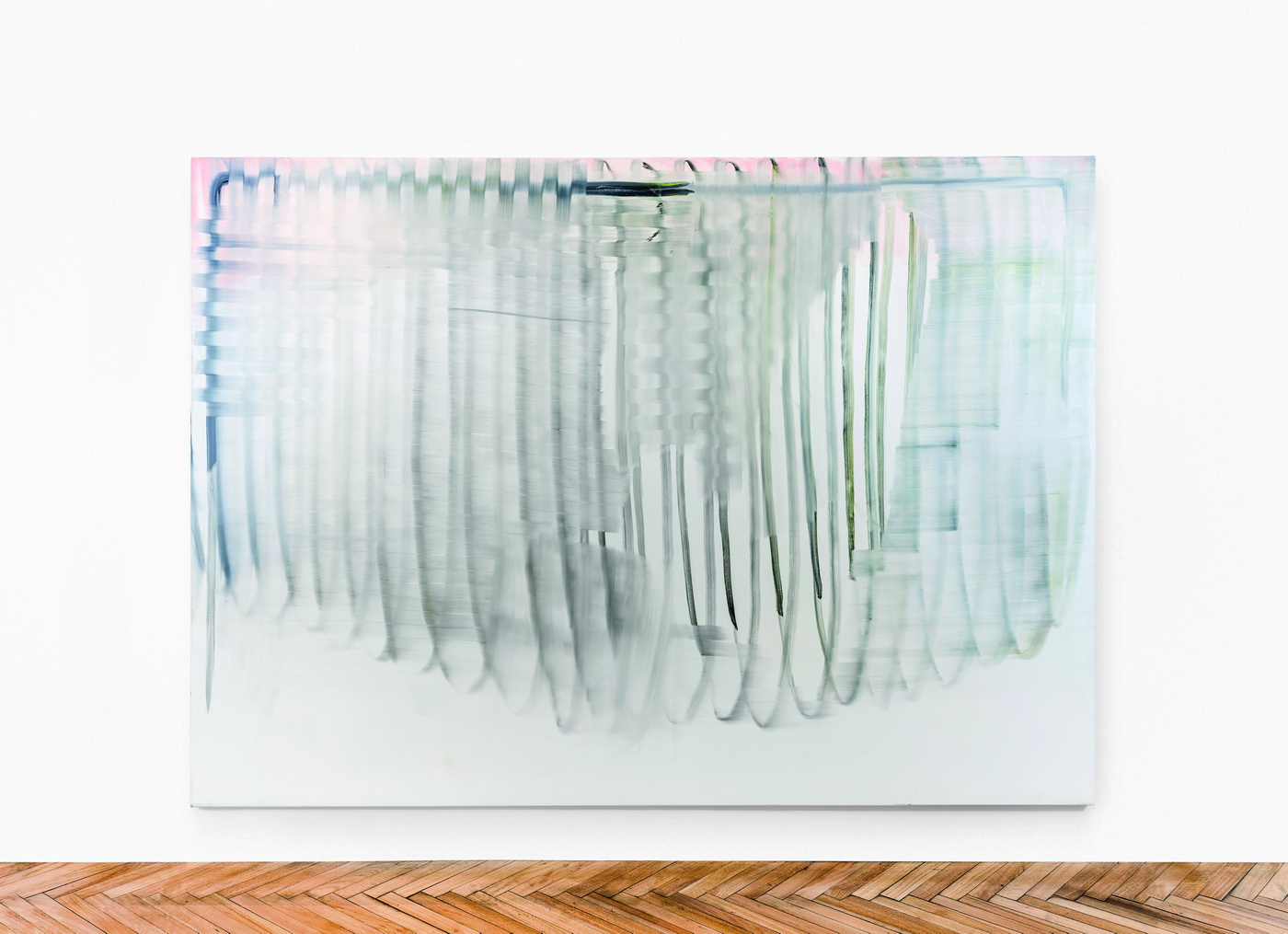
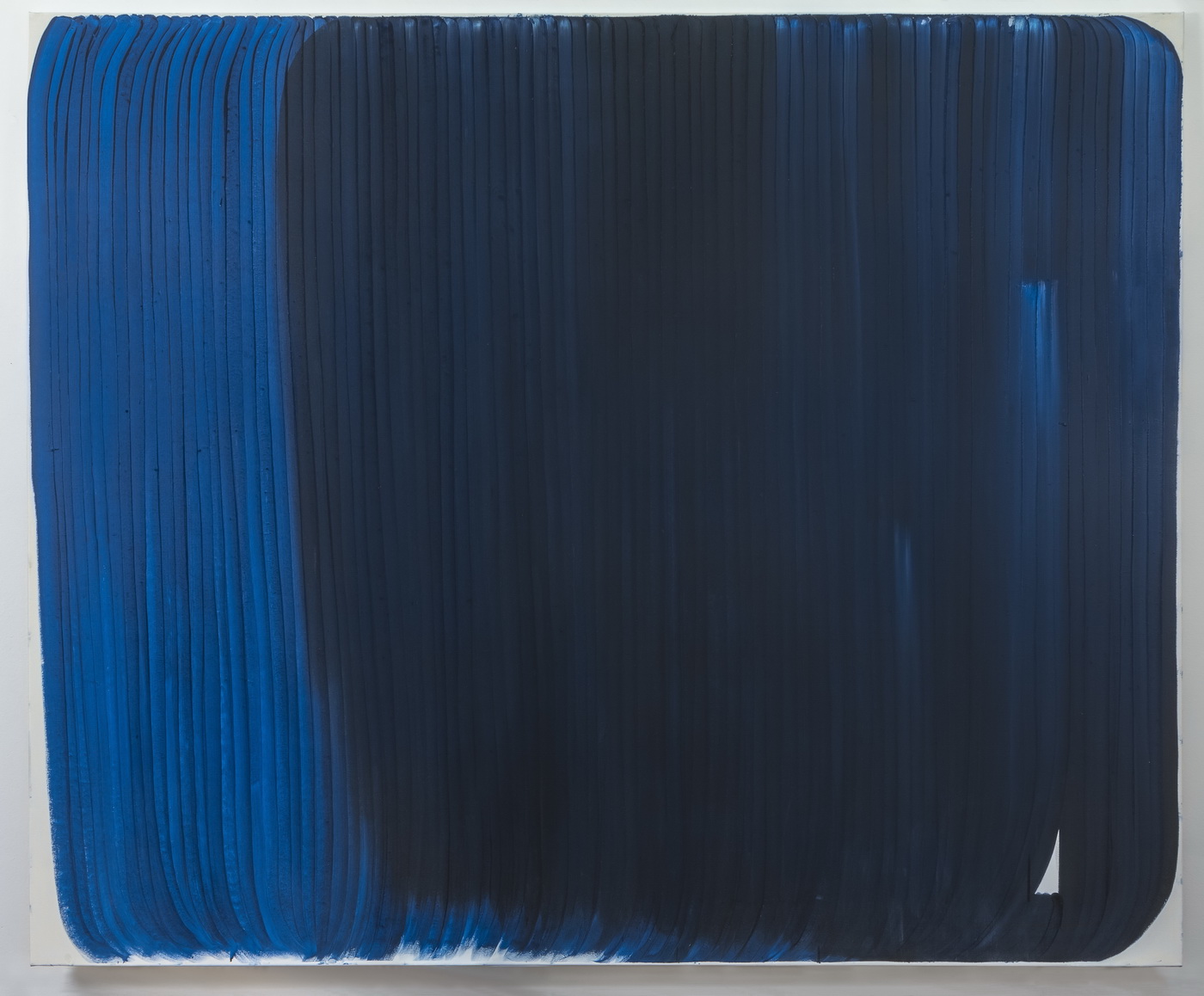
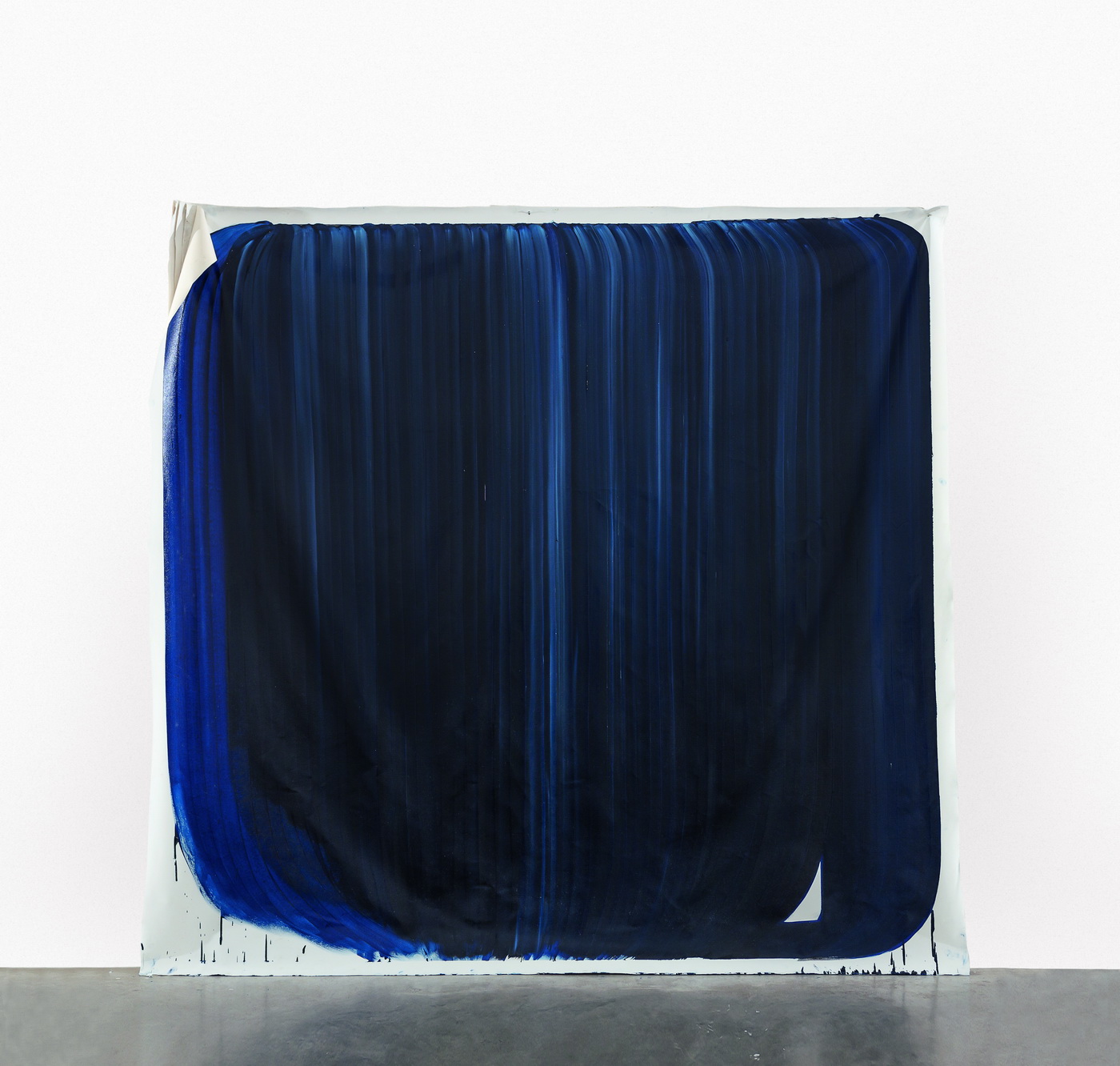
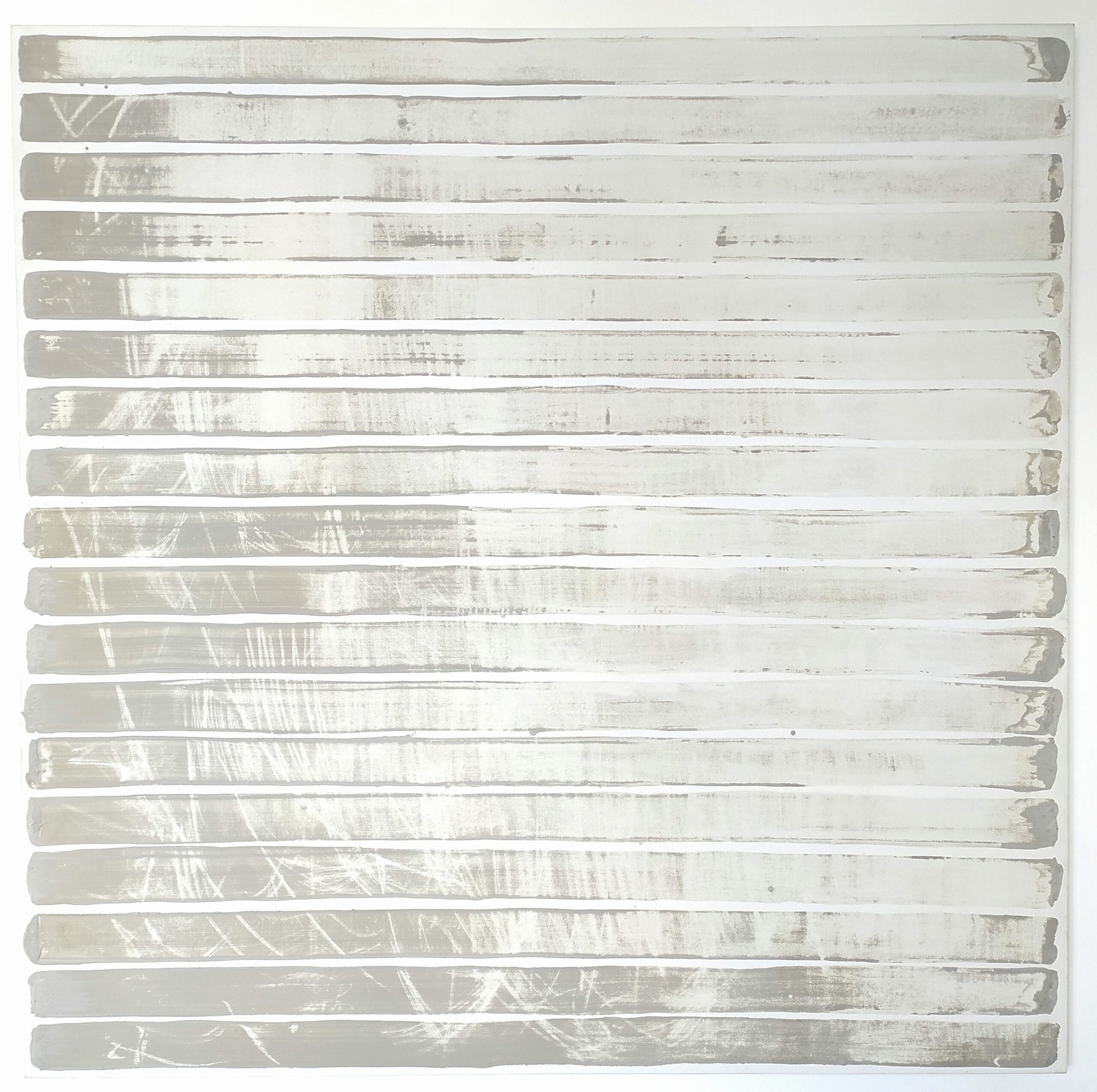
Sofía Bohtlingk (Buenos Aires, 1976) explores the possibilities of painting through the bodily movements involved in its making. Her work operates within the field of abstraction, though not from a compositional perspective; rather, it foregrounds the relationship between body and canvas, combining the act of painting with strategies drawn from performance. Writer María Gainza, recalling a chance encounter during one of Bohtlingk’s exhibitions, observed that “if [the artist] opened her arms like the Vitruvian Man, her span corresponded exactly to that of the canvas.”
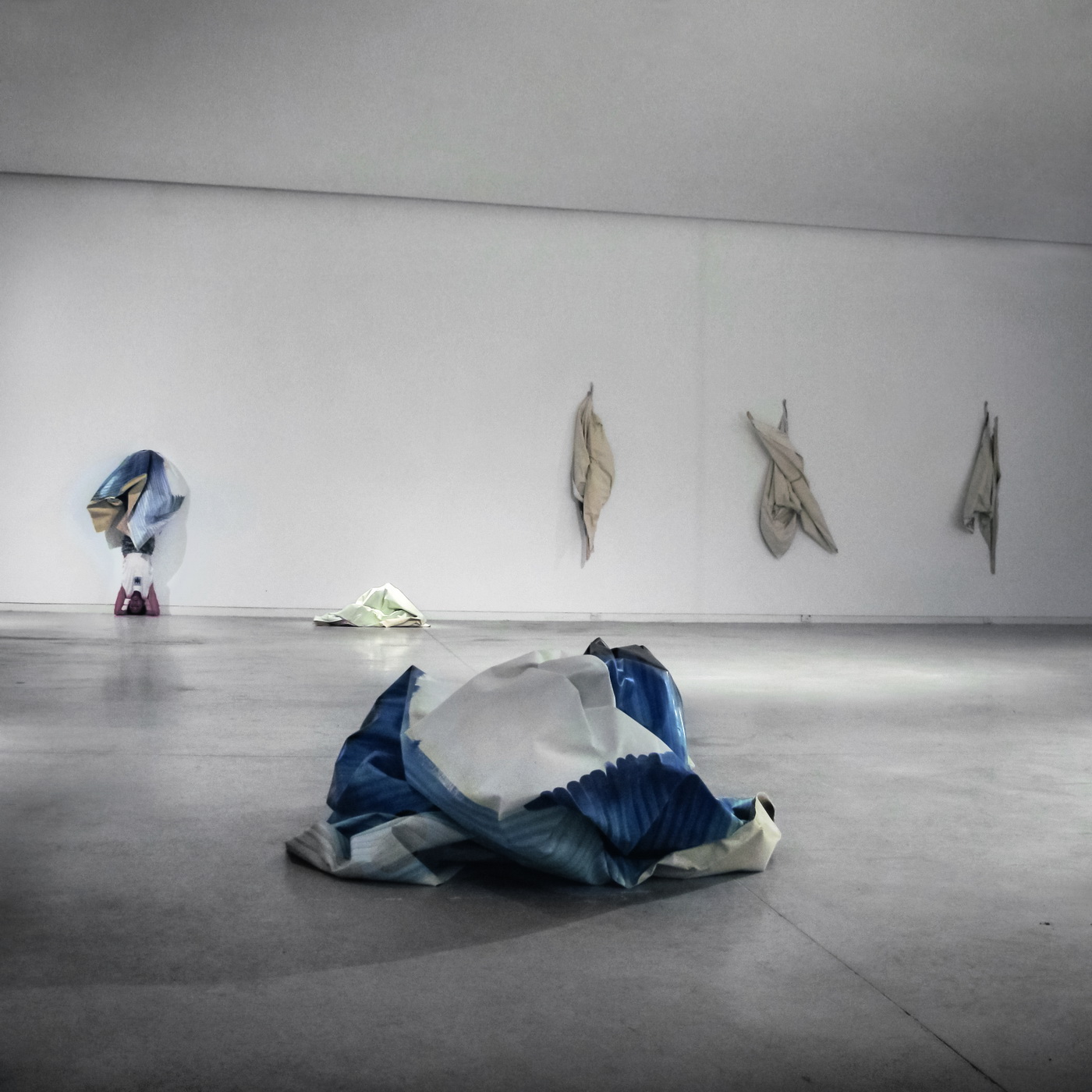
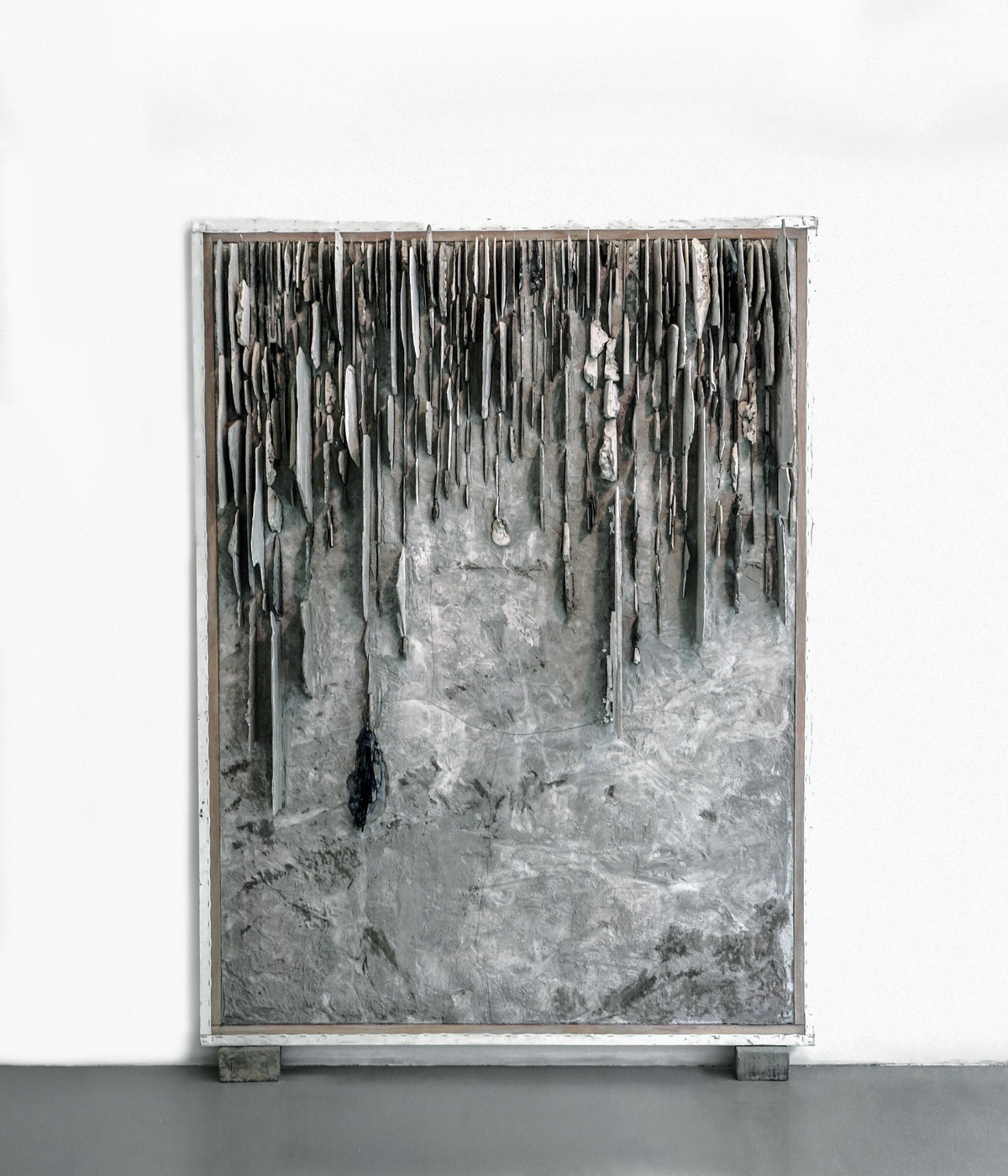
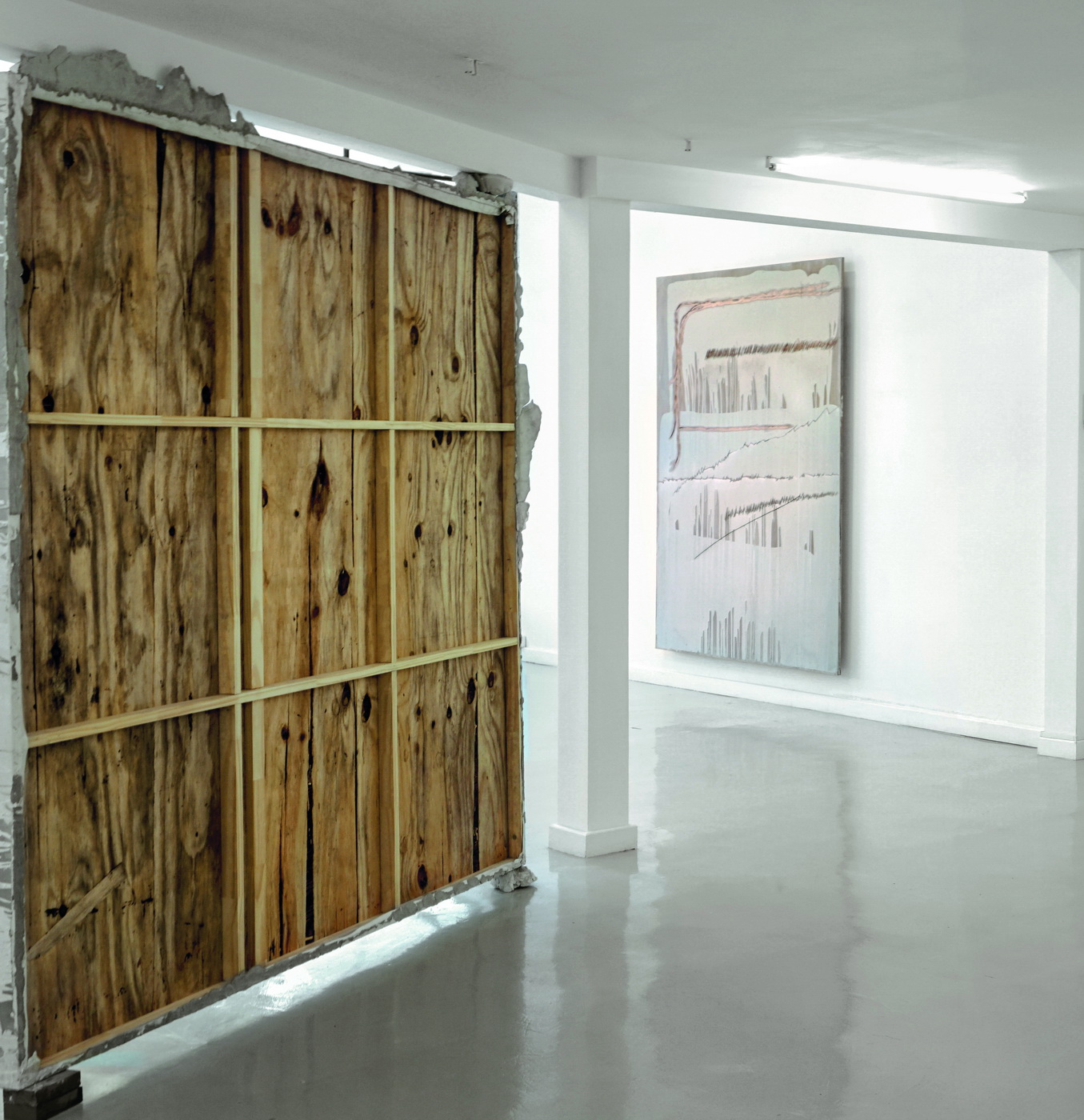
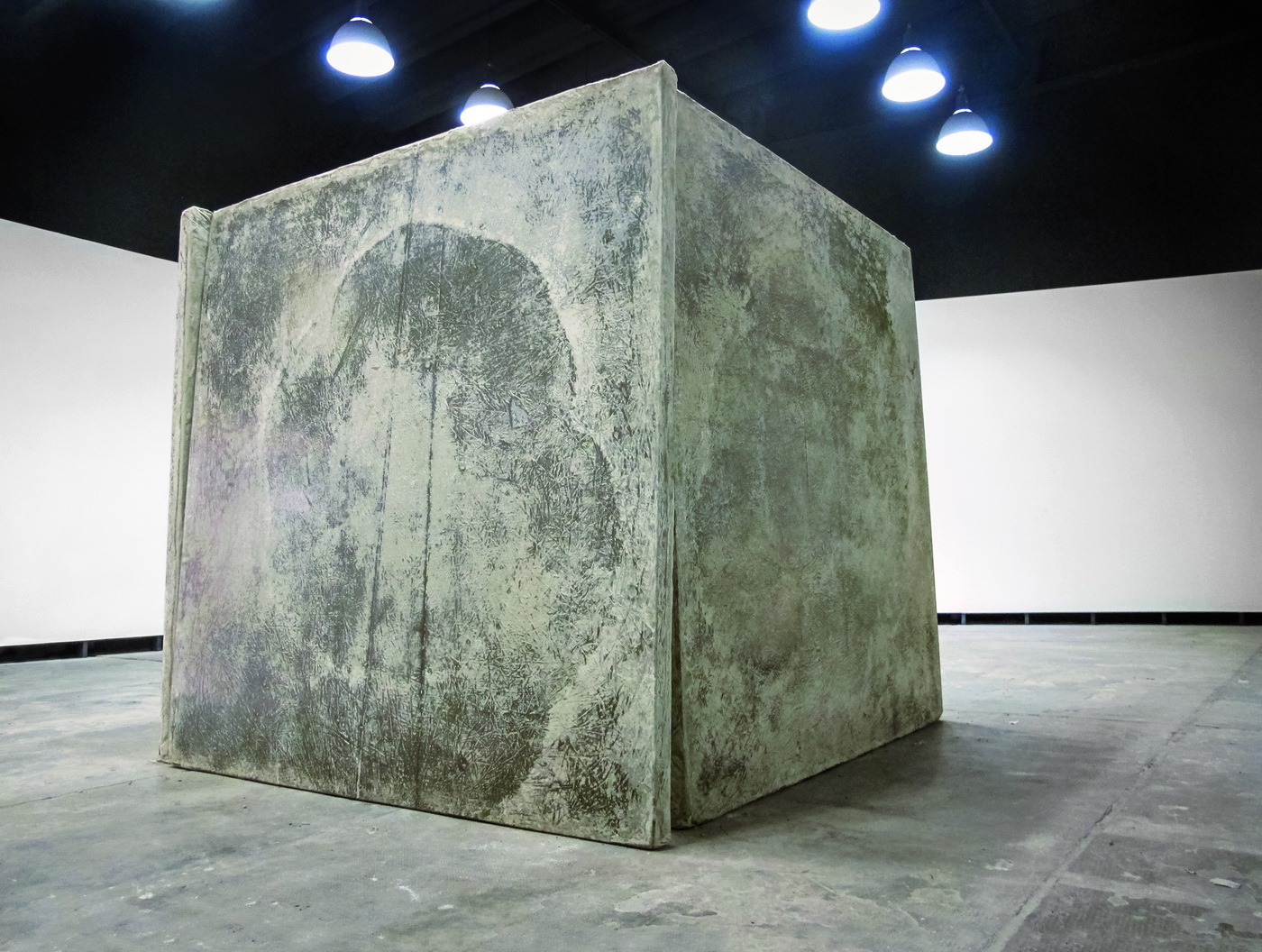
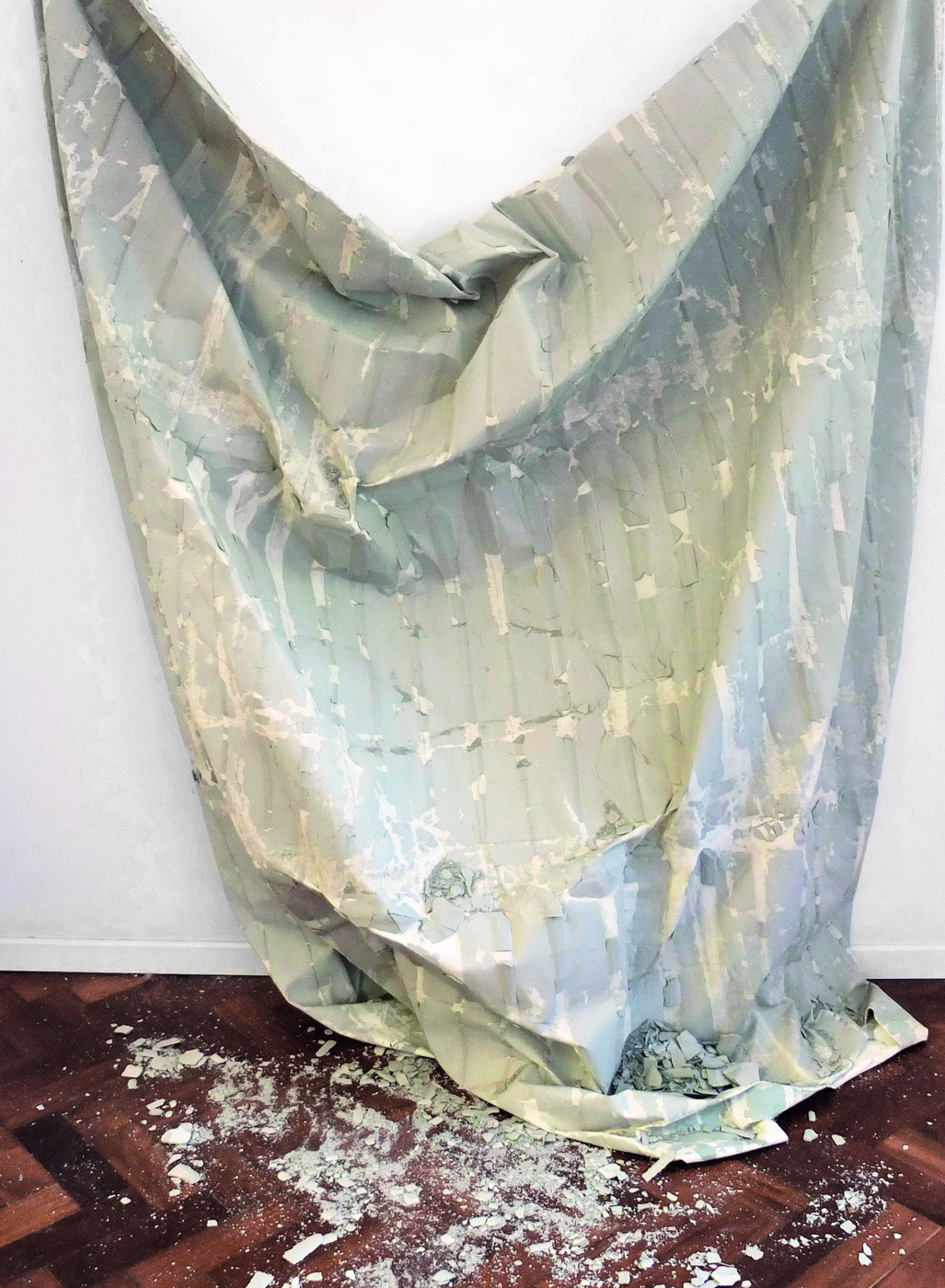
Her works register traces of action: choreographies of rhythmic gestures and the imprints left as the canvas folds, drapes, and falls onto itself. By bringing painting and the body into parallel, the passage of time becomes a central concern. Creases and roughness play a dual role: they are integral to the construction of the work, while also evoking the marks time inscribes on the skin, establishing a metaphorical equivalence between the body’s surface and the painting’s support. As curator Lucrecia Palacios notes, some works leave areas of the canvas seemingly unresolved, “as if the aim were not to construct an image, but to reveal the record of the rough contact between brush and support.”
Bohtlingk was a fellow of the fifth edition of the Kuitca/UTDT Fellowship (2010–2011) at the Department of Art, Universidad Torcuato Di Tella, directed by Guillermo Kuitca. She previously attended the university’s Artists’ Program (2009–2010), led by Jorge Macchi.
Her work has been widely exhibited in solo and group shows, including Espada at Galería Nora Fisch (2017); Las confesiones at the Museo de Arte Contemporáneo de Rosario (2012); Iteraciones sobre lo no mismo, curated by Guillermina Mongan and Gonzalo Lagos (2019); and Asamblea de pájaros (2021), a video and performance piece developed with Florencia Rodríguez Giles and Julieta García Vázquez, commissioned by the Museo de Arte Moderno de Buenos Aires. She also participated in the Premio Braque at MUNTREF (2017). In 2019 she received the Third Prize awarded by Fundación Fortabat. In 2024–25. the Museo de Arte Moderno de Buenos Aires presented El ritmo es el mejor orden, a solo exhibition of her works on paper, accompanied by a publication.