Rosa Chancho
September 13th – October 31th, 2025
INFO
ROSA CHANCHO
Huir del Mundo
Septiembre – Octubre 2025
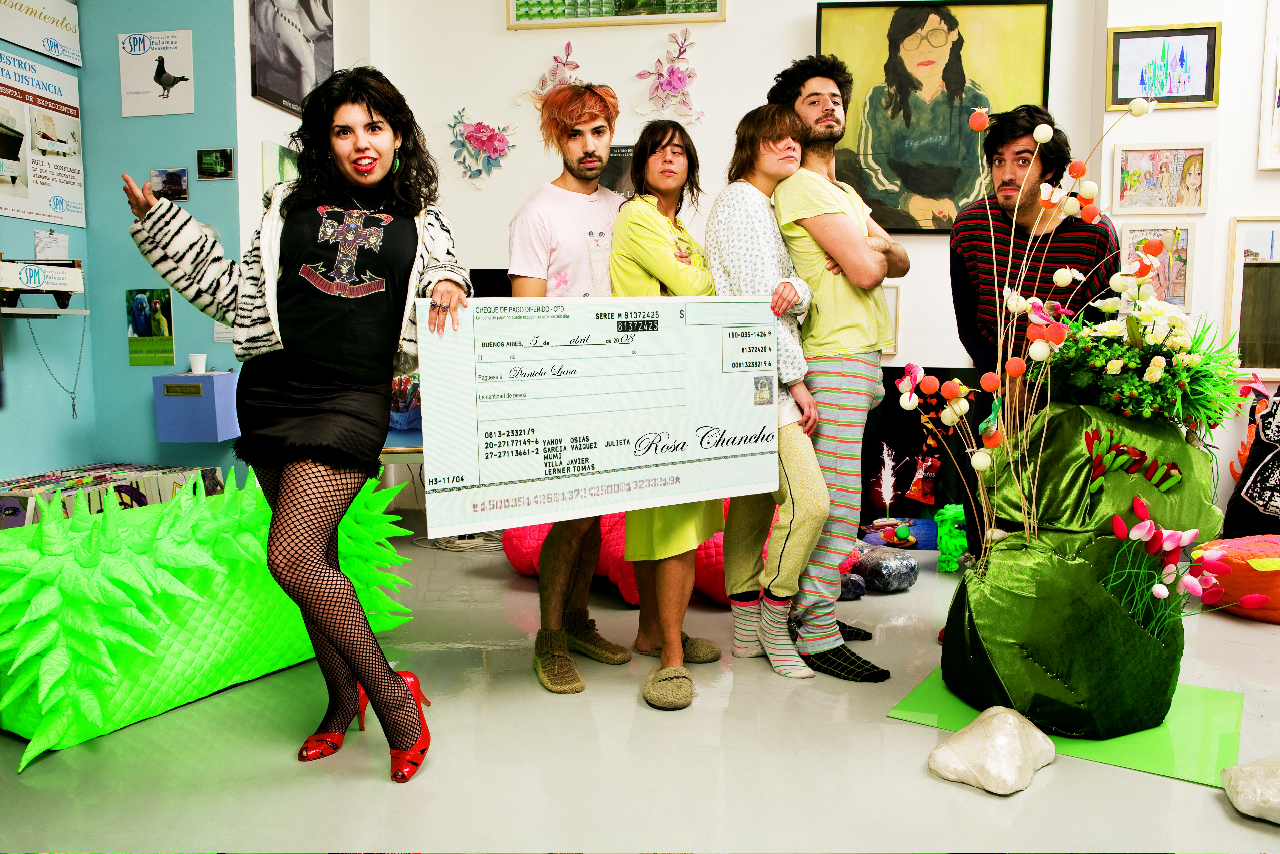
Rosa Chancho emerged in Buenos Aires in 2005, within a cultural climate of reconstruction and expectation following the collapse of 2001. Comprising Julieta García Vázquez, Mumi, Tomás Lerner, Osías Yanov, and Javier Villa, the collective transformed precariousness into opportunity and abandonment into creative drive. In order to move beyond the withdrawal caused by the crisis, it chose reinvention, adopting collaboration as a politics and ritual as a form of knowledge. The core of its practice has been the mutation of identities within a collective structure and the dissolution of individualities in group-making. Its work unfolded through strategies of juxtaposition and chaining, experiments in social organization, and self-imposed limits. It maintained an intermittent and reactive practice, reconfiguring itself in response to each project. Thus, they have been: artists, writers, speleologists, curators, massage therapists, theater directors, gallerists, jurors, musicians, and teachers.
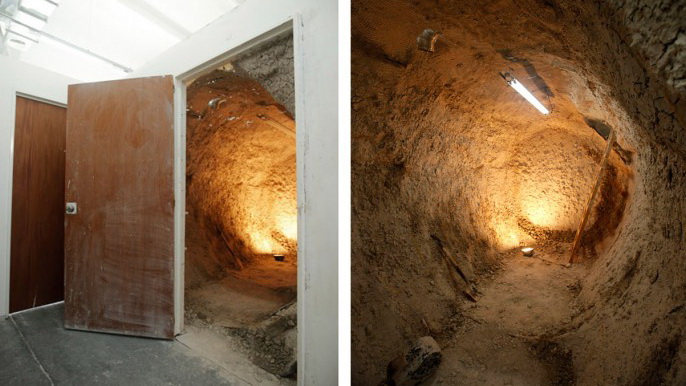
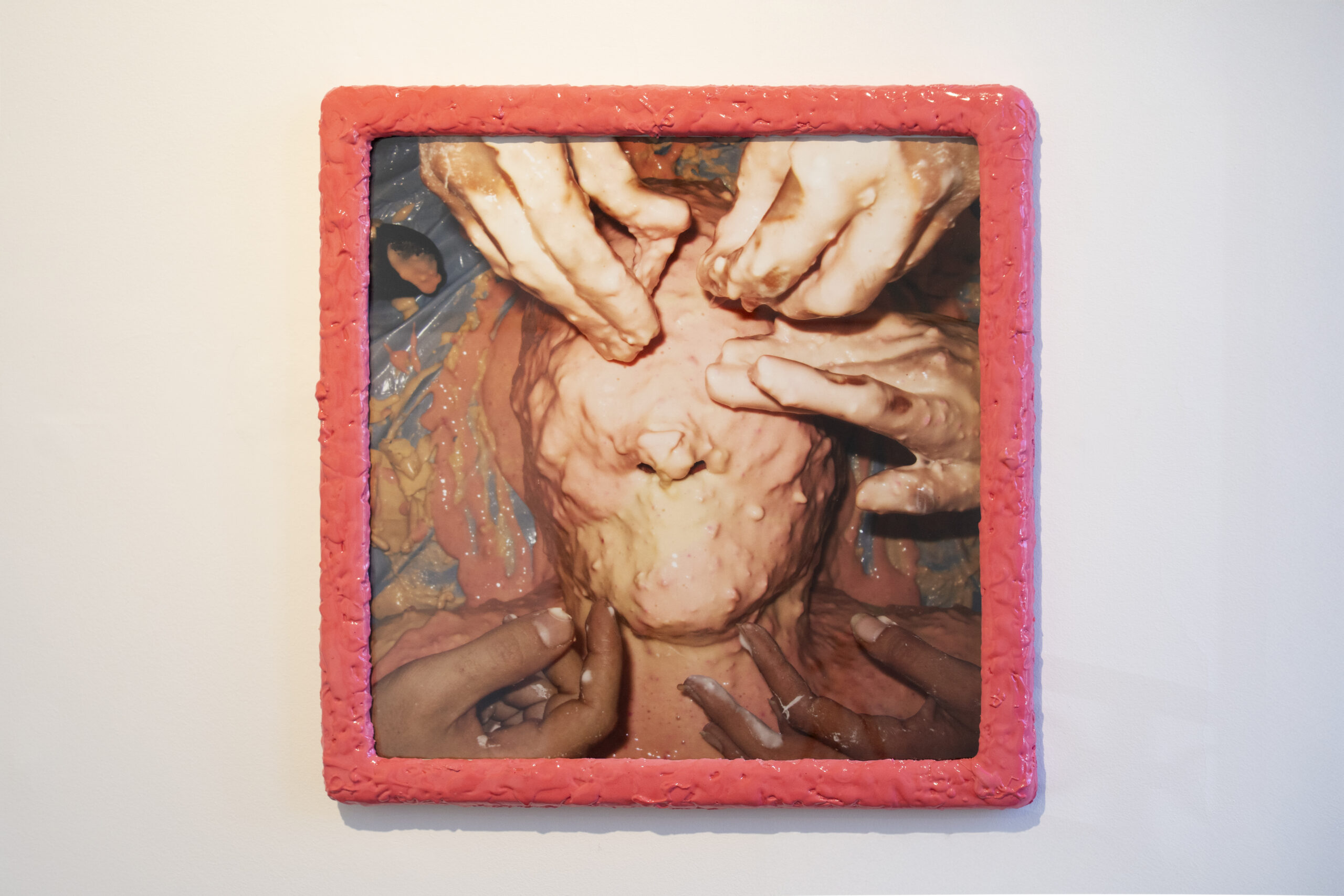
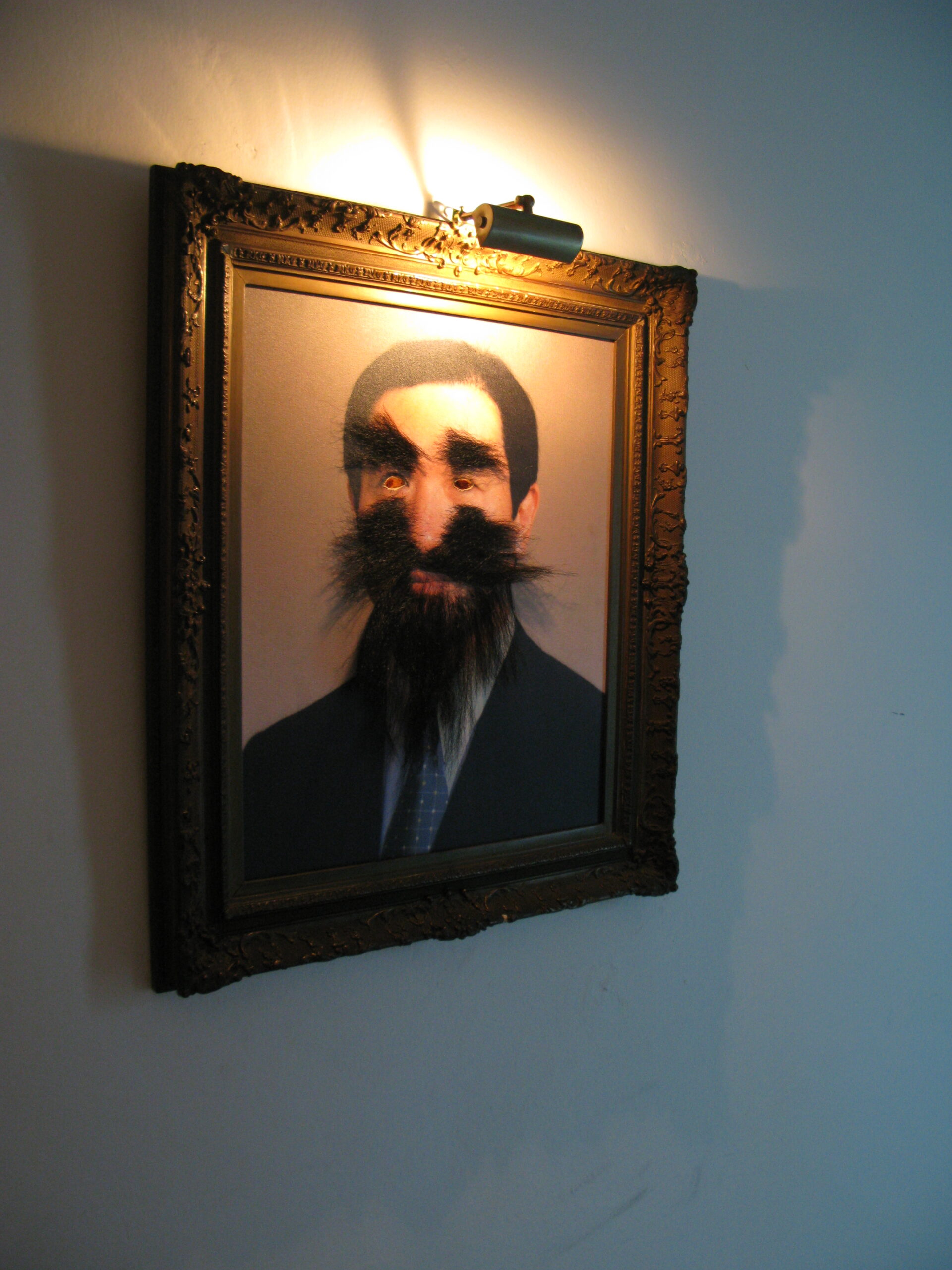
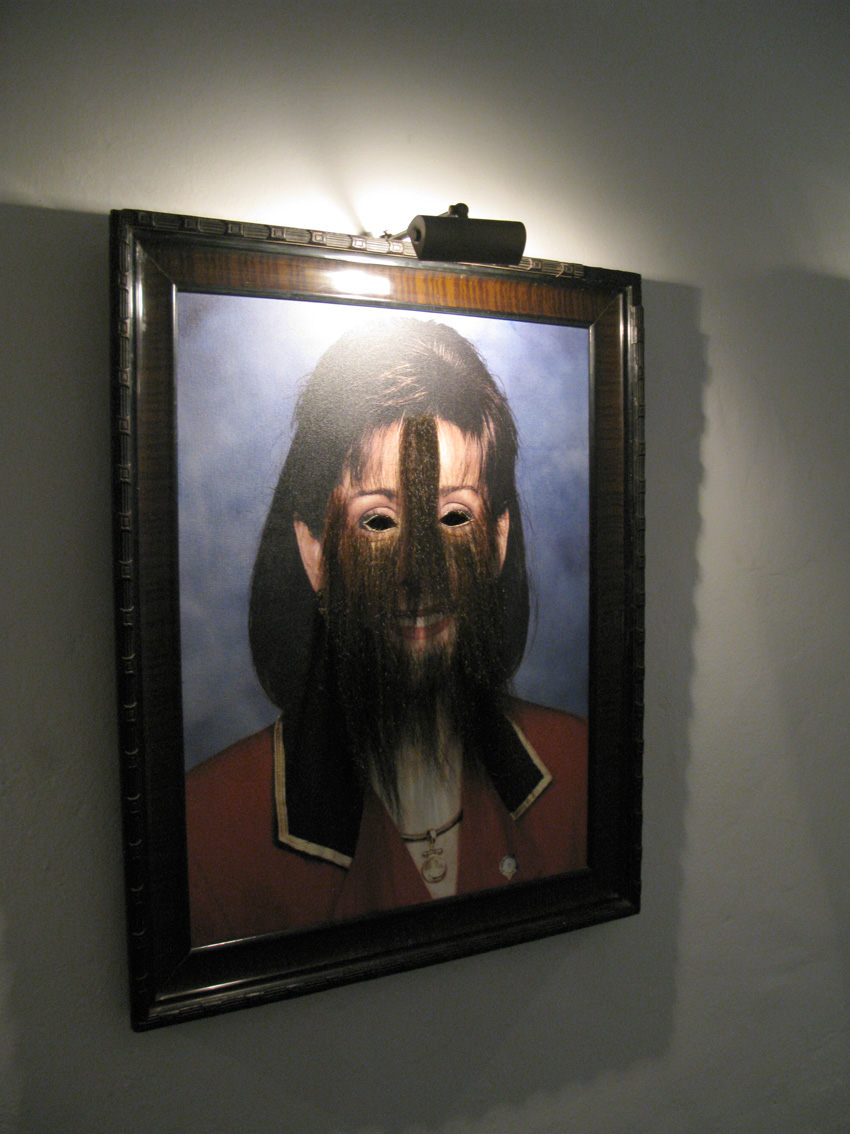
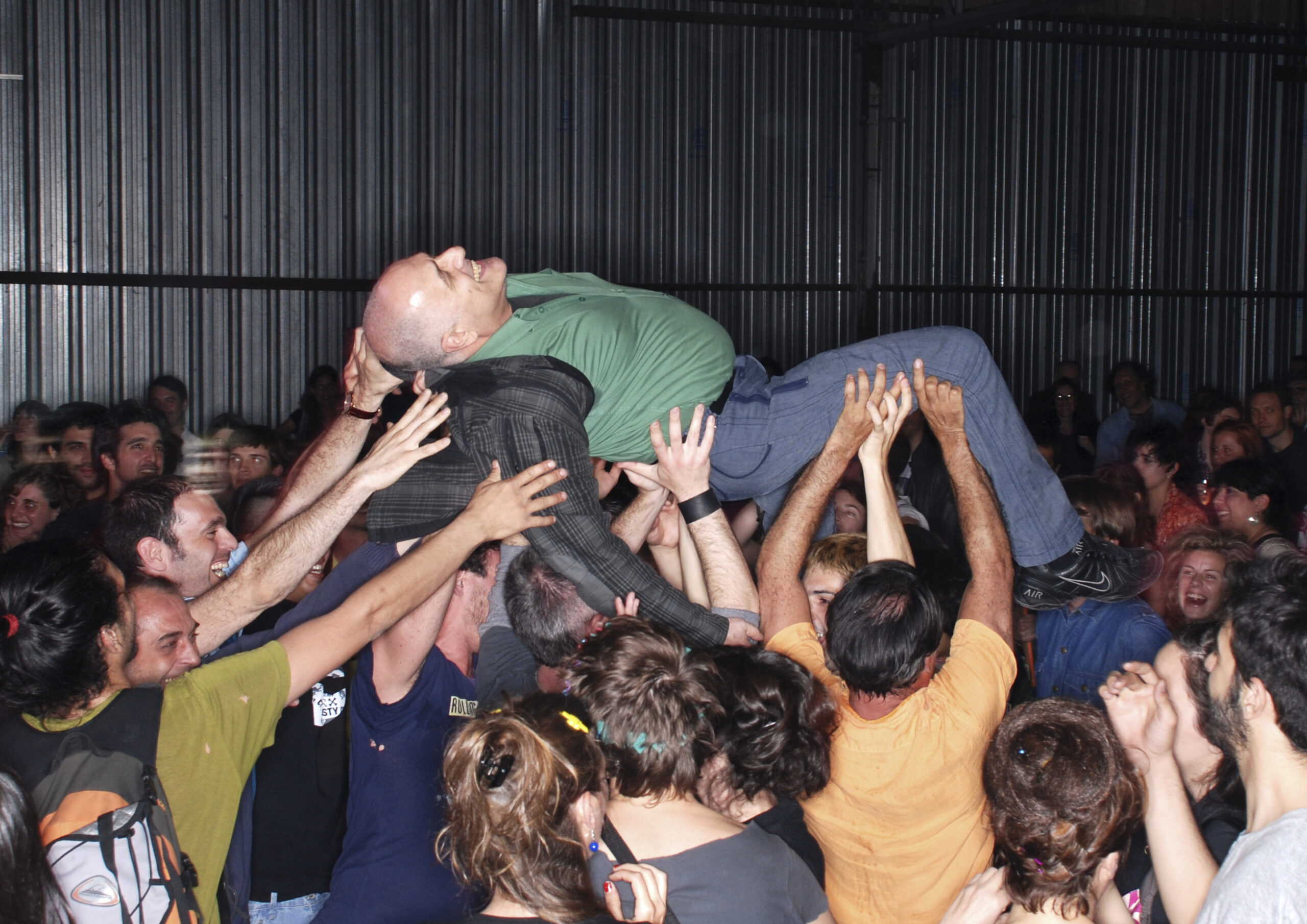
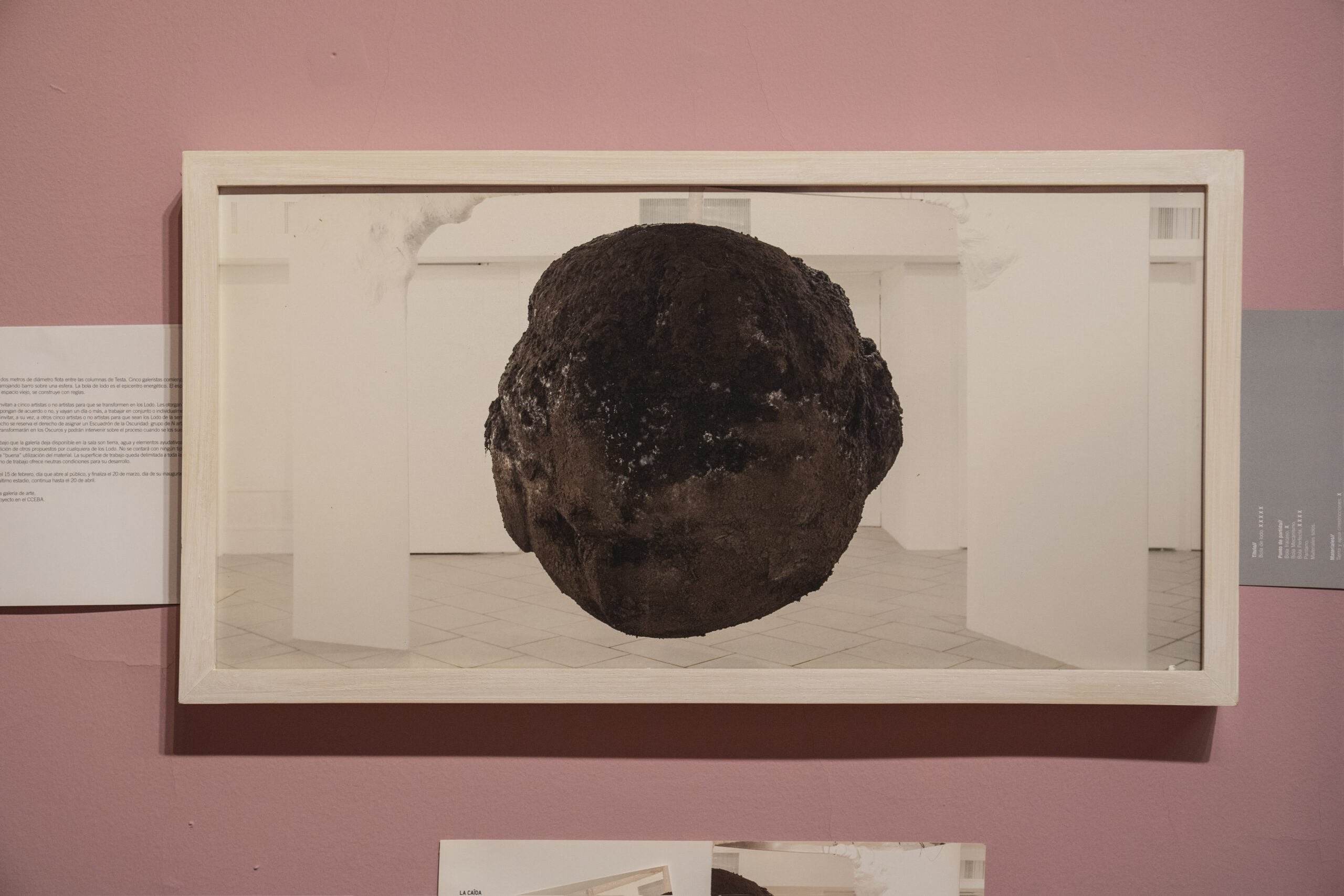
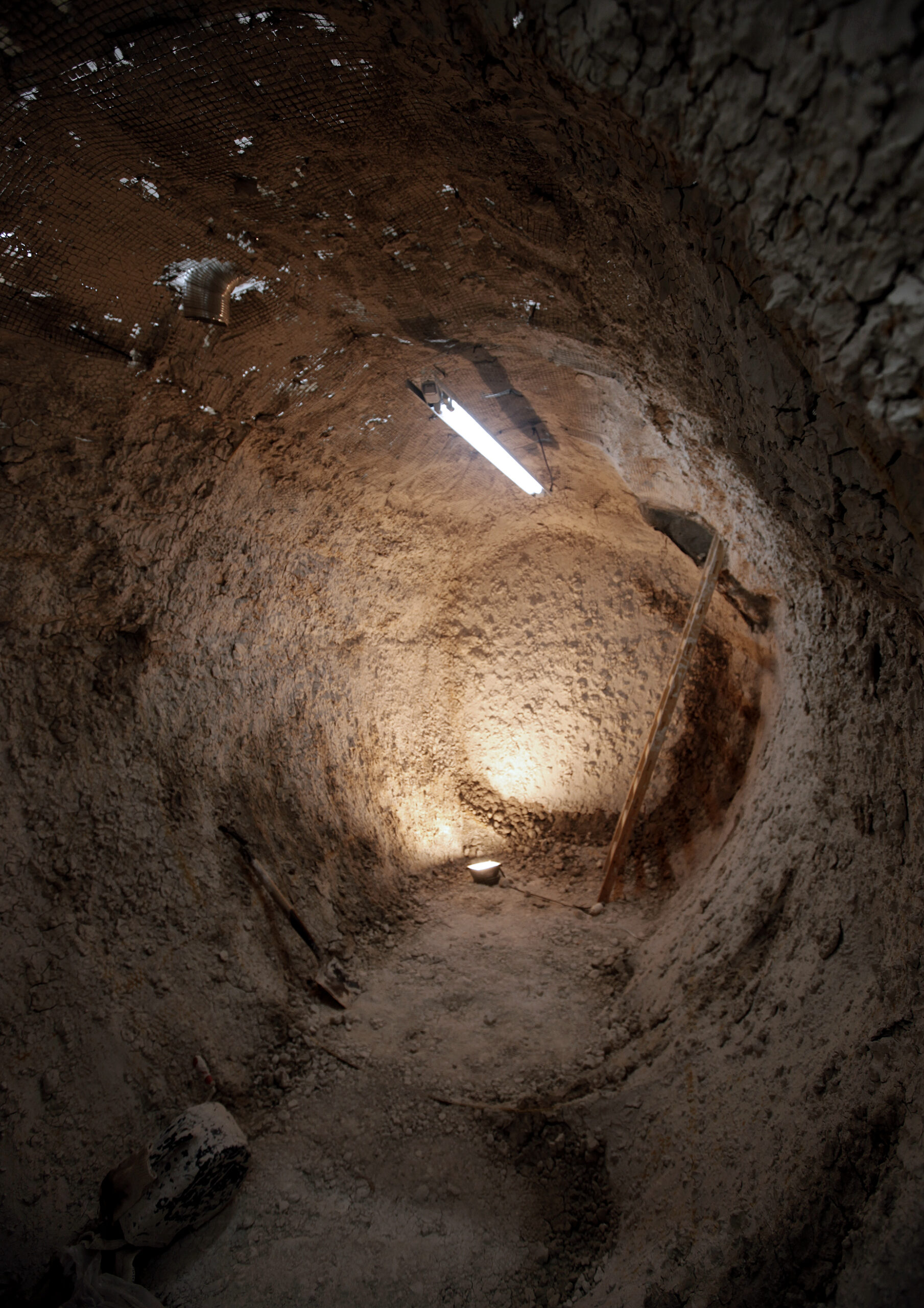
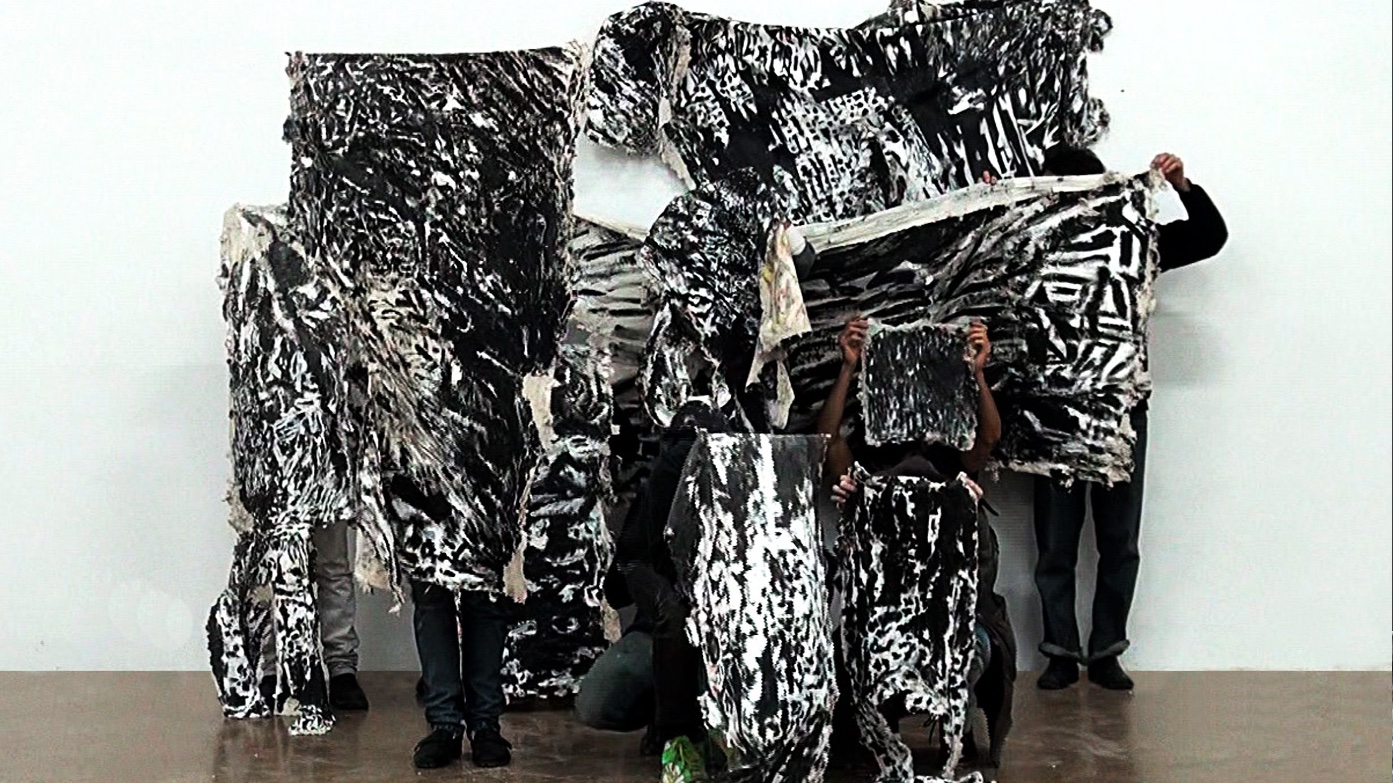
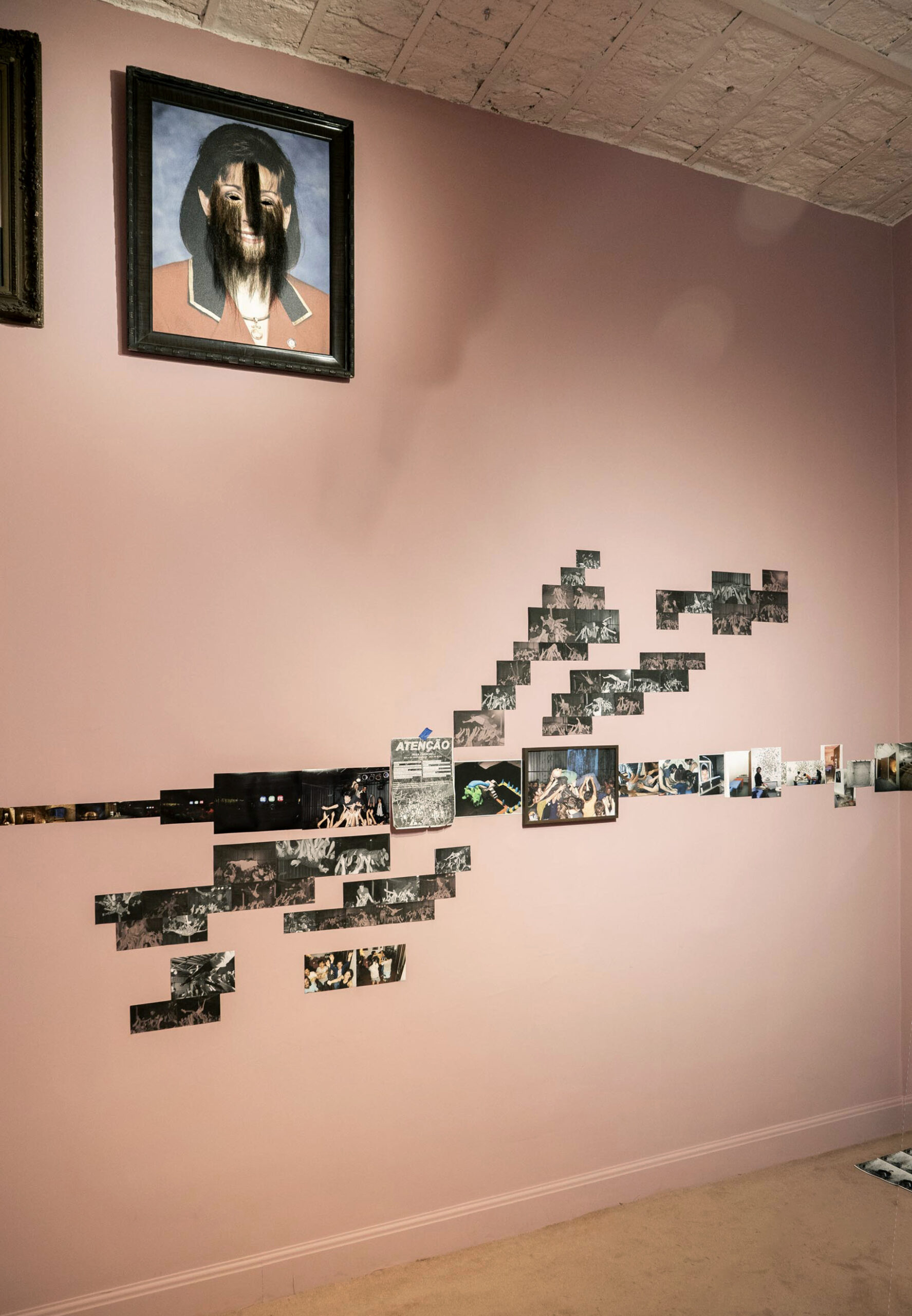
With a playful spirit that reformulated the affective legacy of the 1990s, their early actions interrogated, with irony, the rules and institutions of the local contemporary art scene. Among these were Proyecto Ventana, Inauguración, Hombre obra, Premio Rosa Chancho para las Artes Visuales, Bola de Lodo, Fuerza y Elegancia, and Retrospectiva. In a second phase, in projects such as S/T (Stage Diving), Caverna, Doble Penetración, Sopor, and Desencanto, the collective turned toward investigations into an ontological form of groupness, exploring temporalities and spaces of ritual such as the body of the other, the cave, the cosmos, the concert, the theater, or education.
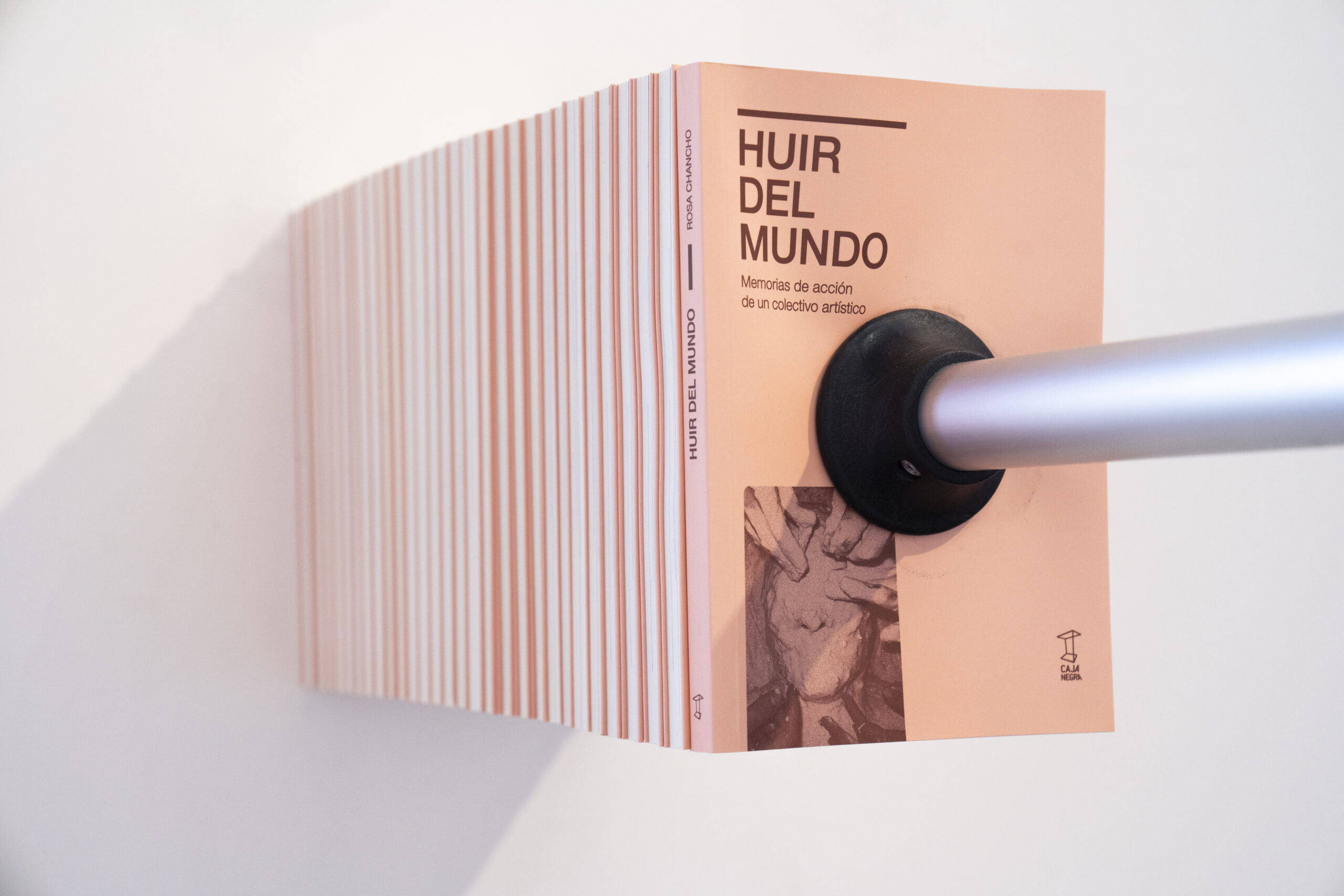
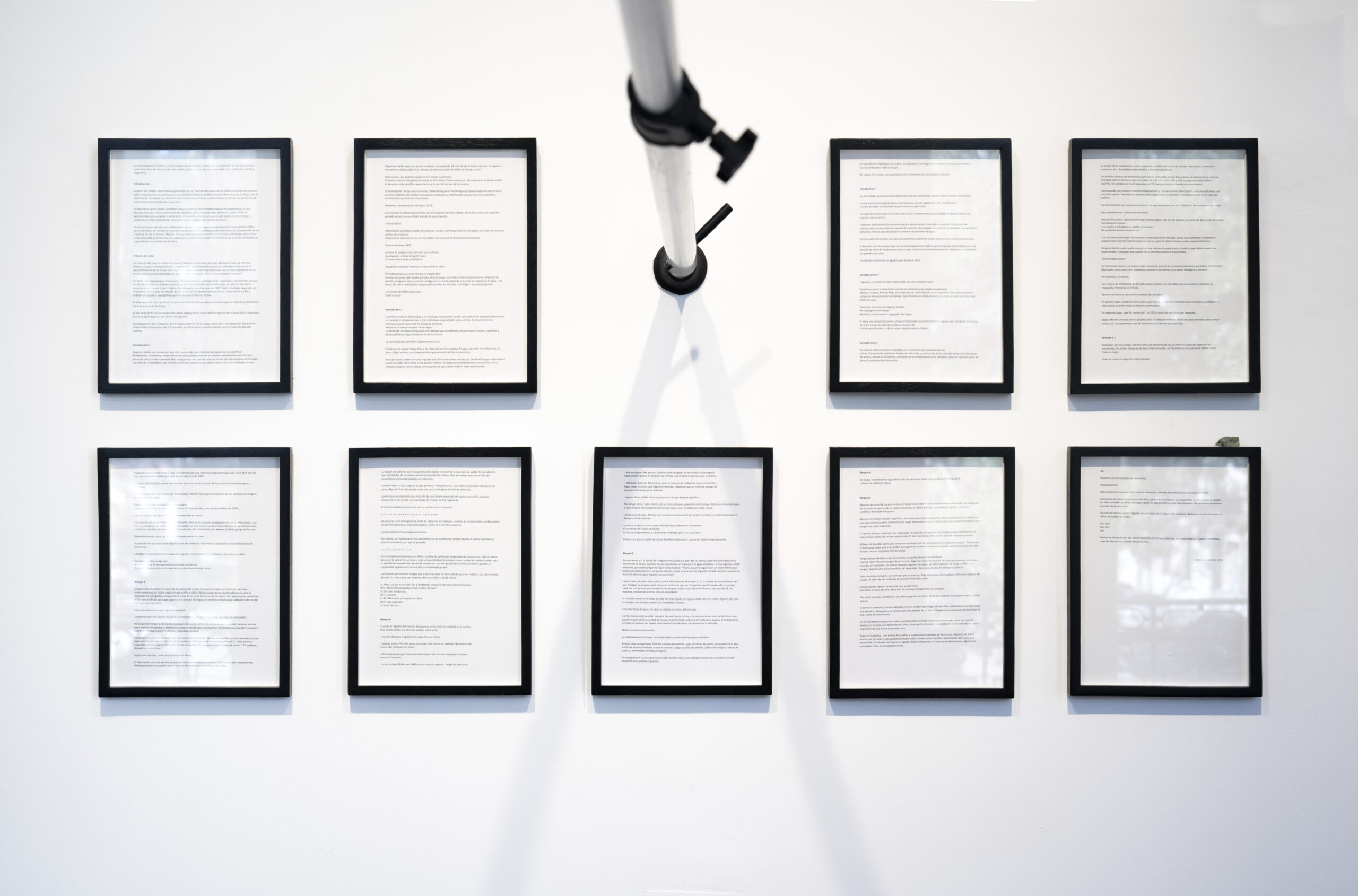
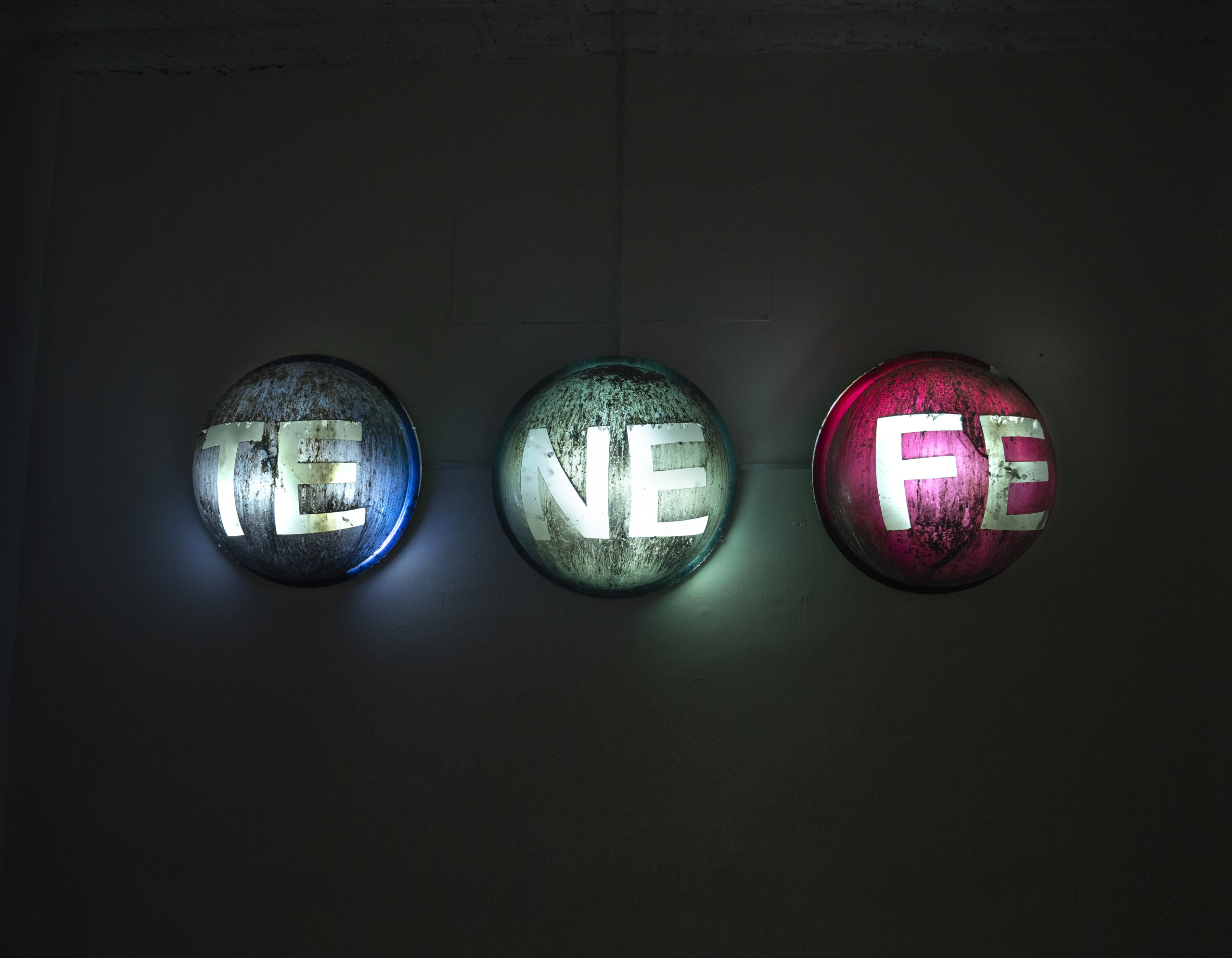
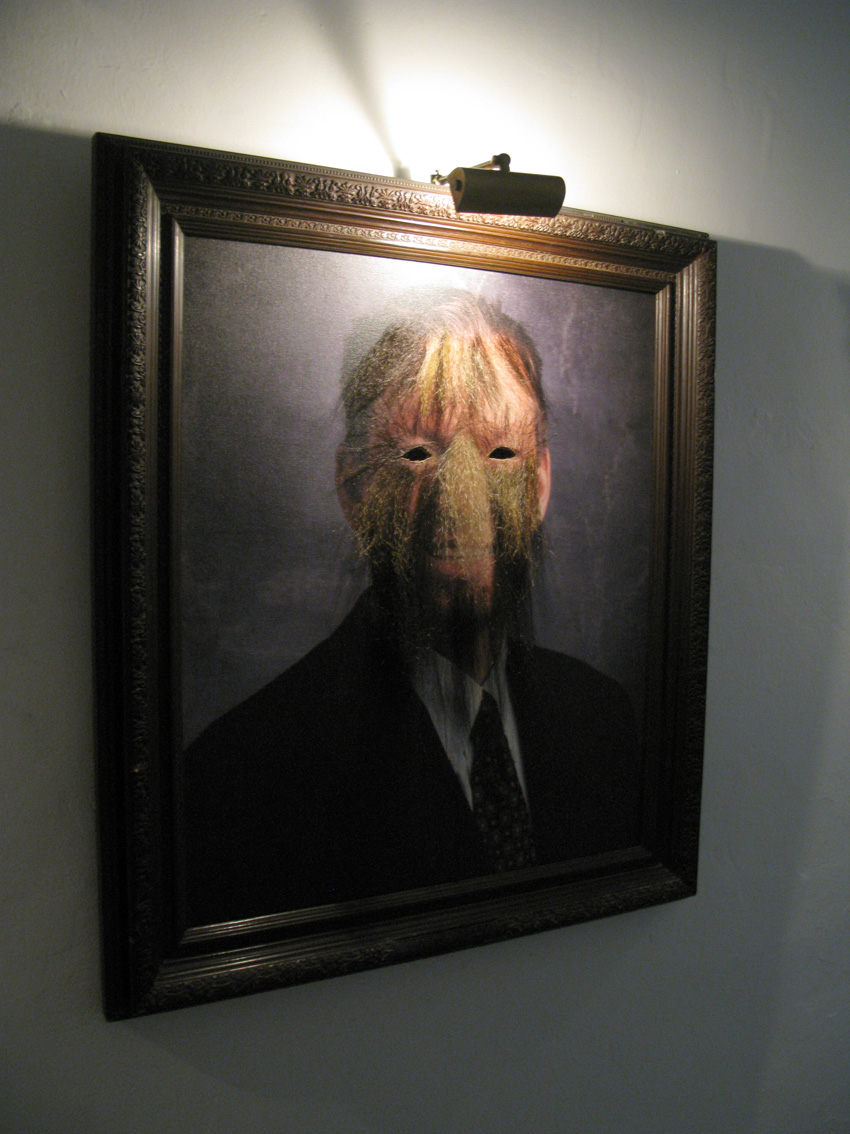
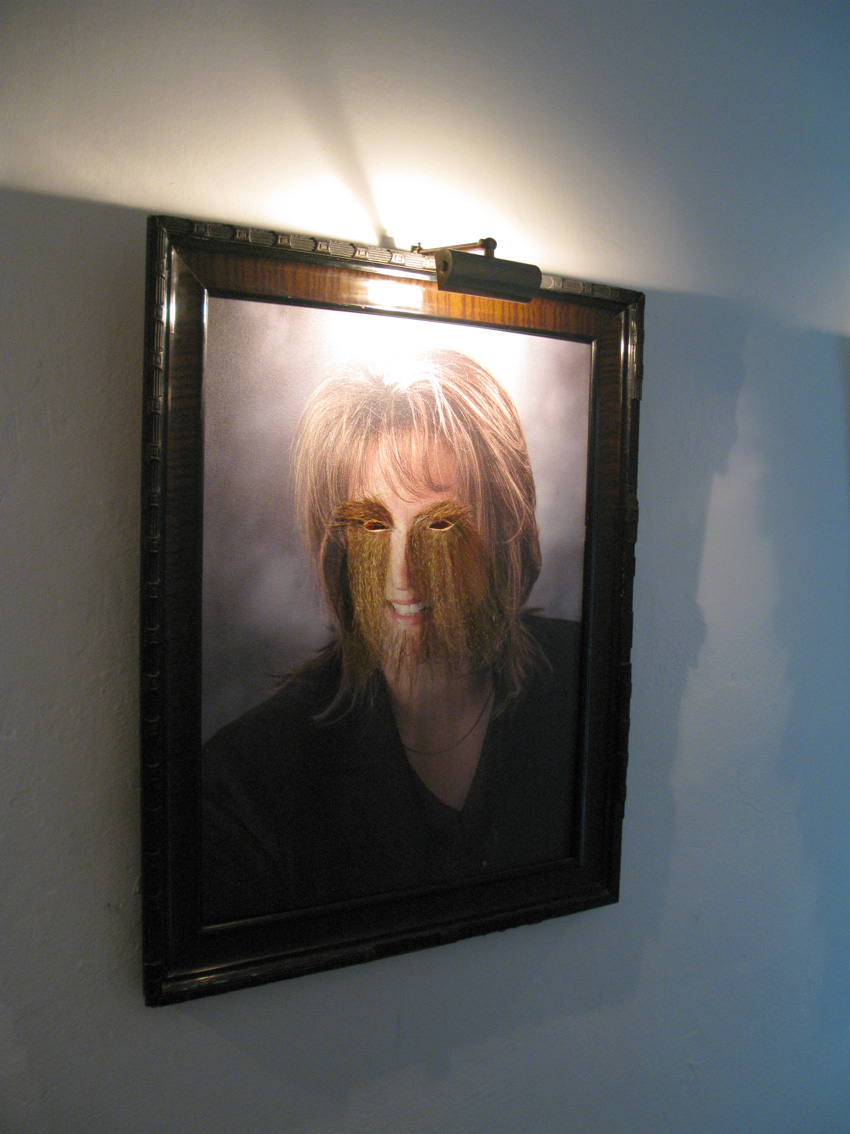
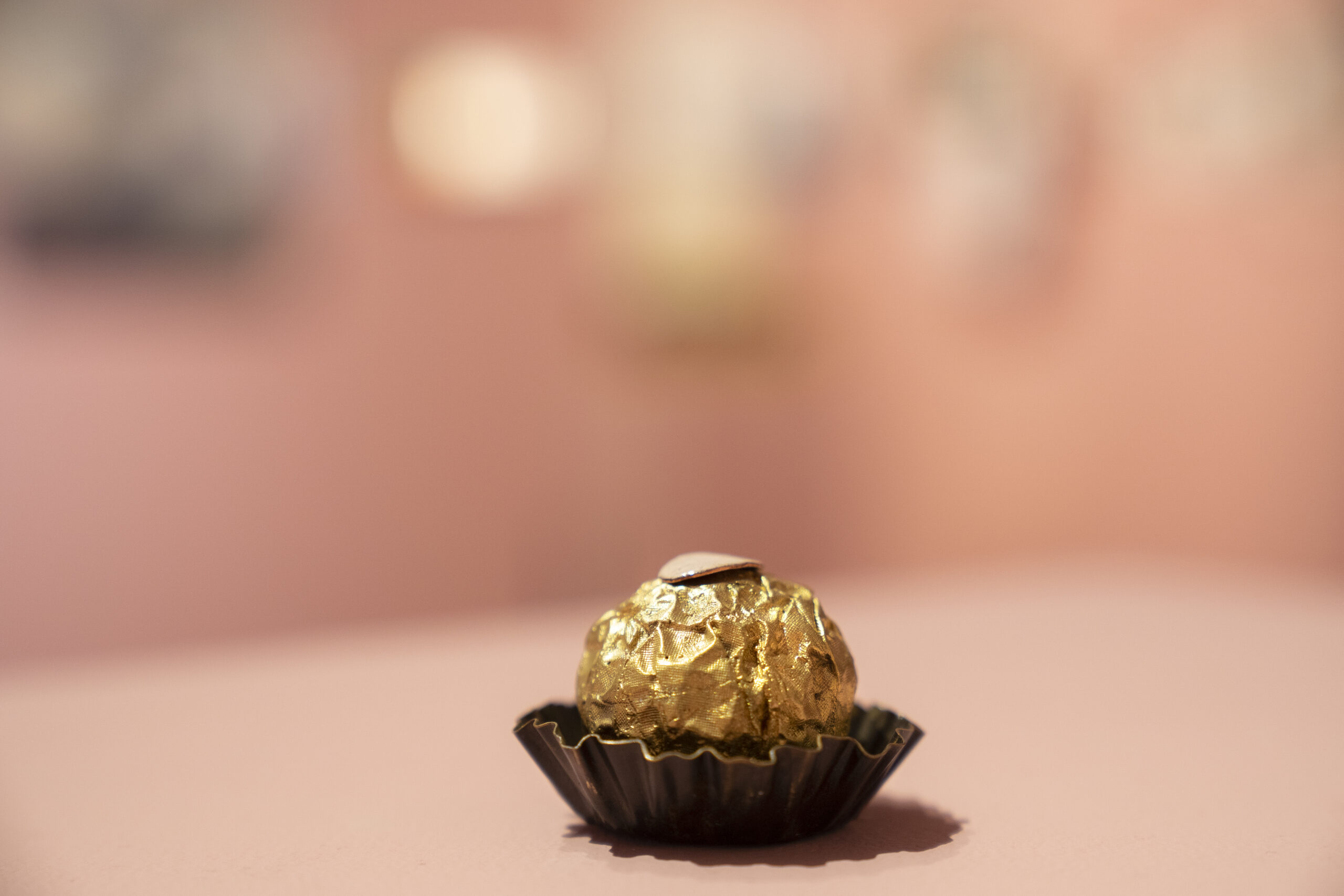
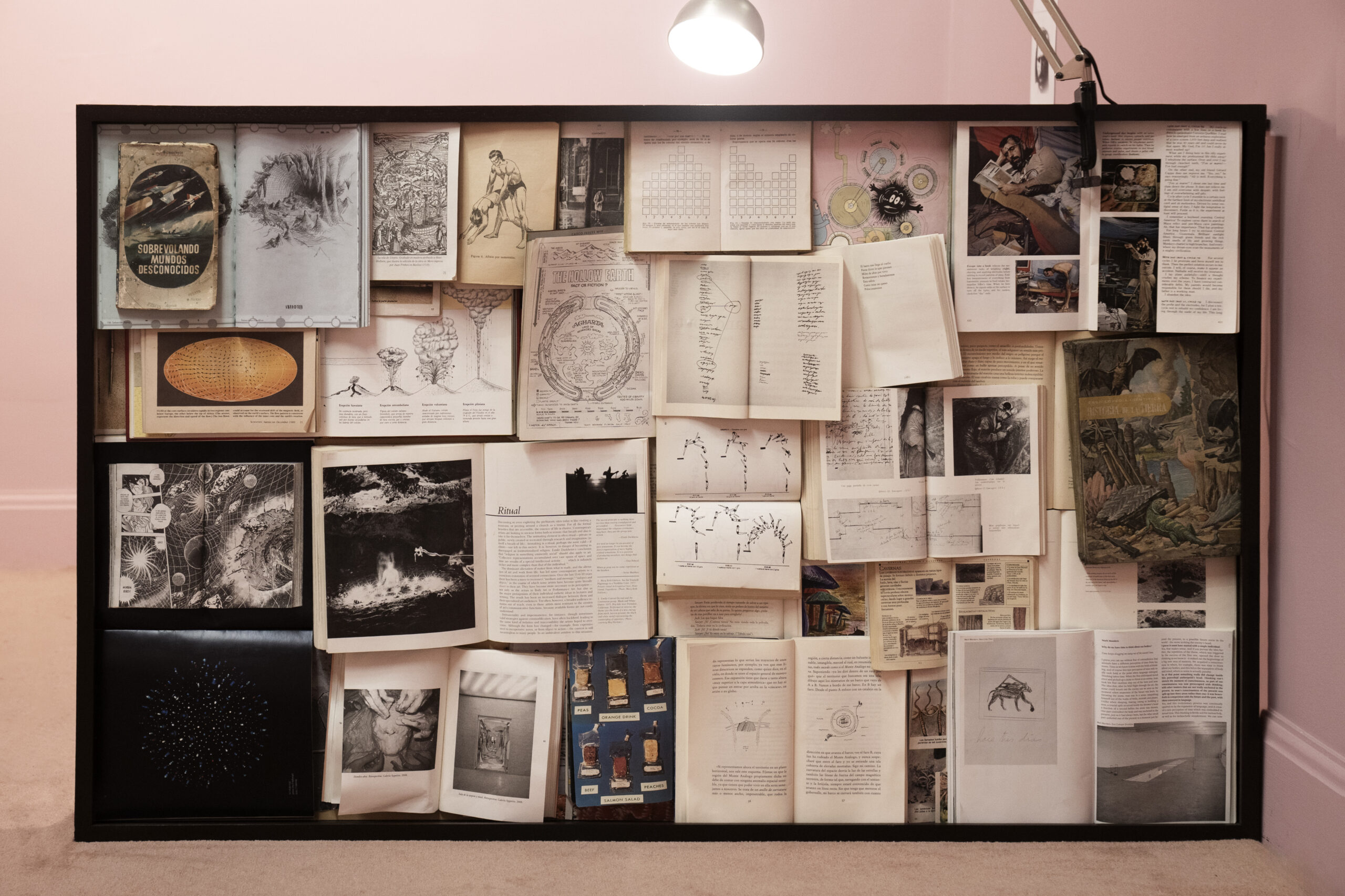
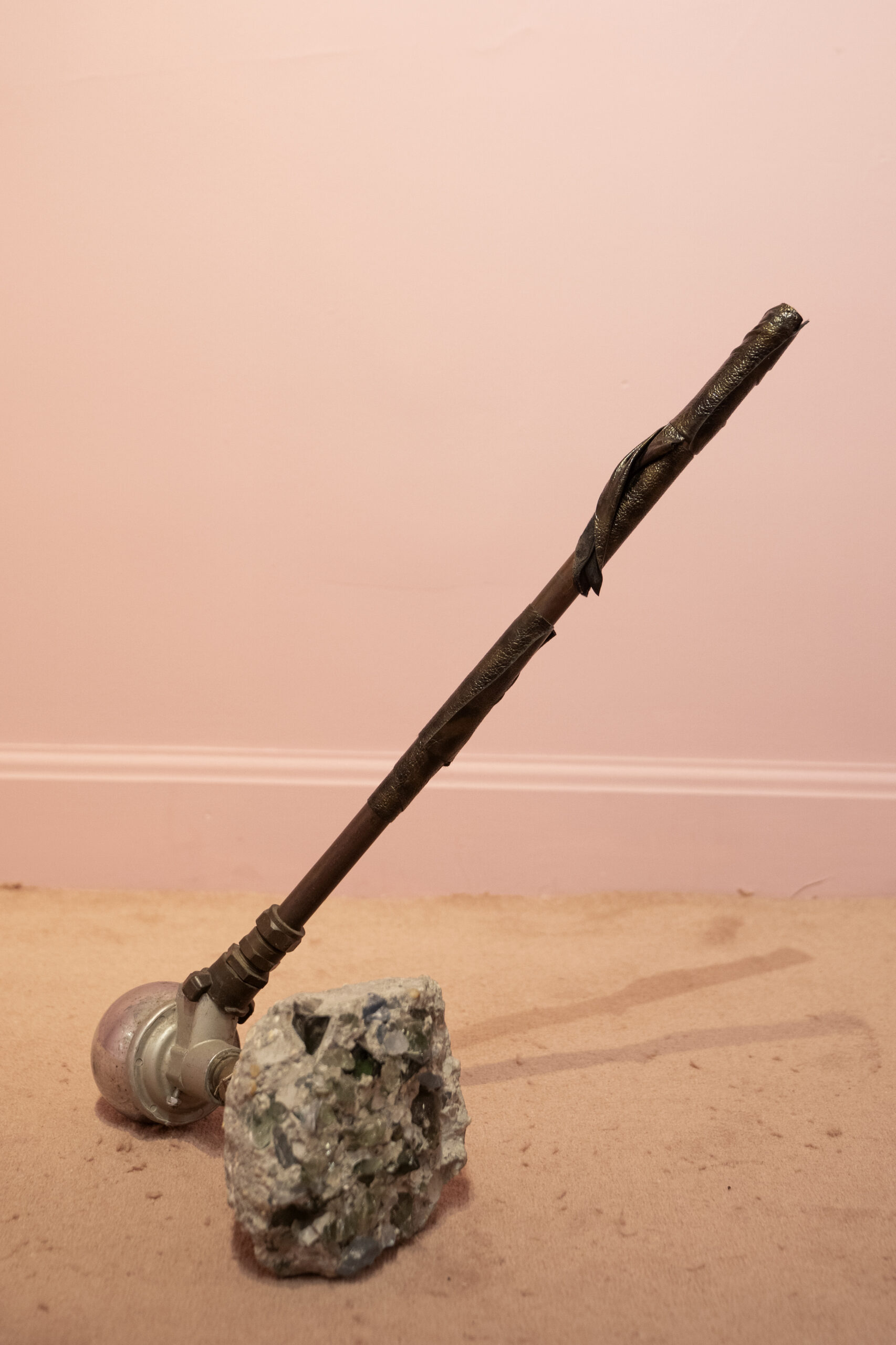
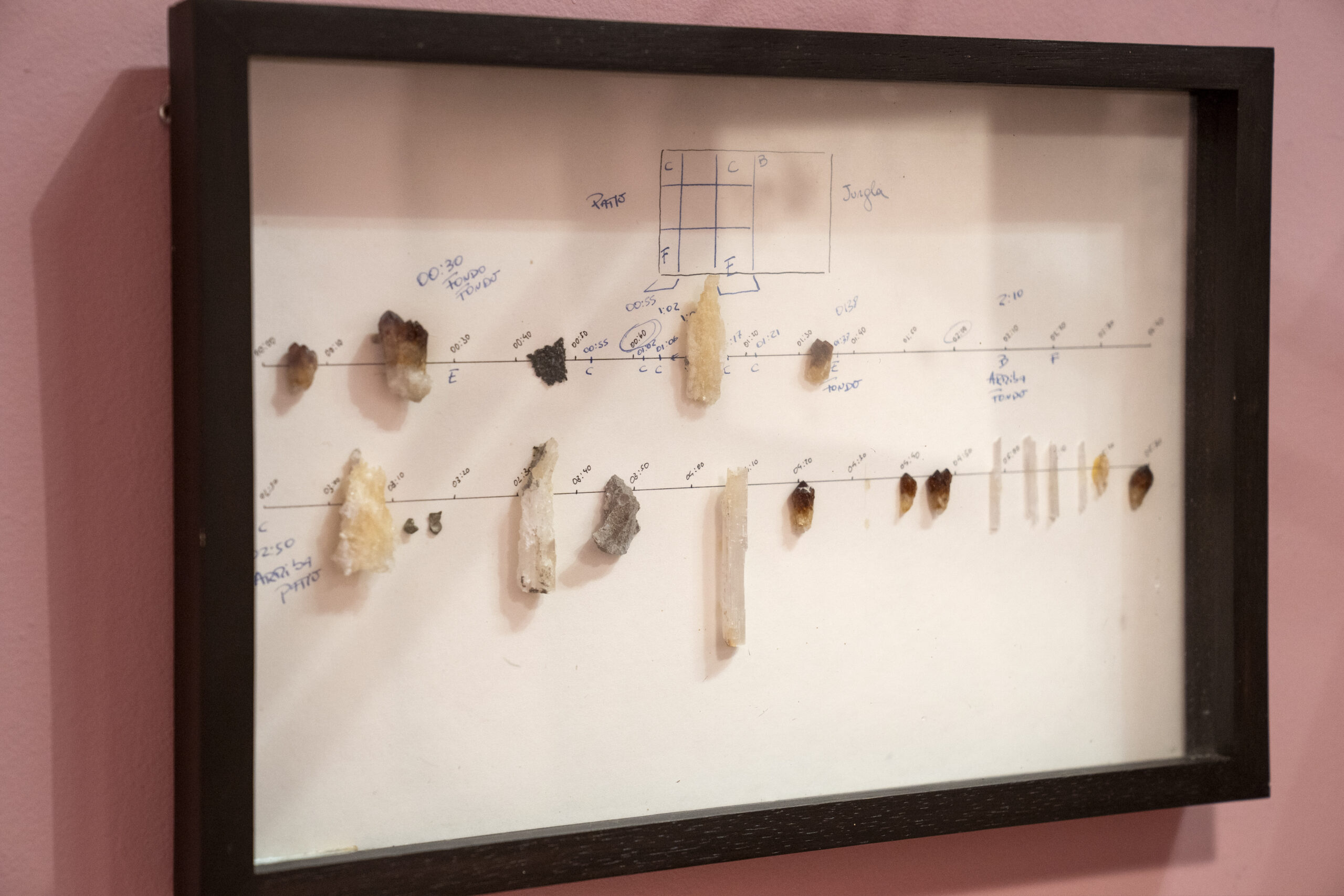
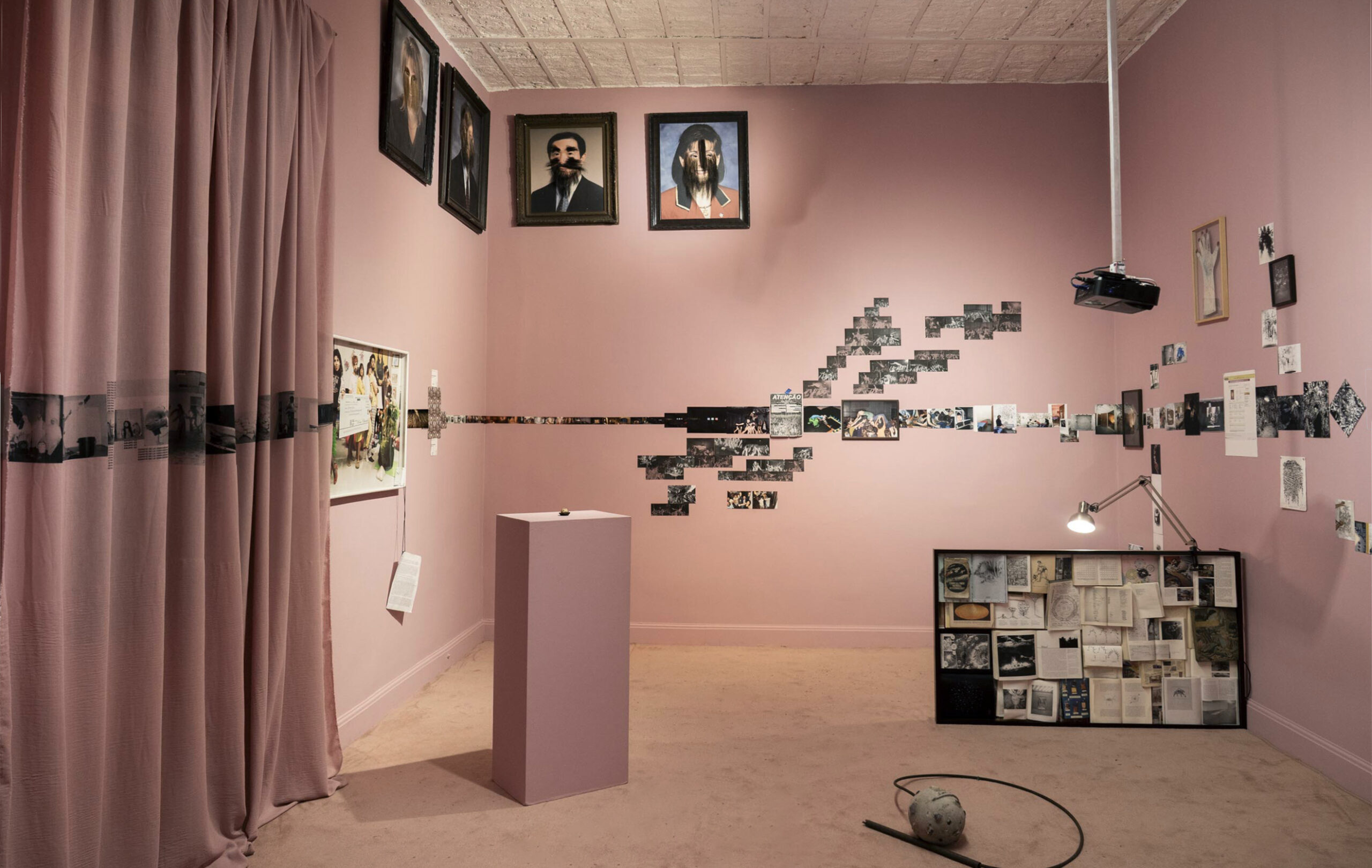
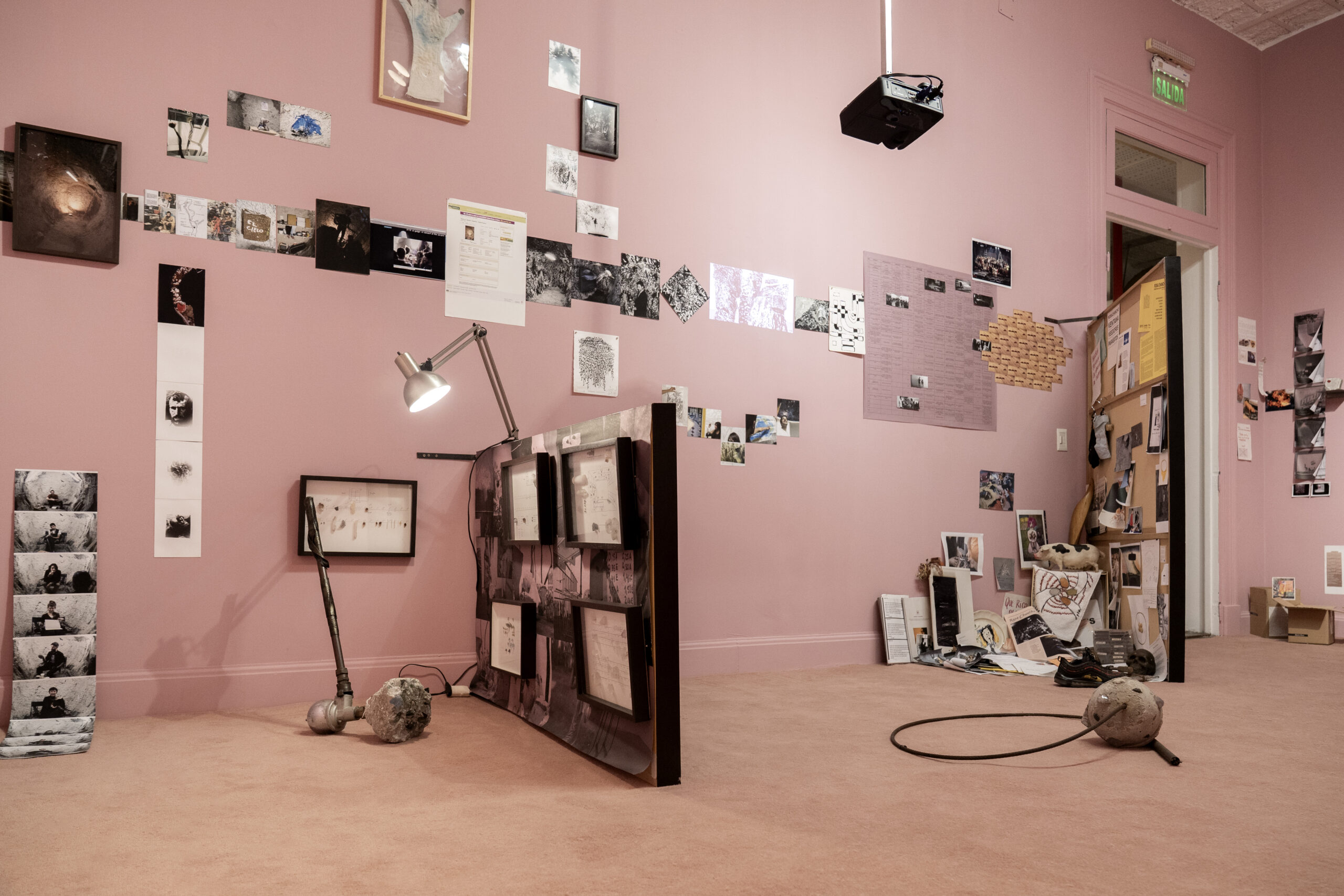
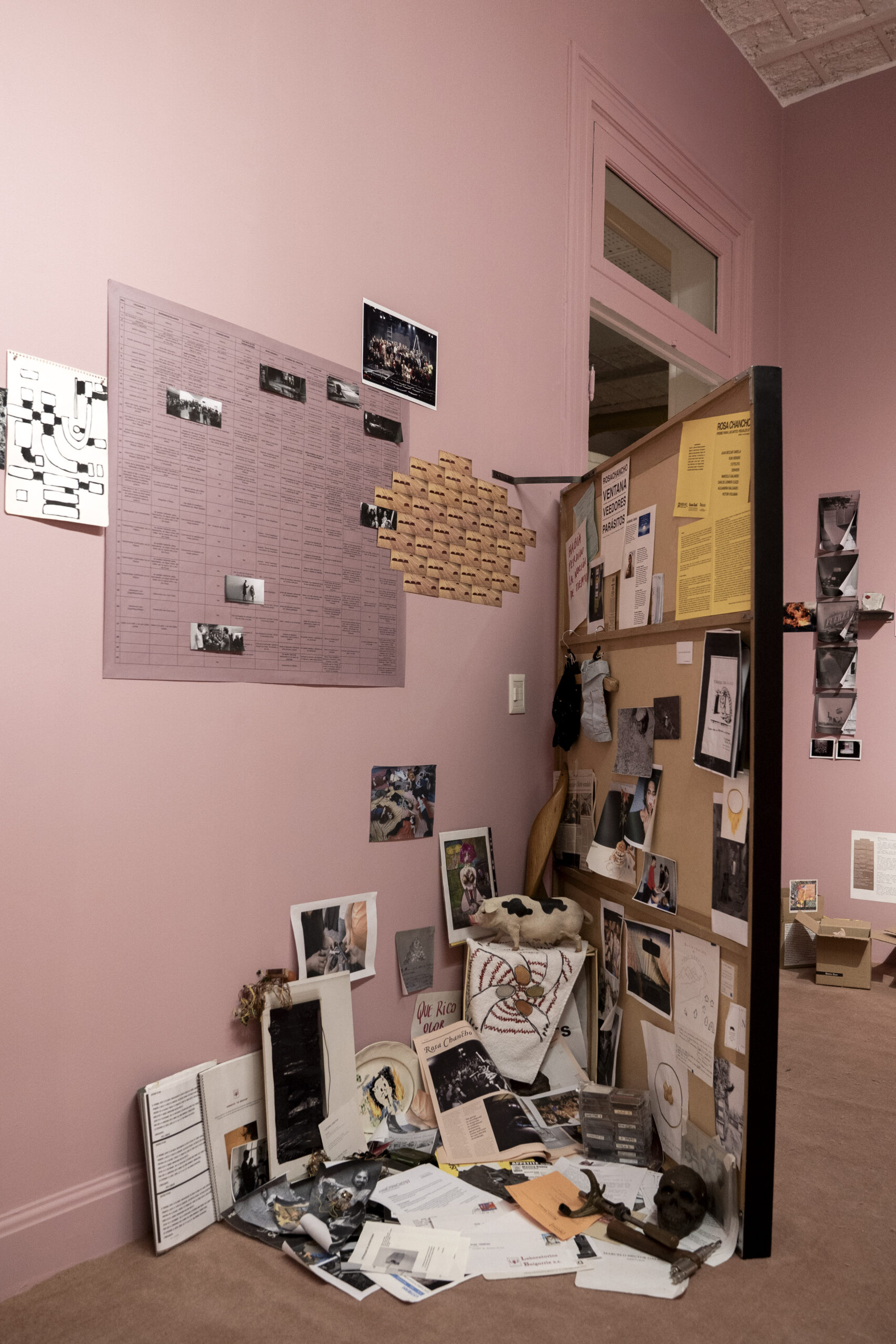
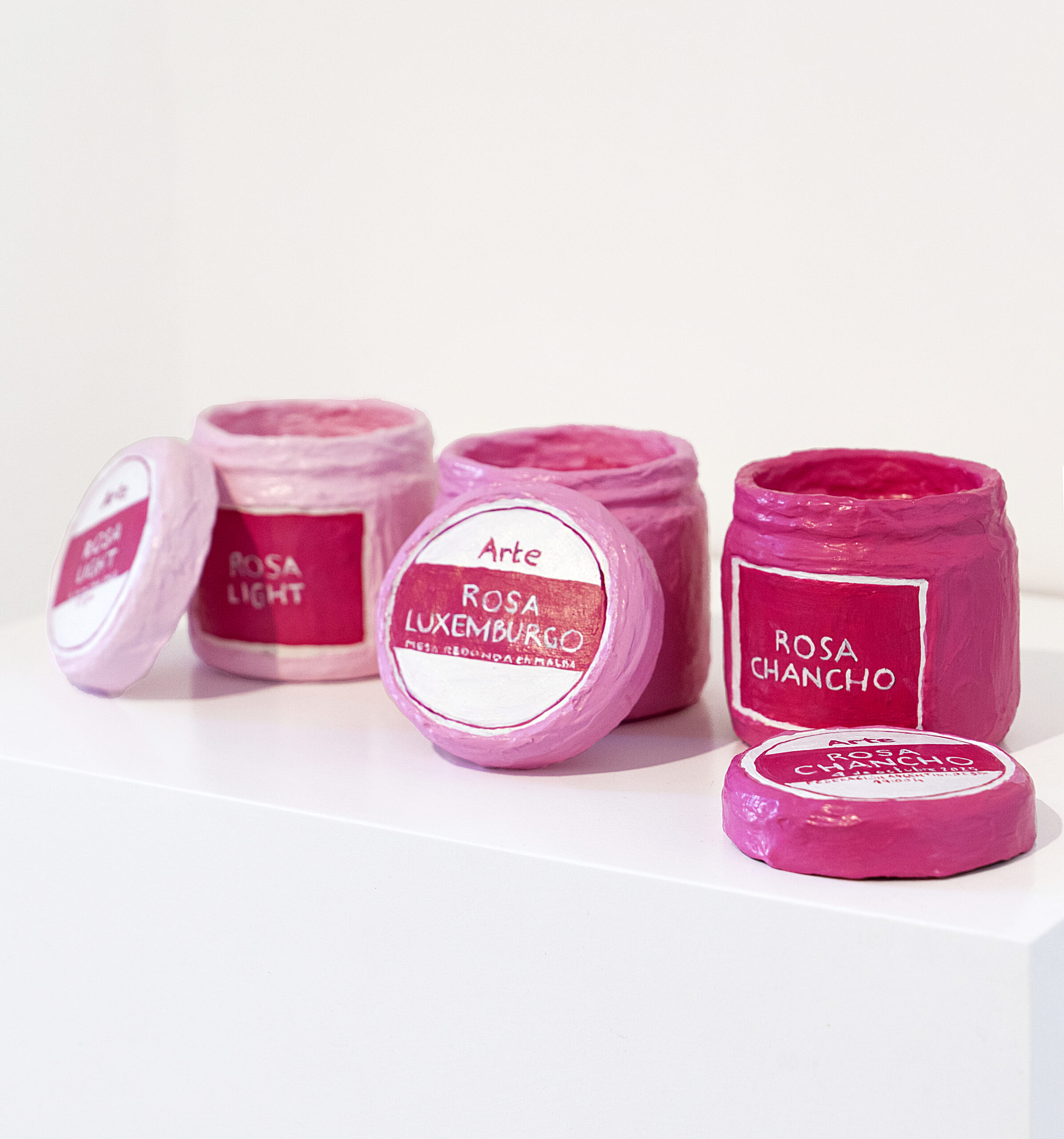
On the occasion of the publication of Huir del mundo (its first book, published by Caja Negra), Rosa Chancho presents an exhibition of the same name that revisits more than a decade of collaborative practices. The exhibition offers a retrospective view of the cultural and political context in which the group emerged, as well as the strategies it devised to inhabit it. Huir del mundo establishes a dialogue between past and present through the rematerialization of earlier projects and deliriums, the recreation of environments, the display of documentation, and the incorporation of new productions conceived especially for the occasion. The exhibition proposes a comprehensive rereading of the group’s experimental potential, in which memory is activated in contact with the present in order to return to what was once an event. In that shifting space, the “chancha” energy returns: a way of being together, of inventing worlds, and of fleeing from them at the same time.
Acknowledgments:
Caja Negra, Gustavo Bruzzone, Ana Vogelfang, Gabriel Colasurdo, and Mariela Vita. Camille Henrot, Roberto Jacoby, and Alejandro Ros. And all the artists who participated in the group’s various projects and in works included in this exhibition.