Gala Berger
March 21st – April 30th, 2026
INFO
Los premios – Gala Berger
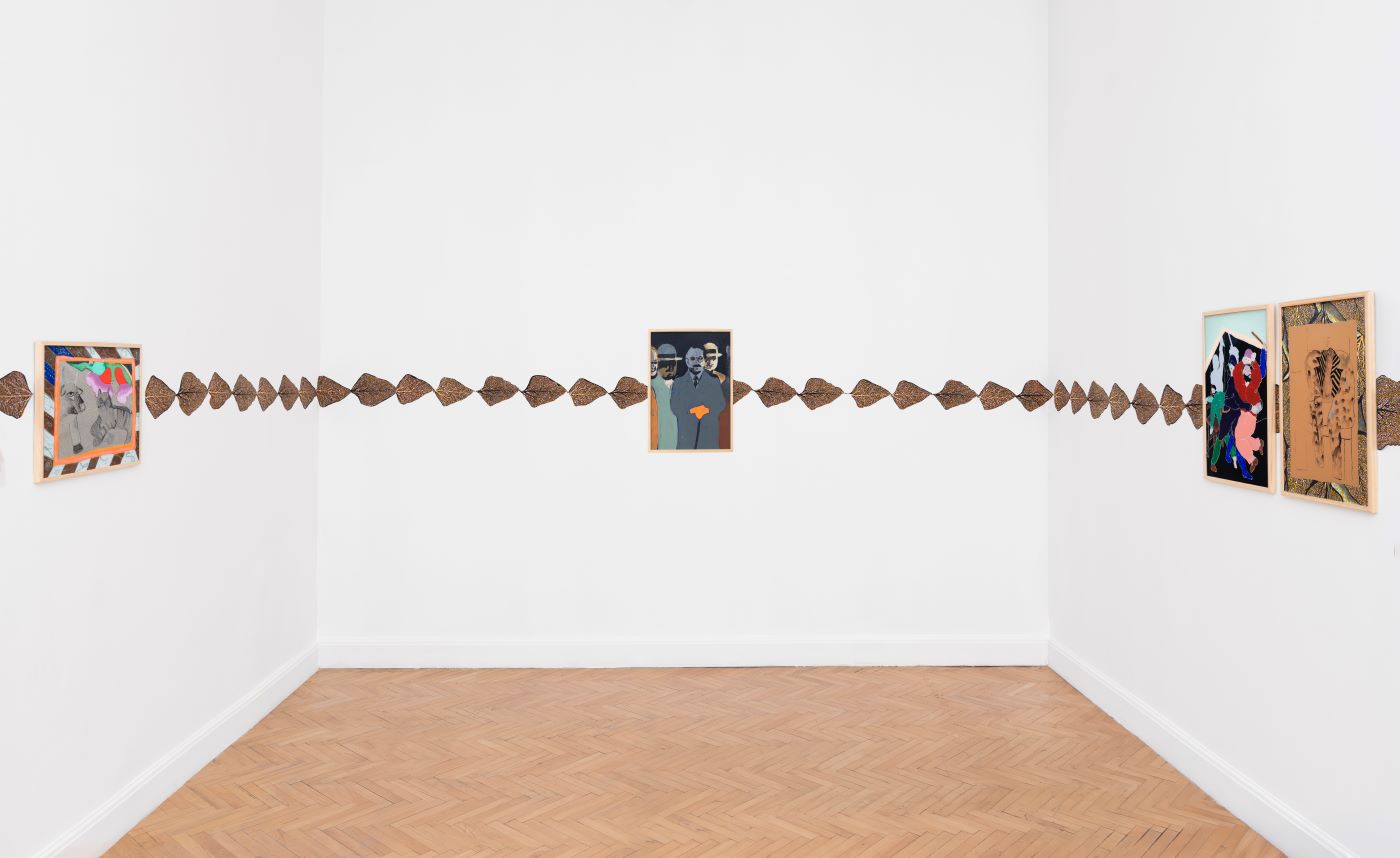
Notes for an Exhibition in Three Acts
1. In this exhibition, Gala Berger revisits certain gestures linked to the art of the postwar avant-gardes in Latin America, among them the battle cry, the explosion of stink bombs, and the throwing of eggs at reactionary artists, pusillanimous critics, mediocre officials, and repressive police inside the exhibition halls of public museums.
2. Repair, in this case, consists of a displacement: relocating subversive gestures into their public dimension from the specific traditions to which they belonged—in this instance, within the narratives of the “new,” “youth,” the “avant-garde,” “politics,” and “revolution” in a year that, in terms of global narrative, is also a chronotope: 1968. (The quotation marks in the previous sentence, more than signals of suspicion, are loaded with eggs and projectiles: stay alert.)
3. The exhibition’s title, in the plural, refers to a postwar model: young art competitions with monetary prizes and judged by international juries during the 1960s, mainly organized by public museums, diplomatic representations, and national industries. Yet it takes as its point of reference—through documentary transgressive turns—two temporary exhibitions held in 1968 at the National Museum of Fine Arts in Buenos Aires:
a. Georges Braque Prize 1968 (July). The dispute arose from an ambiguous clause that, according to the artists’ interpretation, could open the door to possible censorship in a global environment of student repression. The ceremony is interrupted by shouted slogans, the throwing of eggs at the winning works, and the distribution of flyers signed by the Anti-Imperialist Front of Cultural Workers (FATRAC): “WE DO NOT ACCEPT ANY FORM OF ECONOMIC TUTELAGE THAT VALIDATES THE SYSTEM OF OPPRESSION PREVAILING IN THE CAPITALIST WORLD, NOR DO WE ACCEPT ANY FORM OF CENSORSHIP OF OUR WORKS.”
b. Materials, New Techniques, New Expressions (September). “Some artists, dissatisfied with the jury’s decision and as an act of protest, covered their works with sheets of paper. Earlier in the afternoon, in statements to journalists, they expressed their disagreement with the actions of two foreign jurors, whom they criticized in harsh terms.” [“Materials, New Techniques, New Expression,” El Clarín, September 20, 1968, p. 22.]
4. The exhibition is divided into three parts (if we are to be precise, a division linked to the structure of the exhibition space):
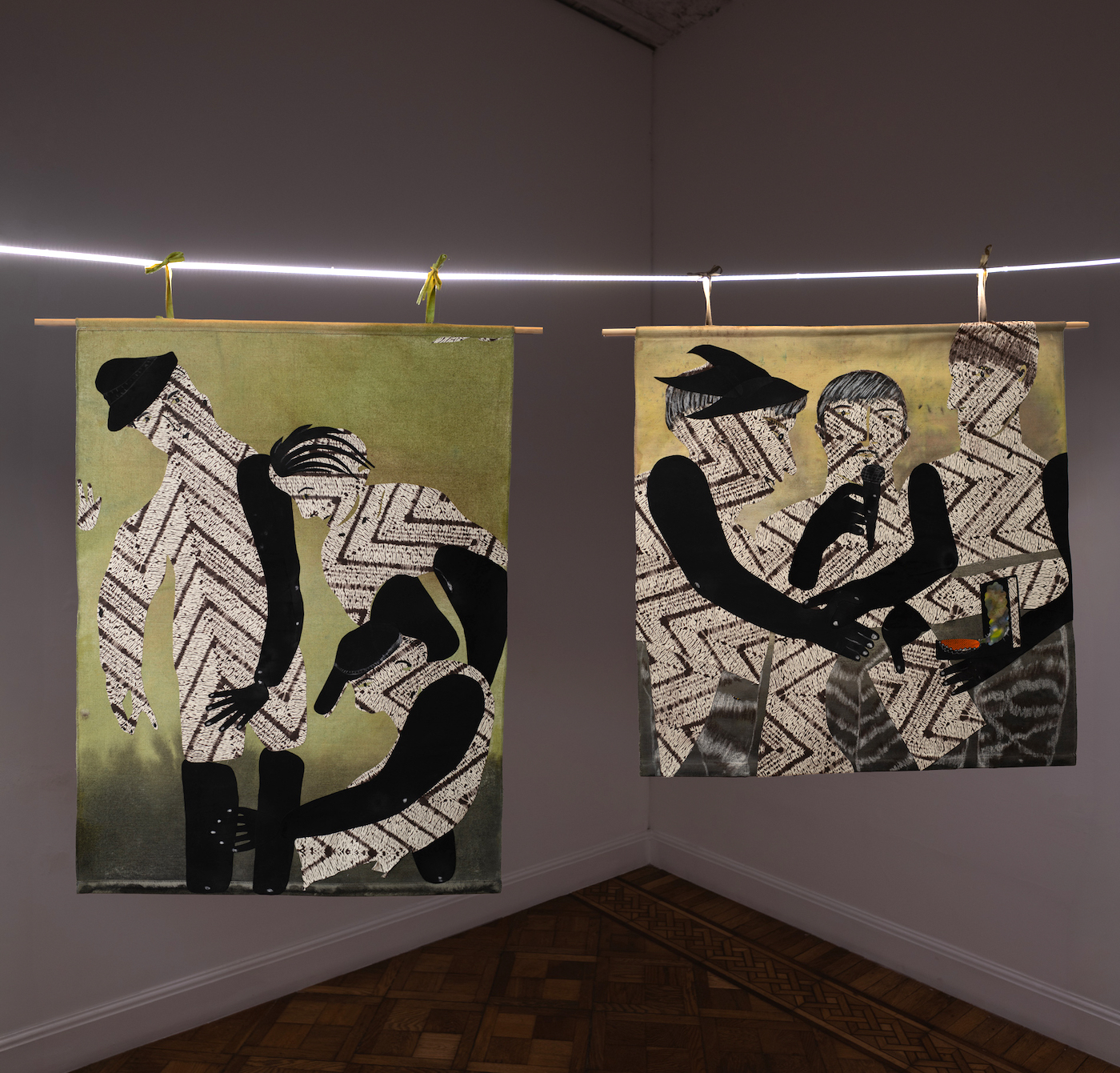
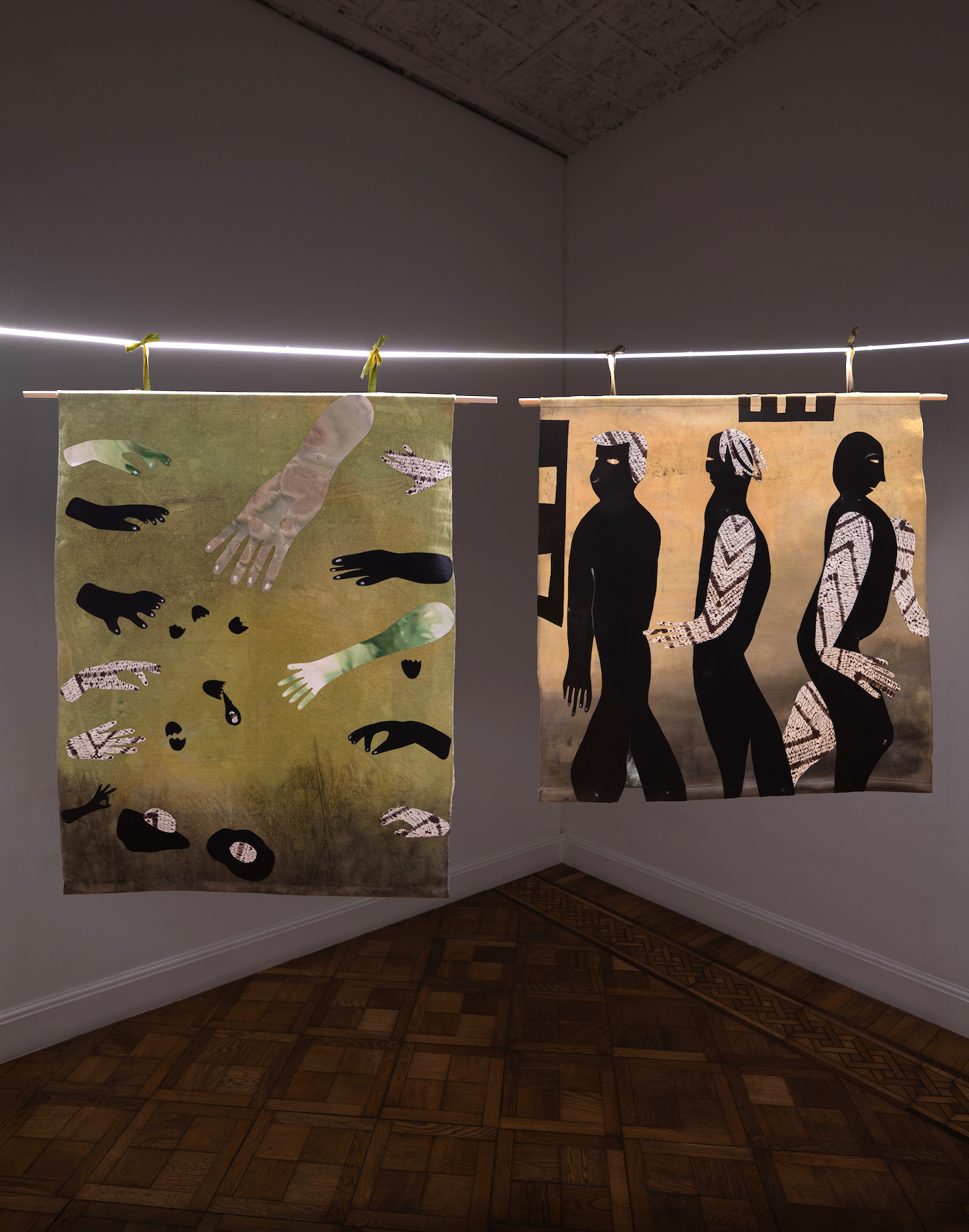
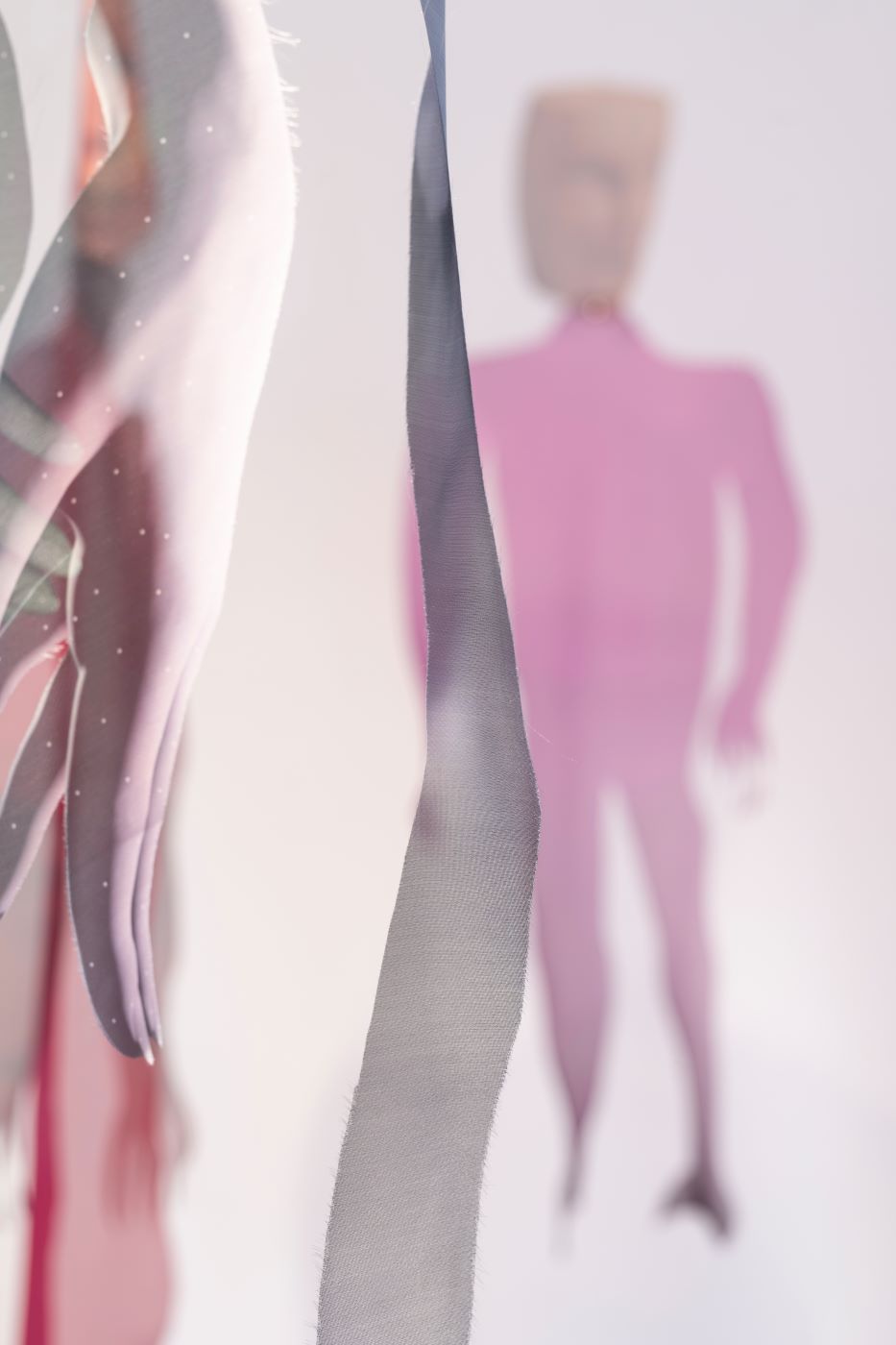
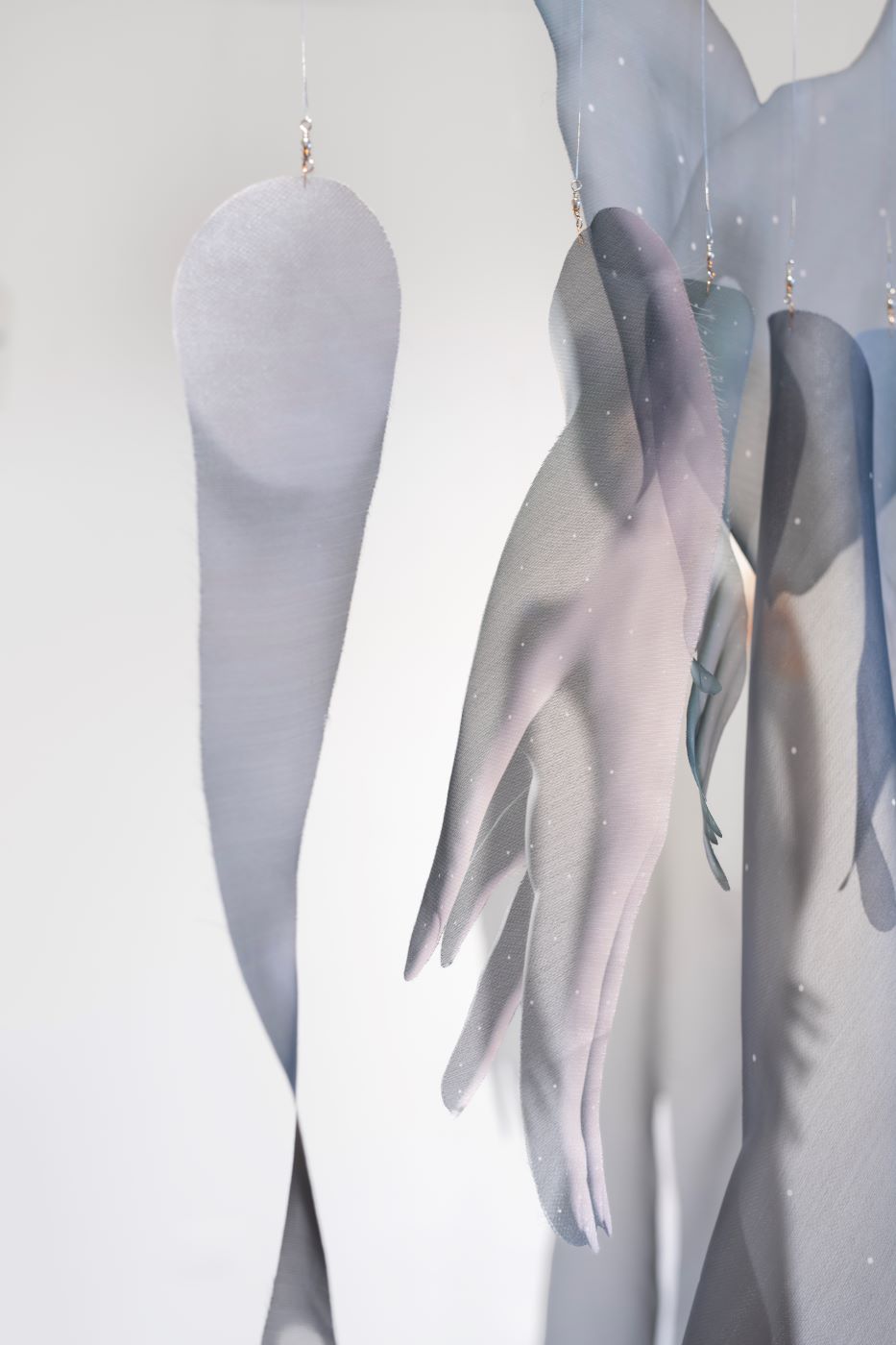
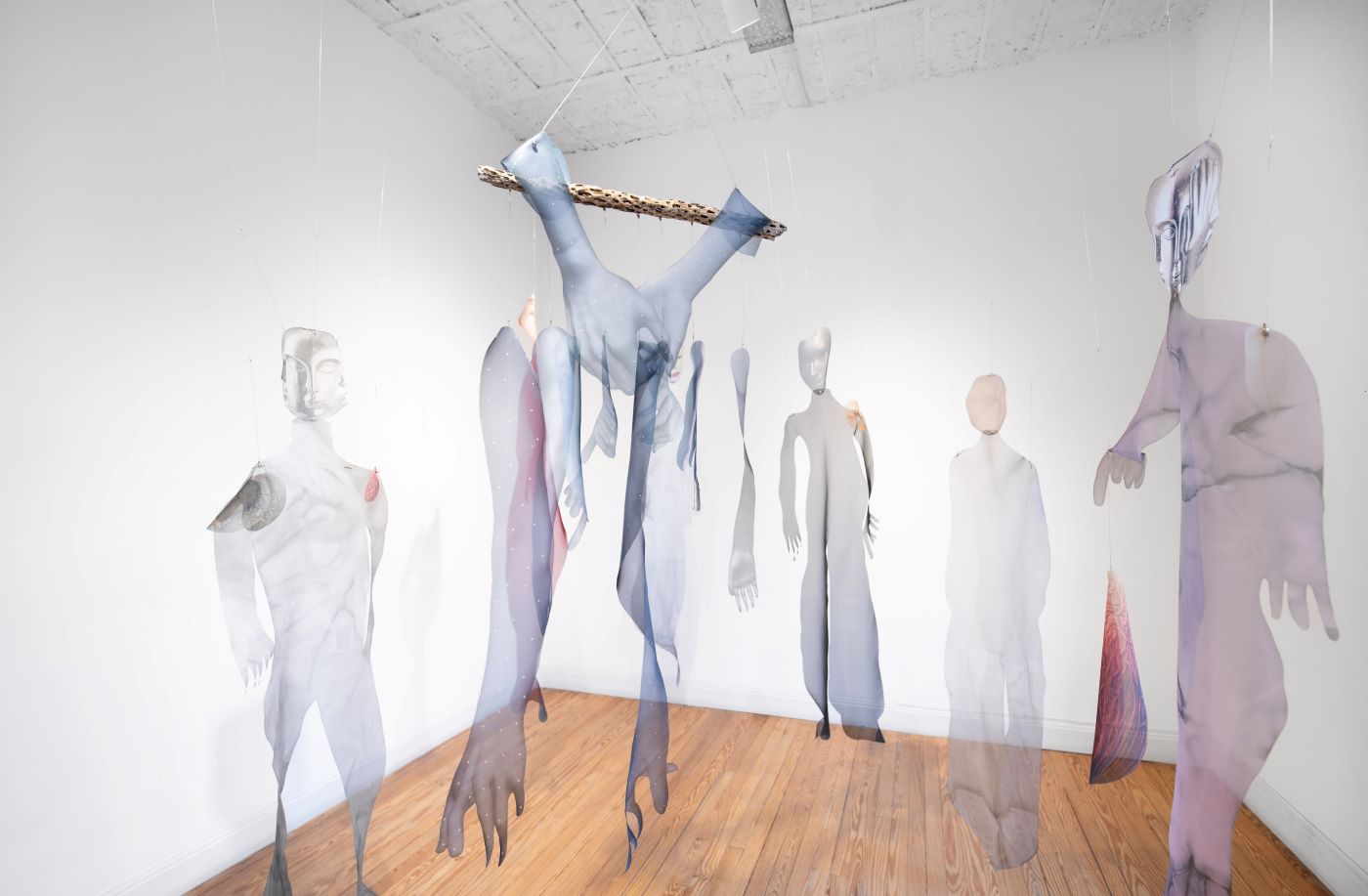
a. Act One. Suspension of textile elements with LED lighting. Suspension, also, in a historical sense: flashes of prizes—those awarded by juries and those awarded (eggs and bombs) by revolutionary artists. And the all-too-obvious role of the police.
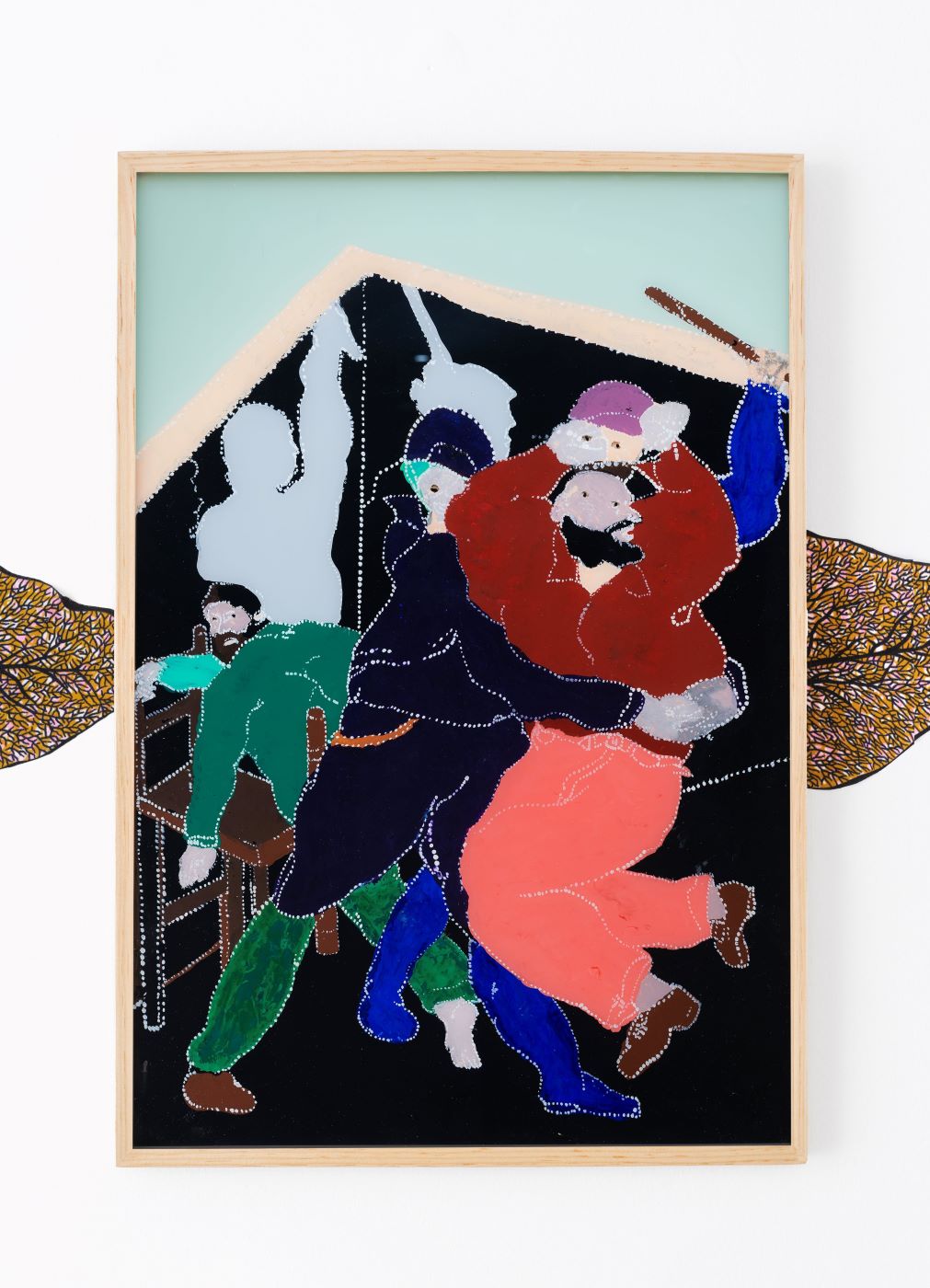
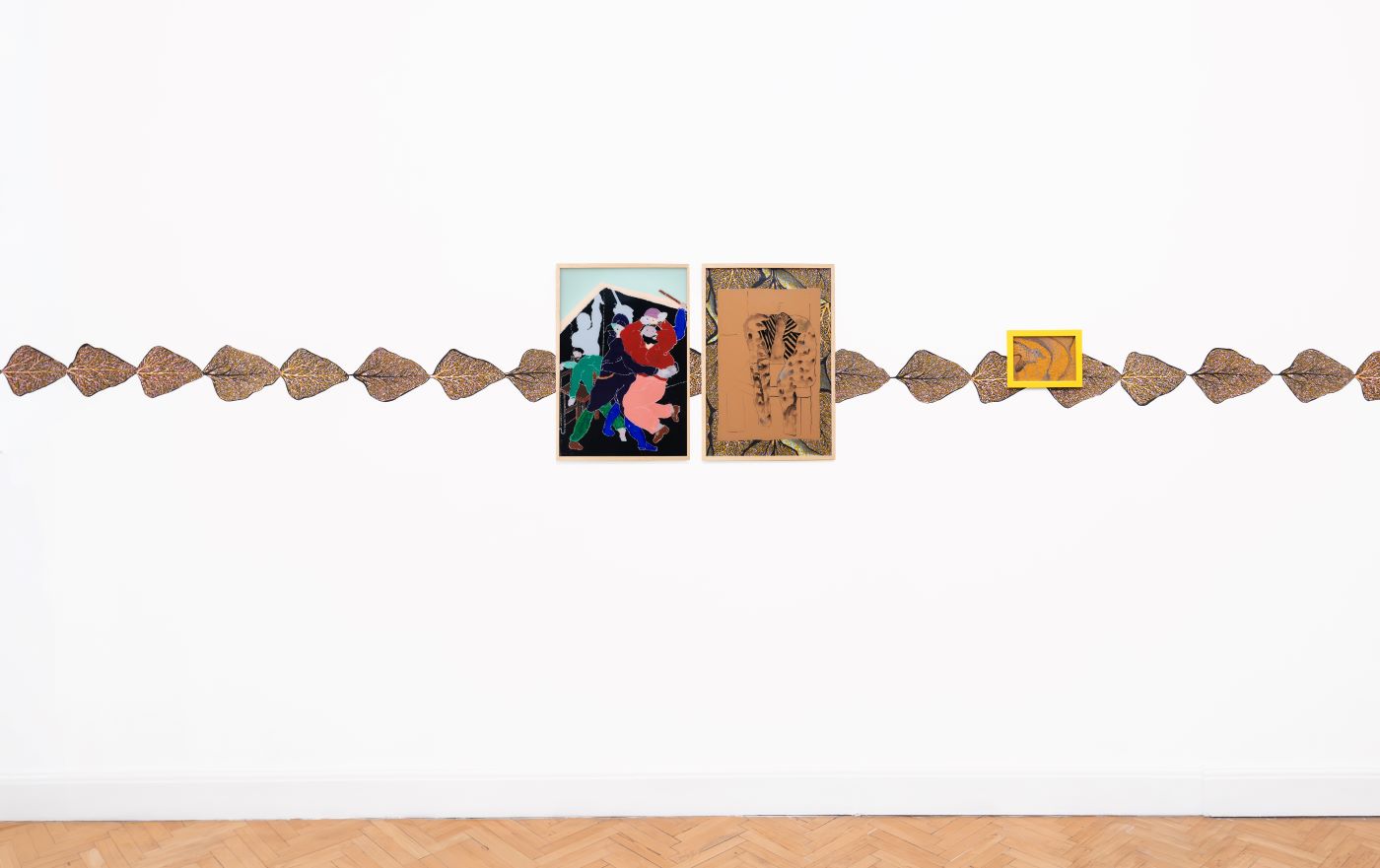
i. On one side, Roberto Jacoby is detained “as a consequence of the disturbance of the event” (Braque ’68). On the other, an ode to the throwing of the egg: the artistic throwing of the egg, the throwing of the artistic egg.
ii. On one side, Rogelio Polesello receives the First Prize in Painting from the hands of the Cultural Attaché and Ambassador of France (Braque ’68). Profiles of winning artists celebrate their victory (Braque ’68 and Materials) on the other side.
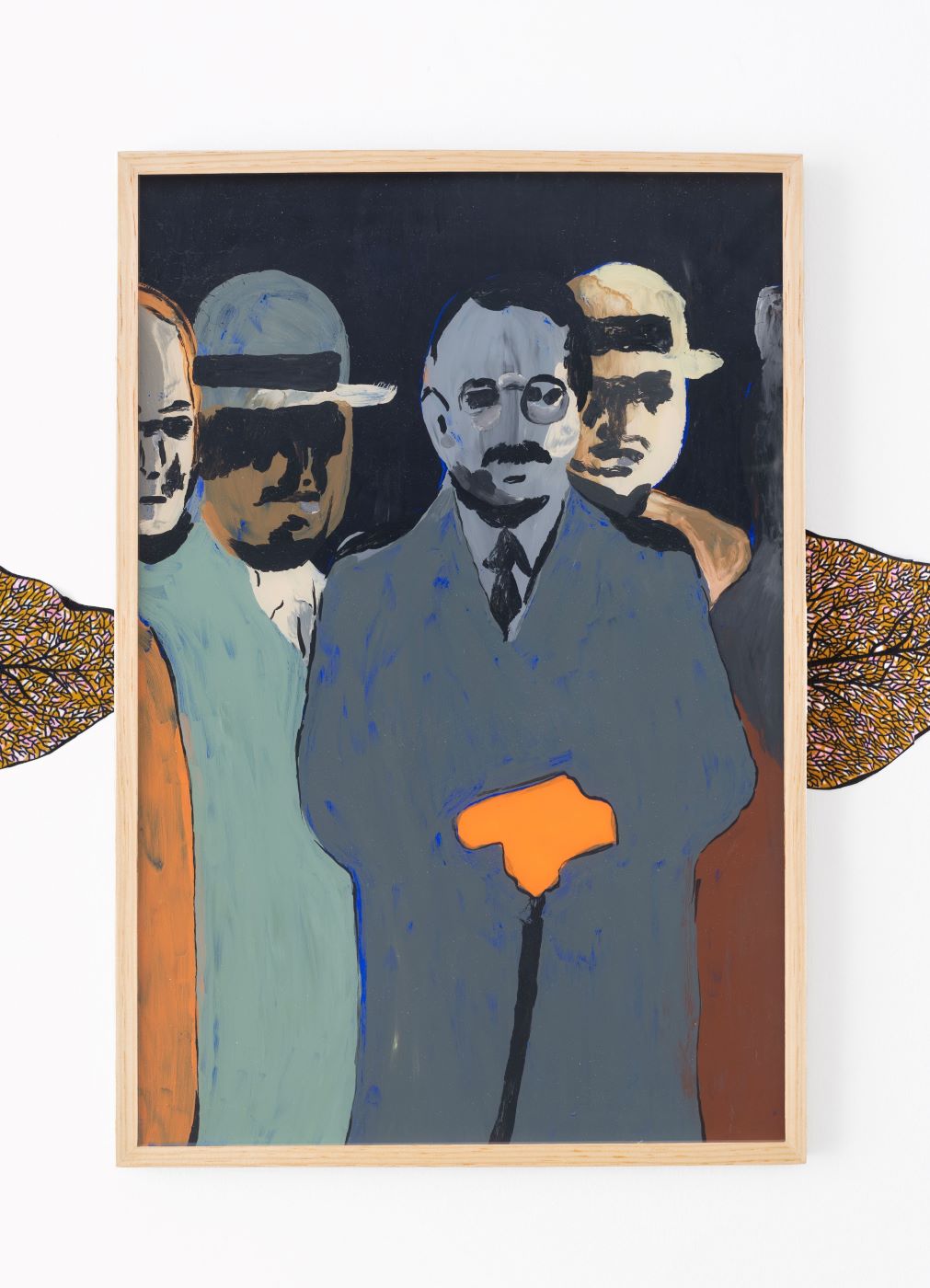
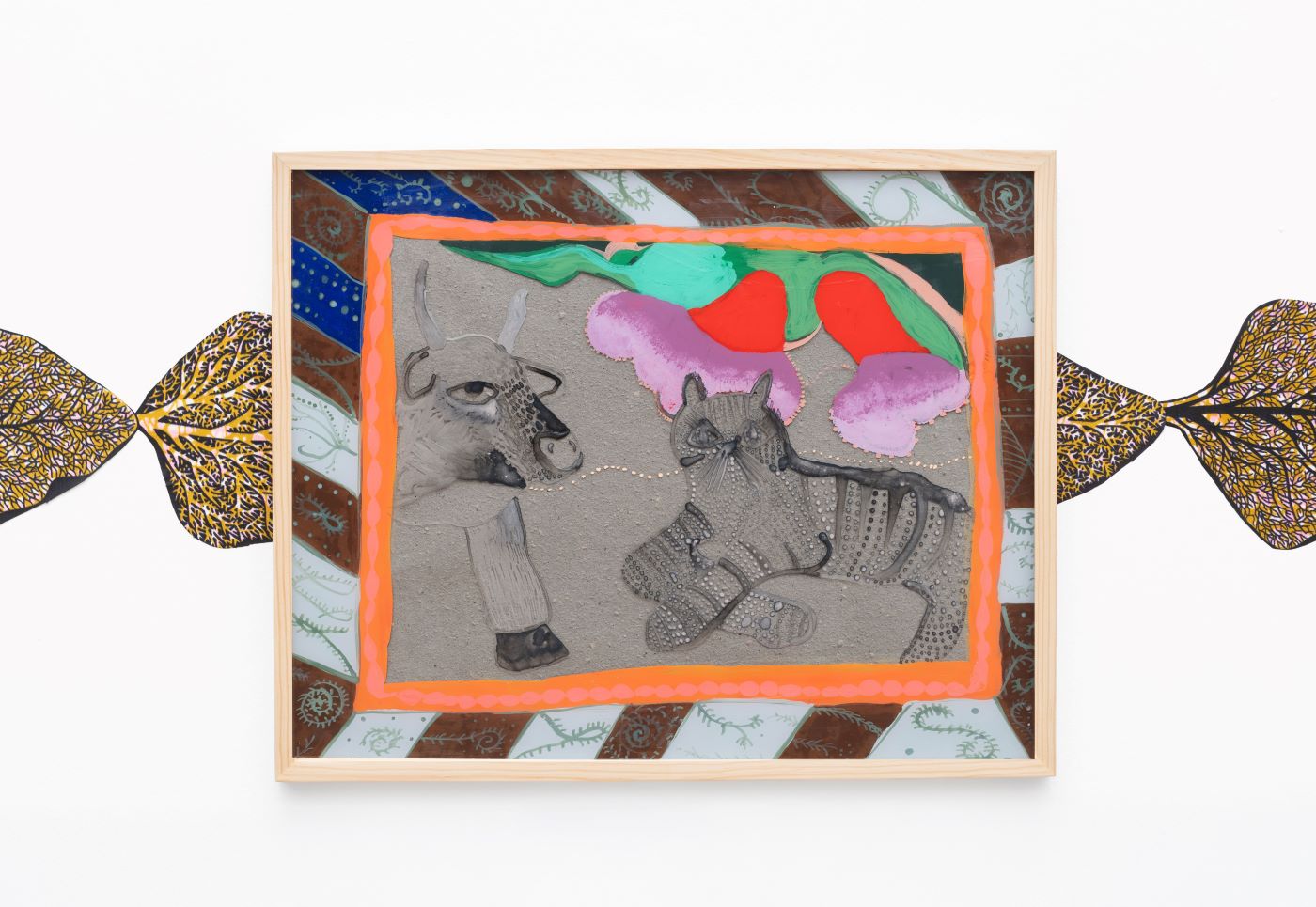
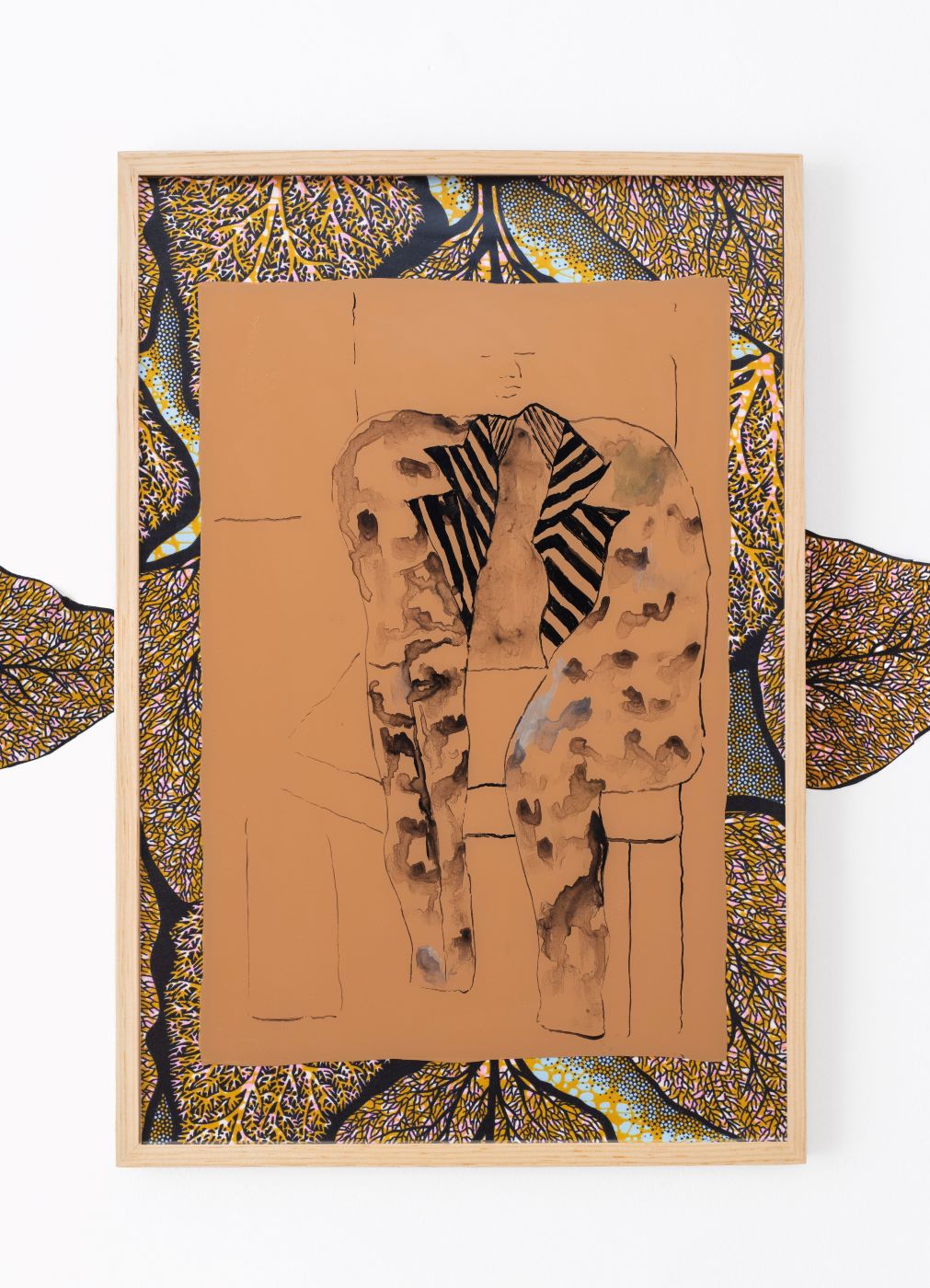
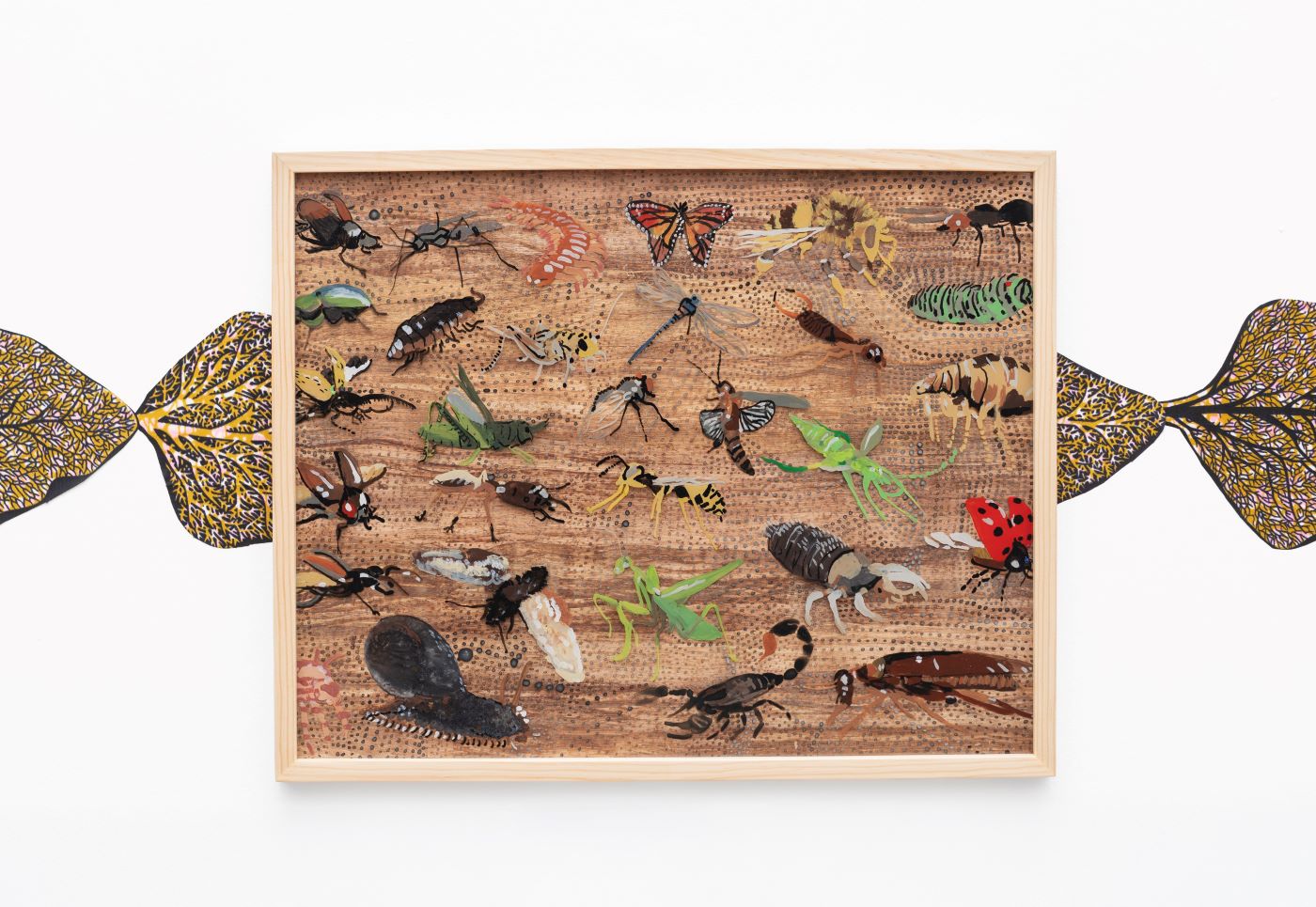
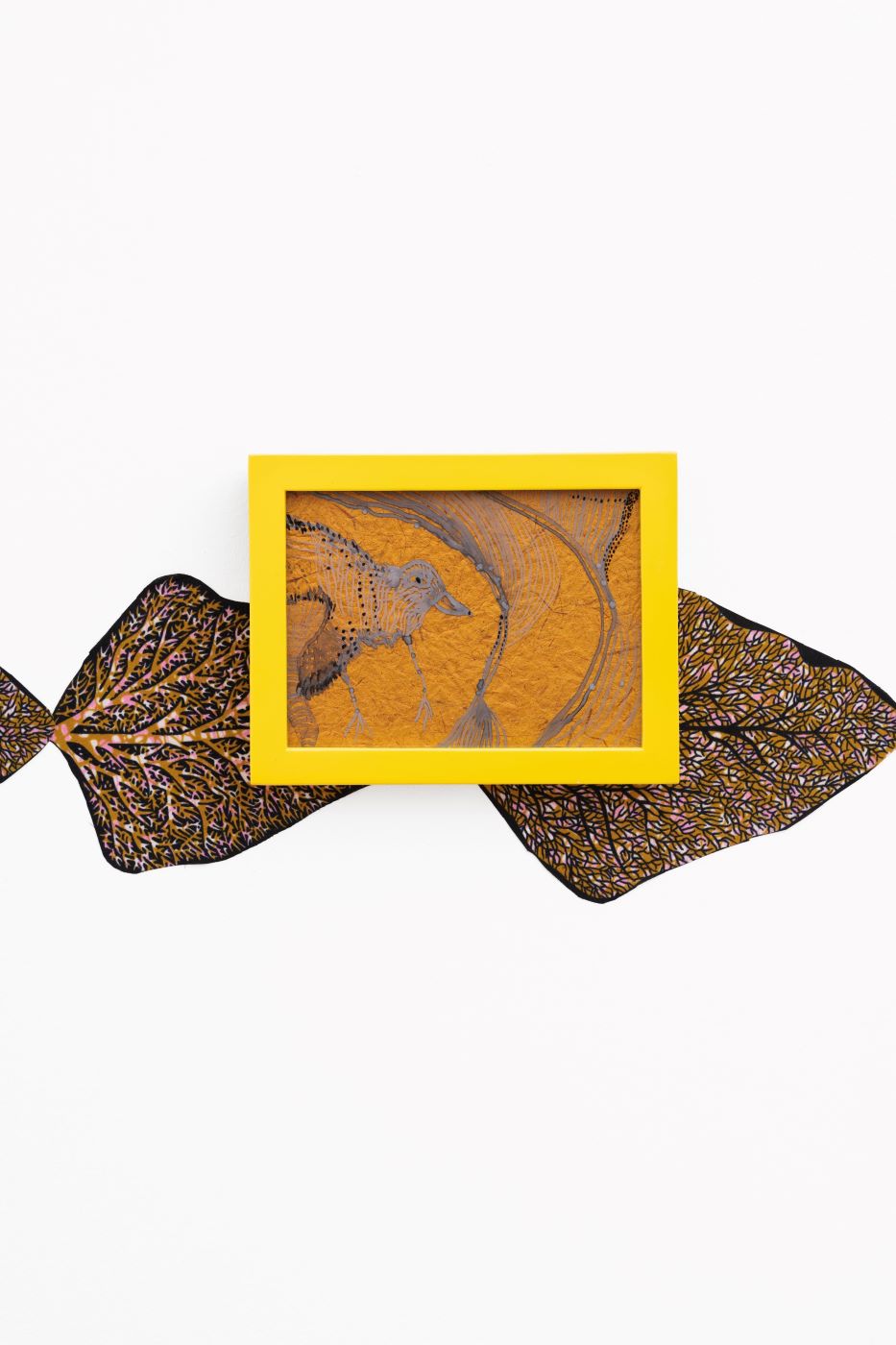
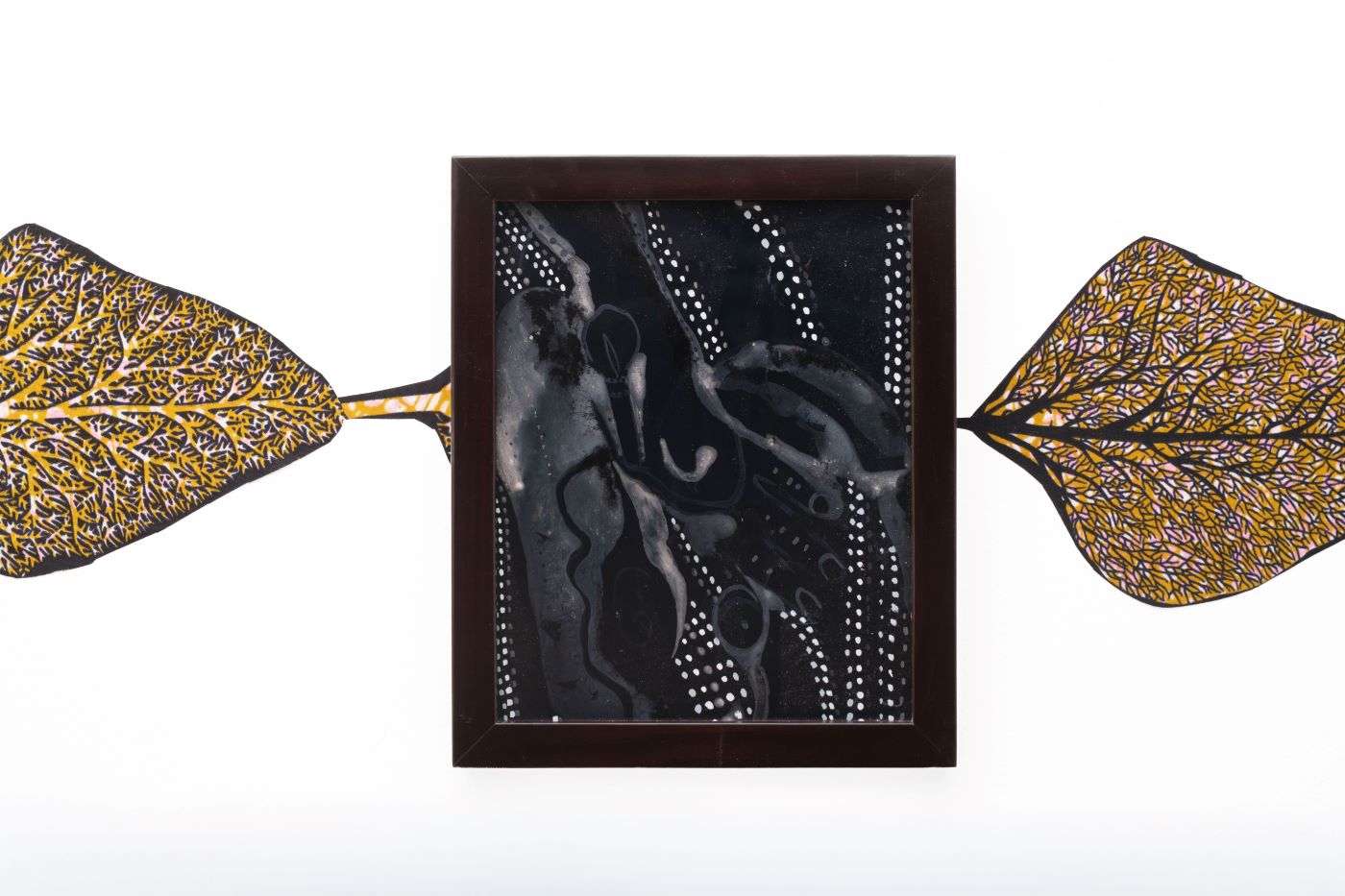
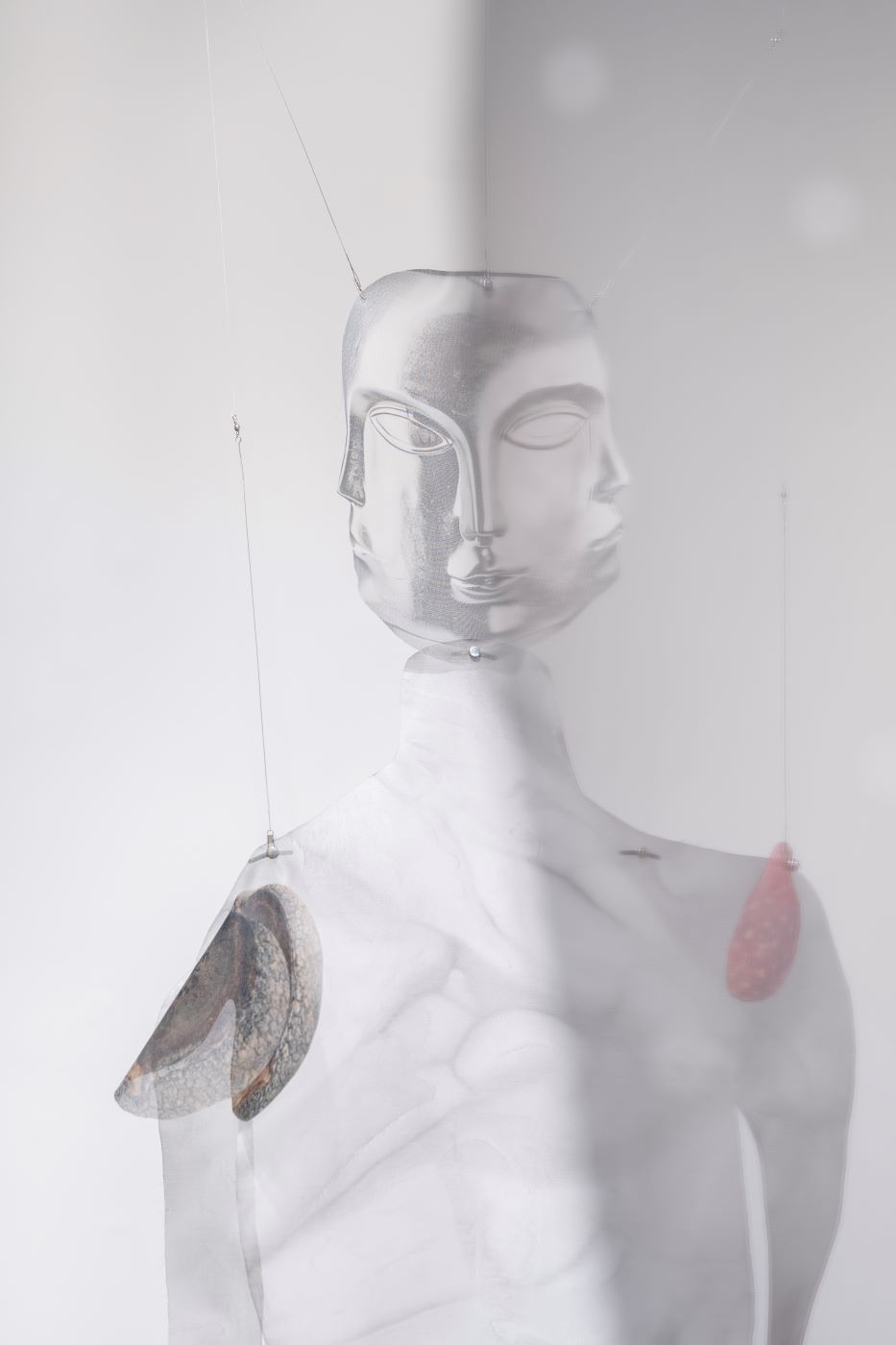
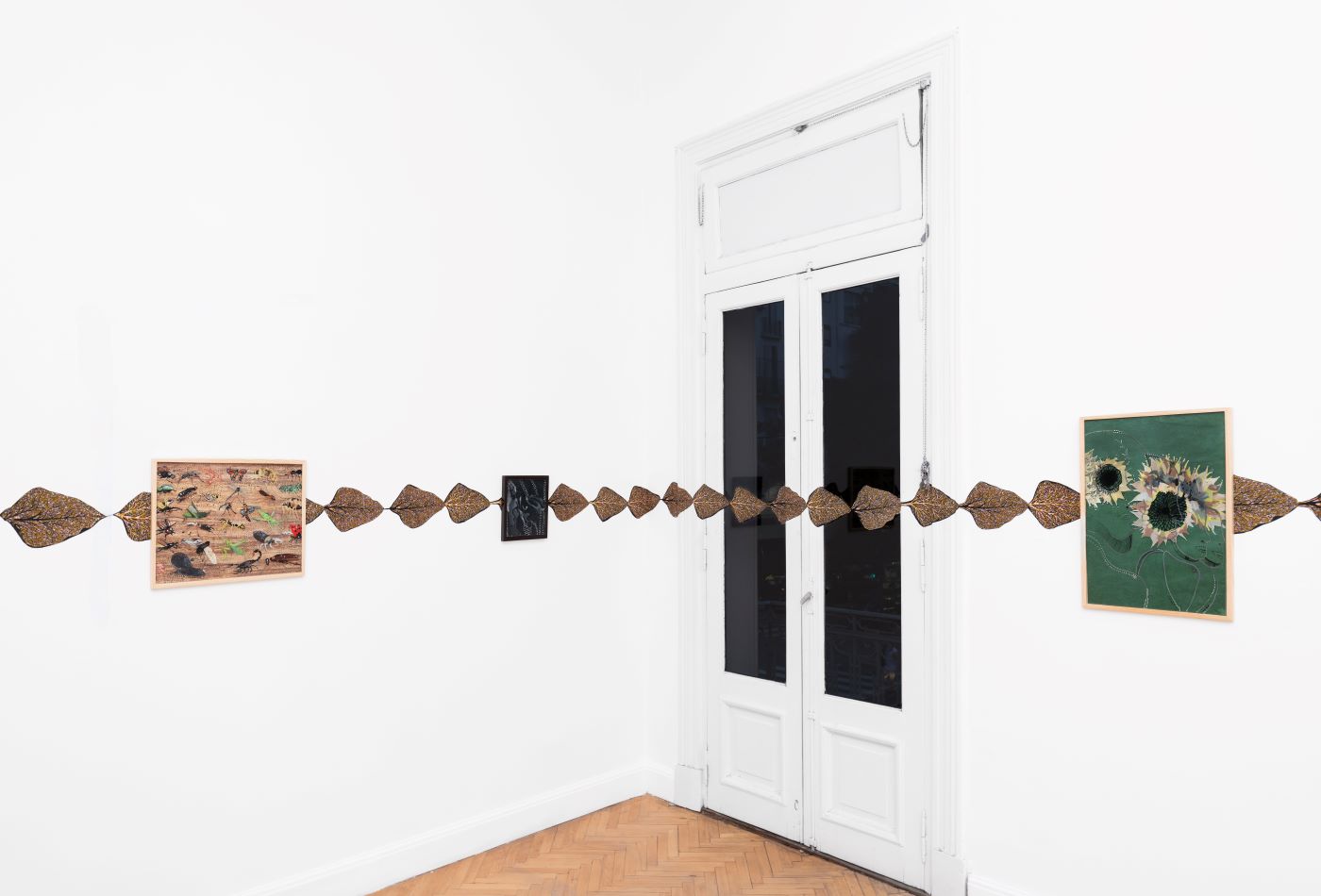
b. Act Two. The characters in this section celebrate an act of outsider transvestism. Paintings and drawings presented in Braque ’68 and in Materials are transfigured into paintings on glass, a technique recovered by Berger through her explorations of works from the now-defunct Gallery of Primitive Art in Zagreb. Painting on glass is painting upside down, in reverse, beginning with the details.
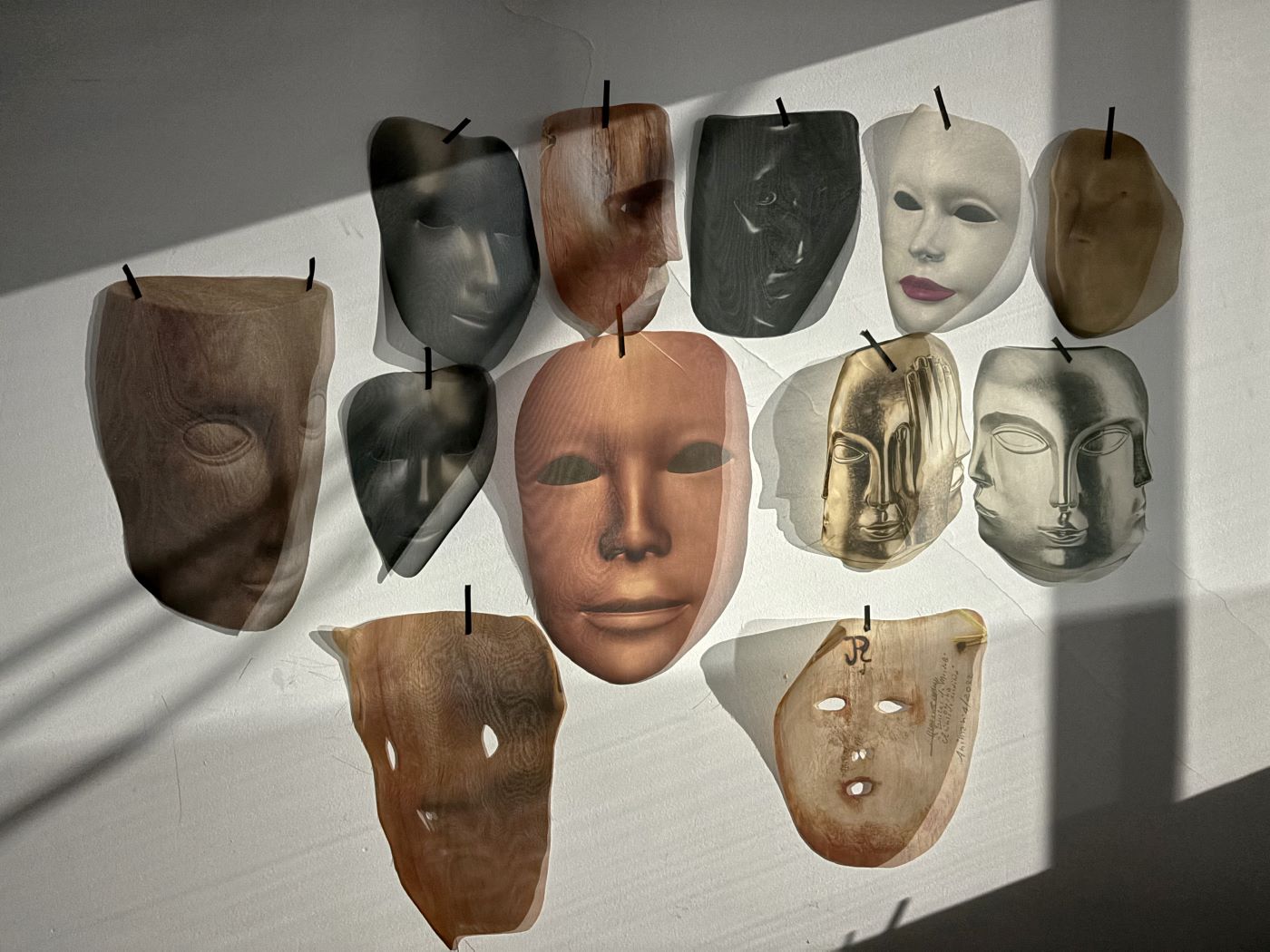
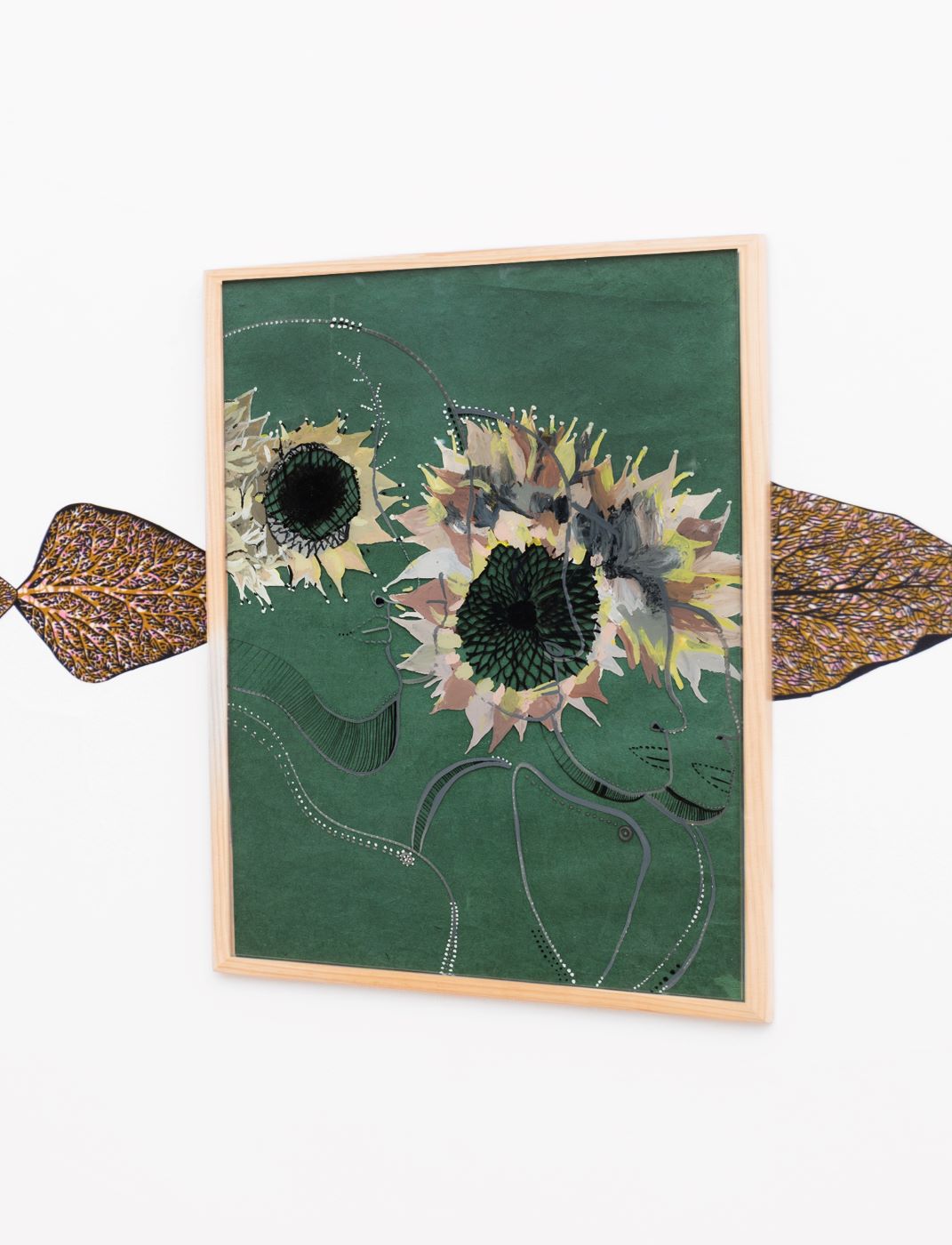
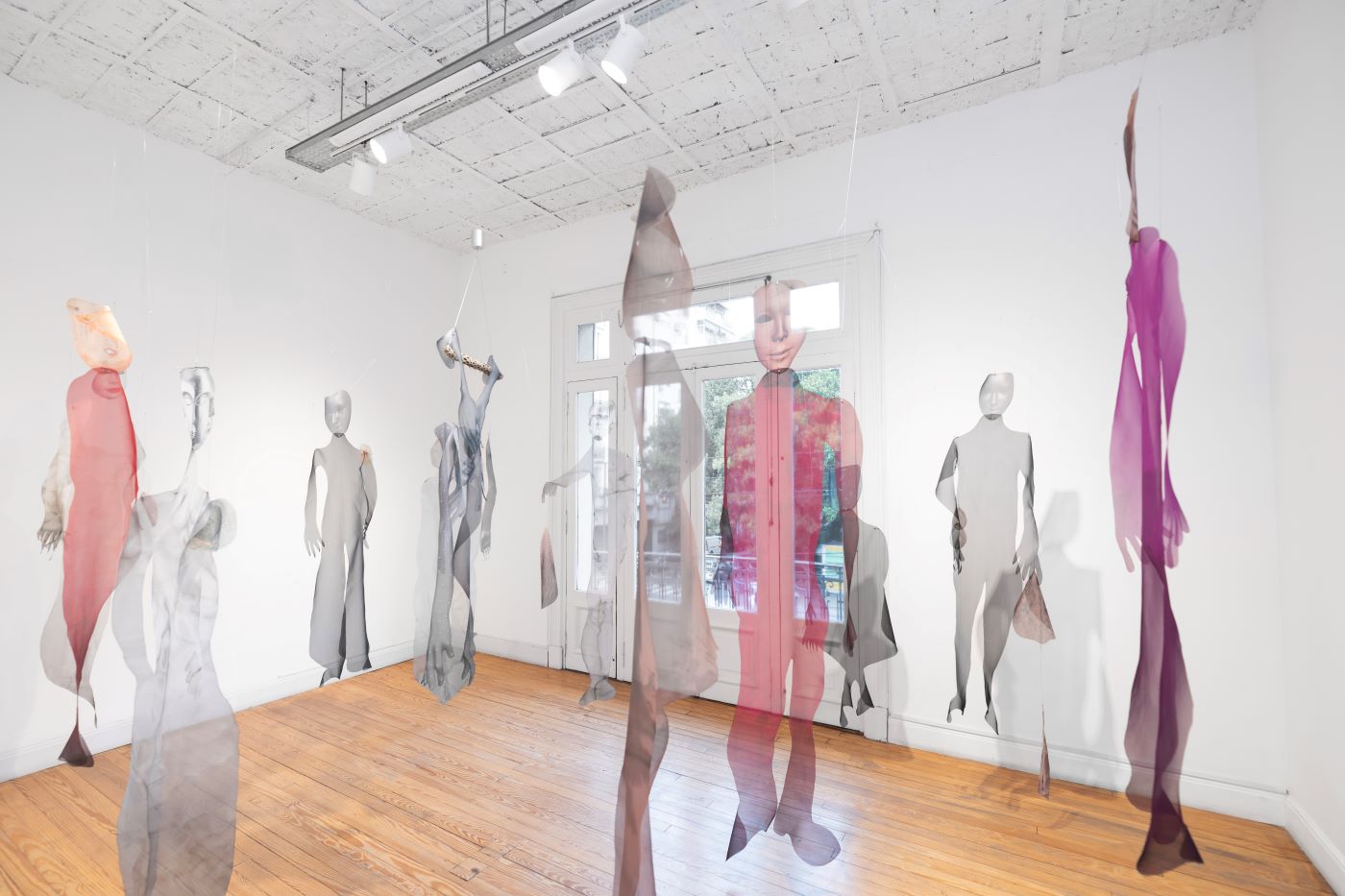
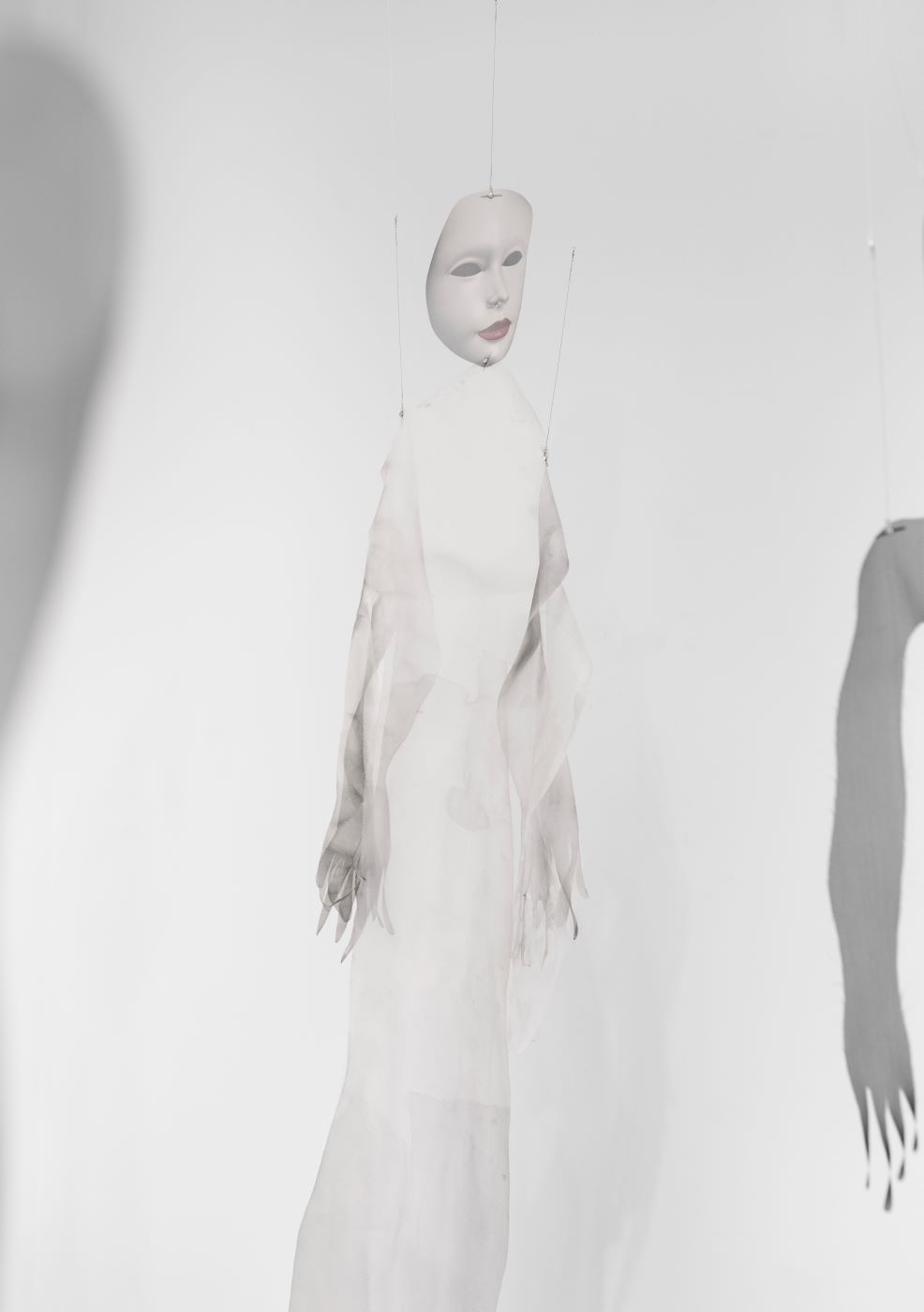
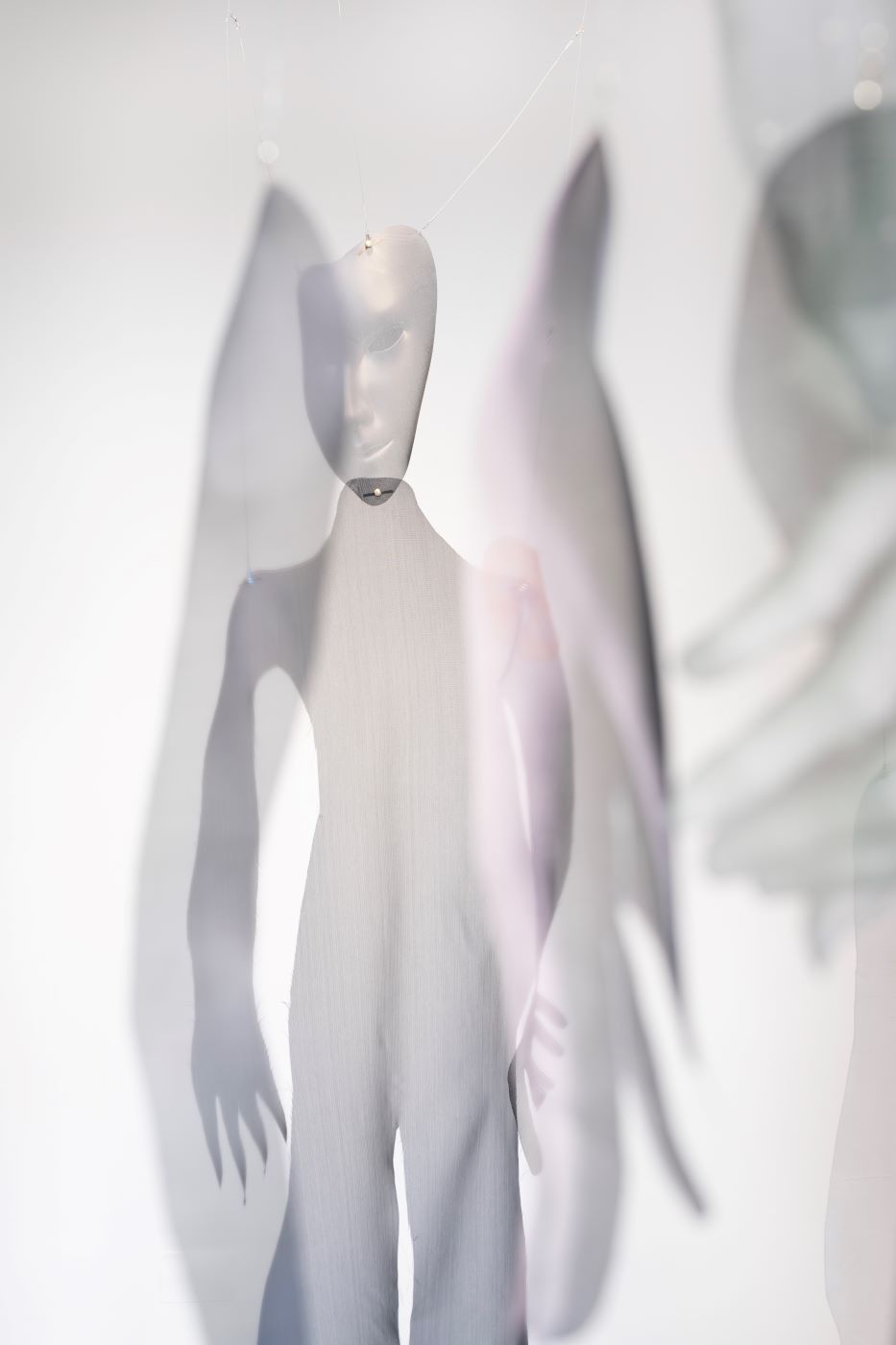
c. Act Three. The atmosphere of judgment: faces of painters, critics, and officials who formed the juries of both exhibitions. They appear as 3D models in textile print, levitating as two-dimensional mobiles among American seeds (a key element in Berger’s previous work, repairs in other visual and political registers). In a trembling dance, eleven specters emerge, among them: Antonio Berni, Jorge Romero Brest, Jean Clay, and Lucy Lippard.
5. A descent into the present. The prizes denaturalize the crystallized image of rebellion, protest, and revolt as something essentially granted to youth. Berger stages—and places into abyss—their character as a construct with use value, a resource no more than two centuries old in which there have been many beautiful antifascist and antibourgeois youths, but also brutally correct cretins (and their contemporary alt-right counterparts). Although ultra forms of rebellion are today ideologically arranged as figures of resistance (ultimately victims of their own trad stupidity), they operate within a diagram saturated with secular—and not so secular—abstractions such as people, family, or land: forms that reiterate mythical violence and figures of aggression more closely tied to the burning of books (and of witches).
6. The throwing of the egg and the stink bomb require the identification of the target—that is to say, its typology: the less politicized artists, the fearful organizers, the controlling officials, and, above all, the police.
7. Berger, in a play of reflections, transparencies, and textures, repositions these gestures as a choral song of critical seeds against those who today speak of freedom but desire nothing other than prisons, violence, and submission. Vade retro, ultras.
Julio García Murillo
(From Mexico City, March 2026)
Gala Berger (Villa Gesell, 1983) is a visual artist, curator, and independent researcher. She has lived in Buenos Aires, Lima, San José, Costa Rica, and currently resides in Mexico City. She has developed projects across the Americas, Europe, and Asia, as well as in Senegal and Uganda. Her artistic practice, deeply rooted in collective experiences, brings together production and critical thought. She is a founding member of the experimental museum La Ene (Buenos Aires), Casa Ma (Costa Rica), and the collective Retablos por la Memoria (Peru), among other initiatives.
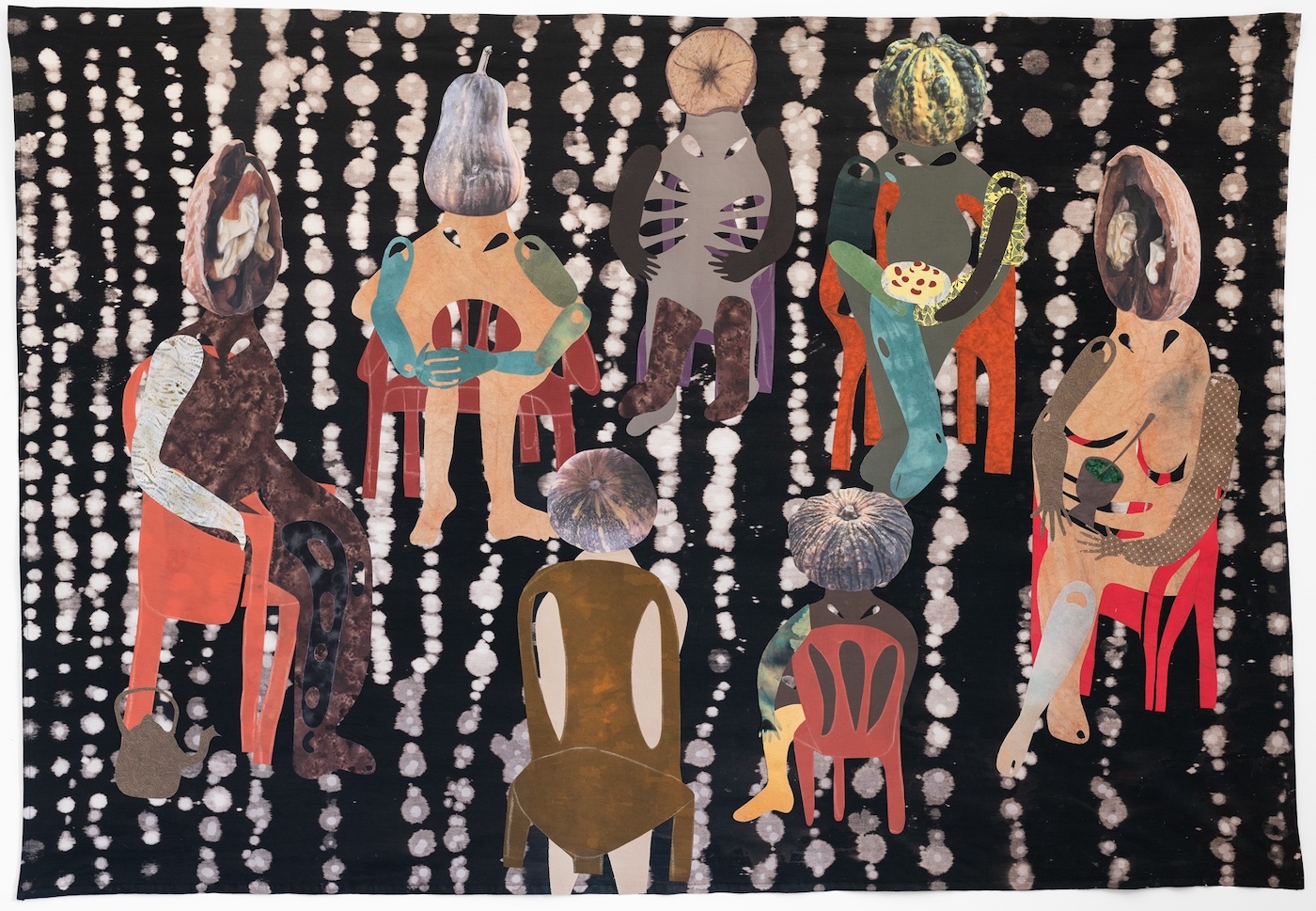
Her work is characterized by the use of collage as a central method, through which she juxtaposes carefully researched materials that reference different cultural traditions.