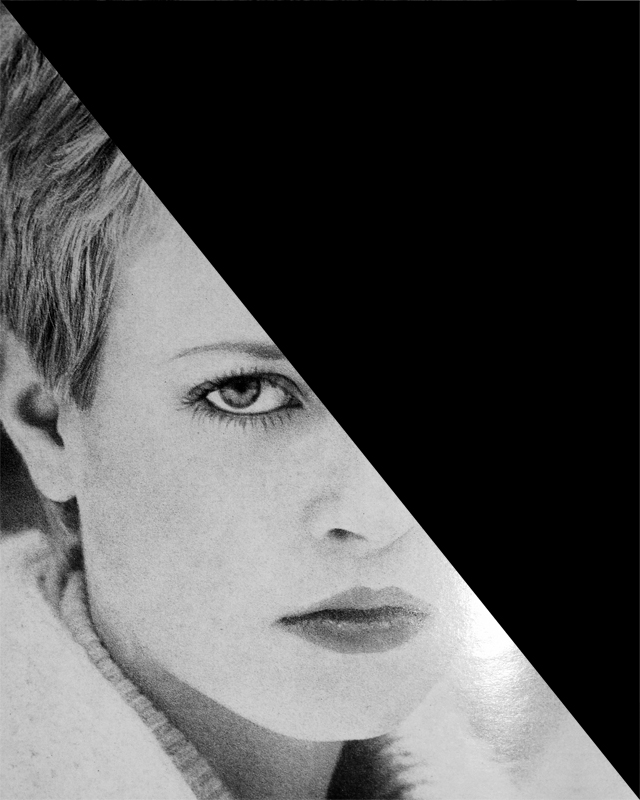
Alan Courtis & Gastón Pérsico
September 12th – November 14th, 2026
INFO
Corporum Solidorum
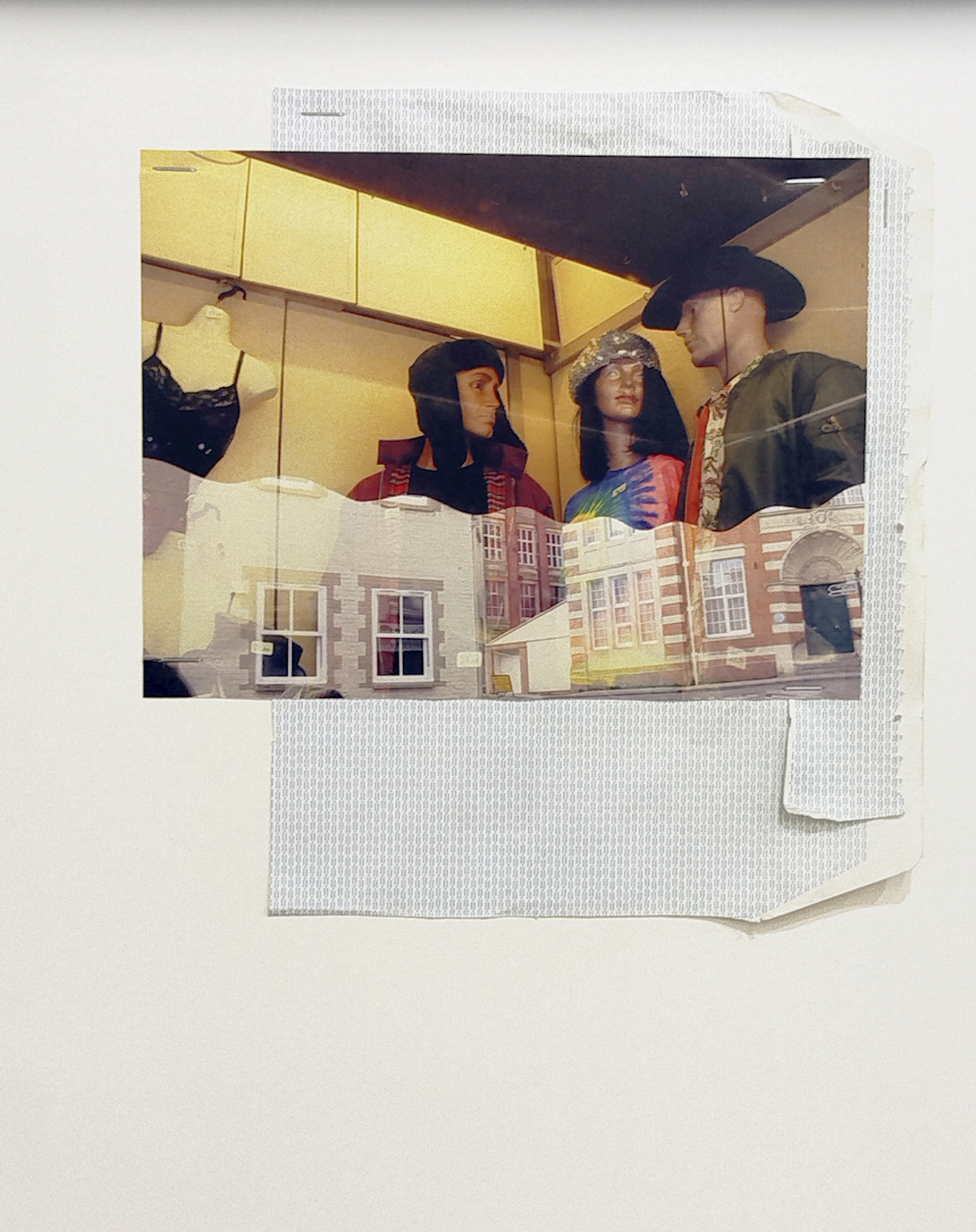
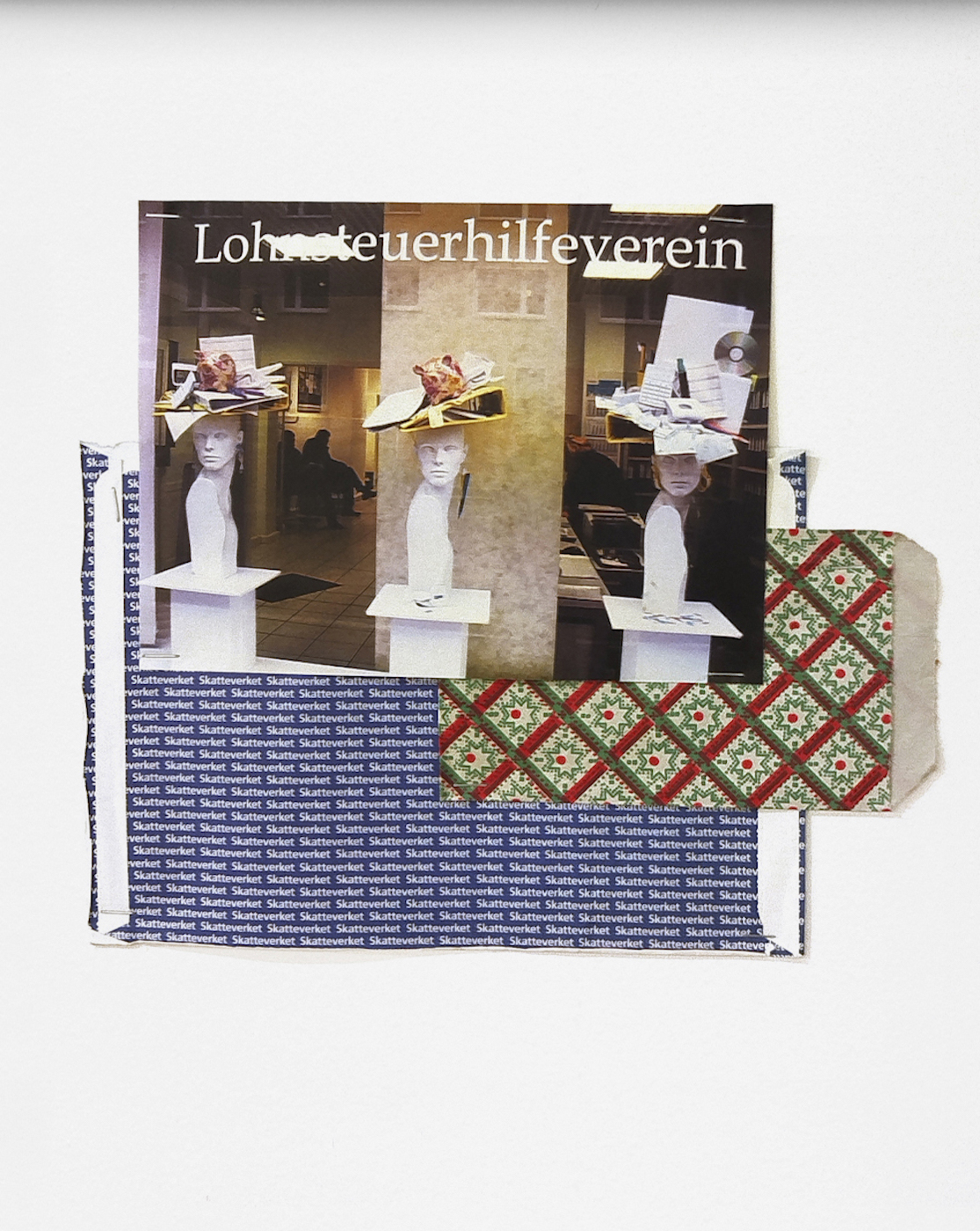
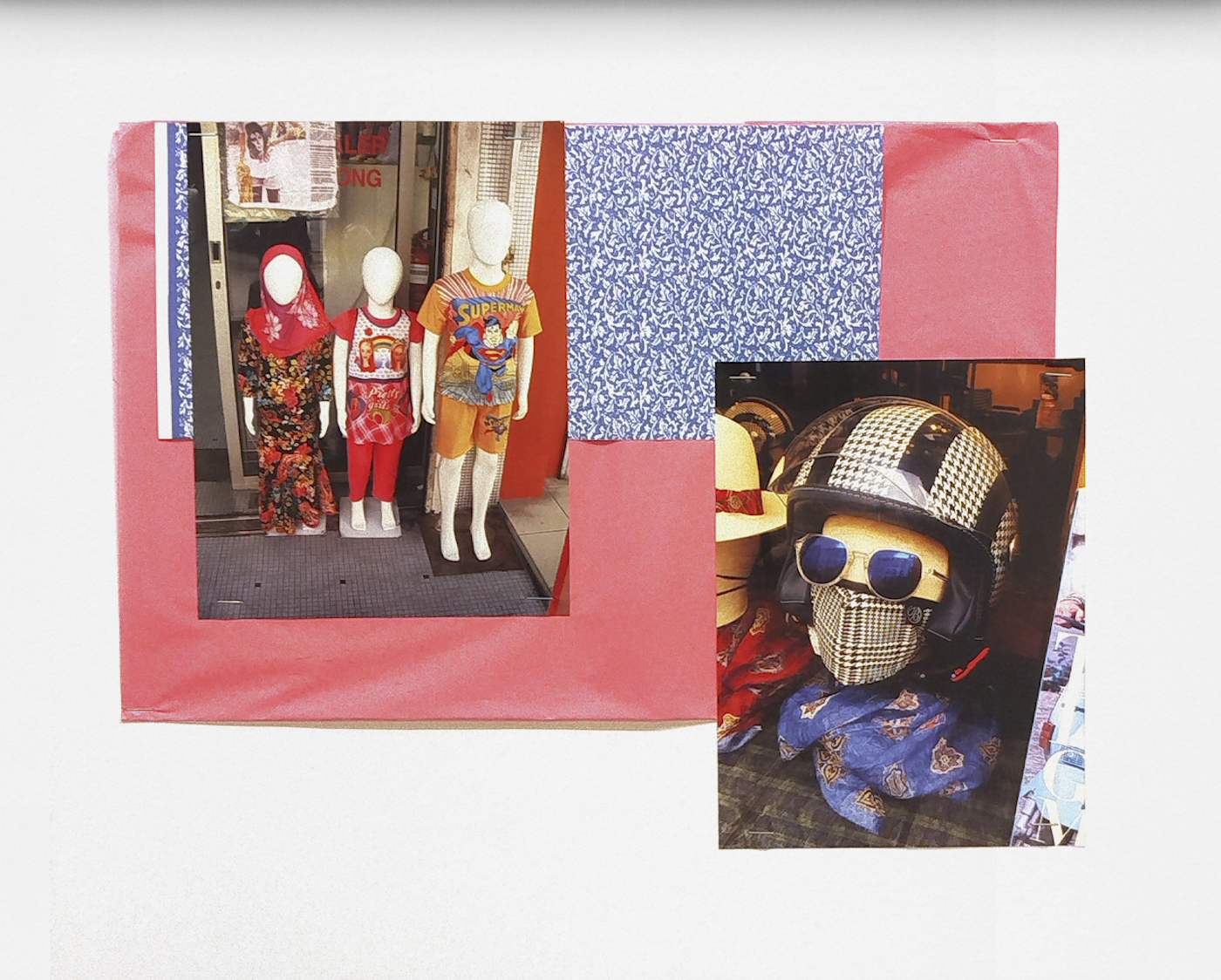
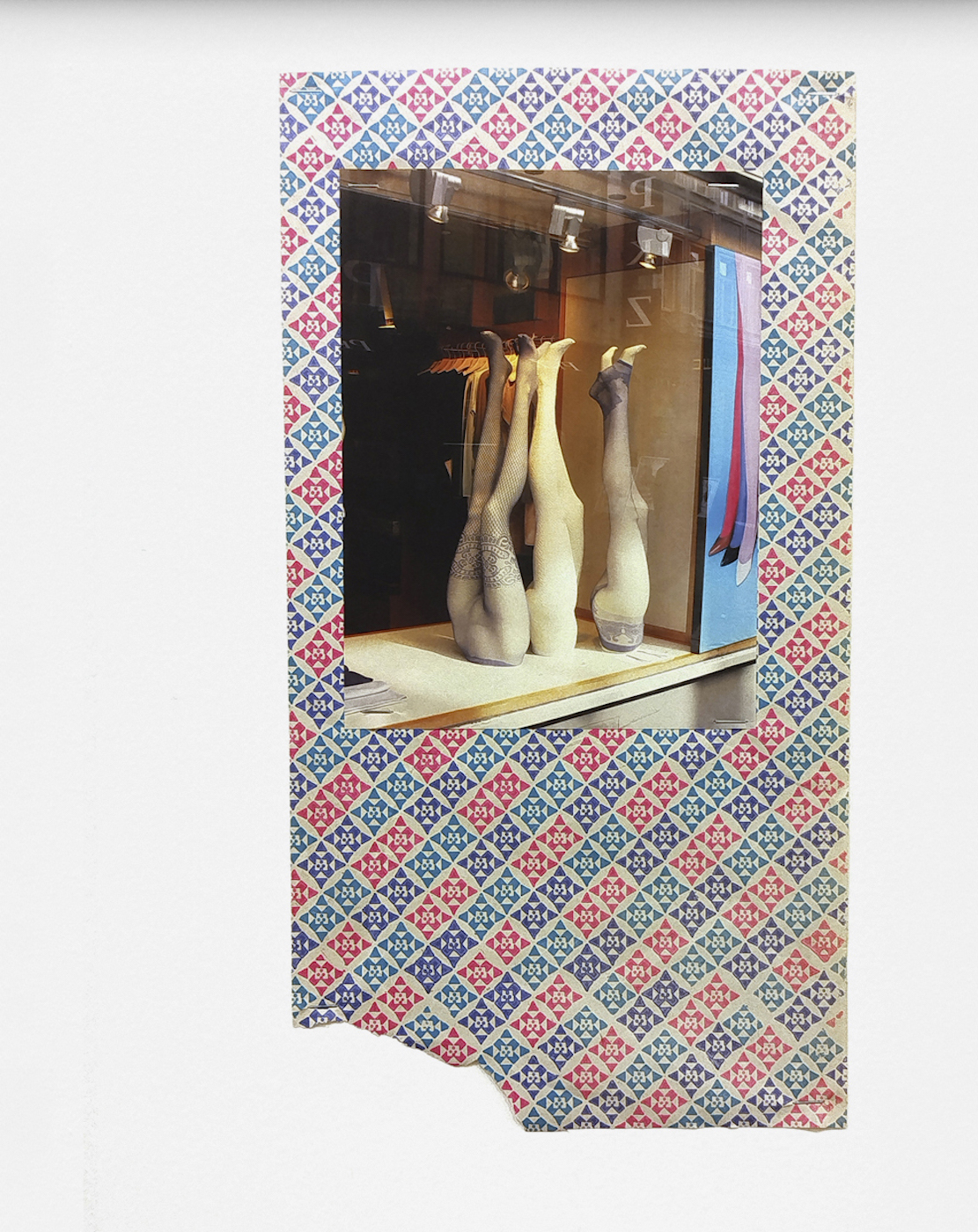
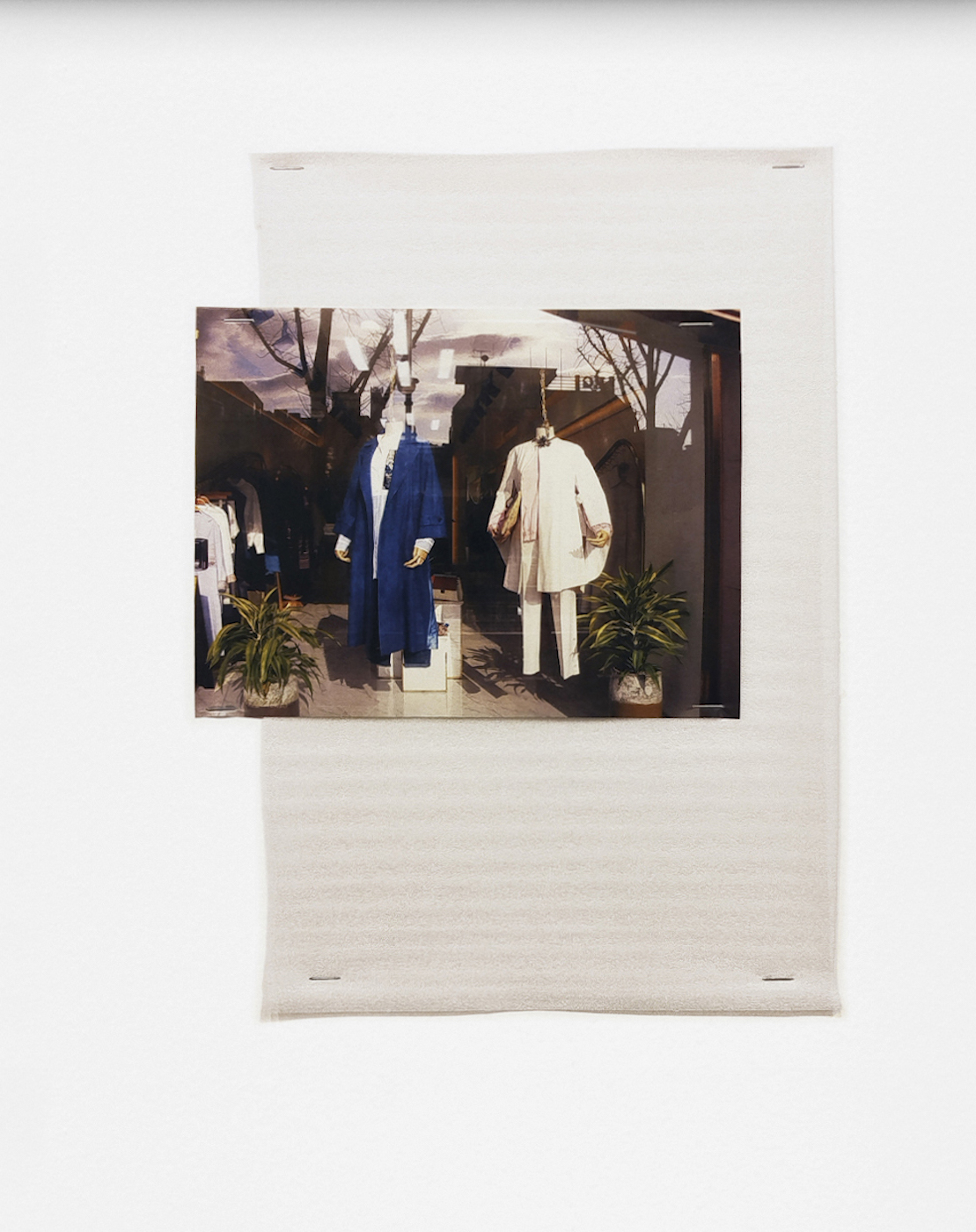
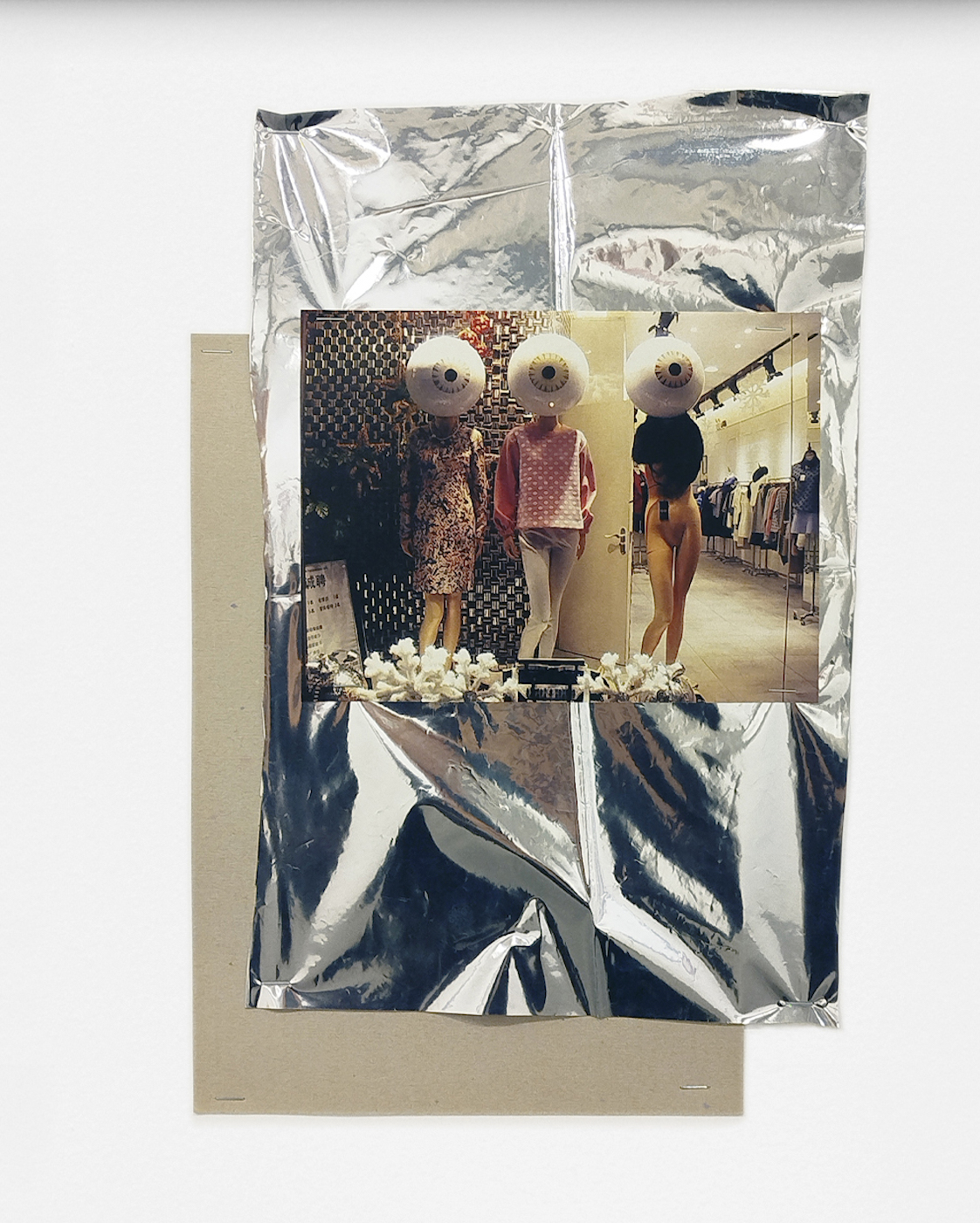
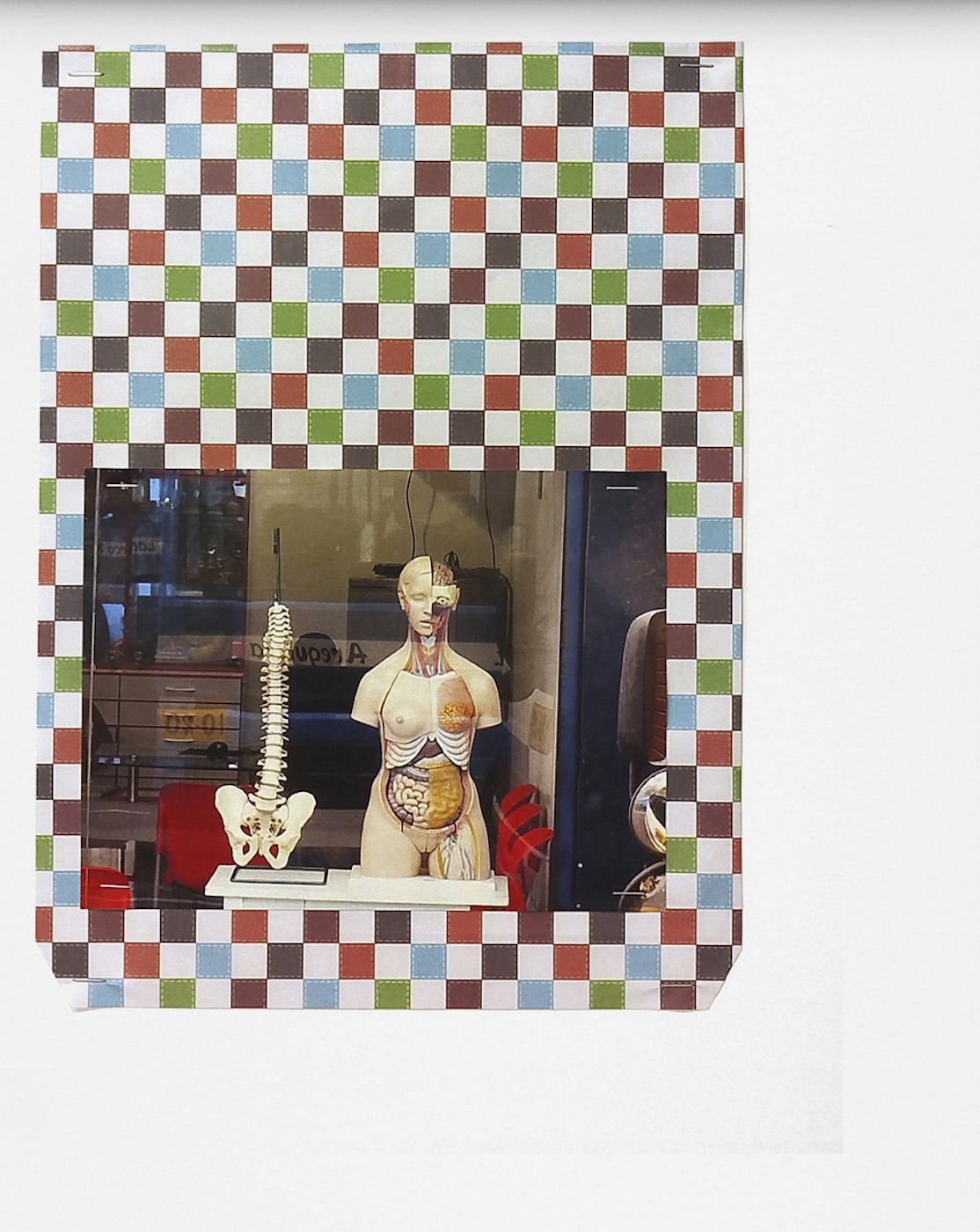
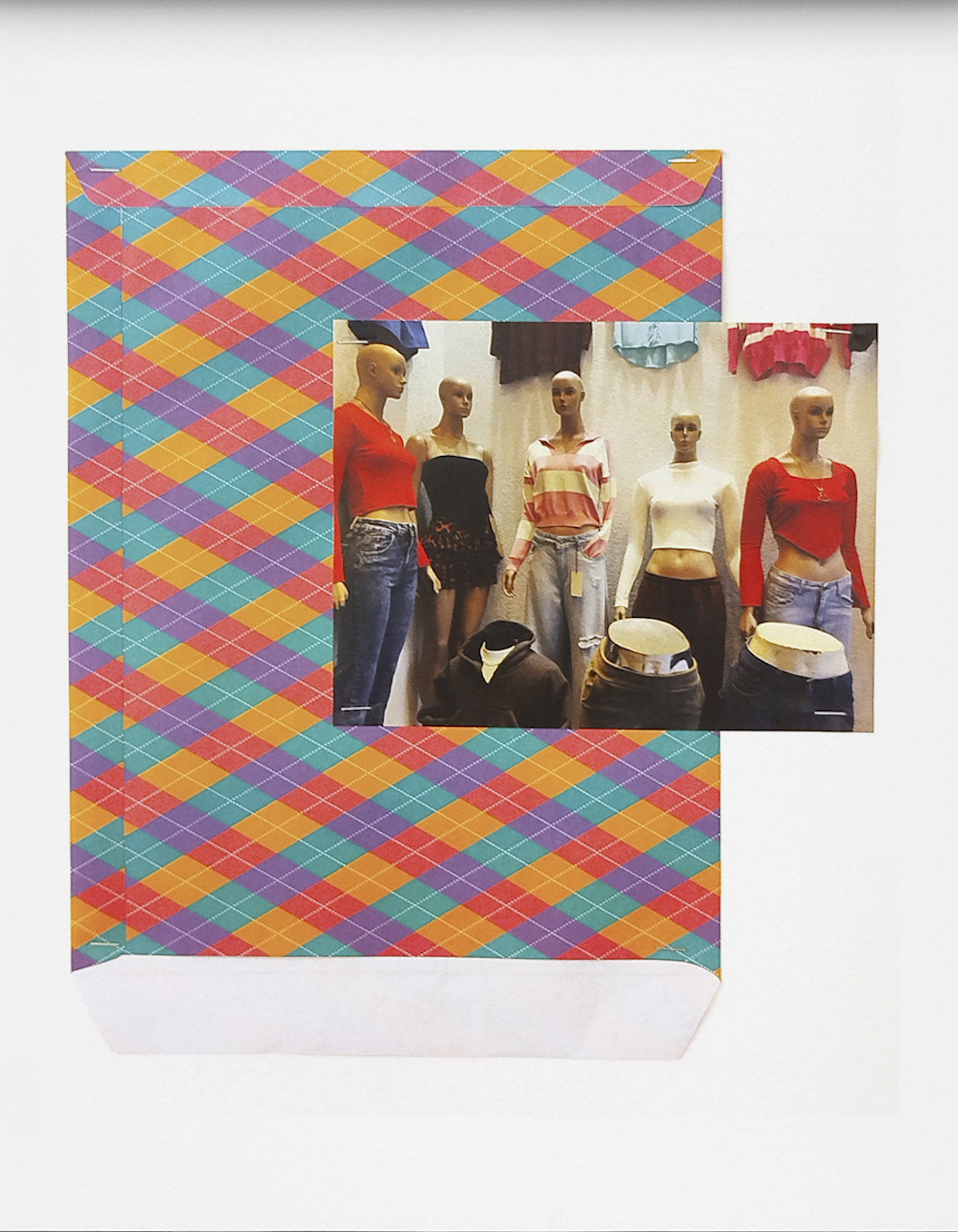
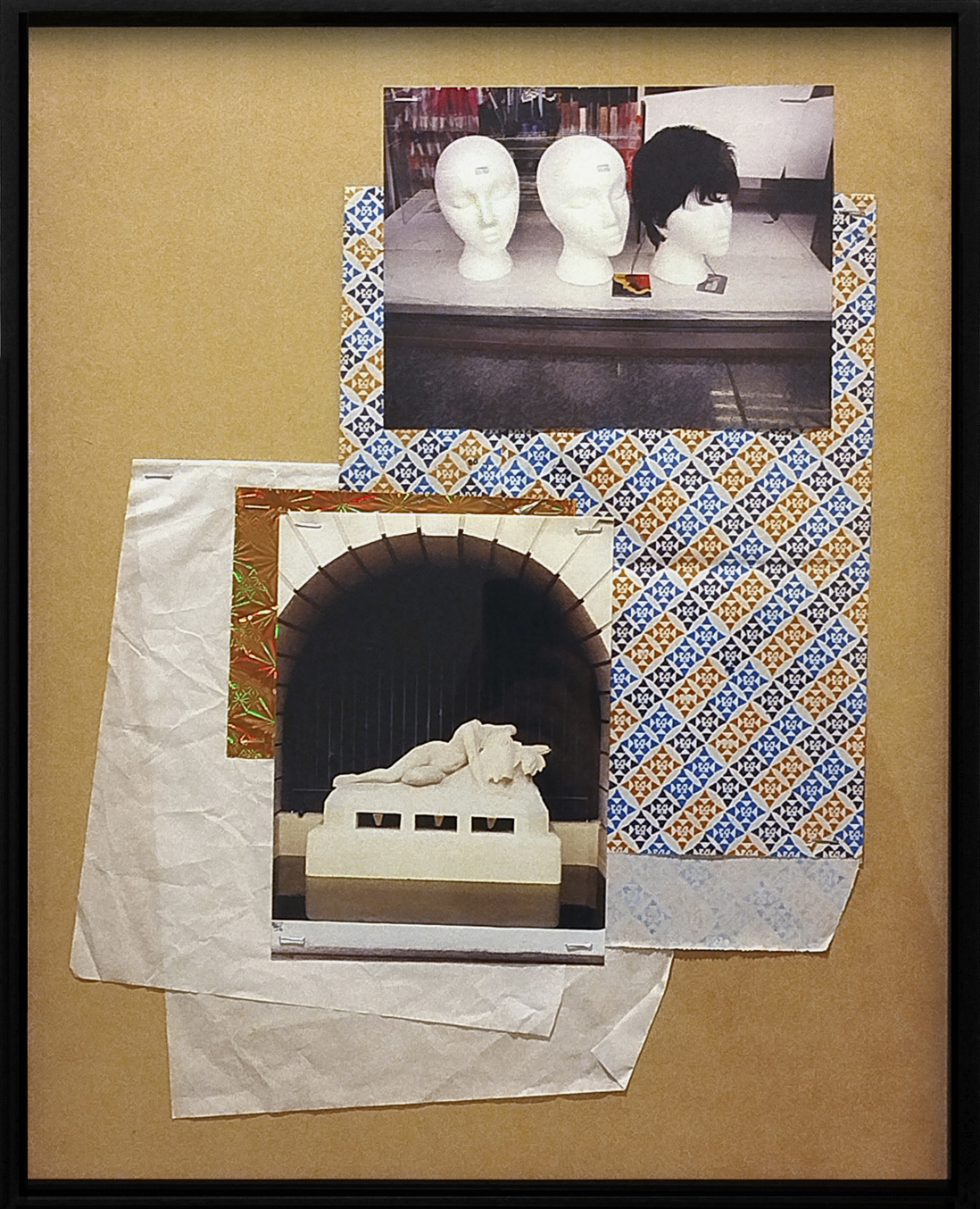
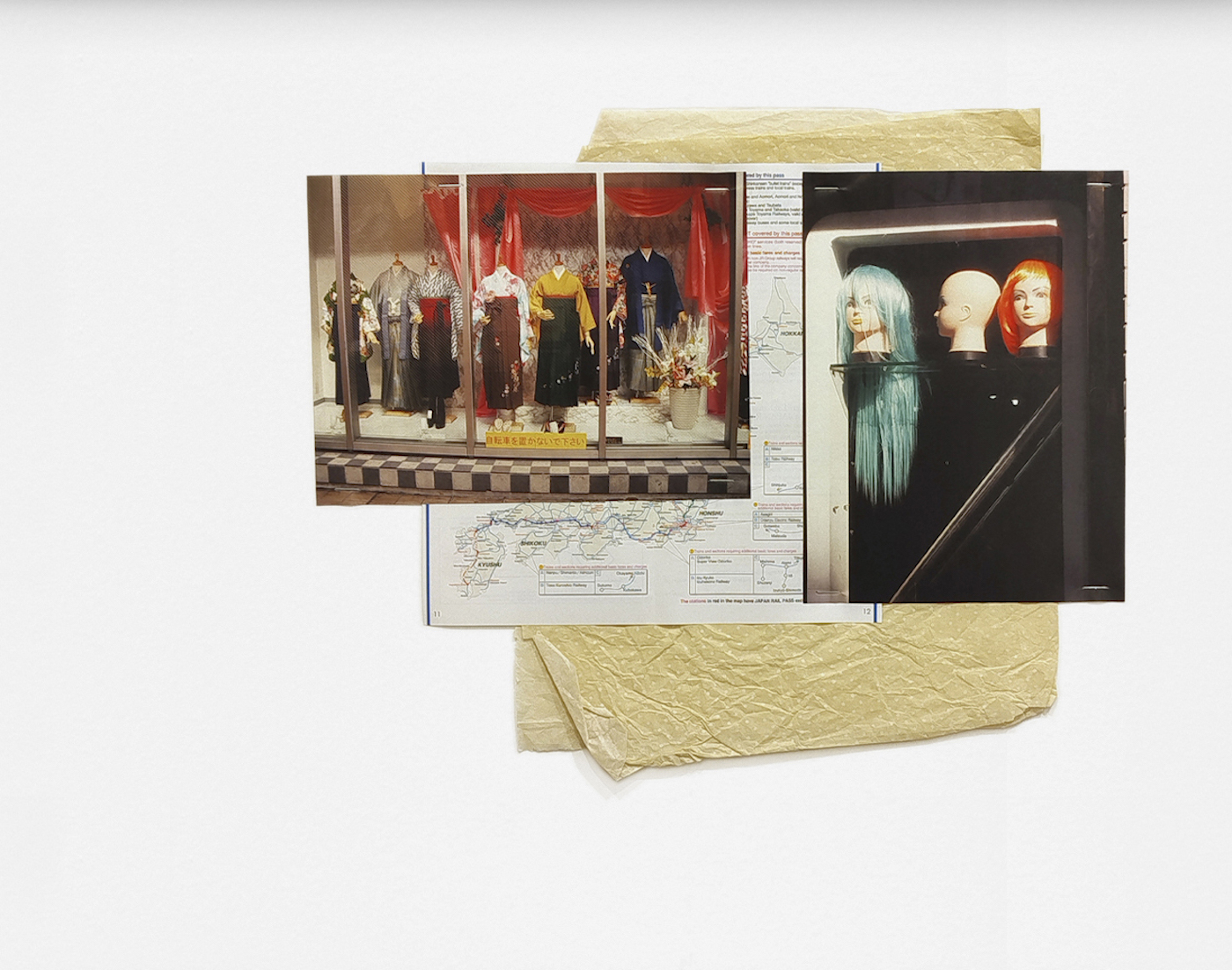
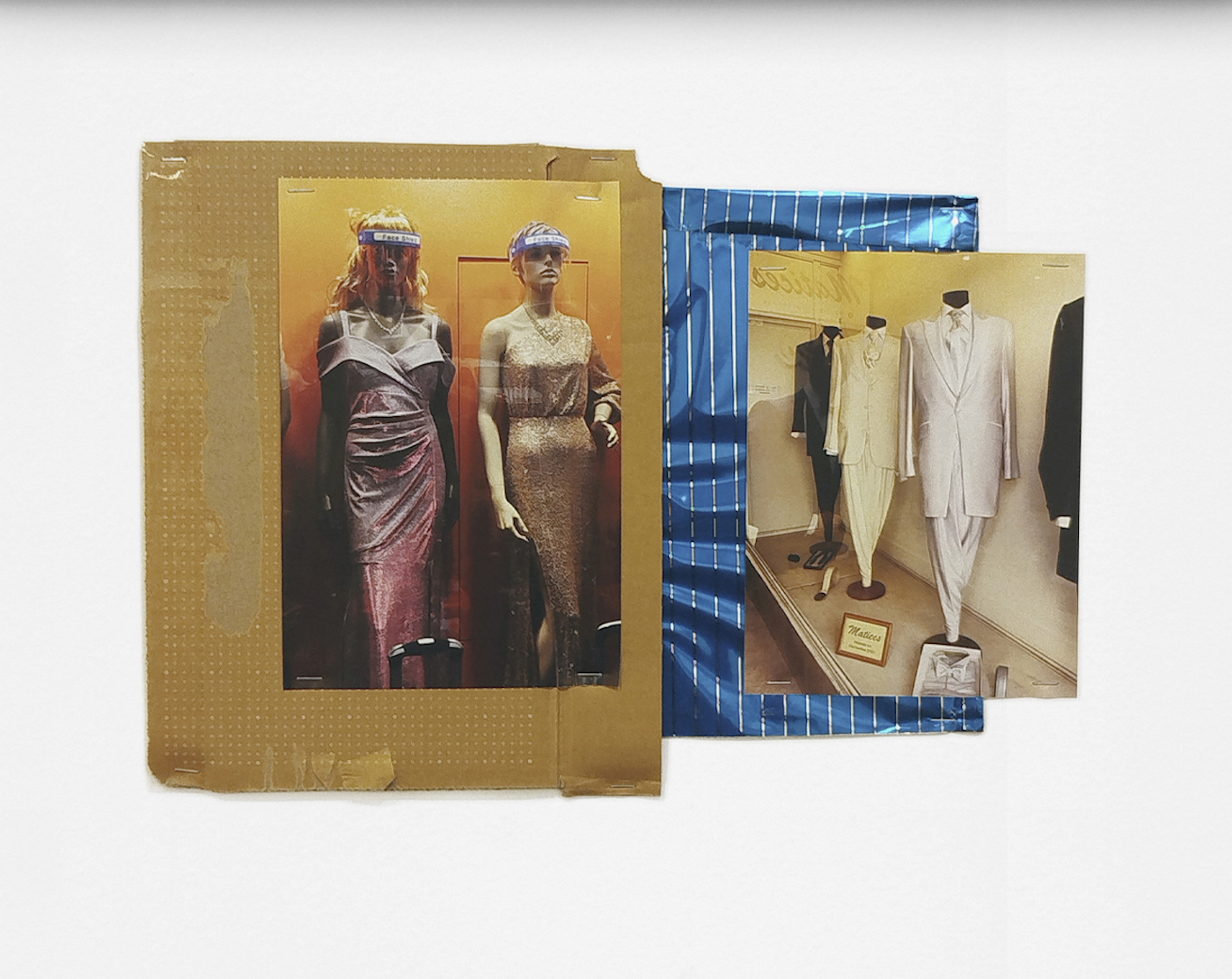
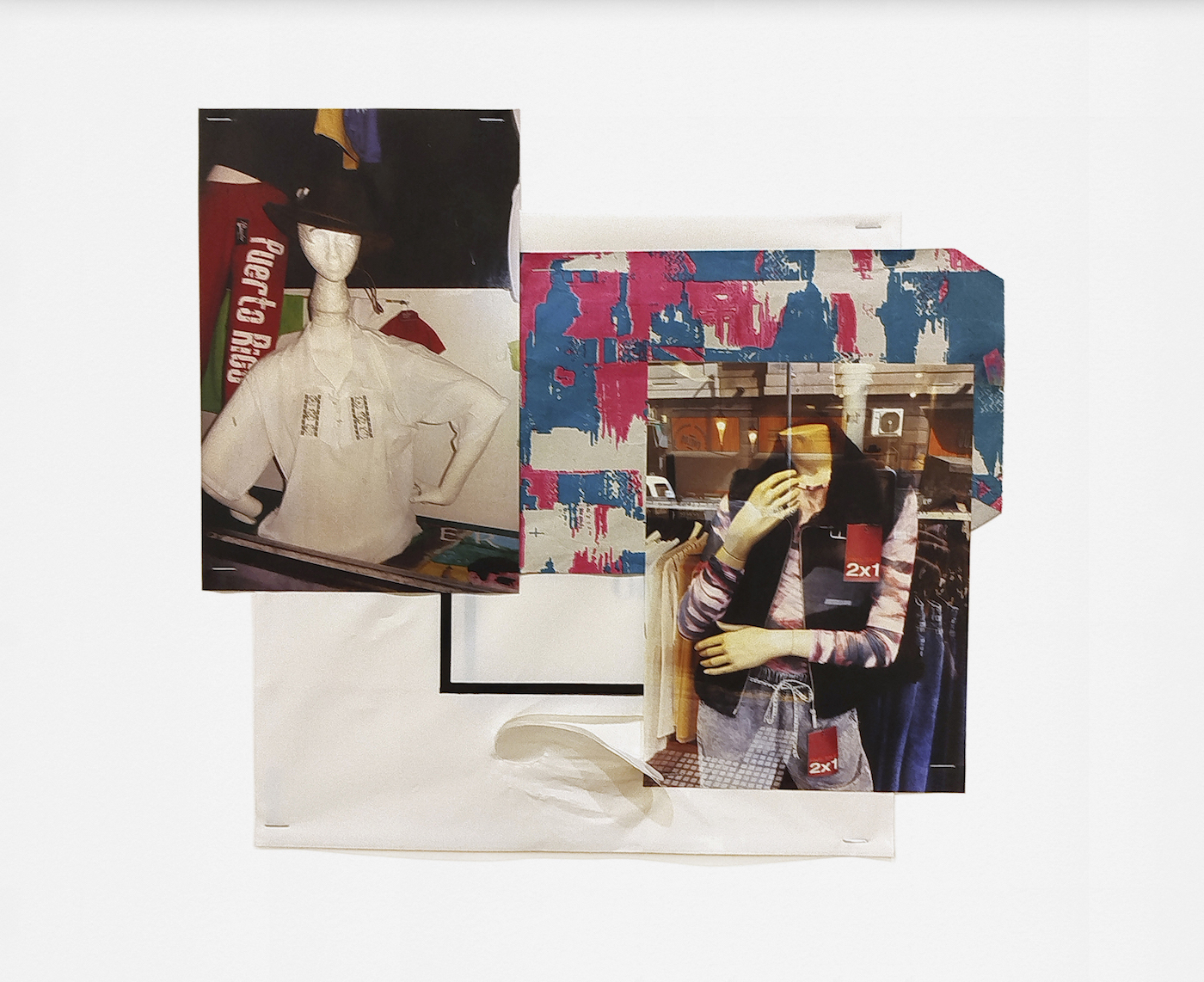
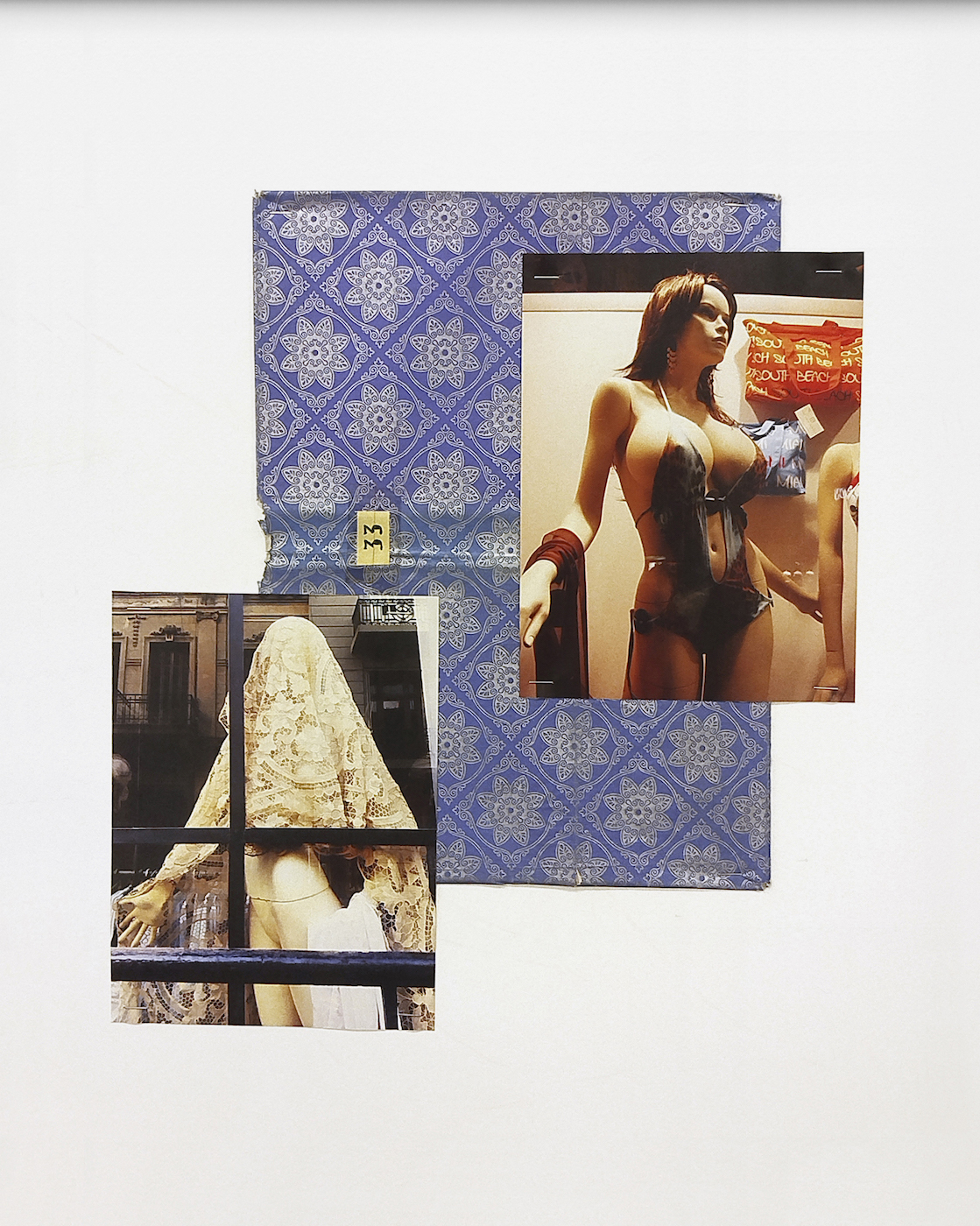
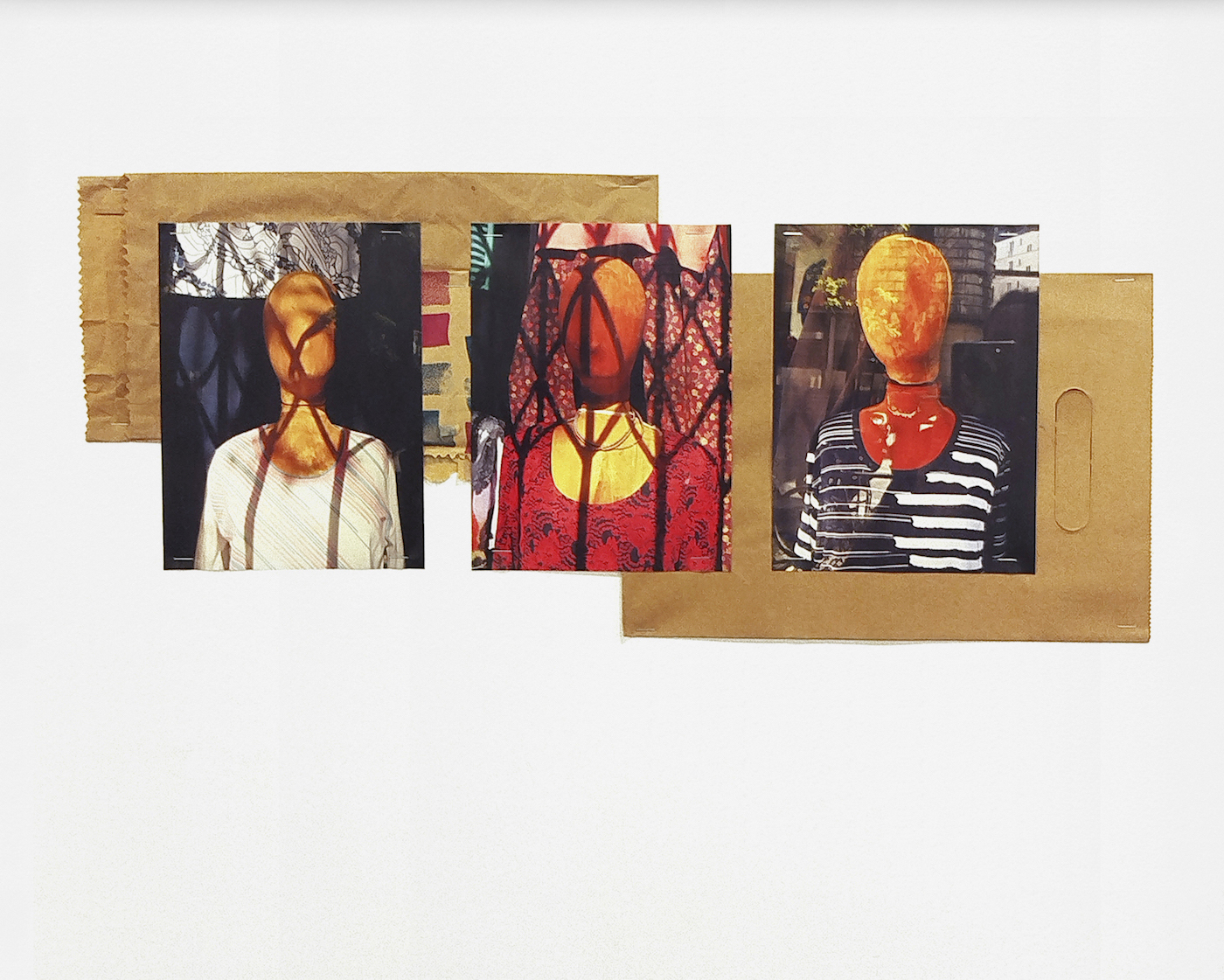
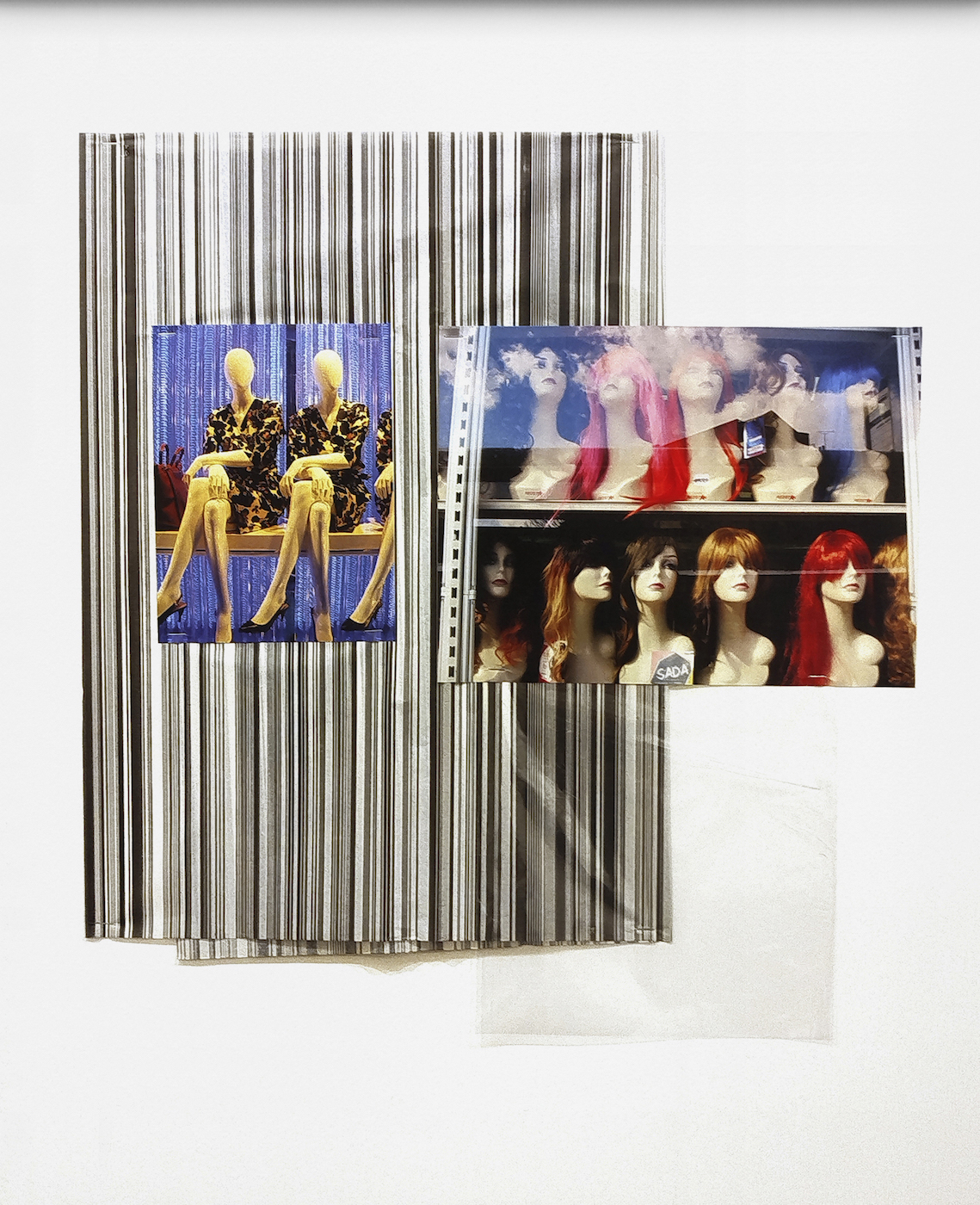
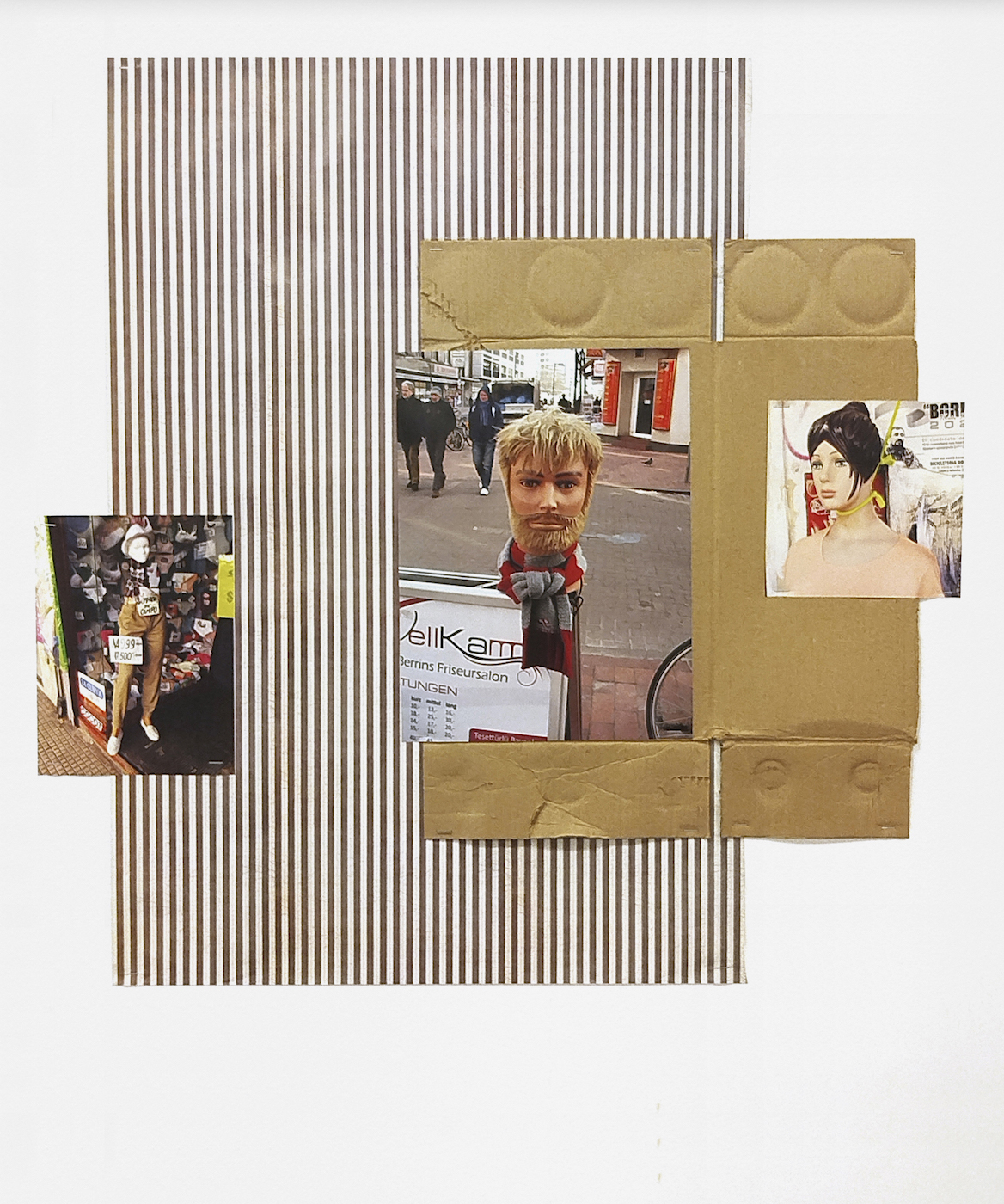
From its earliest beginnings, humankind has sought to represent itself as a means of preserving, transmitting, and expressing knowledge, sensations, and ideas. The female figures carved in clay, bone, and stone during the Paleolithic period, now preserved in the dimly lit vitrines of museums, bear witness to this ancient impulse.
Across cultures and throughout history, modes of representation—the ways in which humanity sees, imagines, or aspires to see itself—have evolved under the influence of countless factors: historical periods and geographical locations; political, religious, and social contexts; climatic conditions and technological possibilities; fashion, aesthetics, taste, class, age, and whim.
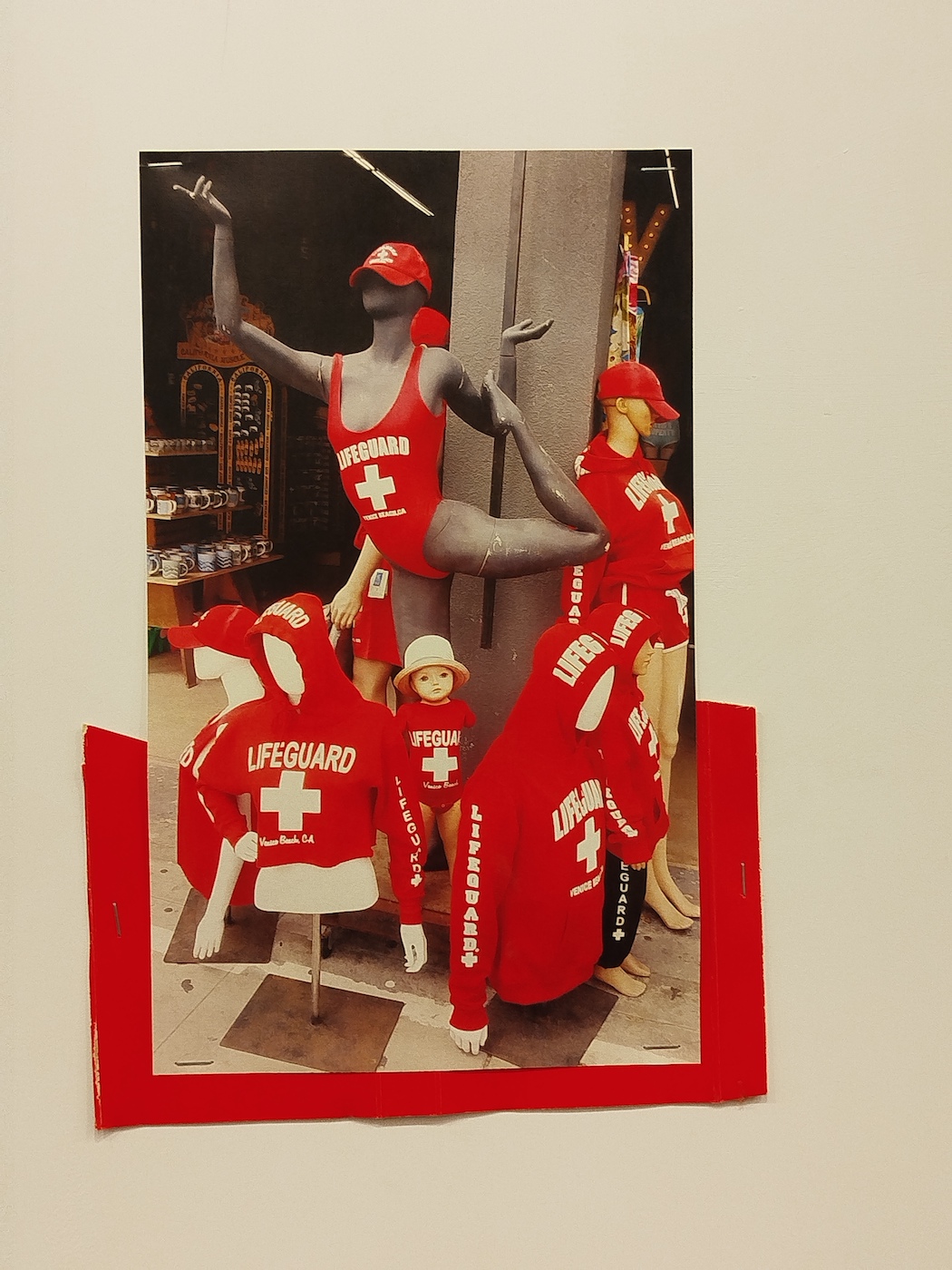
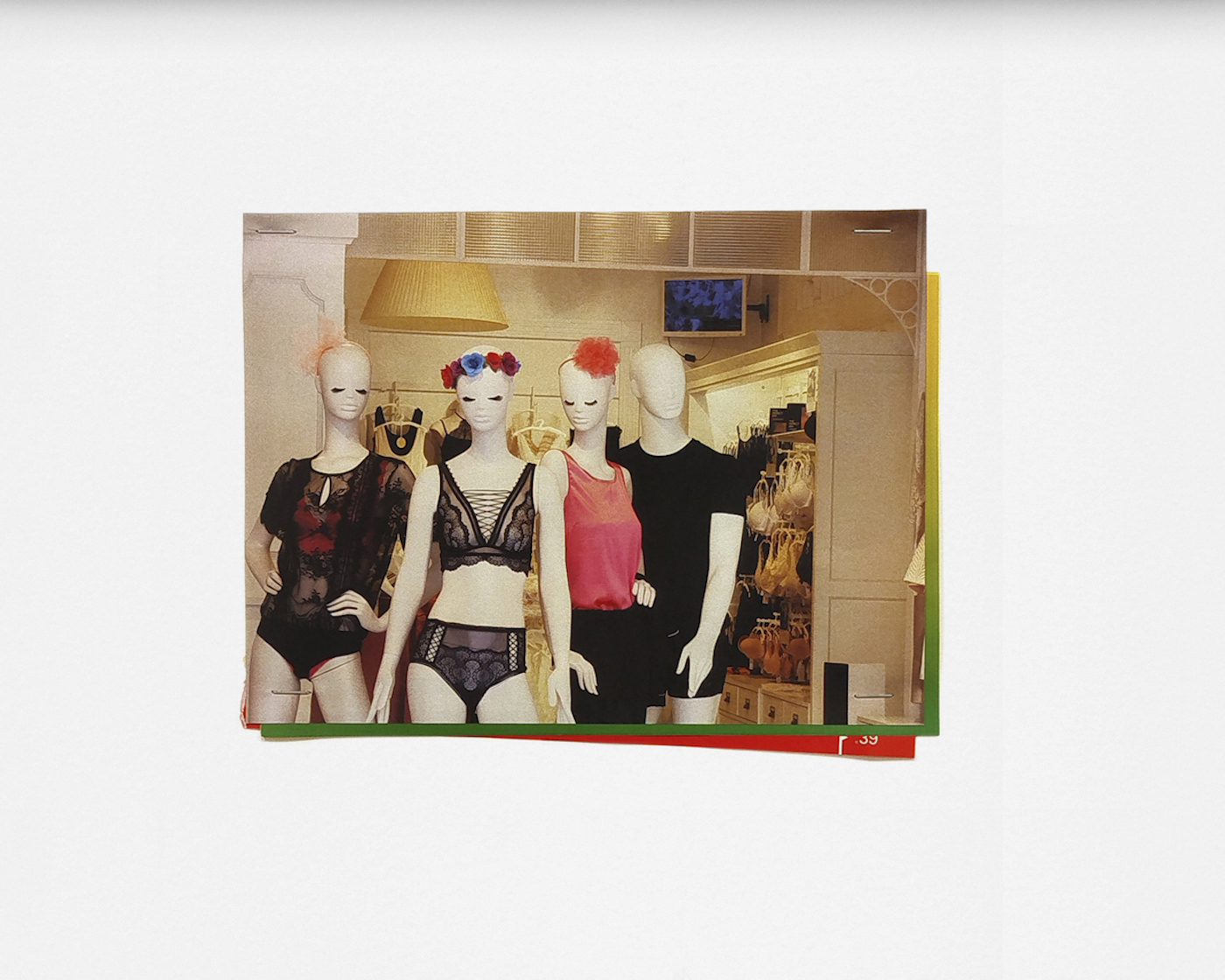
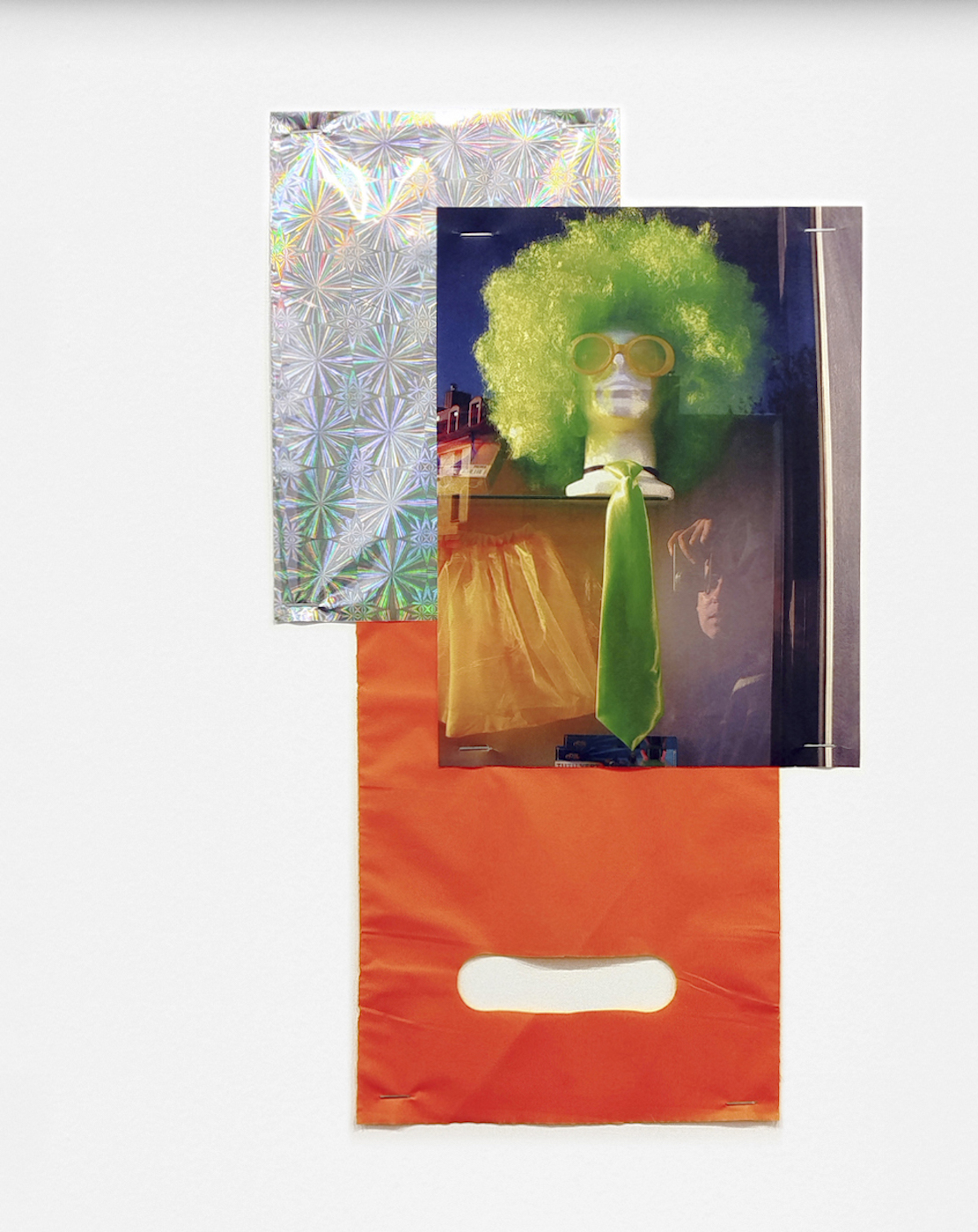
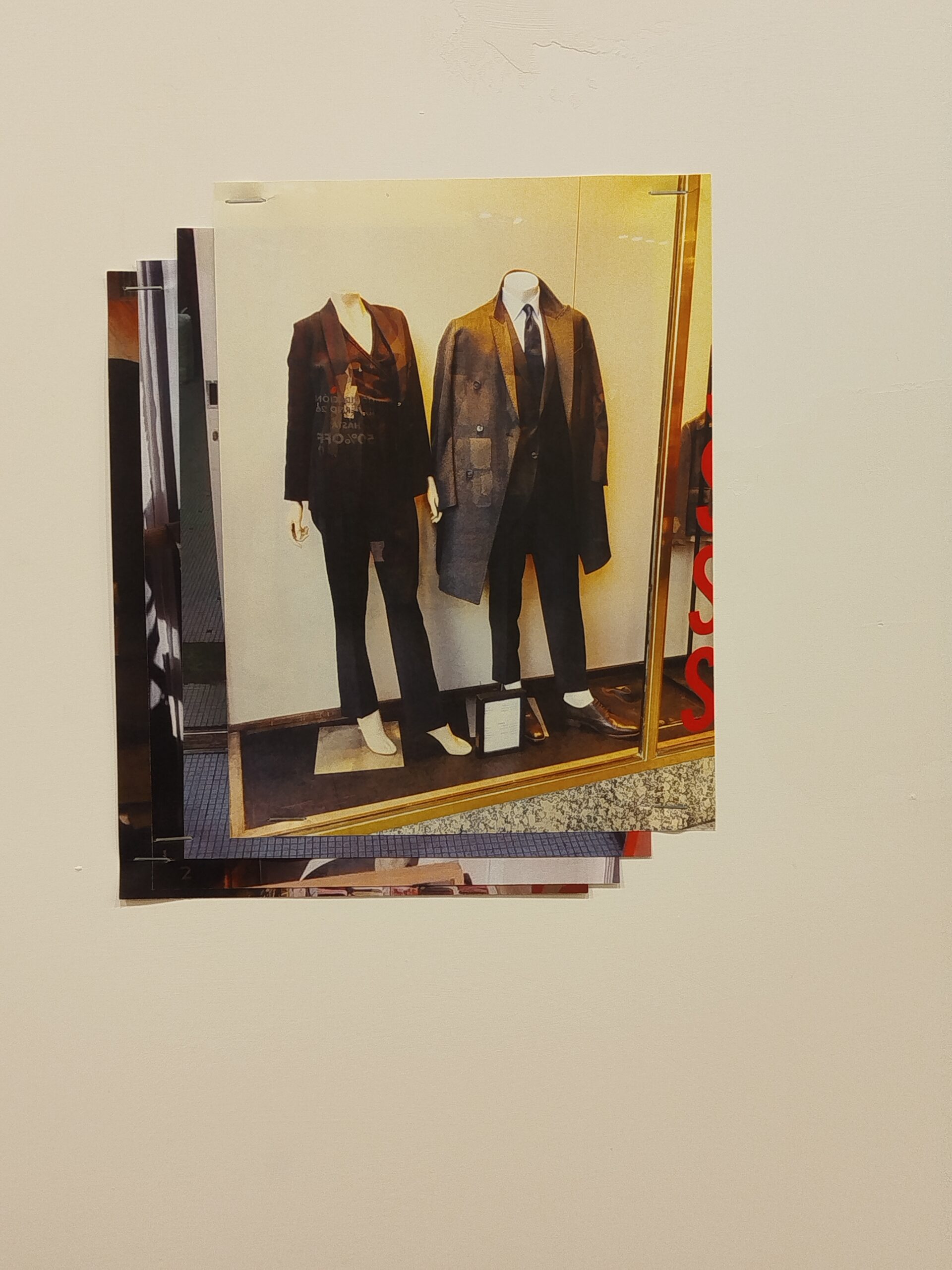
Another fundamental aspect of human relations is the exchange of goods. The display and sale of objects consequently emerged as an everyday necessity, and in the nineteenth century transformed the appearance of urban streets. Shop windows and storefronts began to resemble museum vitrines, their temporary exhibitions continually renewed in response to the demands of consumption. Human figures became the protagonists of these spaces, displaying garments and objects, adopting poses, and embodying scenes, lifestyles, and ways of being. Representations of the species itself: shop windows becoming mirrors.
We move through cities without ever fully registering all that surrounds us. Along the sidewalks, behind reflections and glass, these motionless bodies gaze back at us, waiting to capture our attention. There are so many of them that they can almost become suffocating. With a breath of air, they might suddenly come to life—like Golems or Frankensteins animated by artificial respiration.
Everything solid, a philosopher once predicted, melts into air.
The air we need to breathe.
South Wall
Stavanger, Norway. 2013
Yeovil, England. 2017
Nagoya, Japan. 2014
Shanghai, China. 2014
Miami, United States. 2007
Paris, France. 2013
Leeds, England. 2018
Buenos Aires, Argentina. 2026
Basel, Switzerland. 2014
Miami, United States. 2007
Athens, Greece. 2018
San Francisco, United States. 2019
Budapest, Hungary. 2018
Oslo, Norway. 2013
Berlin, Germany. 2020
Rennes, France. 2017
Los Angeles, United States. 2019
Penang, Malaysia. 2015
Paris, France. 2020
Seoul, South Korea. 2018
Paris, France. 2020
Buenos Aires, Argentina. 2026
Nijmegen, Netherlands. 2013
Rio de Janeiro, Brazil. 2026
Los Angeles, United States. 2019
Paris, France. 2019
Bangkok, Thailand. 2015
Bangkok, Thailand. 2015
Belfast, Northern Ireland. 2018
Buenos Aires, Argentina. 2025
Paris, France. 2014
North Wall
Shanghai, China. 2014
Buenos Aires, Argentina. 2026
Penang, Malaysia. 2015
Paris, France. 2020
Budapest, Hungary. 2018
Buenos Aires, Argentina. 2026
Hannover, Germany. 2013
La Plata, Argentina. 2021
Beijing, China. 2014
Buenos Aires, Argentina. 2025
Miami, United States. 2007
Paris, France. 2014
Paris, France. 2014
Paris, France. 2014
Paris, France. 2017
Paris, France. 2020
Buenos Aires, Argentina. 2026
San Juan, Puerto Rico. 2009
Buenos Aires, Argentina. 2026
San Francisco, United States. 2019
Lima, Peru. 2013
Nagoya, Japan. 2014
Cologne, Germany. 2016
Buenos Aires, Argentina. 2026

Alan Courtis (Buenos Aires, 1972) is a musician and sound artist. He is a founding member of the group Reynols and of the French collective L’Autopsie a Révélé Que La Mort Était Due À L’Autopsie. He has toured extensively throughout China, Japan, Southeast Asia, Europe, the United States, Oceania, and Latin America, and has participated in more than 500 recordings released by labels around the world. As an educator, he has led seminars at universities, museums, and art centers across Europe, Asia, and the Americas.
His exhibitions and presentations include Uplink Gallery and Cococara Art and Space (Tokyo); Atrium Gallery / Center for New Music (San Francisco); Fais le toi-même si t’es pas content (Paris); None Gallery (Dunedin, New Zealand); MAMŰ Gallery (Budapest); Le Son 7 (Paris and New York); Cruce (Madrid); Museo FAyD-UNaM (Misiones); Nora Fisch Gallery; Proa21; Casa de Misiones; and Cobra (Buenos Aires).
Gastón Pérsico (Buenos Aires, 1972) is an artist and graphic designer. He was a fellow of the Rojas UBA/Kuitca Visual Arts Workshop Program (2003–2005) and of the 2010 Program at CIA, Centro de Investigaciones Artísticas. From 1999 to 2005, he was a member of the collective Suscripción.
He has held solo exhibitions at the Museo Nacional del Grabado, MALBA, Instituto Goethe, Fotogalería del Rojas, CCEBA, Belleza y Felicidad, Nora Fisch Arte Contemporáneo, and Mite Galería in Buenos Aires. His work has also been included in group exhibitions at the Museum of Modern Art of Buenos Aires, Fundación Proa, and Parque de la Memoria in Buenos Aires; macro in Rosario; the Museum of Modern Art of Mendoza; and the Museum of Contemporary Art of Bahía Blanca, among others.
His work is held in the collections of MAC – Museo de Arte Contemporáneo de Bahía Blanca; MEC – Museo Emilio Caraffa, Córdoba; MACRO – Museo de Arte Contemporáneo de Rosario; and MALBA – Museo de Arte Latinoamericano de Buenos Aires.