























about
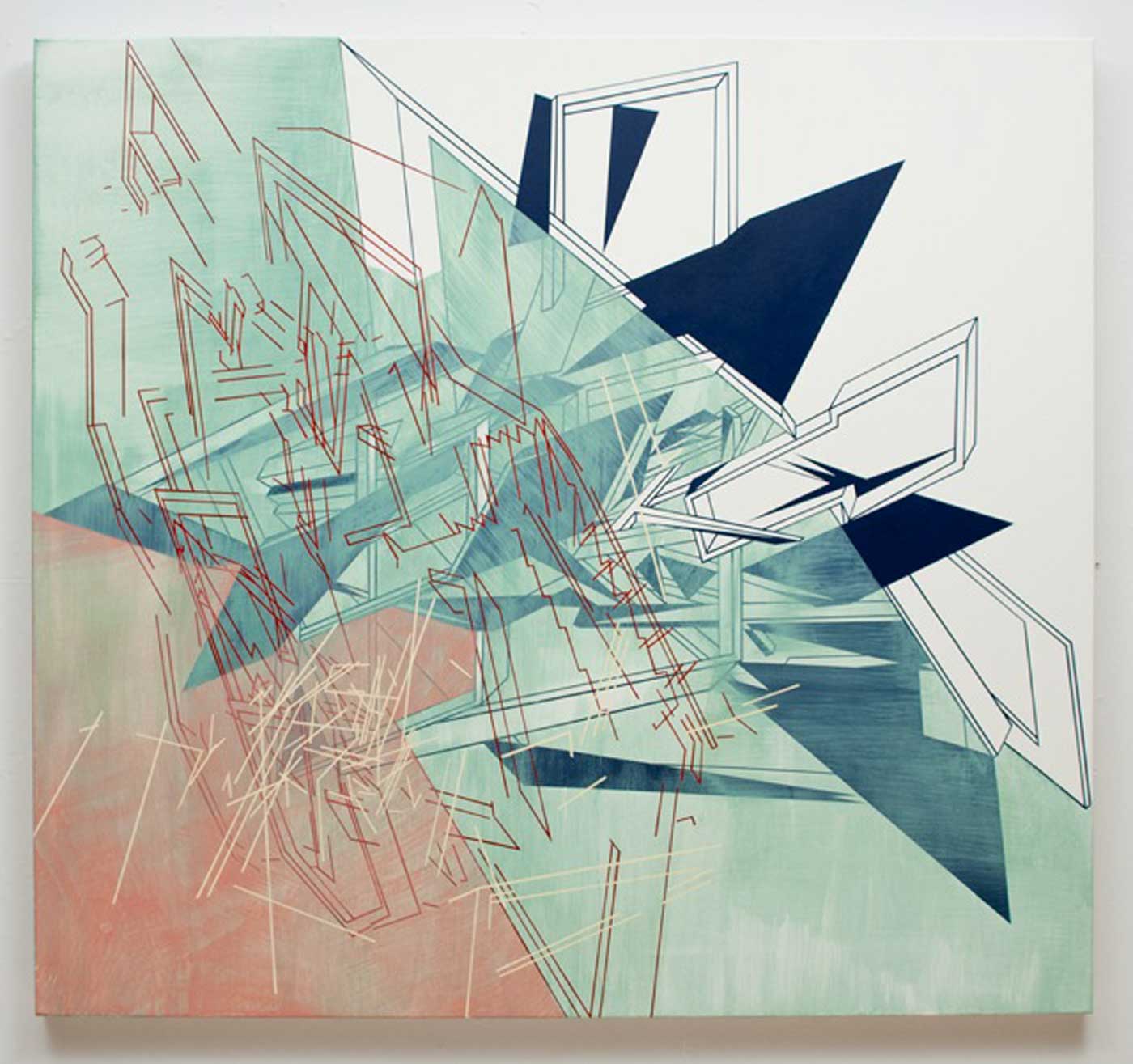
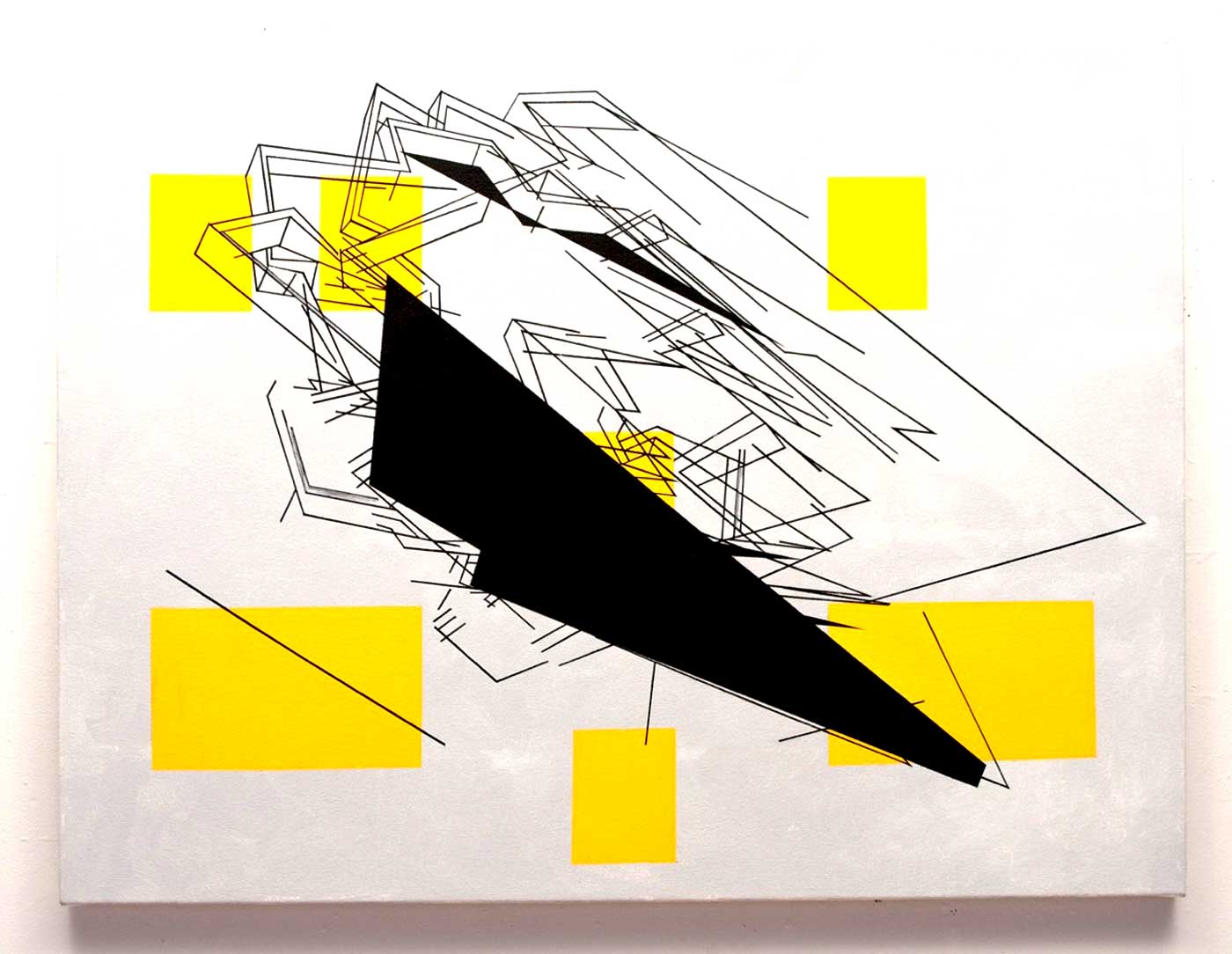
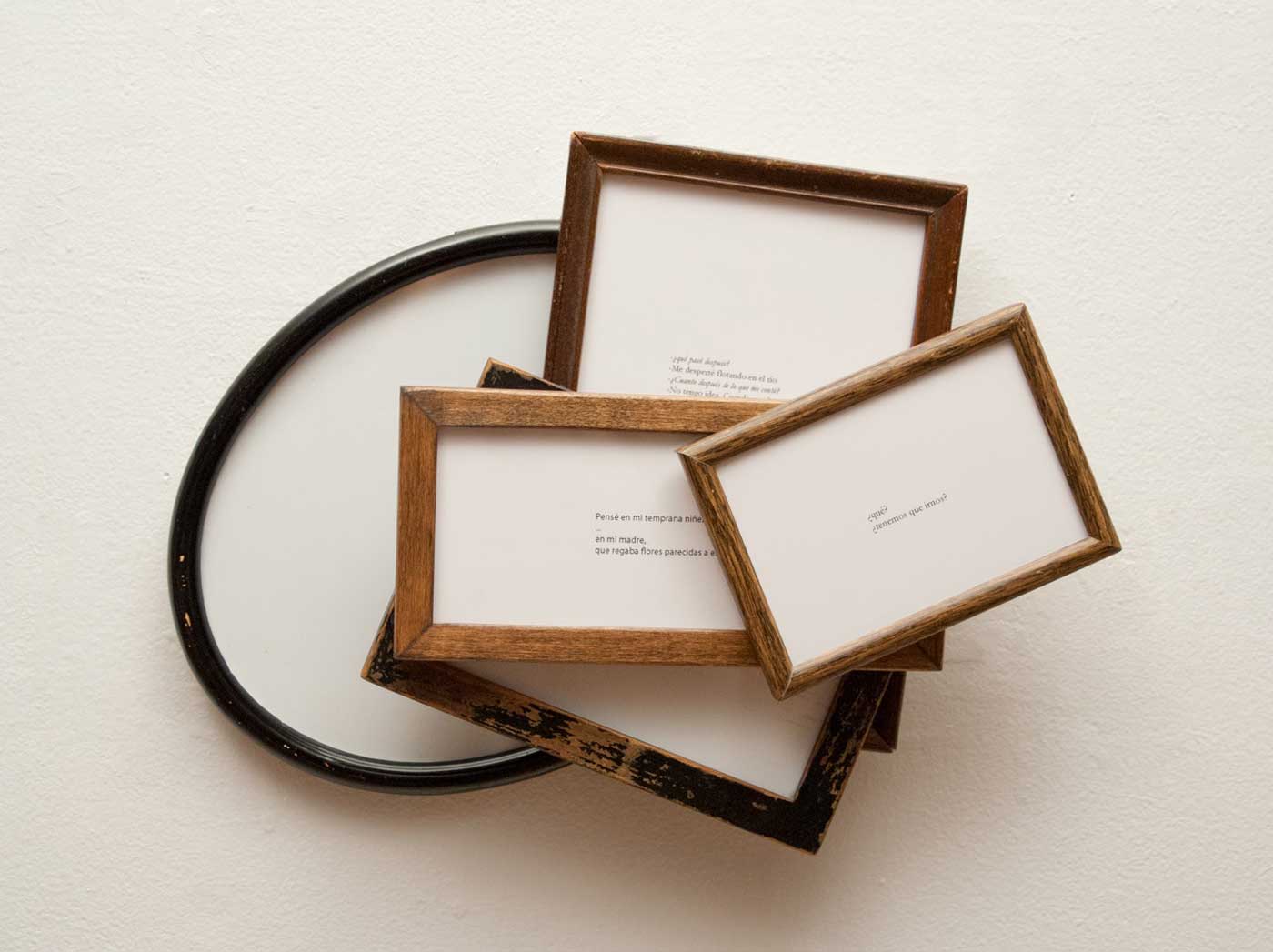
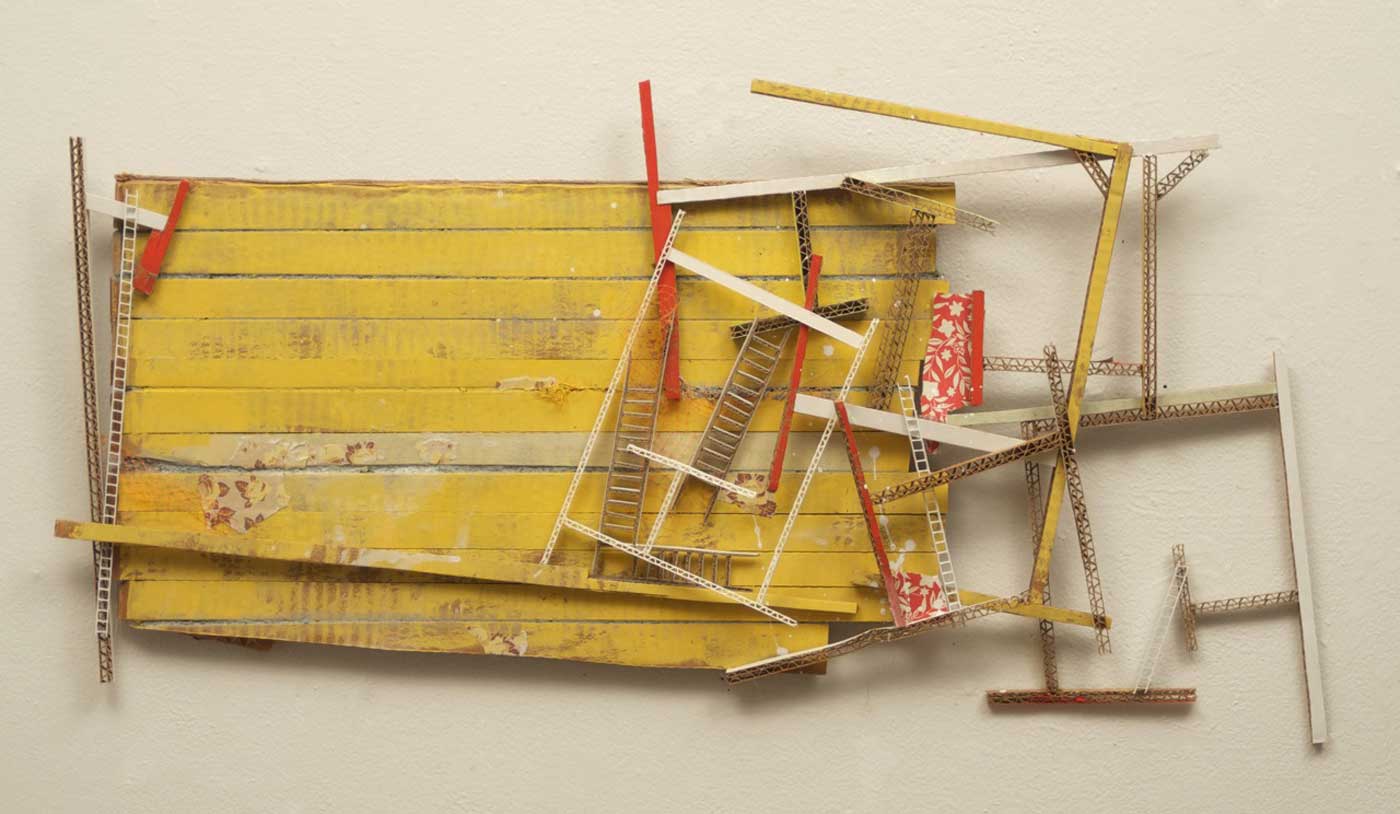
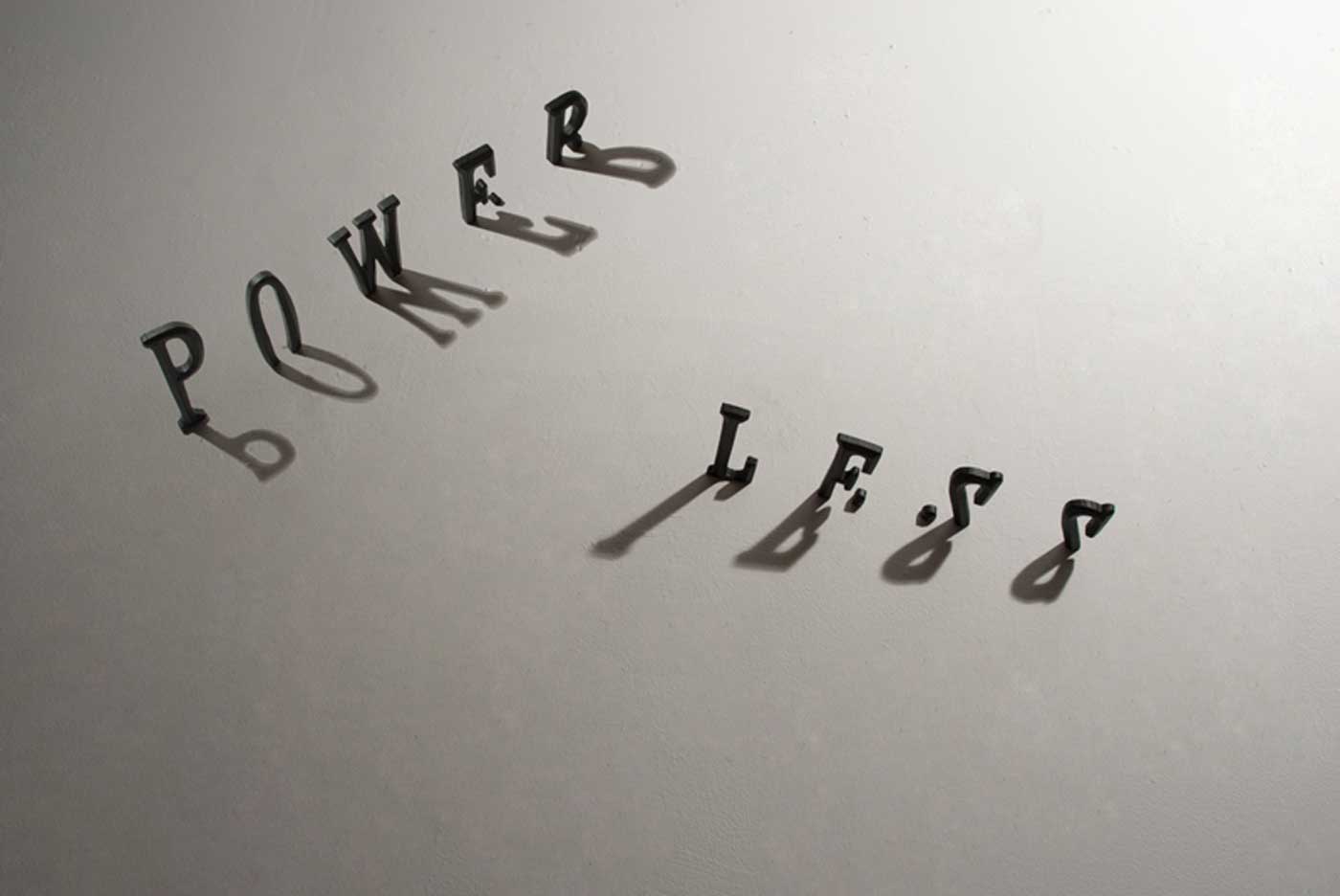
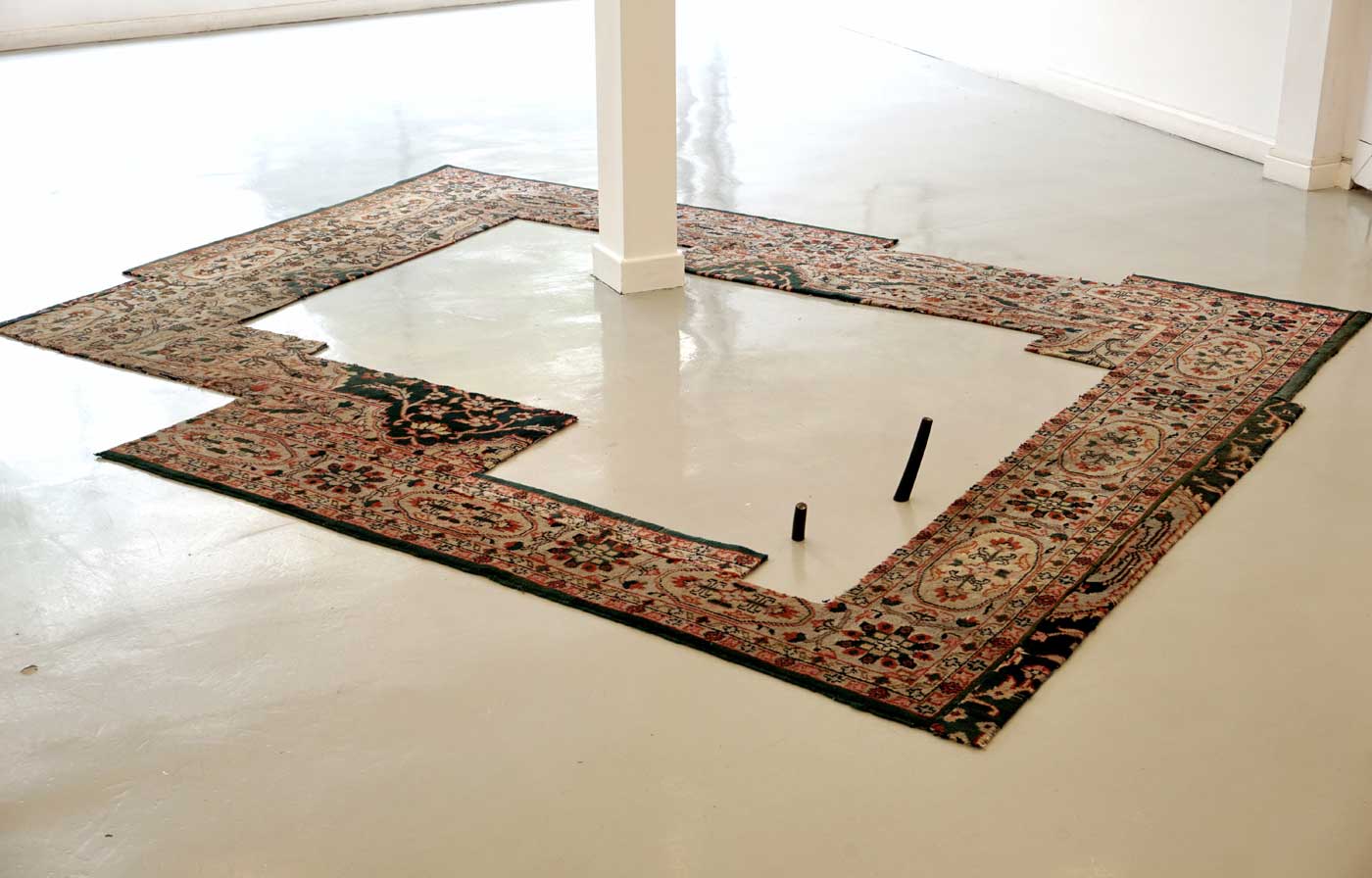
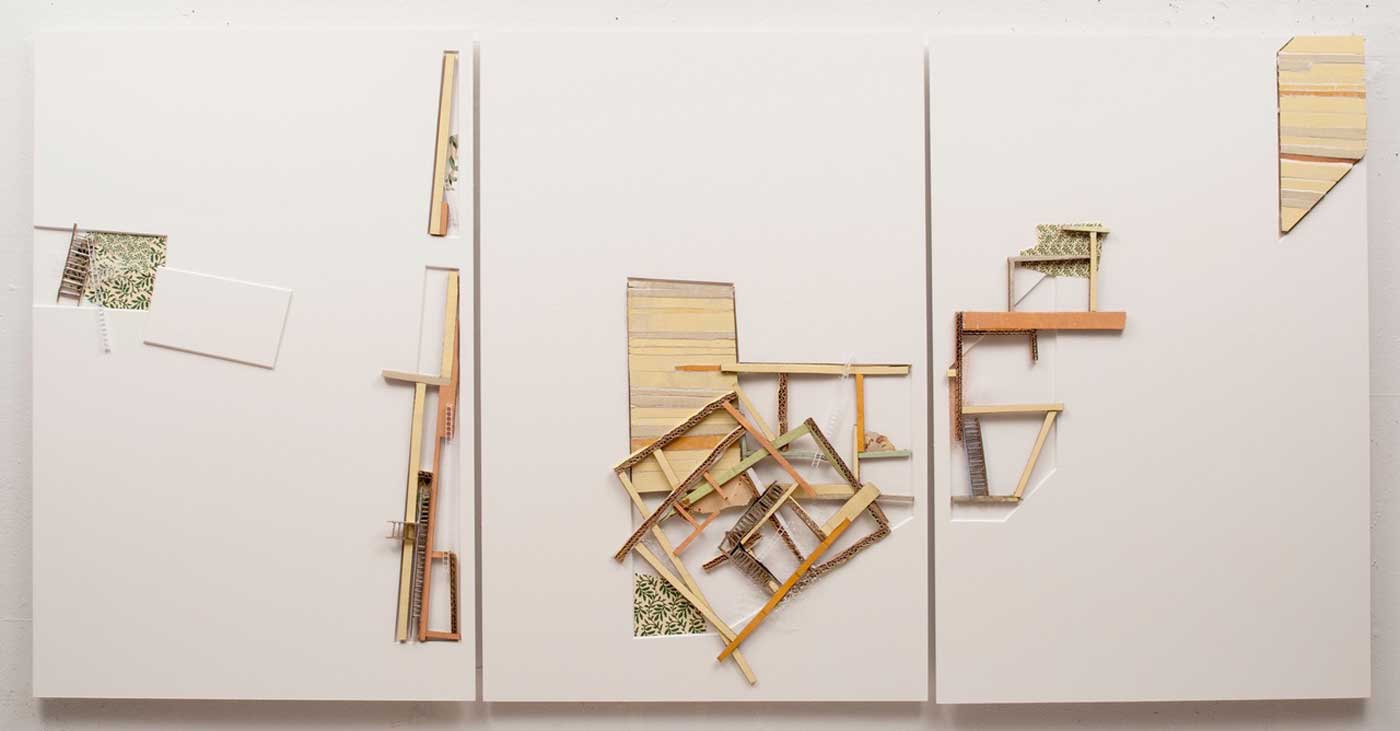
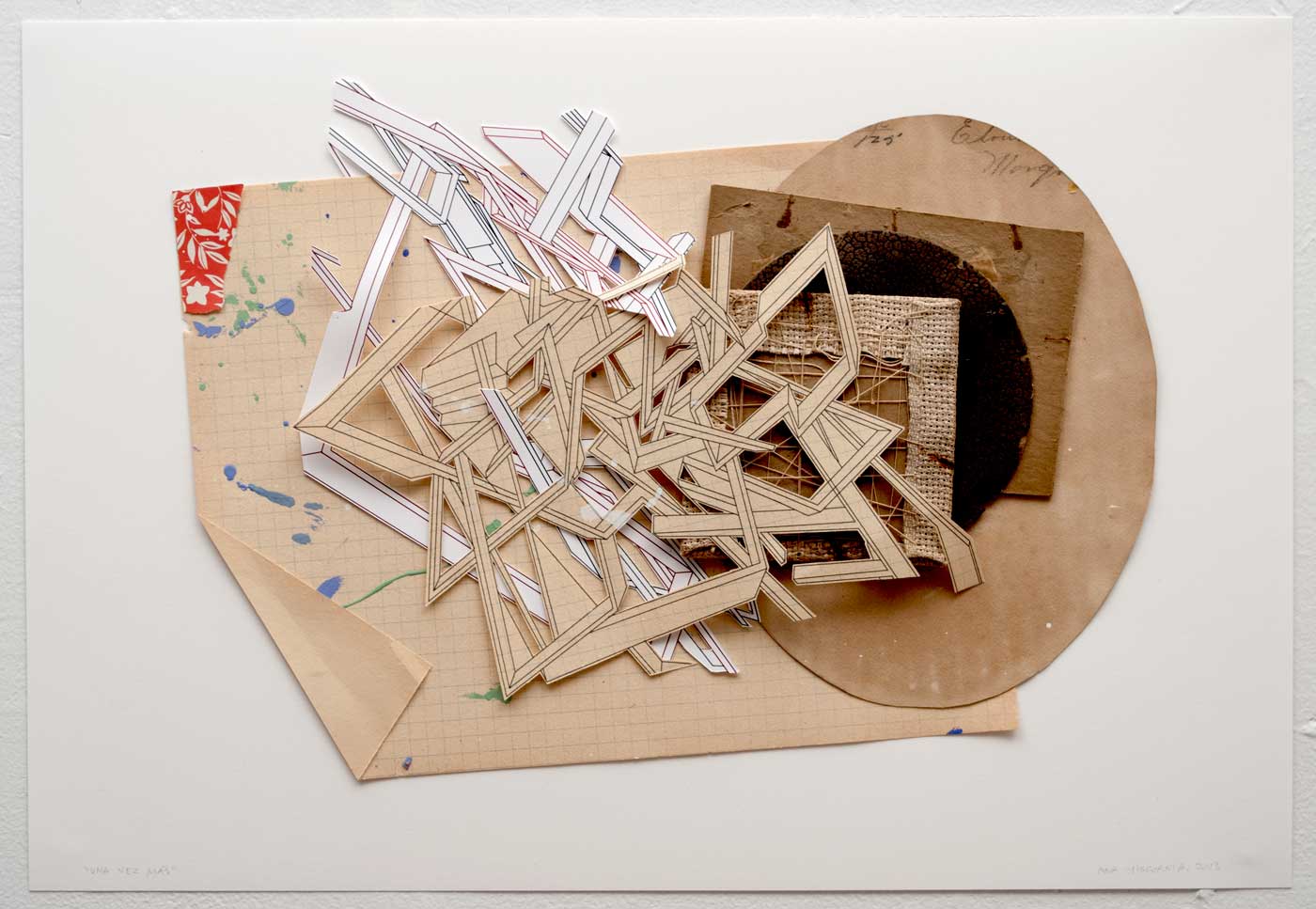
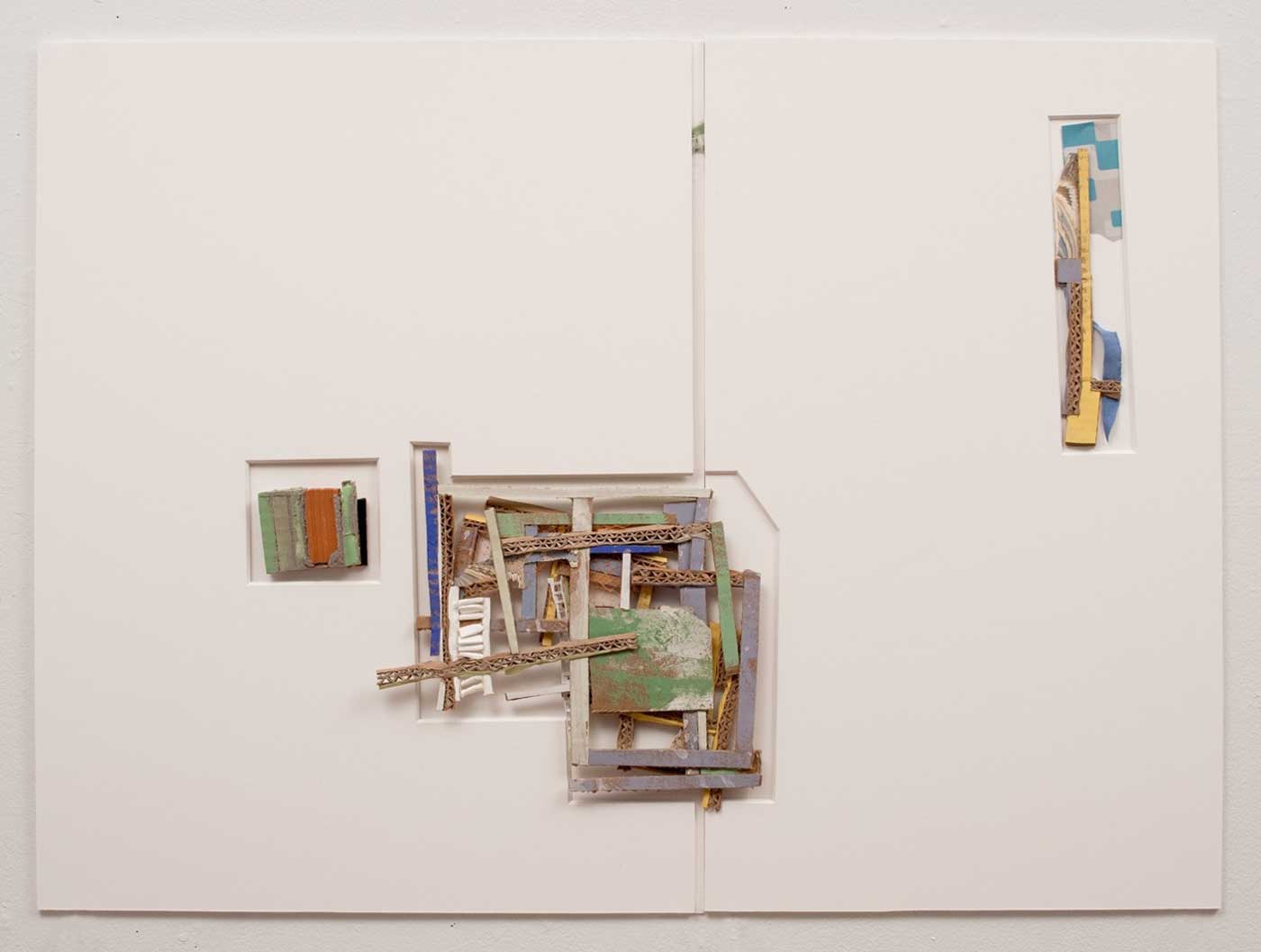
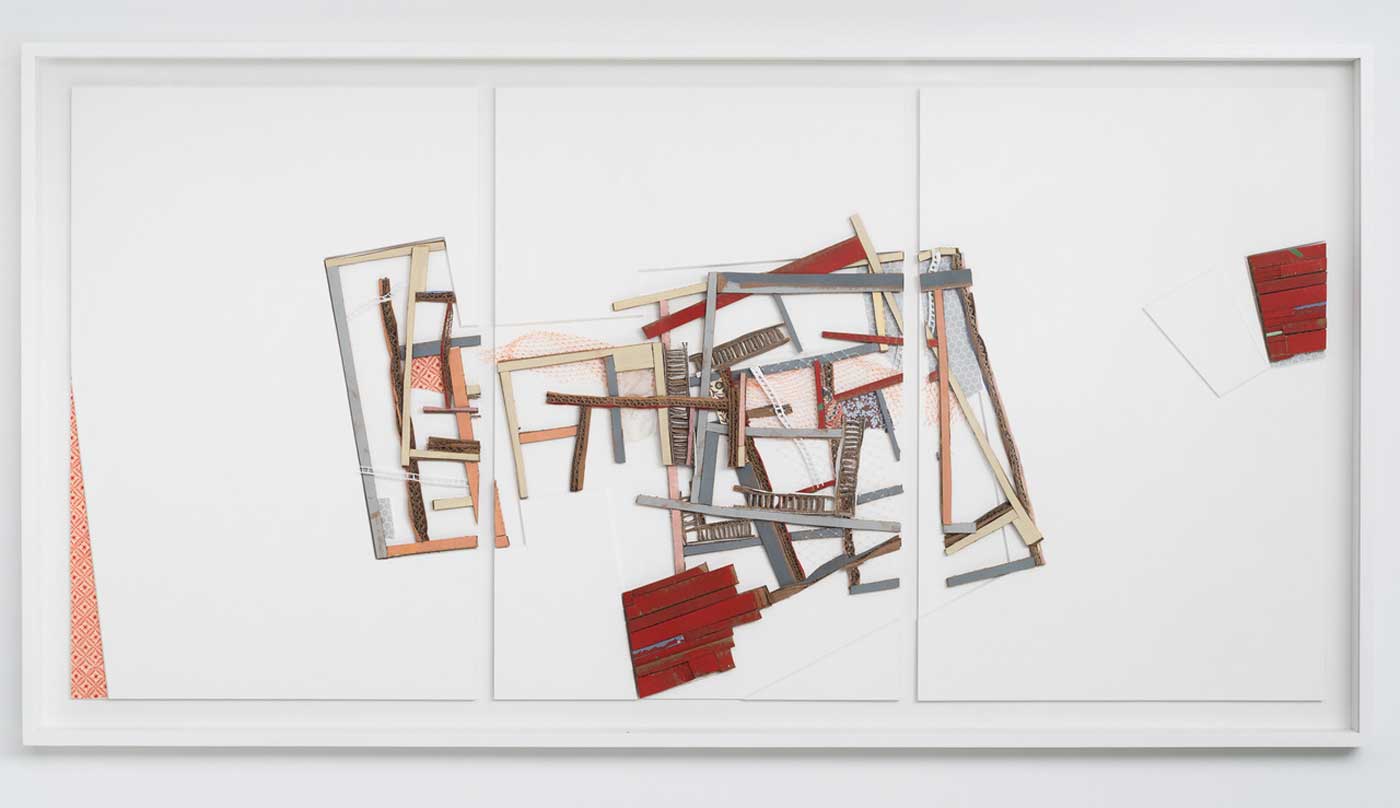
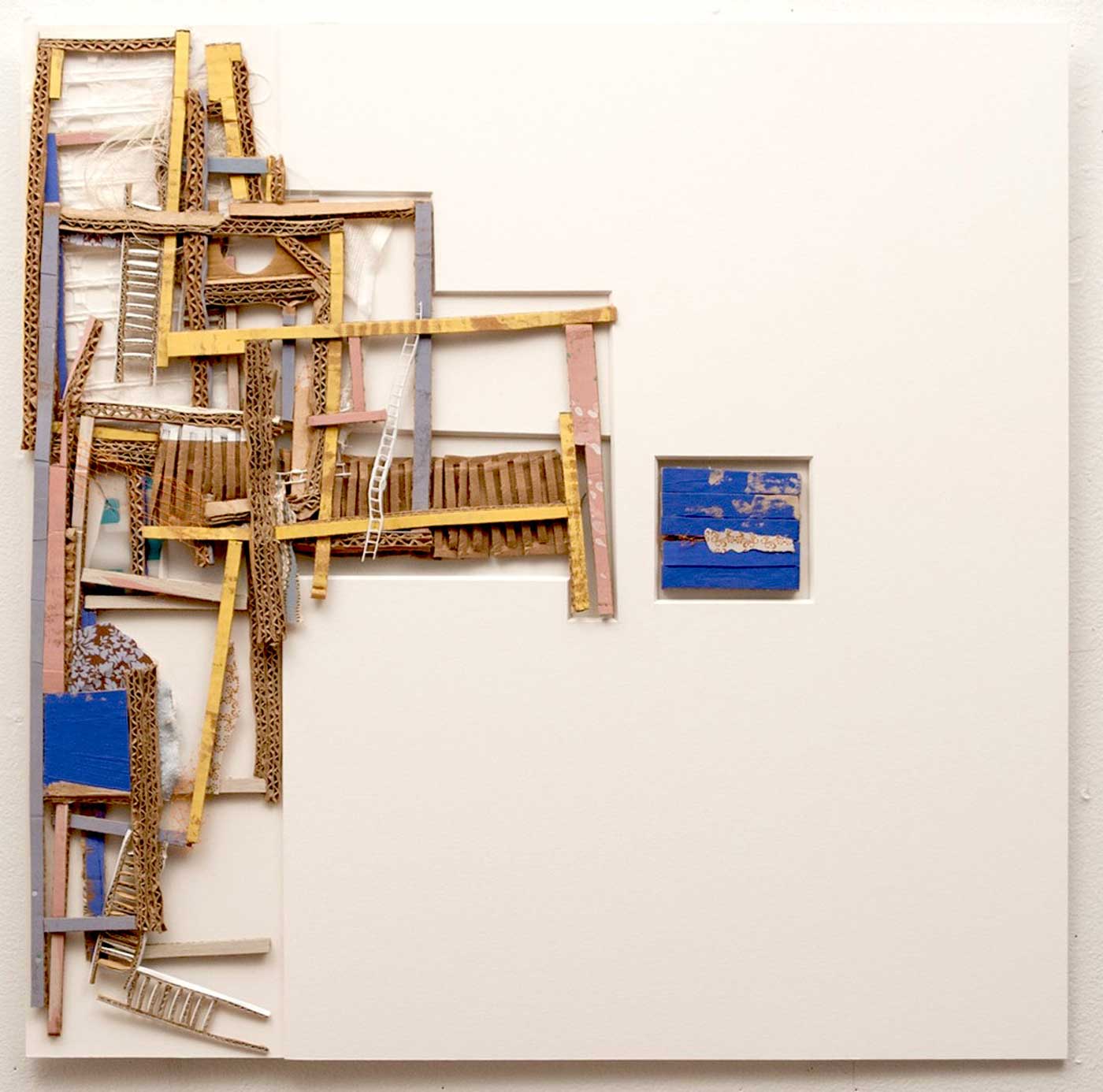
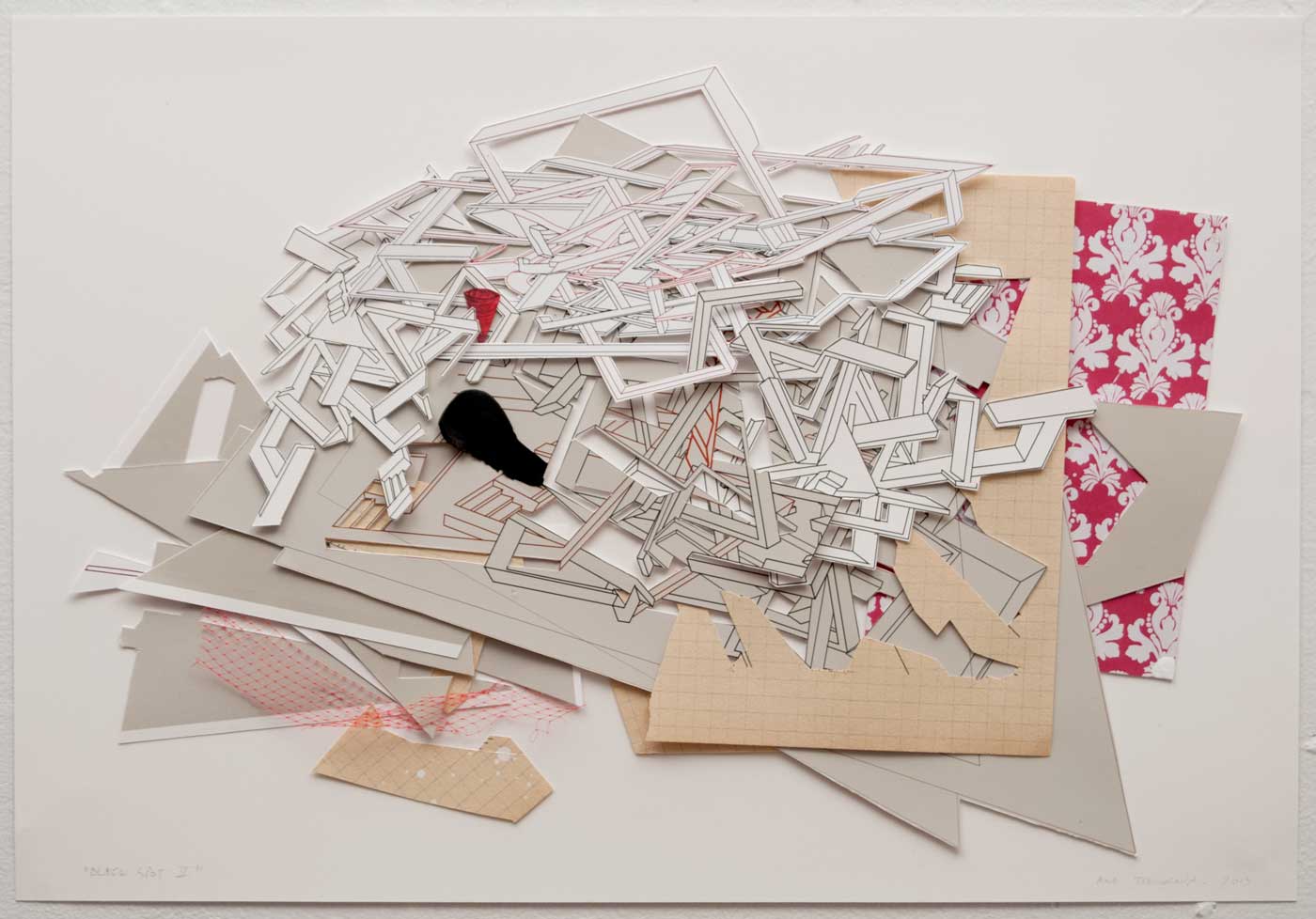
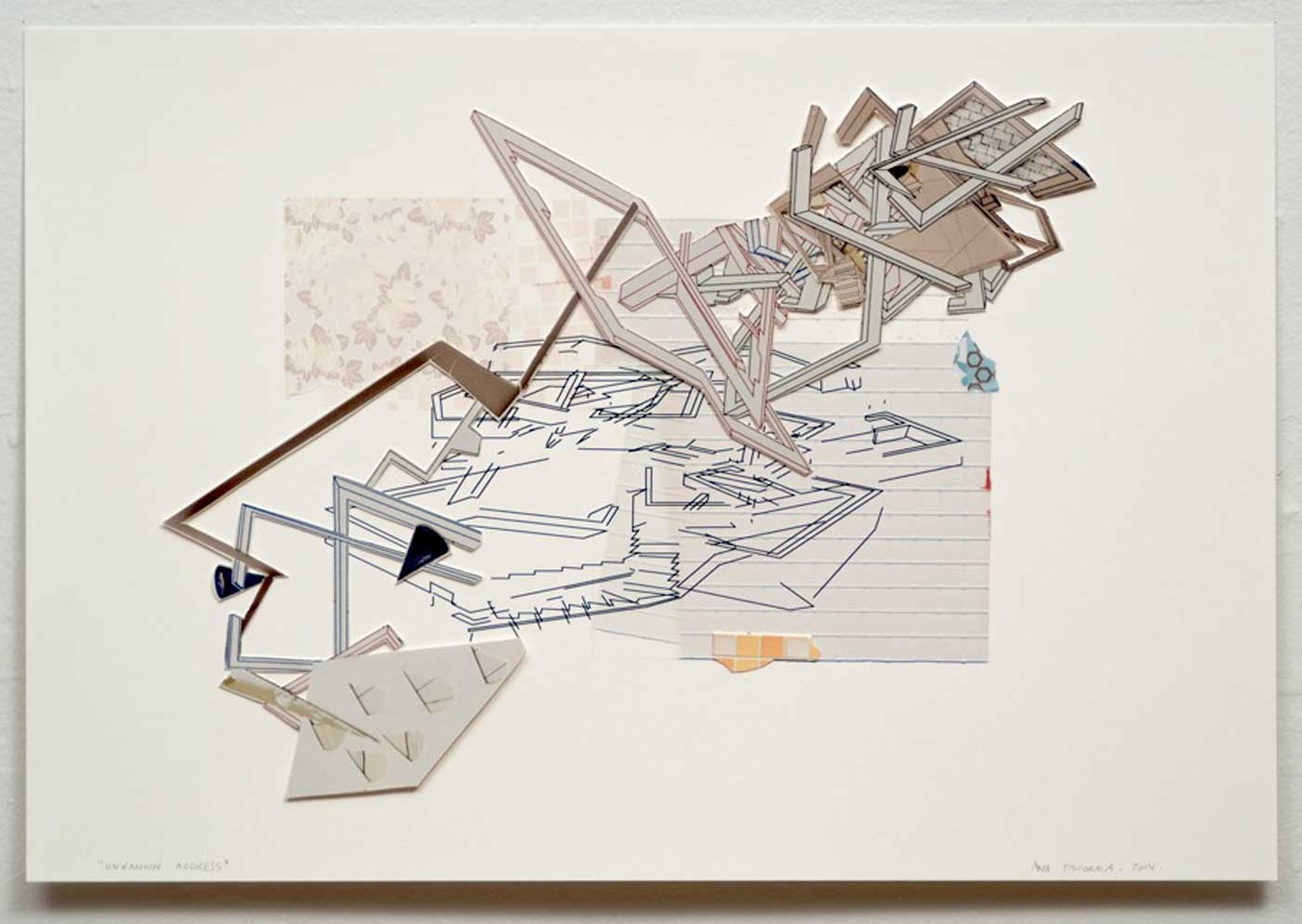
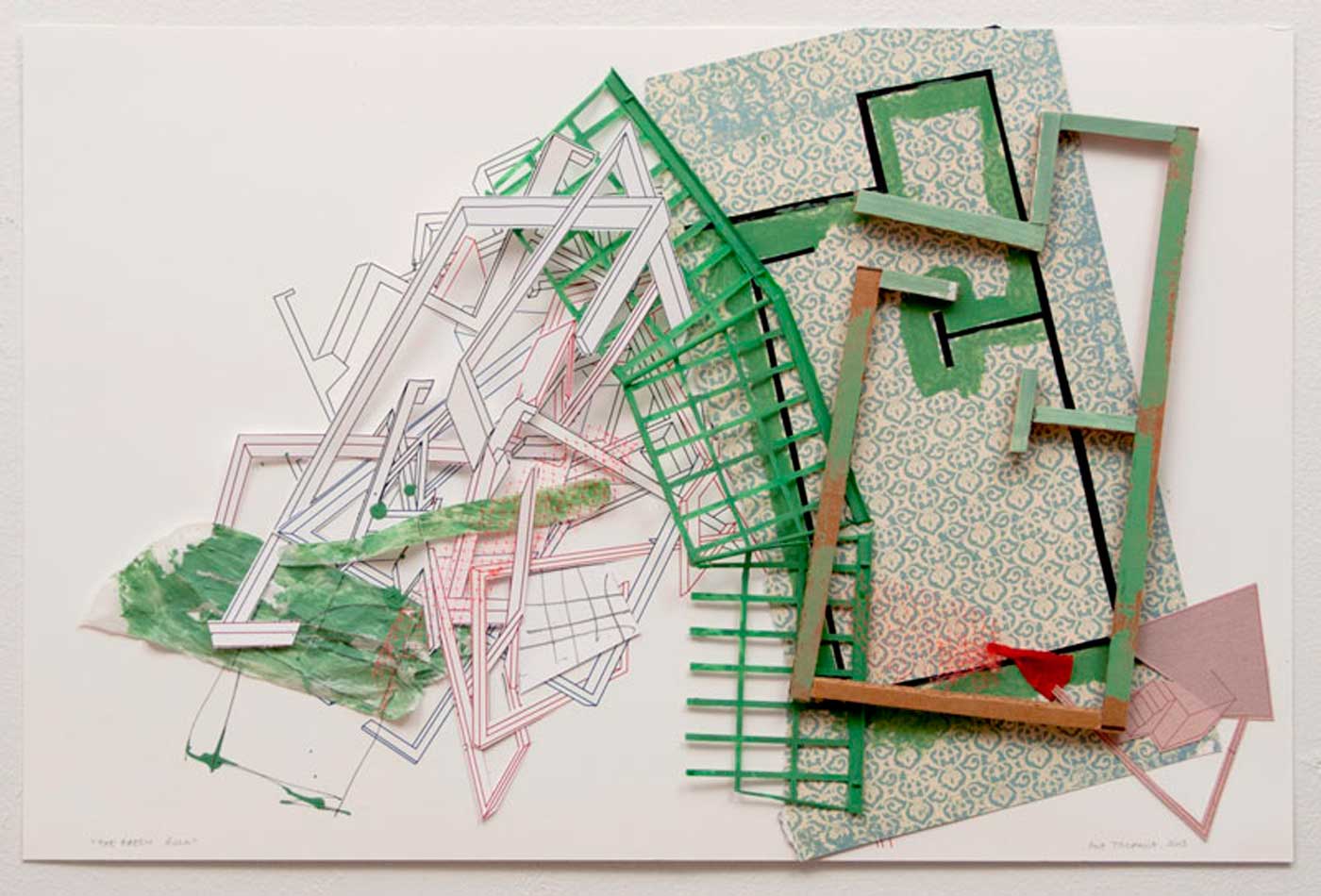
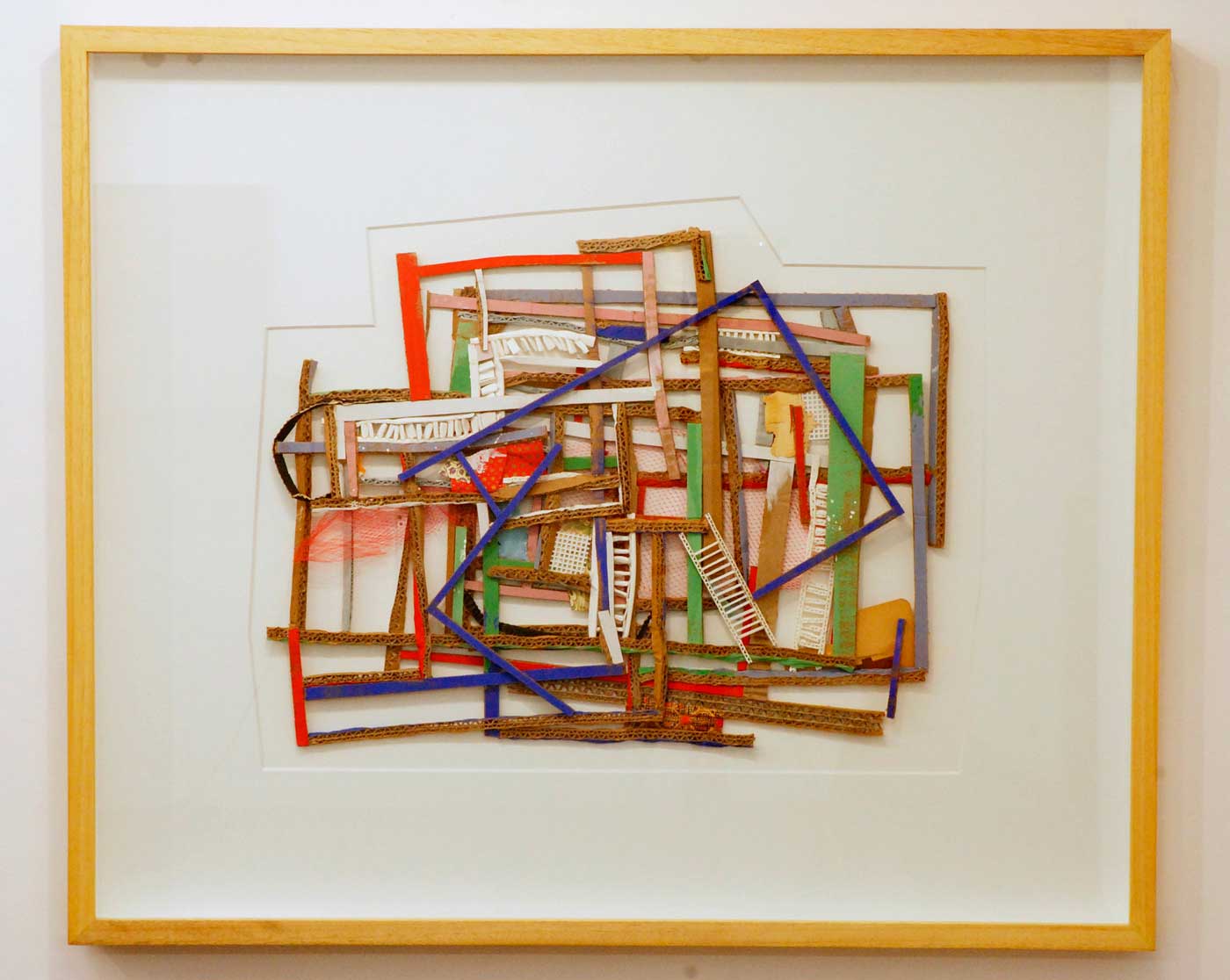
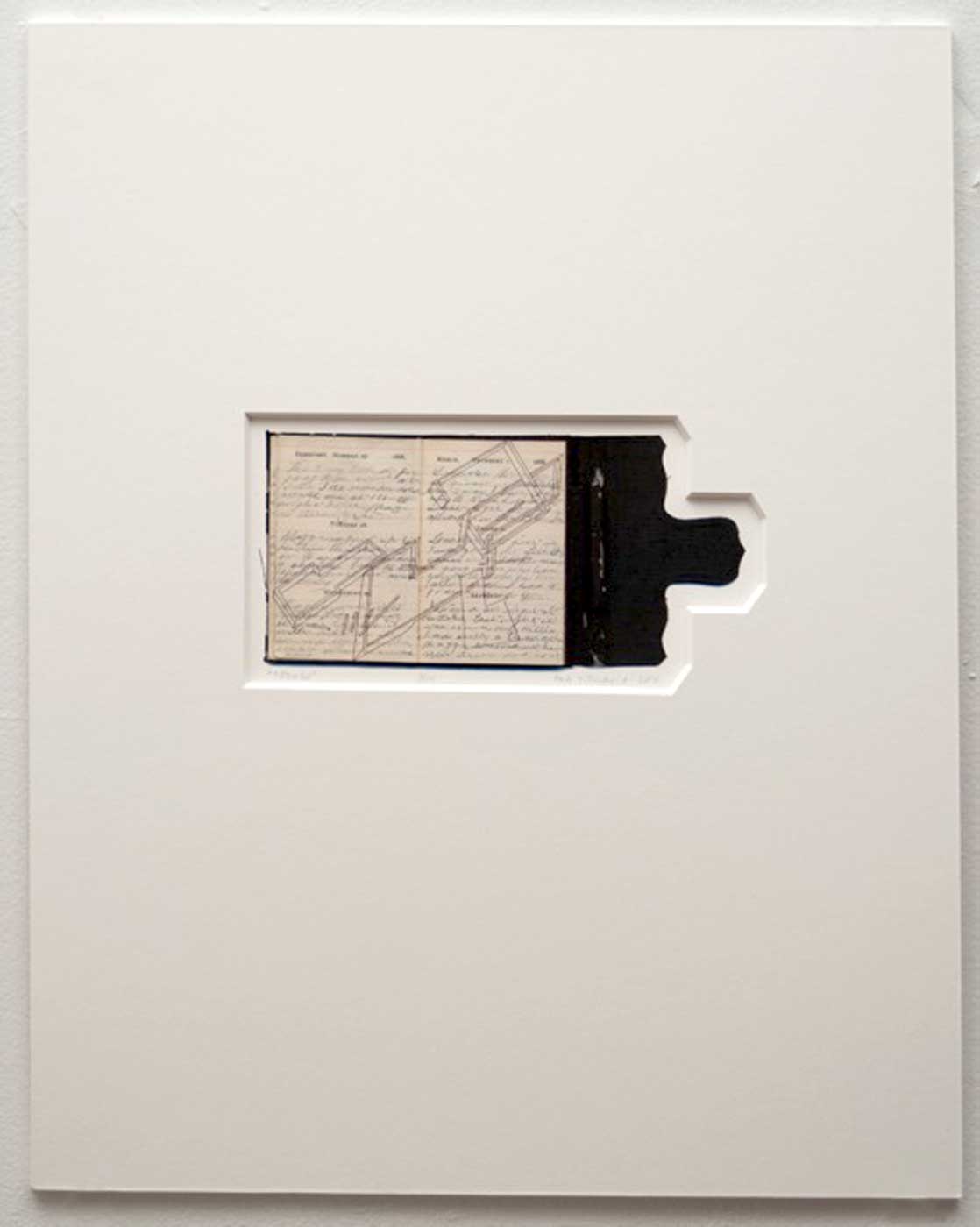
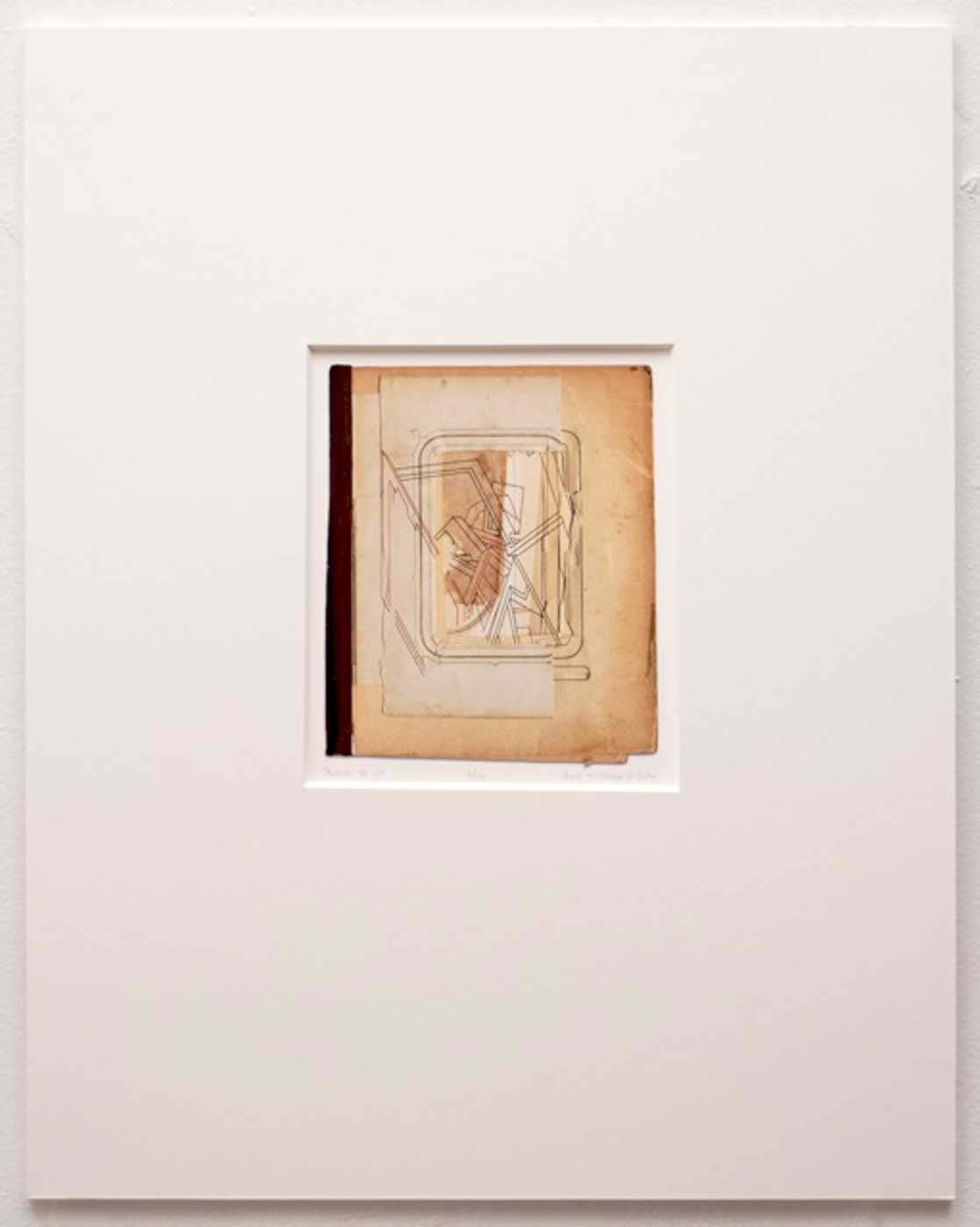
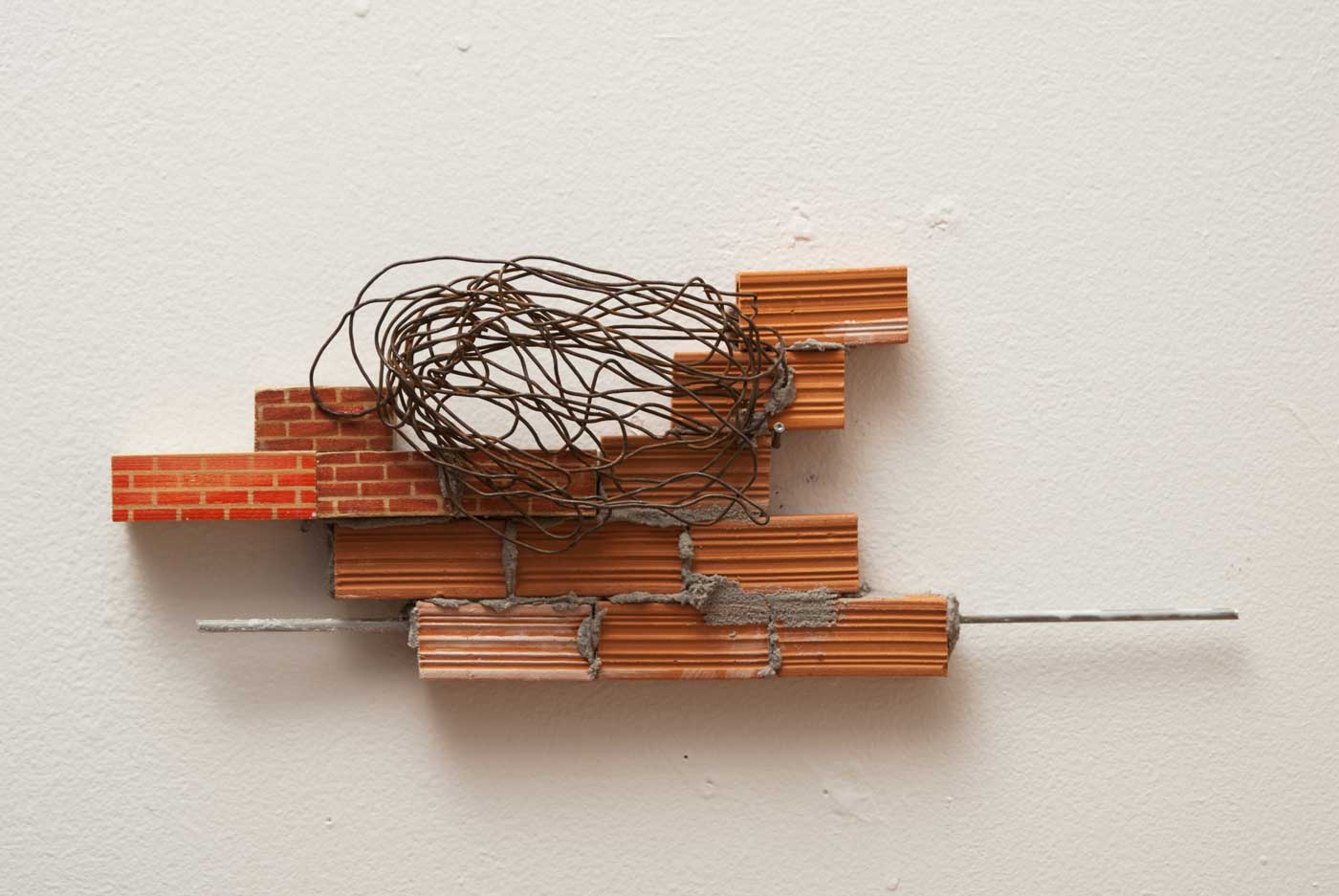
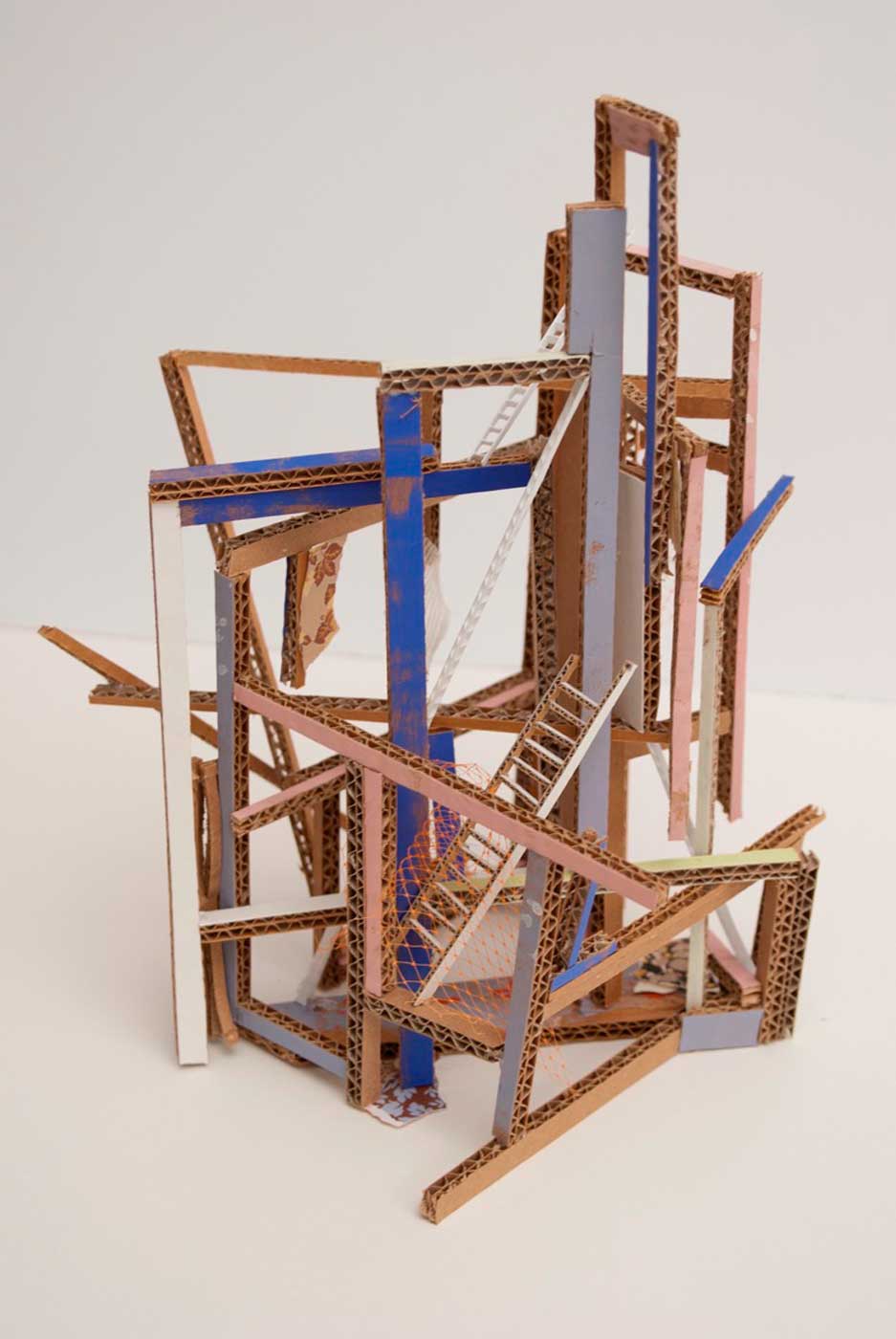
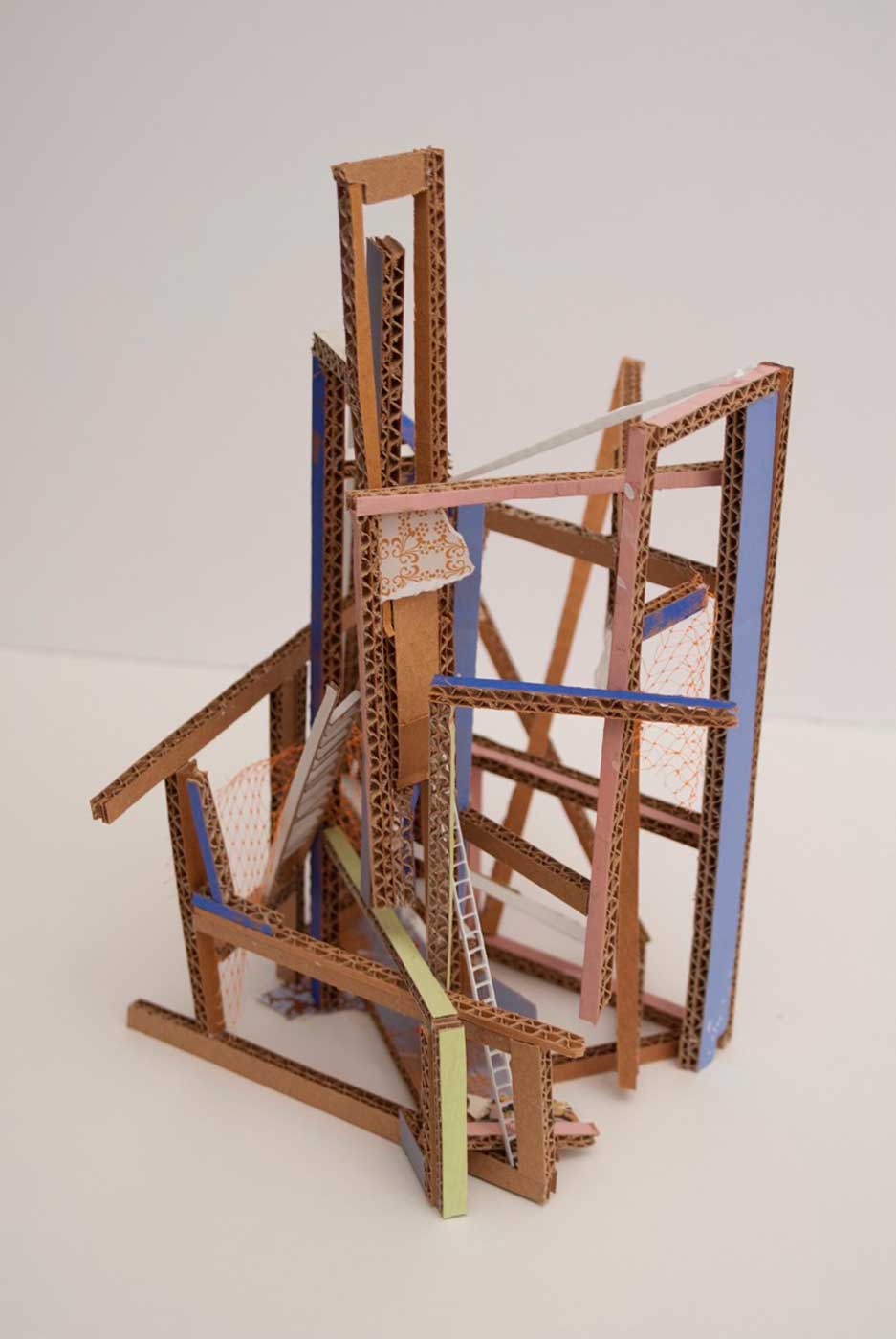
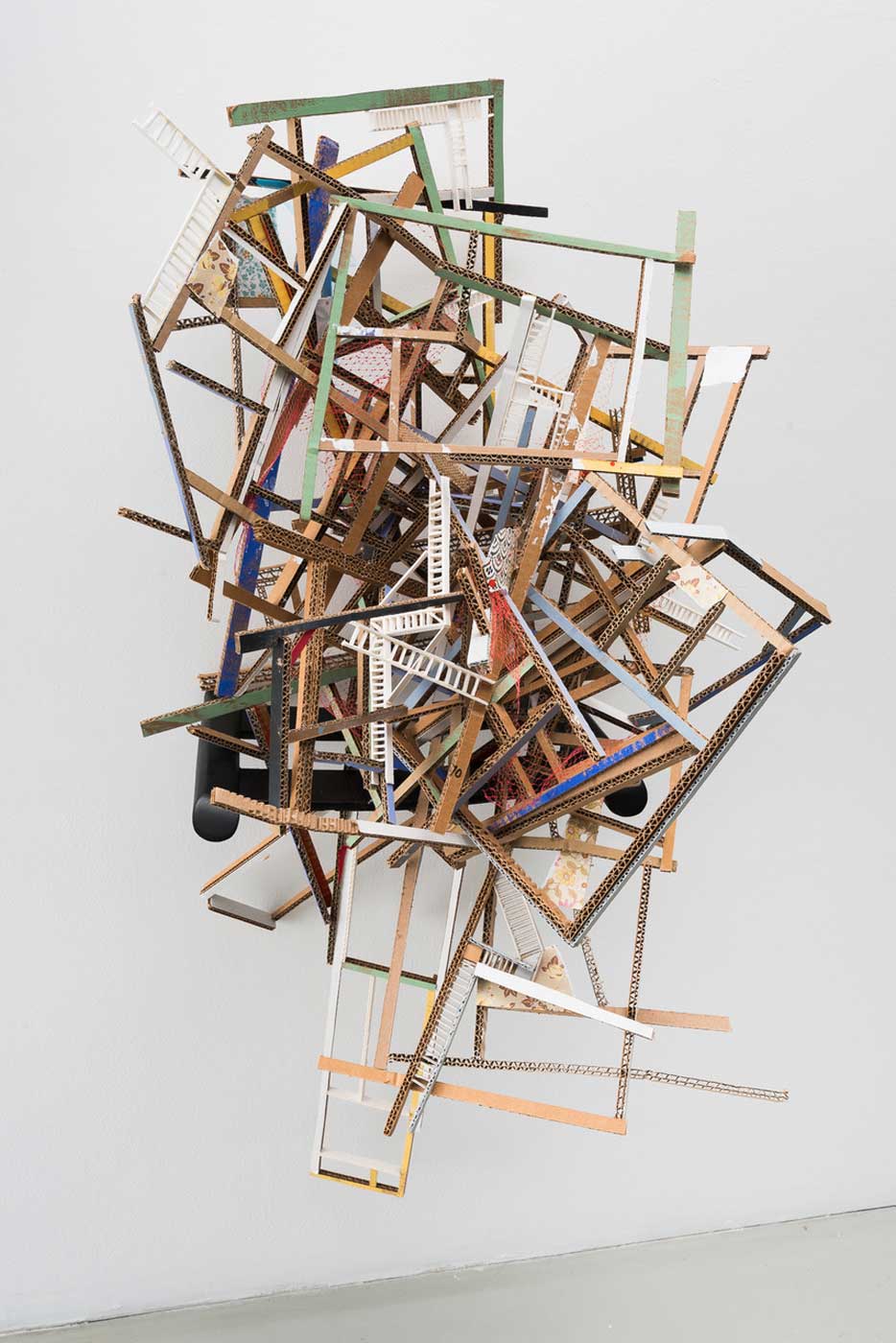
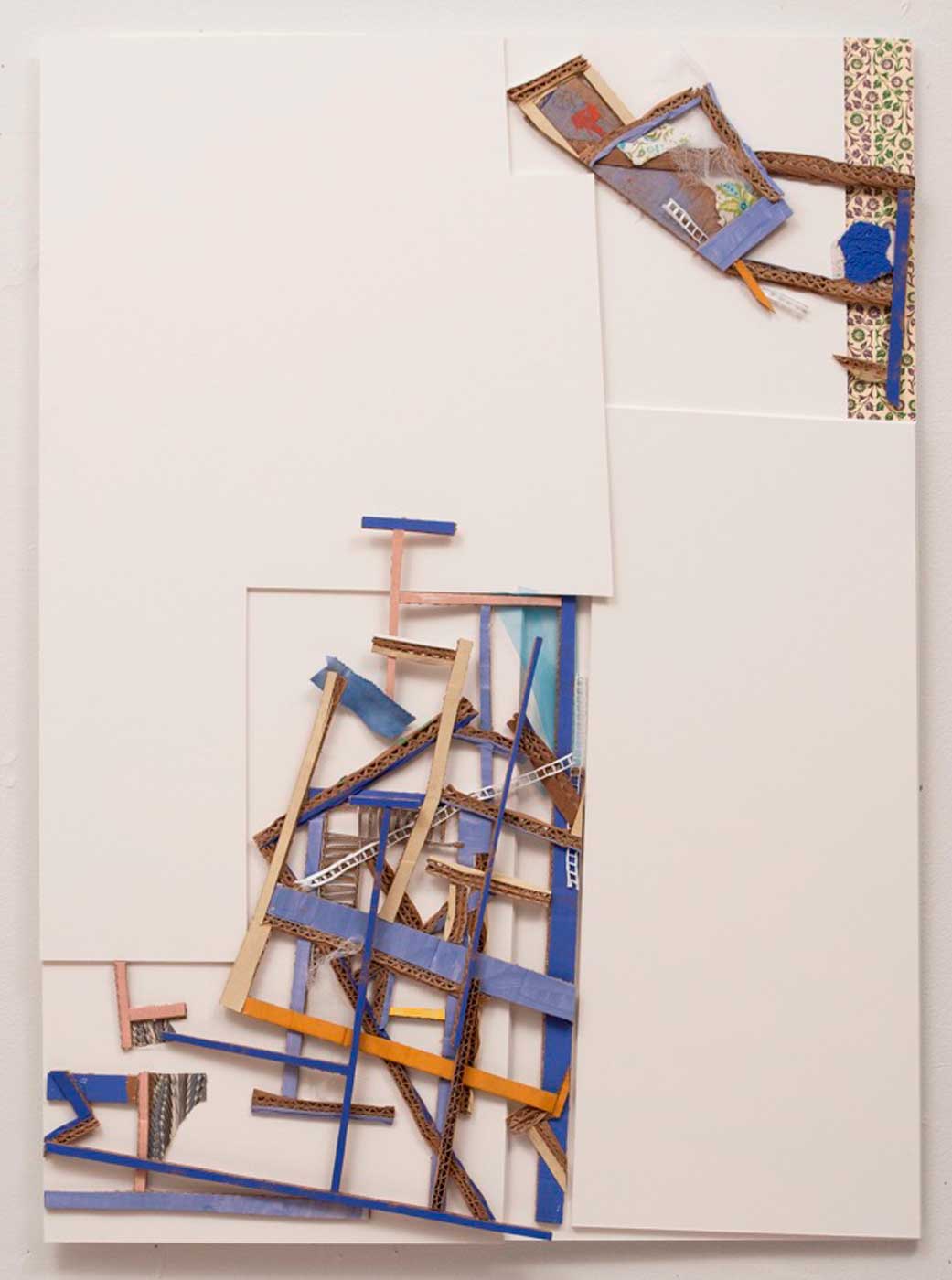
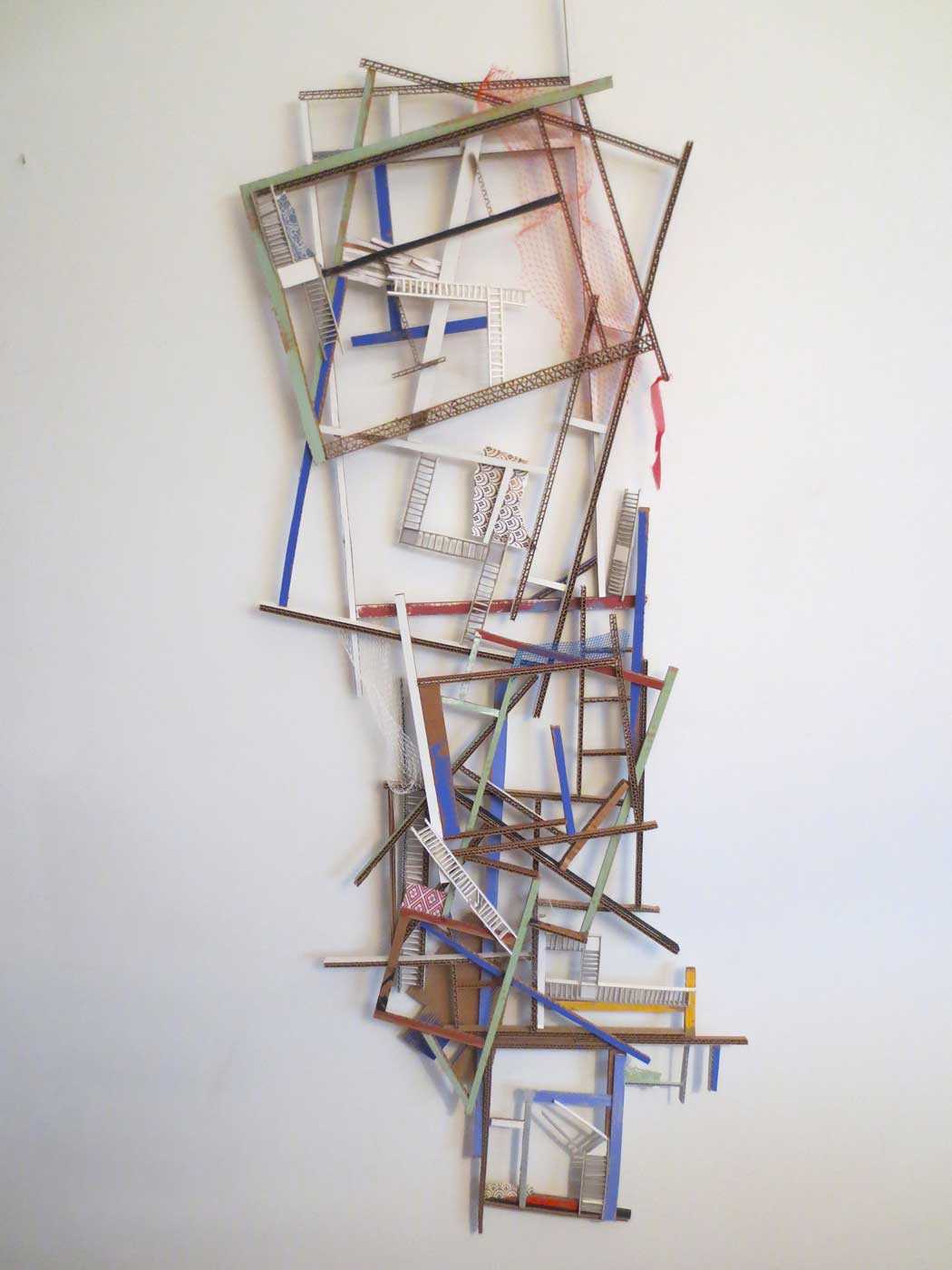
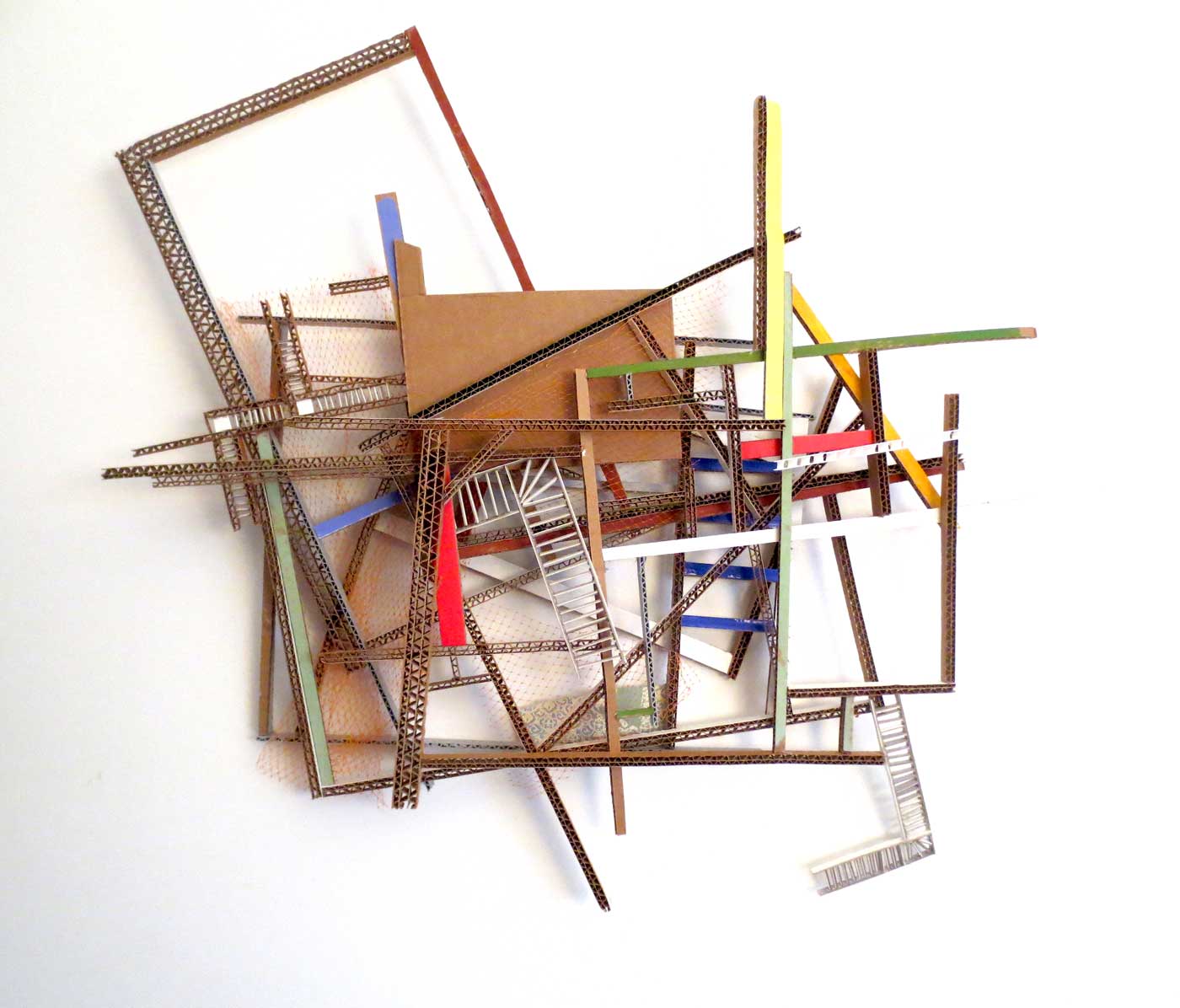
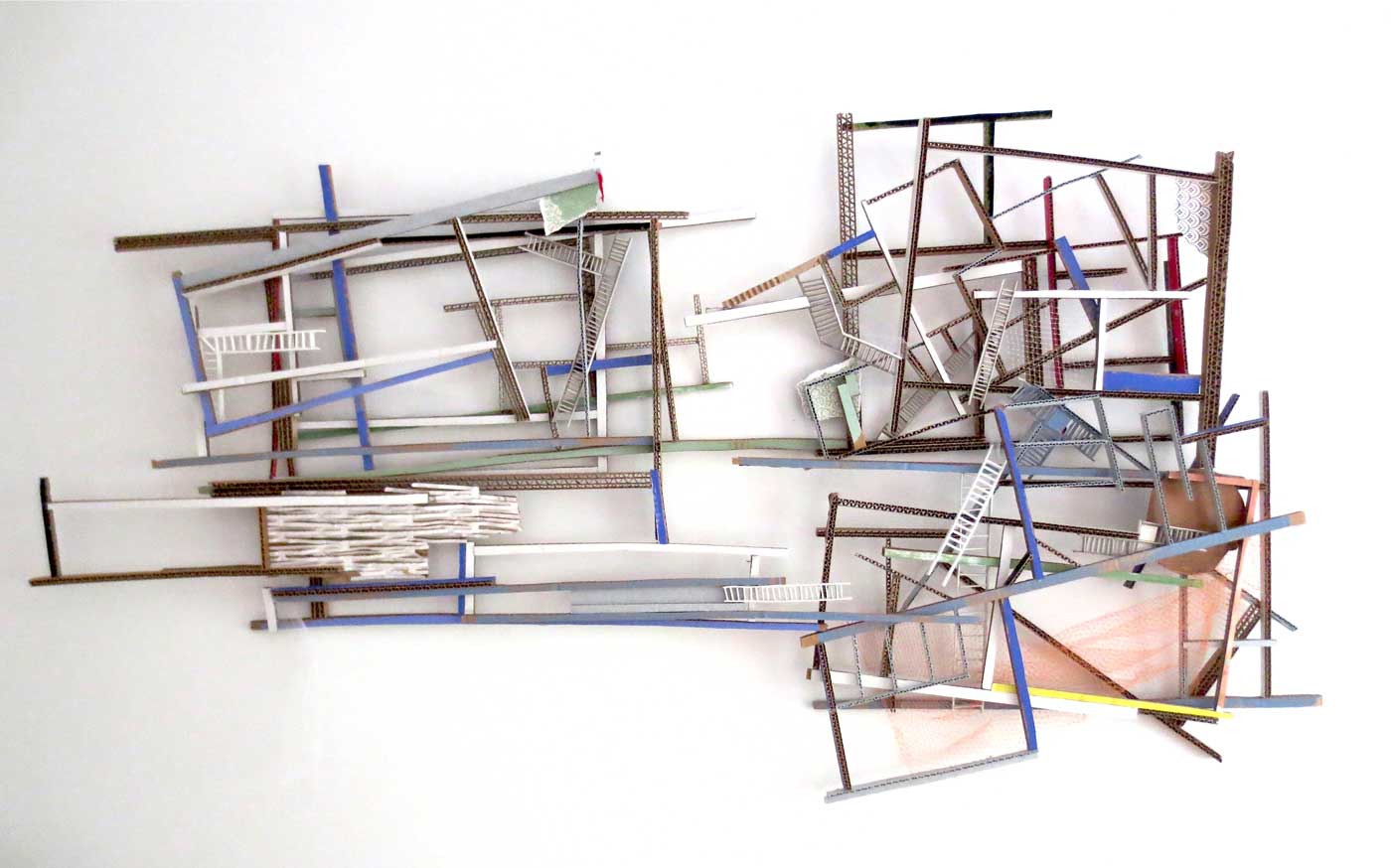
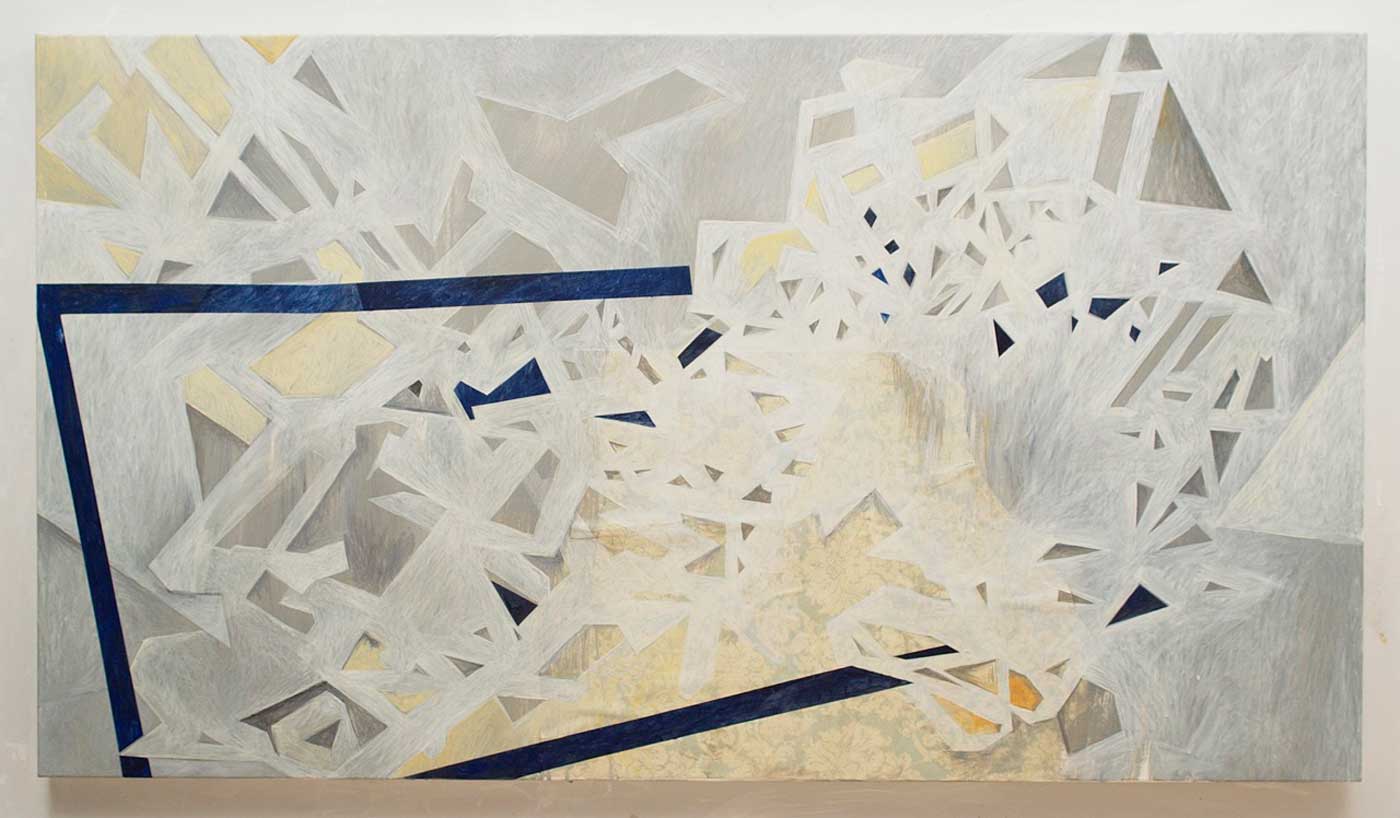
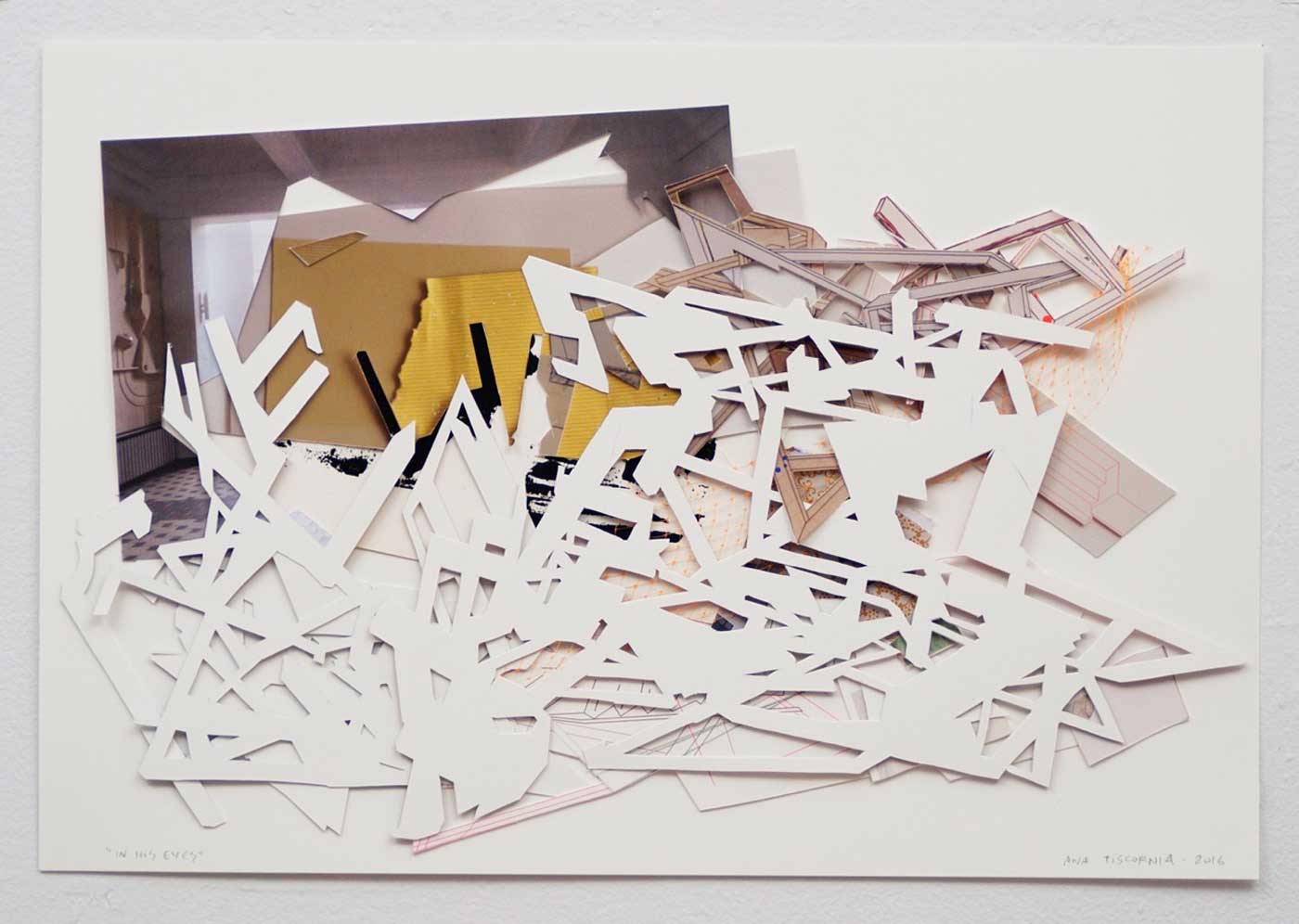
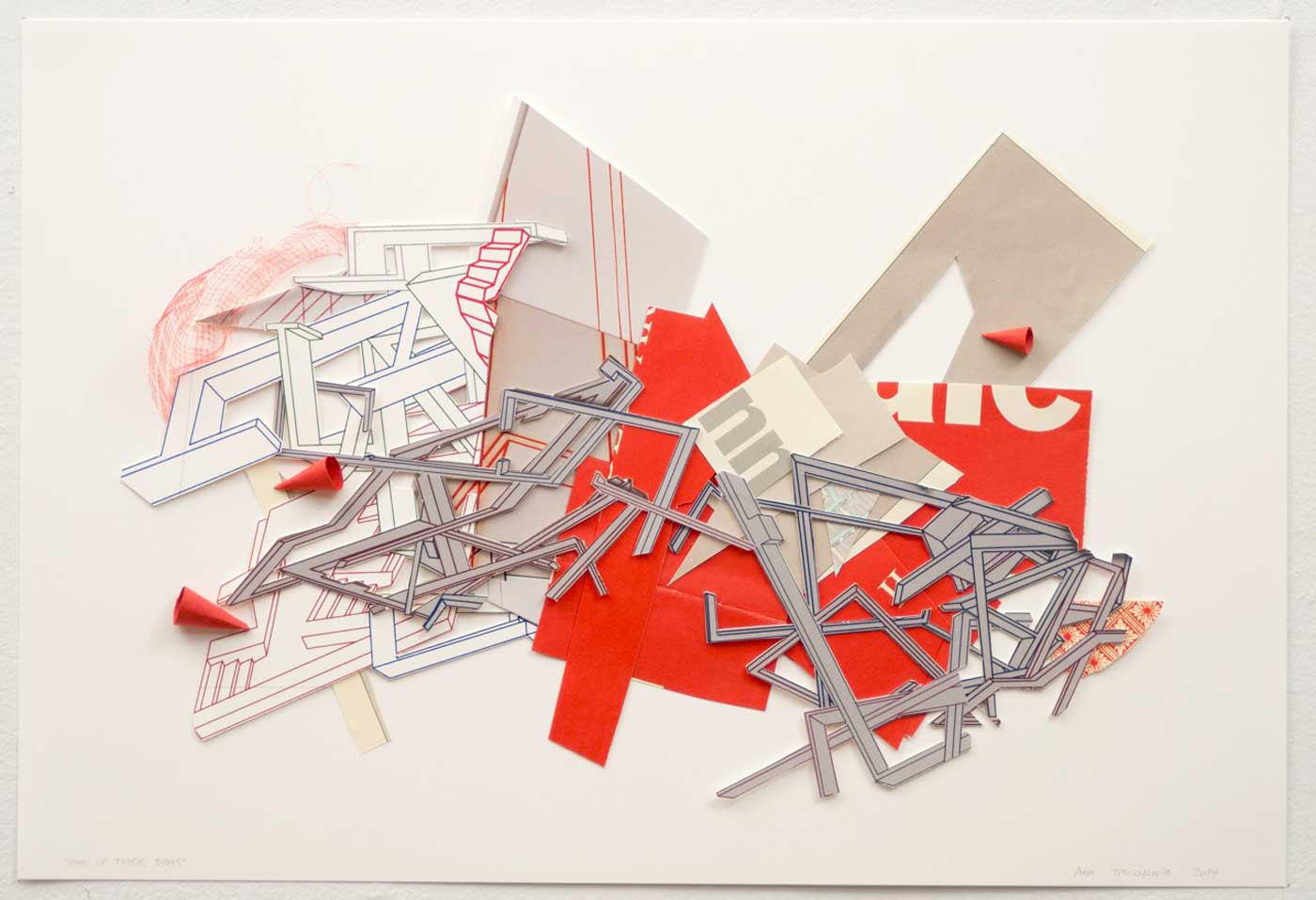
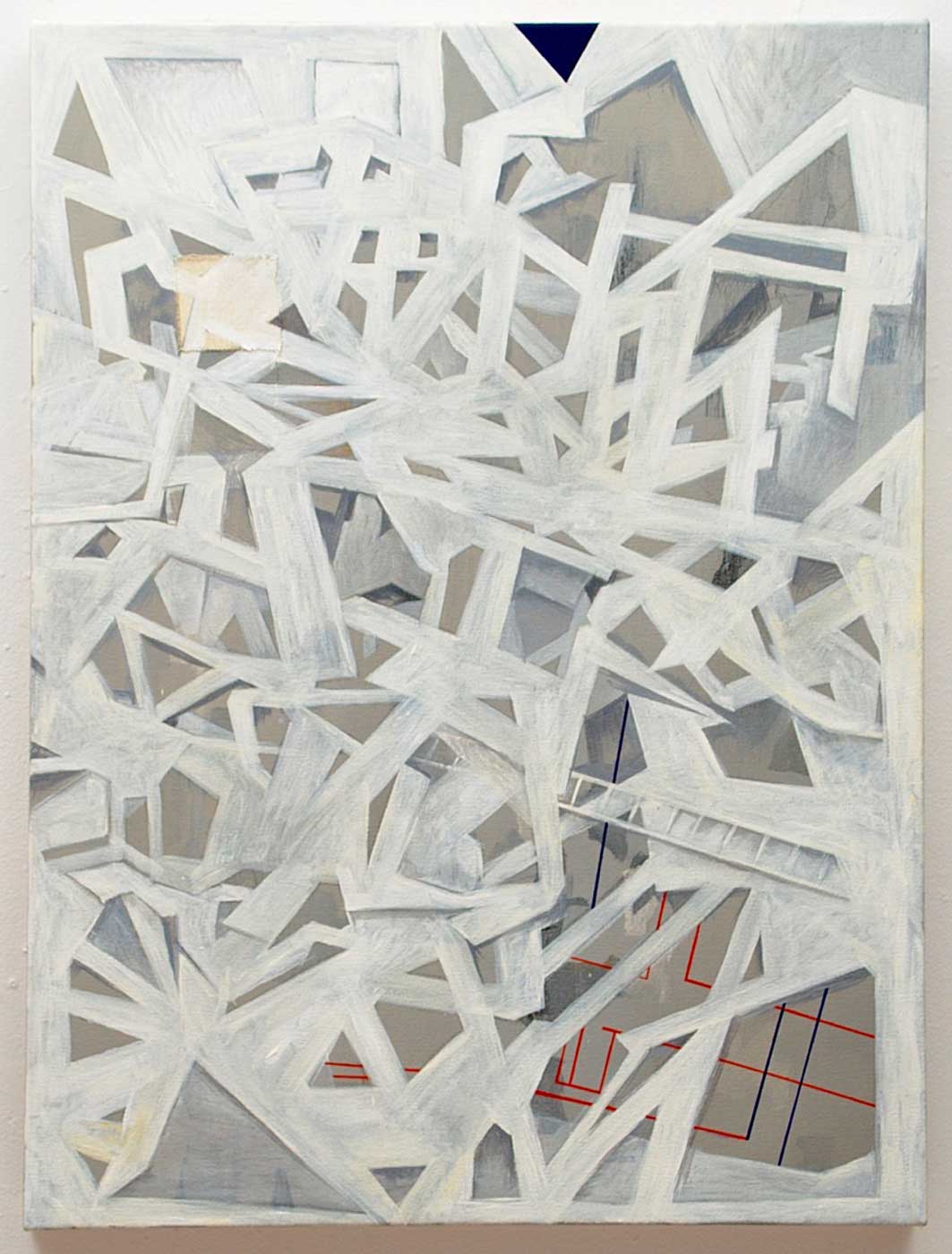
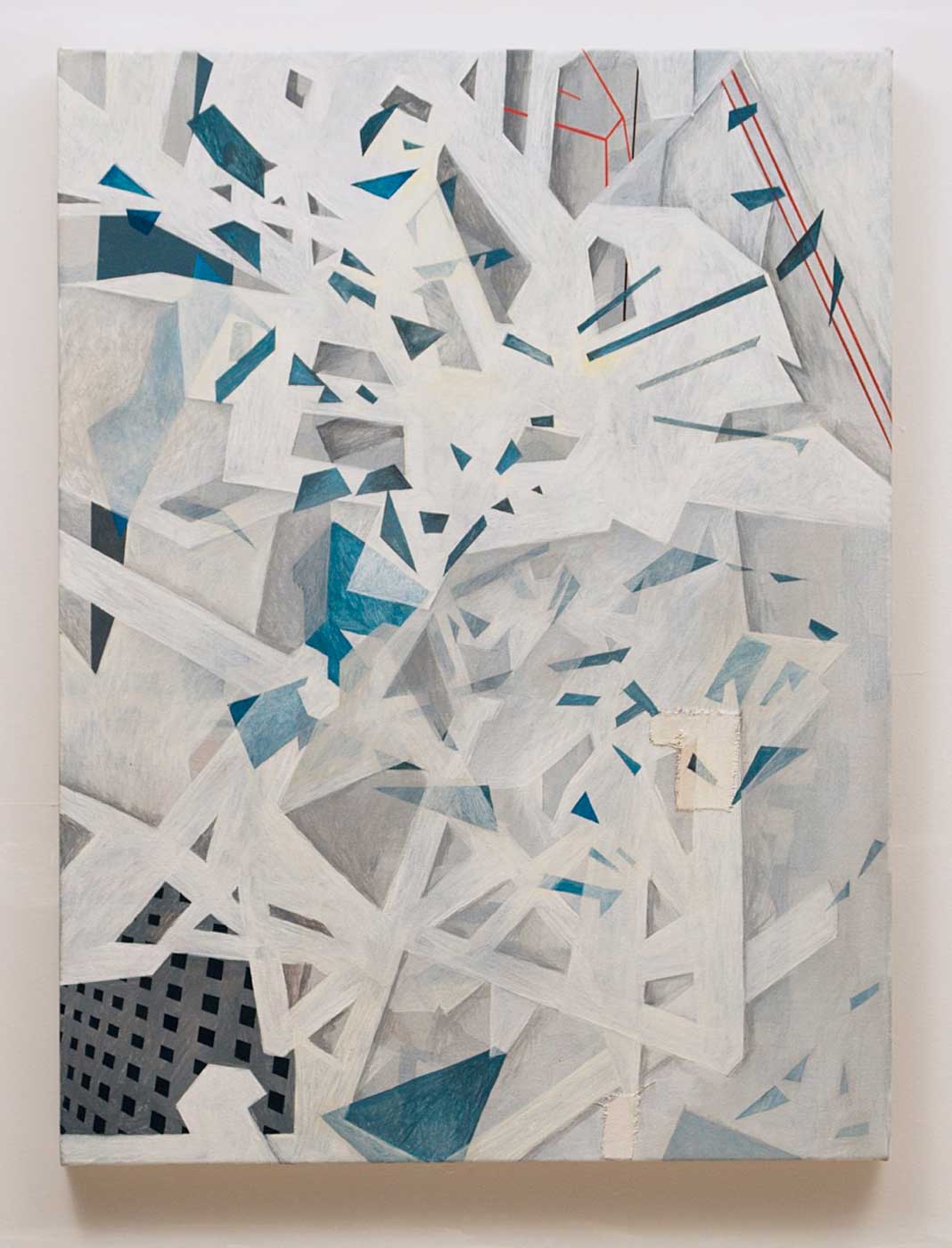
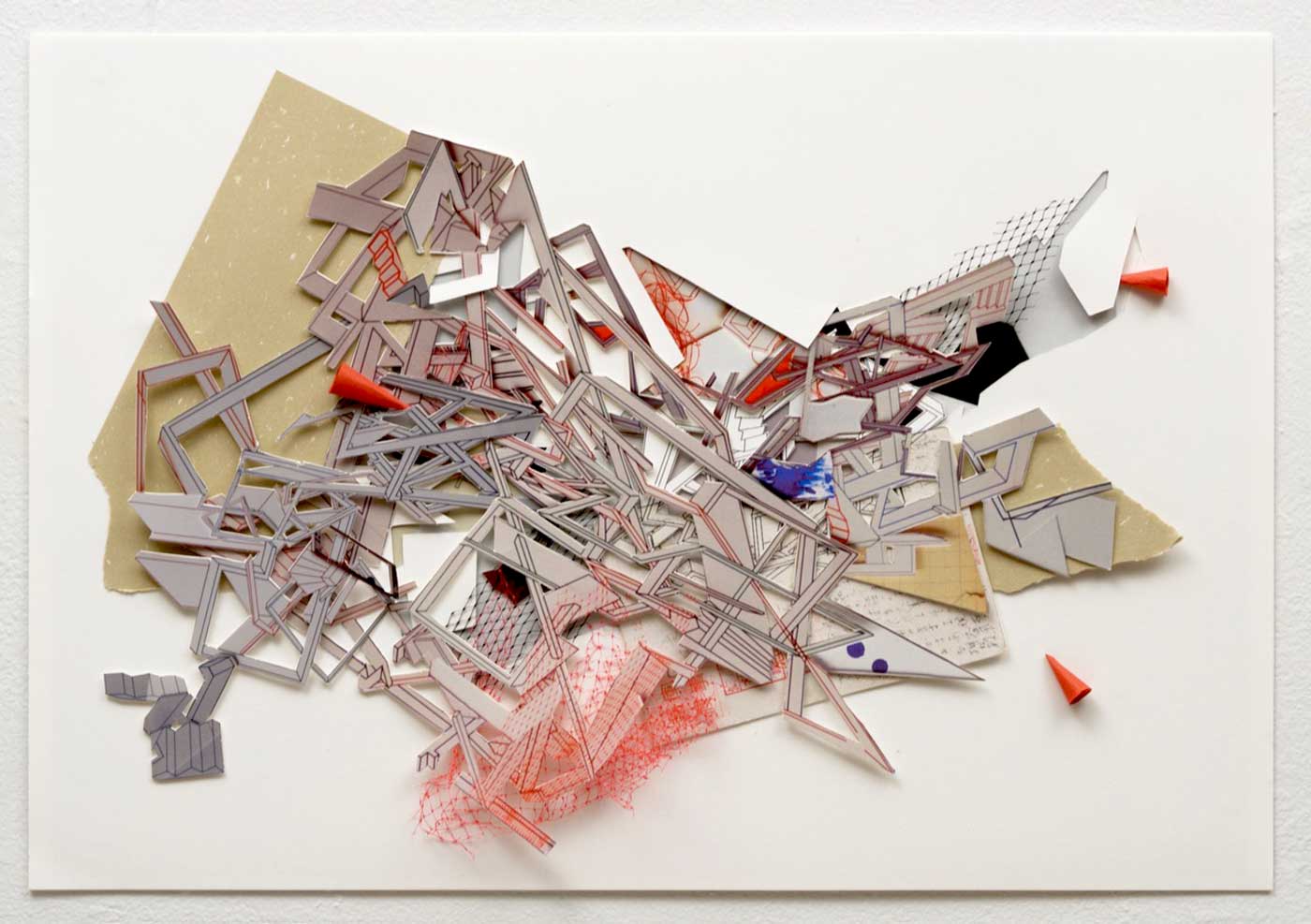
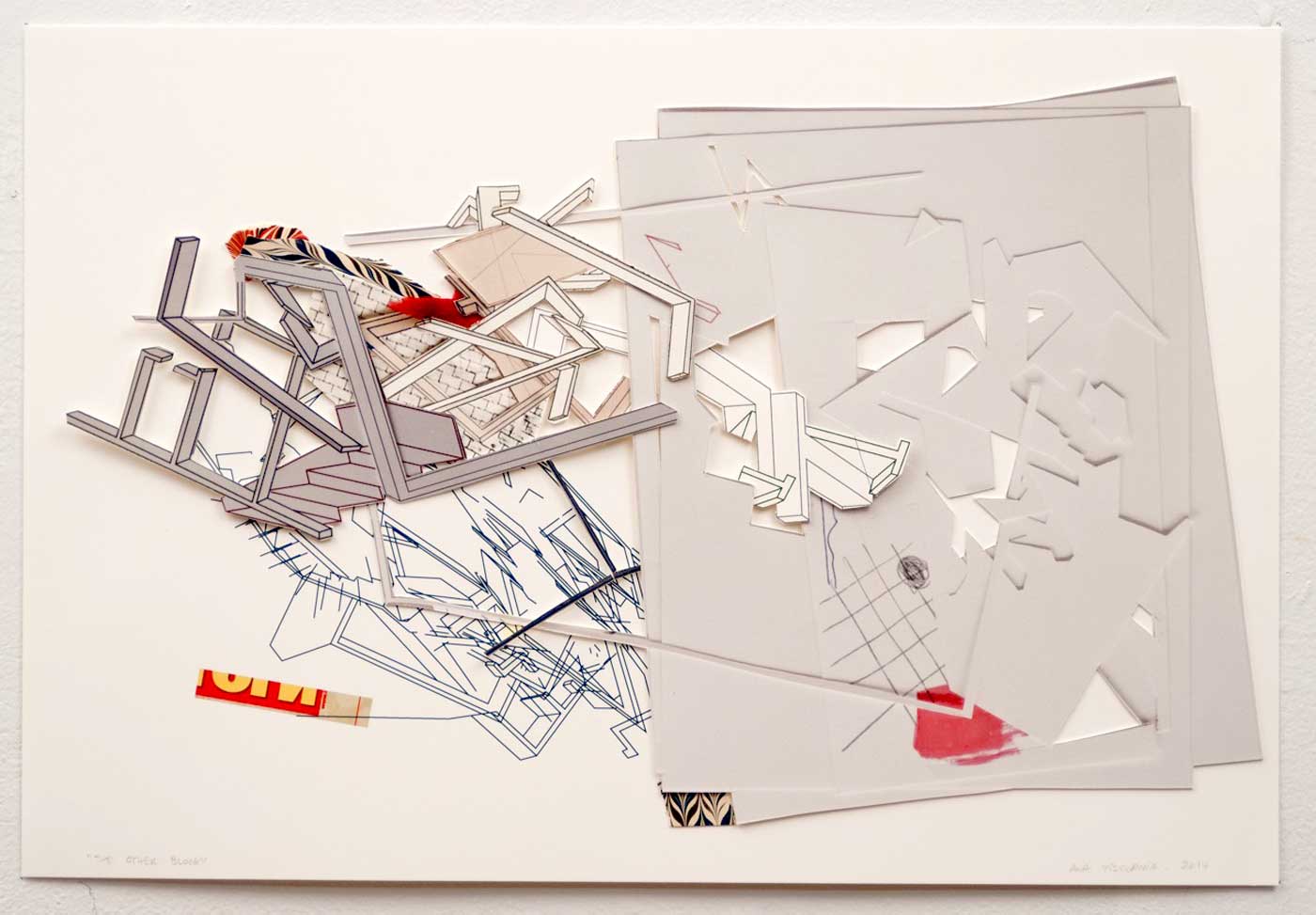
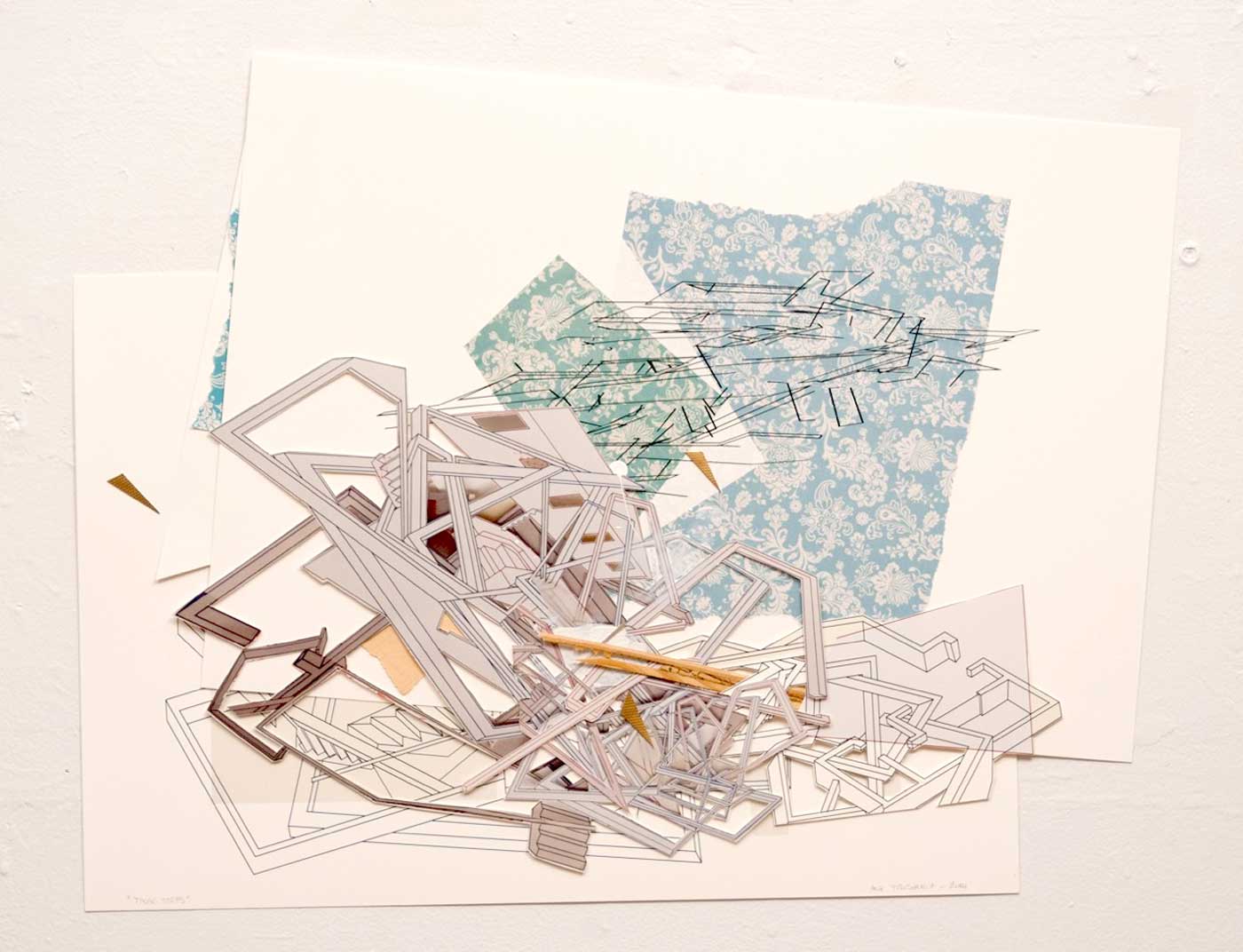
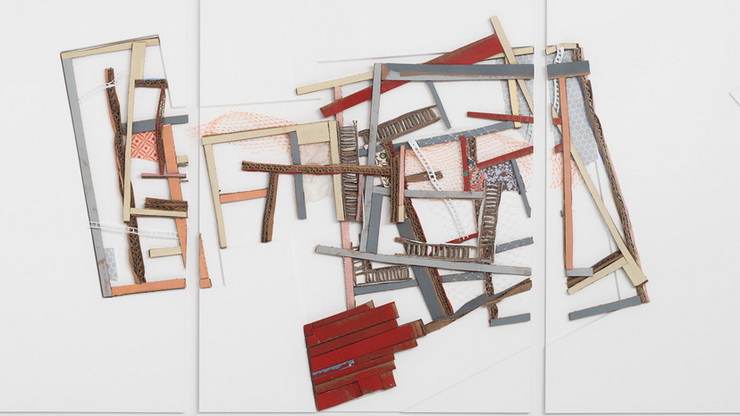
Ana Tiscornia (Montevideo, 1951) develops a practice centered on the paradoxical relationship between architecture and destruction. Understood as a language of construction, architecture in her work is traversed by displacement, fracture, and instability, articulating fragments of structures—often associated with the house and marked by modernist echoes—that evoke a sense of physical fragility and ideological failure. Her work brings together the apparently accidental and precise calculation, configuring itself as “an act of both consternation and hope,” and as a possible cartography of oblivion.
Her interest in architecture stems from early formative experiences that led her to study in the field, where she came to understand modernity as an ethical and utopian project. The onset of the Uruguayan dictatorship in 1973 disrupted this trajectory and shifted her practice toward art, in dialogue with a form of “politicized informalism” and traditions such as the Escuela del Sur. Since then, her work has articulated history, memory, and representation from a critical perspective.
Based in New York since 1991, her practice deepens the tension between modernist ideals and their collapse, while also incorporating an ongoing reflection on Latin American identity and its displacements. Within this framework, she has developed interventions and installations that revisit historical narratives and challenge official accounts, including Enseguida vuelvo (1994), at the Museo Juan Manuel Blanes, and Camuflajes y olvidos (1996), at the Museo del Cabildo in Montevideo, as well as later projects centered on memory, forgetting, and historical violence.
Her work has been widely exhibited across Latin America, the United States, and Europe, in institutions and spaces such as Smack Mellon (New York), where she presented It Was The End Of The Afternoon (1999), an installation addressing memory and its fractures through an architectural language. Her works are held in major public and private collections, consolidating a sustained international trajectory.
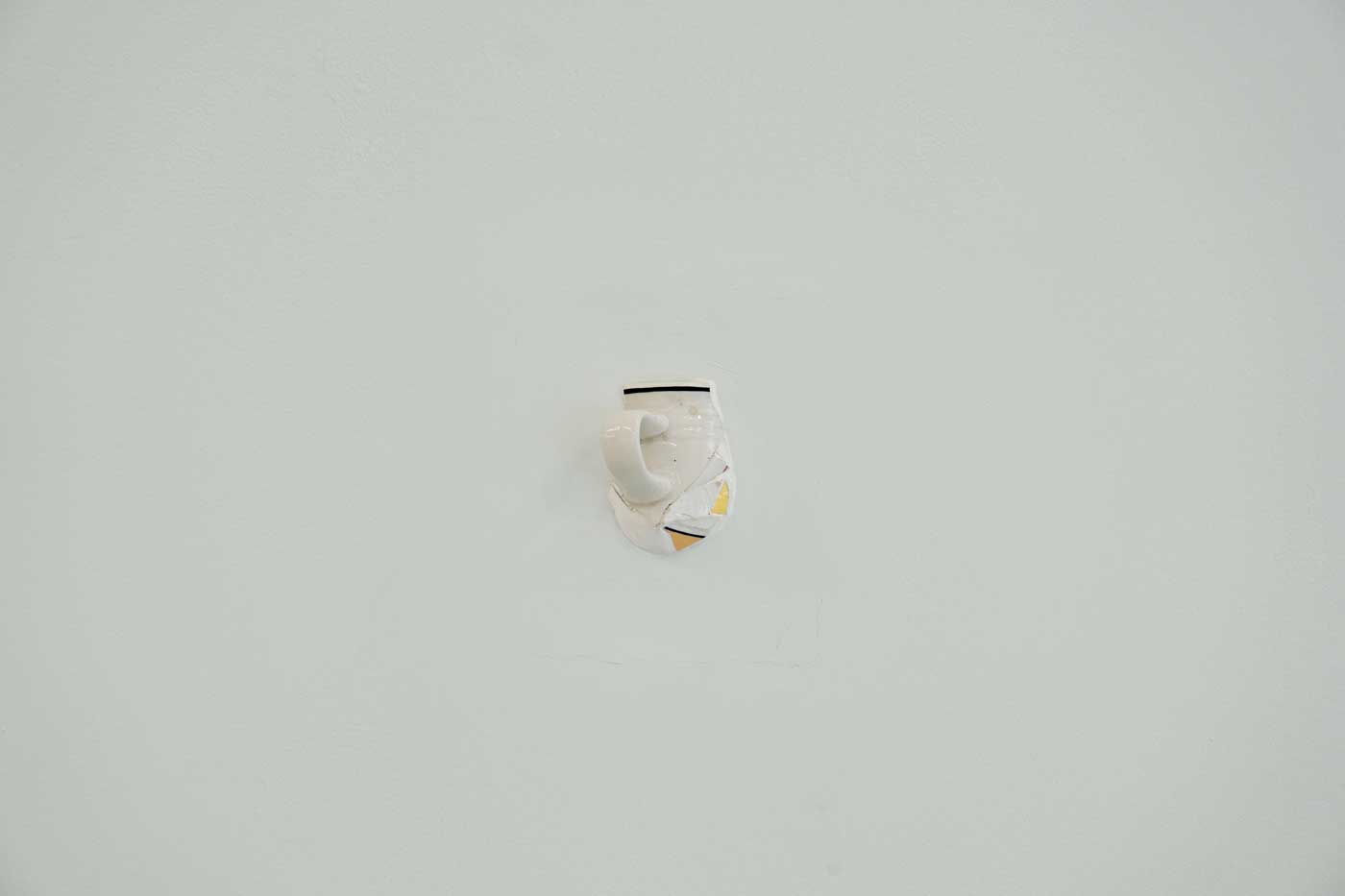
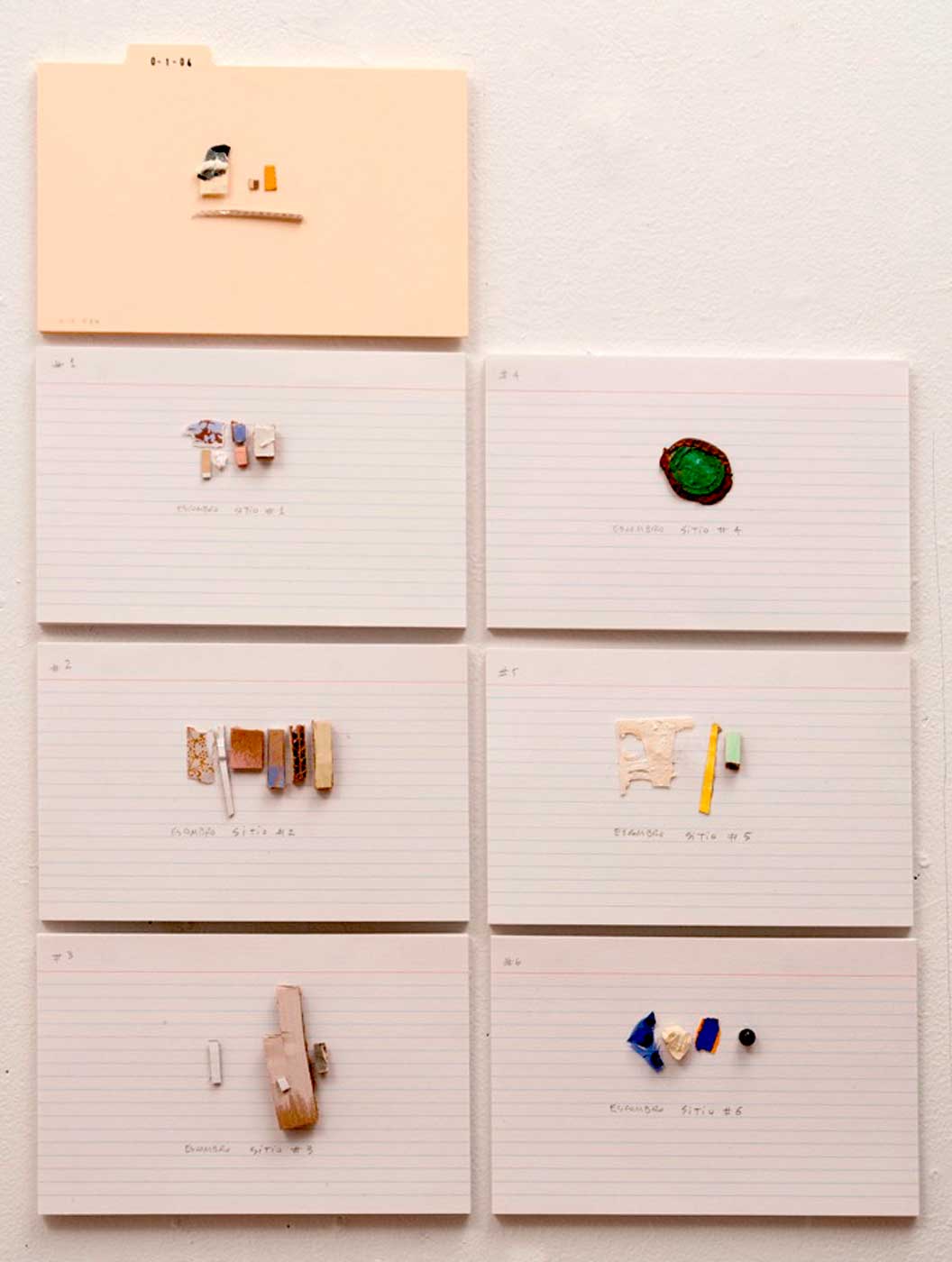
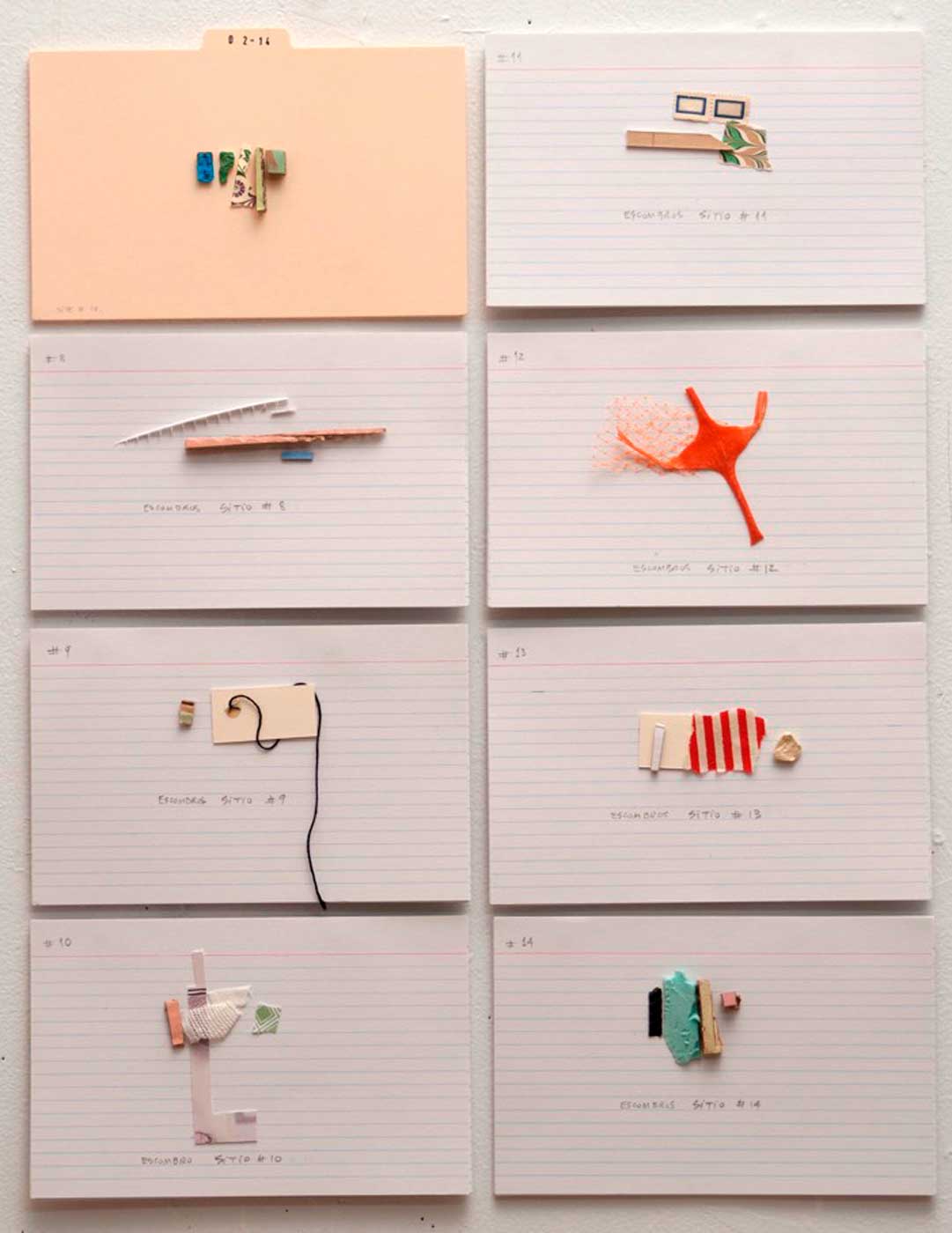
In her more recent work, these concerns are translated into an increasingly distilled architectural language, where destruction and the attempt at reconstruction operate as metaphors for contemporary conflicts—migration, war, and displacement. Through minimal remains, her work seeks to give form to a presence that signals what is no longer there, constructing—amid catastrophe—a poetic gesture of resistance.
In 2026, she participates in the public program Artistas en sus propias palabras at the Museo Nacional de Artes Visuales, a platform for dialogue centered on her work within the museum’s programming.
press
December 21st 2017
UN PUENTE CREATIVO ENTRE EL RIO DE LA PLATA Y ESTADOS UNIDOS, EN VILLA CRESPO.
Diego Gigena
go to article