Elena Tejada Herrera – Natalia Iguiñiz – Natalia Revilla
November 12th, 2024 – February 28th, 2025

INFO
Aquí no sobra nadie presents the work of Peruvian artists Elena Tejada-Herrera, Natalia Iguíniz, and Natalia Revilla. Friends, colleagues, and members of the collective Retablos por la memoria¹ (Lima 2022–2024).
For the first time brought together in an exhibition in Buenos Aires, the work of these artists forms a powerful link between different ways of inhabiting and creating within a complex geography such as present-day Peru.
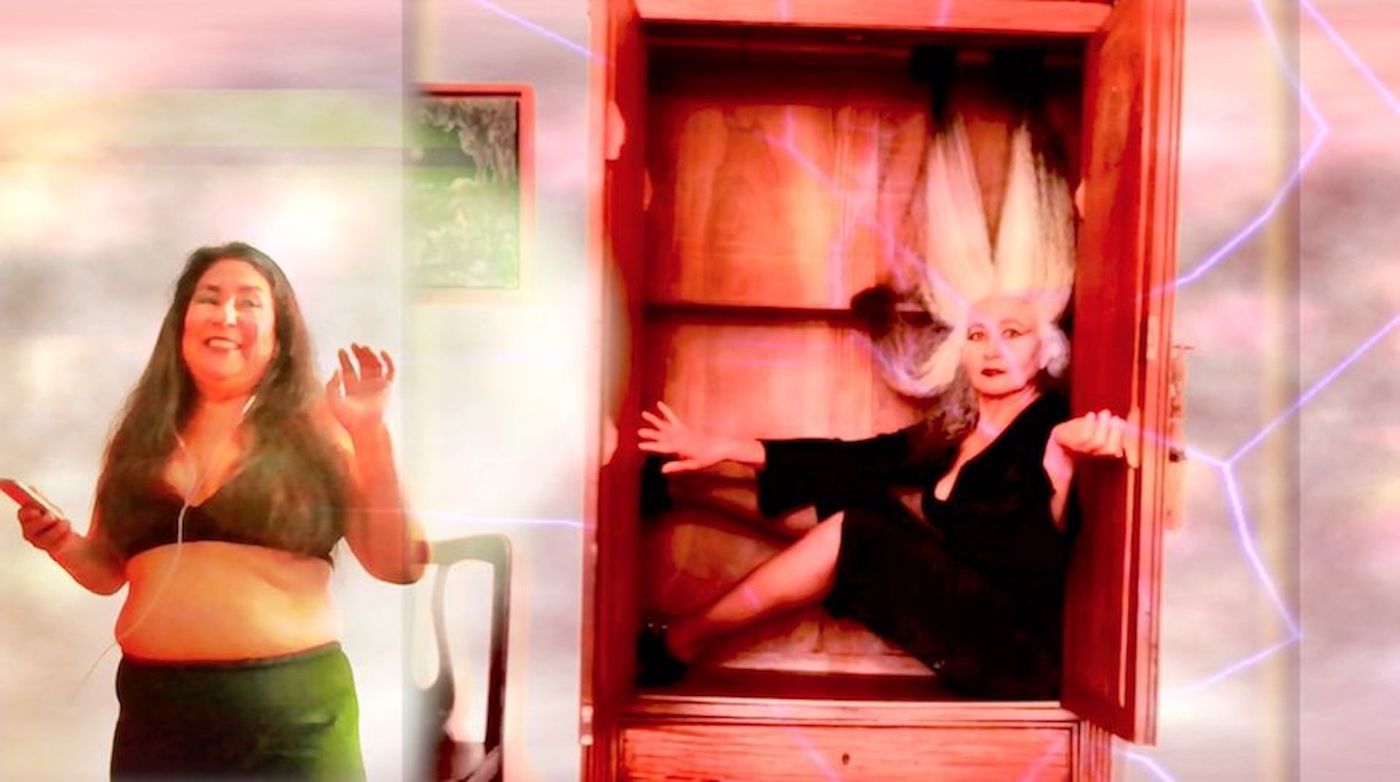
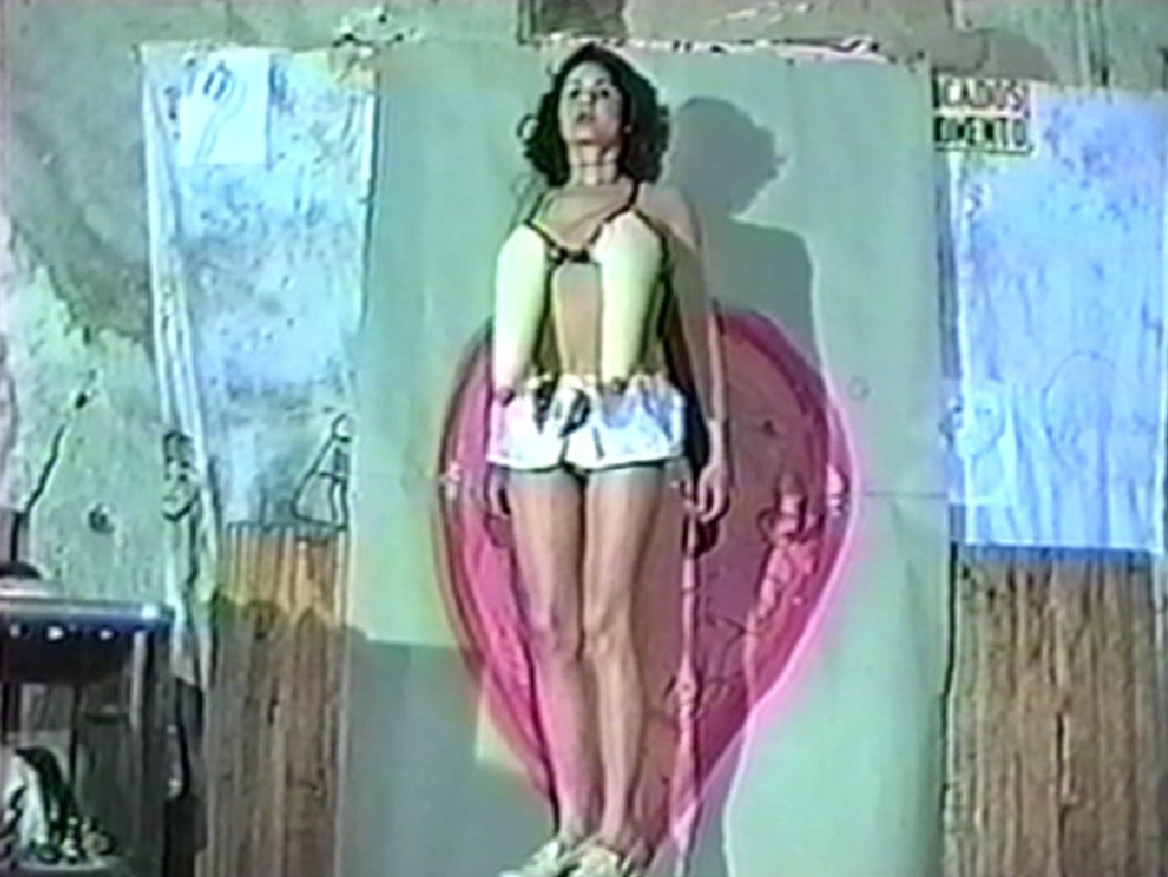
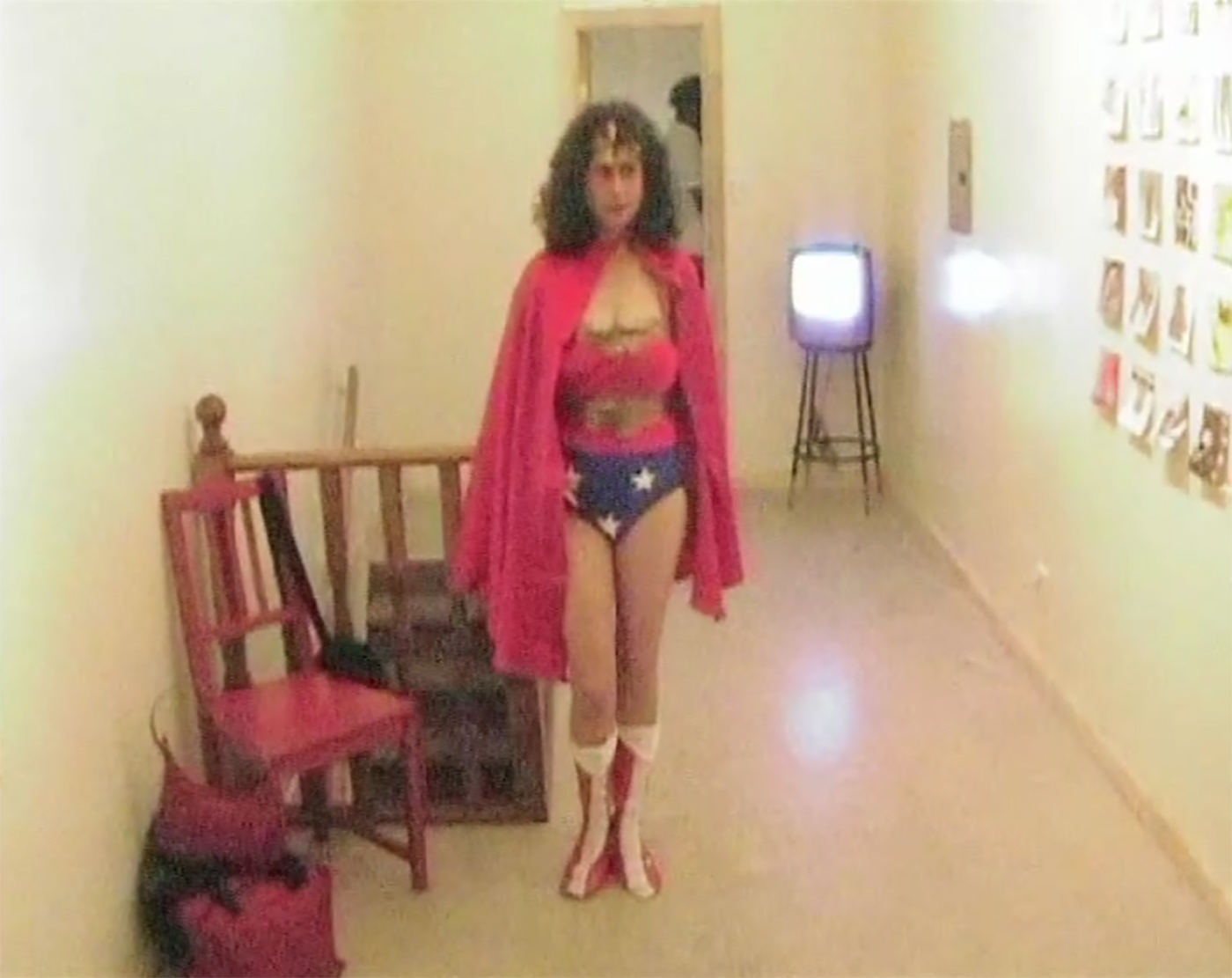
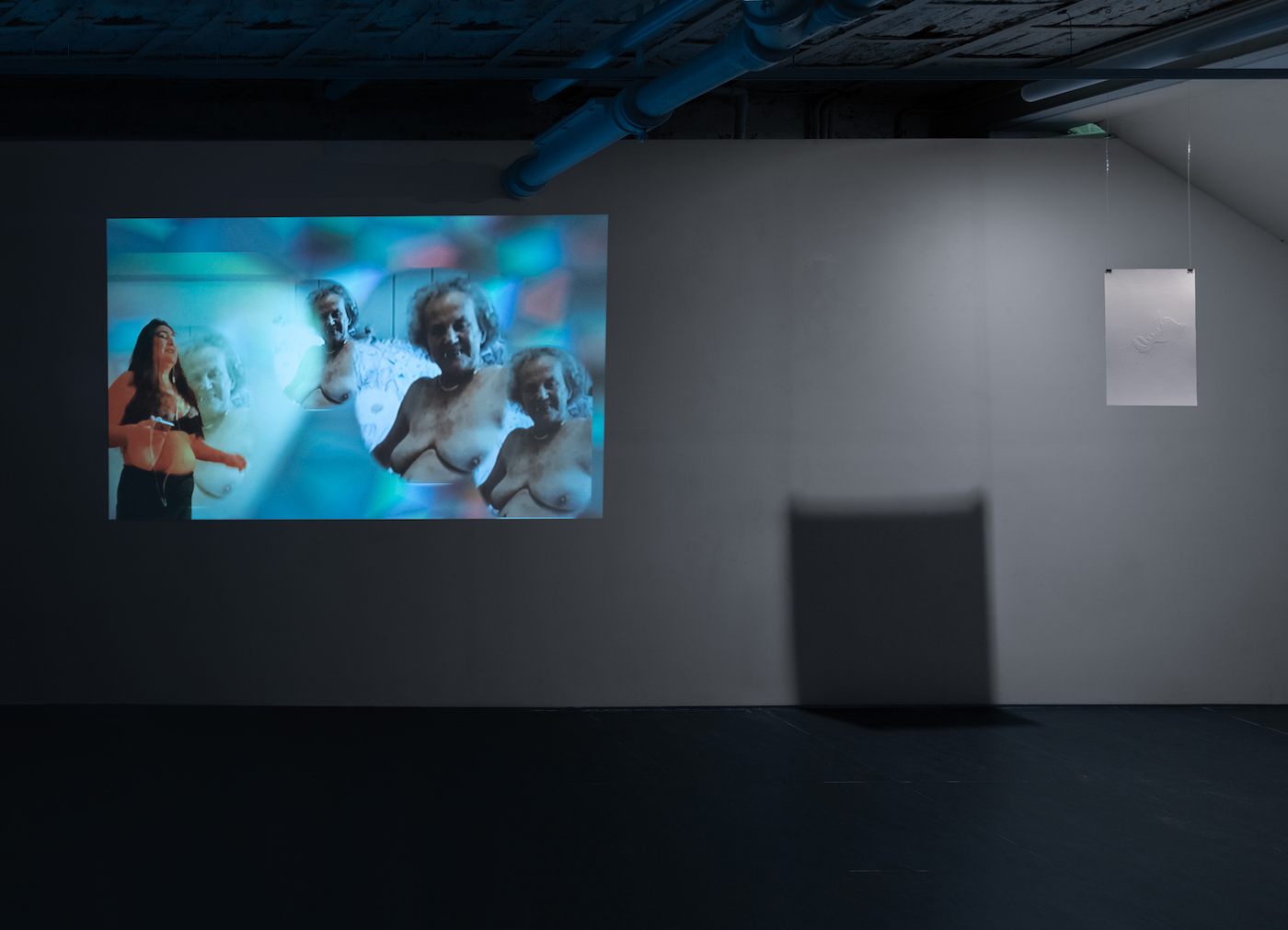
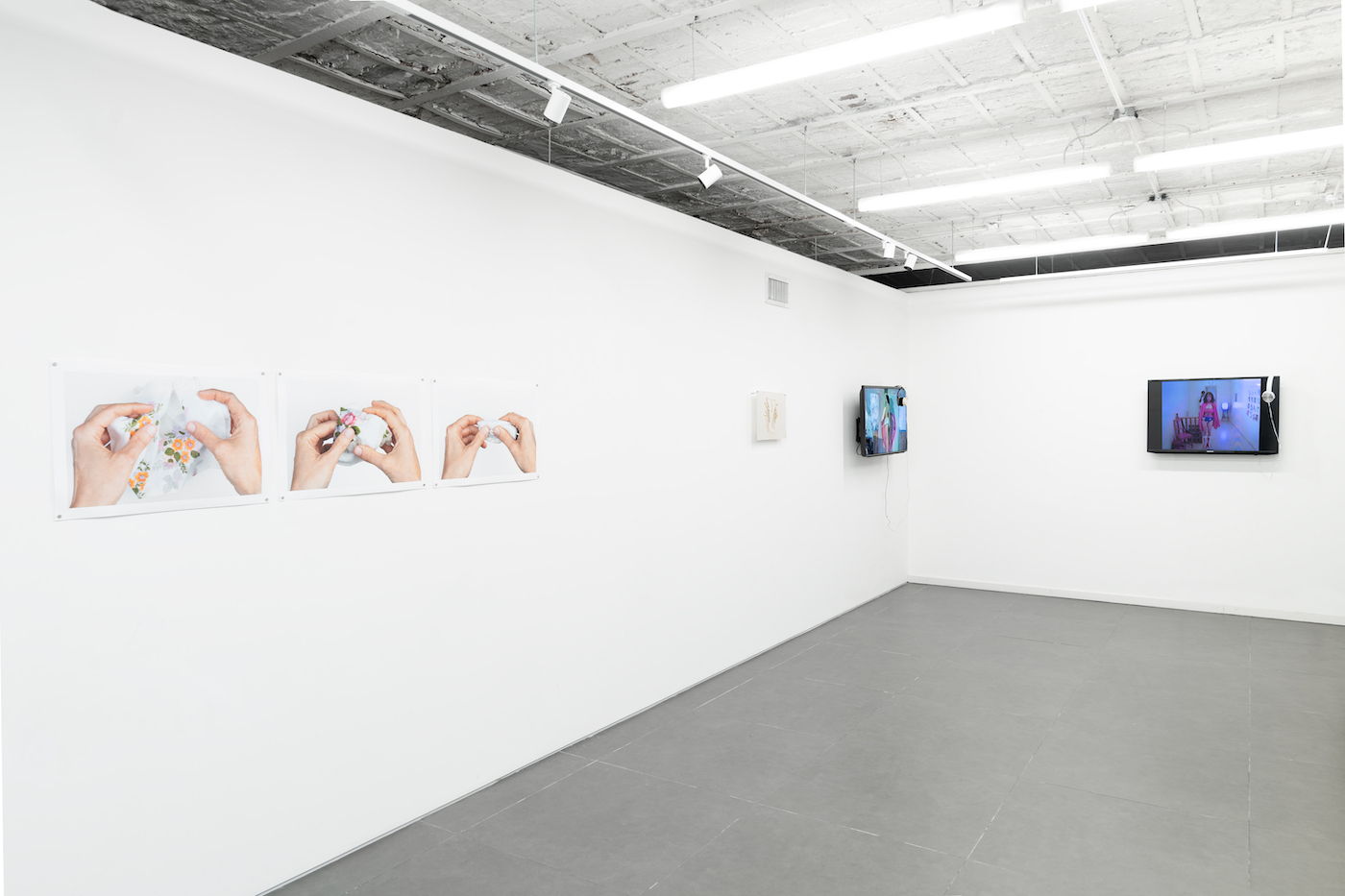
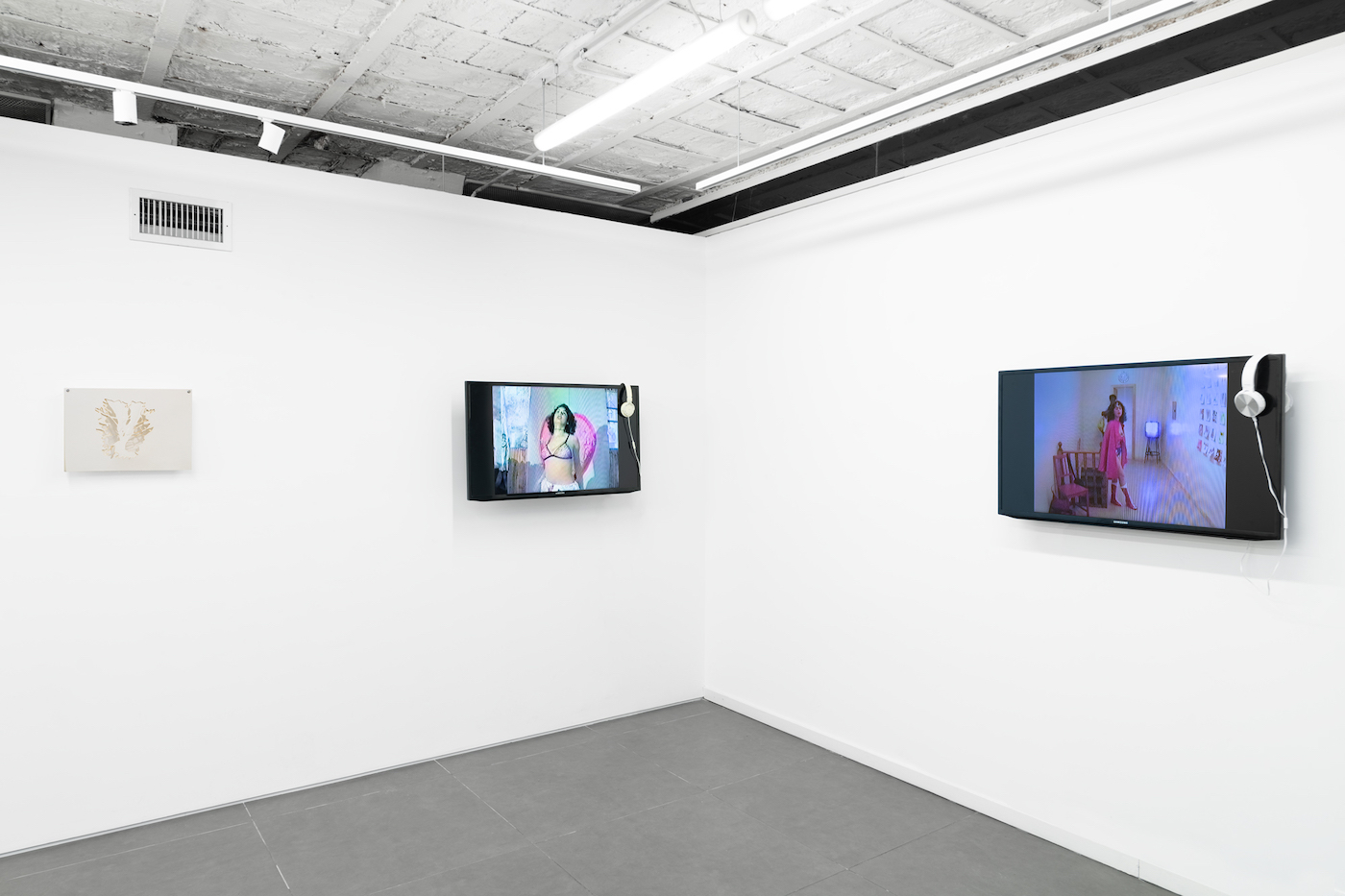
1. Tejada-Herrera presents four videos from very different moments in her production. The first, shown here chronologically, is the now-legendary Bomba y la Bataclana en la Danza del Vientre (1999), a video she made before traveling to study in the United States, where she would reside for several years. In this second stage, the artist created La mujer maravilla eructando (Burping Wonderwoman, 2006) and Territorio de seguridad de la galería (Gallery Land Security, 2007), among dozens of videos that show how her Peruvian diasporic imagination projects spaces of frenzied hyperreality into her life as a migrant. Finally, Vampiras y sirenas (2021), made after her return to Peru in 2019, where the bridges her work begins to cross are aimed at constructing a mutant self-perception capable of transforming itself to survive in a hostile climate—where joy, laughter, self-defense, and magic can still be tools for collective thought.
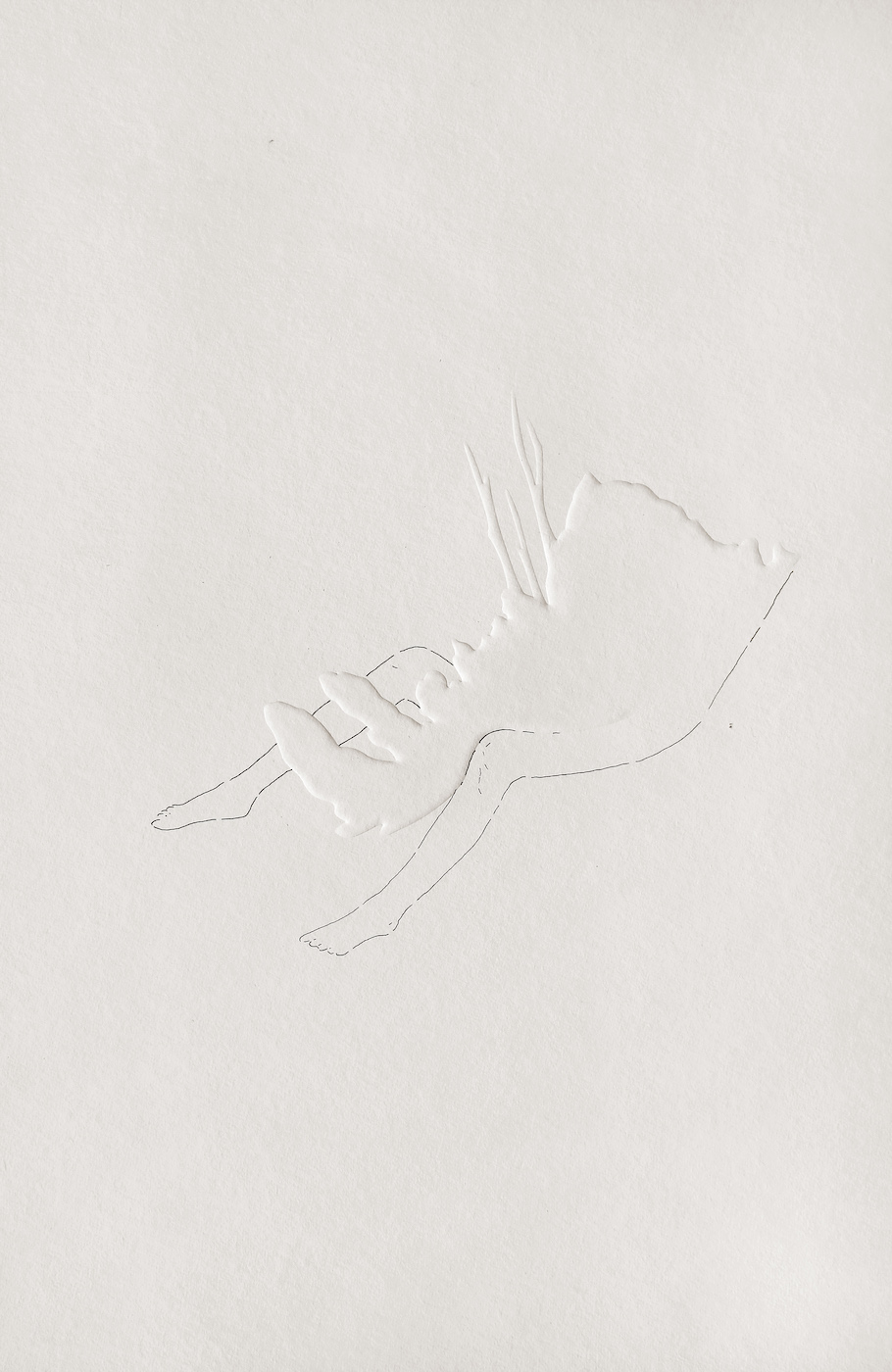
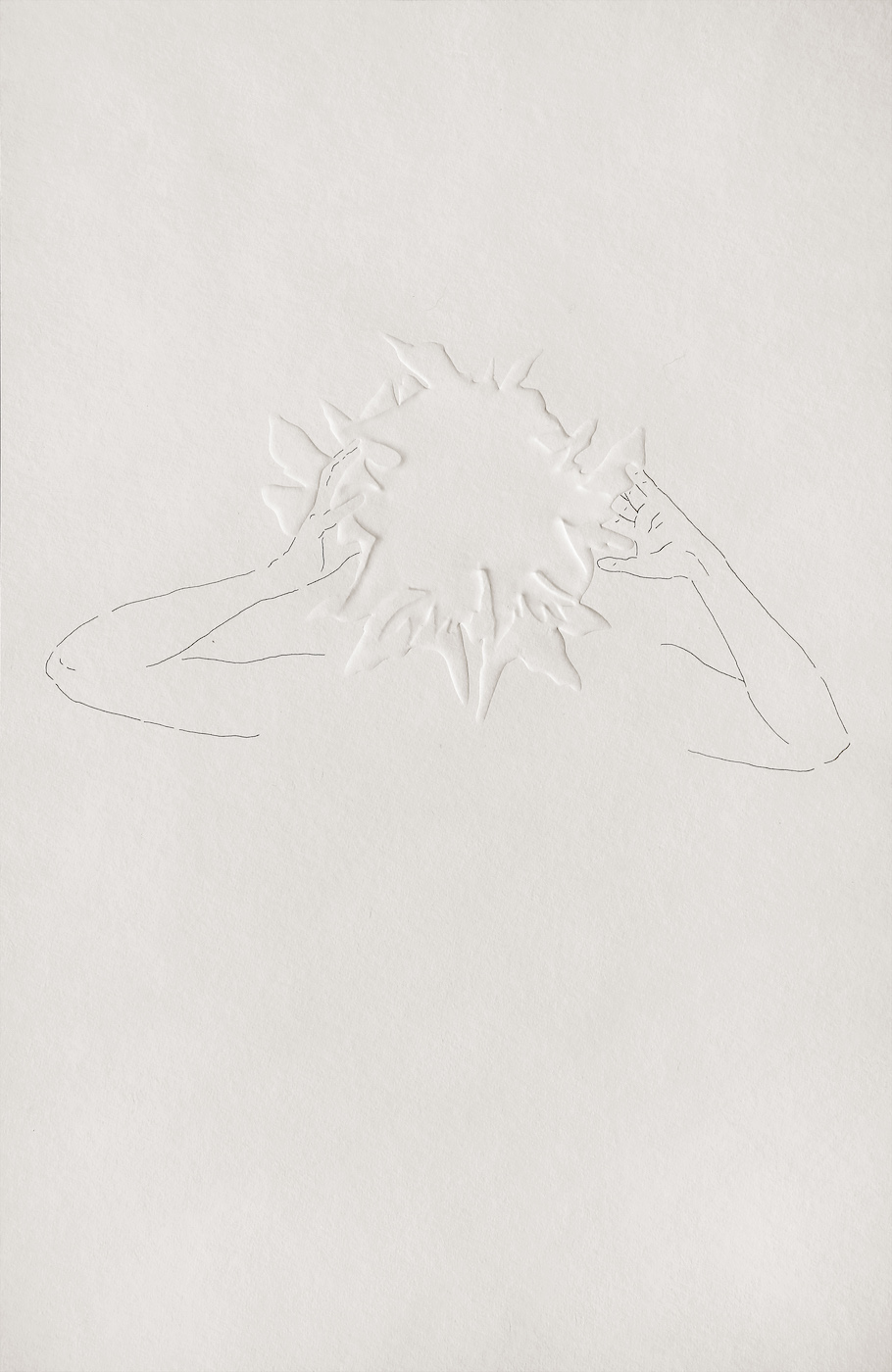
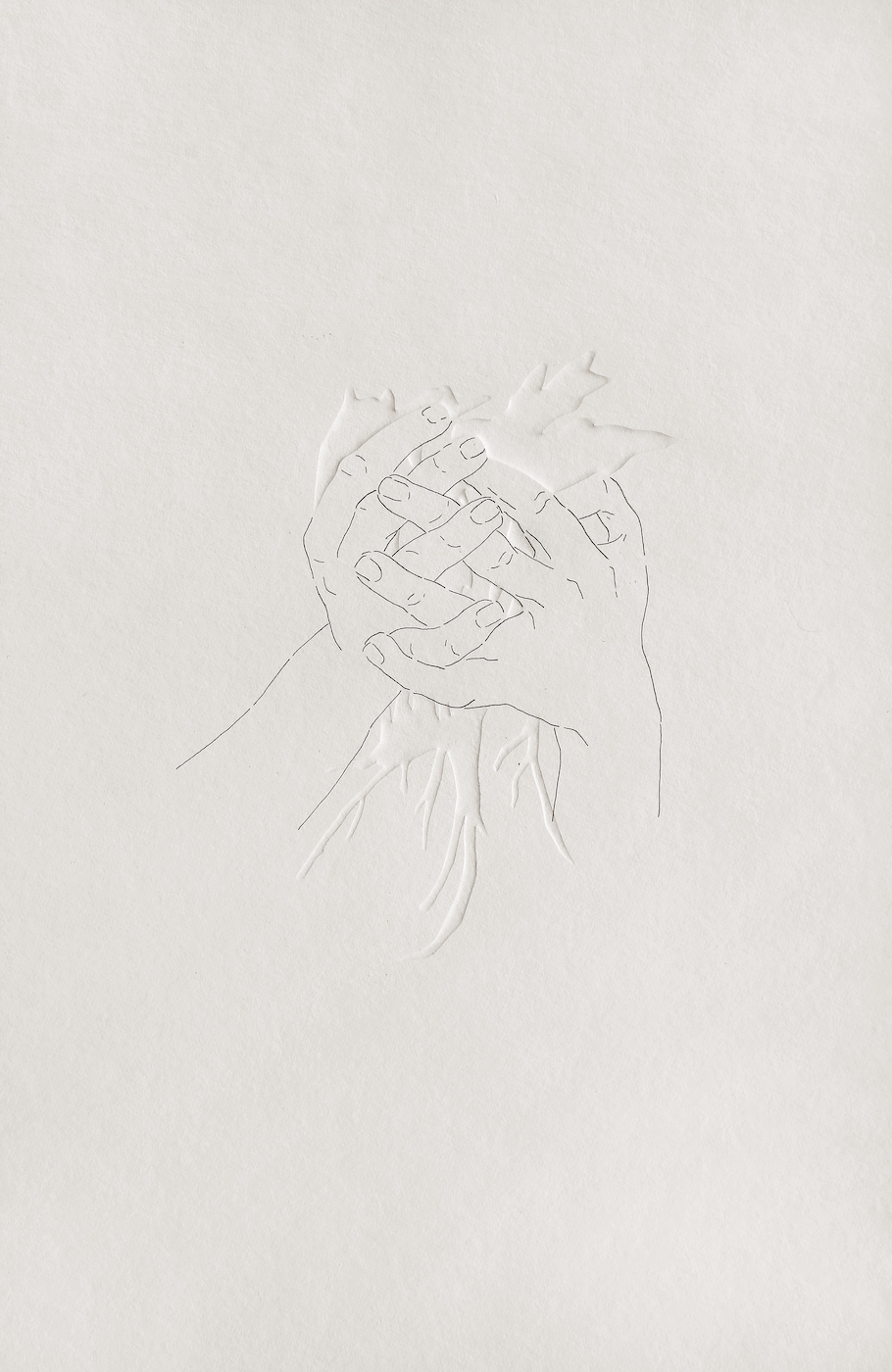
2. Revilla envelops us with her delicate drawings on paper, where tree leaves are also small burning flames, raised hands intertwine with tiny drops of water, or a leg camouflages itself within creeping vines. What is hollow, what is a hole, seems to duel with what protrudes and what wants to emerge from the paper. These fragmented landscapes also subtly point out that it is the indiscriminate felling of trees that makes this work on paper possible. Its support is the message, and at the same time its only condition of possibility. The emphasis on the language of what is seen and what disappears becomes, in Revilla’s work, a way of inviting memory, the archive, and the juxtaposition of human and natural layers to take part in a reality that slips away. Perhaps that is why the title of the series is—rather, a quotation from Edmond Jabès—and a question: What is the void that can fit entirely in the hand? (2024)
3. Iguíniz participates in the exhibition with a photographic triptych titled Permítanme un poquito de tristeza (2018–2019). Iguíniz’s hands appear in close-up, and within them, like a bird’s nest, an embroidered handkerchief folded across three different moments. There, the utilitarian nature of the domestic, of the fragile, of the soft, simultaneously carries mourning—the urgent need to cry until the day is over. Hidden yet latent is the request, the plea, the permission, the supplication before finishing household tasks, before sending the children to school, before preparing food, before continuing as if nothing had happened. Before all that, sadness in its precise and measured dose, so that no one accuses us of being too much.
Aquí no sobra nadie is a heterogeneous exhibition that blends times, media, and seemingly dissimilar themes by artists who dissect reality in a place where everything appears impossible—where a convulsed political scene is sustained by a police force that has long been shooting to kill. There, where it seems more unlikely than anywhere else, if one looks closely enough for long enough, one may begin to glimpse that these three artists are indispensable under these skies.