

bio
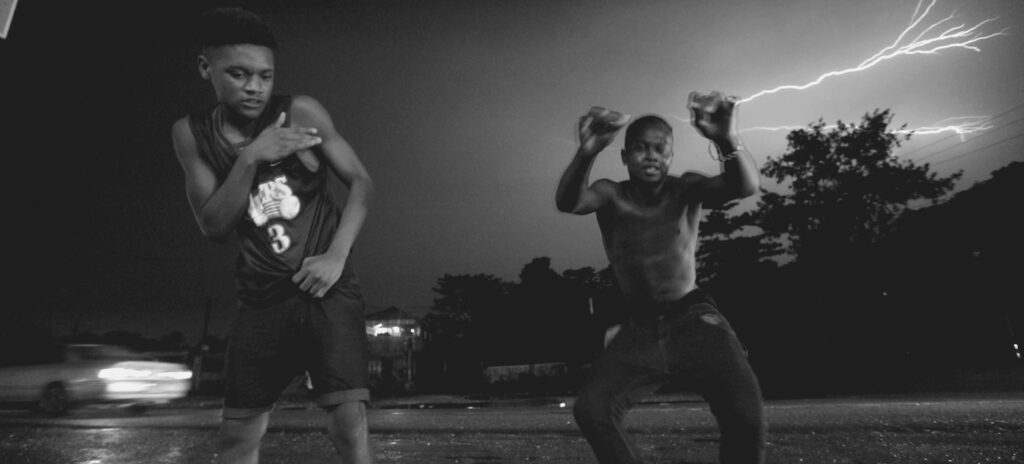
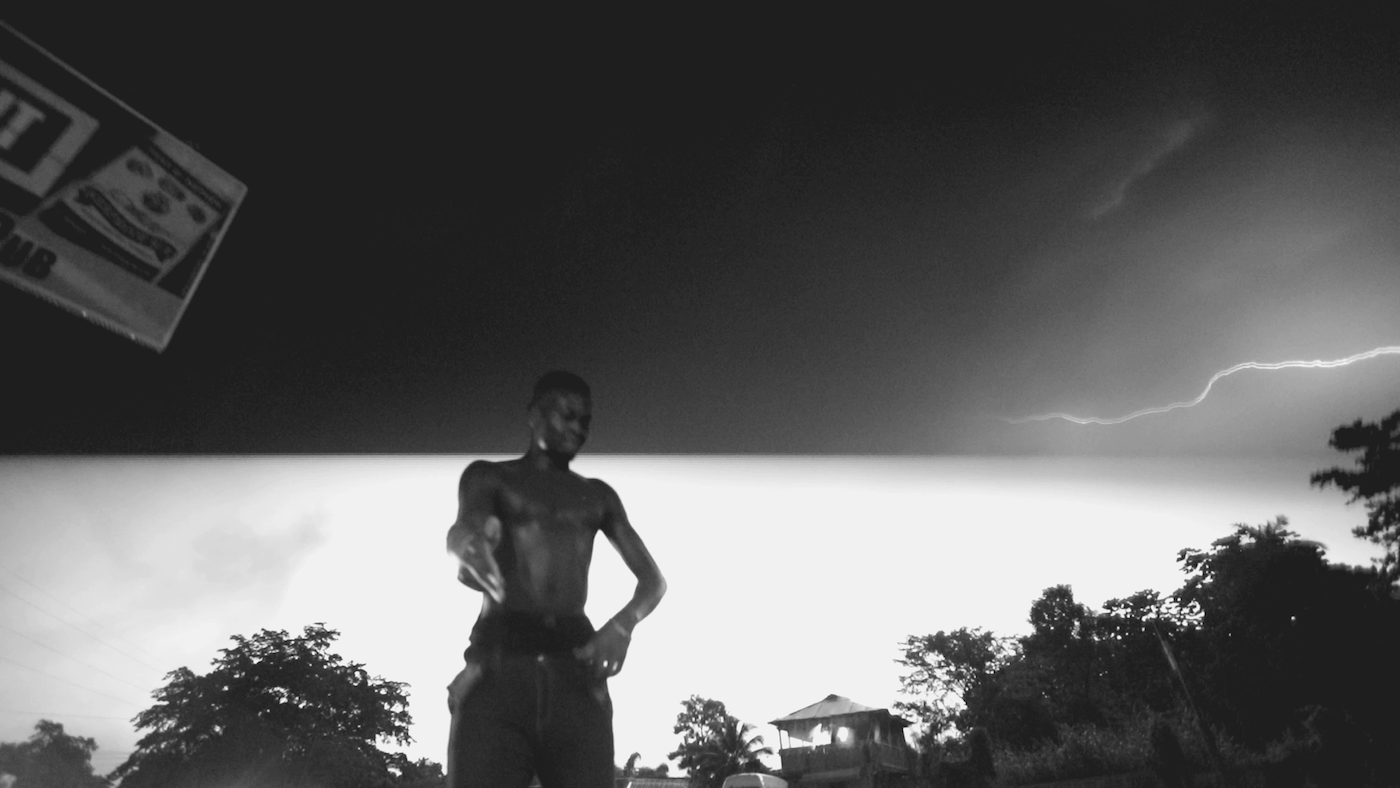
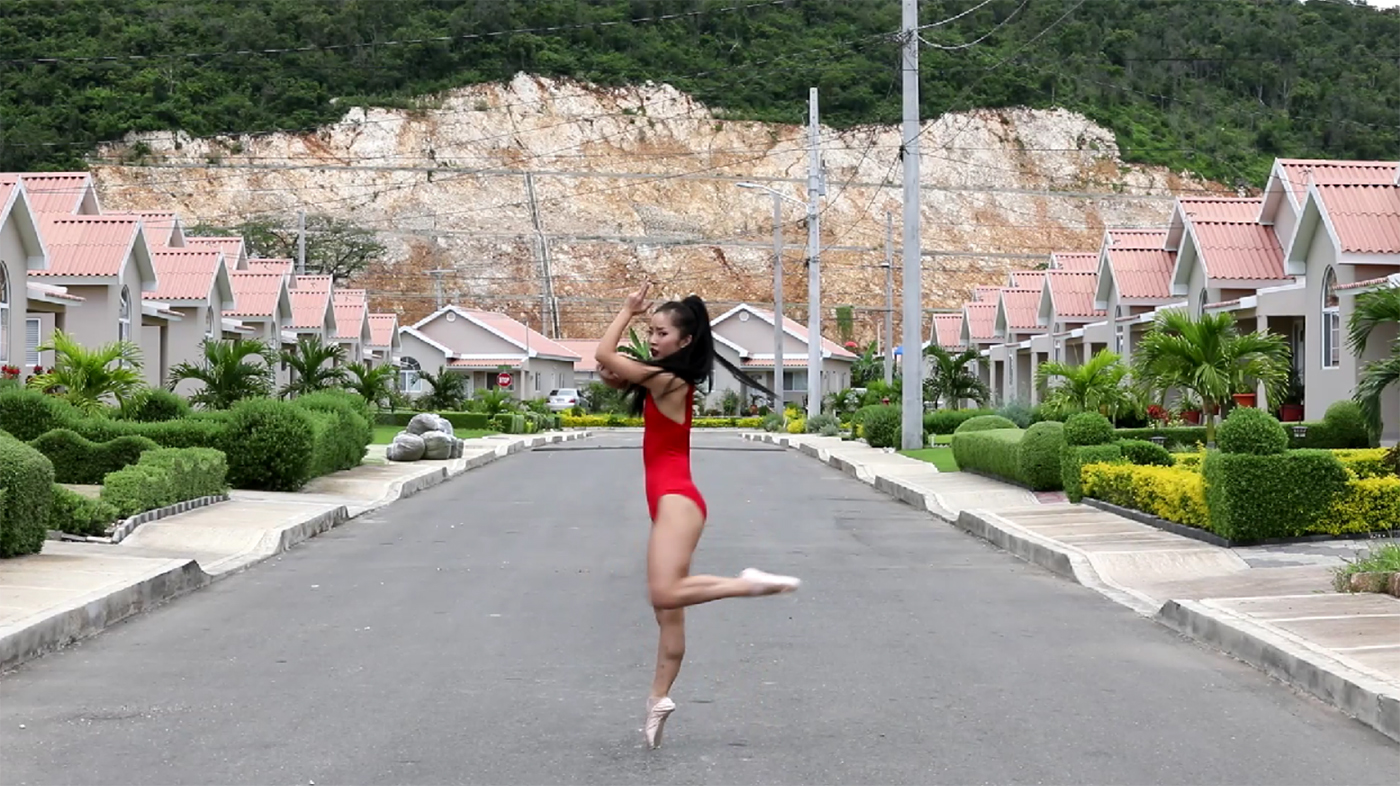
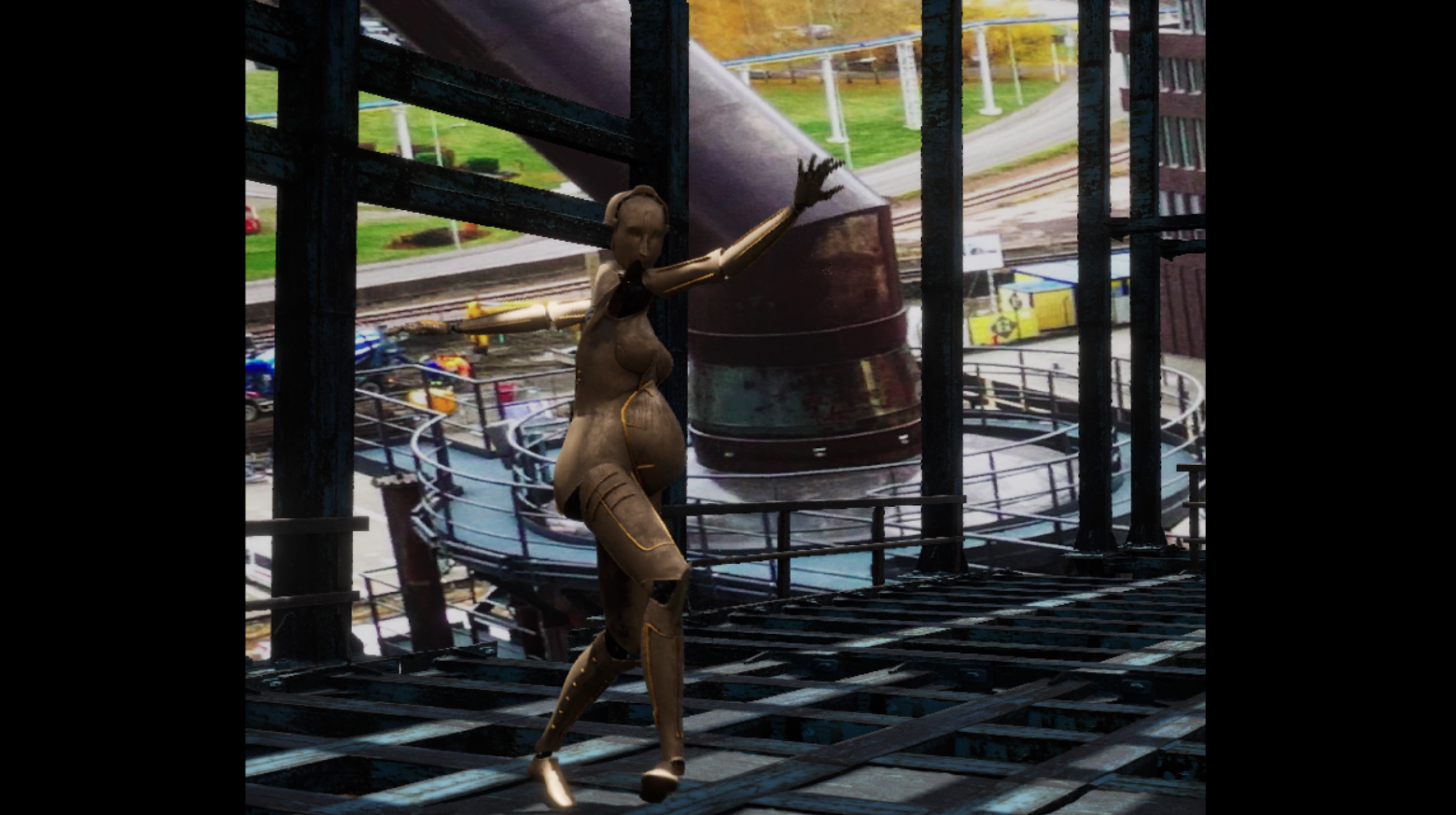
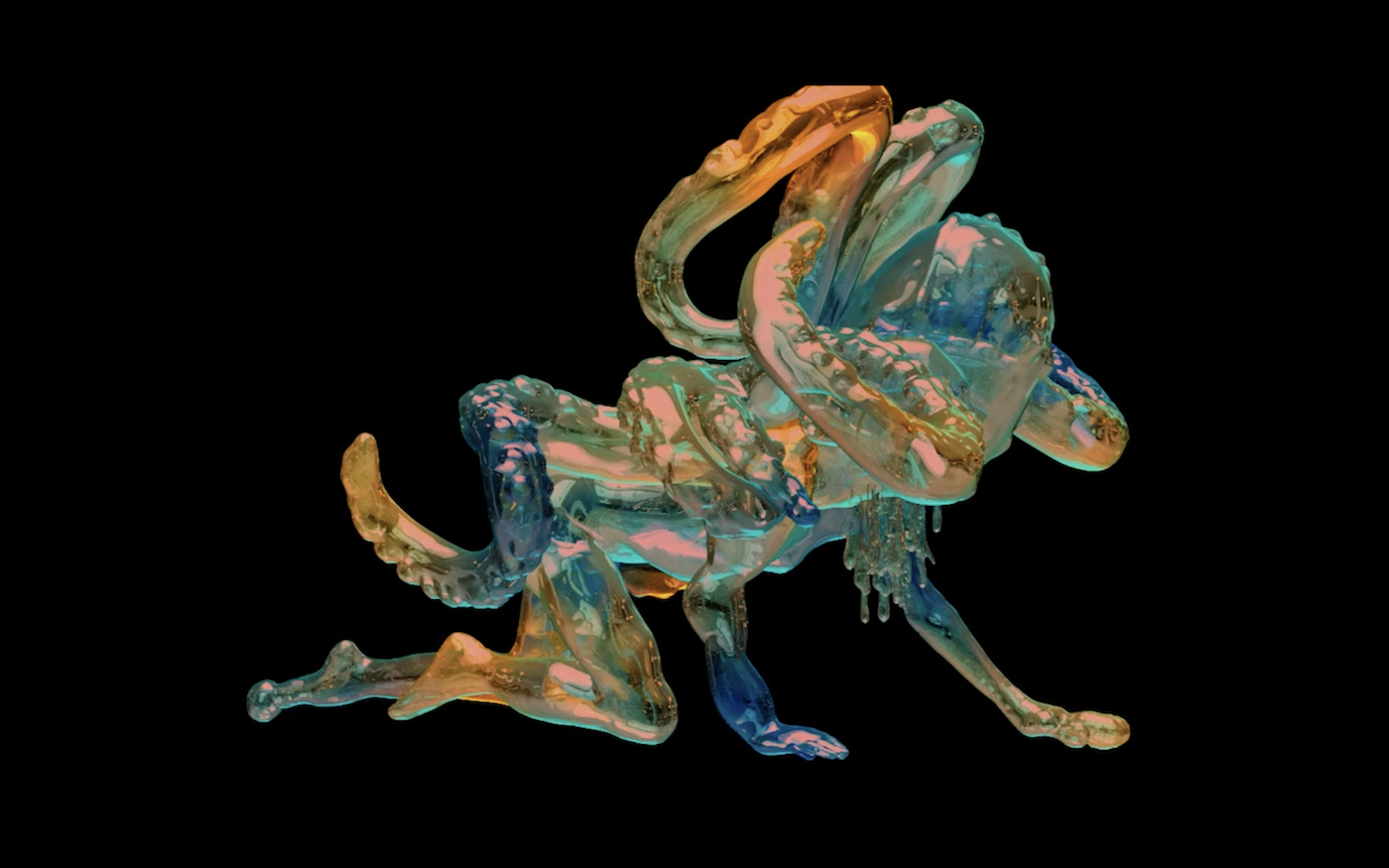
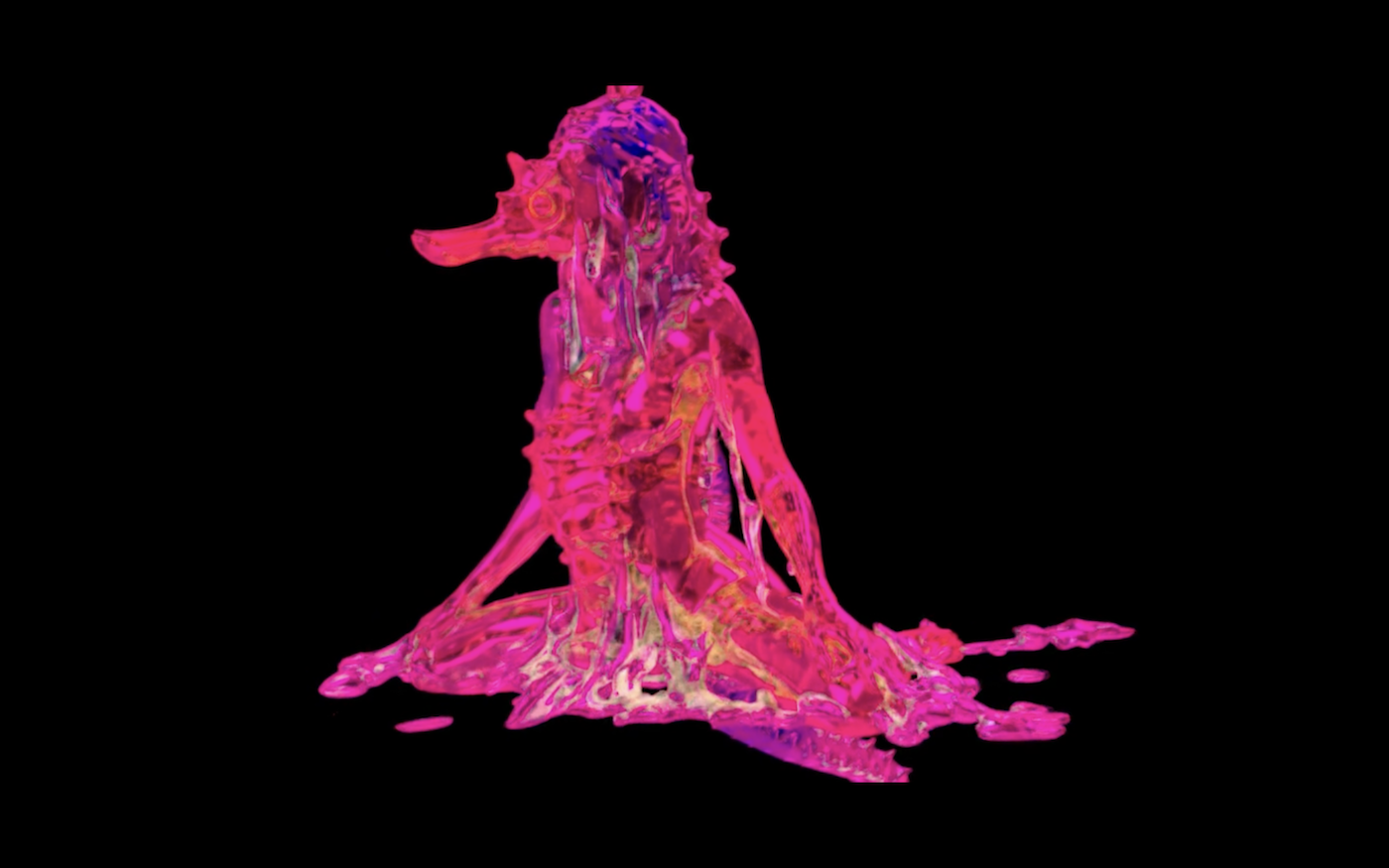
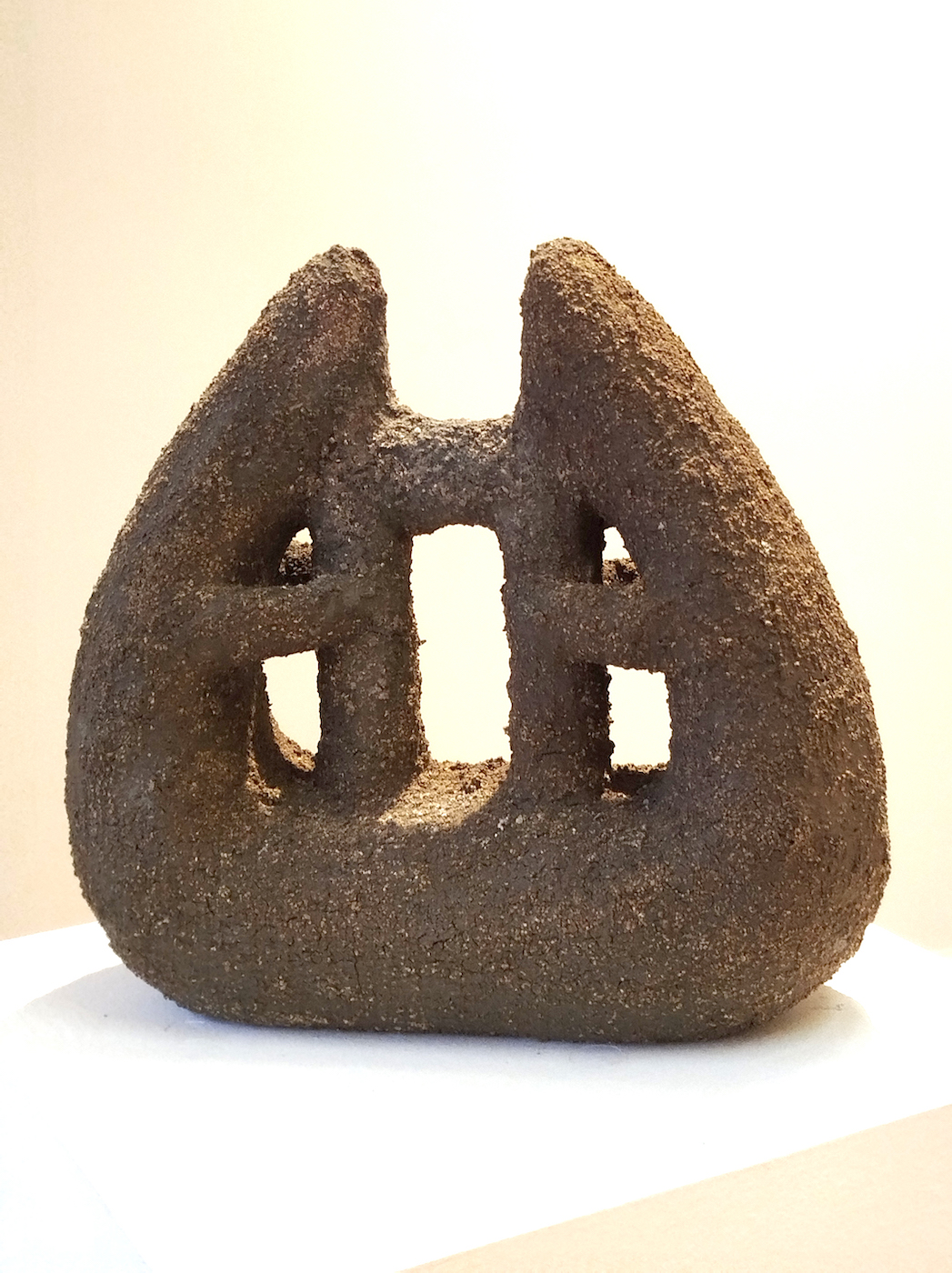
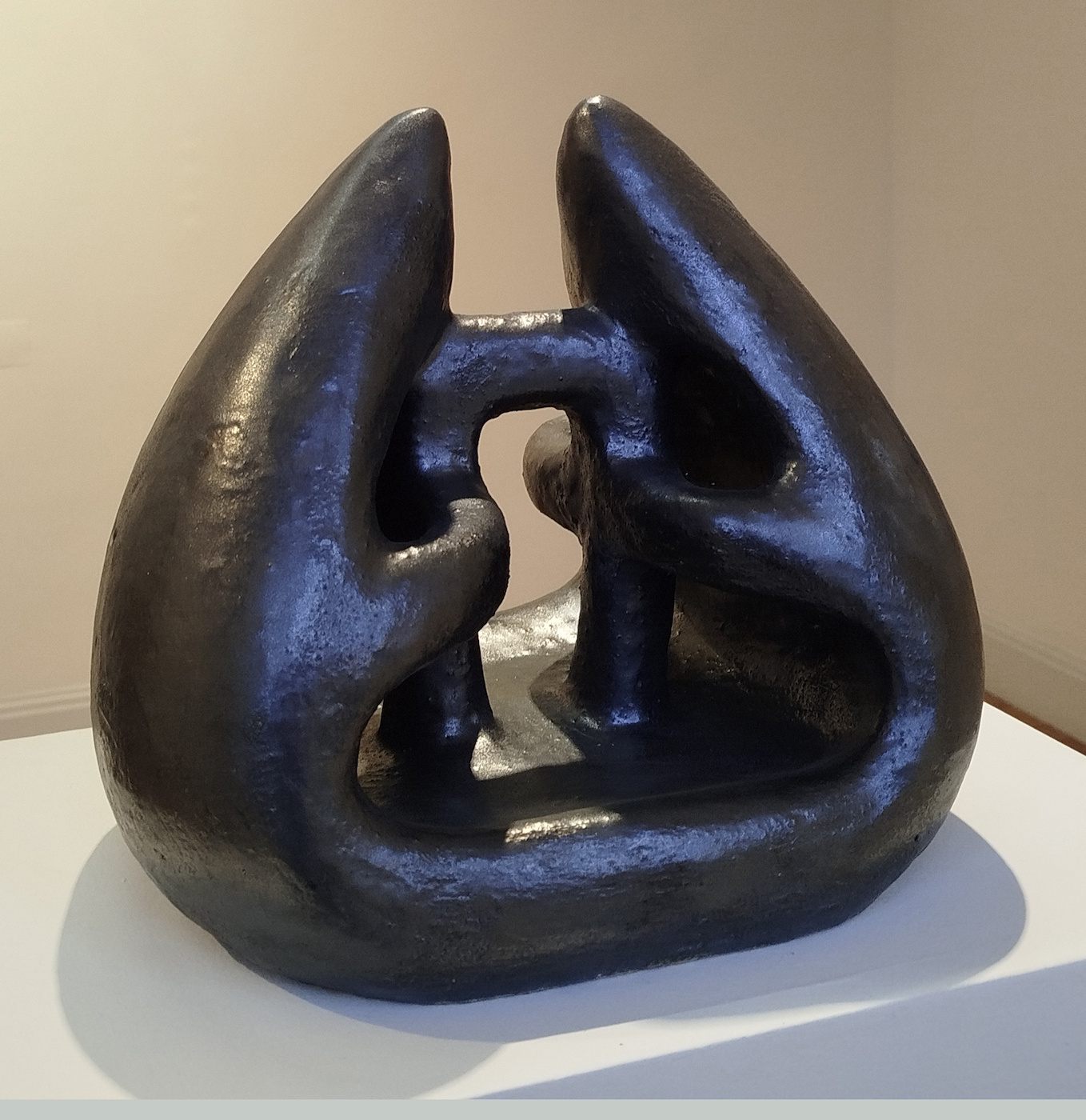
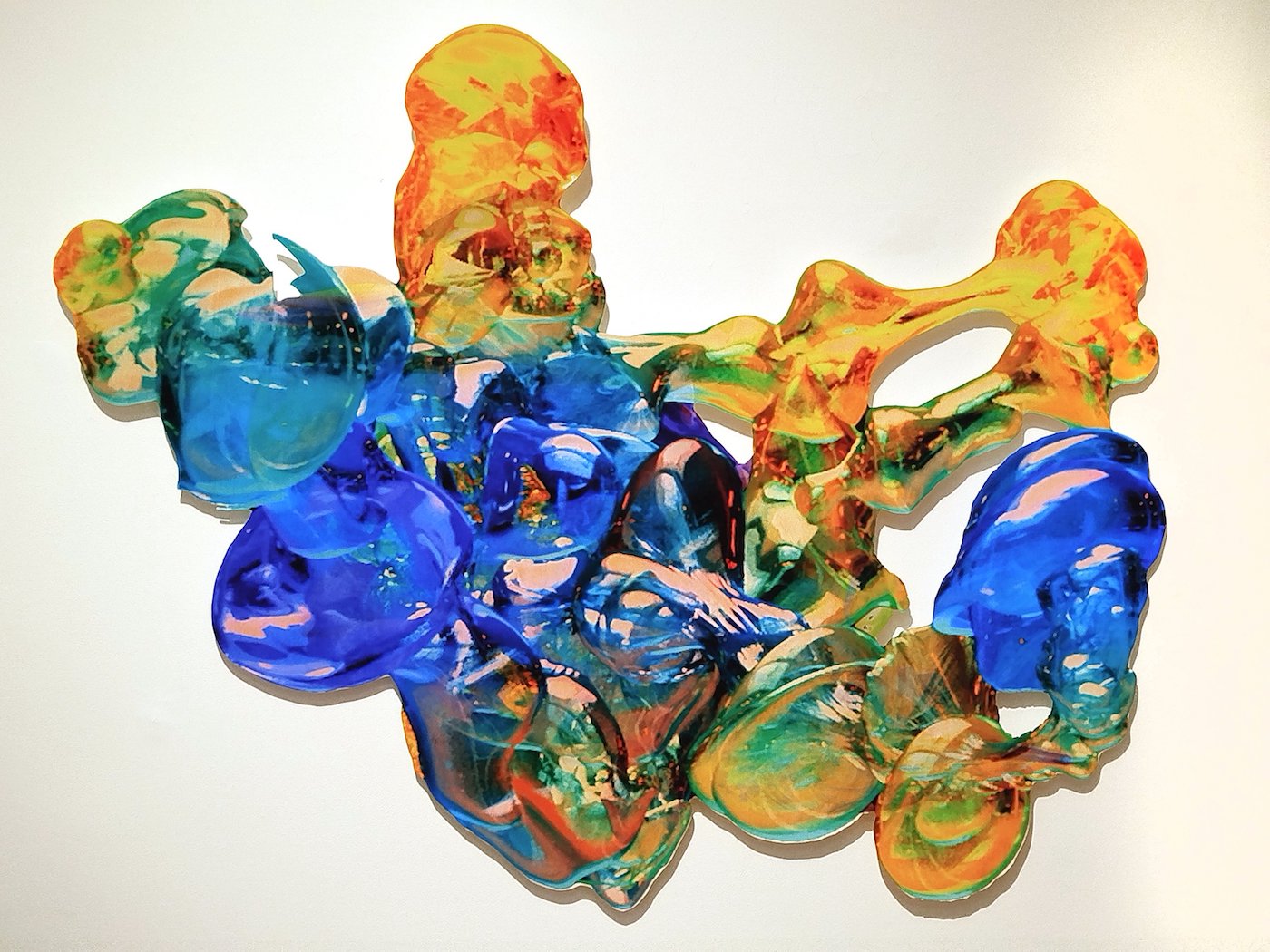
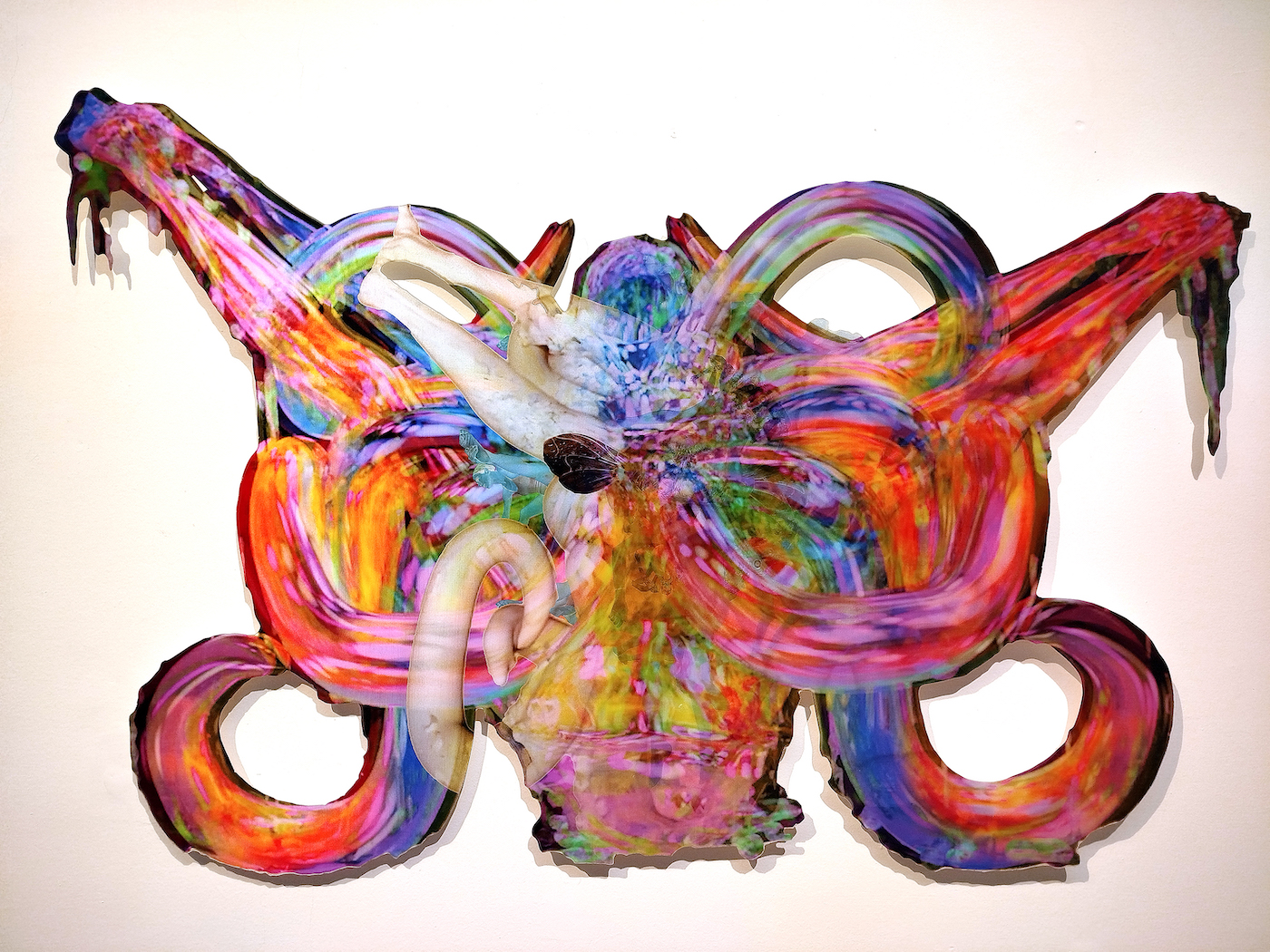
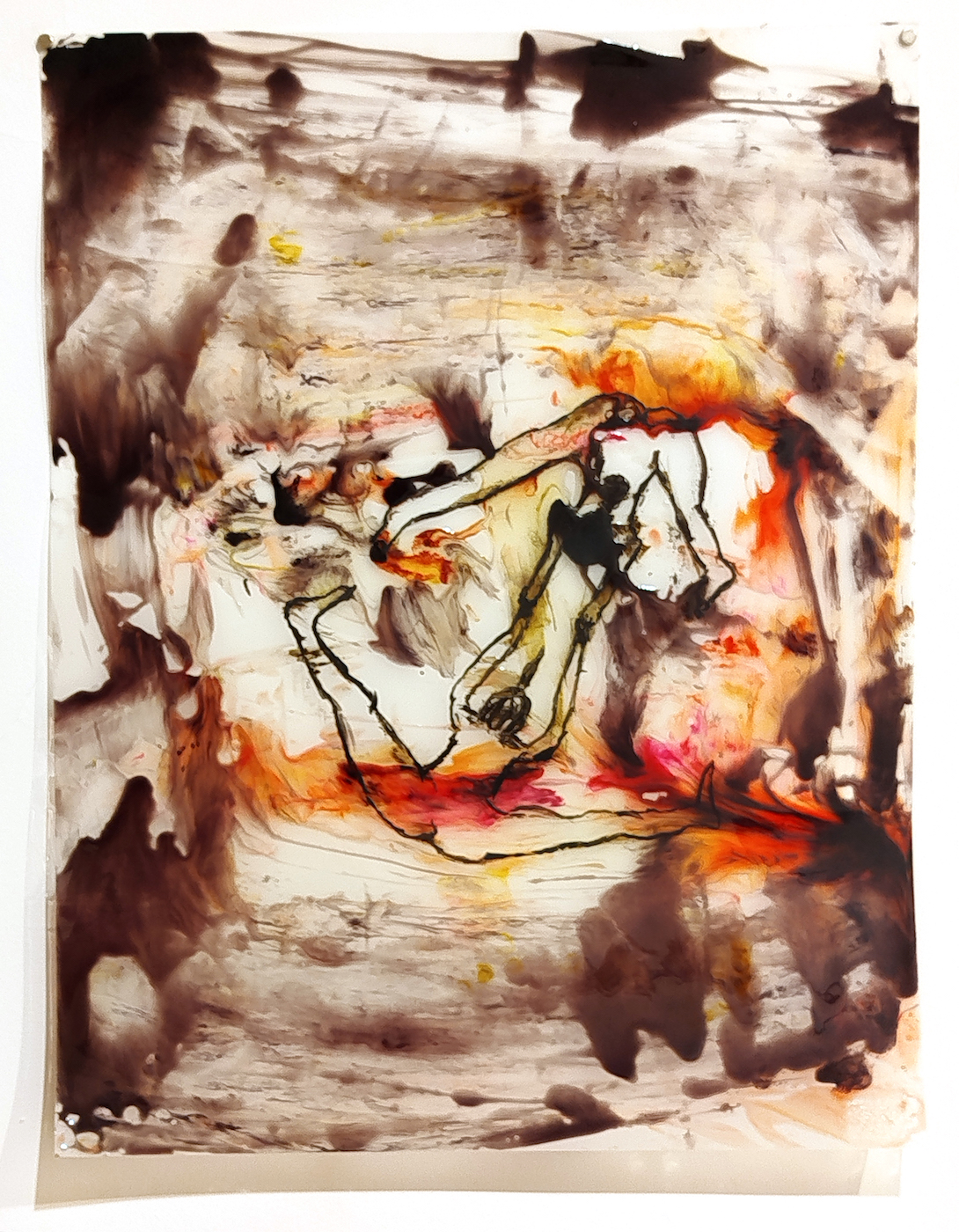
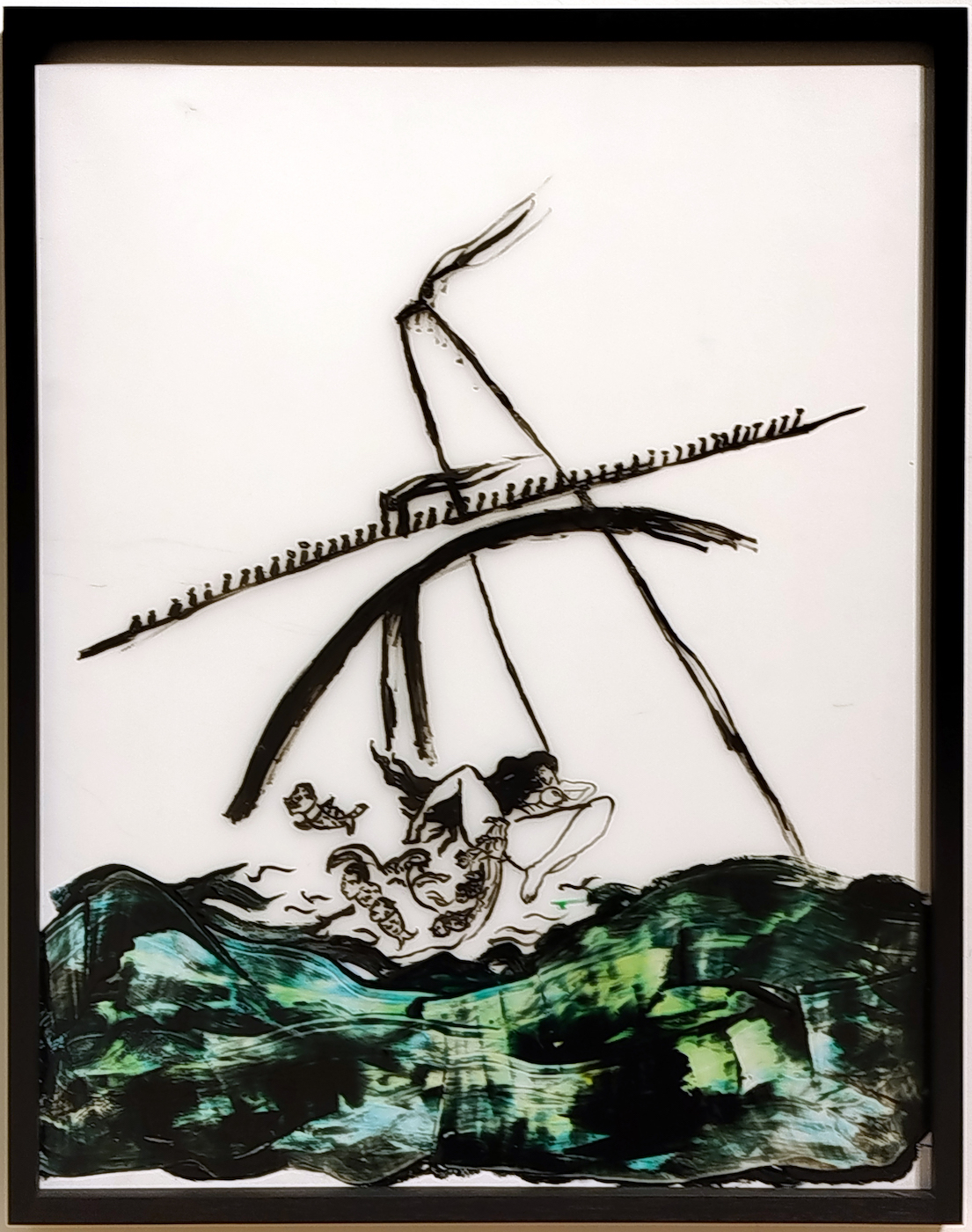
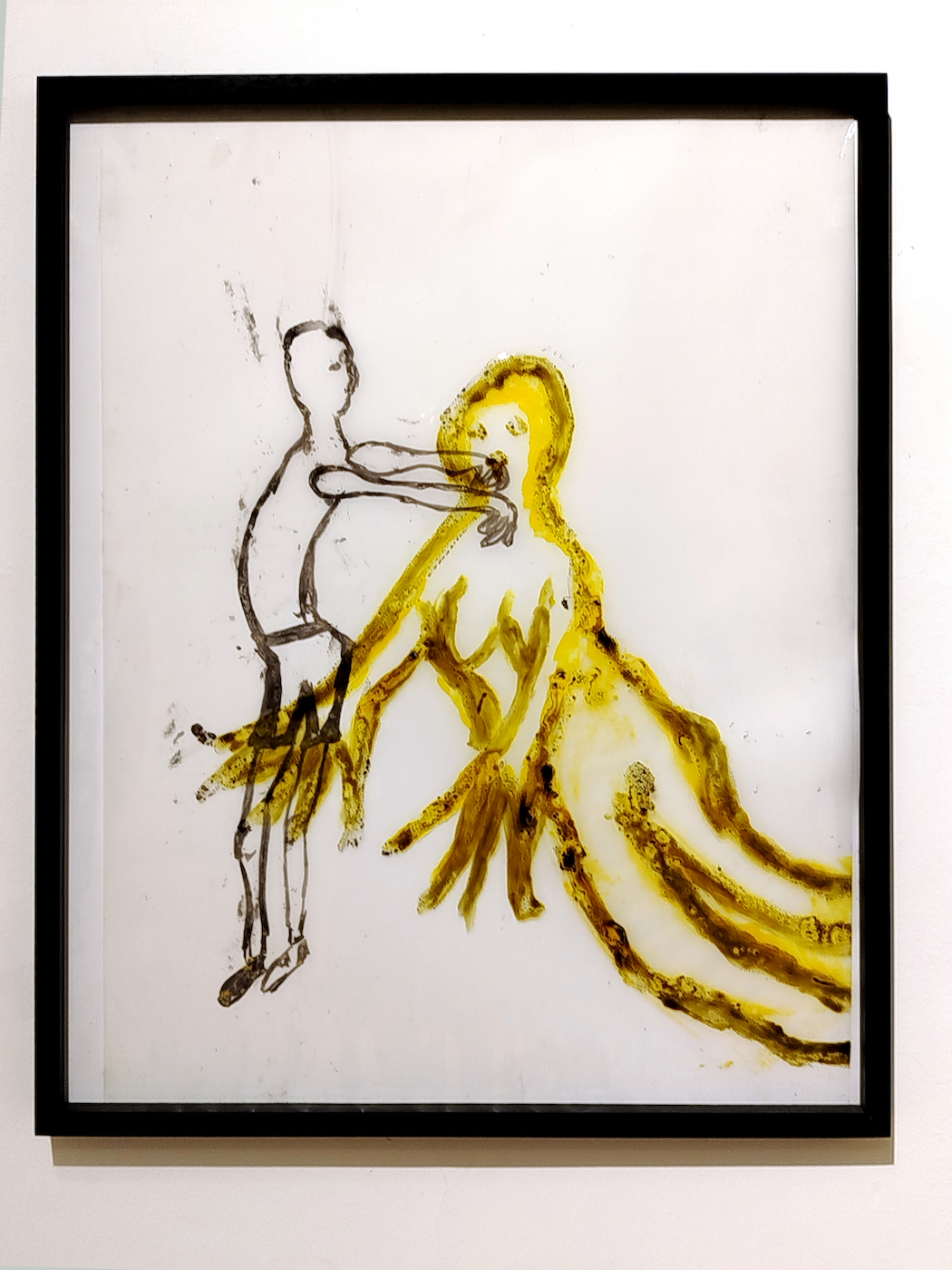
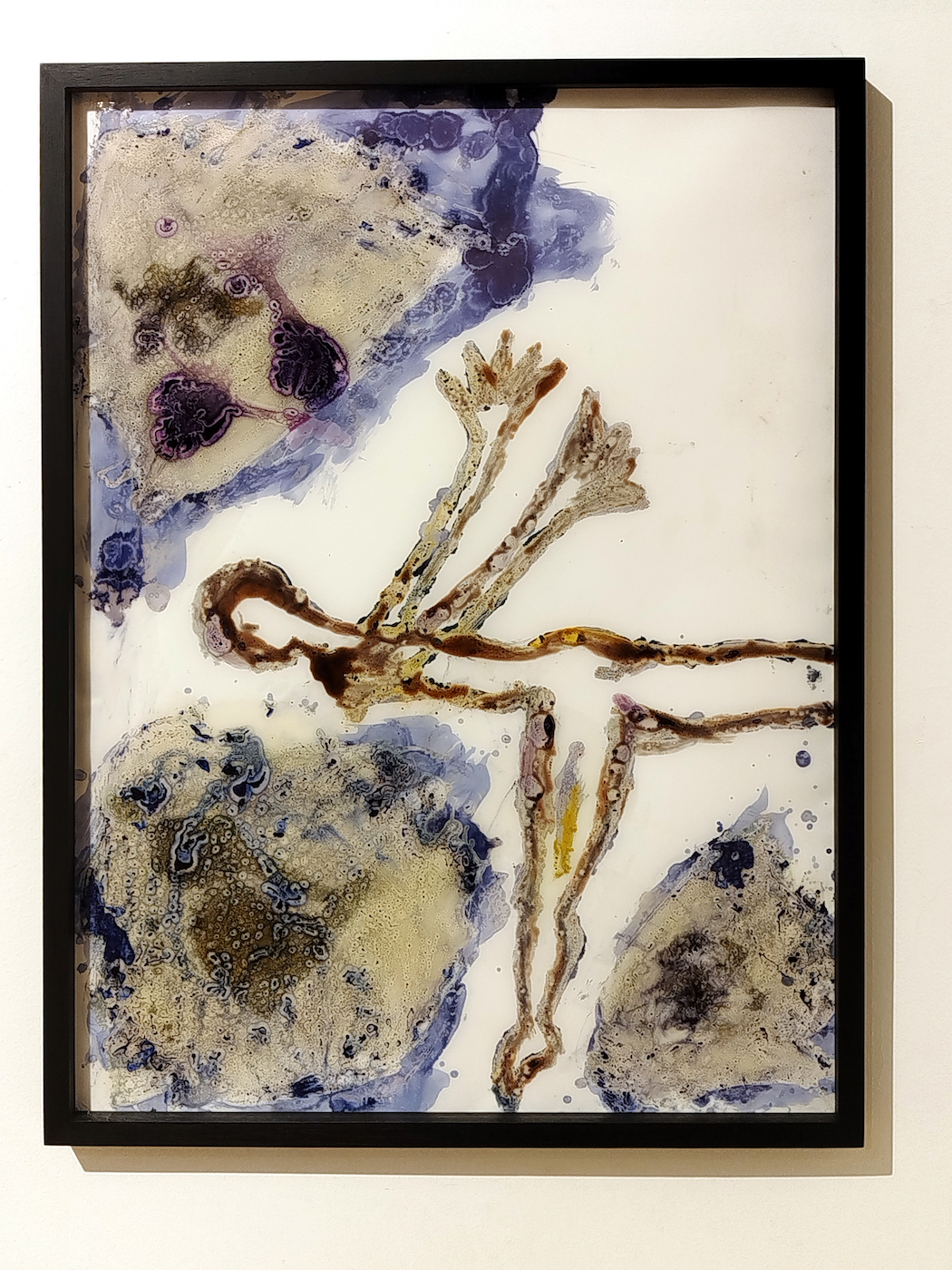
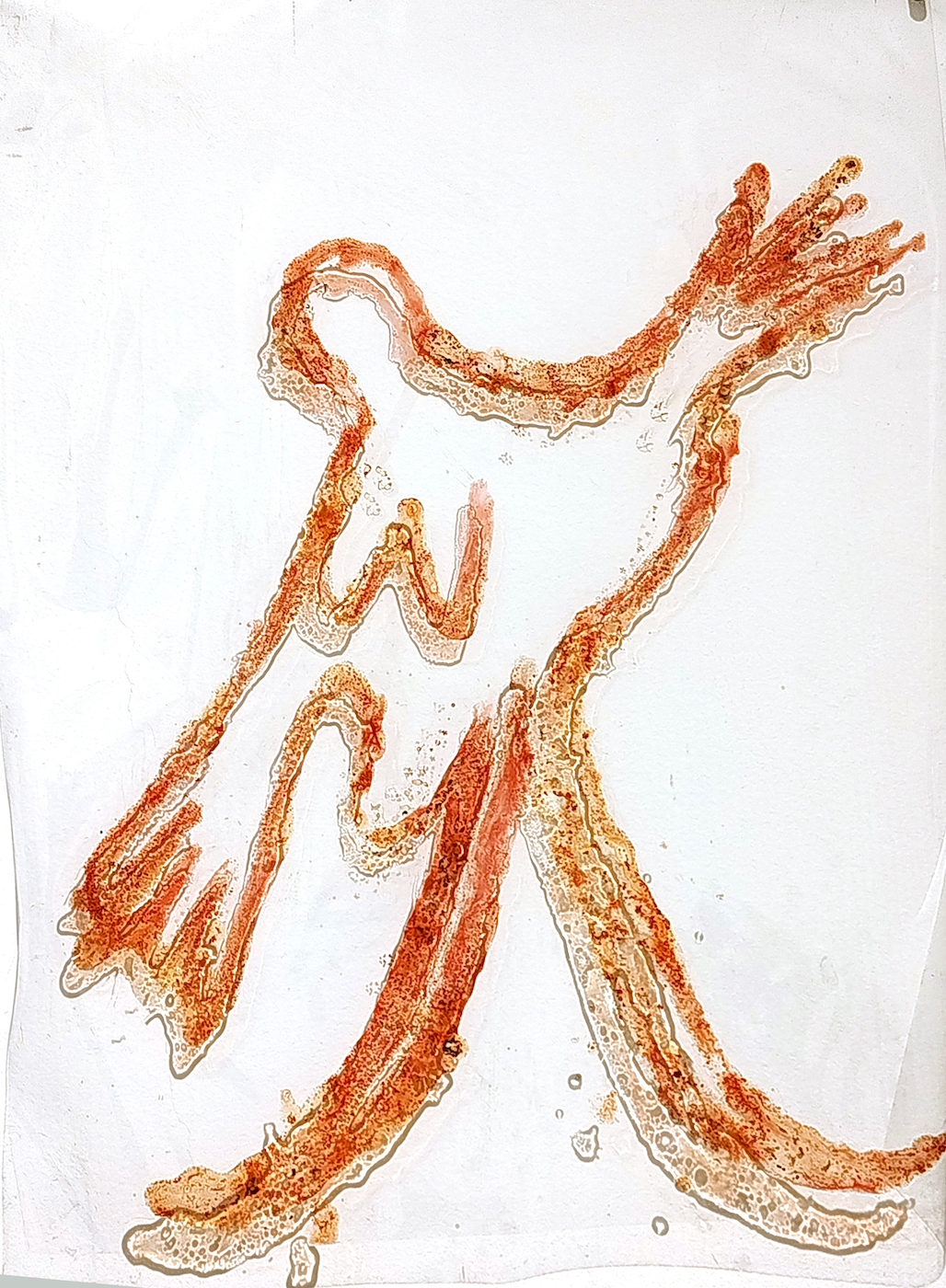
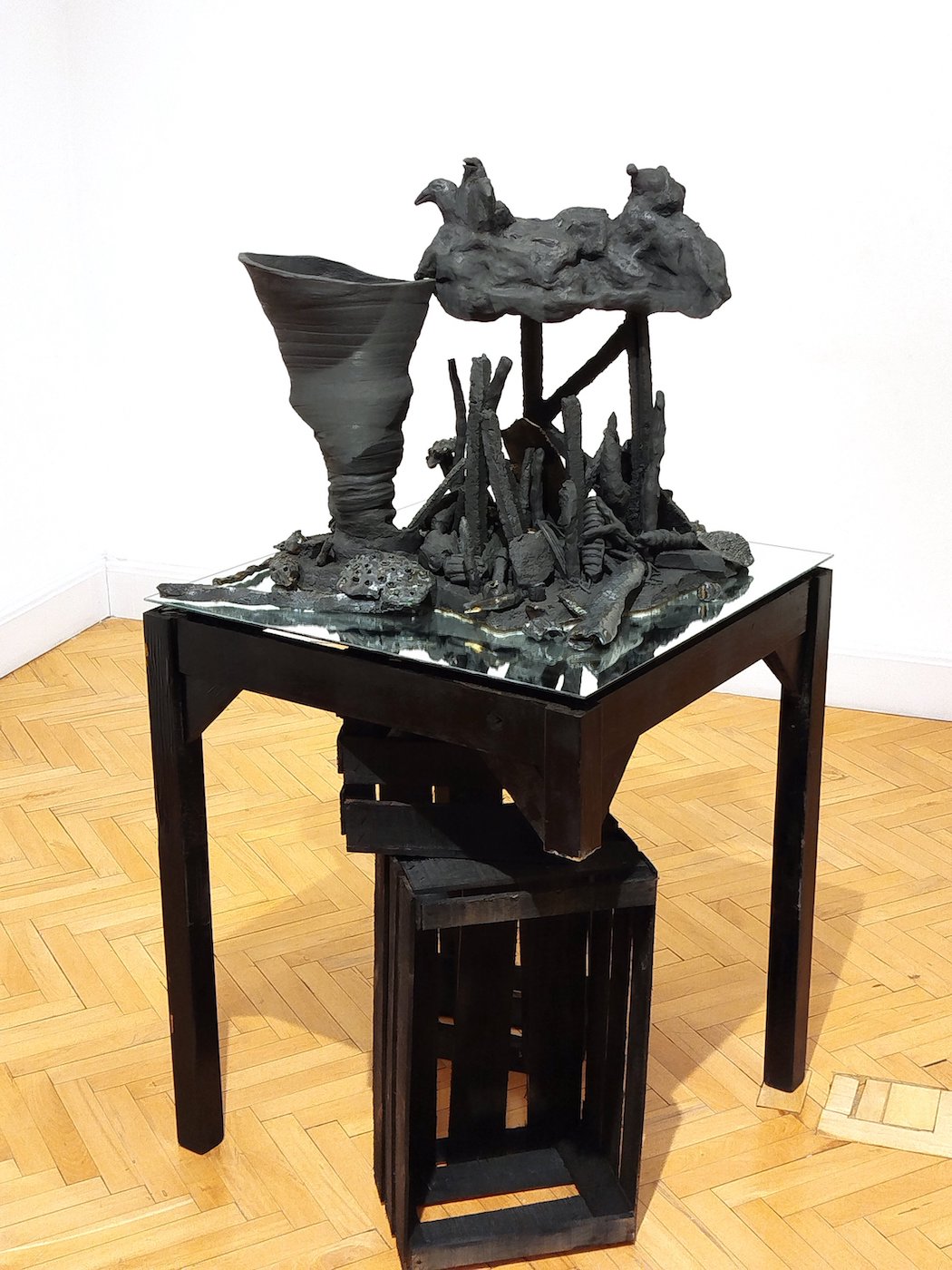
Cecilia Bengolea (1979) is an Argentine experimental artist, dancer, and choreographer based in Paris. In her first solo exhibition in Buenos Aires, she presents videos produced from 2014 to the present—two of them created in collaboration with Craig Black Eagle, a dancer from the Jamaican Dancehall scene—as well as drawings, ceramic sculptures, and lenticular collages.
Bengolea is interested in art in motion, such as choreography and video. She draws inspiration from ritual dances and movement traditions from peripheral geographies. Her work reflects on the fluid energetic exchanges between body and environment. She uses dance as a tool and medium for radical empathy and emotional exchange. Infused with symbolic energies found in nature and in interpersonal relationships, her works are structured around ideas of the body—both individual and collective. Bengolea understands movement as animated sculpture, where she herself is both object and subject in her work; in her practice, dance and sculpture form a continuum. The Spanish curator Chus Martínez has written:
“Cecilia Bengolea creates a dancing body that almost seems like a machine programmed to reveal to us the softness of a universe that wants to speak to us through a dynamic flow of forces… a body that activates the senses to discover an unprecedented resemblance among all beasts. In her dance, the artist becomes a monstrous and marvelous hybrid capable of connecting with everything around her, with herself and with us… an energy that can take any form…”
Have you ever thought about how performance helps us reflect on identity? Identity has nothing to do with realism. Our bodies are not meant to provide an unmistakable or immutable form of who we are. The body in motion—the deep exploration of the energies that allow the body to remain in dance—is an affirmation of its non-objectivity. As we move, we discover that power does not reside in any representation or realistic identification. Power lies in how energy reveals the miraculous being. “Miraculous” is used here not in a religious sense, but to mean the unexpected. The miraculous names the discovery of a joyful bond between species, among the millions of possibilities for inventing a body, a way of being in the world, a fruitful relationship with diversity.

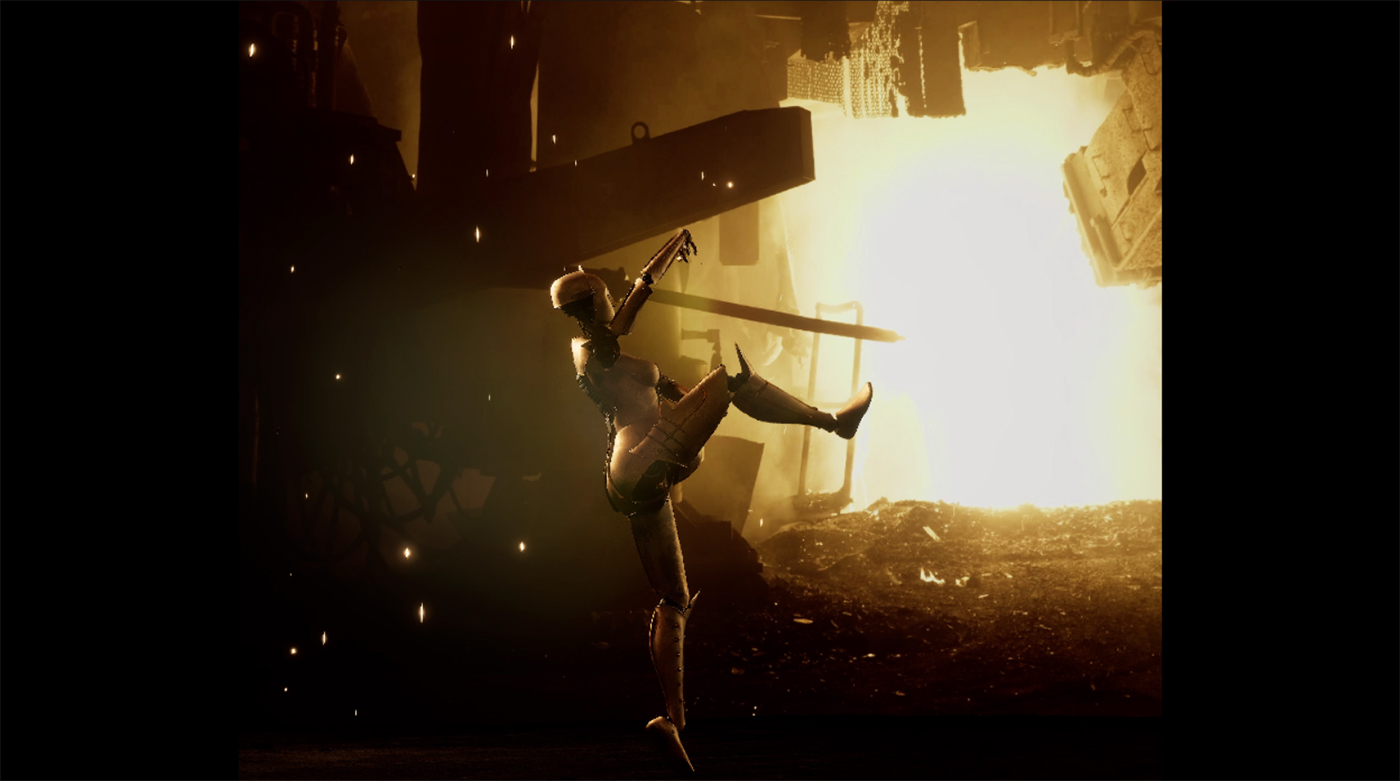
Her works contain layers of references and meanings and are constructed from a perspective influenced by the philosopher Baruch Spinoza, around the idea of composing with the other—an other that may be human or may be the energy of a storm or of water. The metaphor of the liquid is central to her approach, as it enables constant evolution and transformation. Lenticular photography technology serves her in embodying these ideas. Her digital videos reflect this fluidity between the human body and other species, or industrial environments.
In this exhibition, Bengolea—affected by the various crises shaking the planet, such as climate change, ongoing wars, and systems in which poverty multiplies—asks how to live in the ruins. “Will it be possible to dance in the ruins and transform collective energy? This is what I attempt in my anthropological dance work and choreographic videos, seeking an expansion of consciousness and relationships. Dance as a form of social translation.”
Cecilia Bengolea has exhibited her work widely, including at the Guggenheim Museum Bilbao (2021, 2022); the Gwangju Biennale, Korea (2014—where she received an award—and 2022); the Bourse de Commerce – Pinault Collection (2021); MUDAM Luxembourg (2022, 2023); the Art Basel Messeplatz commission (2021); the High Line Art Program, New York (2020); Dhaka Art Summit (2018); Dia Art Foundation, Beacon, New York (2017); ICA London (2017); the São Paulo Biennial (2016); among other institutions. She has been a guest choreographer at the Ballet of the Lyon Opera, the Nancy Opera, and Pina Bausch’s company, Tanztheater Wuppertal. She has collaborated on video works with artist Jeremy Deller and on performance projects with Dominique Gonzalez-Foerster, as well as with Craig Black Eagle, Bombom DHQ, Damion BG, and other participants from the Jamaican Dancehall scene.