Alberto Goldenstein
7 de Julio al 25 de Agosto 2017
INFO
DIARIO DEL NORTE (1992)
My childhood was always closely tied to the South. My father, a Romanian immigrant, worked as a traveling salesman, covering much of Patagonia. My mother was born in General Roca, Río Negro, in Colonia Rusa, a community of Jewish settlers who had emigrated from Tsarist Russia. Patagonian towns were largely populated by immigrants and settlers of diverse origins, particularly German, Welsh, and Russian. I spent several summers of my childhood in the South.
The north of Argentina, by contrast, was a mystery to me: terra incognita. In my imagination, it existed as the counterpoint to the Argentina south of the Colorado River. The deep greens and blues of forests and lakes gave way to a dry, brown landscape beneath an unforgiving sun. This was the original Argentina, a land of peoples who had been evangelized yet remained deeply devoted to the earth and its deities. A mystical Argentina.
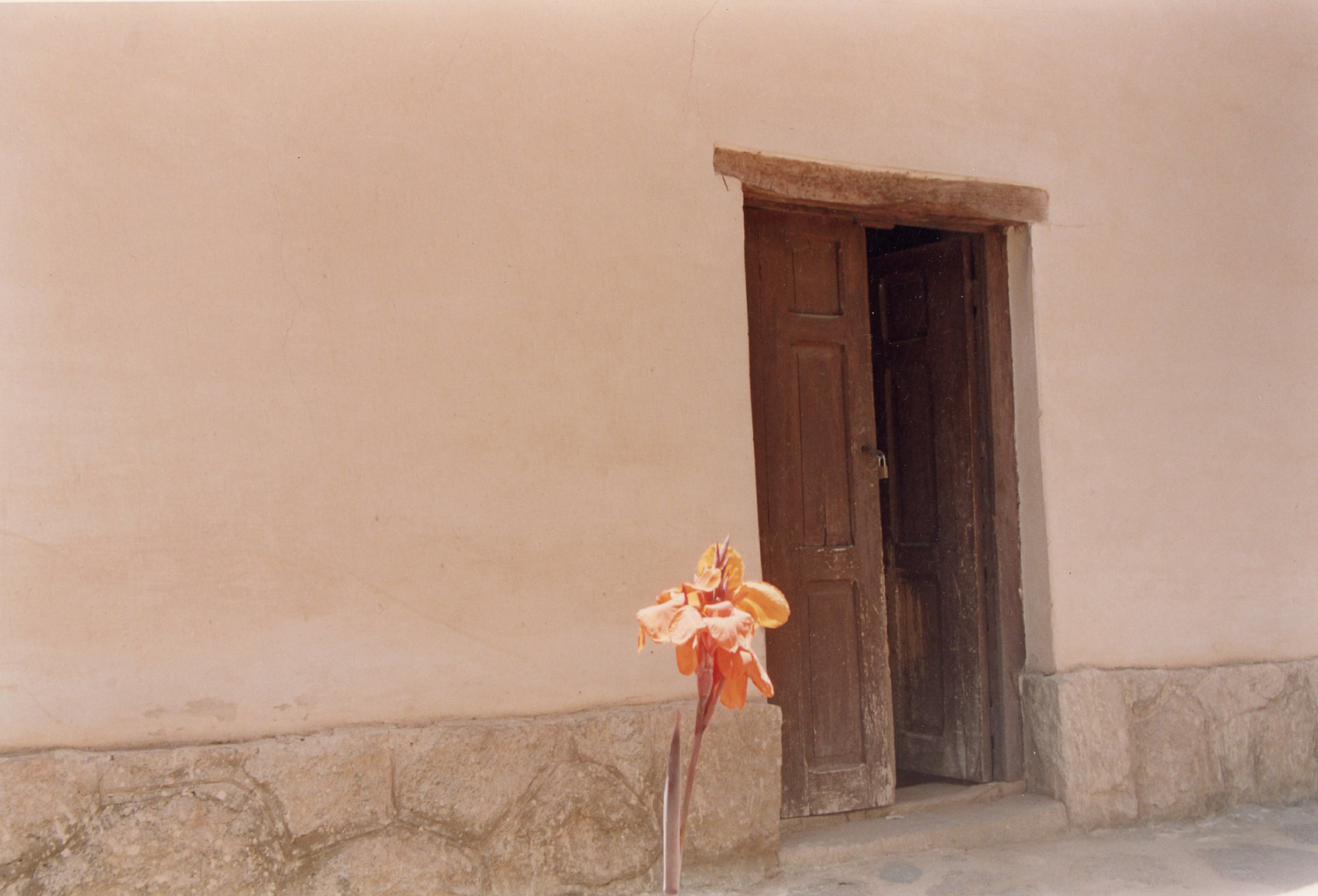
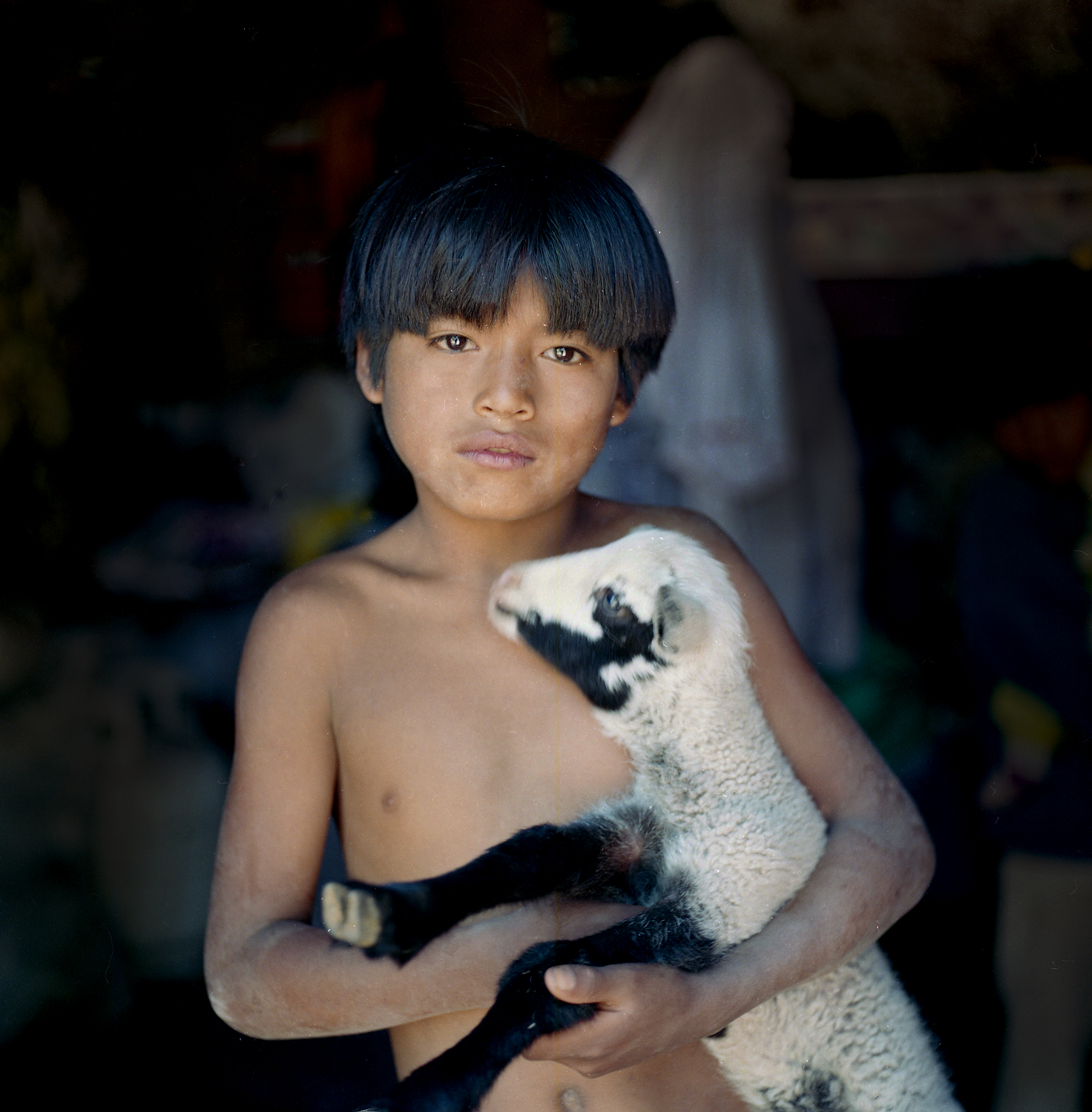
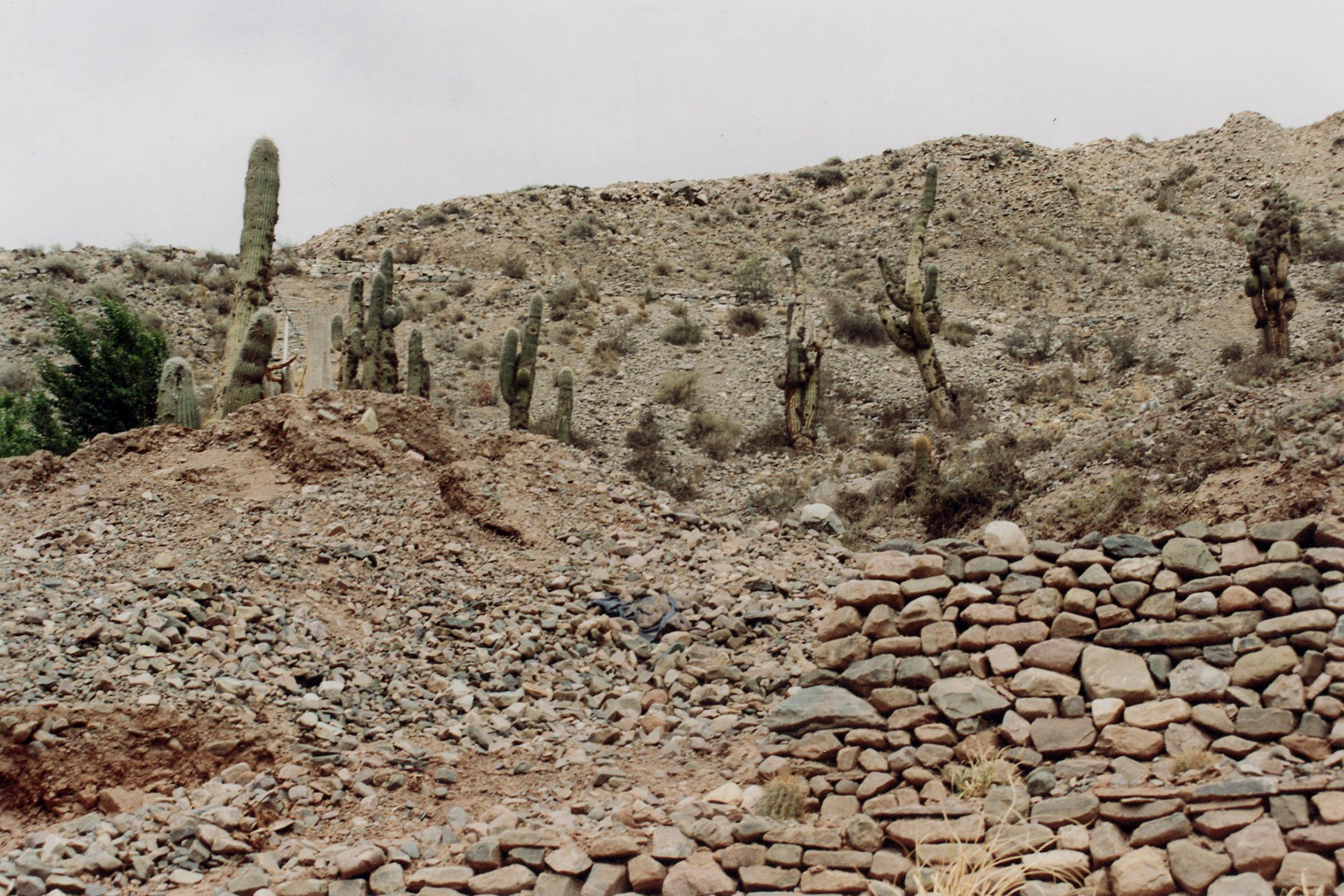
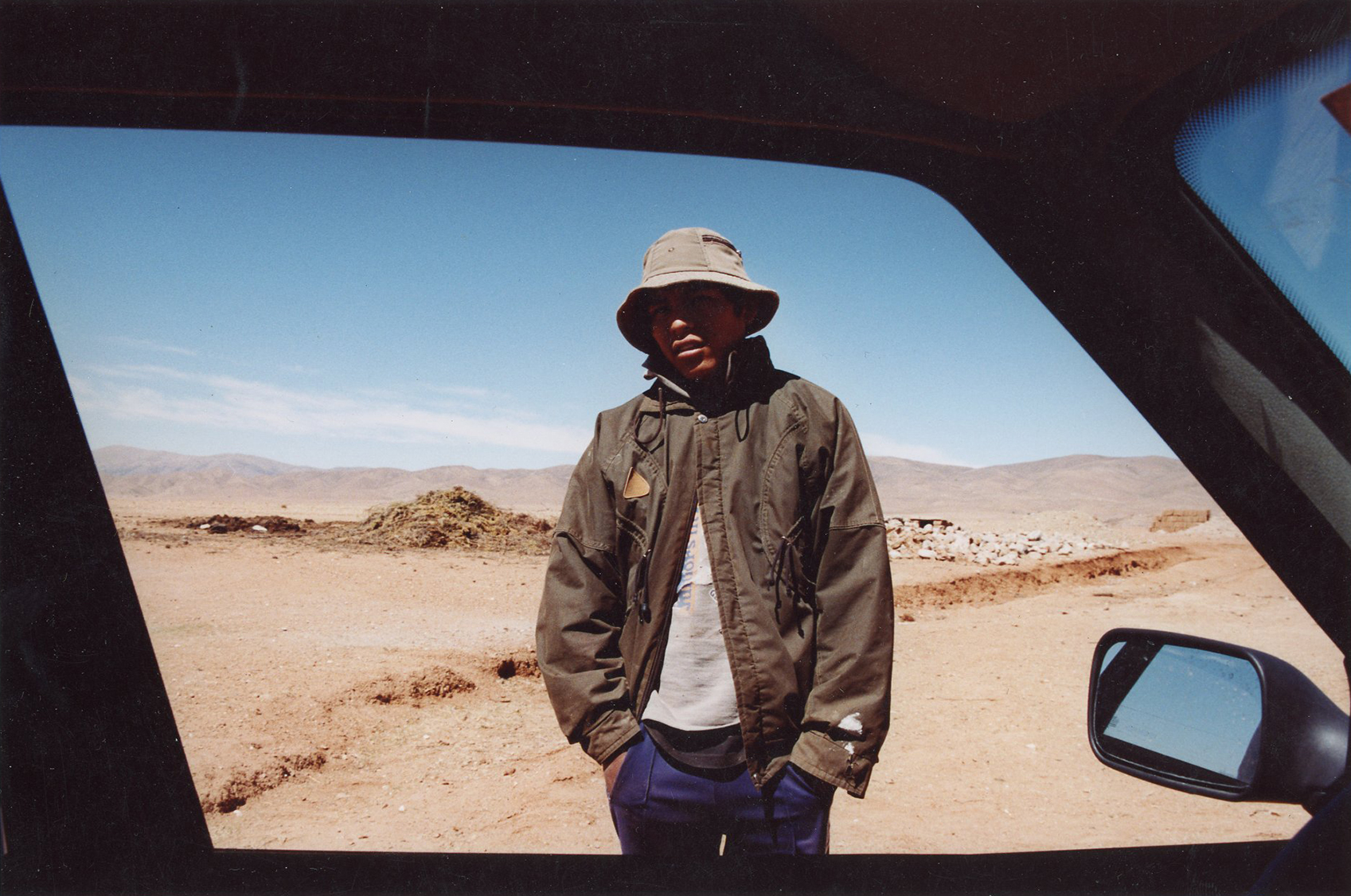
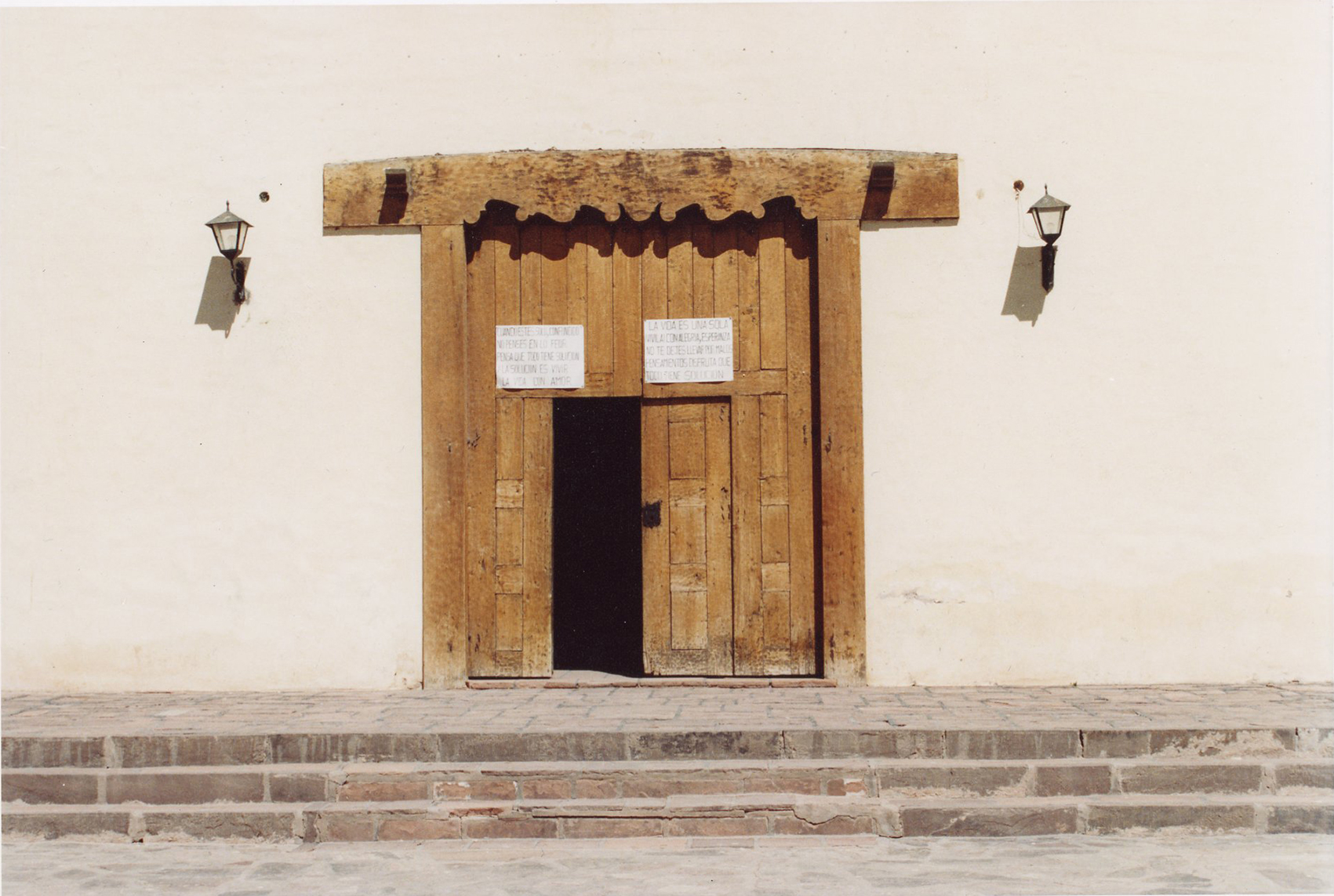
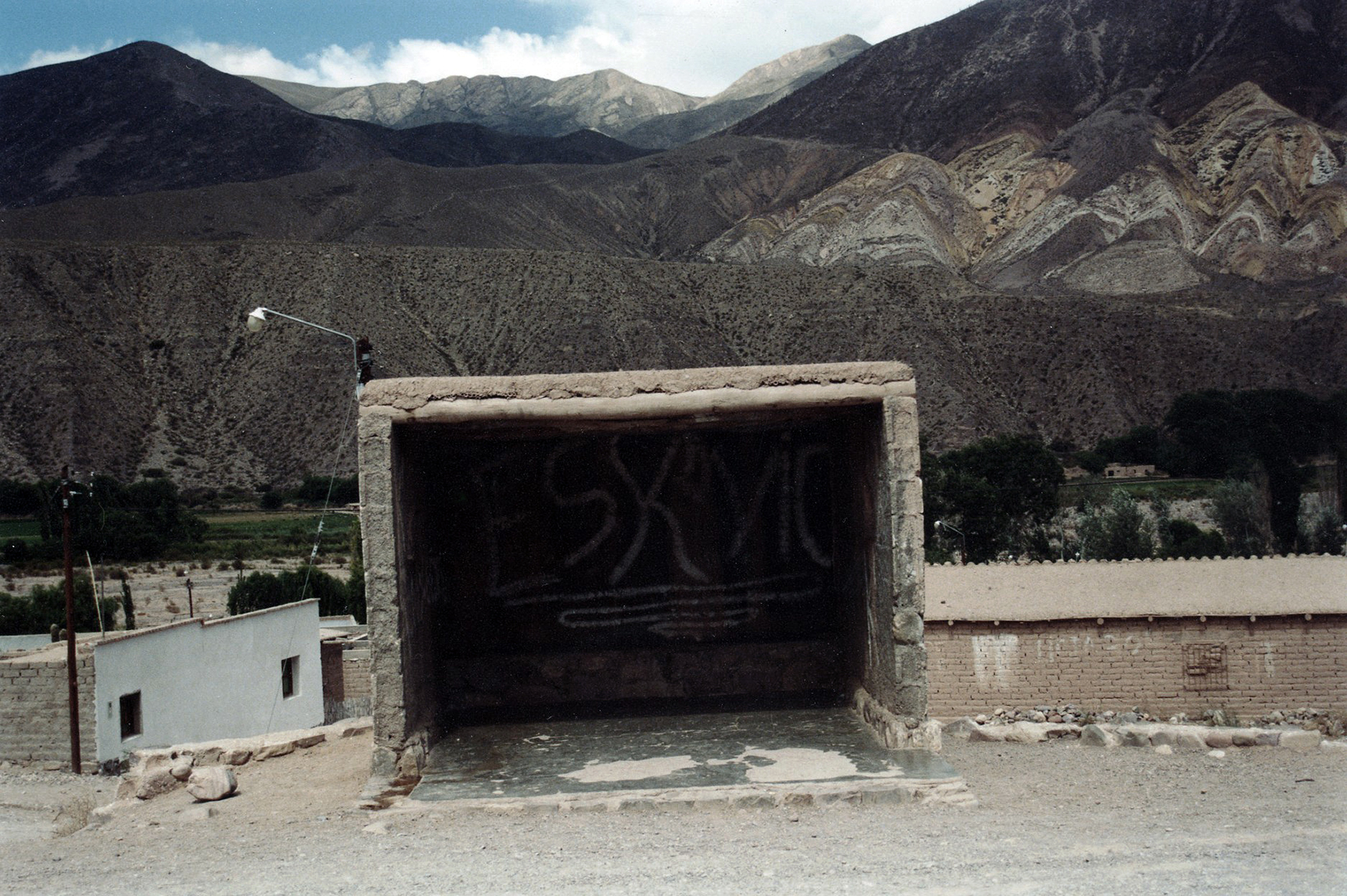
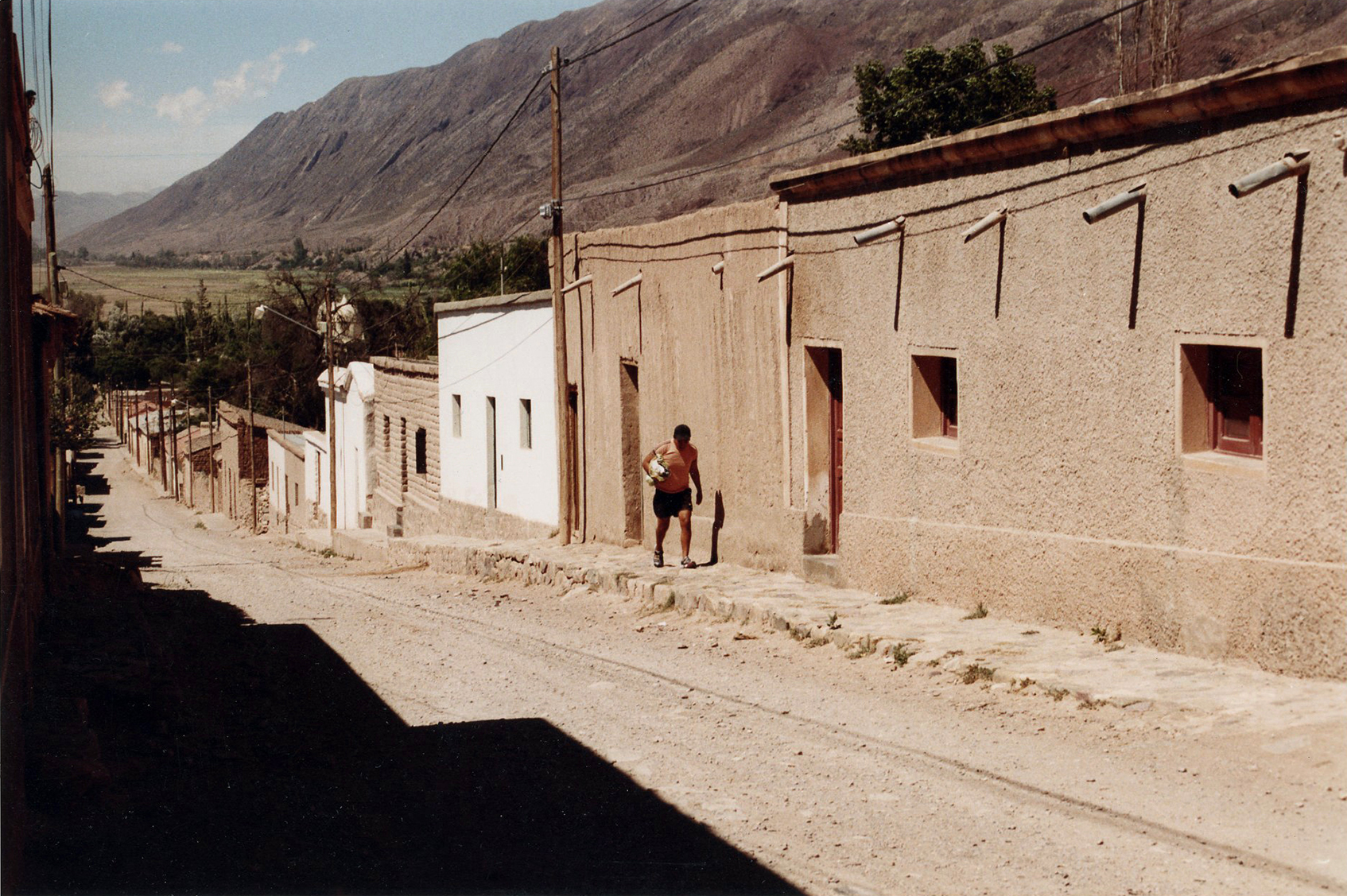
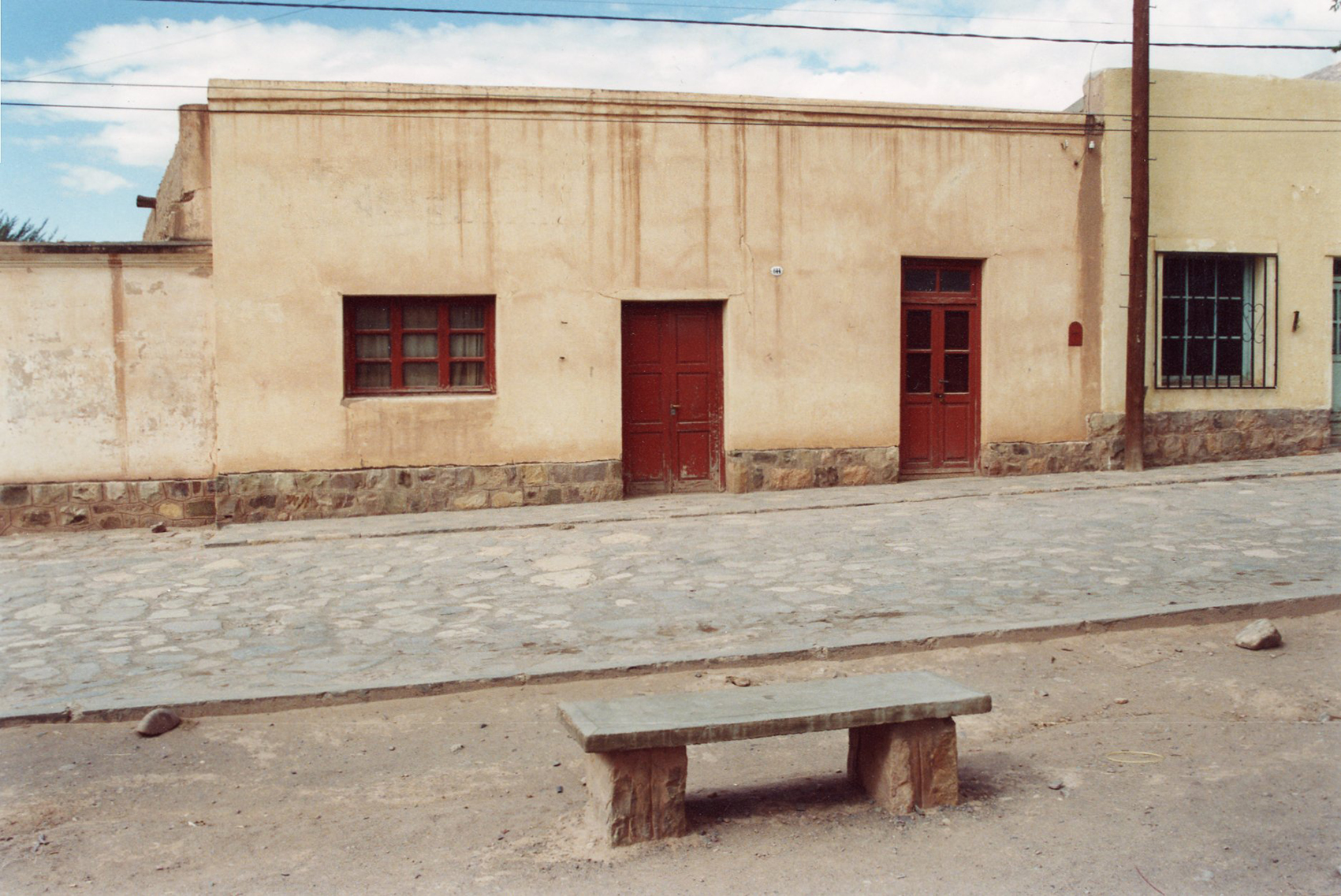
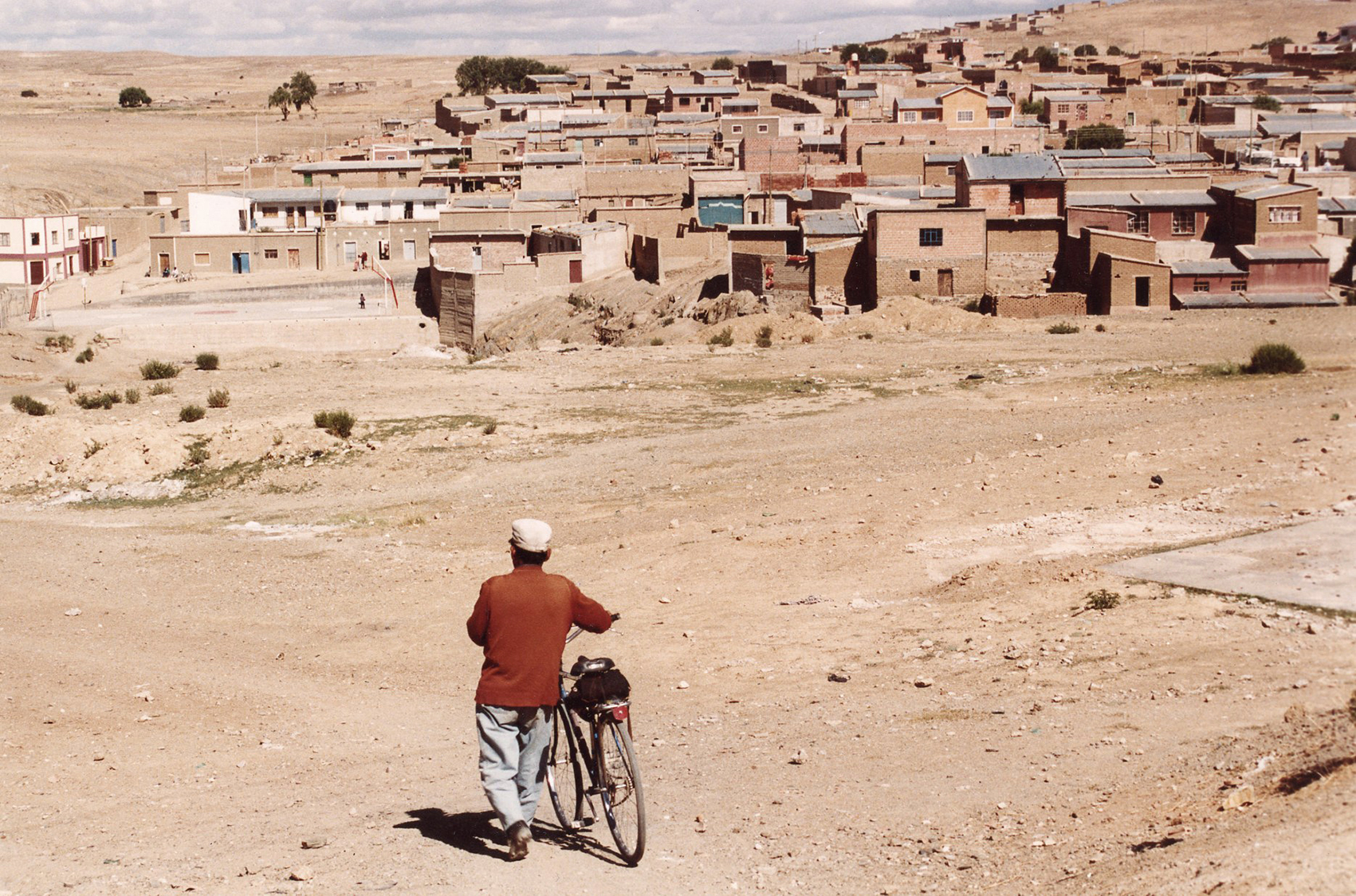
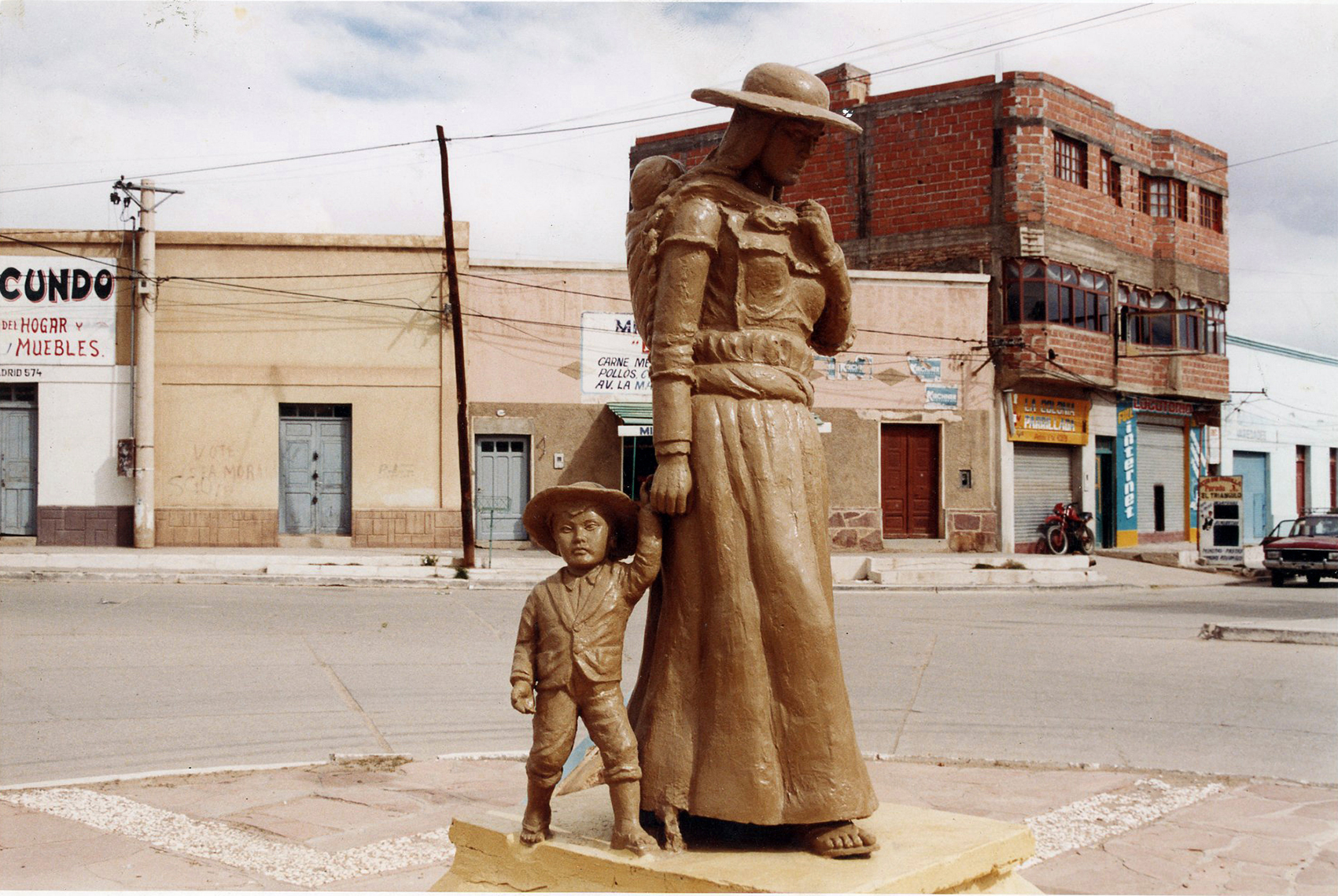
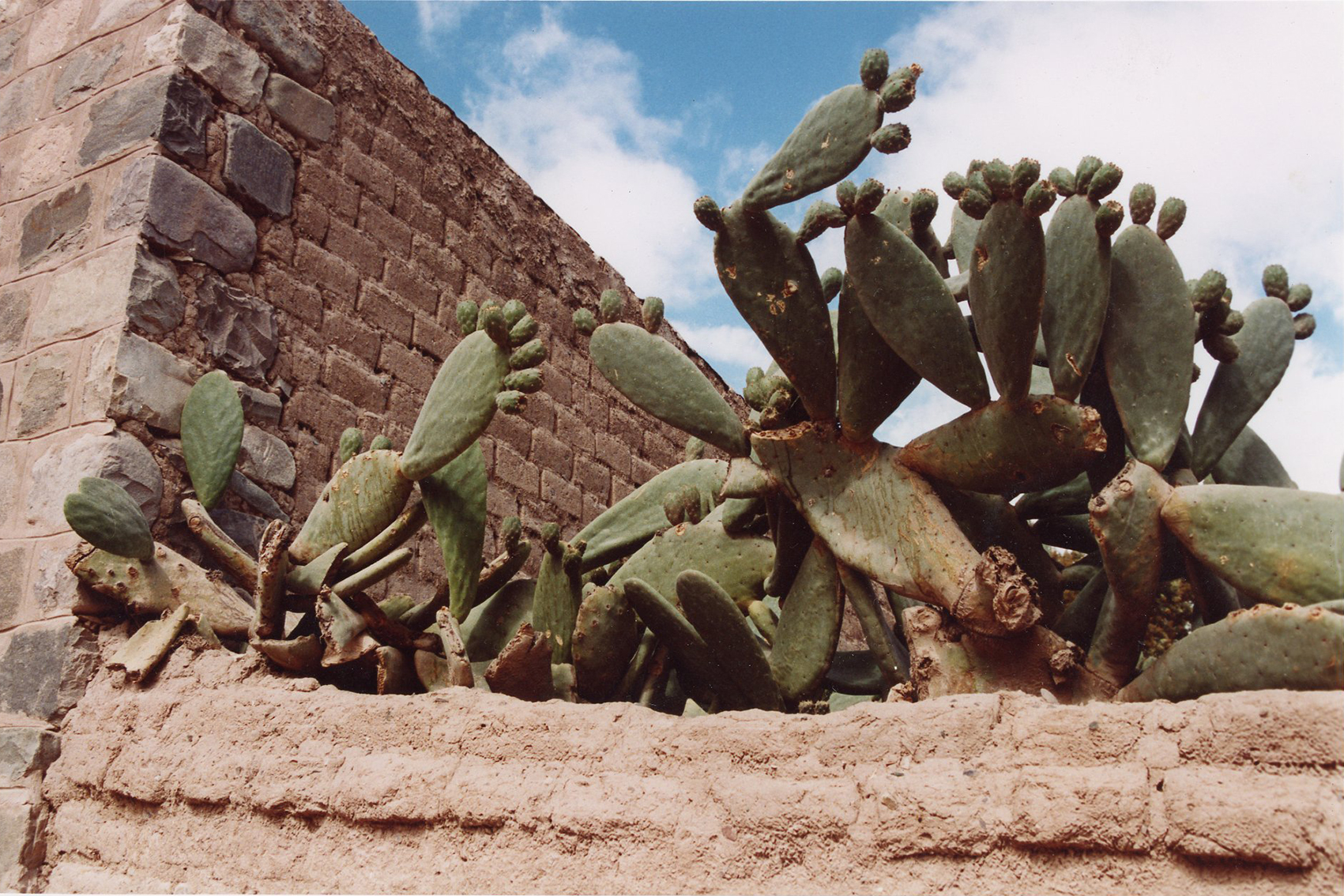
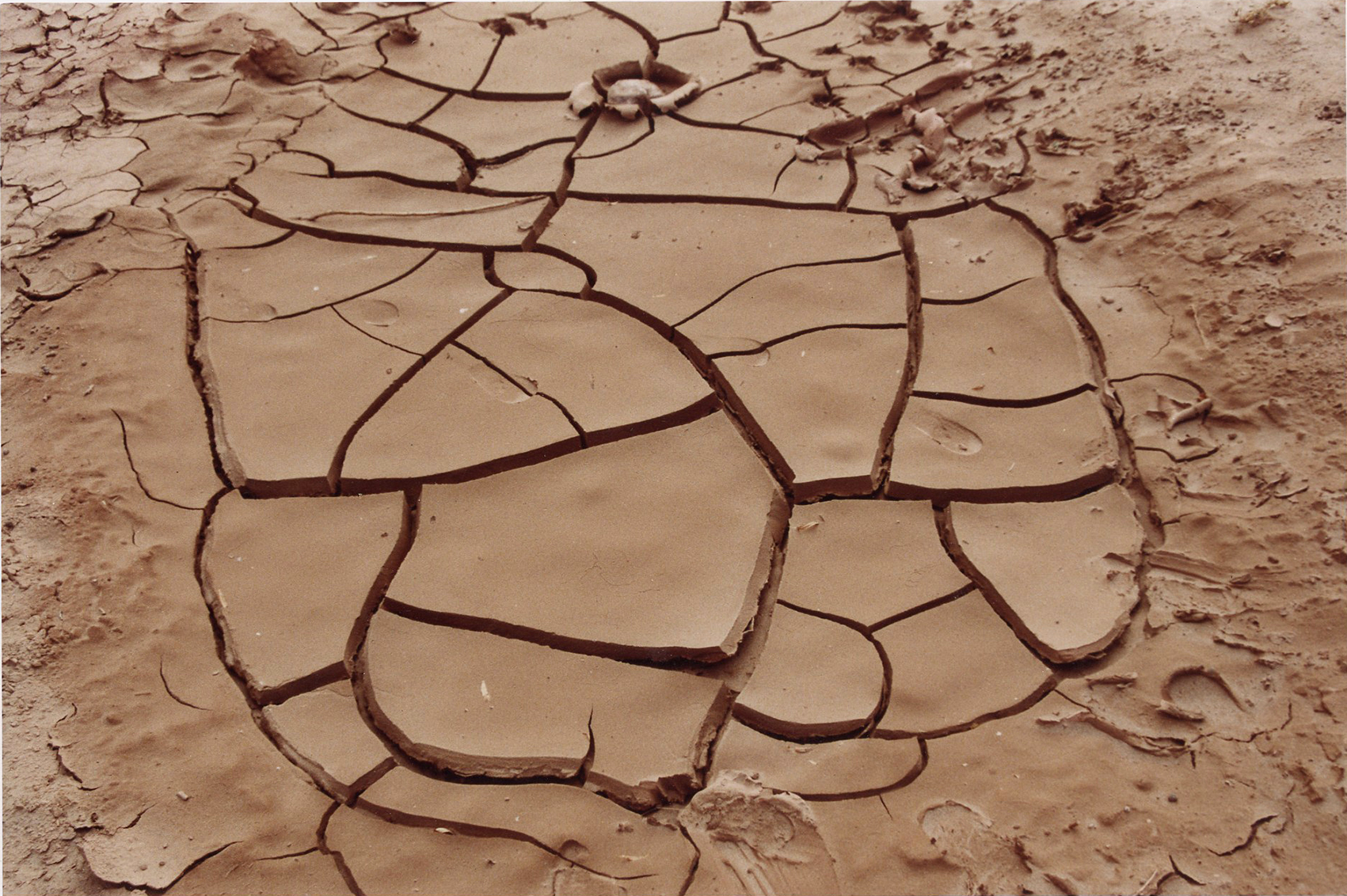
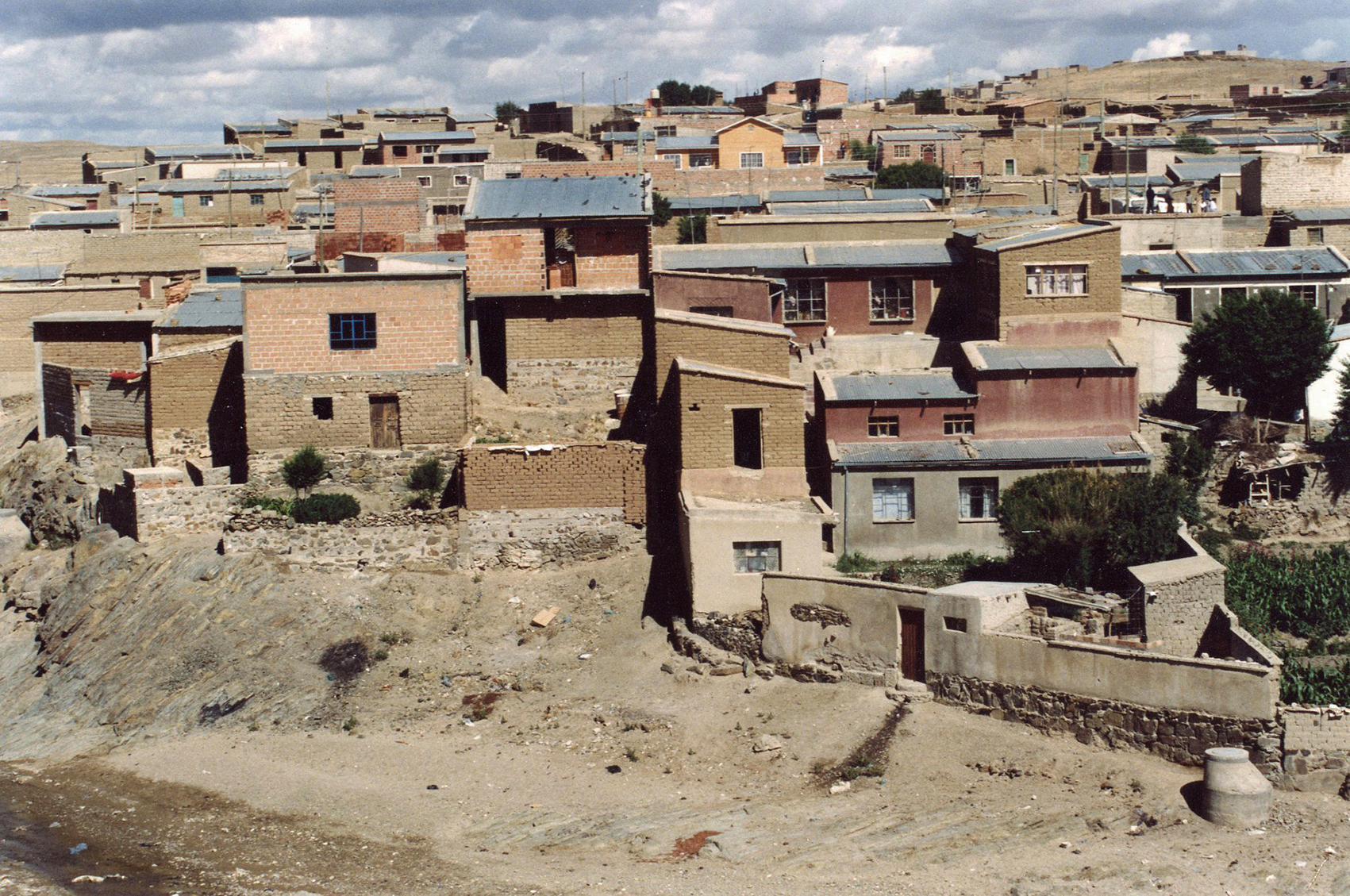
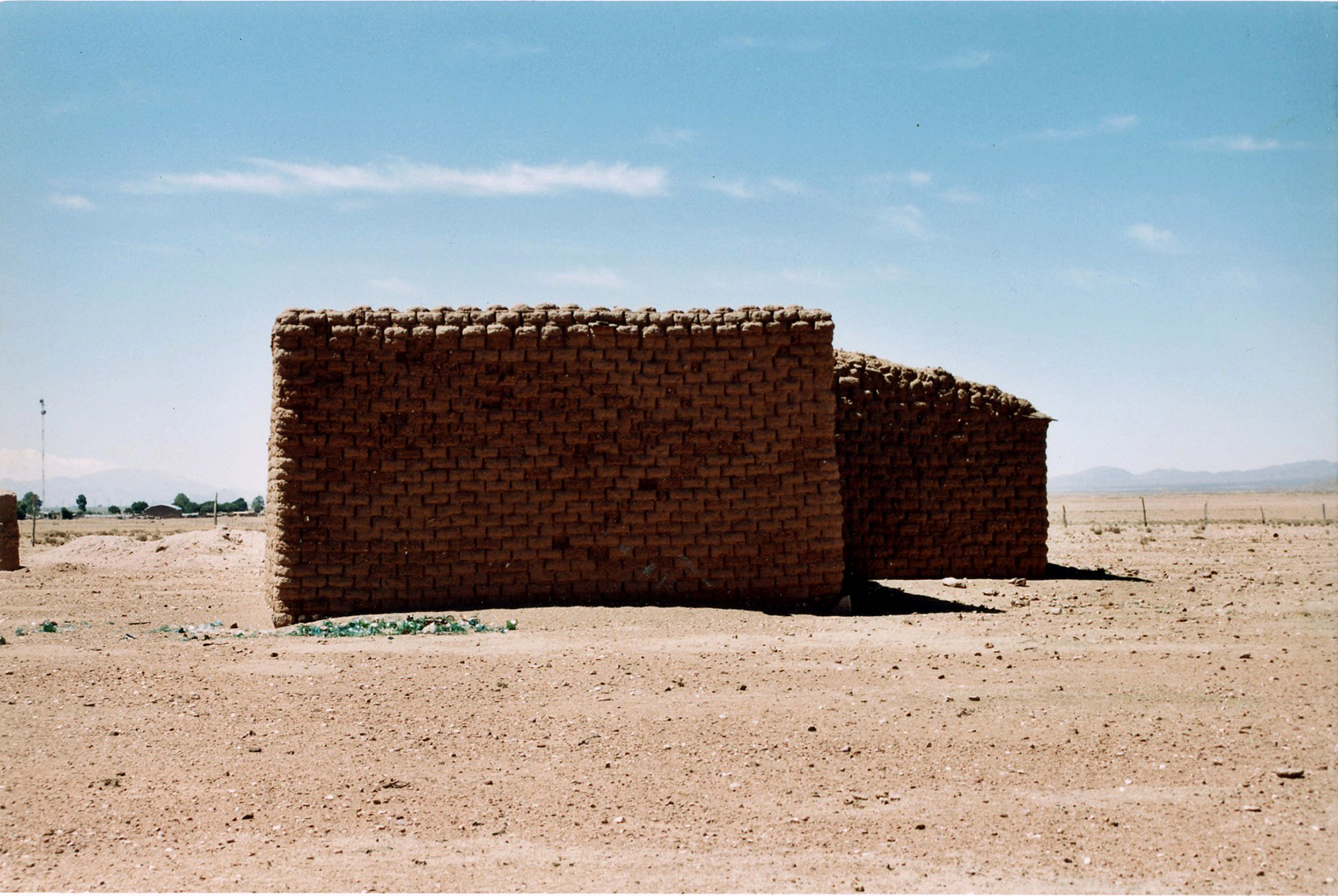
In 1992, inspired by reading the diaries of Edward Weston, in which the American modernist photographer recounts his journeys through Mexico in the 1920s, drawn by its light and culture, I decided to set out with my cameras and several rolls of film, allowing myself to get lost among the small towns of Salta and Jujuy. At the time, tourism in the region was virtually nonexistent, and there was little infrastructure. I traveled by bus—I wanted to experience the journey kilometer by kilometer—and stayed in Cachi, Salta, in a room in a building that housed a greengrocer, guesthouse, and bar. In La Quiaca, it was much the same. I wandered and photographed with the utmost delicacy and respect, compelled by those monochromatic landscapes and minimalist structures, and by the local people, whose remarkable refinement revealed itself through their humility and simplicity.
The Fuji 100 ASA film was exposed to the intense northern Argentine sun, its emulsion shaken by the light, accumulating in areas of blinding brightness and dispersing into the deep blacks of the shadows. Upon my return, the latent images passed through the light of the enlarger and were projected onto Kodak Endura paper, gradually becoming visible. They were then developed, fixed, and dried, so that they might remain alive forever.
The works presented in this exhibition are the original chromogenic prints.
Alberto Goldenstein
When Alberto Goldenstein embarked on what would become his first “photographic journey” in early 1992, he had just presented his first two exhibitions. Photographs by Alberto Goldenstein (FotoEspacio, Centro Cultural Recoleta, 1991) and Tutti Fruti (Centro Cultural Rojas, 1991) had burst into the still-fragile ecosystem of Argentine photography at the beginning of that decade like an earthquake. These were exhibitions without a fixed subject, bringing together images of the concrete landscape of Buenos Aires, the bodies that inhabited it, its nocturnal life, its vitality, and its urgency. Everything was framed by compositions that seemed intent on concealing rather than revealing and, above all, permeated by a dazzling, brilliant, explosive use of color—much closer to that of some of the artists then orbiting the Centro Cultural Rojas than to that of a documentary photographer of his time.
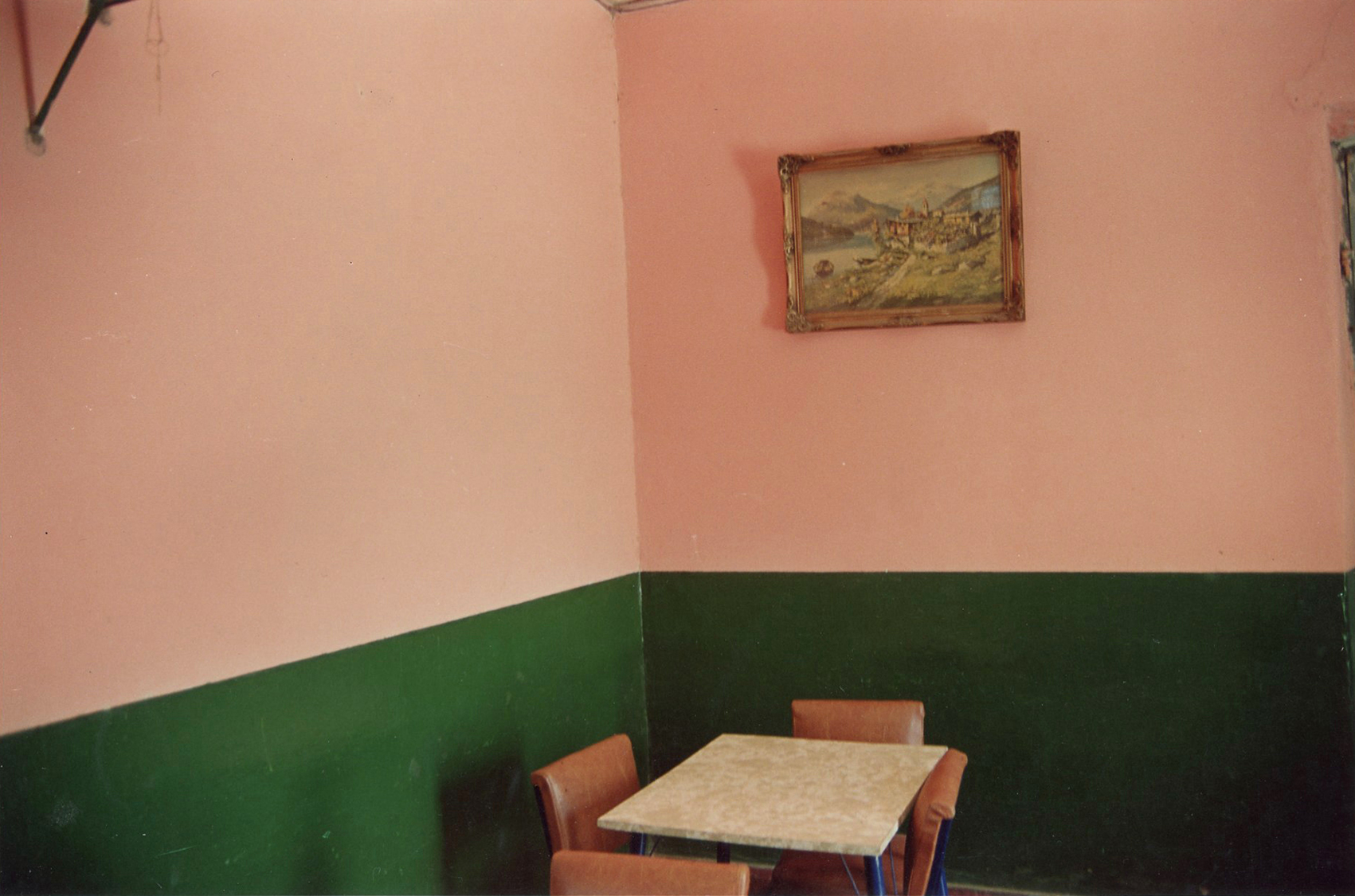
Diario del Norte (1992) grows out of this use—and abuse—of the photographic medium and its problems, not in an attempt to resolve them, but rather to push them further and continue defining a language of his own: a distinctly Goldensteinian language. Here, the journey itself, or any form of displacement, becomes a photographic subject, a form of artistic inquiry: going somewhere without entirely knowing what one is looking for, or why. An excuse to invent a photographic lineage in the middle of the desert.
In the North, Goldenstein encounters another kind of material. A sandy palette seems to envelop everything: ochres, earth tones, yellows, the mineral hues of the landscape, and the textures of raking light. Color becomes both object and subject. Goldenstein takes these colors of the North and merges them with his deliberately iconoclastic gaze—with faces that confront the camera directly, while others seem to disappear into their own infinity. These images coexist with silence: they confront it, sustain it, inhabit it. Monuments appear as people, and people as monuments. Enigmas disguised as light, shadow, and color.

Nearly three and a half decades later, these enigmas take shape once again, entering the world of things for the first time. They return in these perfectly imperfect prints on paper, survivors of another time and another way of making photographs: objects that can no longer be replicated, charged with materiality, caprice, and time. Pure fetish, pure aura.
Objects that conceal and bear witness to an impulse that has remained constant throughout Goldenstein’s work: the desire to begin again, to attempt to see through the camera as if for the first time. An impossible challenge, but no less worth pursuing for that. It is precisely this that allows these images, and this photographer, to remain so enduring, so contemporary, so essential.
Ariel Authier
Alberto Goldenstein (Buenos Aires, 1951)
Goldenstein studied at the New England School of Photography in Boston (1981–1983). From 1995 to 2018, he founded and directed the Fotogalería at the Centro Cultural Ricardo Rojas / University of Buenos Aires. Alongside his teaching practice, he developed a formative platform that played a central role in shaping a generation of photographic artists.
In 2016, Adriana Hidalgo published the book Goldenstein. In 2018, he presented his first retrospective exhibition at the Museum of Modern Art of Buenos Aires, accompanied by a catalogue published by the museum. He received the Konex Award for Visual Arts (Photography) in 2022, the National Award for Artistic Achievement in 2023, and the Fundación Klemm Award in 2025.
His work is held in the photography collections of the Museum of Modern Art of Buenos Aires, the National Museum of Fine Arts, Museo Castagnino-Macro (Rosario), the Museum of Latin American Art of Buenos Aires (MALBA), Fundación Larivière, and other major private collections in Argentina and abroad.