Guzmán Paz
August 12th – October 25th, 2025
INFO
The Yellow Wallpaper takes its title from a short story written in 1892 by American author Charlotte Perkins Gilman. The narrative follows a woman who, after giving birth, falls into depression. Her husband, a doctor, prescribes a “rest cure” and confines her to a country house, in a room covered with yellow wallpaper. From that wall, a new and unsettling world seems to emerge before her eyes—a world that compels her to abandon reason, embrace an unexpected mental freedom, and accept madness as a path to becoming herself. Gothic and lucid at once, the text reflects on the impact of violence on mental health.
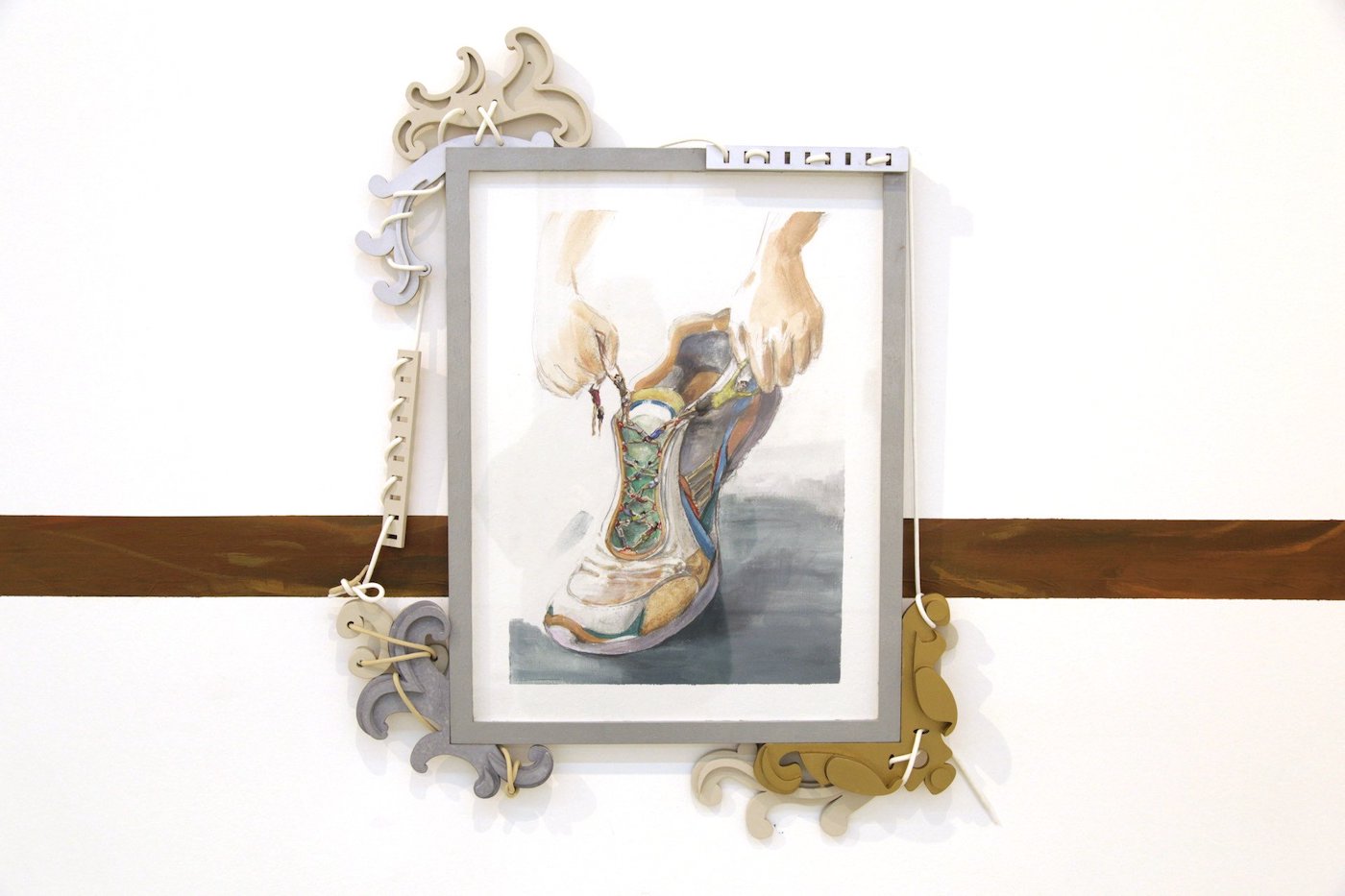
Guzmán Paz’s new exhibition builds on a compelling thesis: the mental condition of our present is rooted in material reality. The rising tide of anxiety and restlessness is not merely personal or individual, caused only by the circumstances of our lives. It is increasingly collective, the product of tangible, material, and measurable conditions. The “yellow wallpaper” of our societies is expanding, covering everything. Political and social forces, the very language with which the world is “furnished” and described, are so ornate and deceitful that they generate a mounting, inescapable sense of overwhelming ugliness.
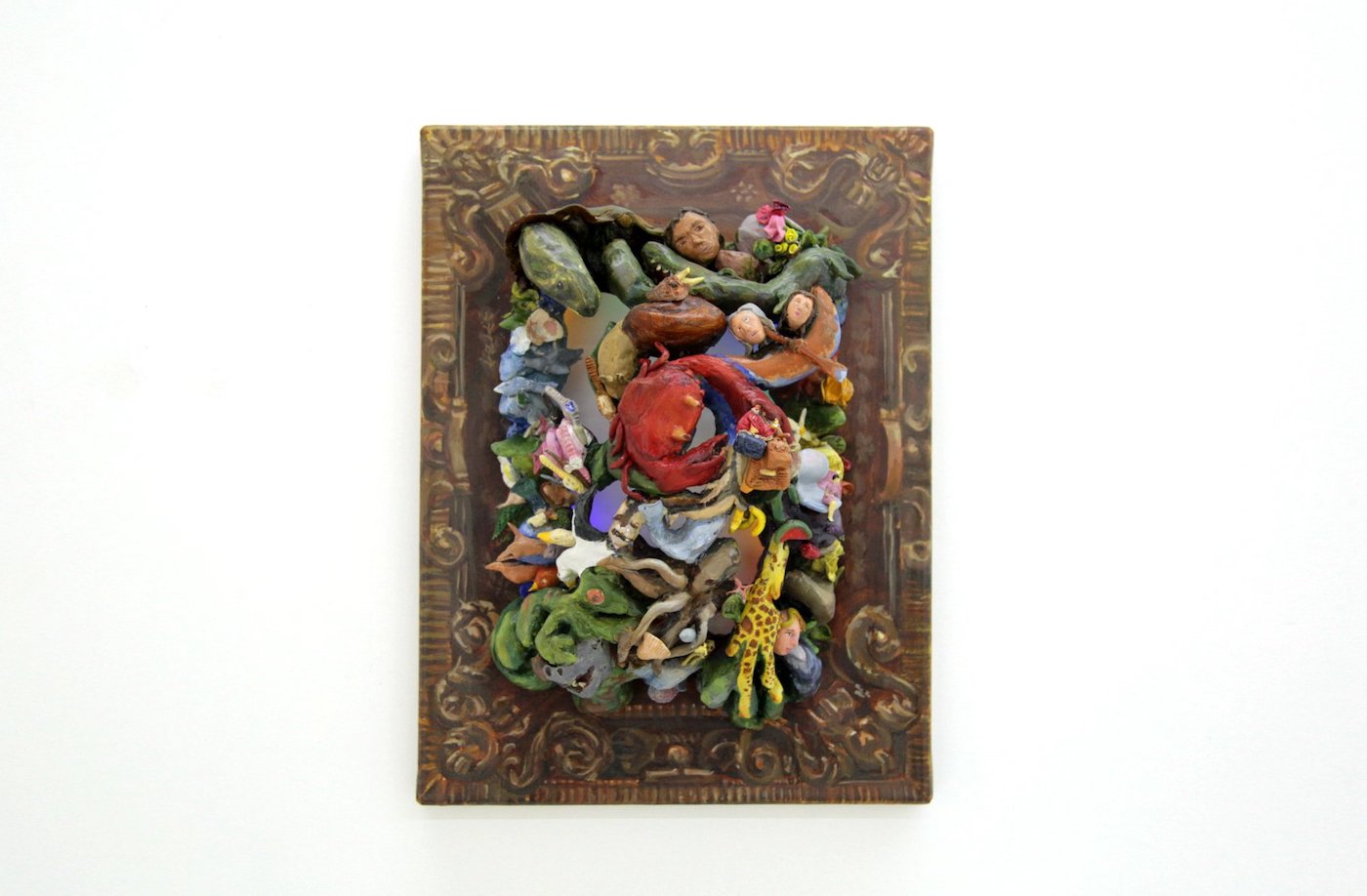
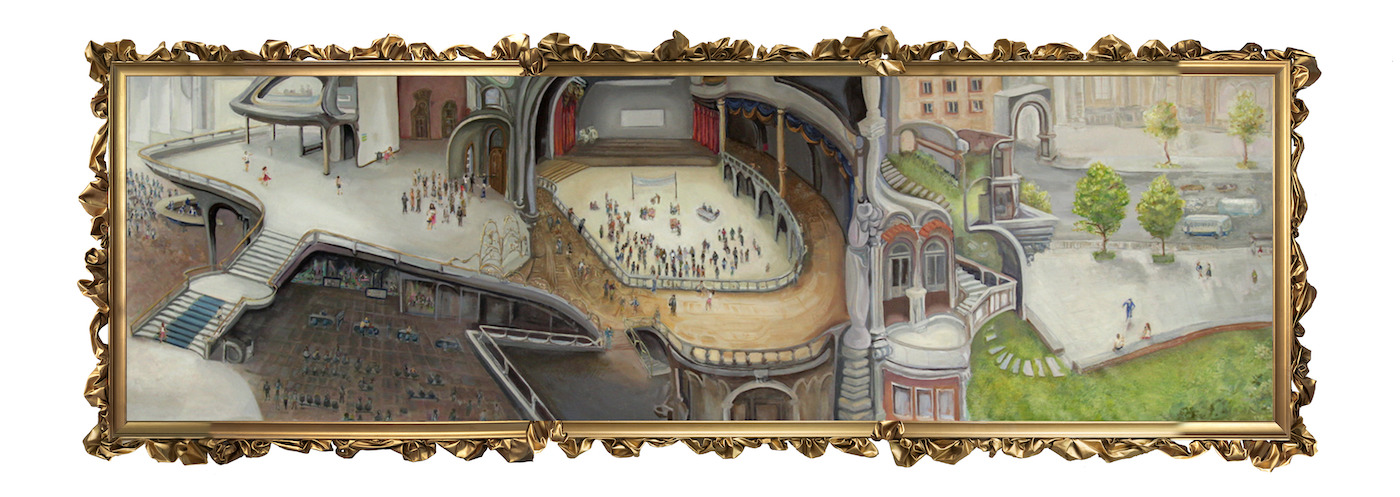
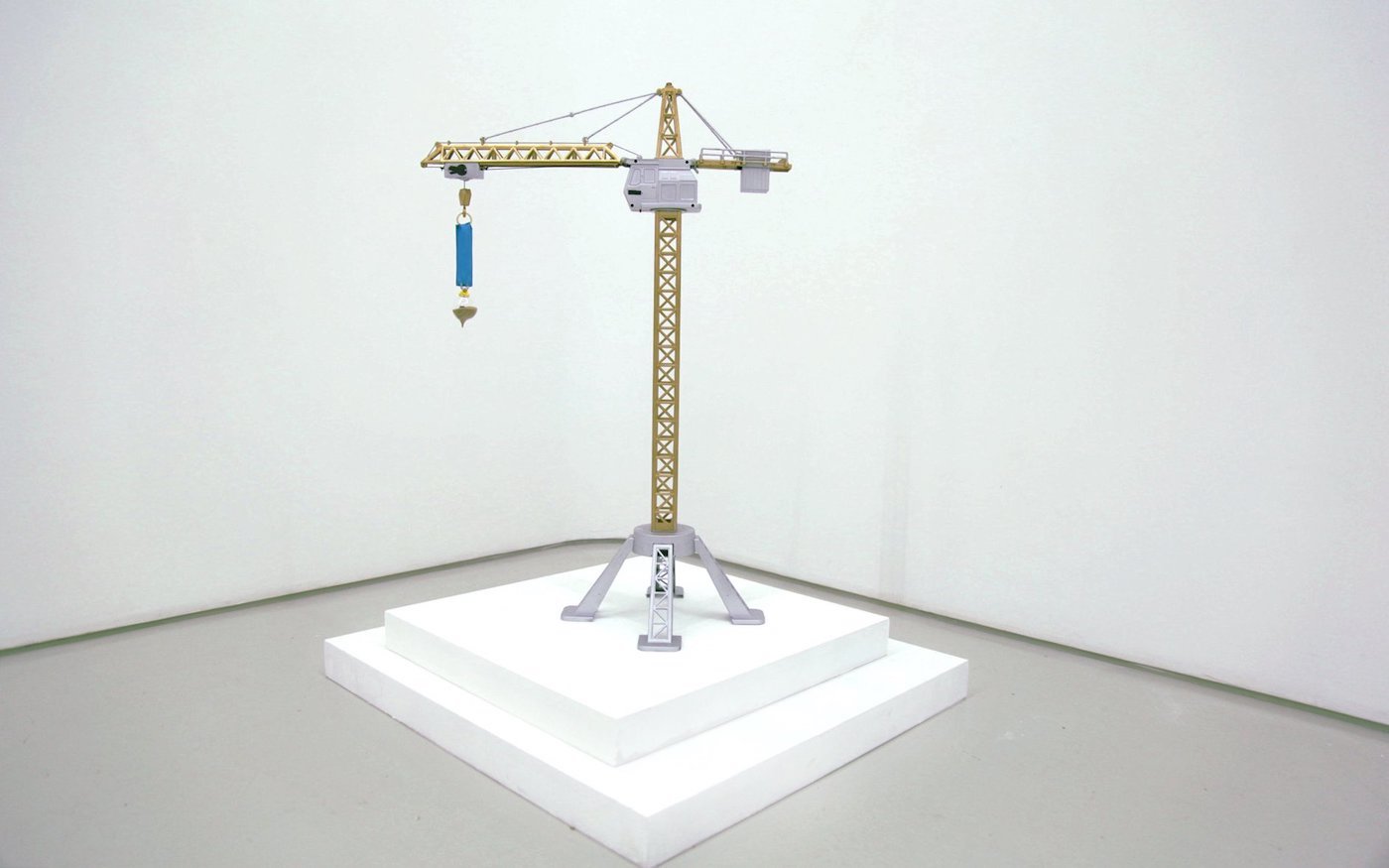
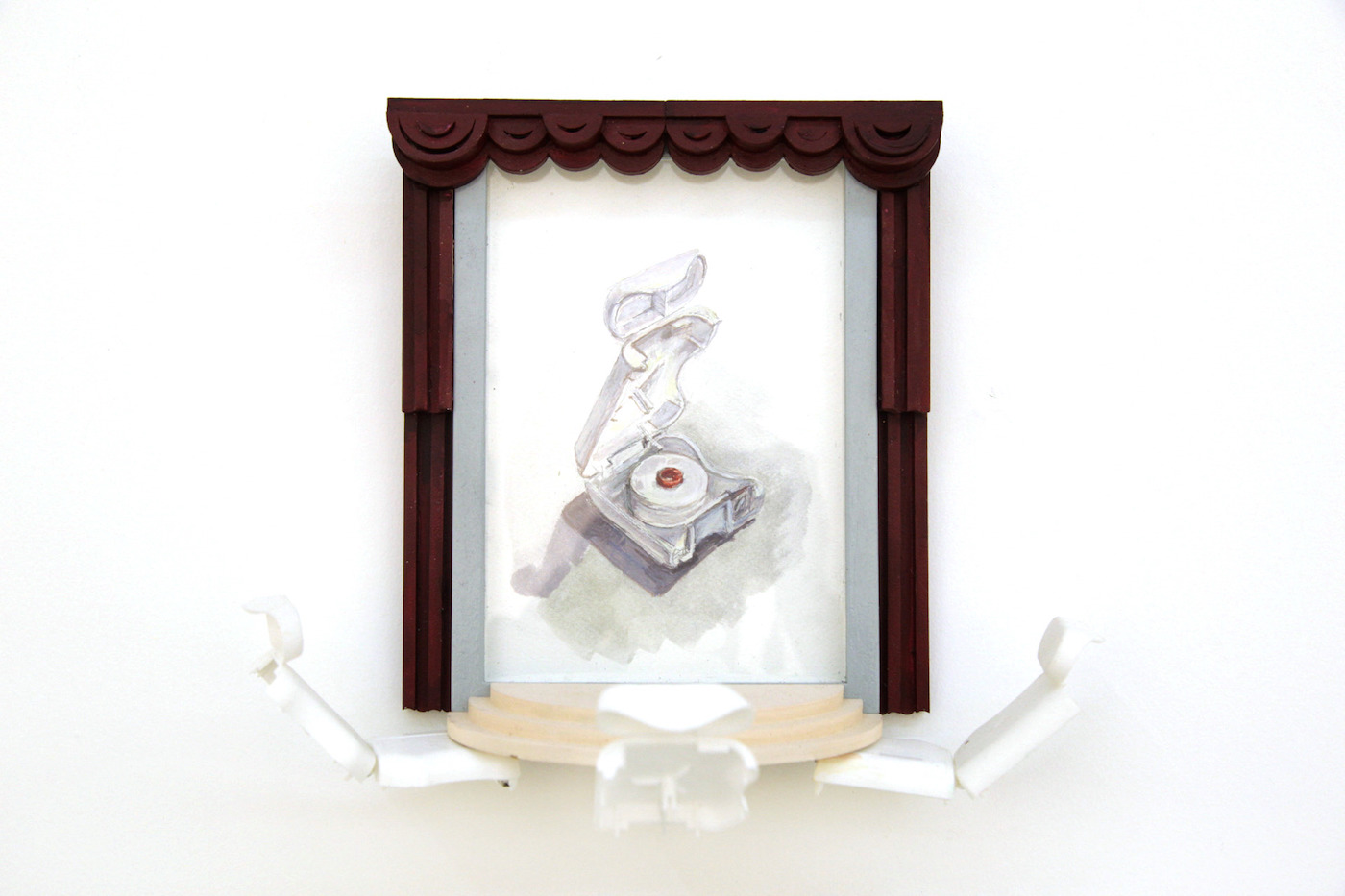
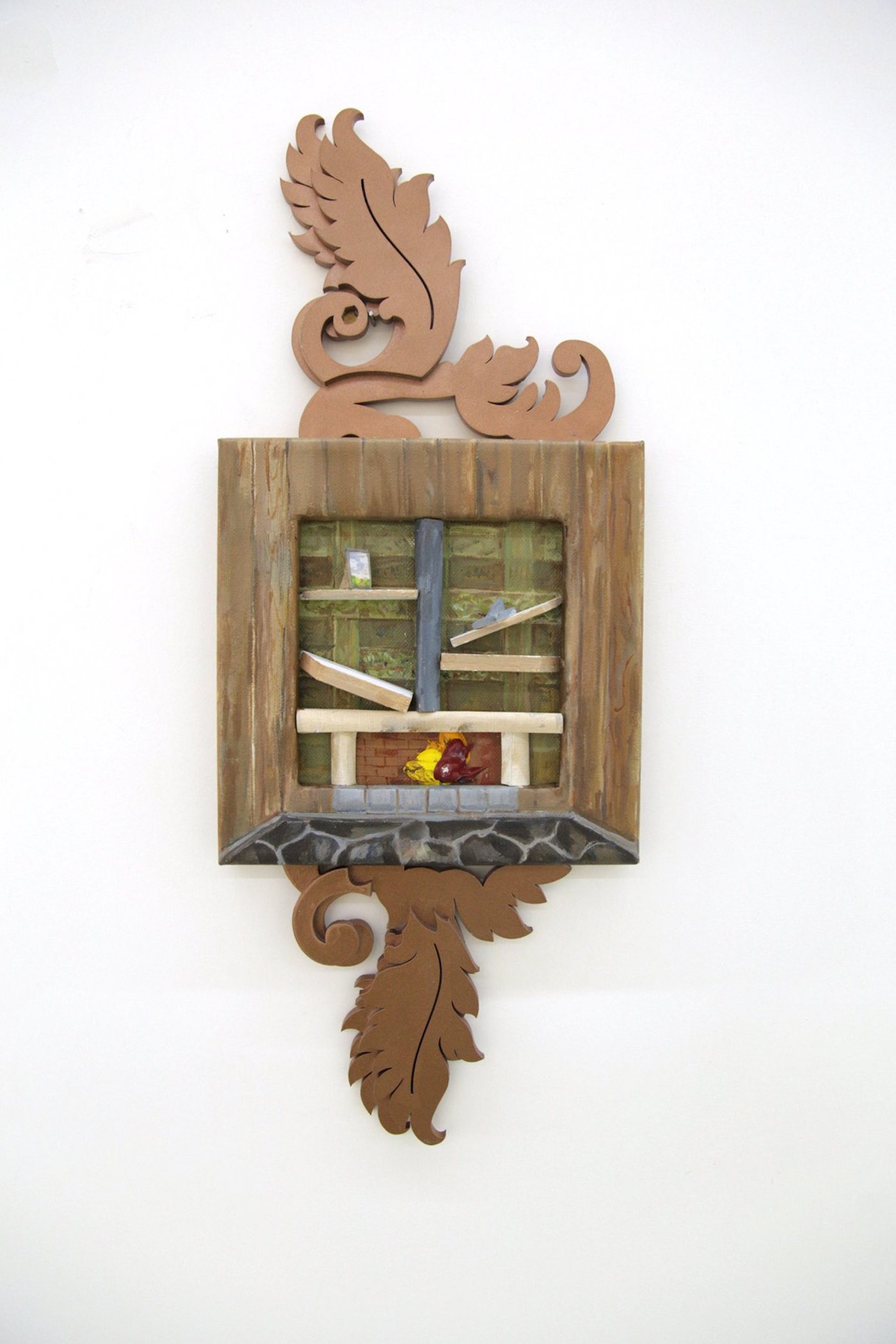
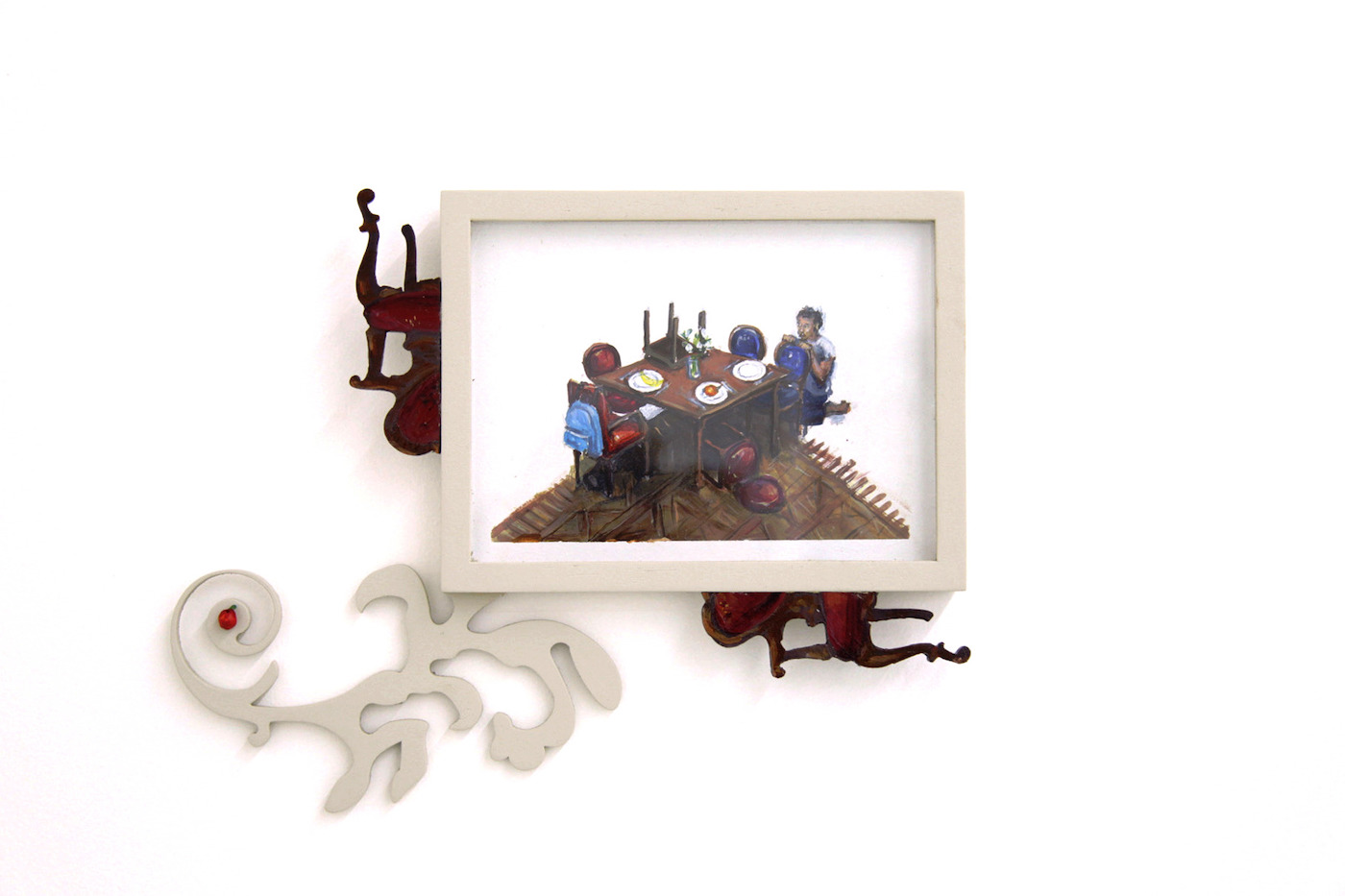
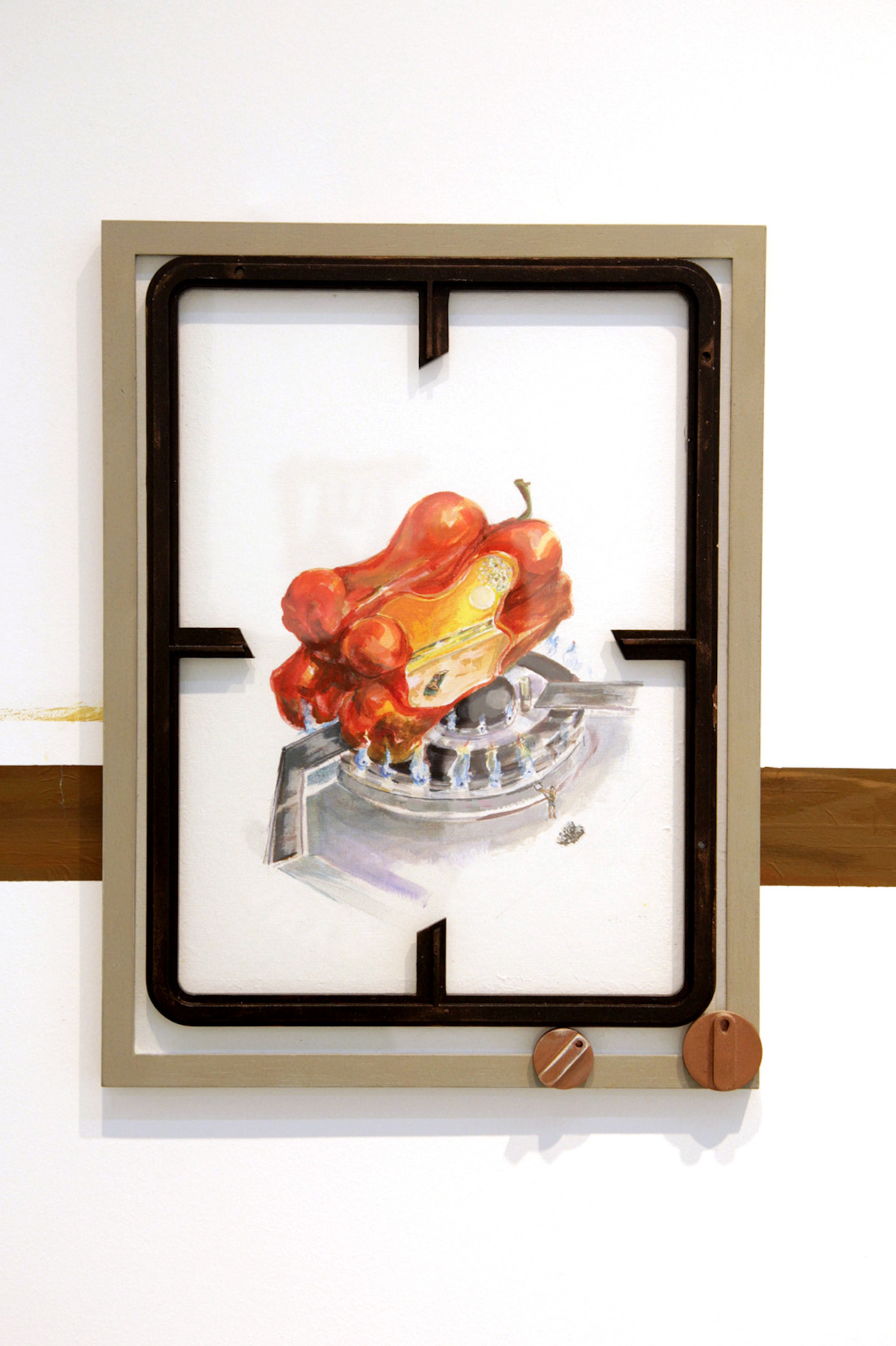
The immersive installation created for the gallery directly addresses that ugliness: a tapestry of images generated by algorithms on social media collides with the extreme cruelty of proliferating wars and a political language stripped of mercy, nuance, or complexity—raw and brutal, like a dialogue written by the ignorant for a provincial play, now made real each time we open the news. Reality is so steeped in fiction that sincere emotions and the possibility of ethical growth feel almost out of reach.
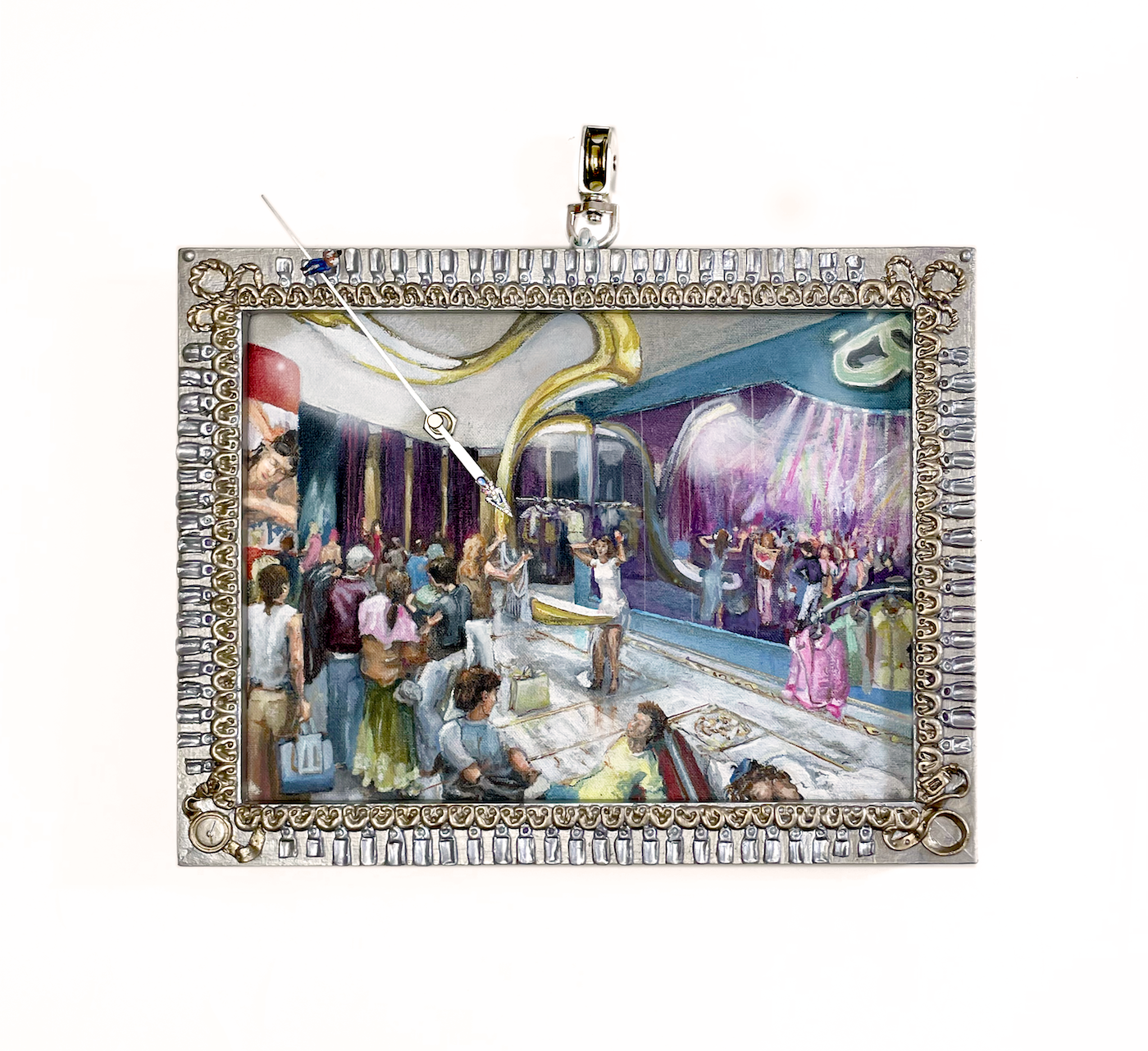
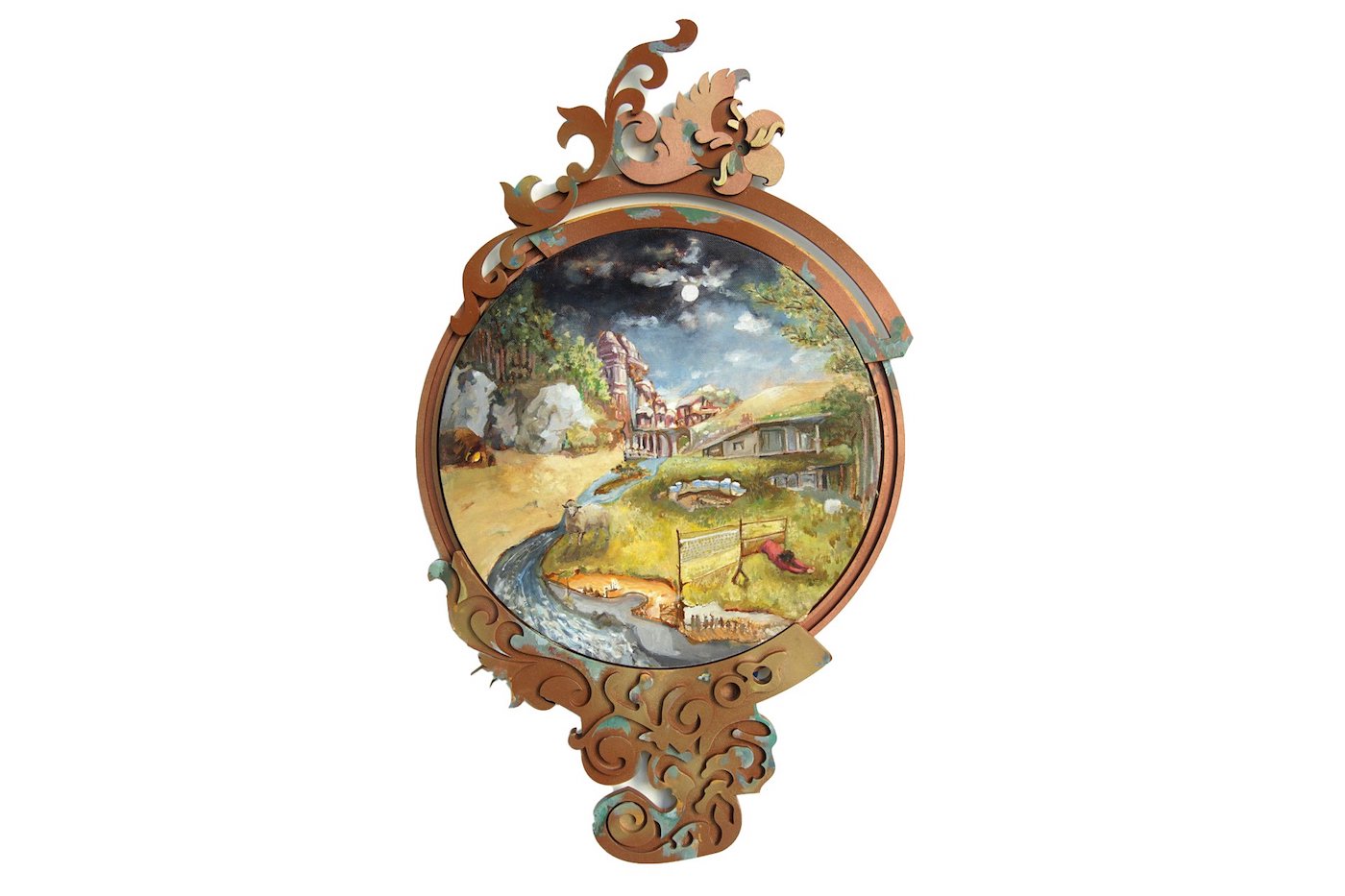
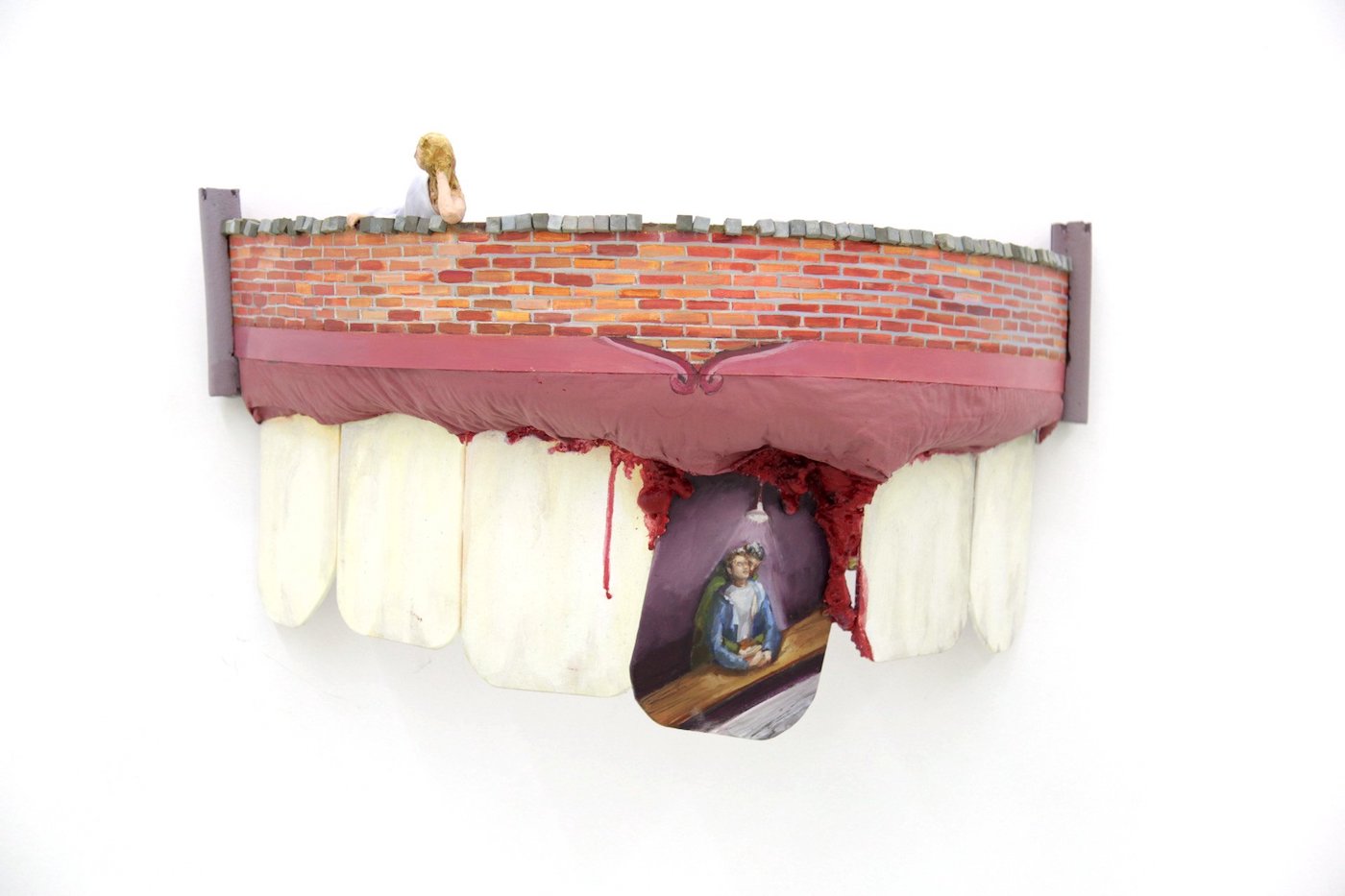
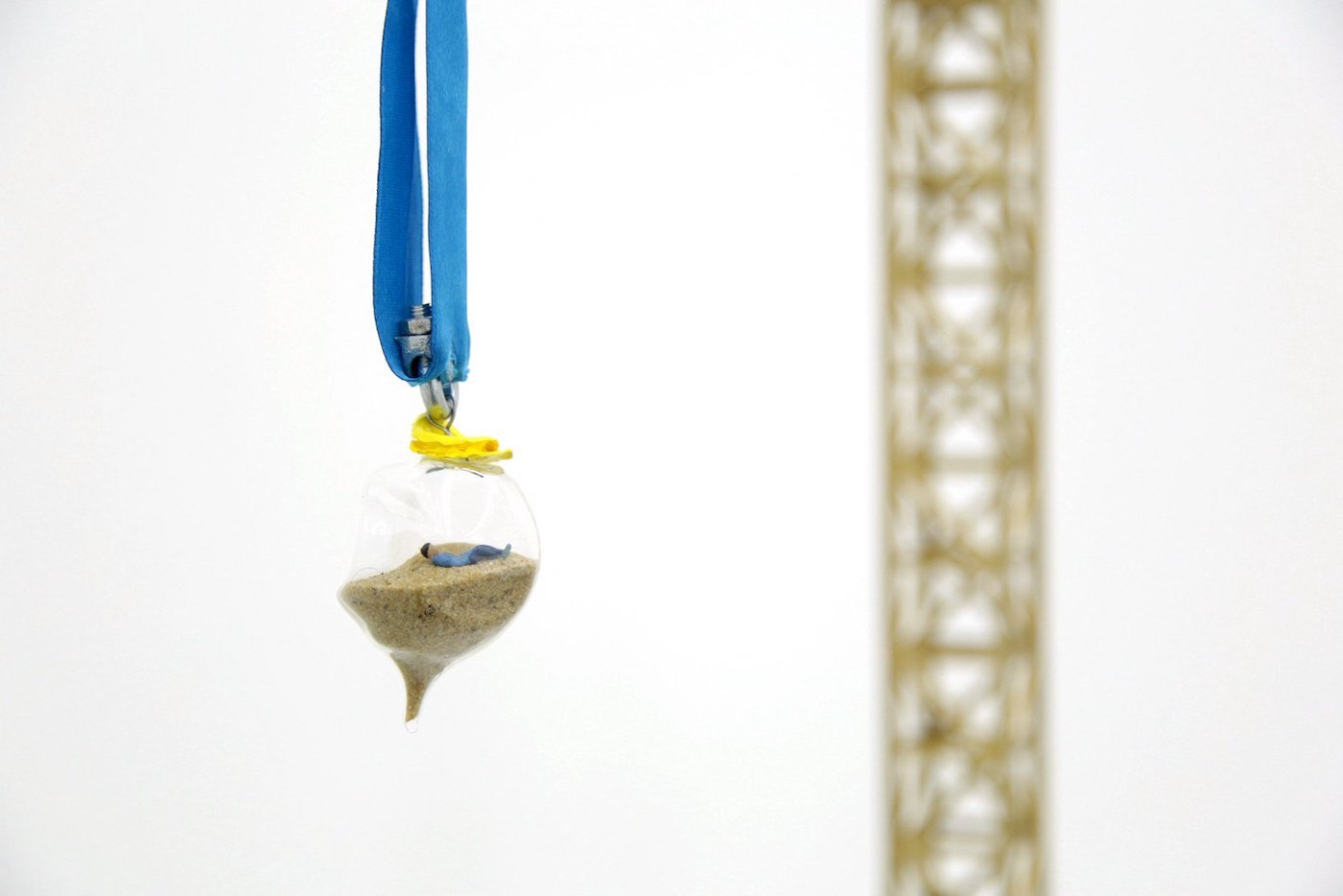
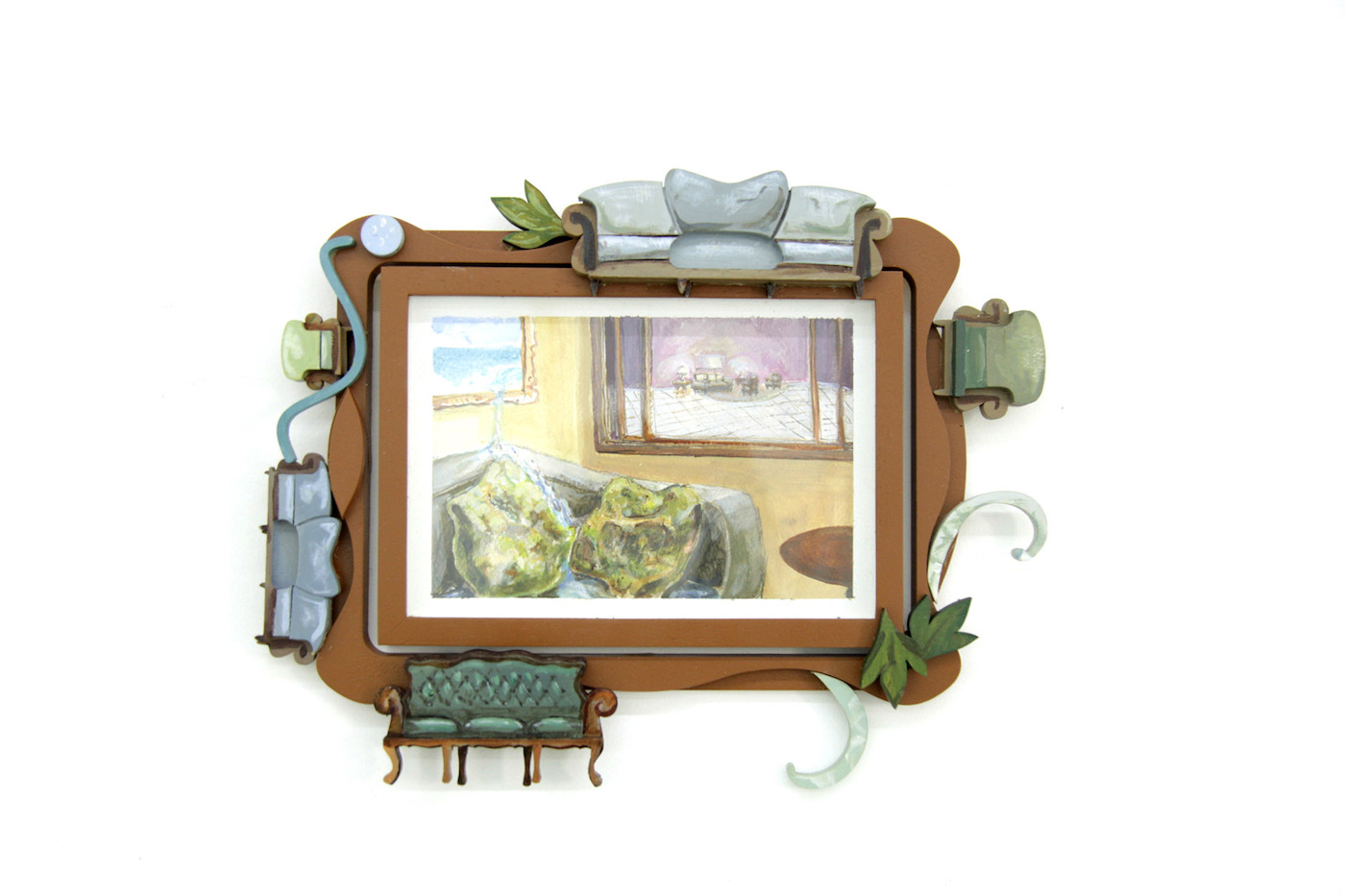
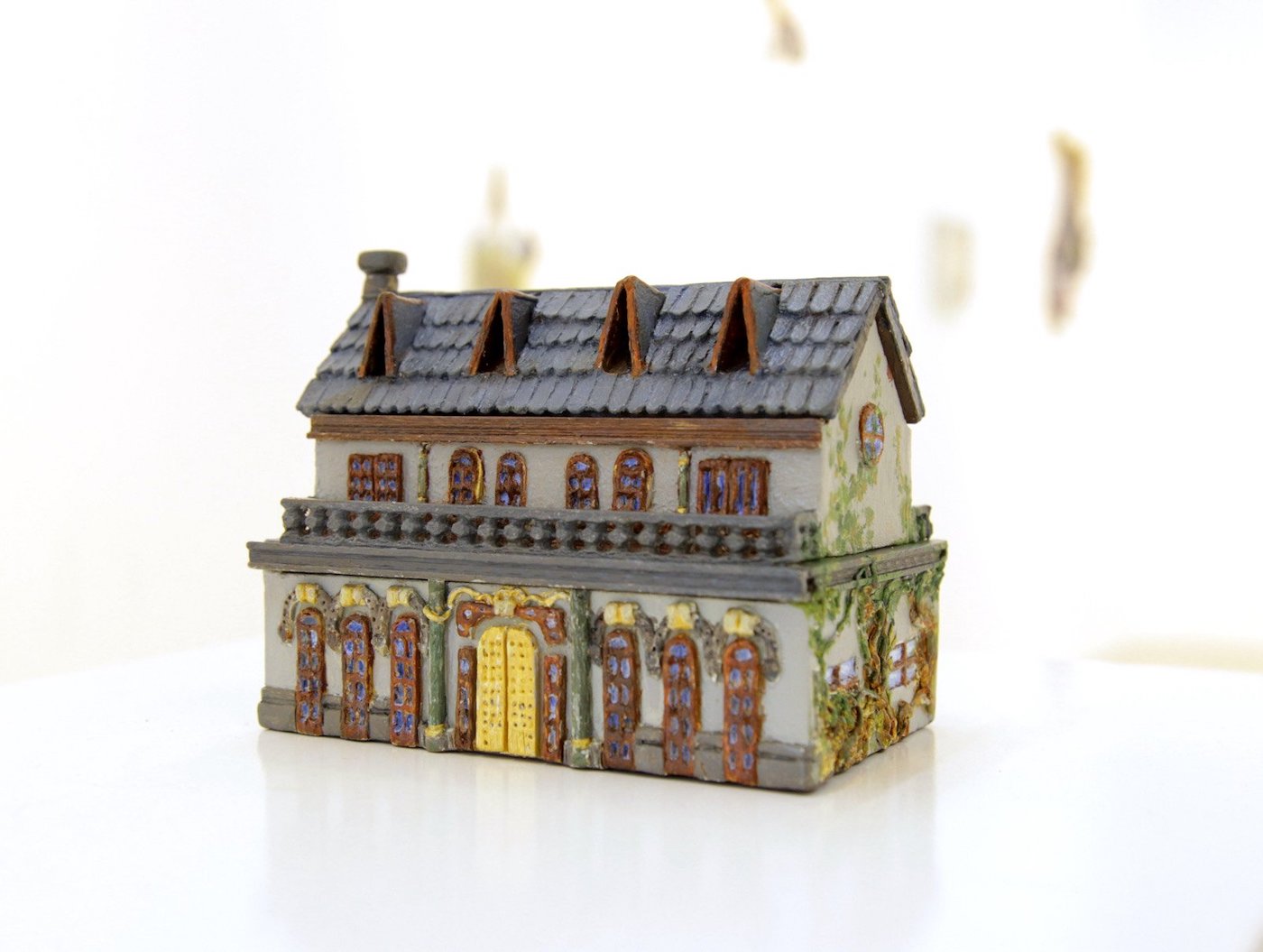
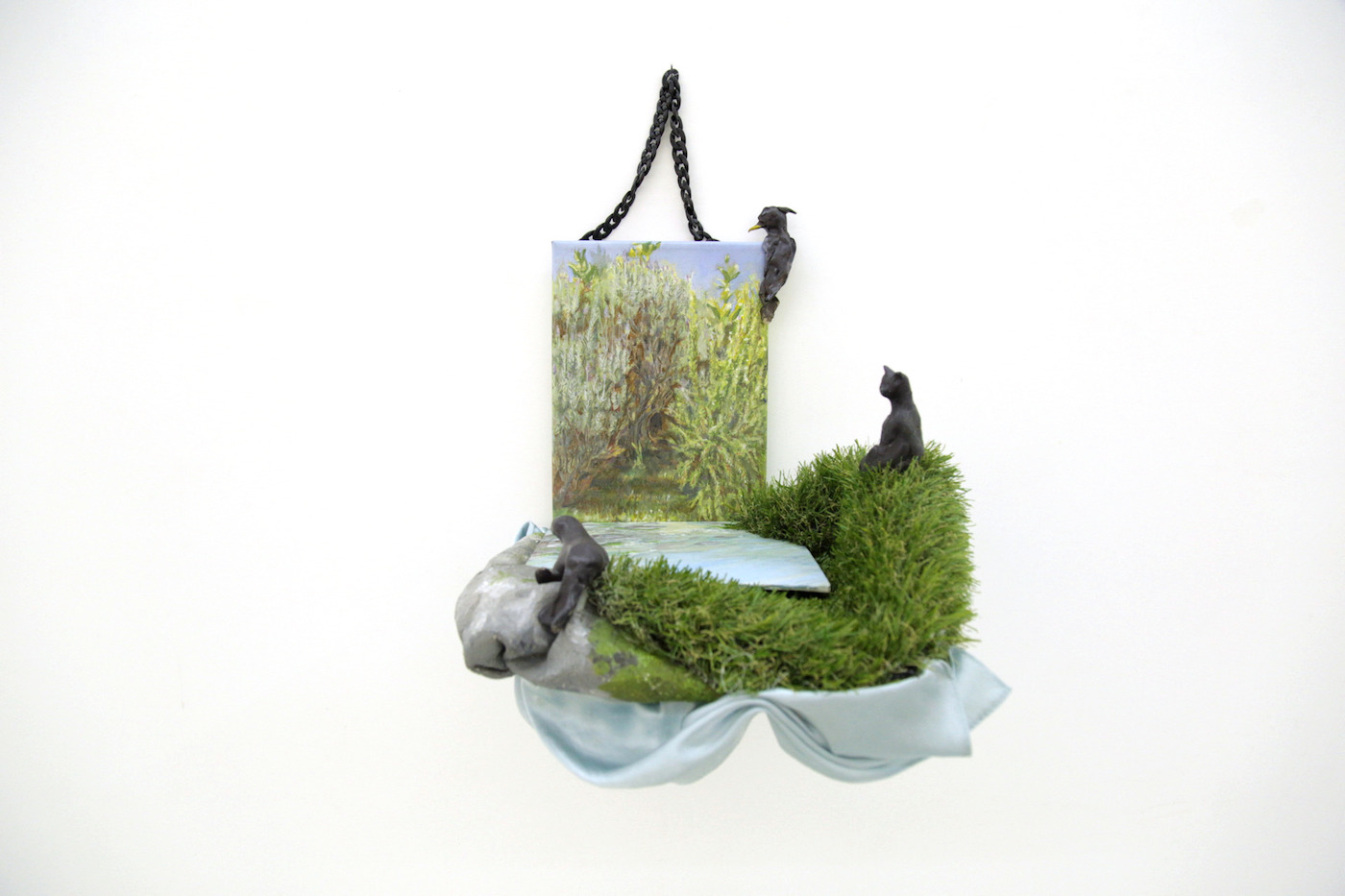
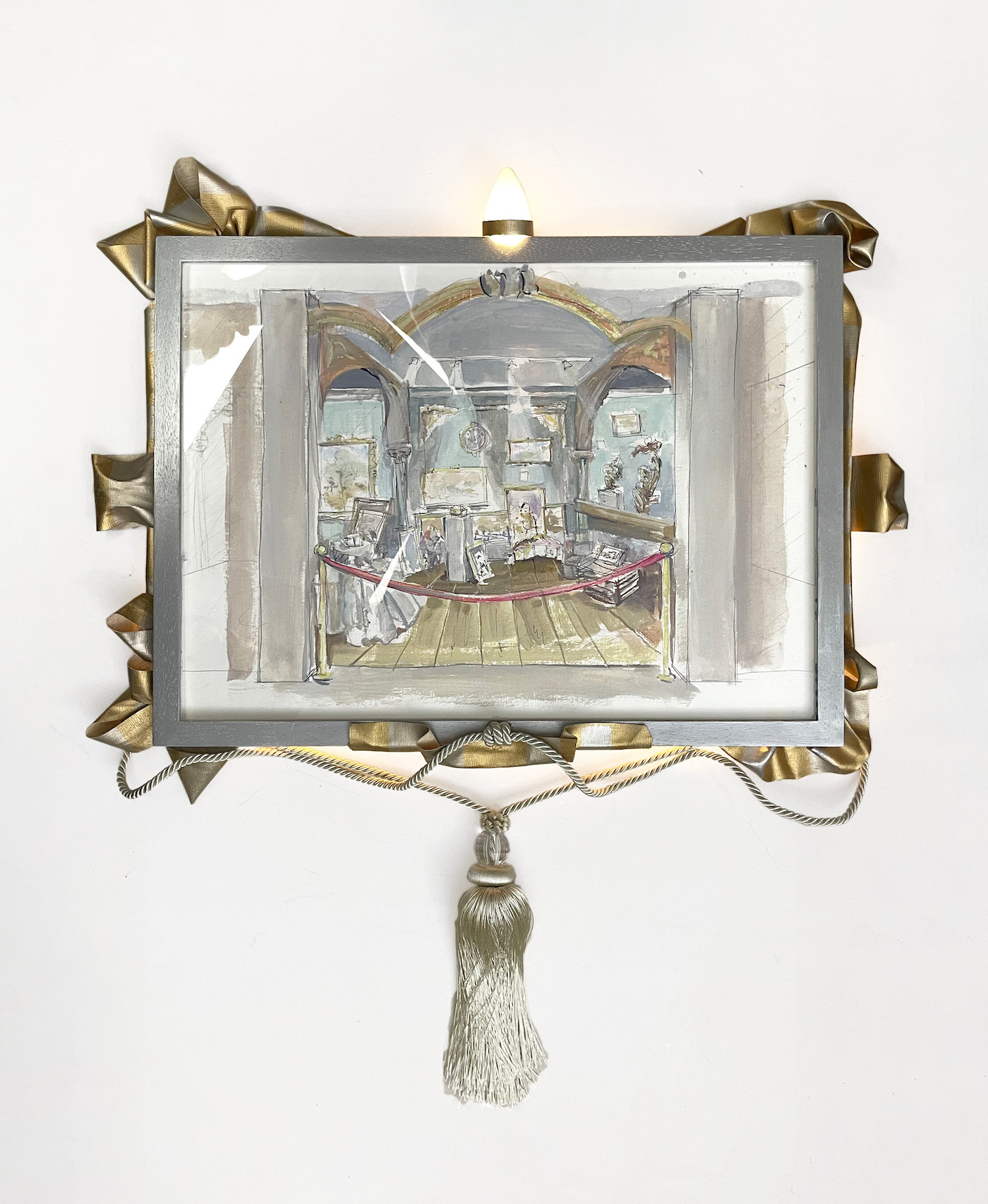
At the heart of the exhibition lies a small piece: a miniature, fairy-tale-likehouse from which all the other elements in the installation emanate. Far from a dream or an ideal to aspire to, this house becomes a warehouse of horrors: its materials, its scenes, its normative and conventional vision of the world… all stem from the nouveau-riche, materialist dream into which our world is increasingly being transformed. We all agree that billionaires’ weddings broadcast on Instagram are kitsch and grotesque, and yet we also witness how that same taste—recycling classical motifs of elegance, like a gown inspired by Sophia Loren—spills further obscenity into the public sphere.
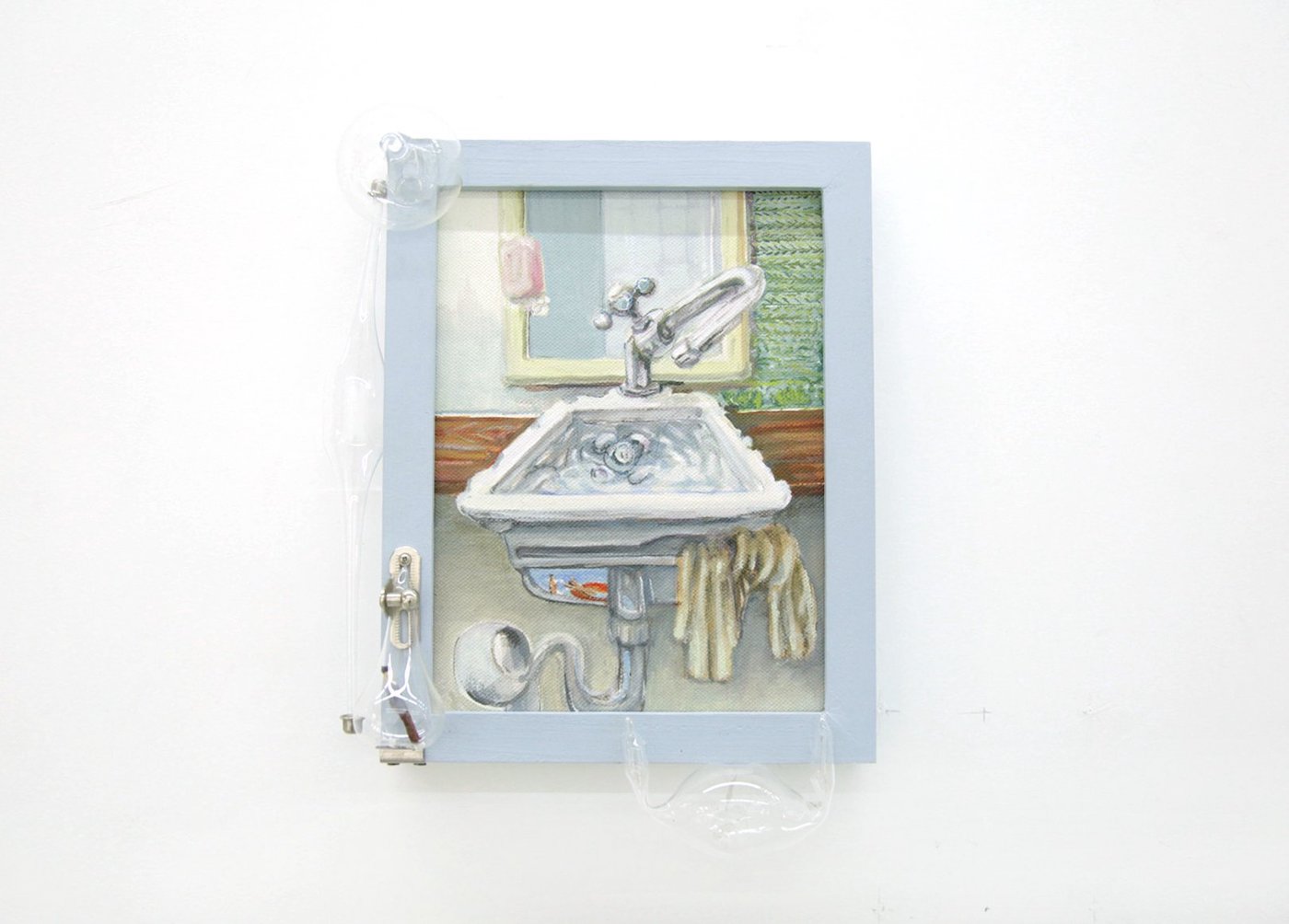
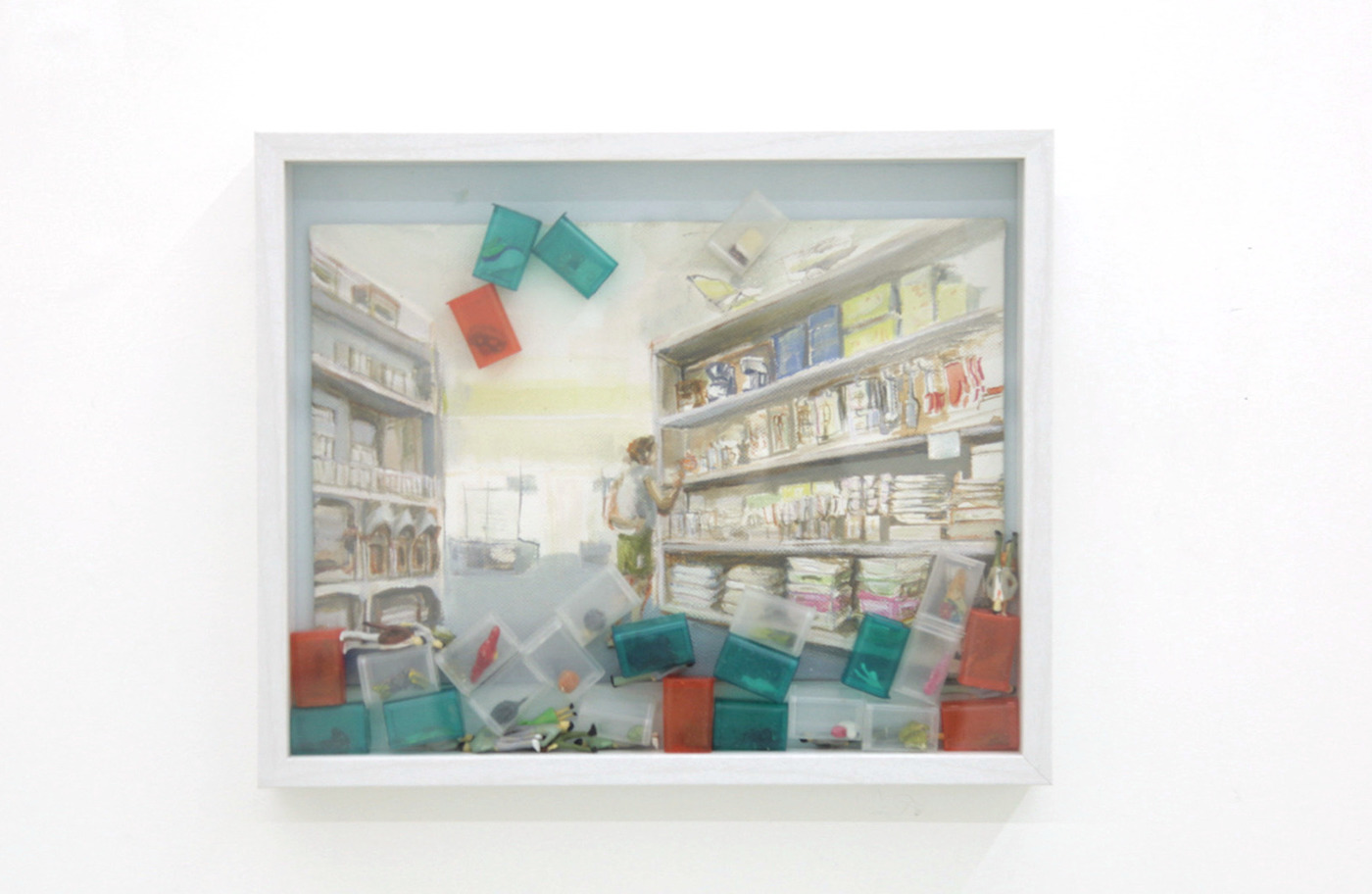
Many know Guzmán Paz for his miniature scenes. But what is the deeper reason for shrinking things to such a scale? It is the possibility of observing them almost scientifically. What at first appears to be a narrative interest in small episodes of the everyday—often drawn from his own life—is in fact an attempt to understand why we allow ourselves to be so easily entertained, when what we should truly be doing is changing the world. We smile, we convince ourselves that such gestures are critical, but we stop short of acting. No one acts. Action takes place only in our increasingly weary minds, unable to find rest. We wake in the night, and what once seemed beautiful now appears hideous, stained, damp. The world is cluttered with trinkets and frivolous ornaments, while what is lacking are voices and energies capable of renewing it at its roots.
This is, in every sense, an iconic exhibition—charged with critical energy and animated by a lucid, hopeful spirit that will undoubtedly be visible at every stage in the evolution of the artist’s work.
Chus Martinez
August 2025
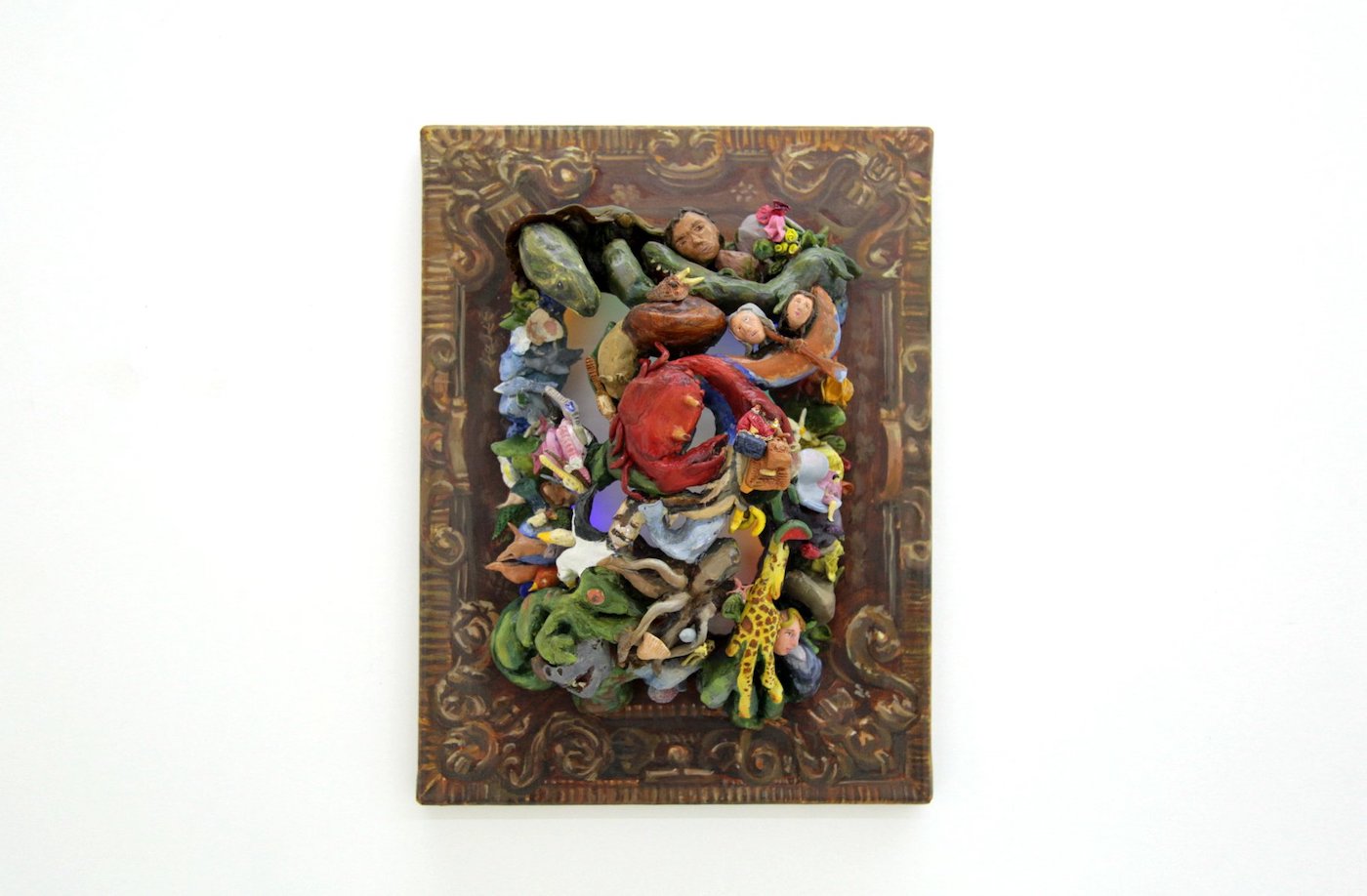
Guzmán Paz (Montevideo, Uruguay, 1988) lives and works in Buenos Aires. He has exhibited at the Buenos Aires Museum of Modern Art (2022); the Larreta Museum (2021); the Palais de Tokyo, Paris (2018), among other institutions. Since 2012, he has been a member of Básica TV, an artistic collective focused on performance and video. In 2025, he was selected as an artist-in-residence at FAARA, Fundación Ama Amoedo Residencia Artística, in José Ignacio, Uruguay, one of the most prestigious artist programs in the Southern Cone.
Chus Martínez is a Spanish curator, writer, and art historian. She currently heads the Art Institute at the FHNW Academy of Arts and Design in Basel, Switzerland. She has served as Chief Curator at El Museo del Barrio in New York, MACBA in Barcelona, and the Frankfurter Kunstverein, and was a member of the artistic team for dOCUMENTA (13). She is the Artistic Director of the 36th Ljubljana Biennale of Graphic Arts, on view until October 12. She has curated national pavilions for the Venice Biennale and worked on projects for the São Paulo Biennial, the Istanbul Biennial, the Carnegie International, and the Thyssen-Bornemisza Museum, among many other institutions.
Thanks to FAARA (Fundación Ama Amoedo Residencia Artística).