








about
Lux Lindner (Buenos Aires, 1966) develops a multidisciplinary practice spanning painting, performance, sound environments, animation, object-making, and scenic writing, consistently anchored in linear drawing. His work is driven by an ongoing inquiry into Argentine history, approached from a broad perspective attentive to both its intimate dimensions and its prophetic resonances.
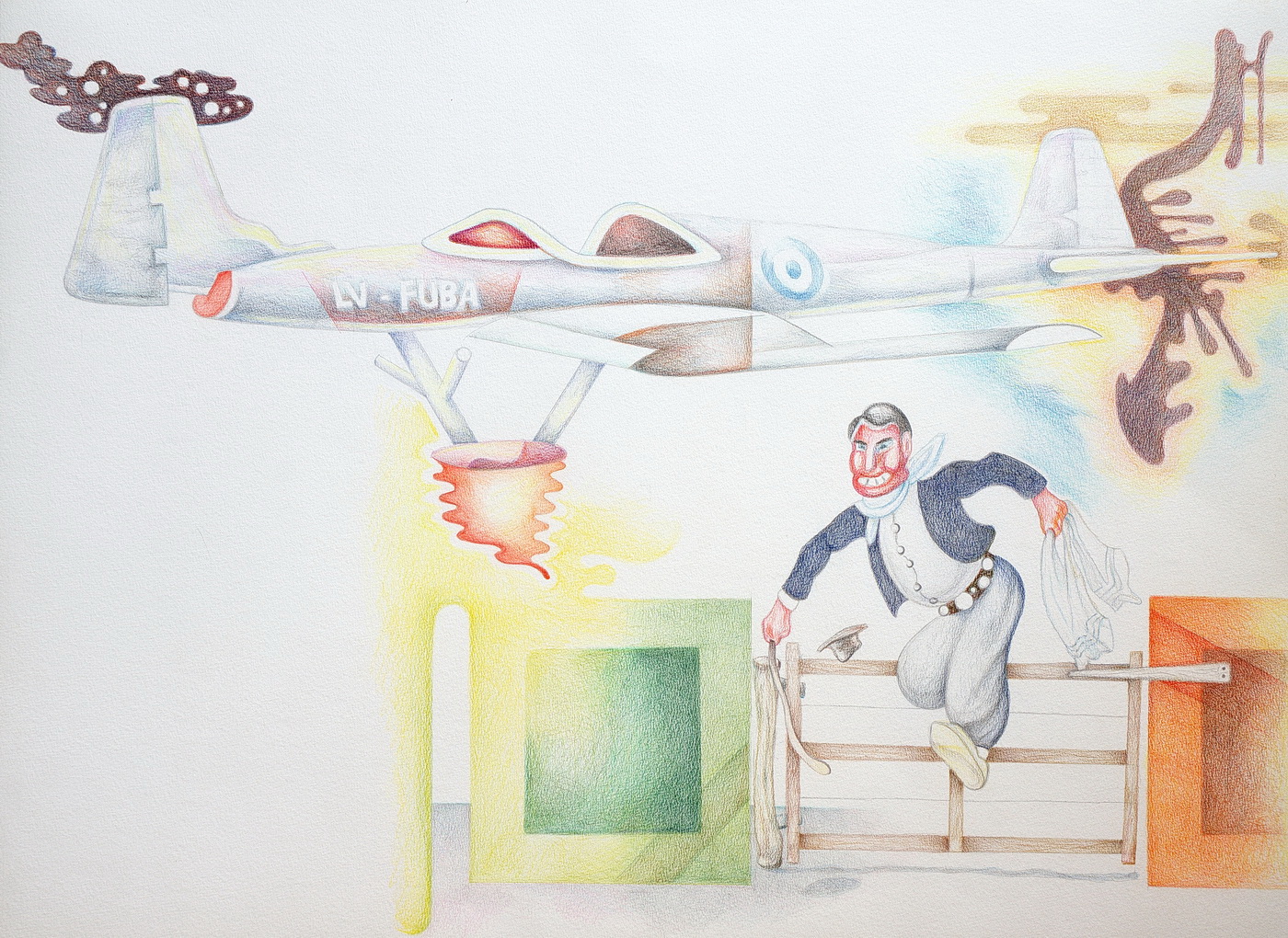
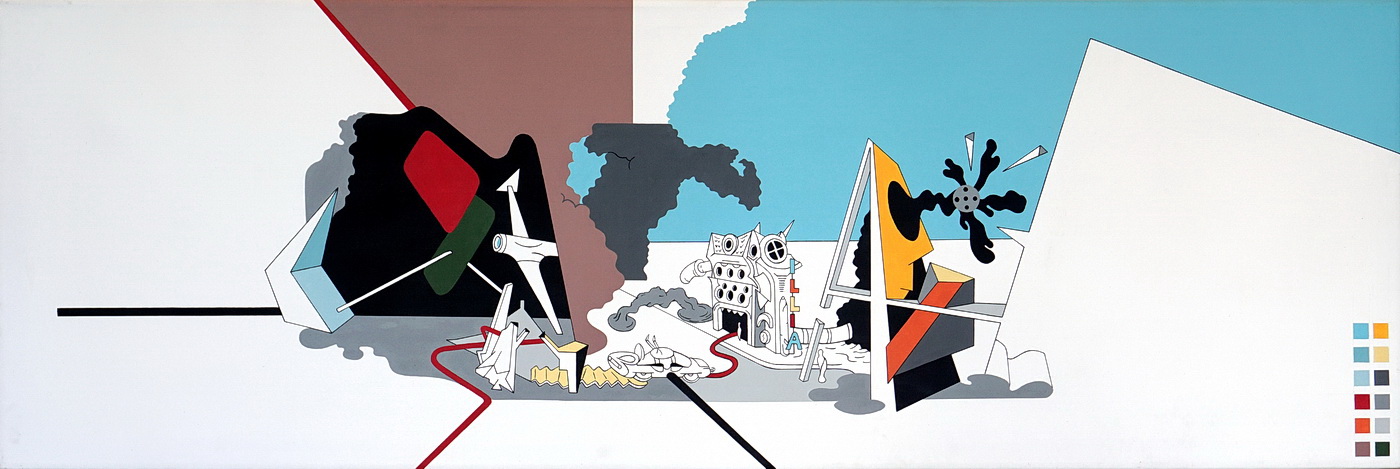
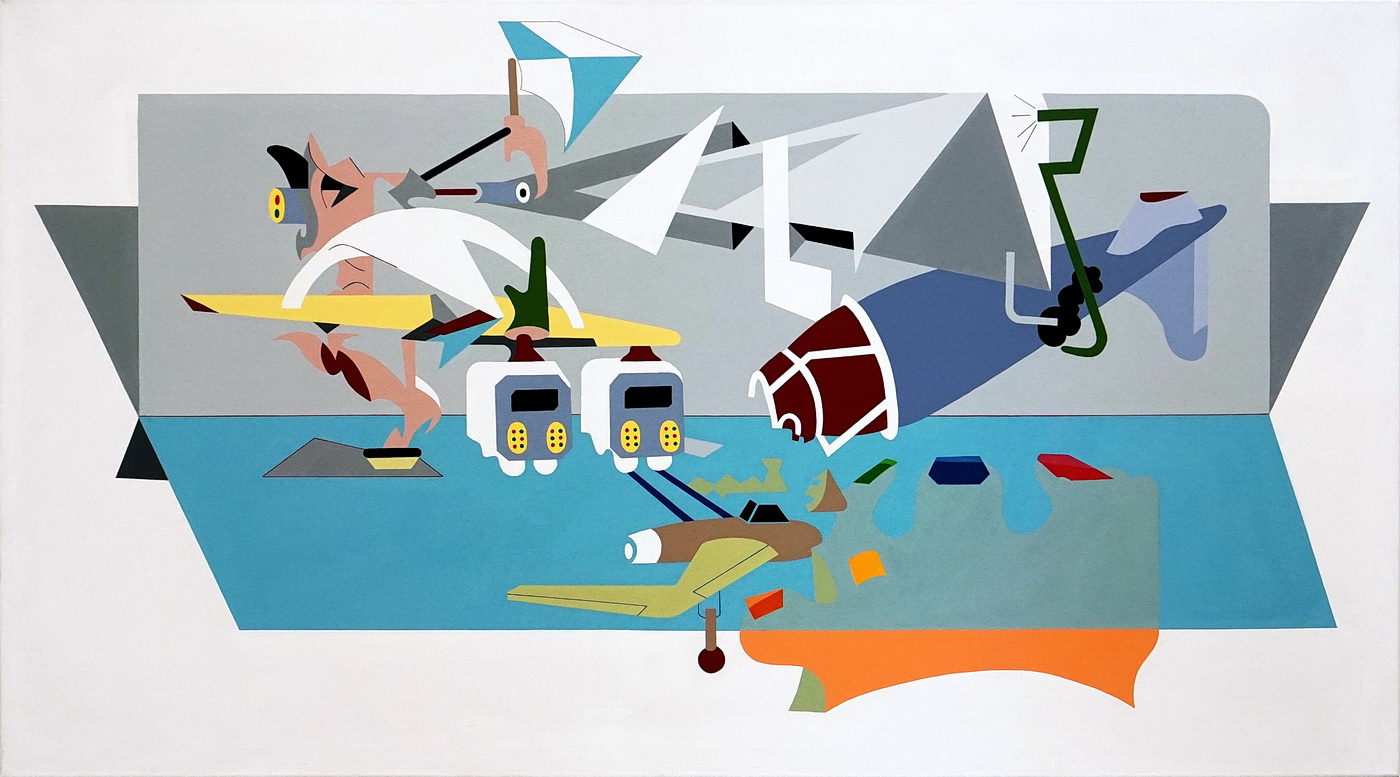
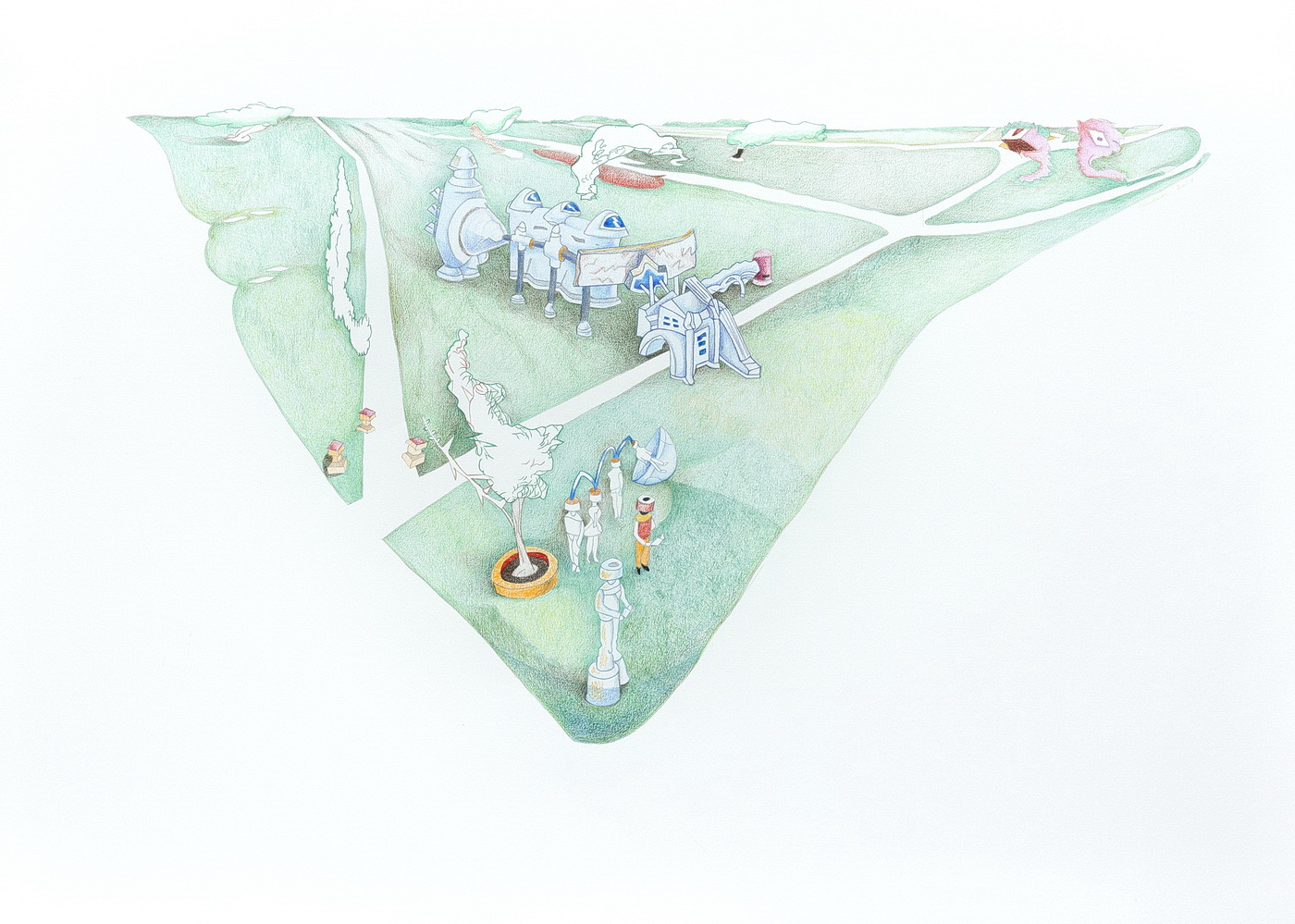
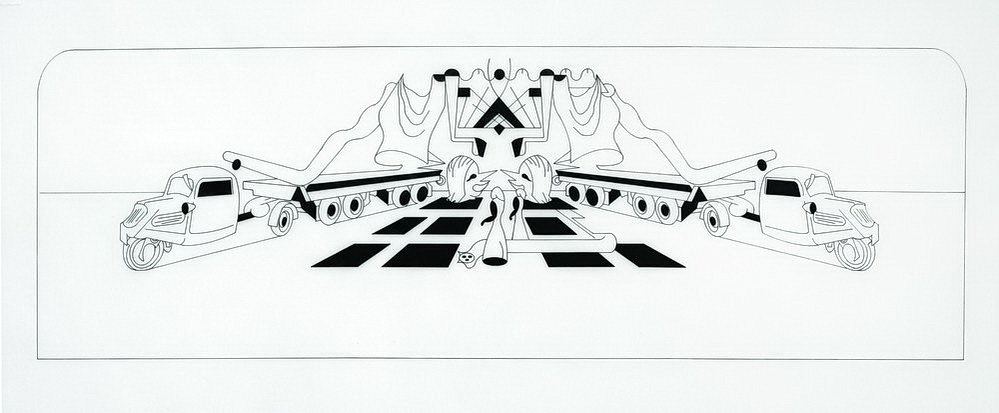
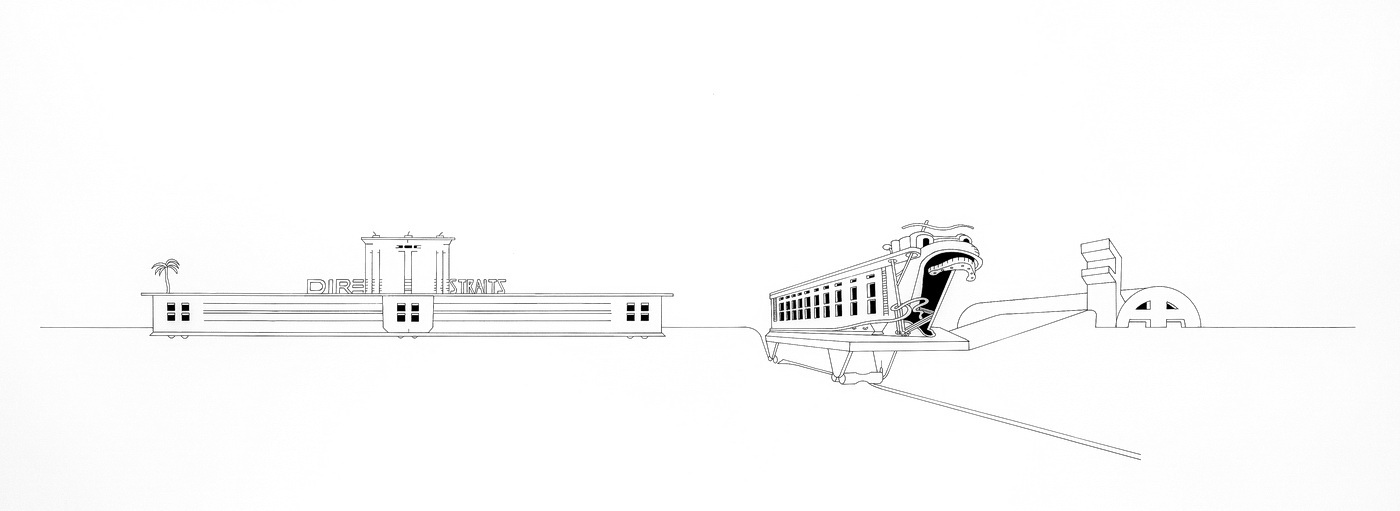
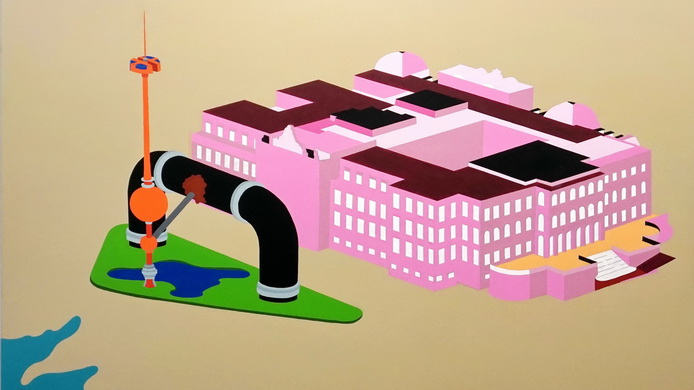
He completed his secondary education at a technical school and began studies in graphic design, where he developed a sustained interest in technical forms that would later inform his painting. These often derive from obsolete aeronautical and naval engineering manuals sourced from remainder bins, evoking the unrealized project of industrialization that declined in Argentina in the mid-1970s.
In his first solo exhibition (1990), Lindner brought together references to Ernesto Deira, rock graphics, and comic art, distancing his work from the expressive and material emphasis that had dominated the 1980s while reactivating a geometric and formal vocabulary. Since then, his practice has persistently engaged the tensions of being trained within a technical tradition in a country where industrial development has repeatedly stalled. As critic Claudio Iglesias has noted, “it is no coincidence that he is compared to Fernando Fader, who, after the failure of his electrification project, turned to painting.” Italian Futurism constitutes another key reference, embodying similar contradictions in its embrace of modernity within a peripheral context.
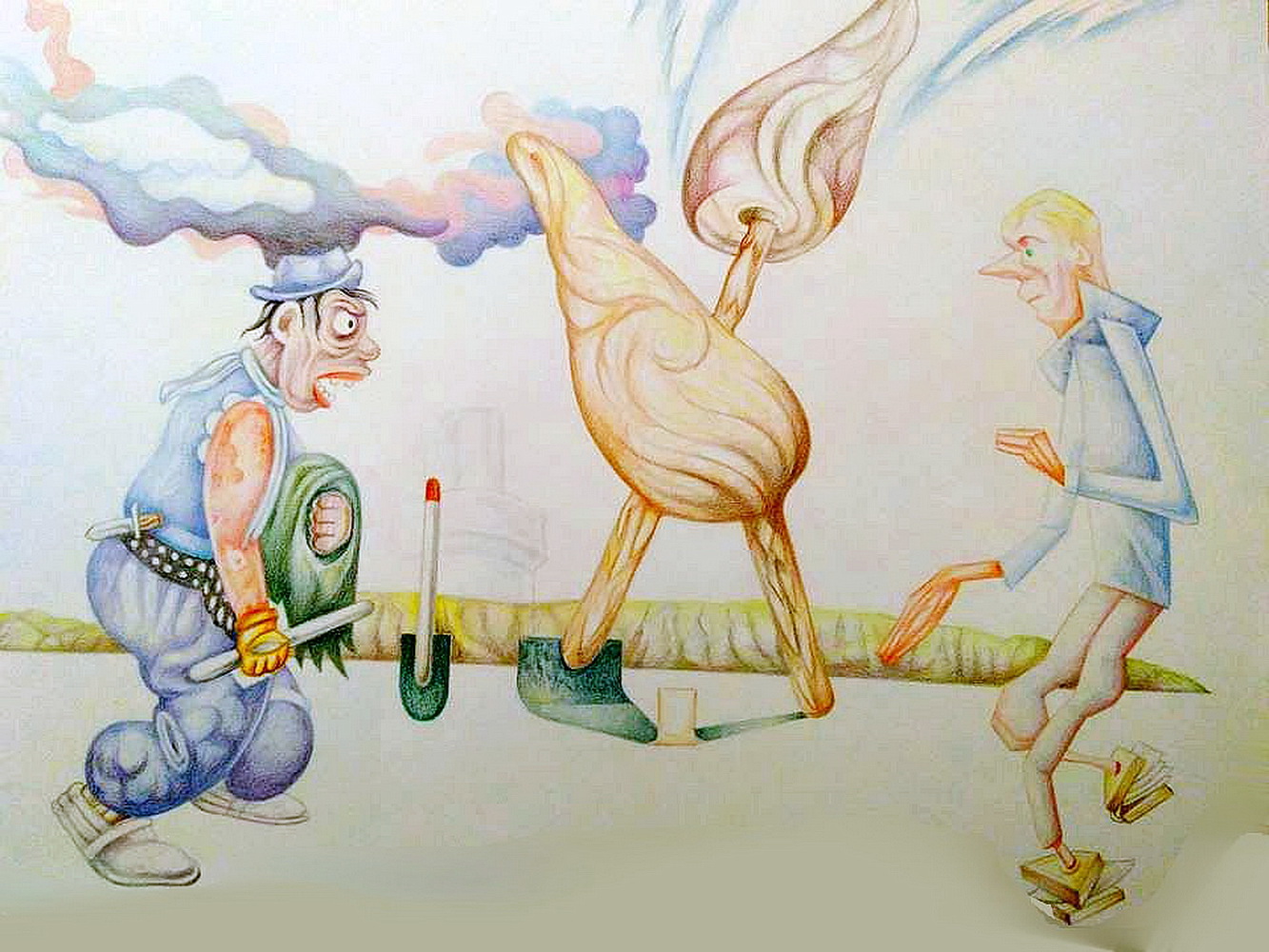
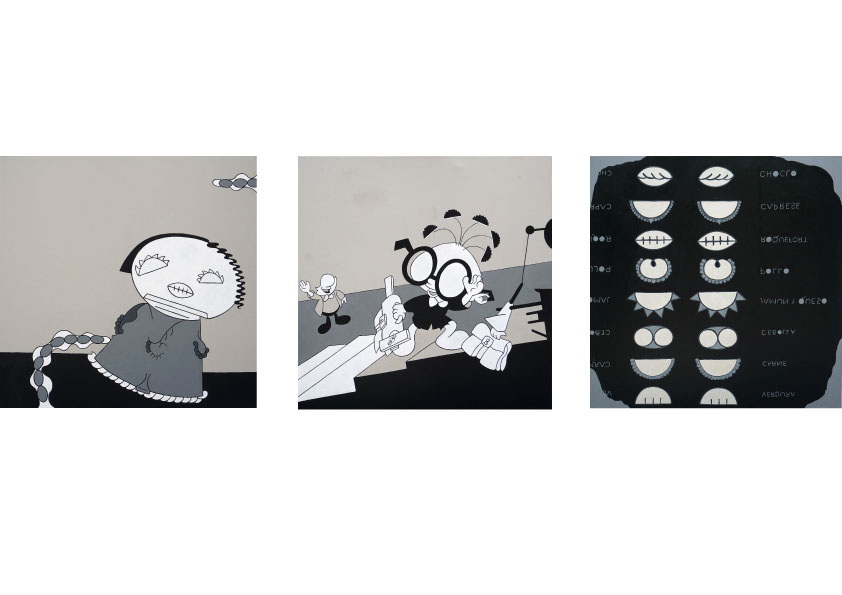
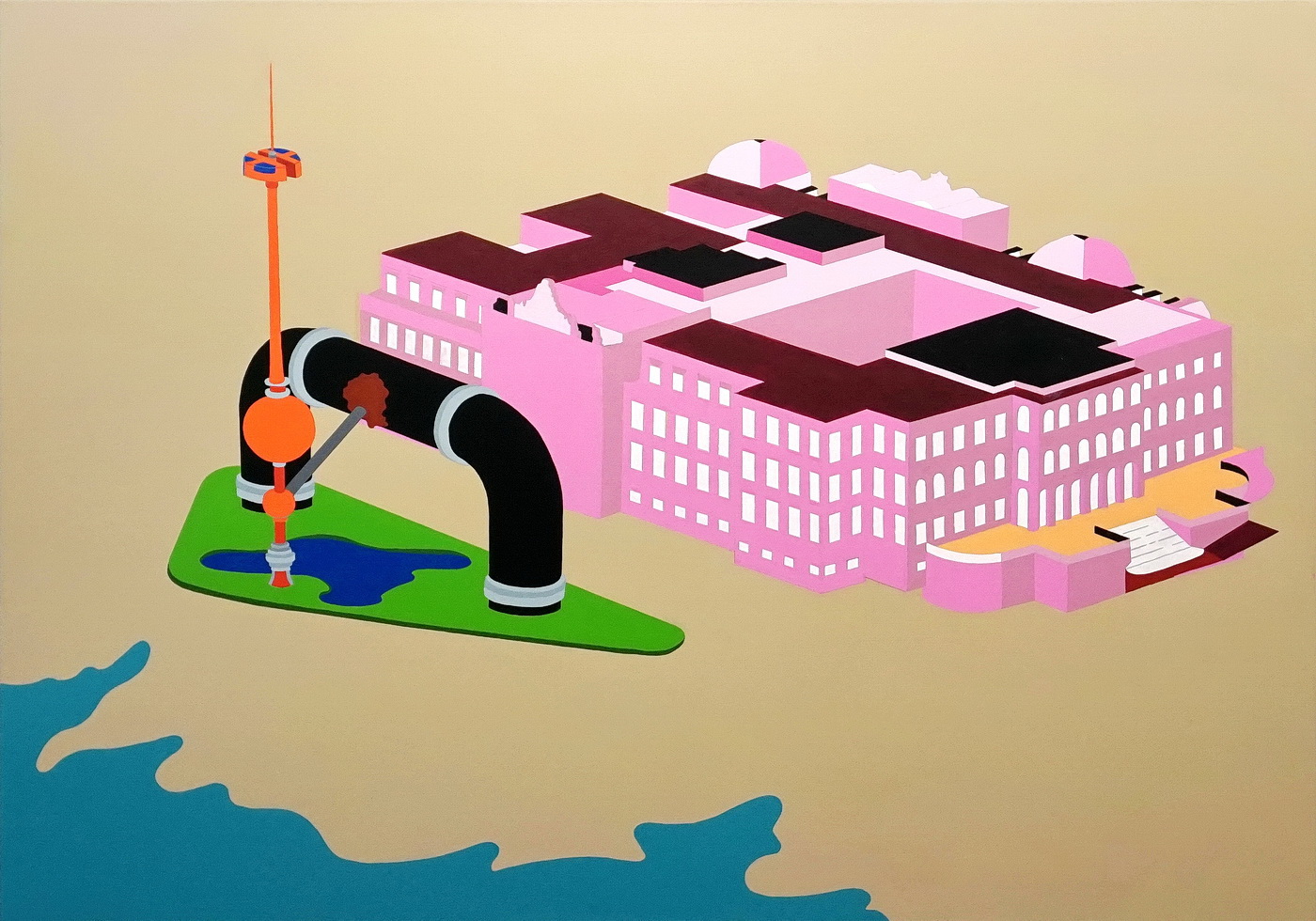
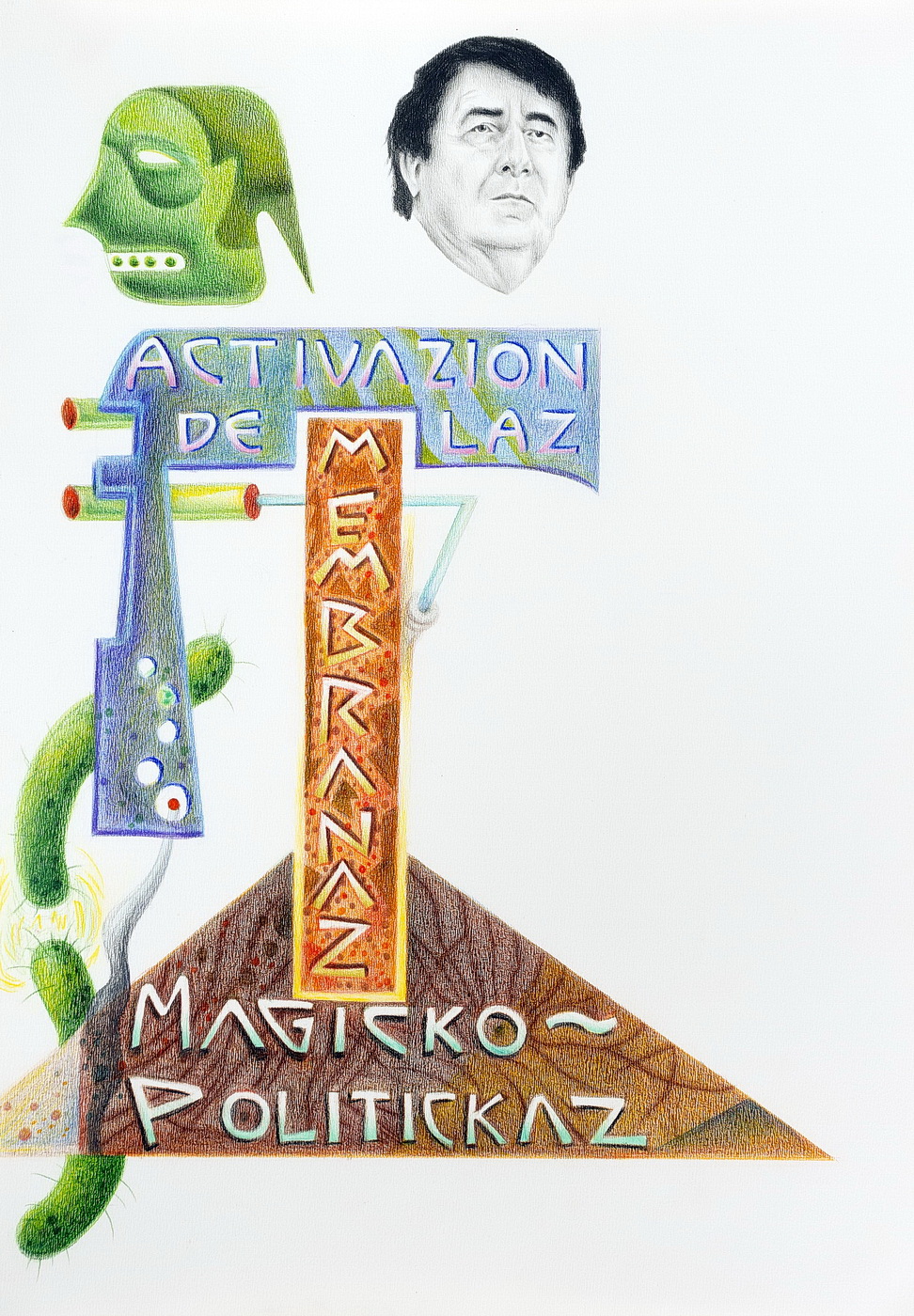
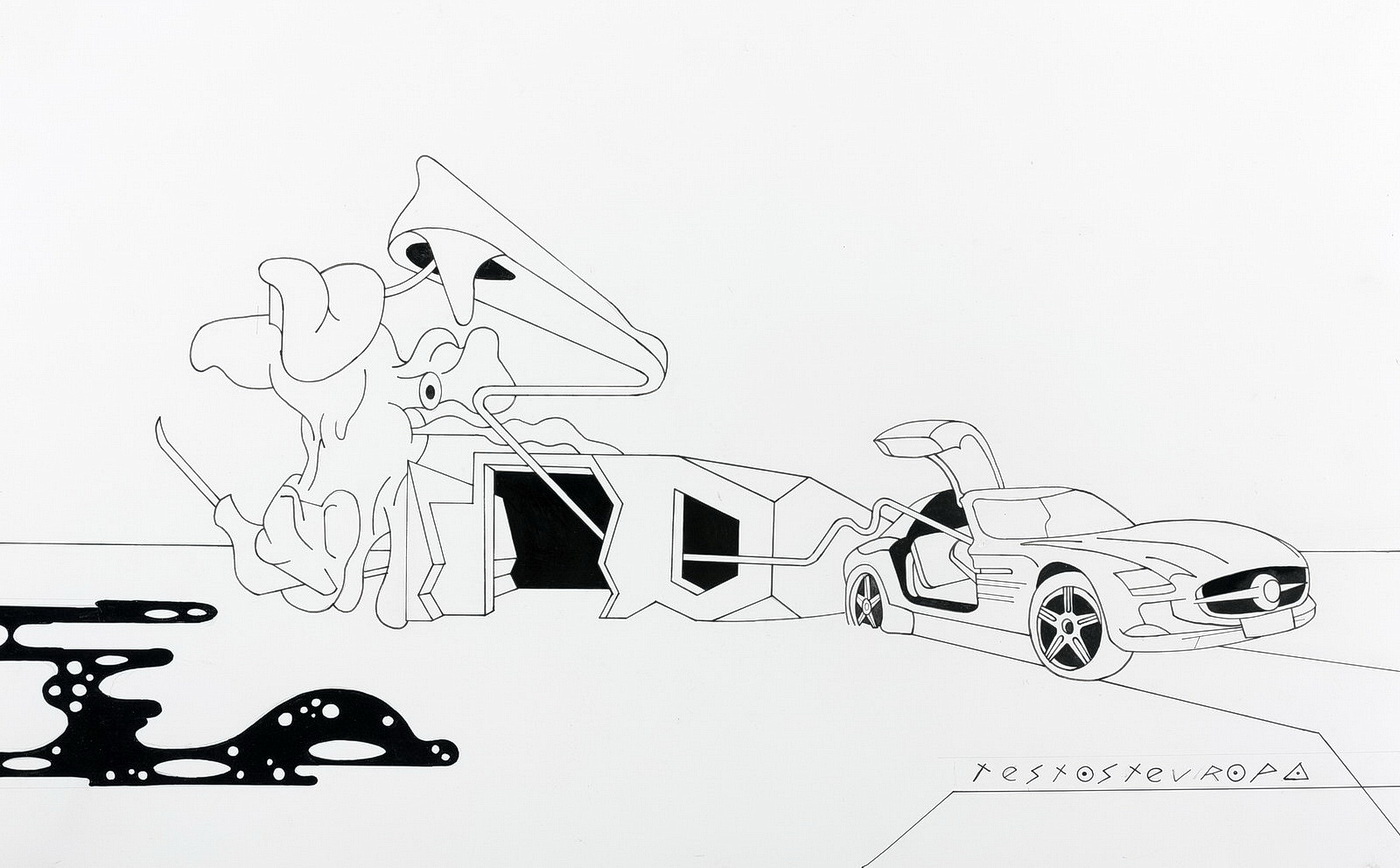
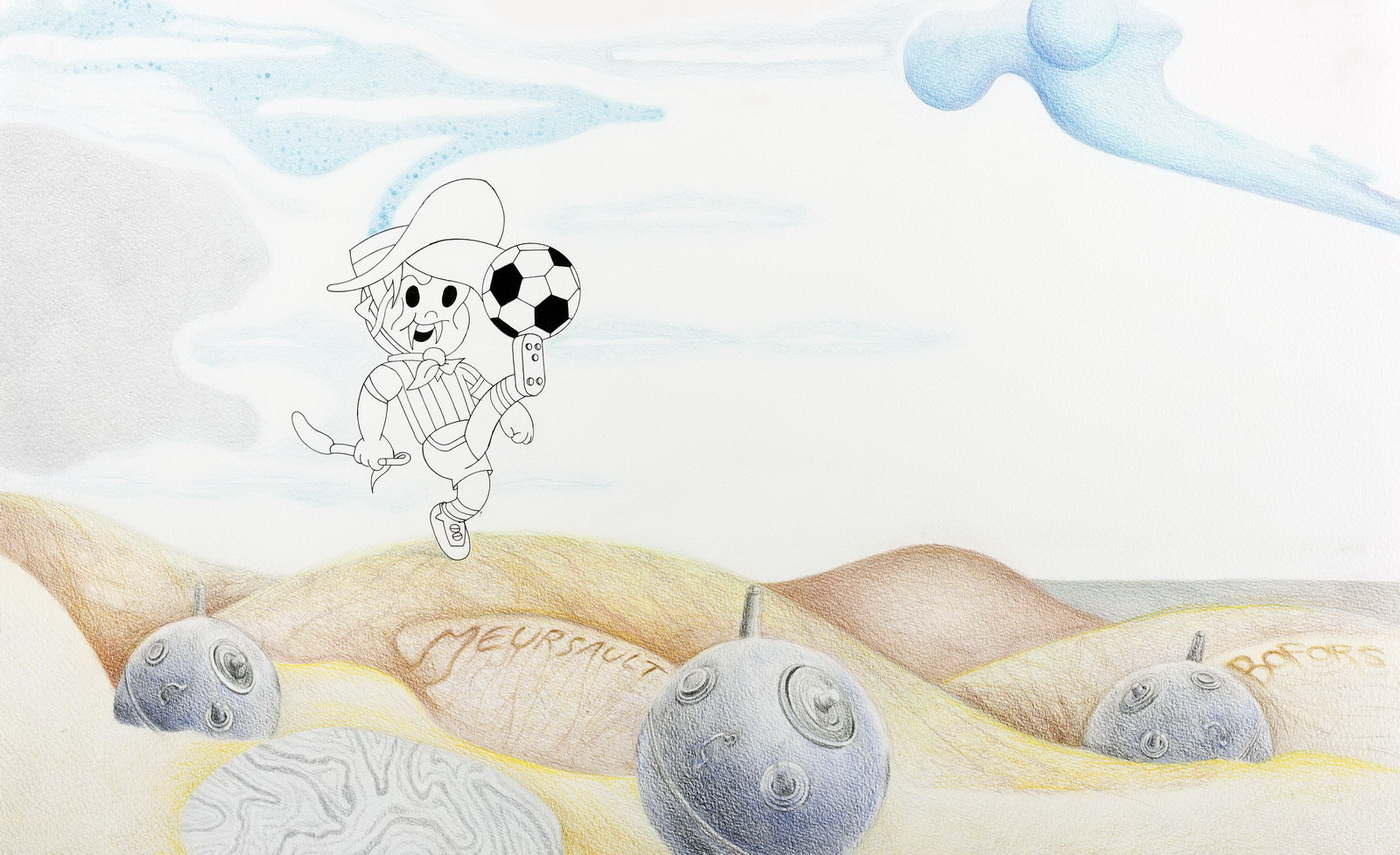
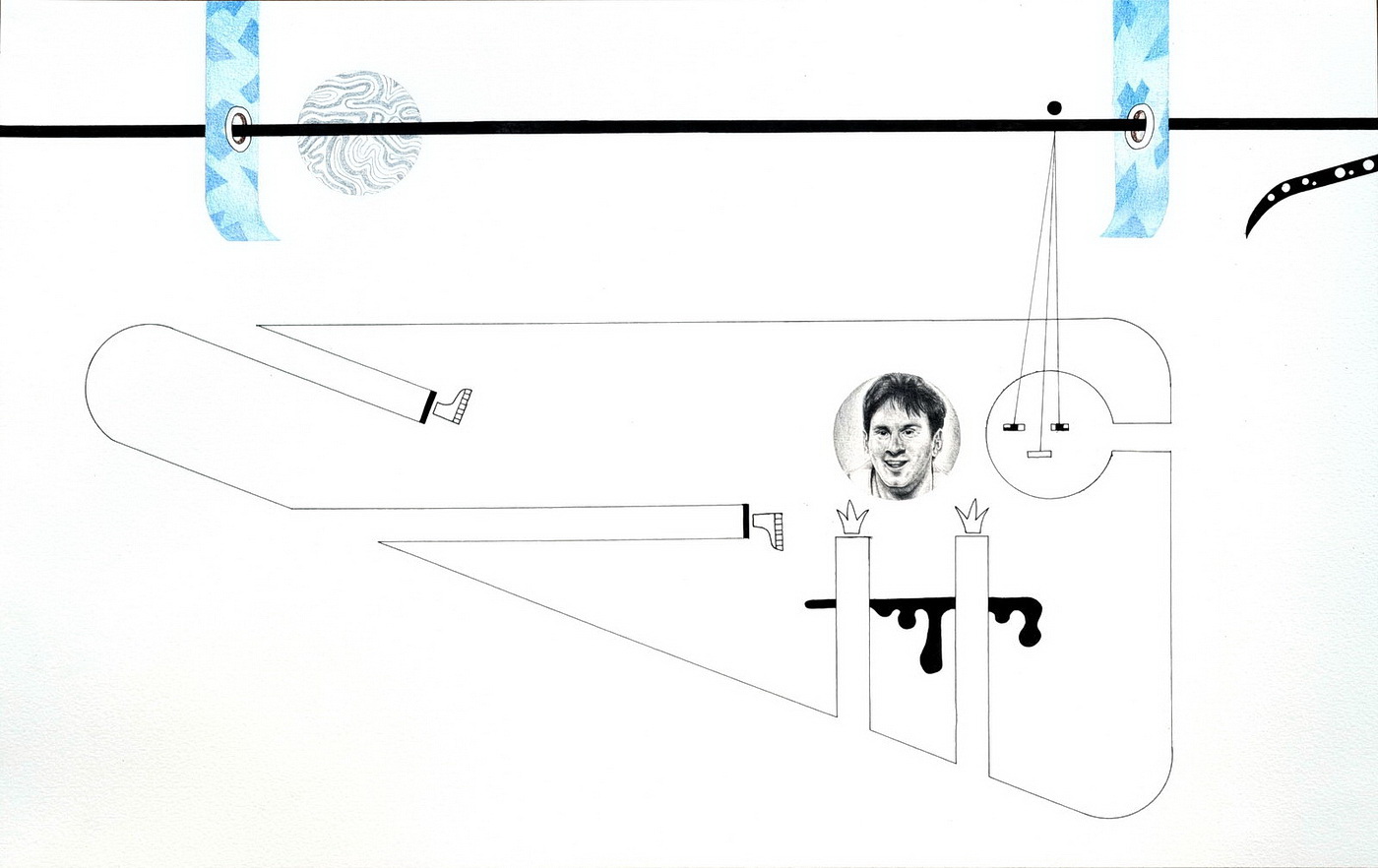
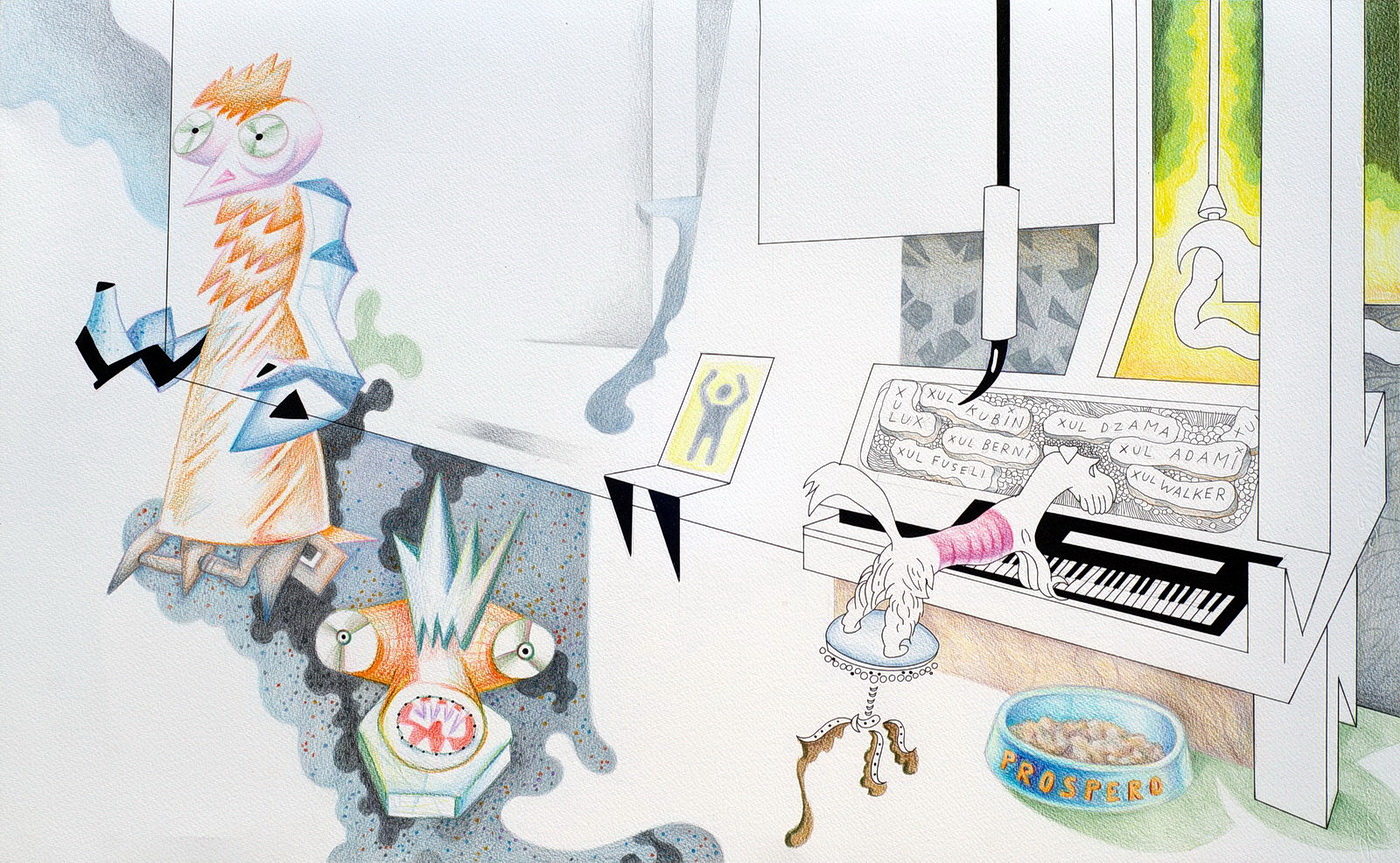
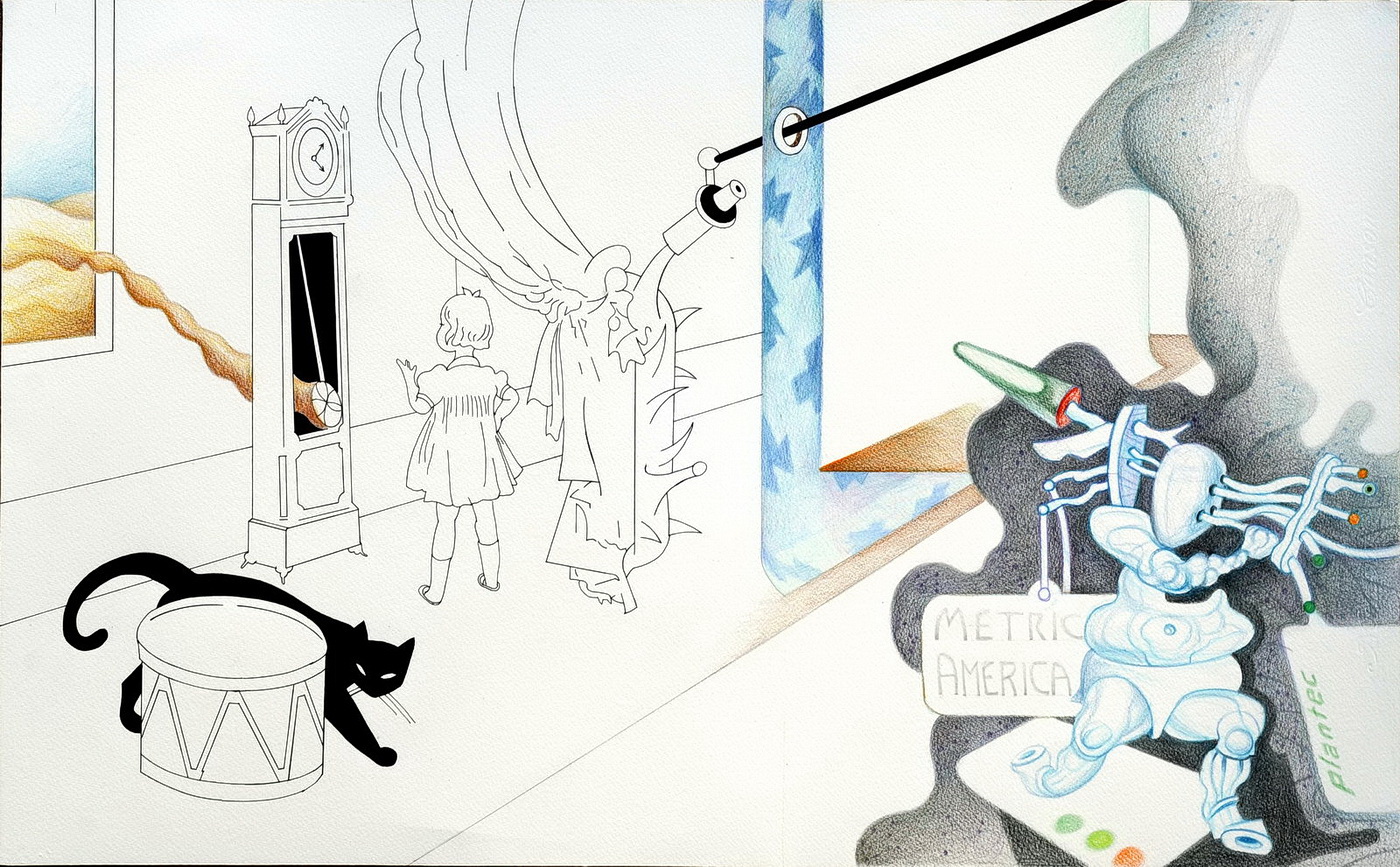
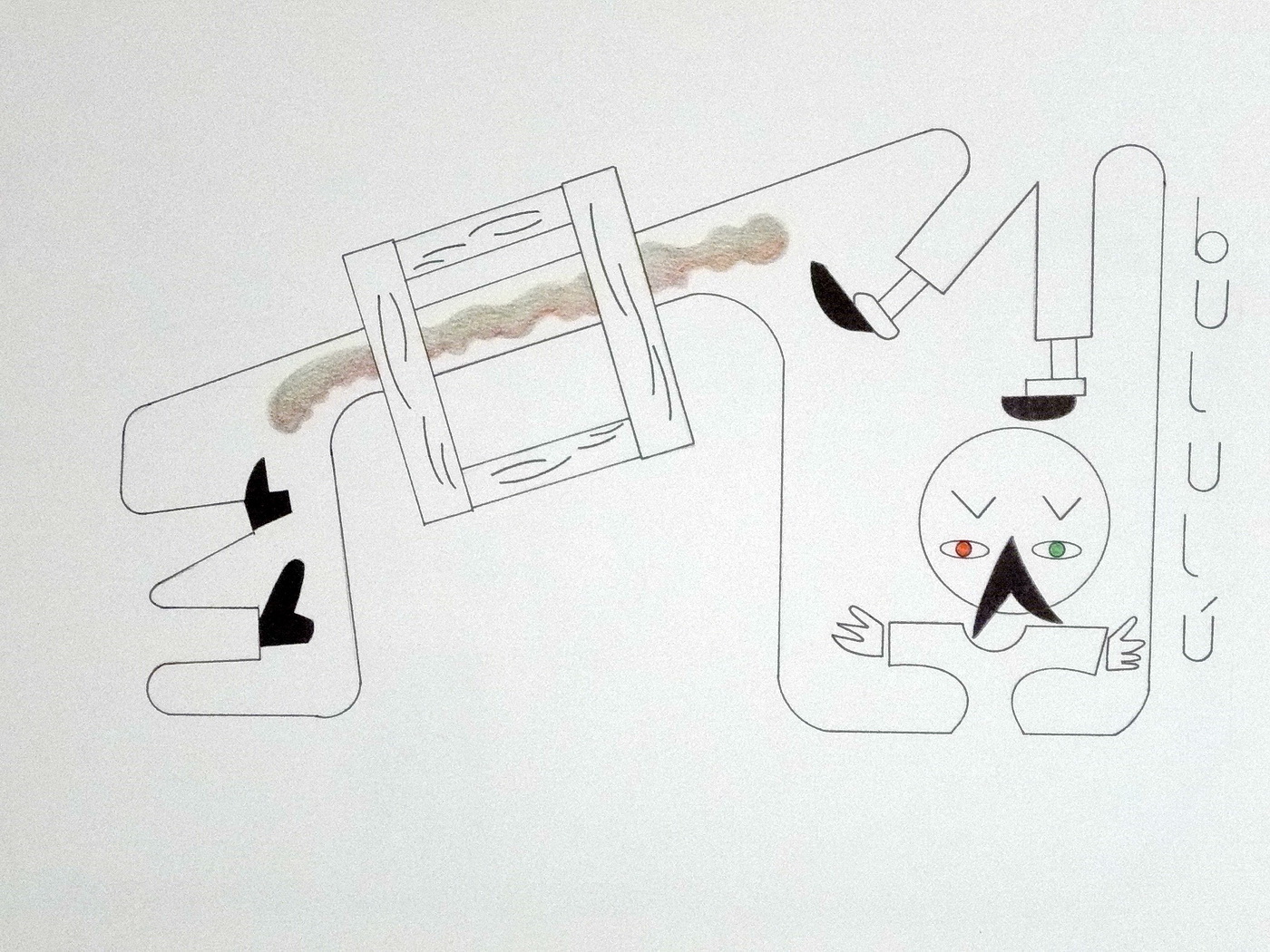
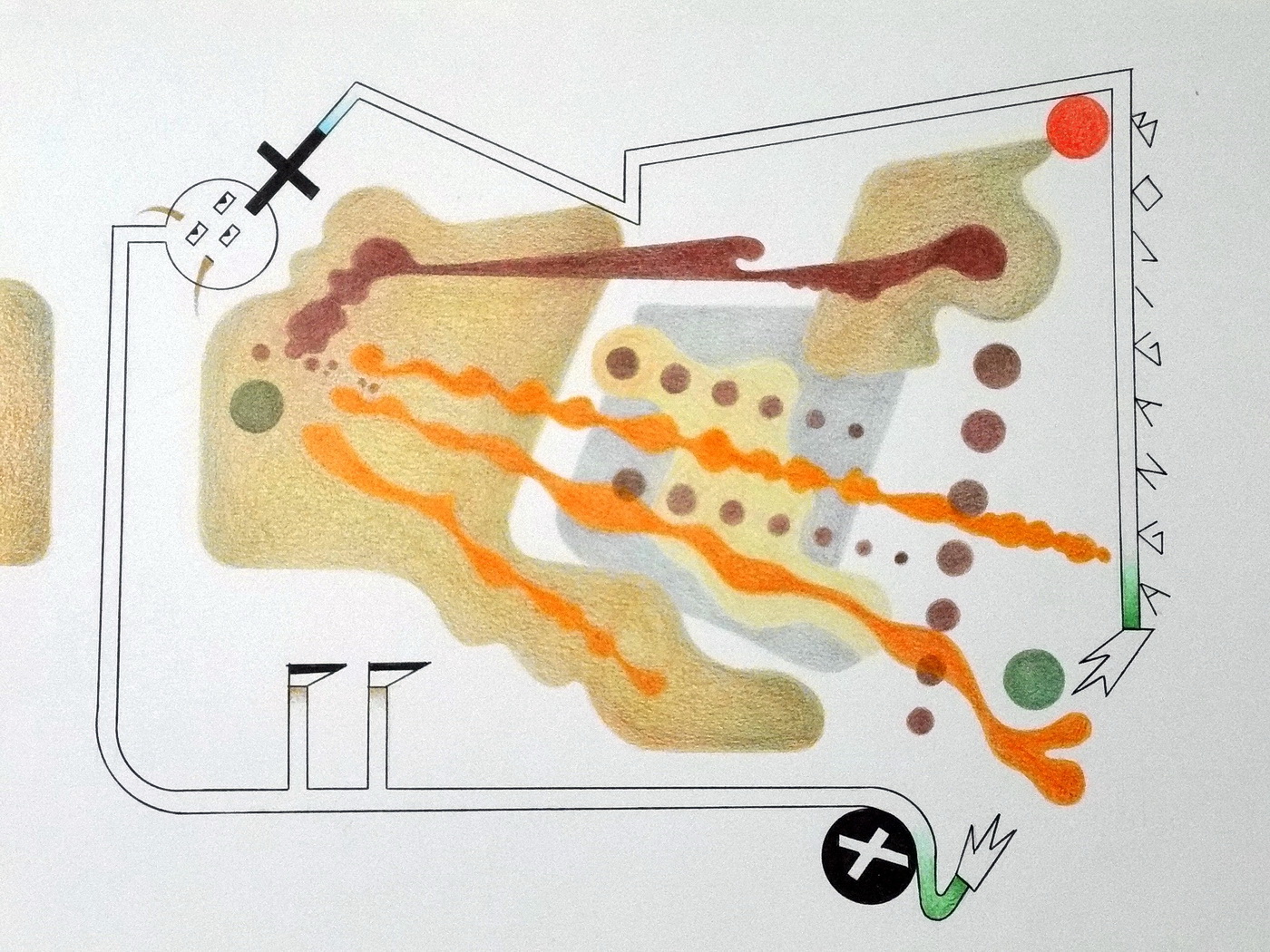
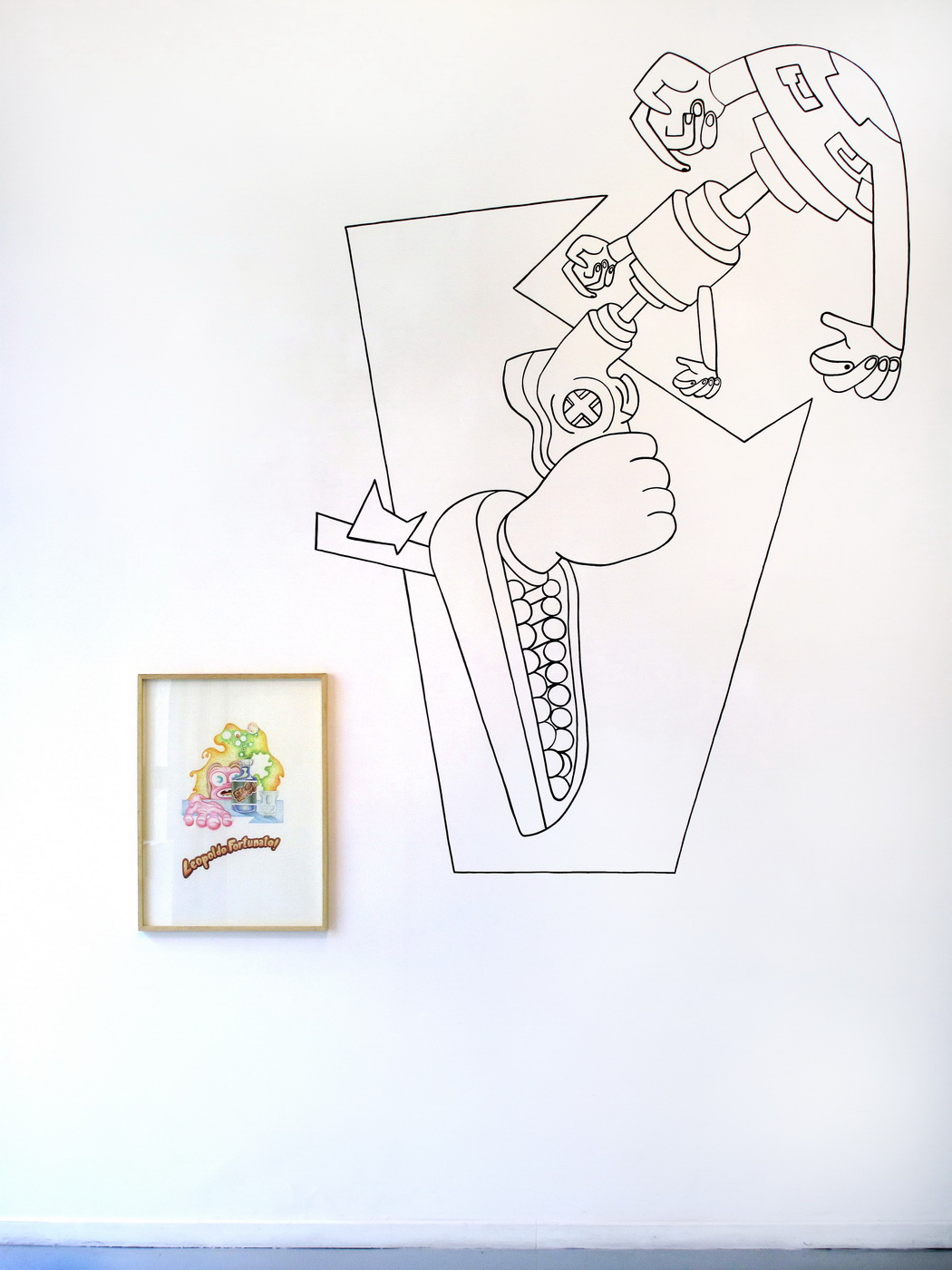
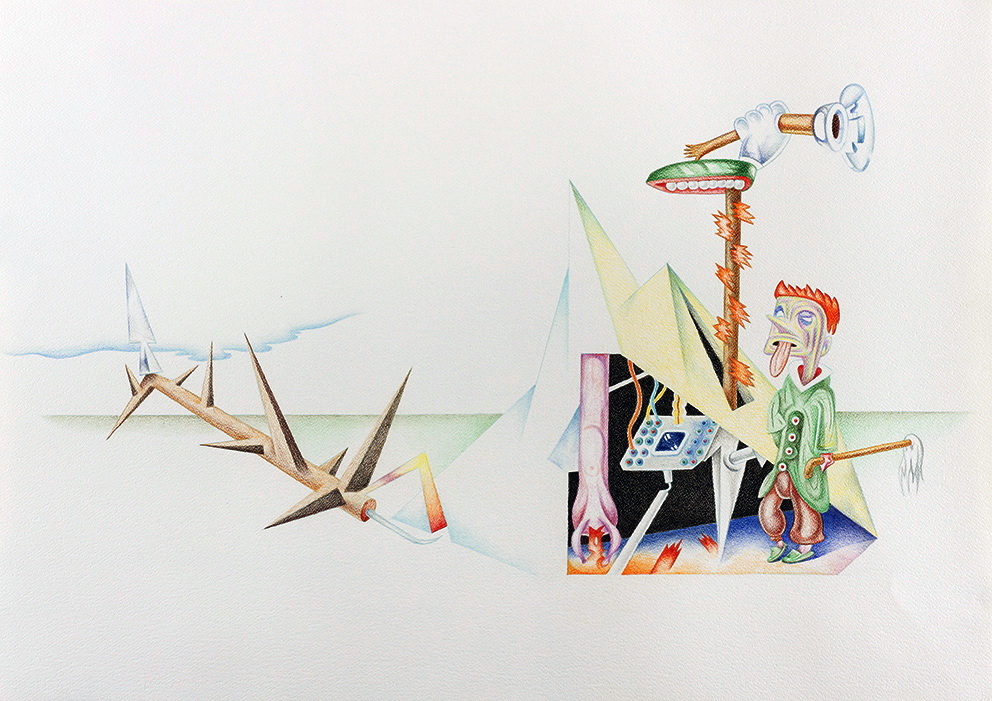
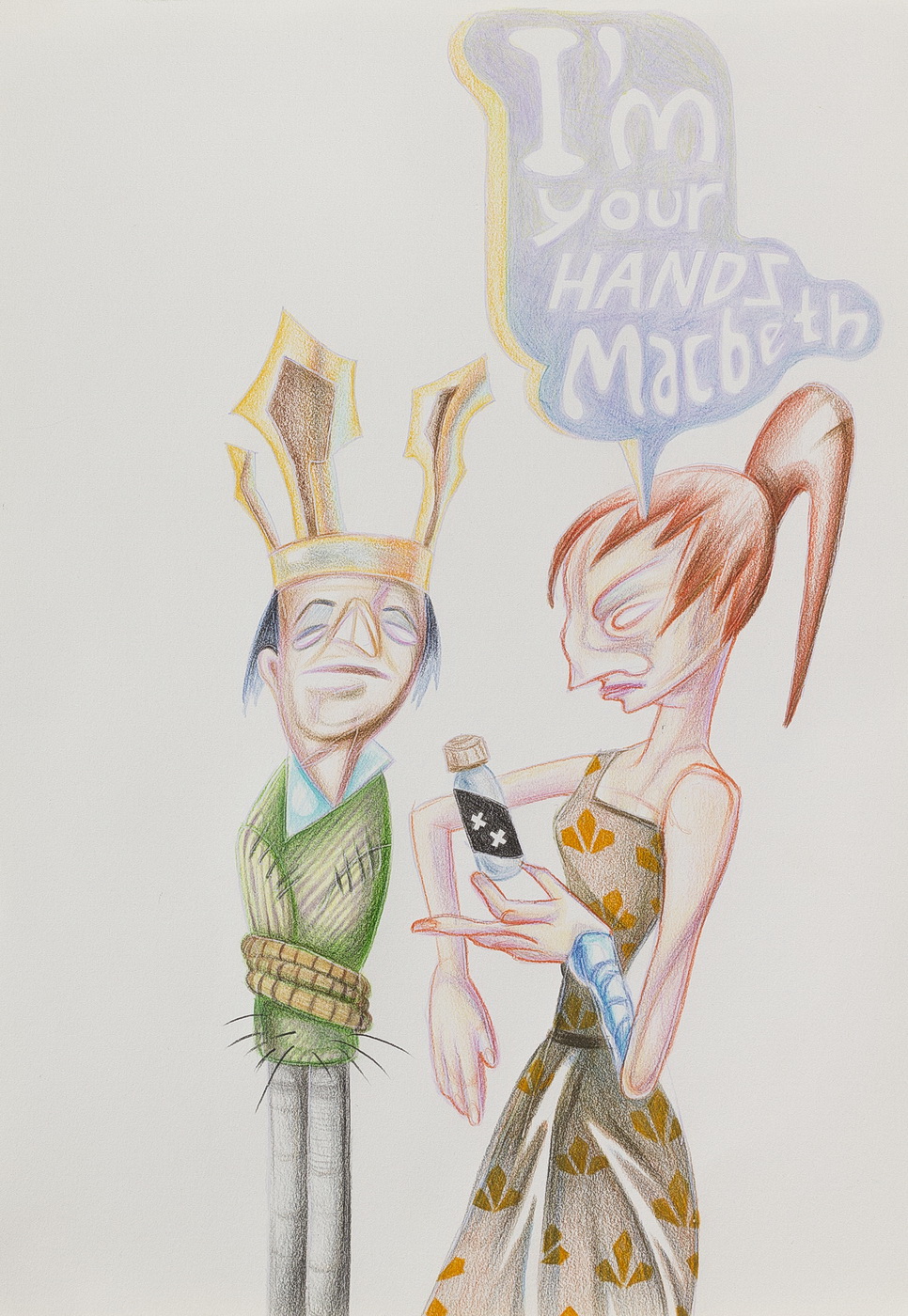
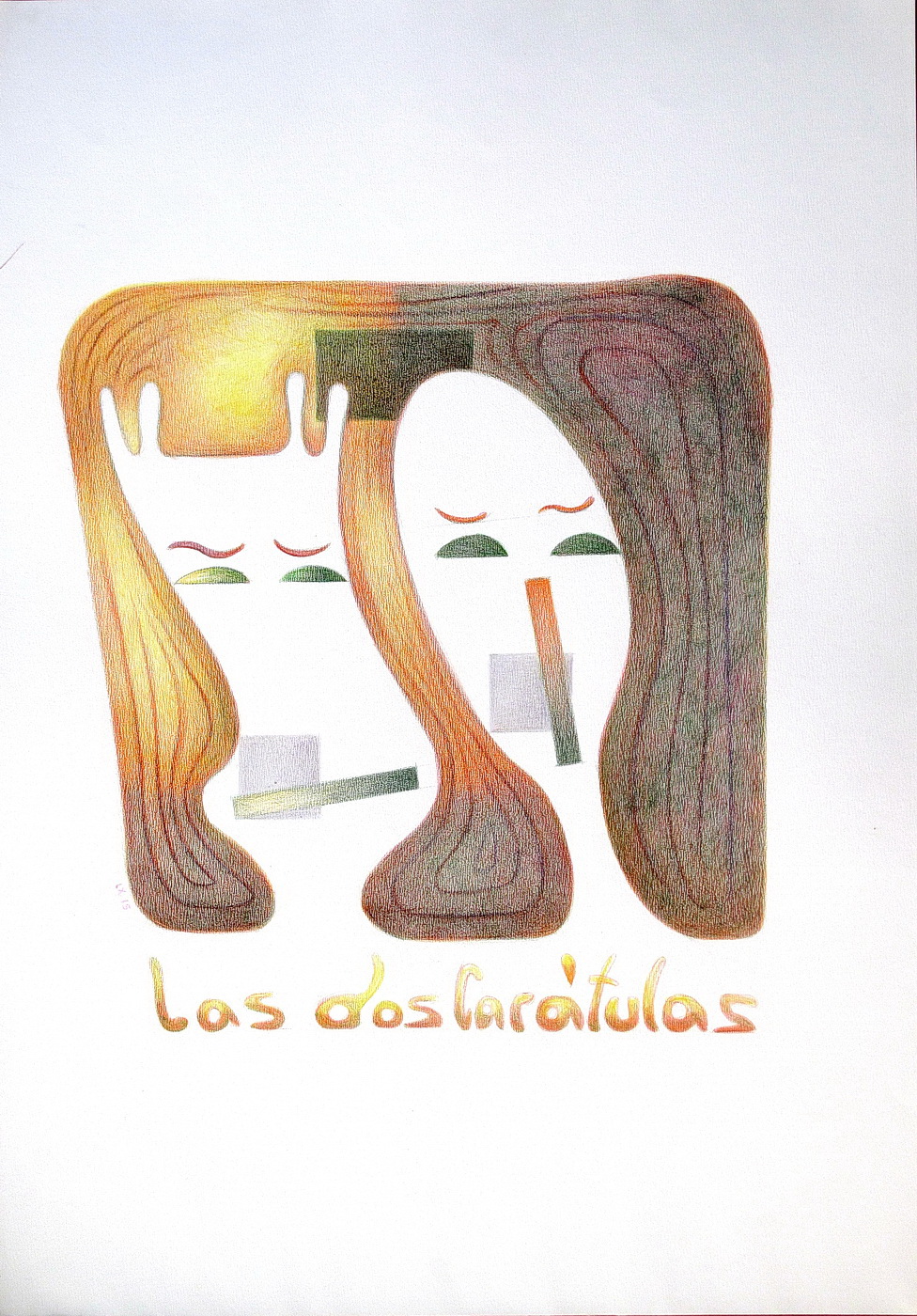
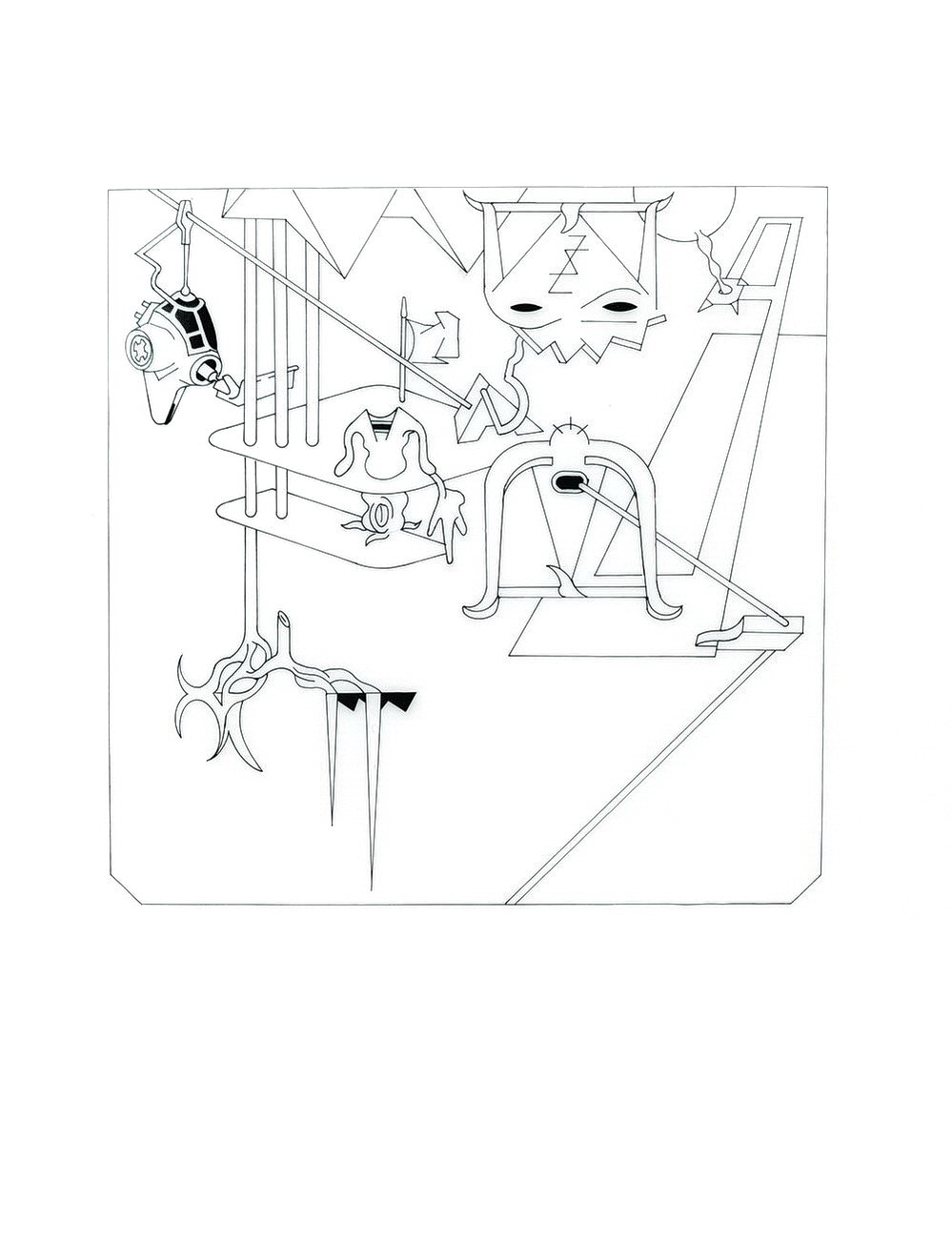
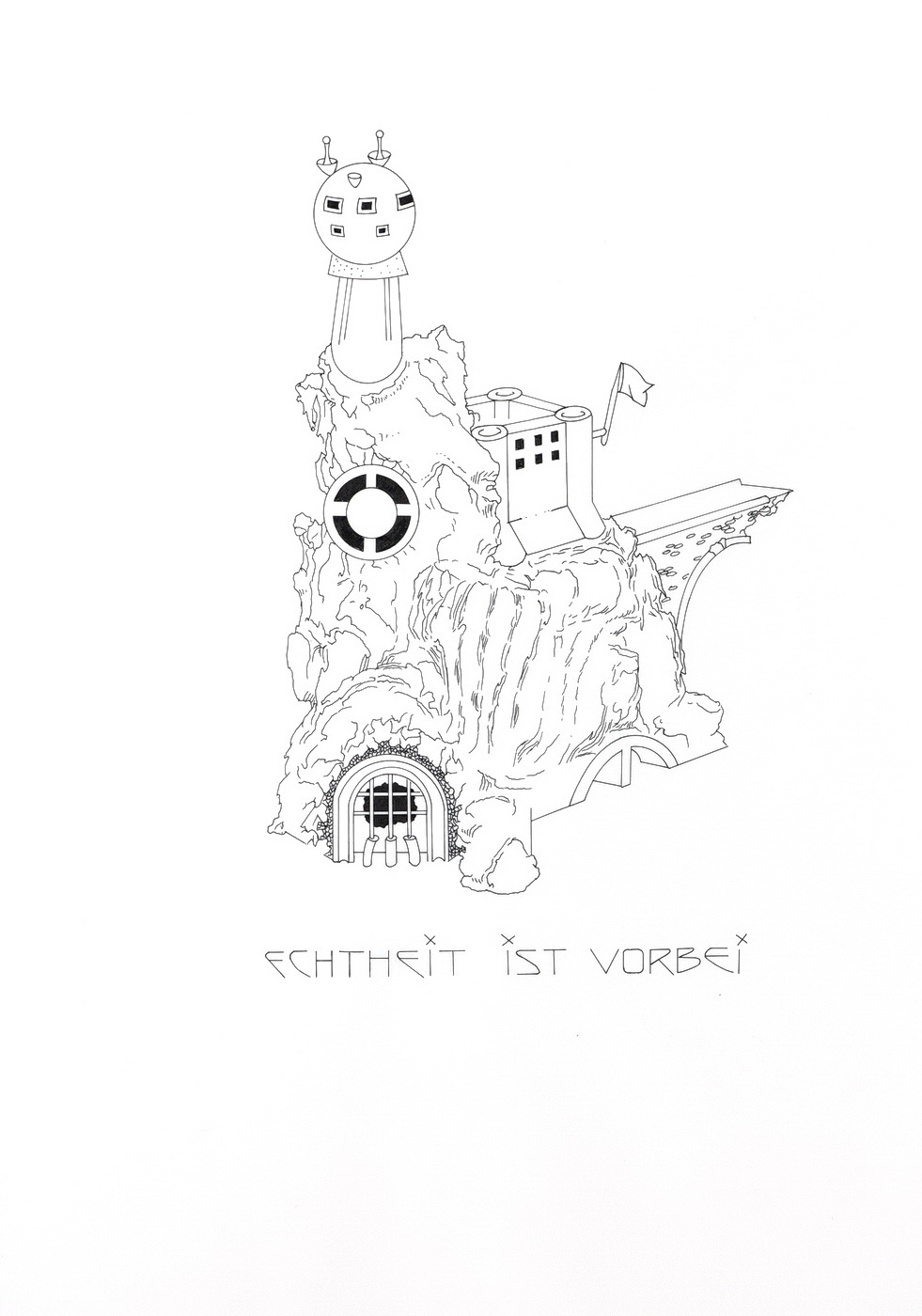
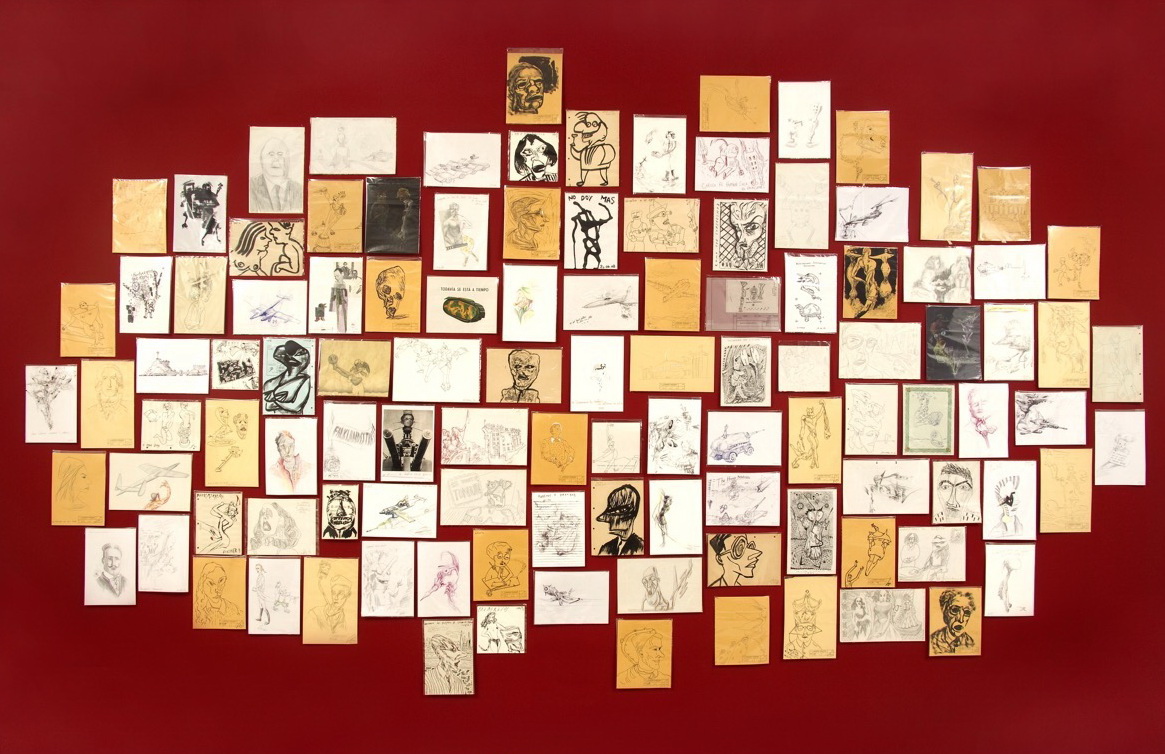
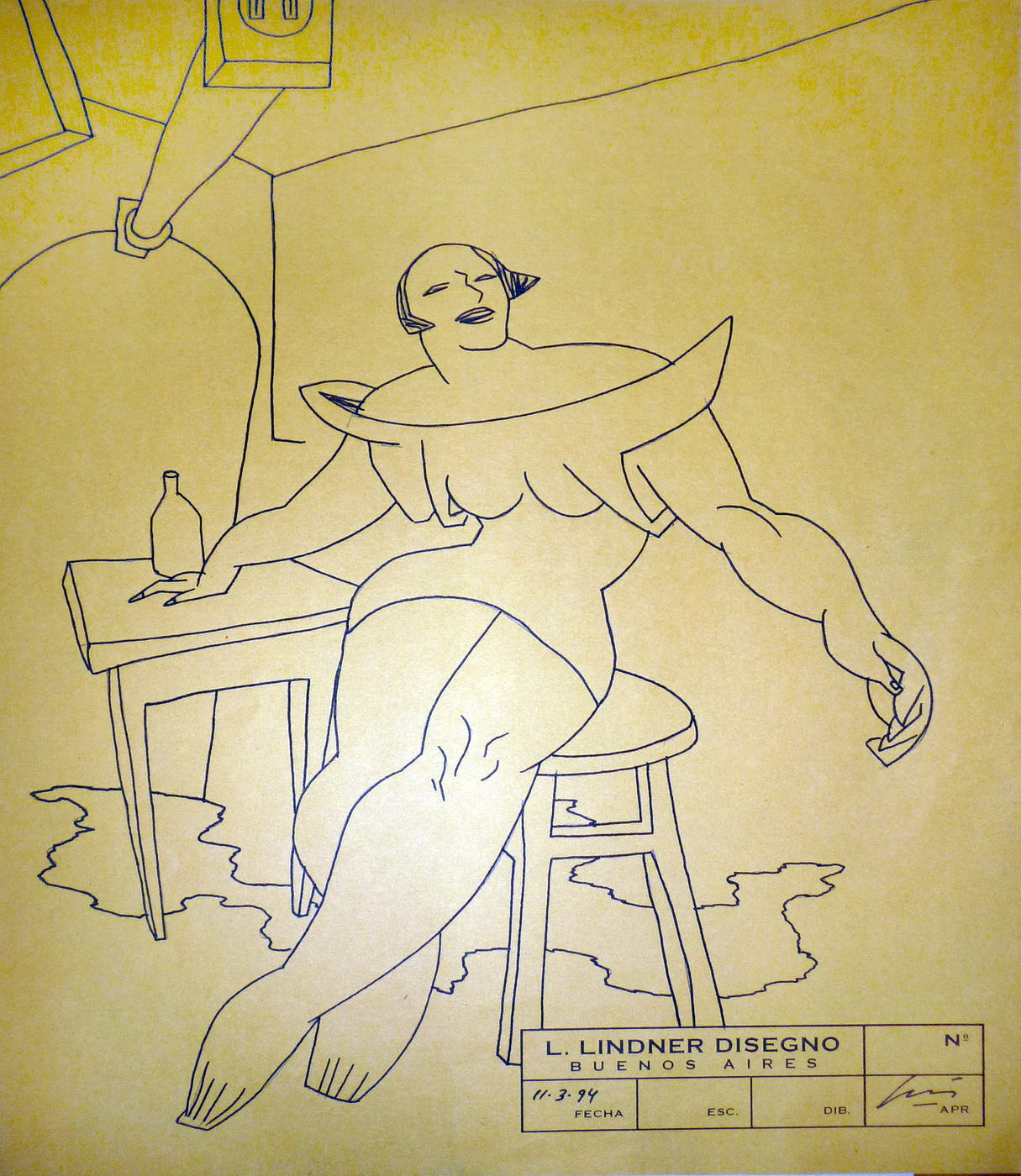
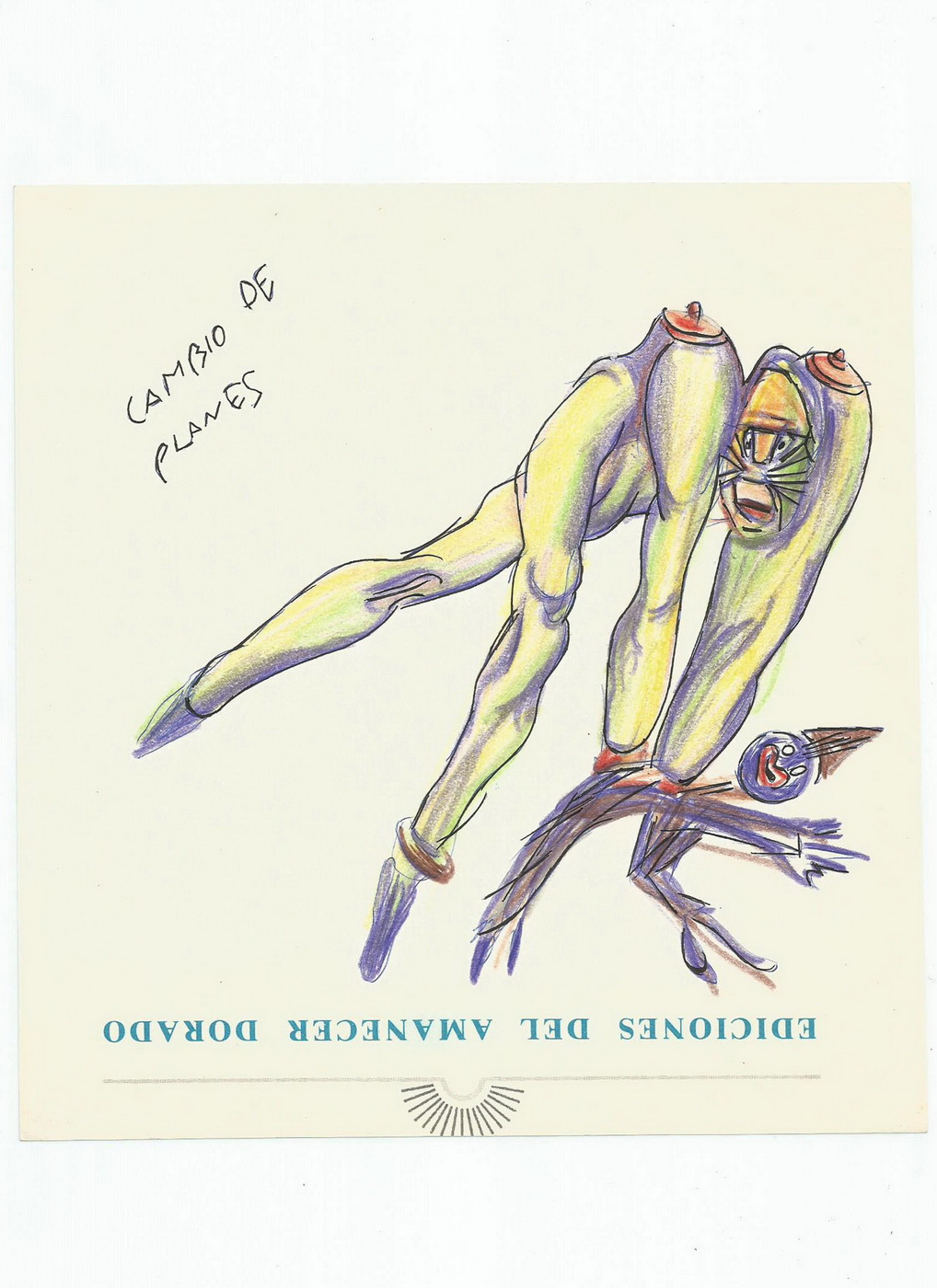
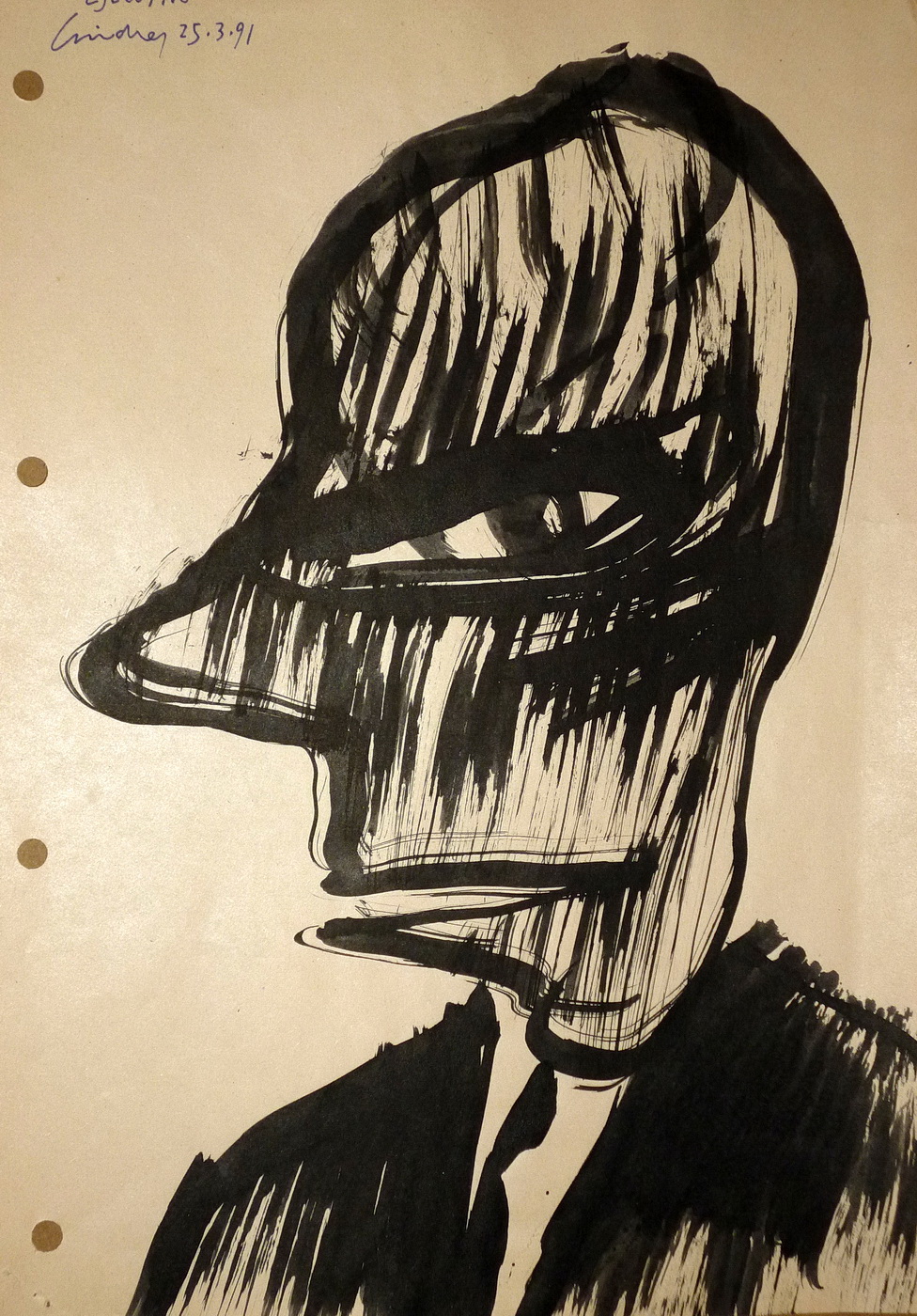
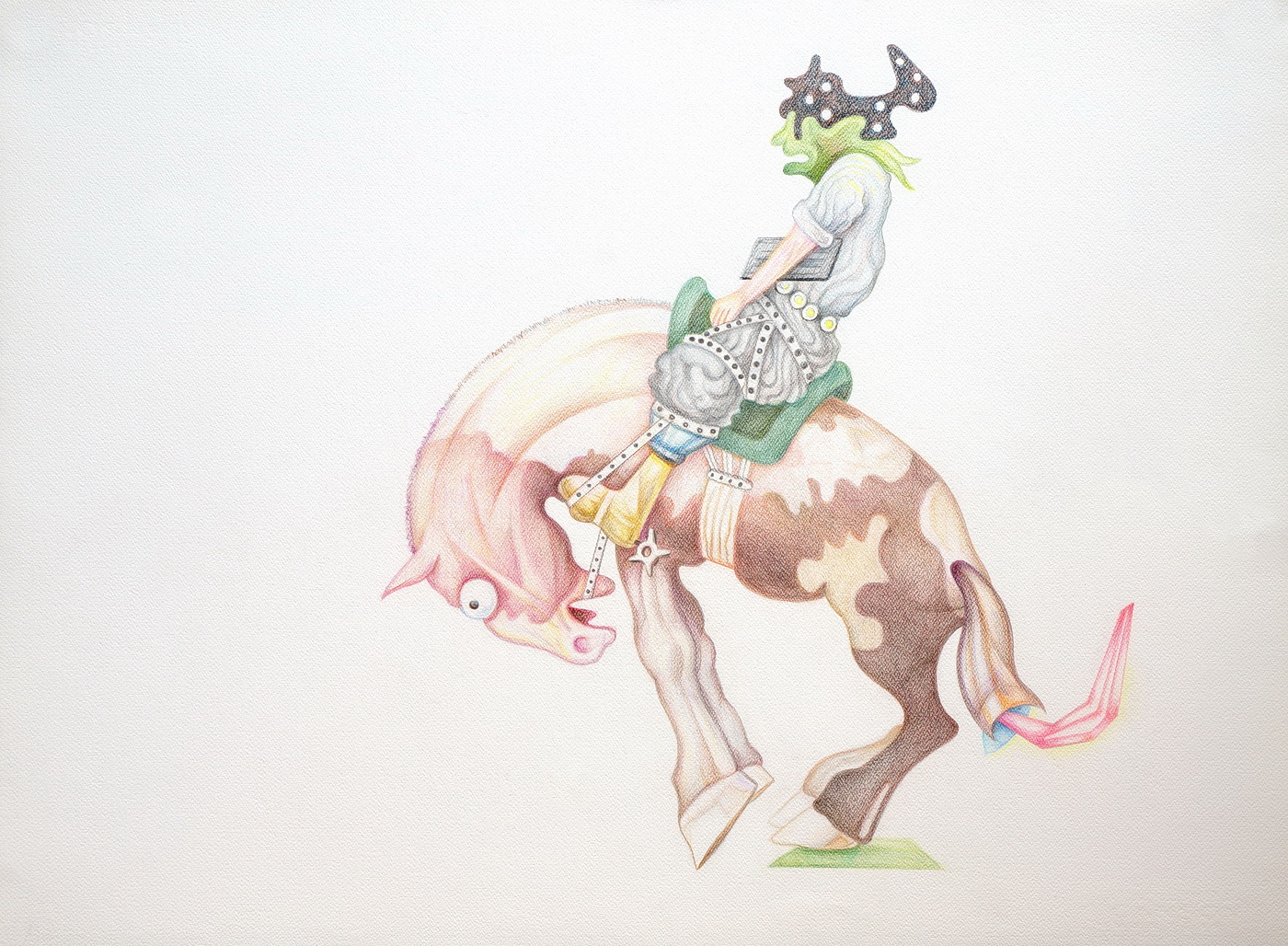
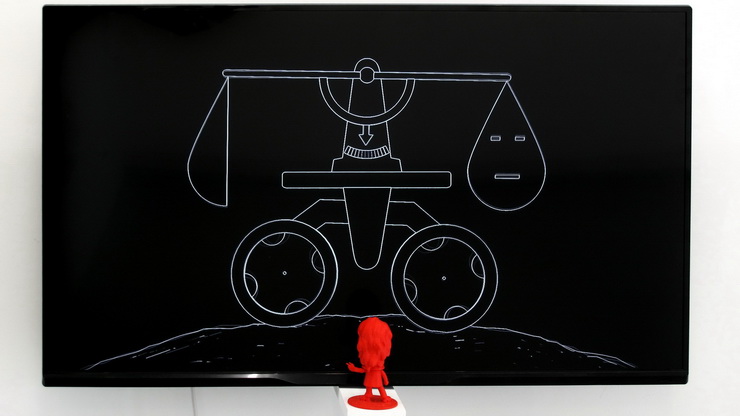
An avid reader, music enthusiast, and incisive observer, Lindner is regarded as one of the most singular voices in the Argentine art scene. His work articulates a critical perspective on society and culture, shaped by a sharp sense of humor and a dense web of references. Drawing lies at the core of his practice—an unceasing activity that both accompanies and structures his thinking. His works bring together diverse visual languages, from technical ink drawing to expressive line and colored pencil. While they may initially appear fantastical or surreal, they unfold as highly coded constructions, layered with references to political history, popular culture, opera, and sports.
Selected solo exhibitions include 78/87 (2026), recently inaugurated at Galería Nora Fisch; Trastienda Mental de la Realidad Virtual (2025), Museo MARCO; Catéter Microciclónico (2021), Fundación Andreani; Choripanipzus.EXE (2021); Monumento al Contrabandista Desconocido (2018); Falklands Crush Saga (2015); and Bring Me the Head of the Wagnerian Equalizer (2013), Galería Nora Fisch; Acercamiento Infinito (2010), Centro Cultural Recoleta; El nacimiento de la TV color por el espíritu del fútbol (2006), Galería Braga Menéndez; Mater Triunfalis (1995), Instituto de Cooperación Iberoamericana; and Armas largas (1993), Galería del Rojas.
In recent years, he has further consolidated his institutional presence with Trastienda Mental de la Realidad Virtual (2025) at Museo MARCO, the opening of 78/87 (2026) at Galería Nora Fisch, and his participation in projects at Museo MACEO.
He has participated in numerous group exhibitions, including Bienal de Arte Sacro (2026), Museo Nacional de Arte Decorativo; Bienal Nacional de Dibujo (2025), Museo Franklin Rawson; Lluvia Ácida (2025), Centro Cultural Recoleta; Léxico Familiar (2024), Galería Nora Fisch; Jugarse el pellejo (2024), Galería Pólvora; A 18 minutos del sol (2023), Museo de Arte Moderno de Buenos Aires; El arte es un misterio (2022), Fundación Amalita; What’s Love Got to Do with It (2019), The Drawing Center, New York; Bienal de Performance BP19 (2019); Excéntricos y superilustrados (2016), Museo de Arte Moderno de Buenos Aires; and the 13th Istanbul Biennial (2013), among others.
His distinctions include the First Prize at the Bienal Nacional de Dibujo de San Juan (2024), as well as the Second Prize at the Salón Nacional de Artes Visuales in Drawing (2021); the Oficina de Monumentos Consensuados Prize (2018); the Third Prize in Painting at Banco Nación (2017); the Fundación Andreani Prize (2009); the Konex Award (2002); the Klemm Prize (2006); and the Braque Prize (1997), among others. In 2020 he received the Residencia en Residencia program at Fundación Andreani, and in 1998 the Fulbright/Pratt Institute Fellowship, along with a creation grant from the Fondo Nacional de las Artes.
His performance practice includes works such as ¿A quién perdiste en el agujero de conejo? (2026), Galería del Paseo, Punta del Este; Viaje de invierno por el calentamiento ideológico (2025), Museo MARCO; and Exploding Gumier inevitable (2024), Centro Cultural Ricardo Rojas.
He studied at the Escuela Nacional de Bellas Artes Prilidiano Pueyrredón, specialized in 3D Graphics at Pratt Institute in New York, and furthered his training in the performing arts with Emilio García Wehbi and Mauricio Kartún.
His publications include Teoría de la madre (2009), Patricia Rizzo Ediciones, and Escritos sobre argentinística (2022), Ediciones del Trinche.


press
11 de Septiembre de 2017
JAQUE IDEAS: LUX LINDNER AND THE SMUGGLER, THE MONUMENT MISSING
JAQUE AL ARTE
go to article