Lux Lindner
March 21st – April 30th , 2026

INFO
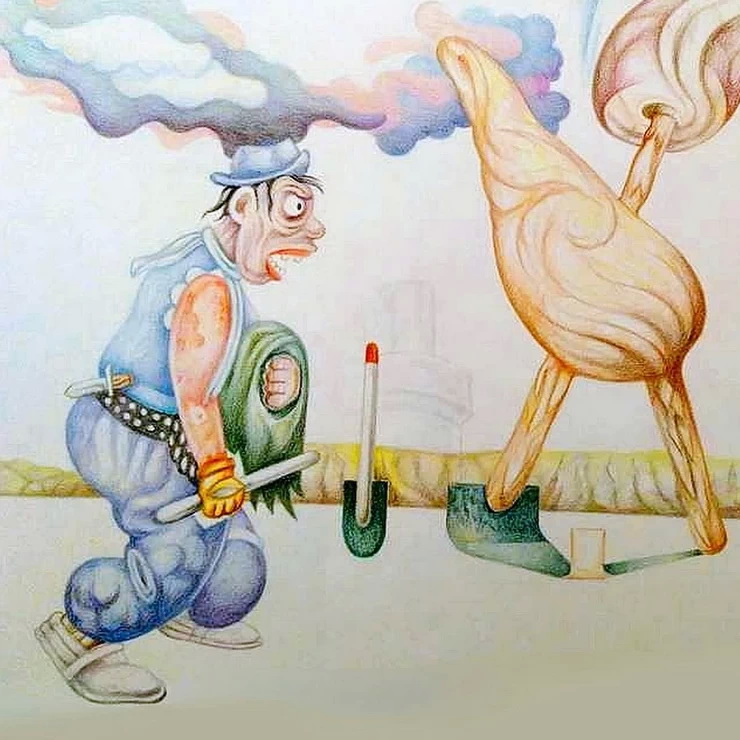
Let us imagine a future in which a researcher sets out to reconstruct the history of Argentine art over the past four decades. Without the constant presence and the sharp, humorous—at times unsettling—gaze of Lux Lindner, that account would be irreparably incomplete. Had Lux not been there, who could have emerged as the mordant, non-literal, deeply erudite chronicler of a complex and absurd Argentine identity—one forged through colonial contraband, overflowing collective passions, cruel and turbulent periods, a remarkable intellectual tradition, and a persistent devotion to affective bonds?
Any given culture produces only a finite number of truly singular minds: those capable of reading their social environment with relentless clarity and approaching it from unexpected angles. Lux Lindner is, without a doubt, one of those minds.
78
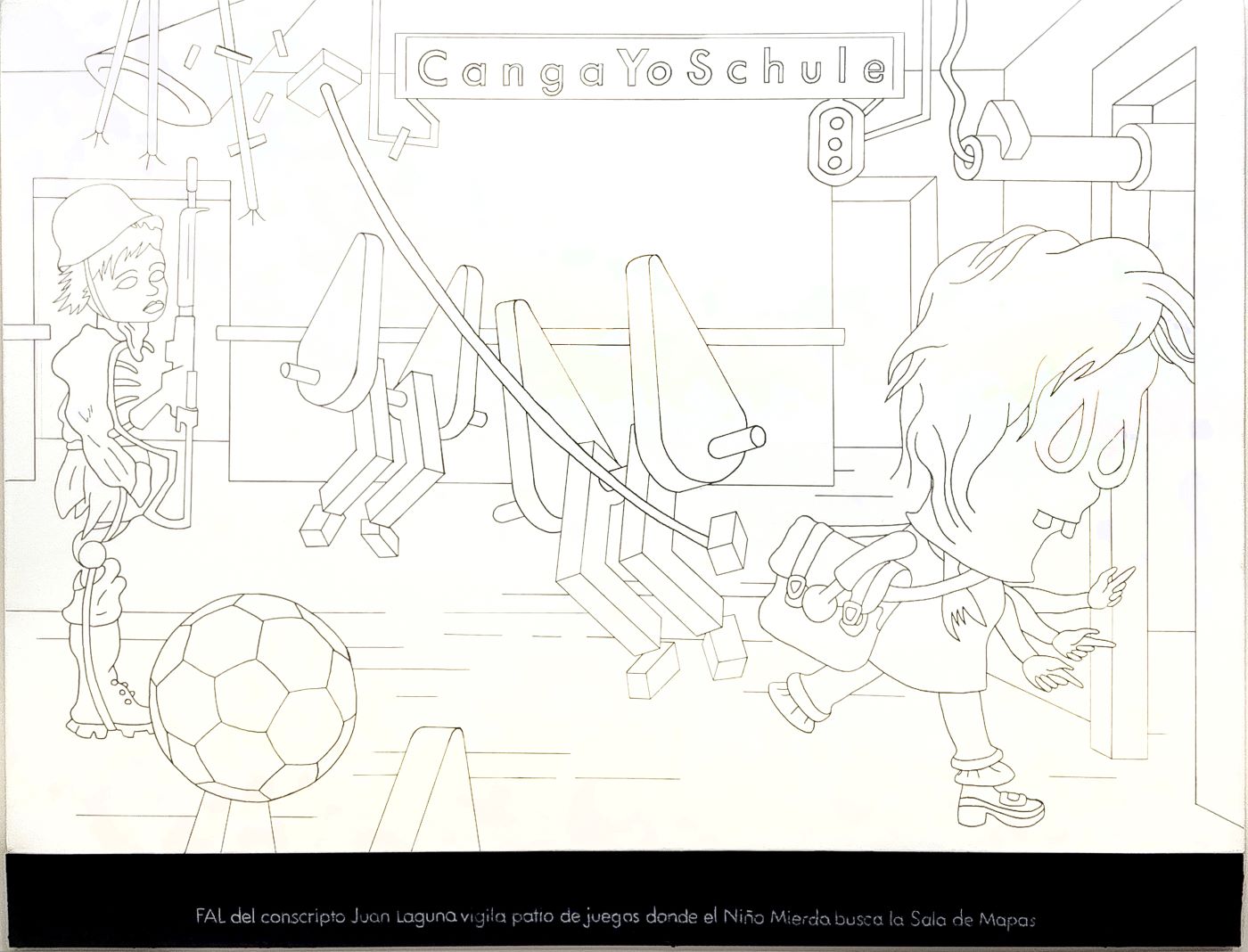
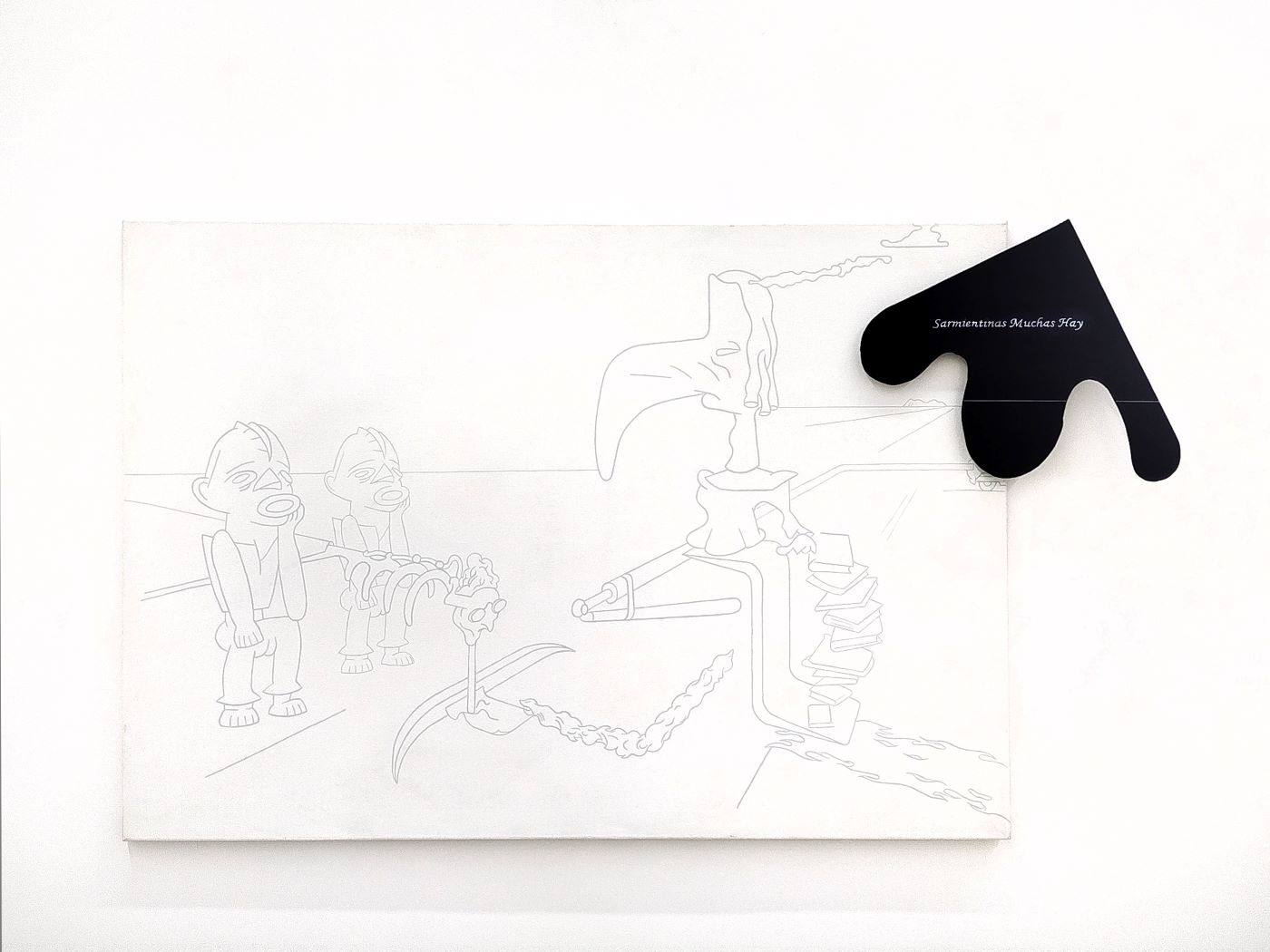
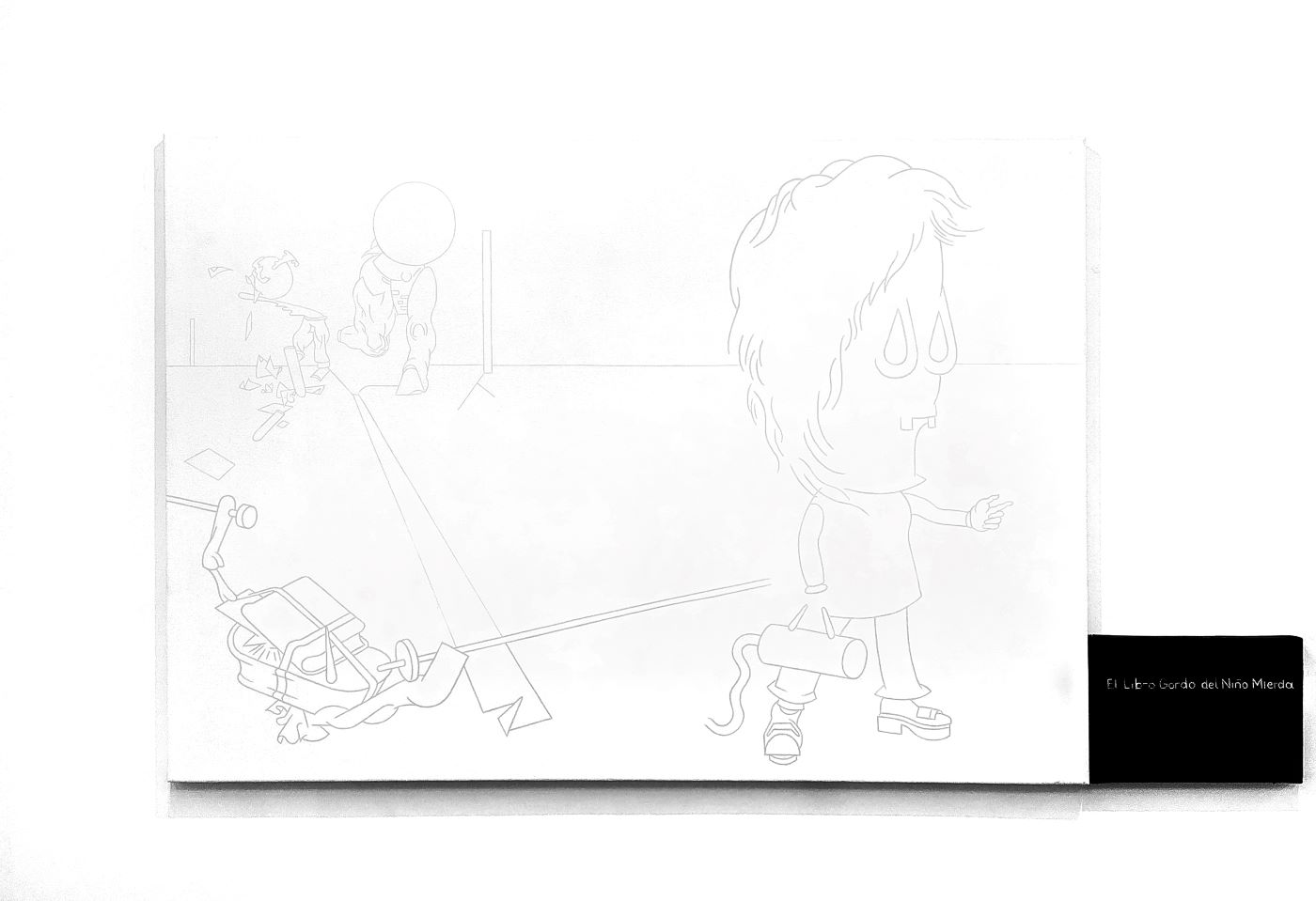
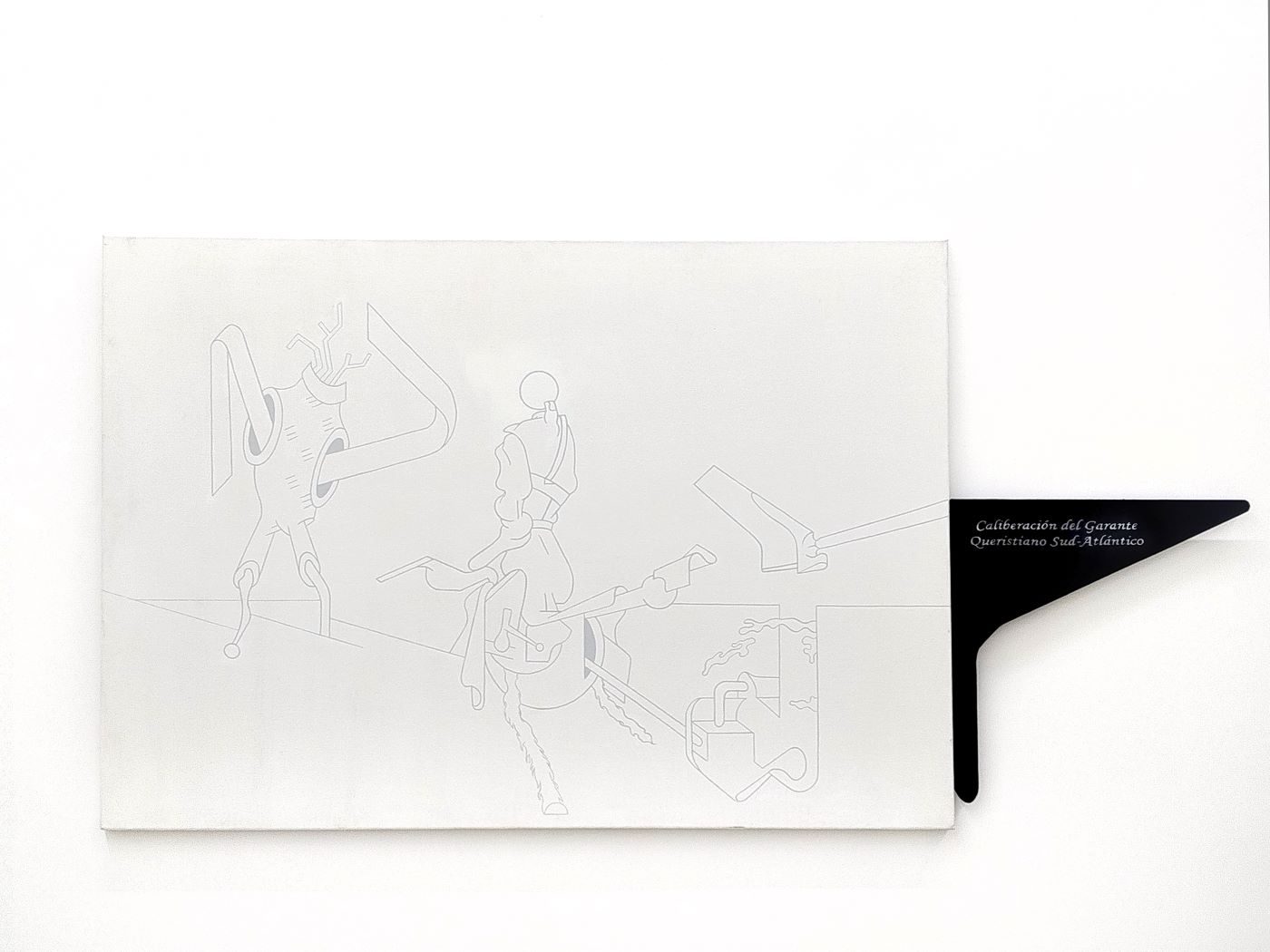
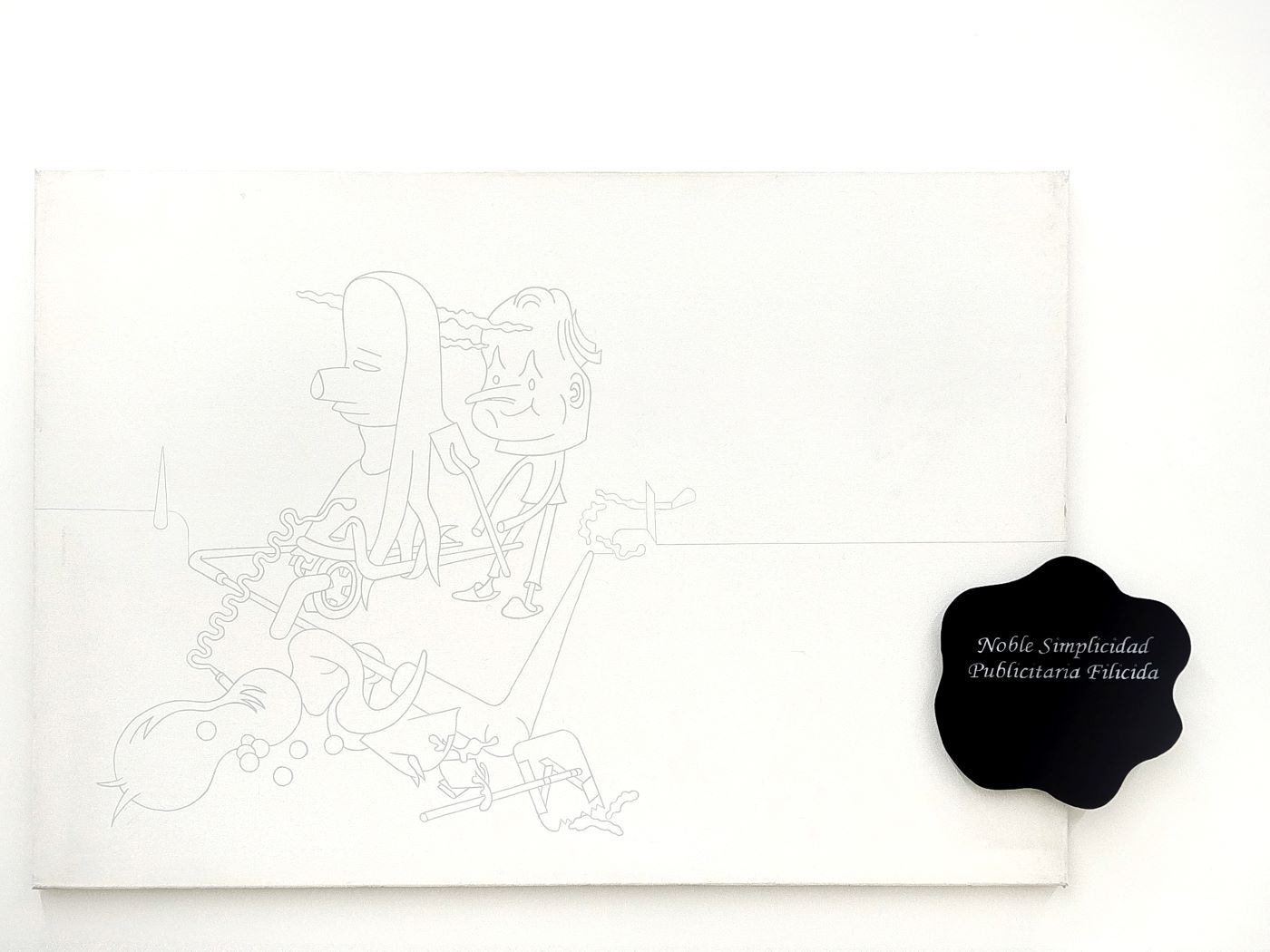
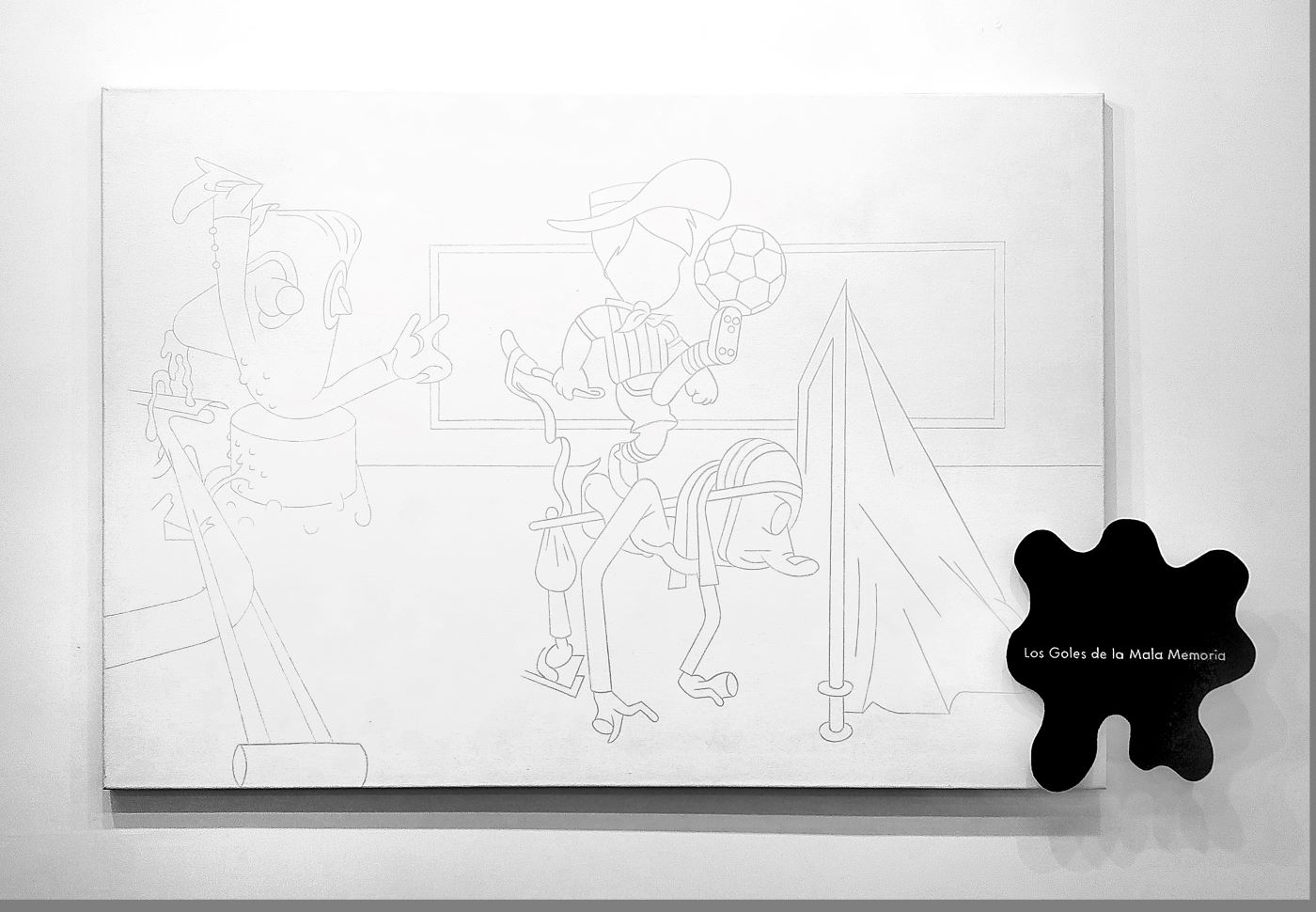
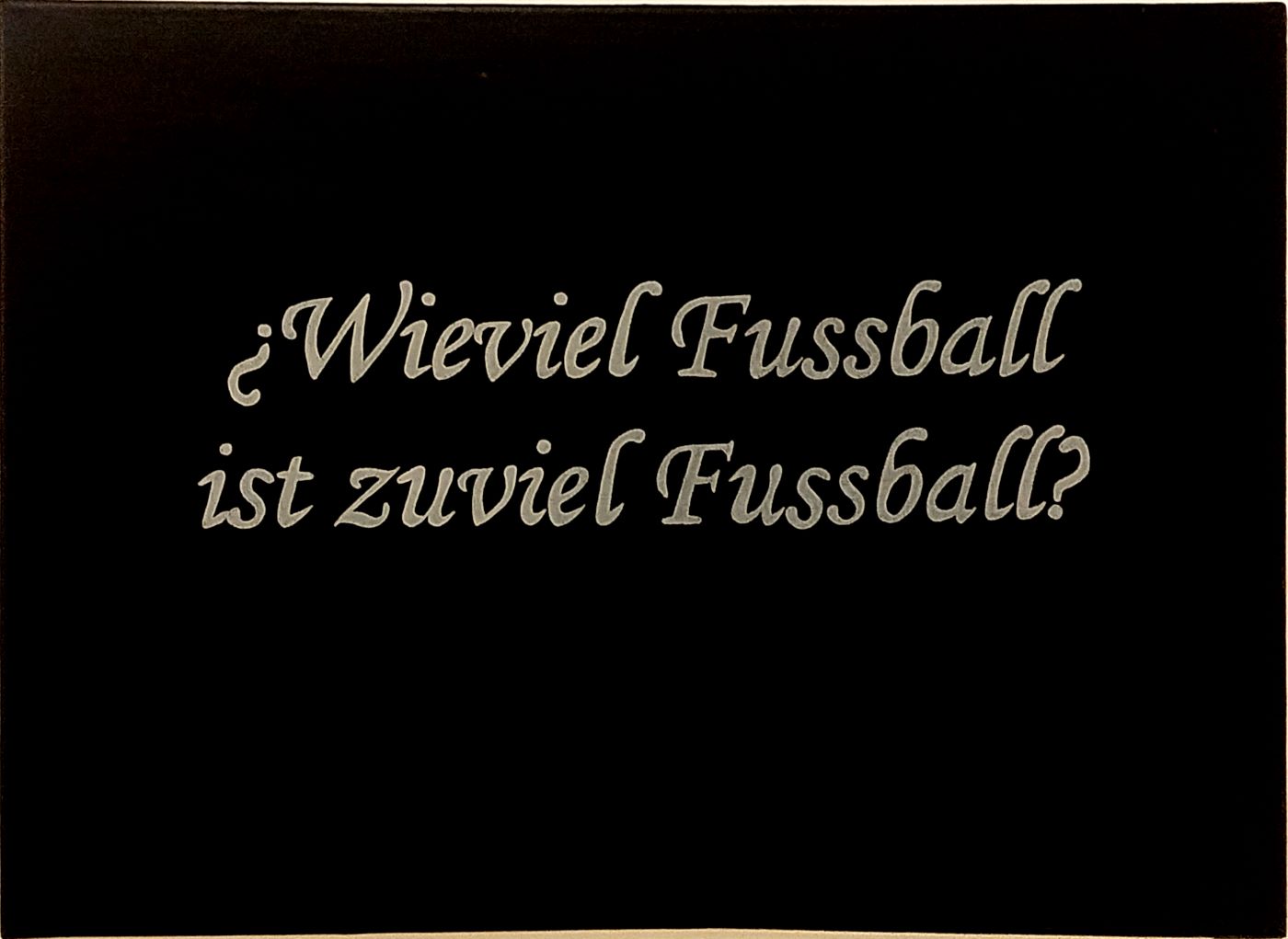
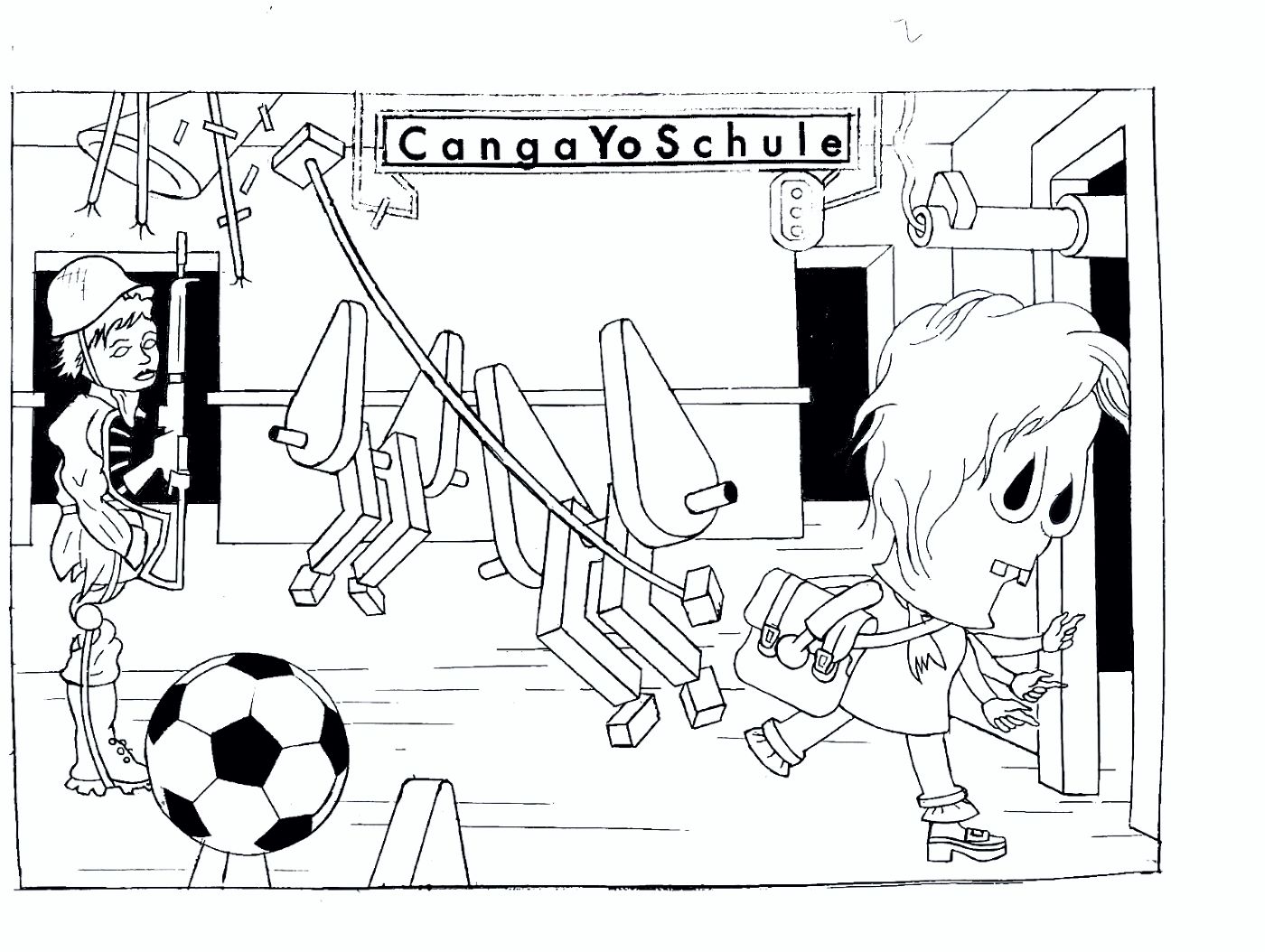
Lindner is a profoundly political artist, in the sense of someone who has observed his fellow citizens within this polis that is Argentina from the 1970s—when he himself was growing up—through to the present day. The drawings on canvas presented in the basement belong to a series created in 2006, marking thirty years since the onset of the dictatorship, and focus on the period 1976–1978. The role of football—beyond its status as a mass passion—as a tool for distraction, for concealing the state’s criminal atrocities, or for generating dubious forms of wealth (as current headlines remind us), is woven into the fabric of Argentine identity and was central to this series. It was originally exhibited at the then-pivotal Braga Menéndez gallery.
Lindner writes:
“Season 76/78 refers to a time span… from the coup d’état of March 1976 to the moment when Kissinger and Videla entered the locker room of the Peruvian national football team in June 1978, just before a highly suspicious 6–0 result that would allow Argentina to reach the final—and from there the title, and from there the celebrations in the streets…”
Lindner’s images are tightly coded, yet attentive viewing allows their narratives to surface. In one, a color television broadcasting center is being built to transmit the World Cup while, just meters away, the bodies of the disappeared are carried off. In another appears one of the artist’s invented figures: the “Shit Kid,” a boy of the 1970s who stands as the counterpart to Berni’s Juanito Laguna—who, despite growing up in poverty, was shaped by the developmentalist optimism of the 1950s and 1960s. Lindner’s character, by contrast, is the product of a hypocritical society that witnesses the murder of its own youth. And yet he does not elicit empathy: he has no nose, lacking the “sense of smell” needed to perceive what unfolds around him.
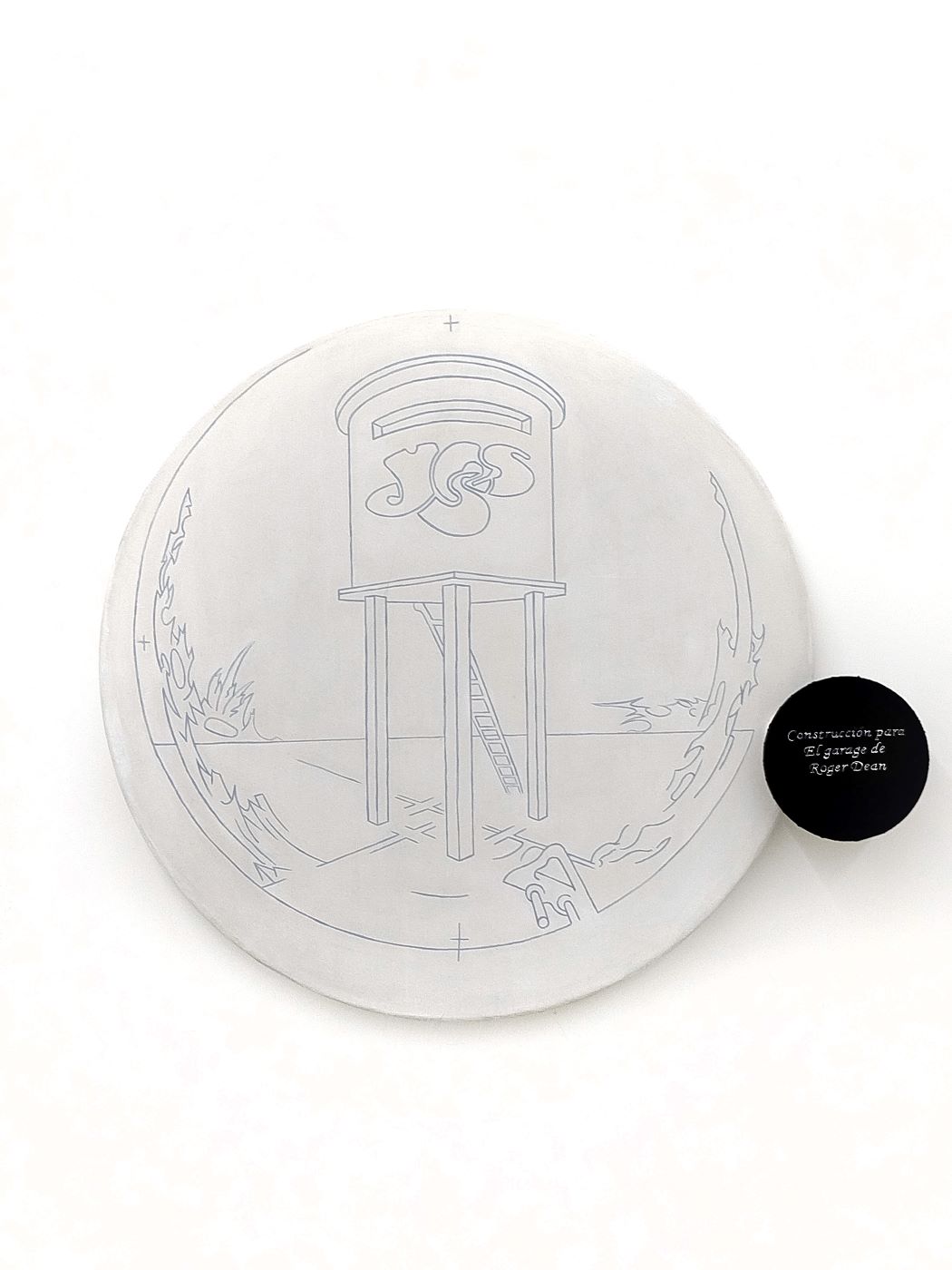
The paintings—or “drawings on canvas,” as Lindner himself prefers to call them—are rendered with a restrained tonal minimalism that, moving between pale greys and whites, approaches a whisper, almost silence. For this exhibition, the artist has expanded the original 2006 works, incorporating textual elements that function as meta-commentaries, providing additional layers of context. The show is completed by a soundtrack by experimental musician Alan Courtis, composed as a playlist of 1970s sounds—Las Trillizas de Oro, sports commentary, official speeches—played in reverse.
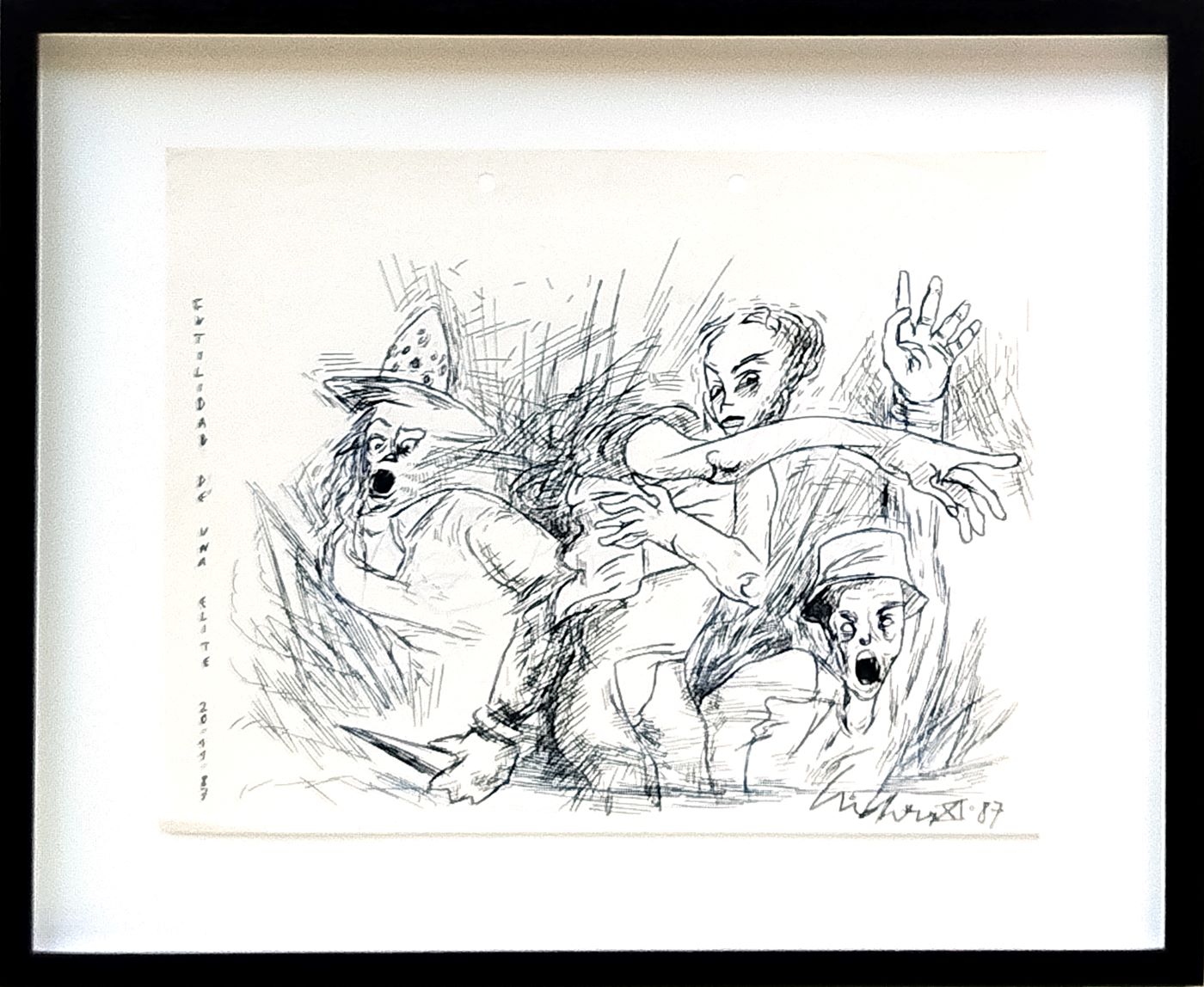
87
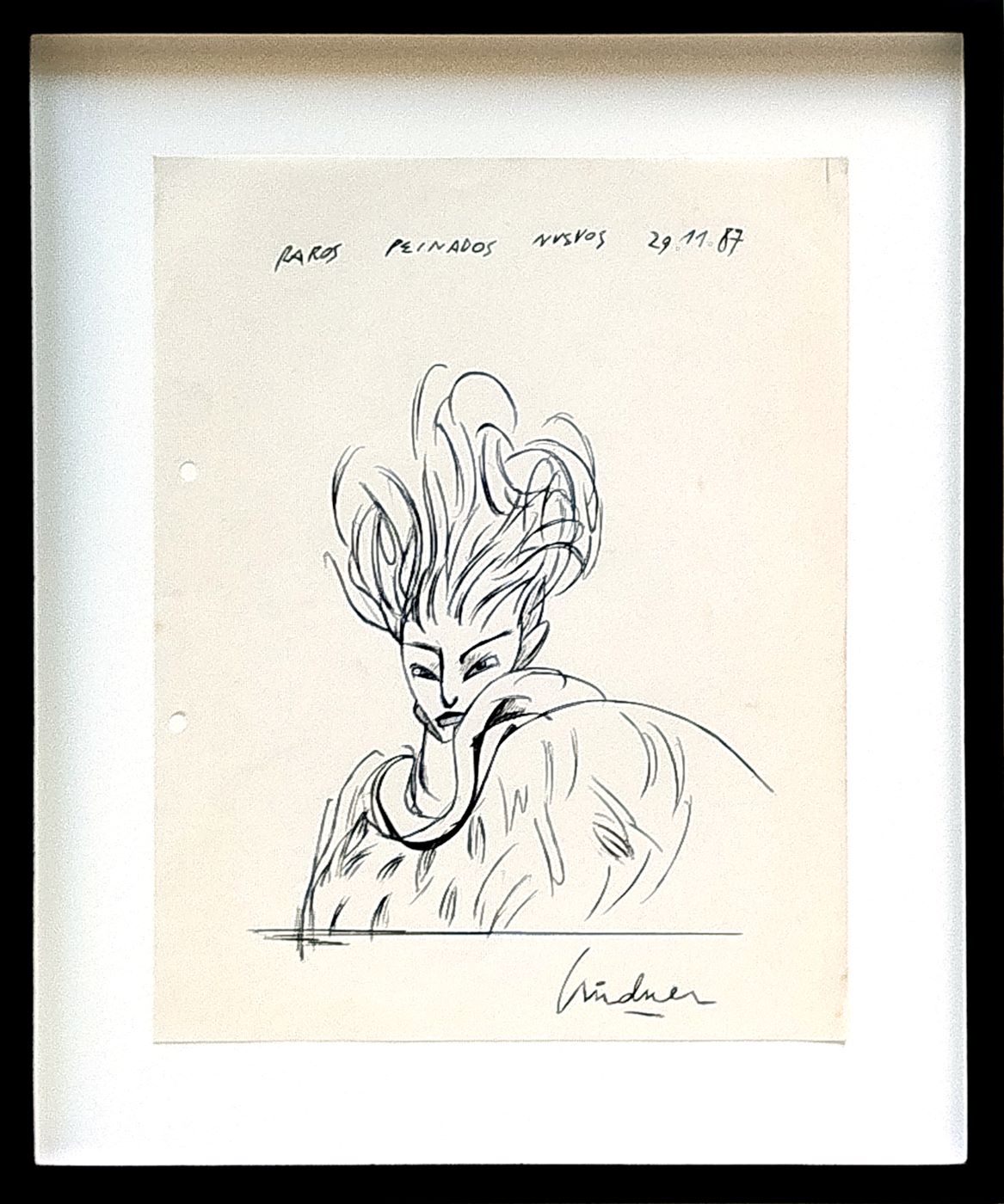
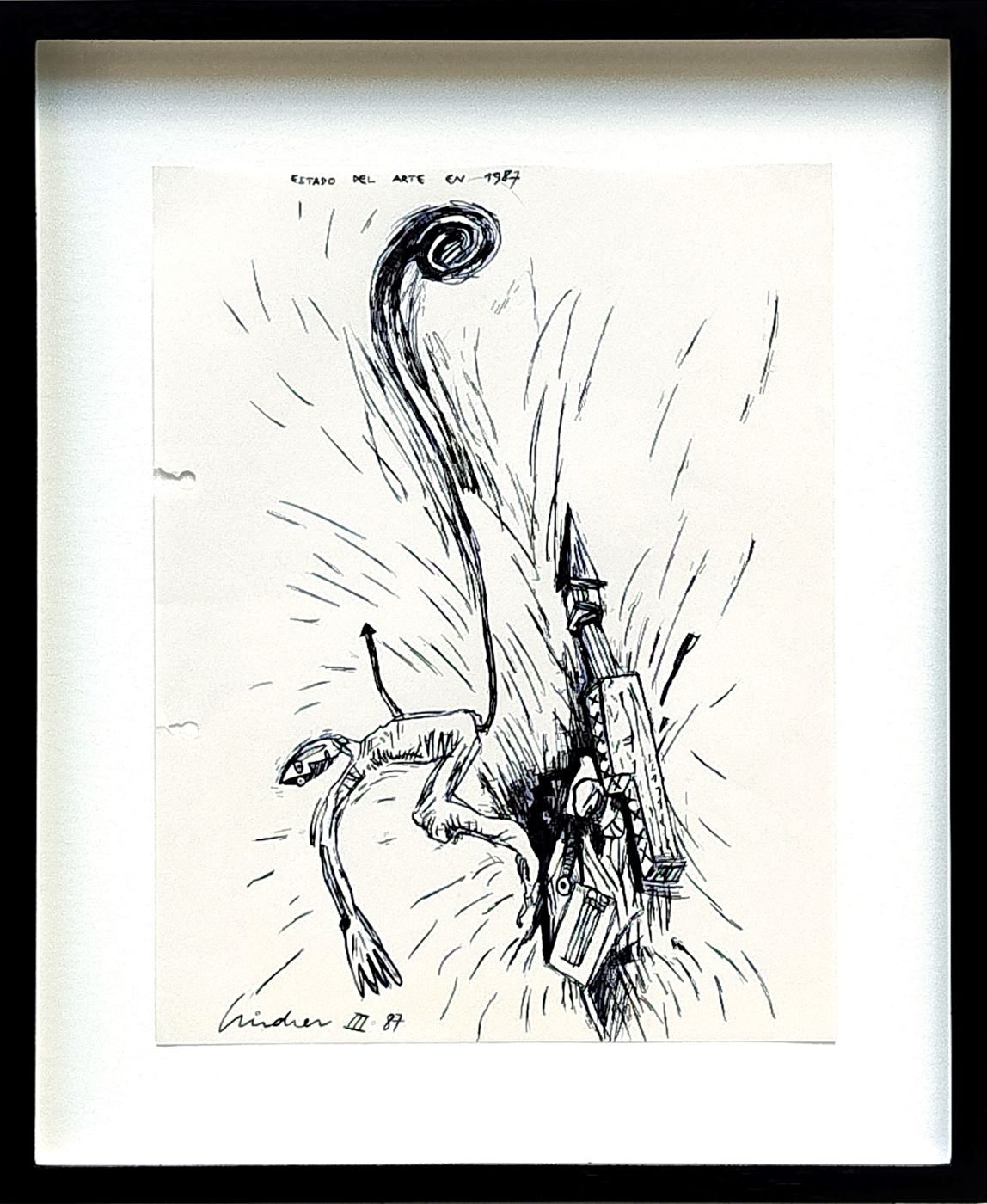
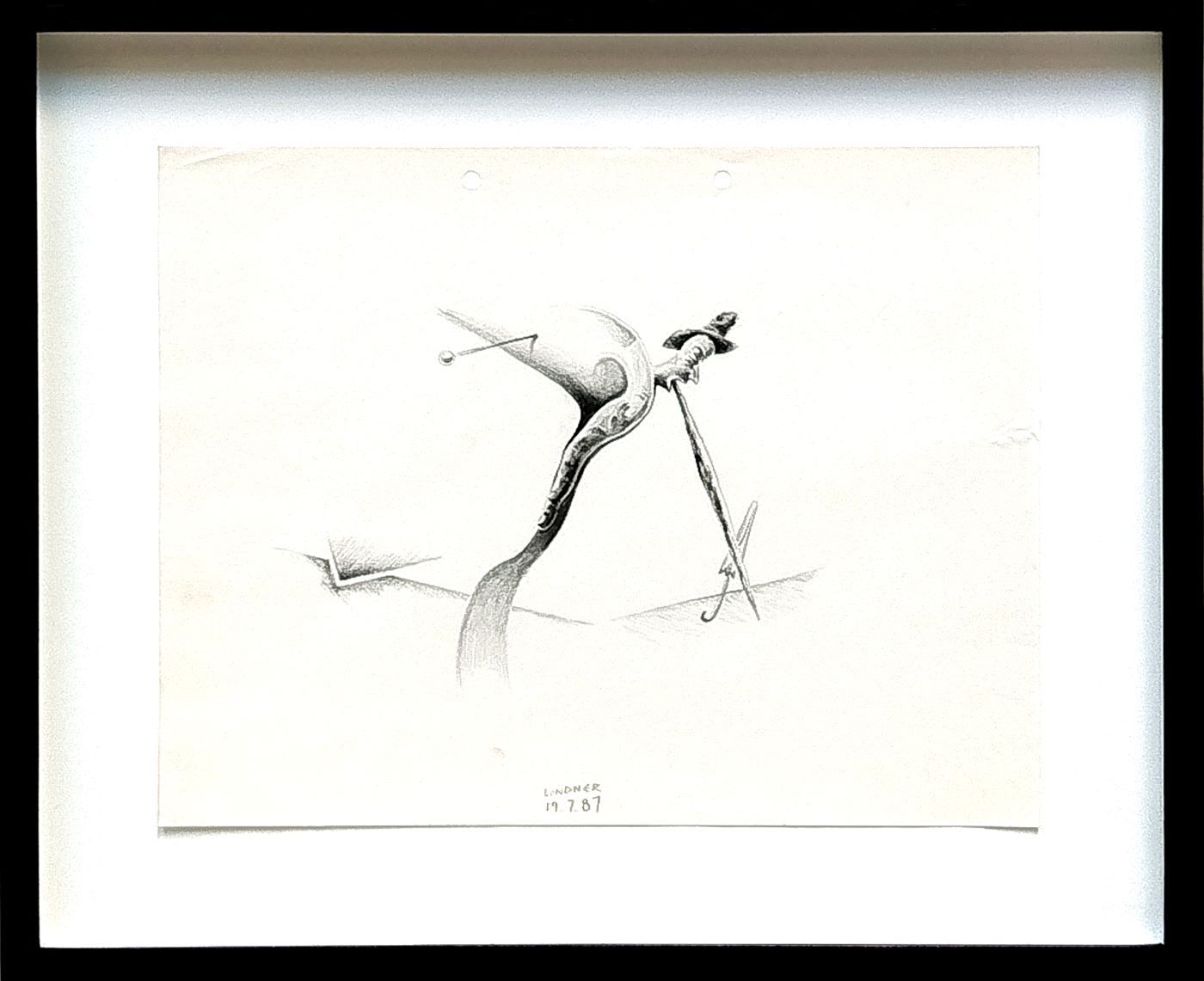
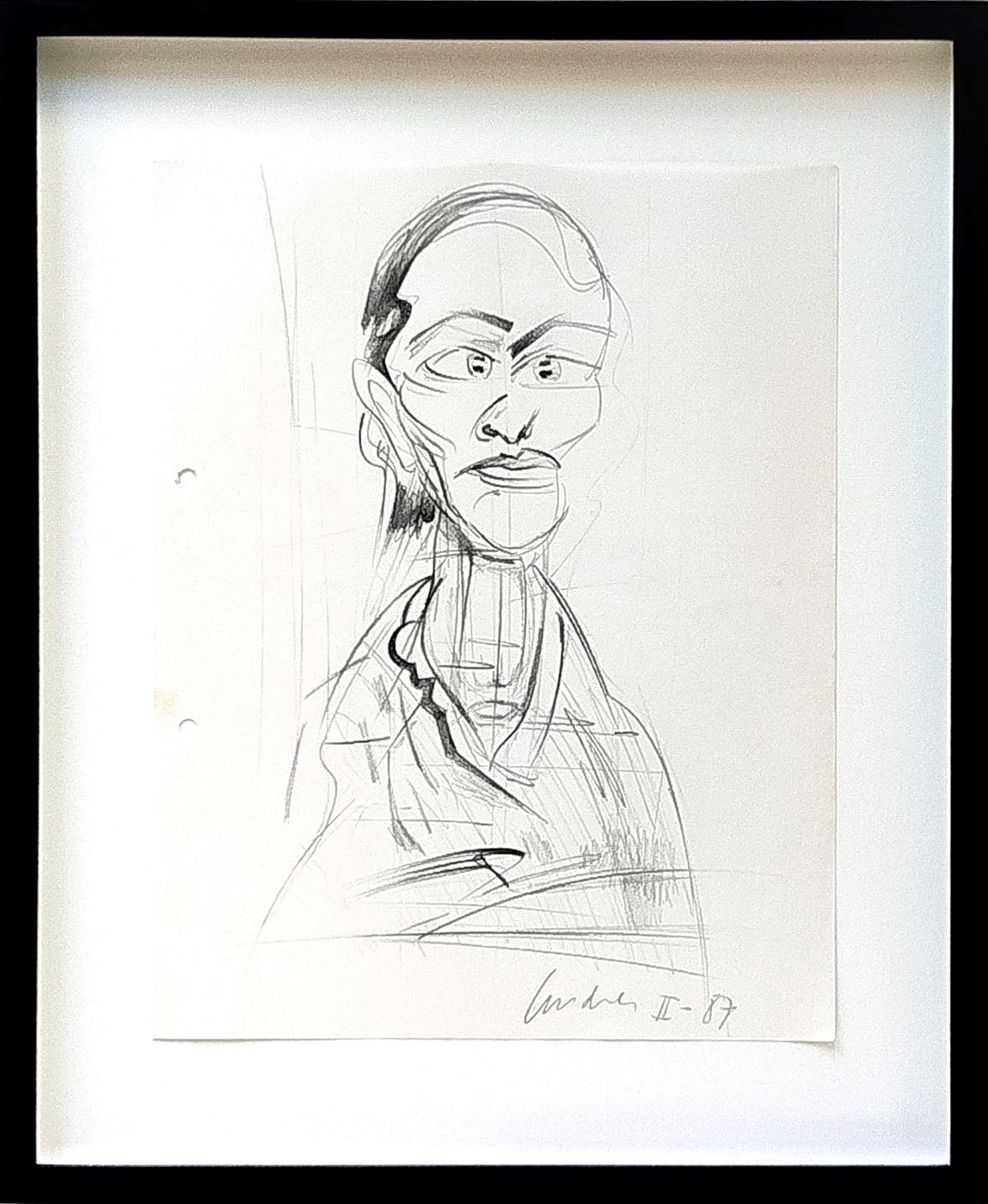
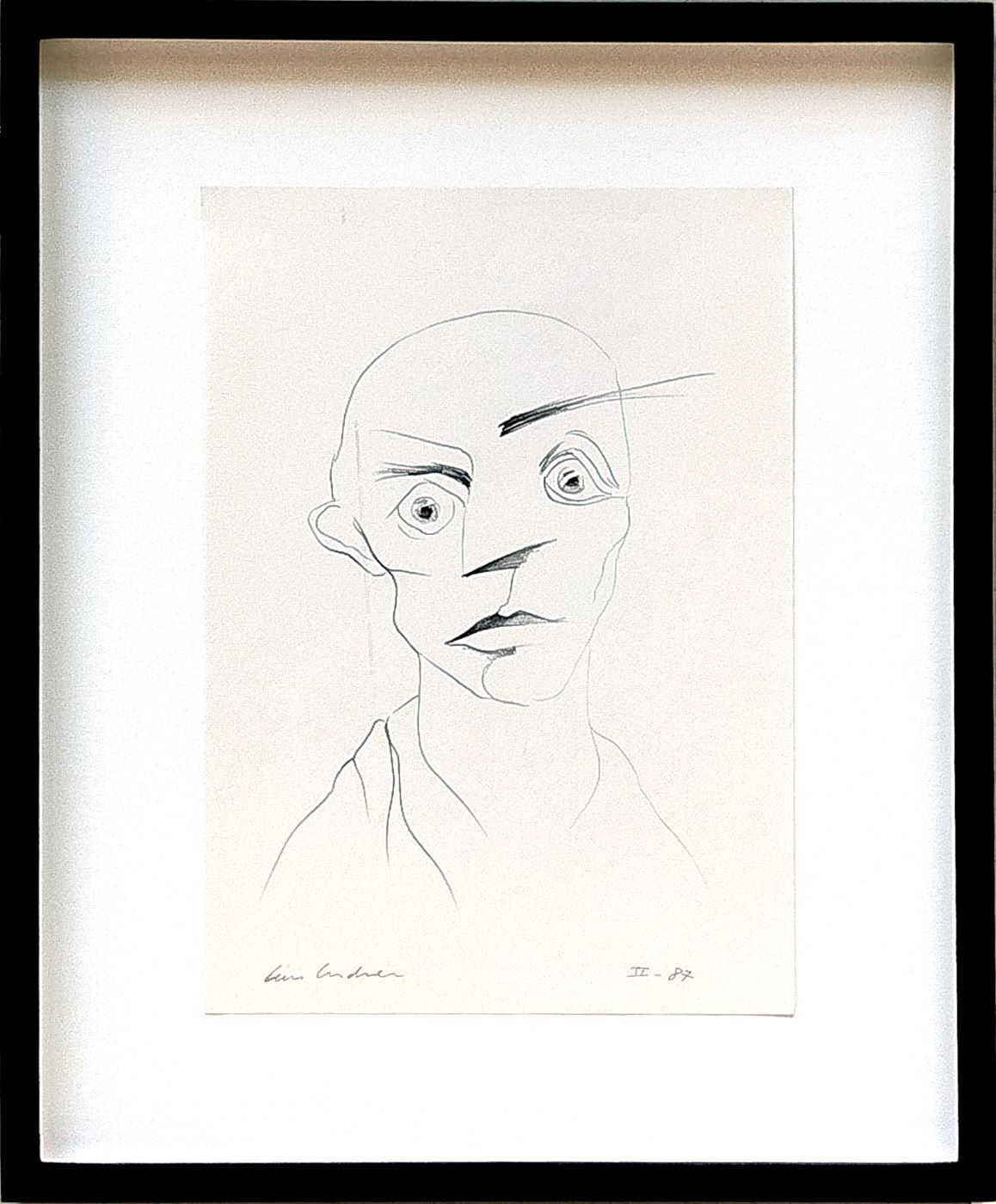
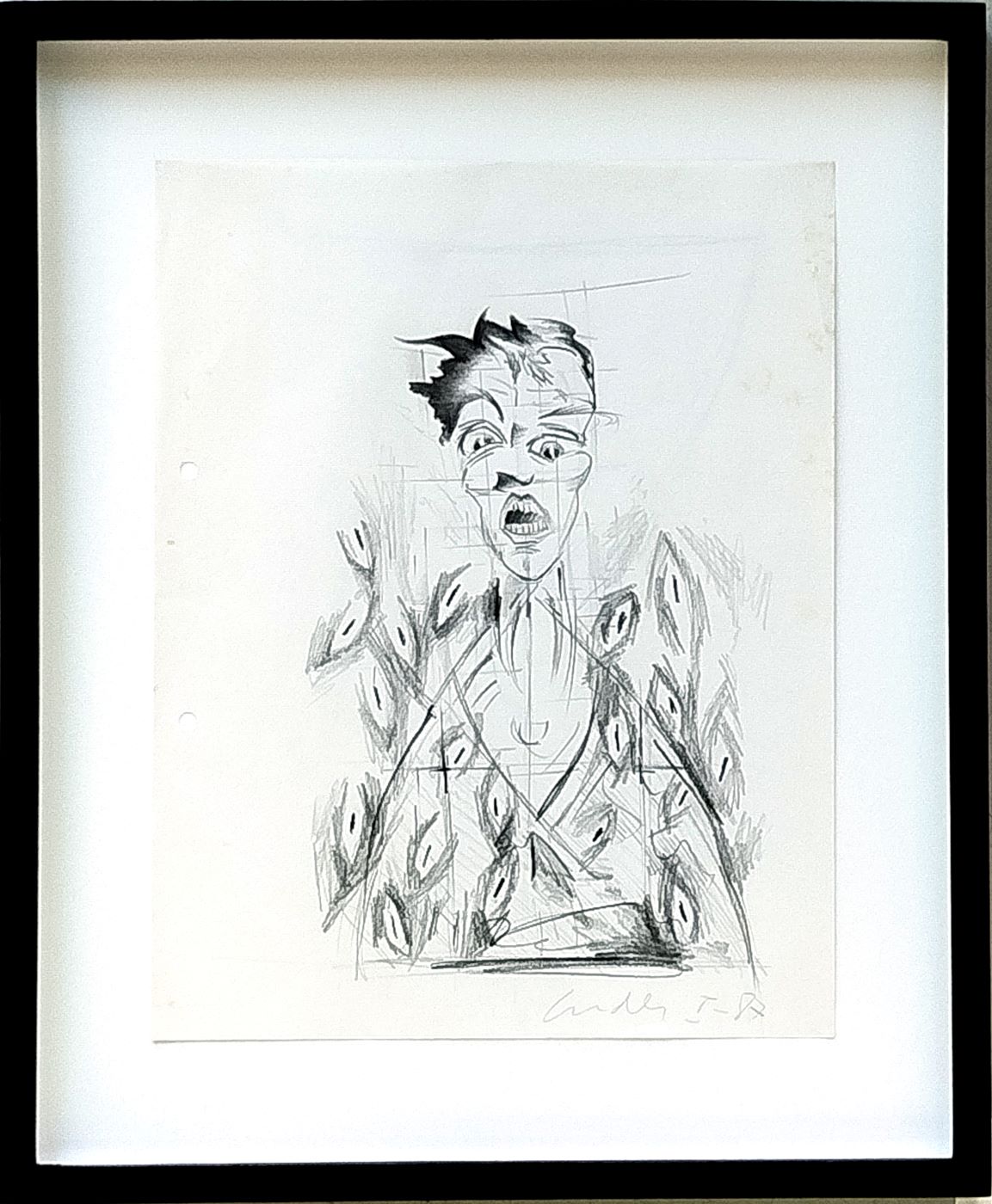
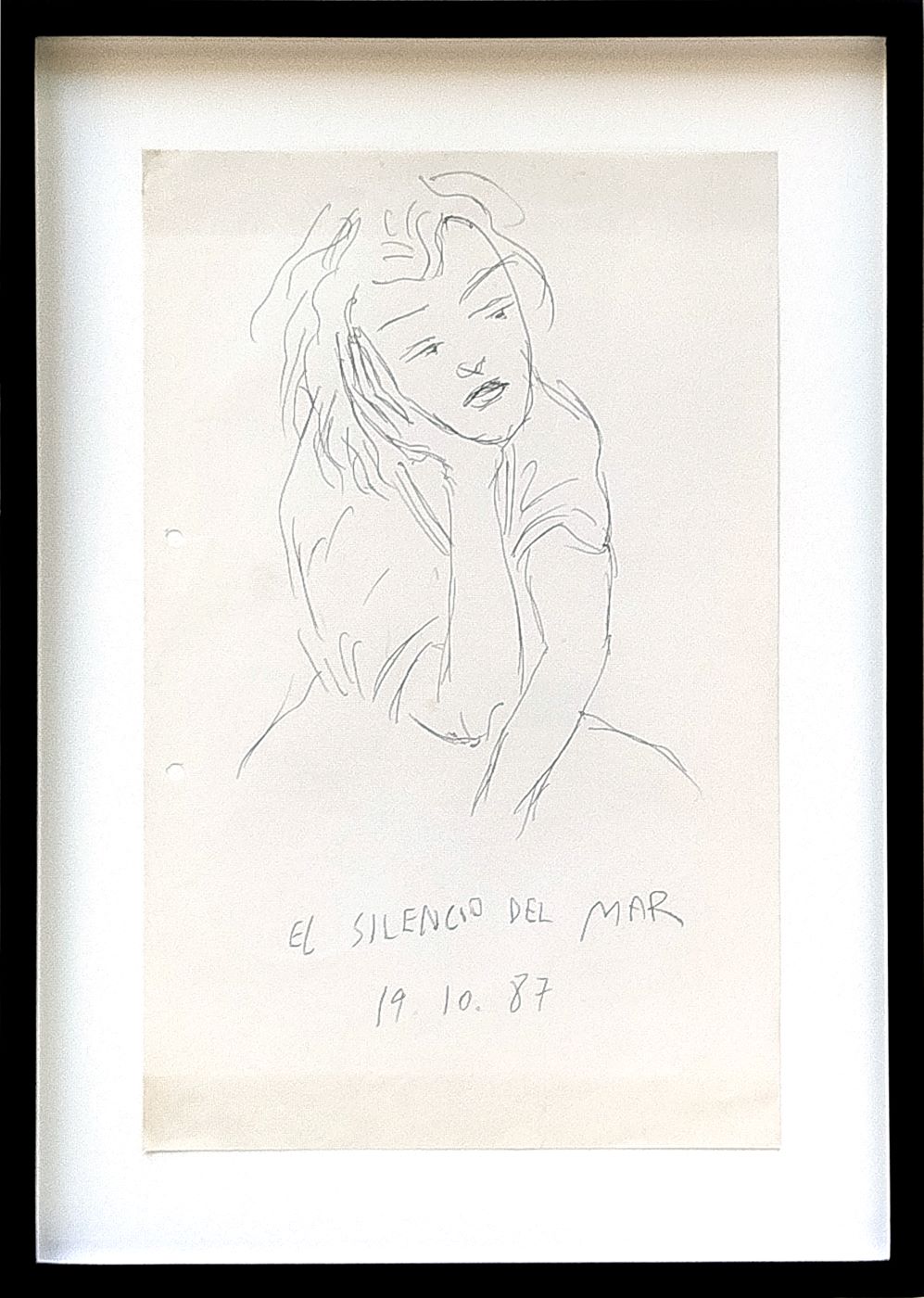
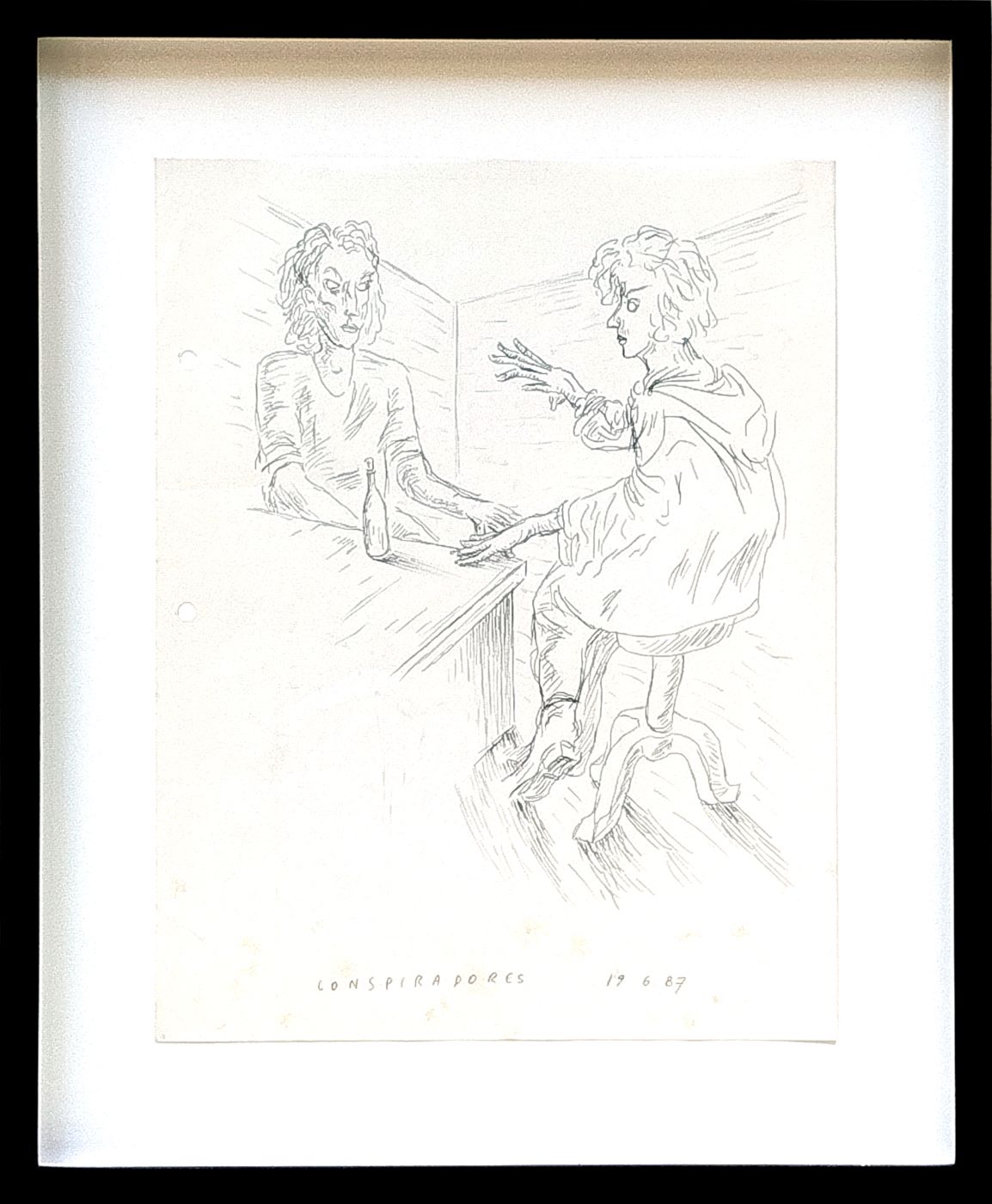
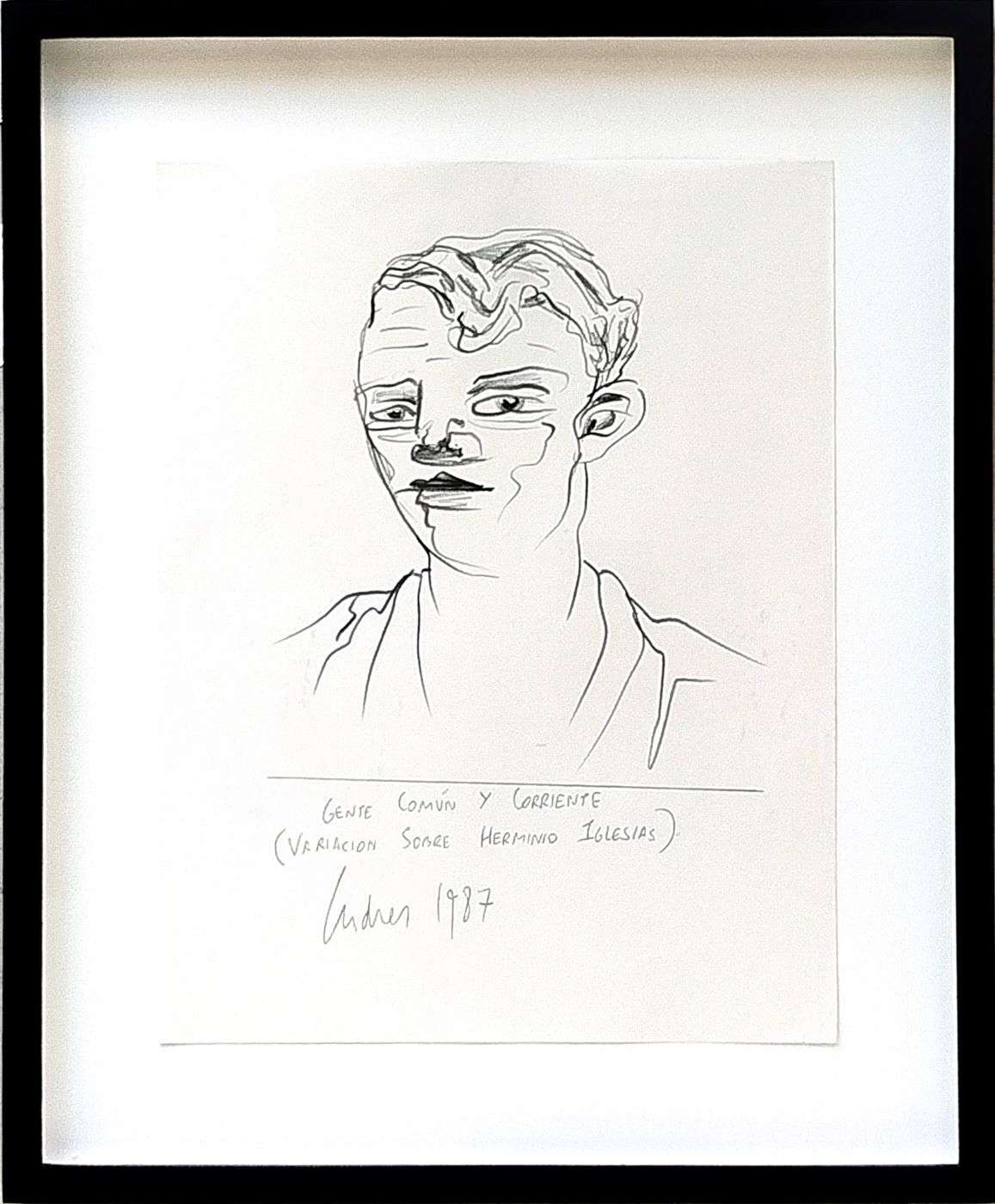
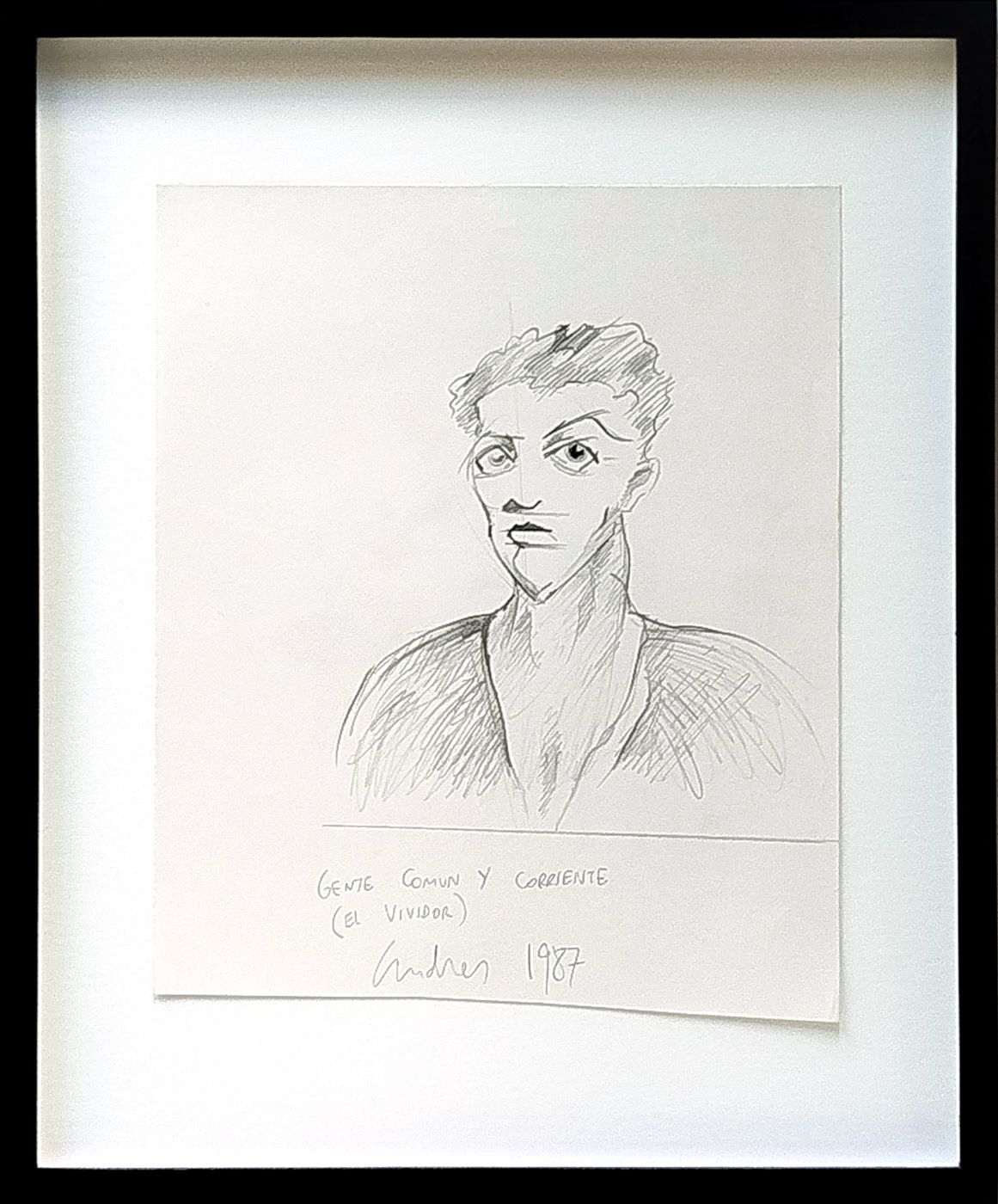
Lindner is, above all, a lifelong draftsman. In his youth, drawing was almost a form of breathing: a daily act of survival. At one point, he left for Europe and gave his mother a stark instruction—to dispose of all his drawings. Fortunately, she disobeyed and preserved them. In 2012, boxes of drawings from the 1990s resurfaced; many were later incorporated into the MALBA collection after Eduardo Costantini personally reviewed them and selected more than 120 works.
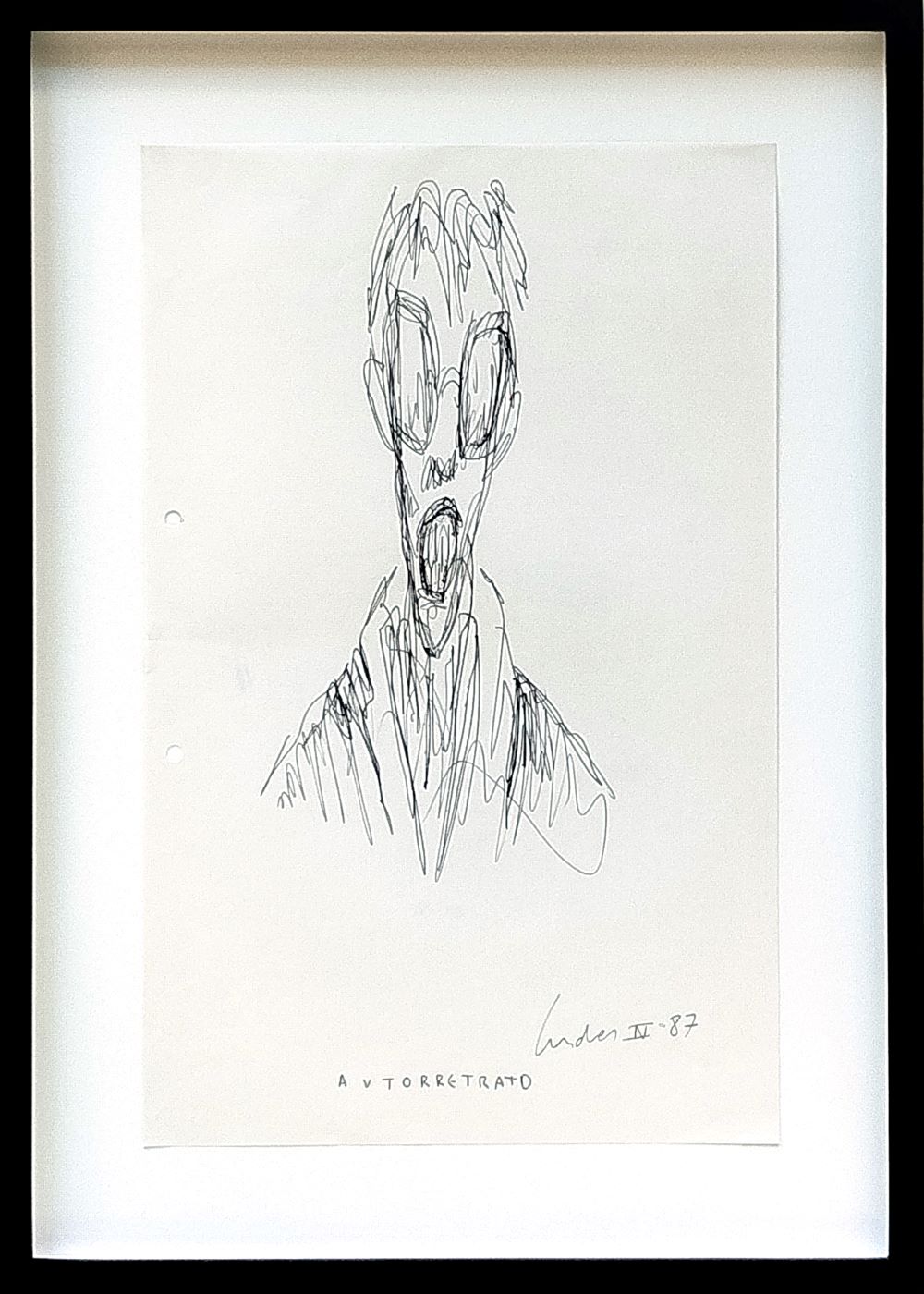
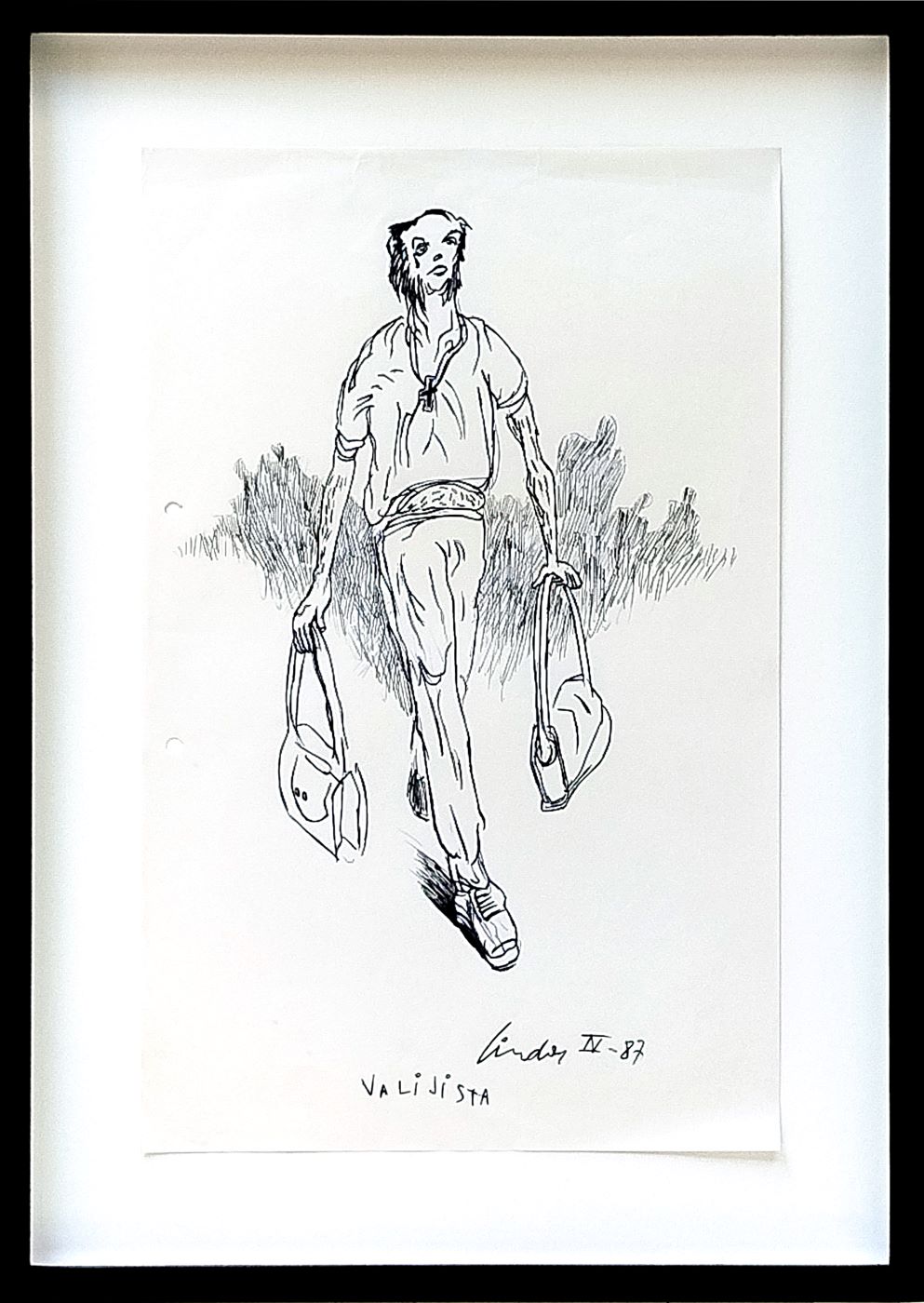
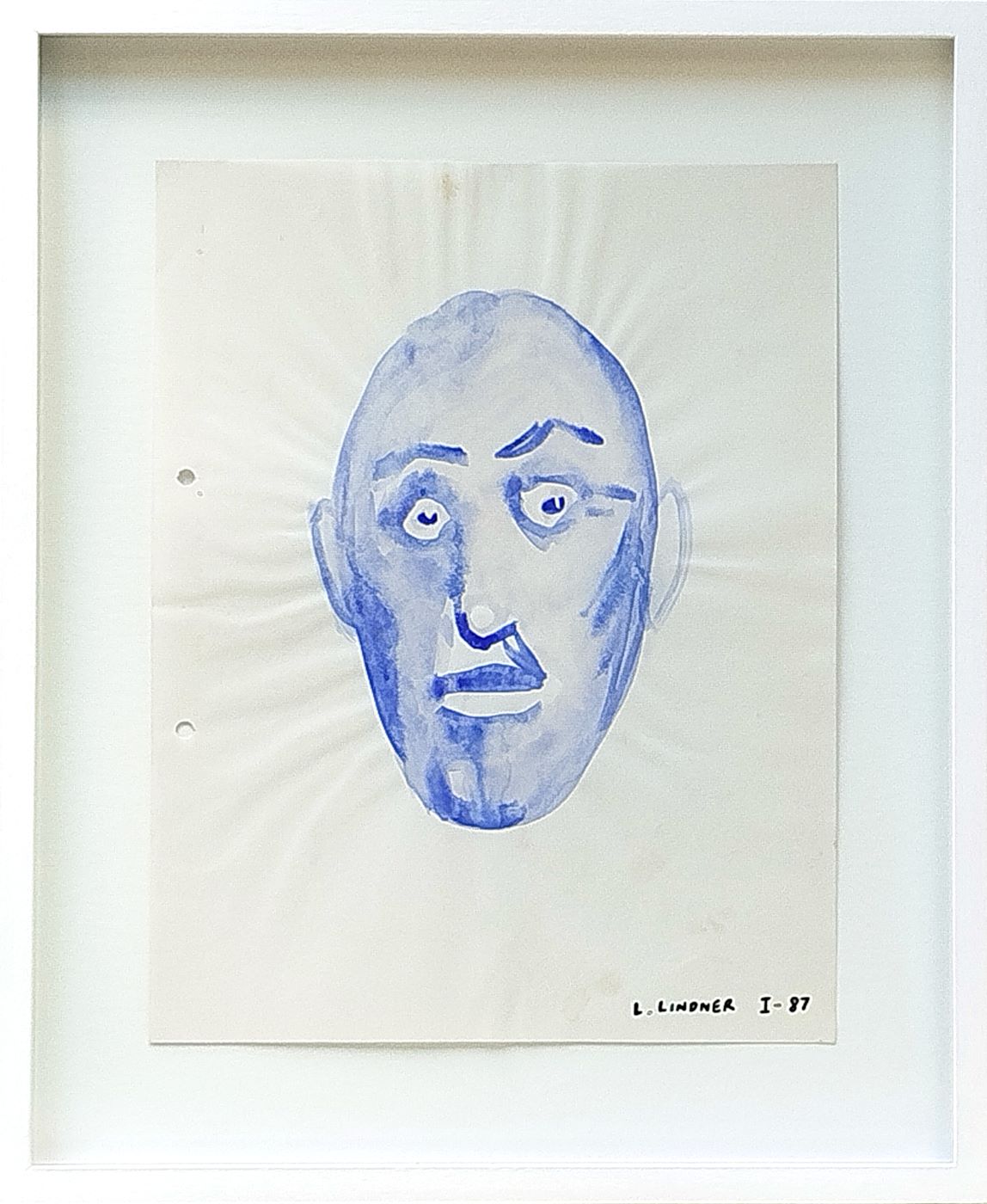
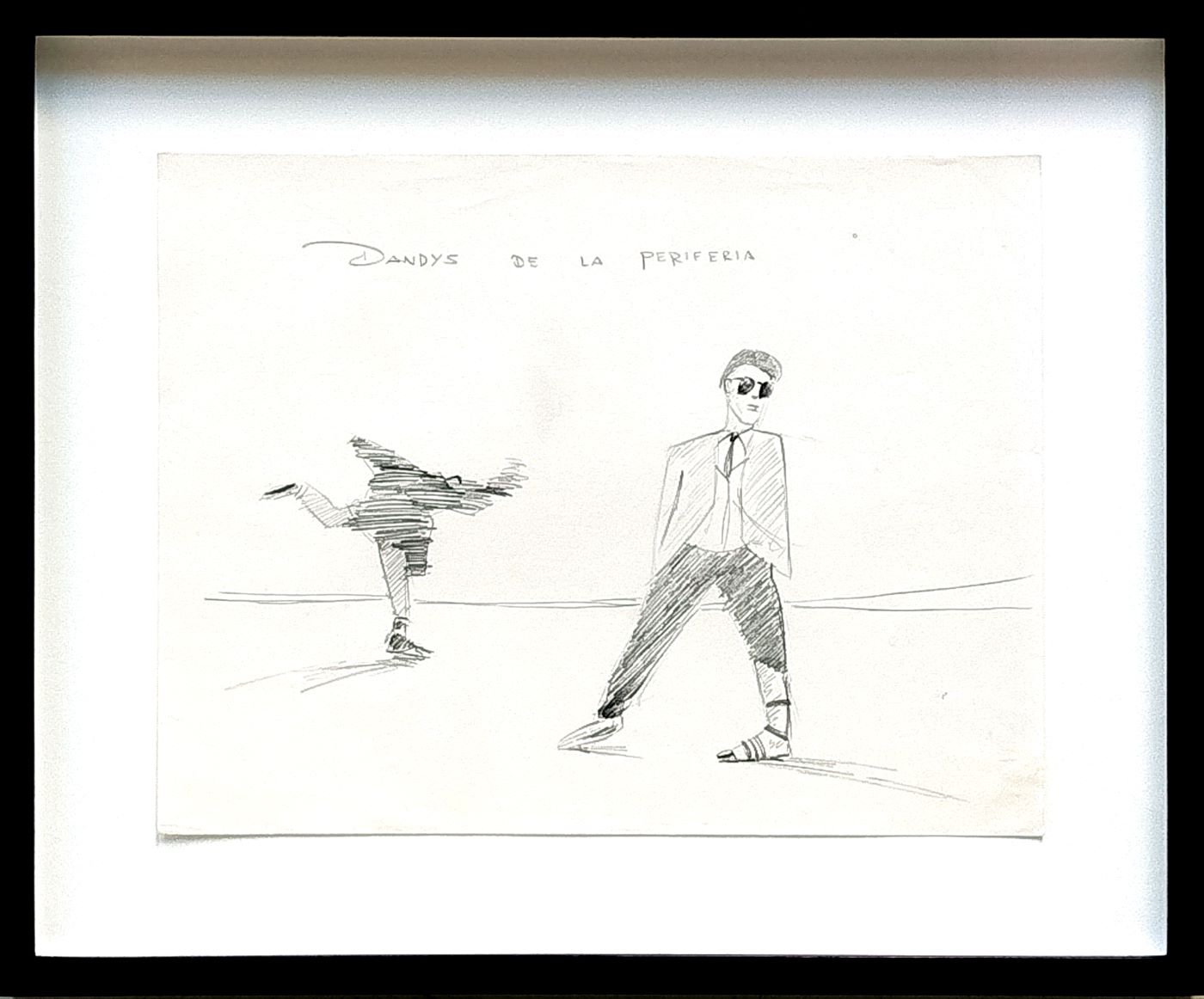
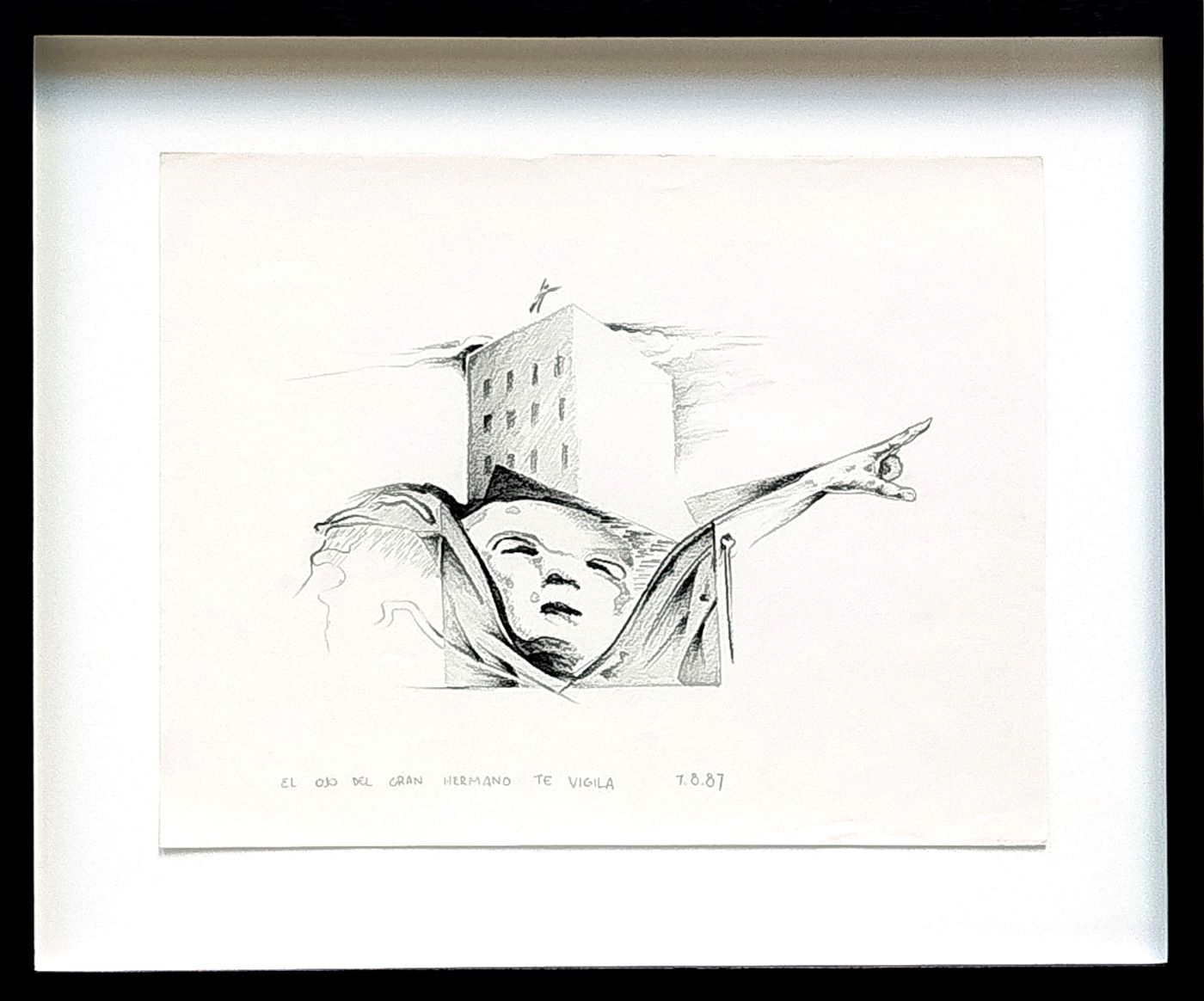
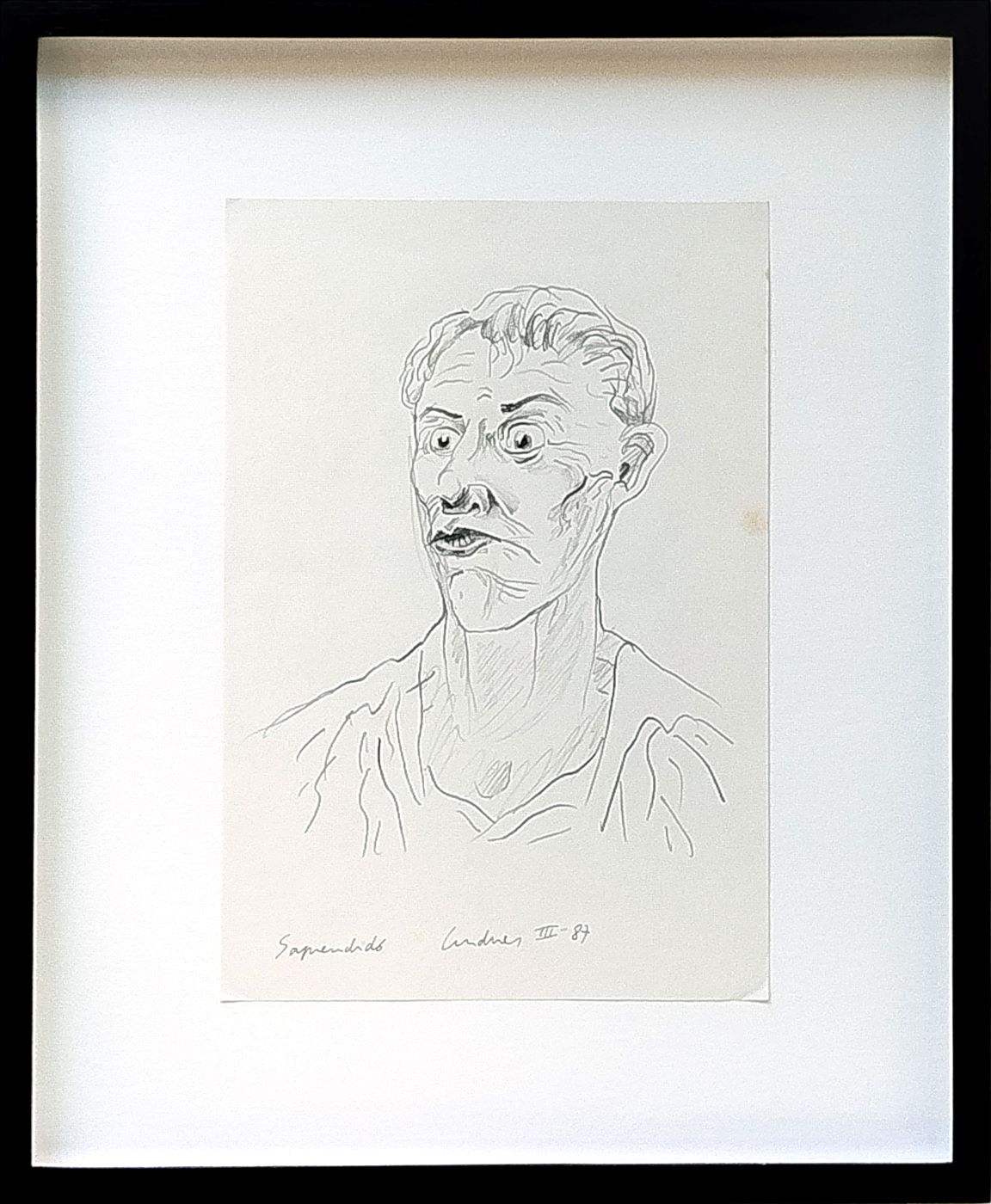
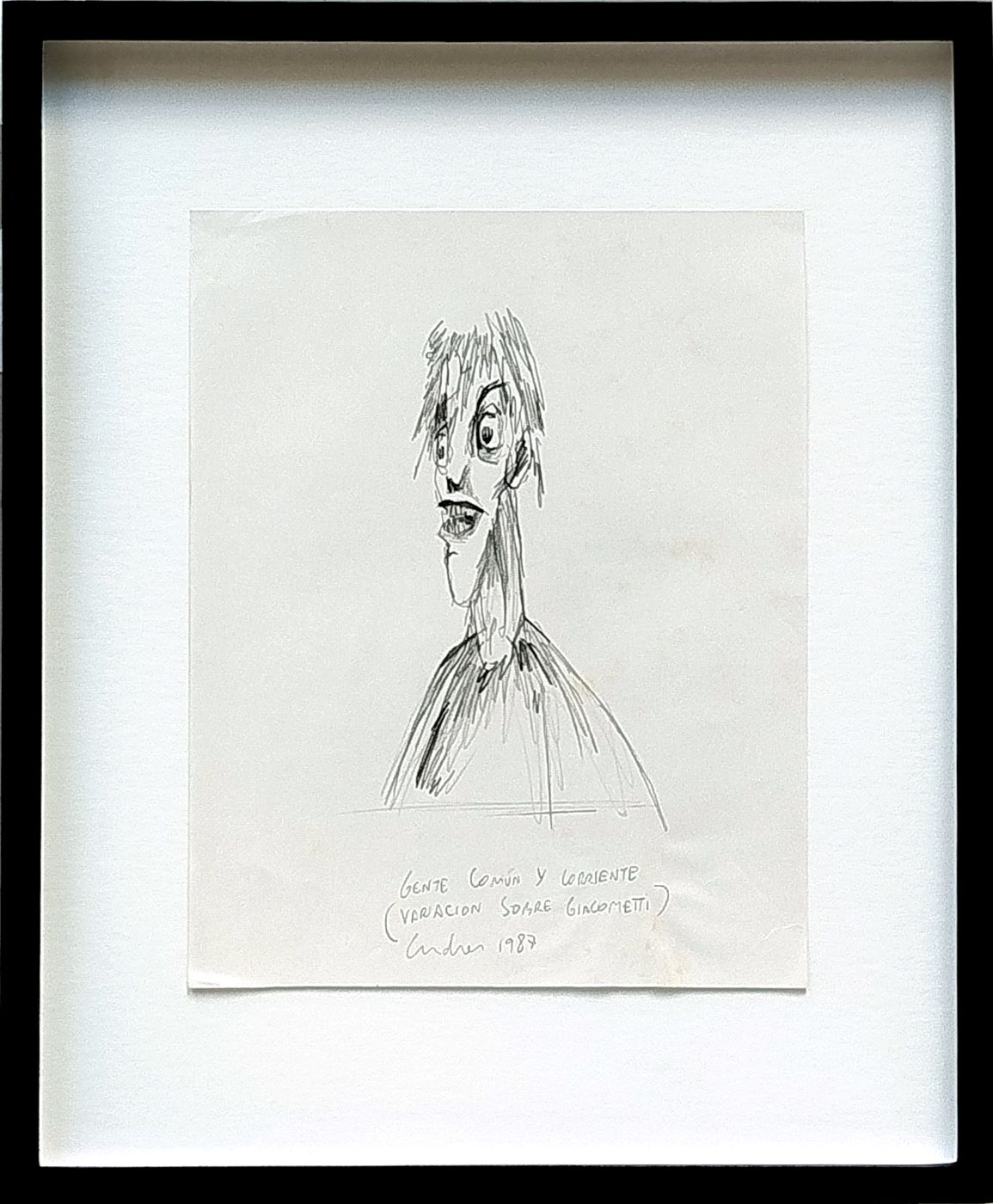
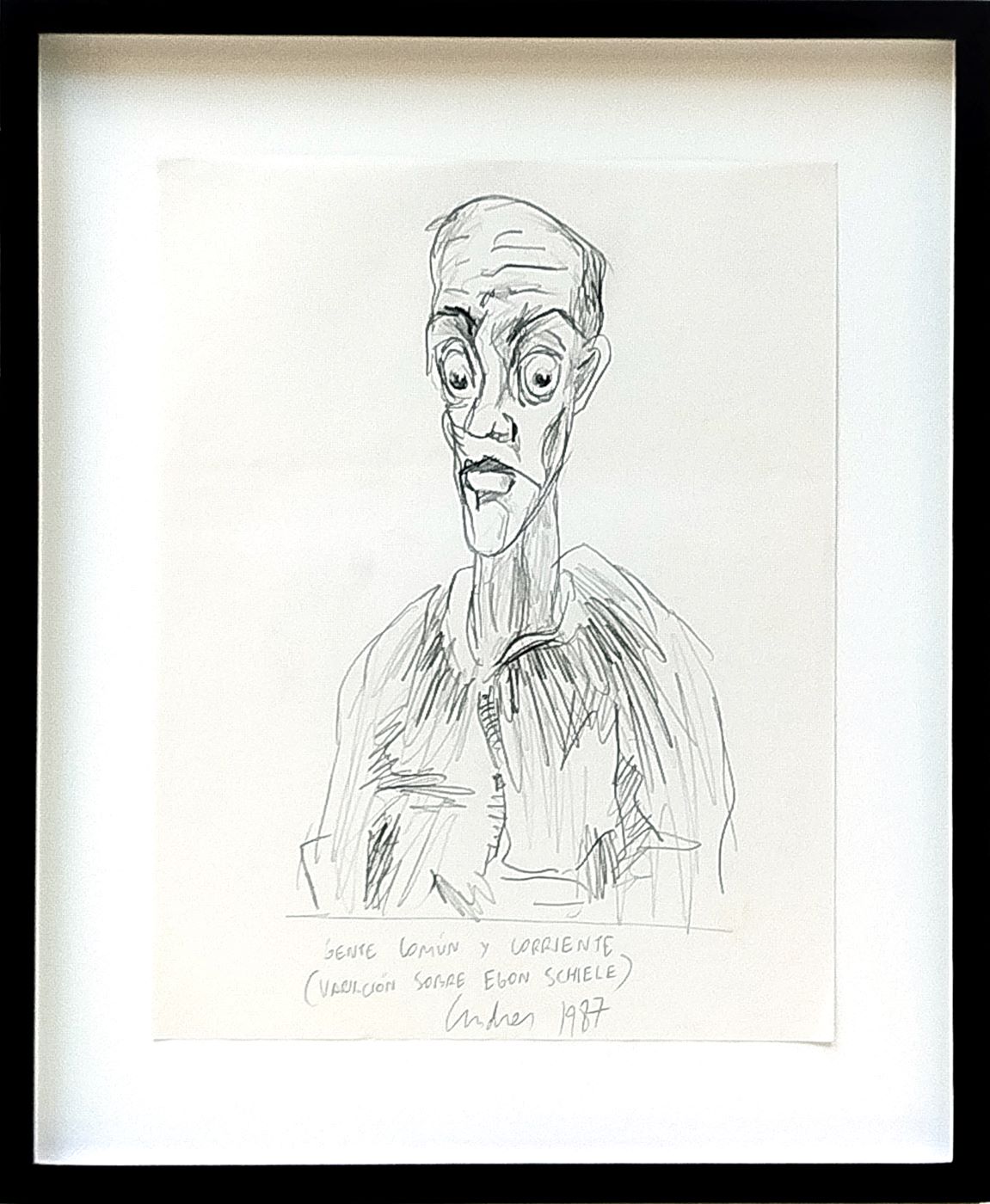
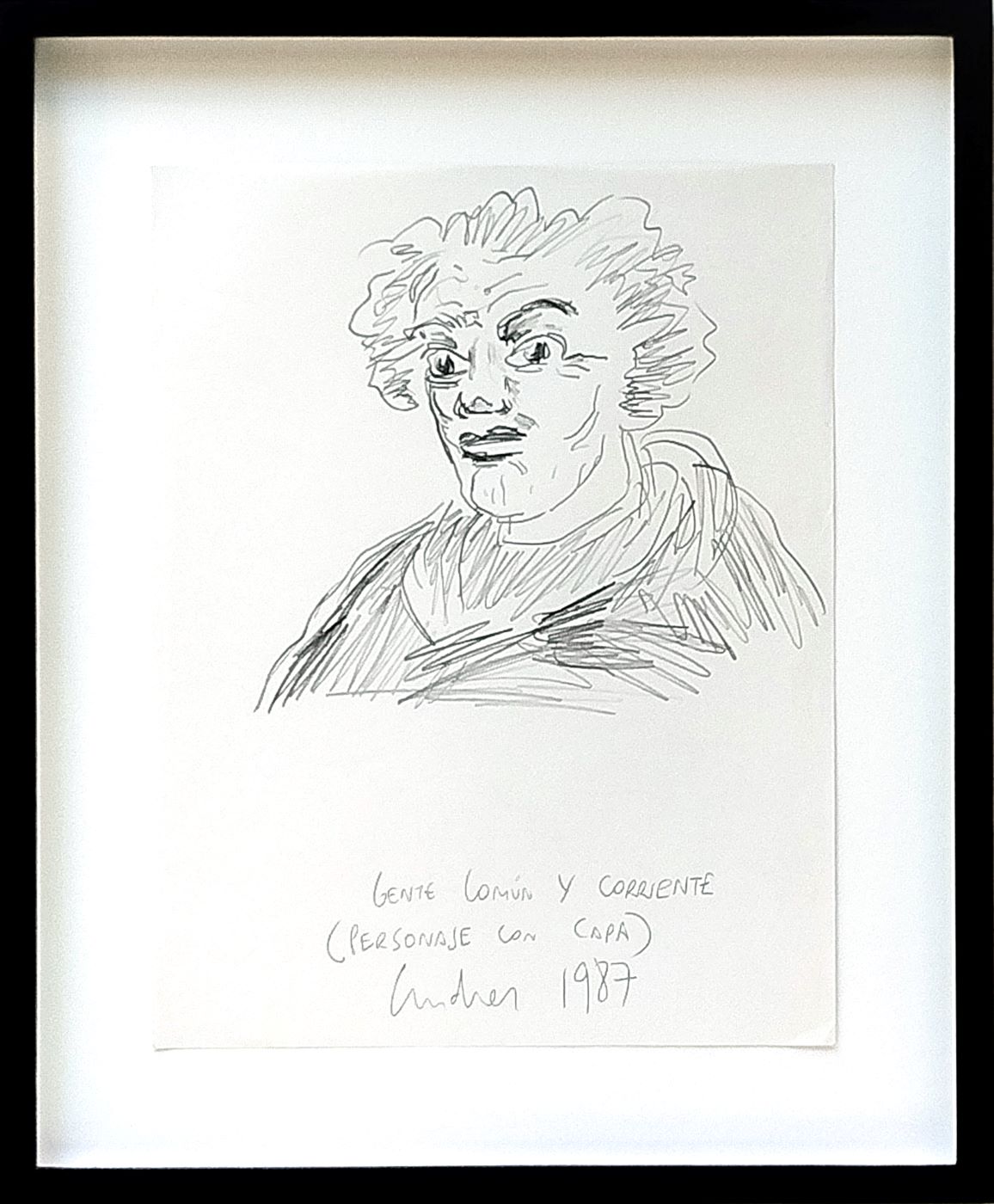
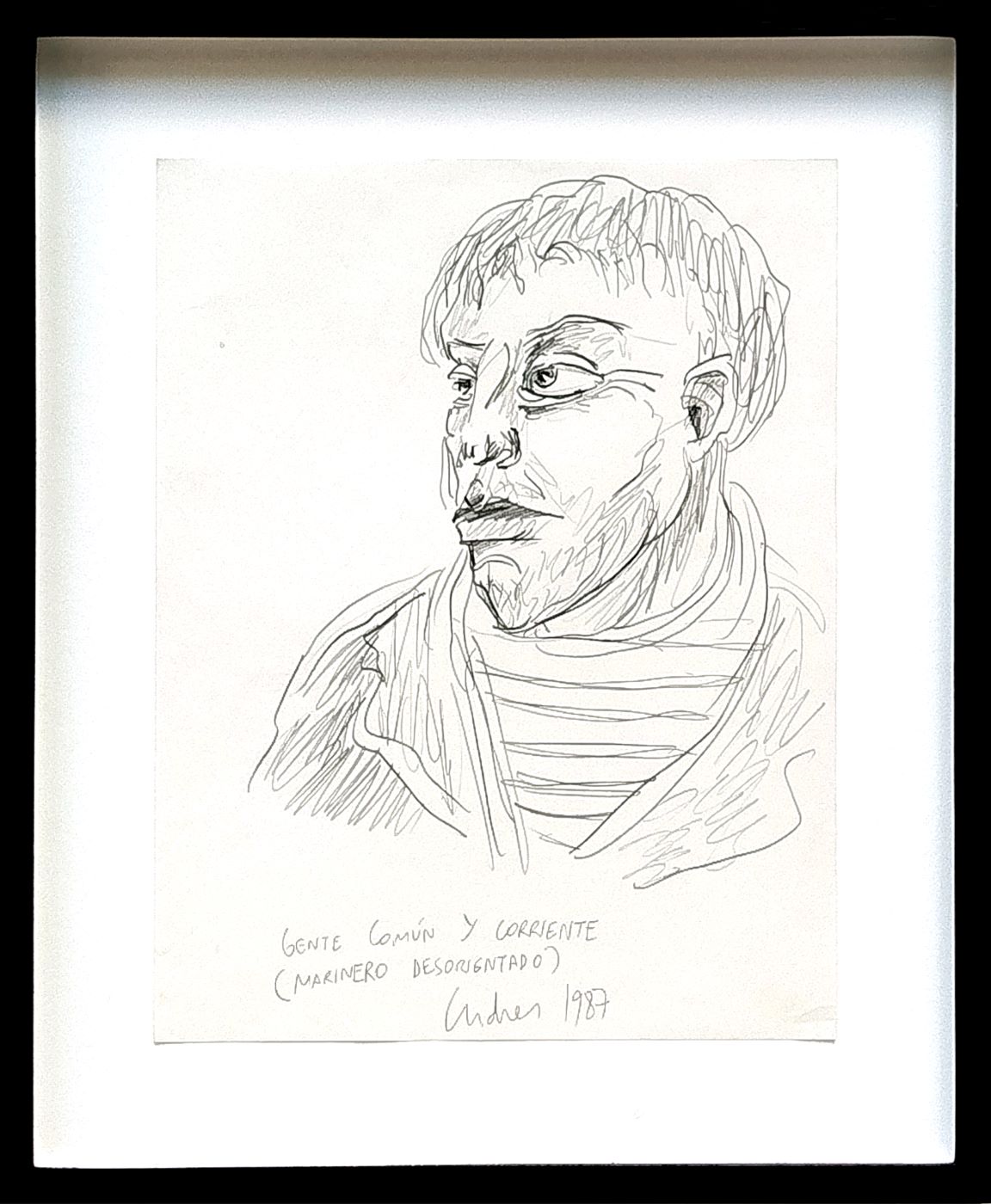
More recently, another box came to light, this time containing drawings from 1987—the works presented here. In them, one can already recognize the artist’s technical skill and his incisive взгляд upon his time and surroundings. Within his own visual language, Lindner has always been a chronicler of the social. A series of male portraits bears the title “Ordinary People.” References to late-1980s youth culture appear throughout: the “strange new hairstyles,” countercultural elites; even the concept of “Big Brother” is invoked, long before the television show existed. A self-portrait reveals the young artist’s fascination with the drawings of Giacometti.
Lux Lindner (Buenos Aires, 1965) has exhibited his work since the late 1980s. Active at Centro Cultural Rojas in the 1990s and represented by the influential Braga Menéndez gallery in the 2000s, he has participated in numerous exhibitions across Argentina—including Museo Moderno, MALBA, Centro Cultural Recoleta, Colección Amalita, and Fundación Andreani—as well as in private venues and international exhibitions such as the Istanbul Biennial and The Drawing Center in New York. His distinctions include the Second Prize at the National Salon of Visual Arts (Drawing category, 2021), First Prize from the Oficina de Monumentos Consensuados (2018), Third Prize in Painting from Banco Nación (2017), Fundación Andreani Prize (2009), Konex Prize in Drawing (2002), Federico Jorge Klemm Prize in Visual Arts (2006), and the Braque Prize (1997), among others.