






about
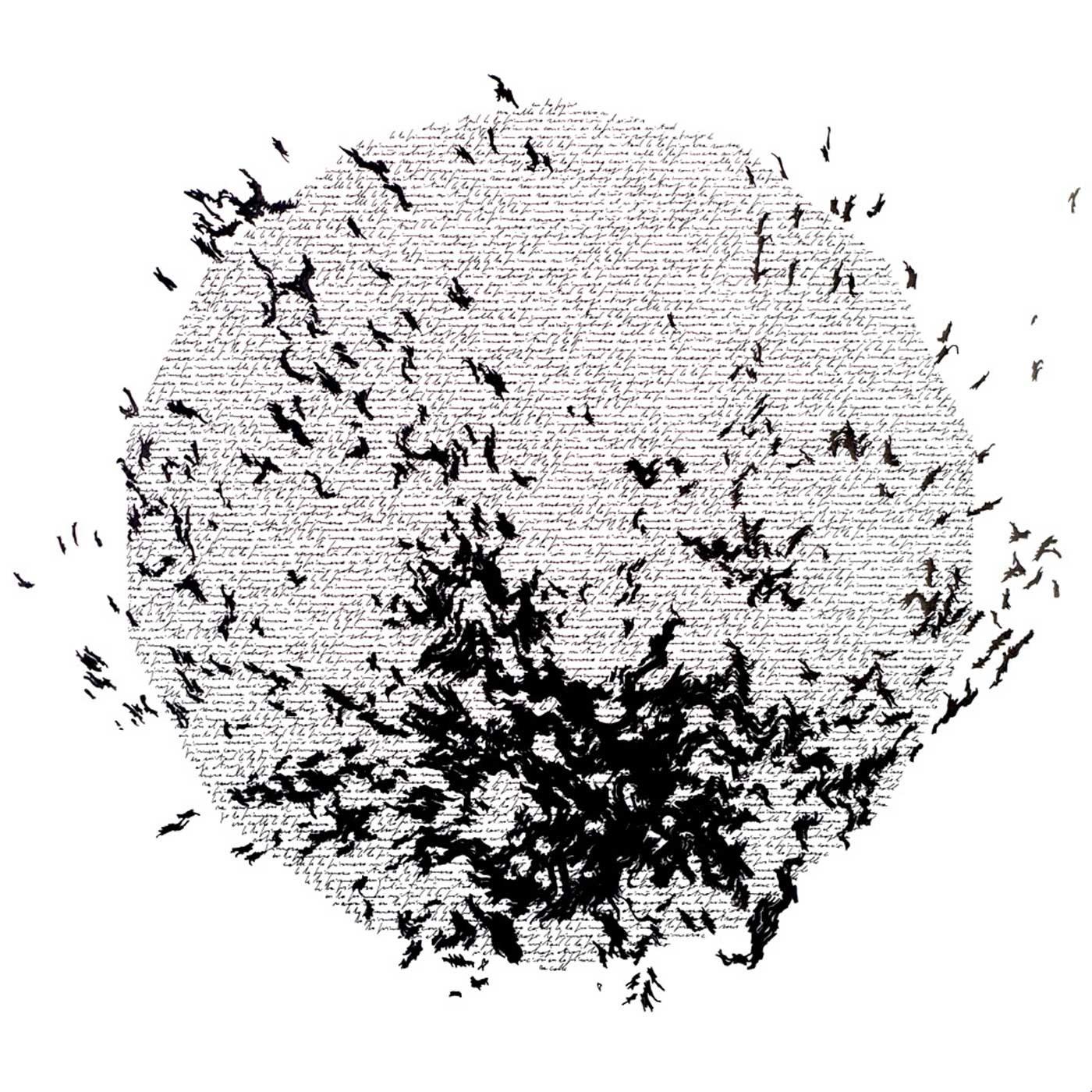
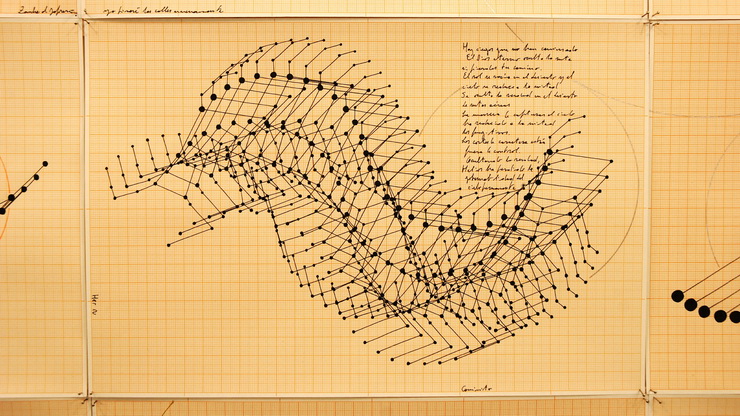
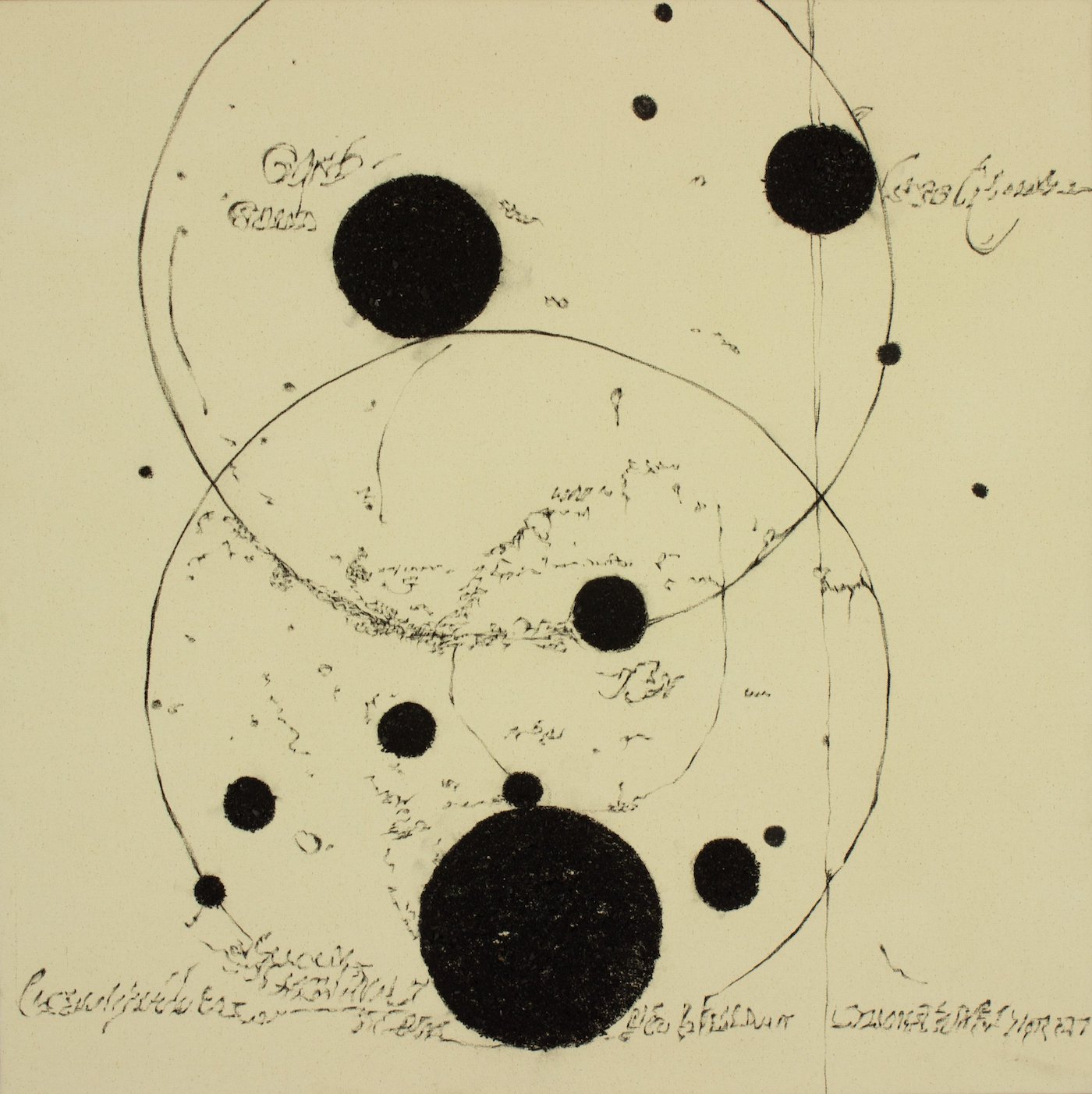
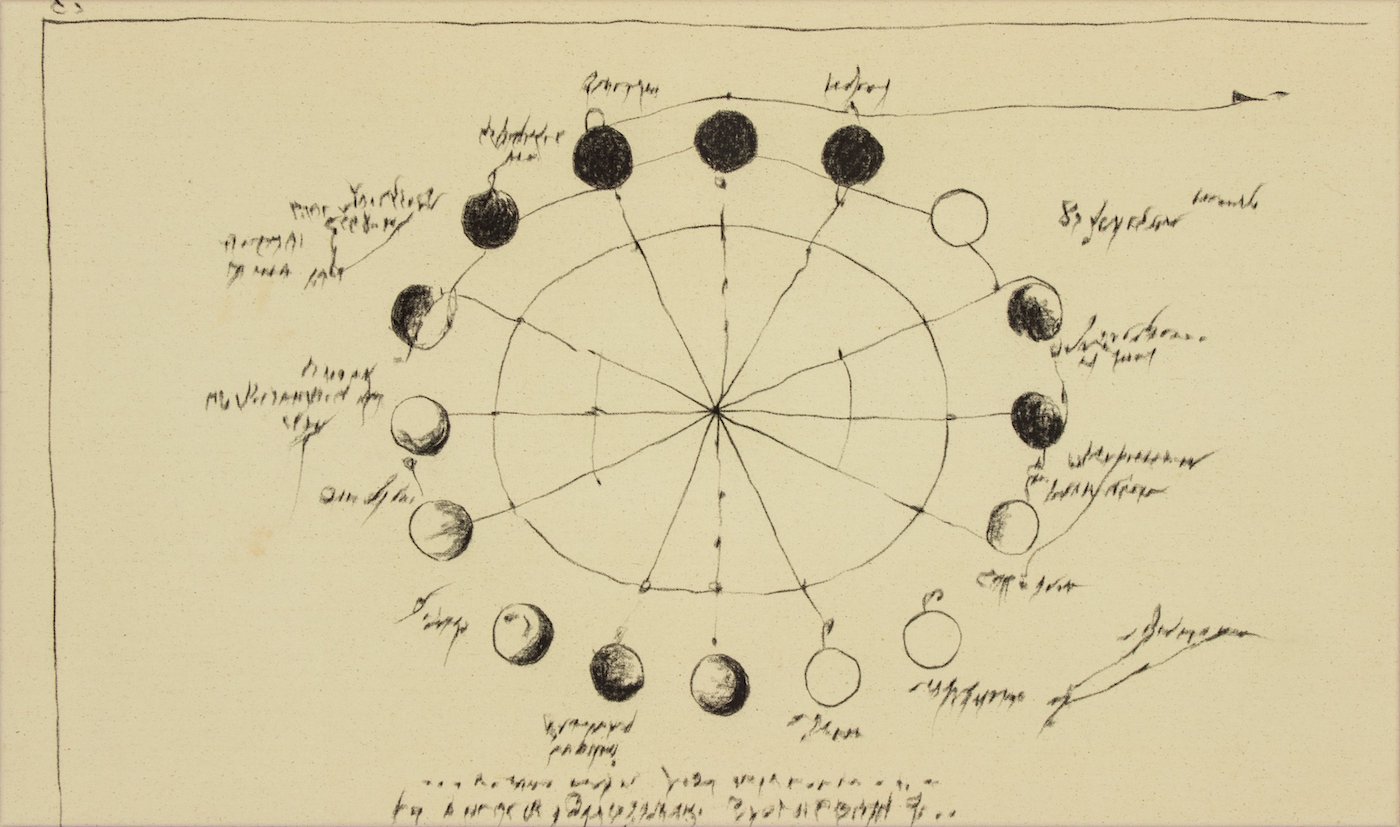
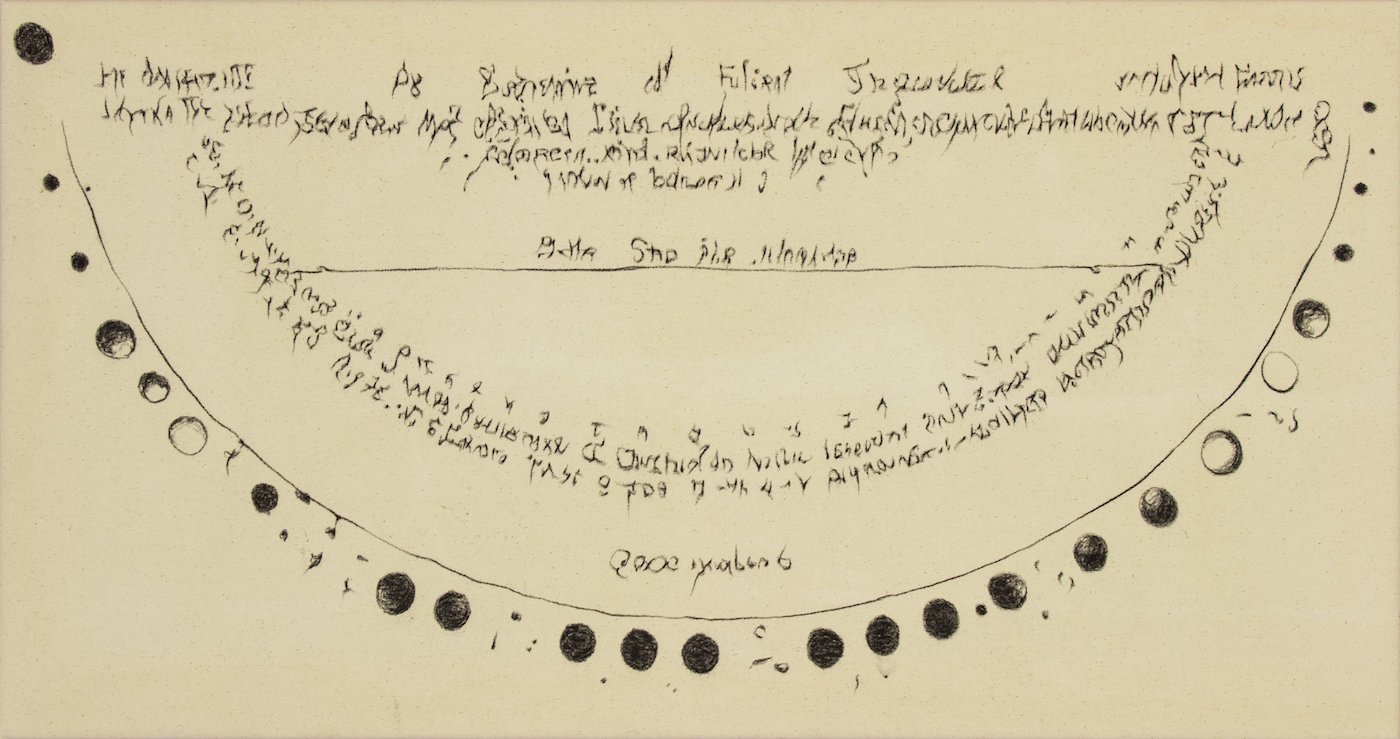
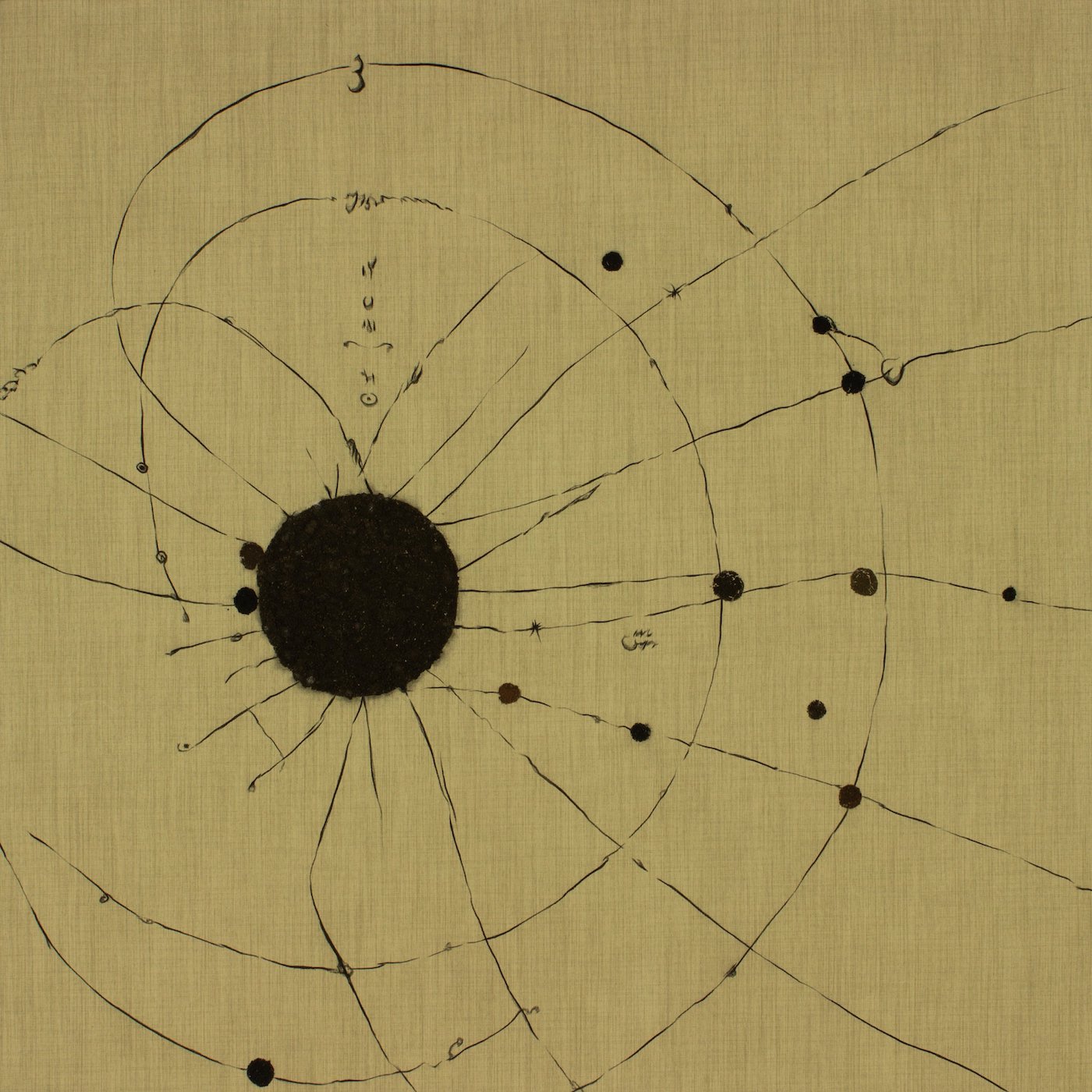
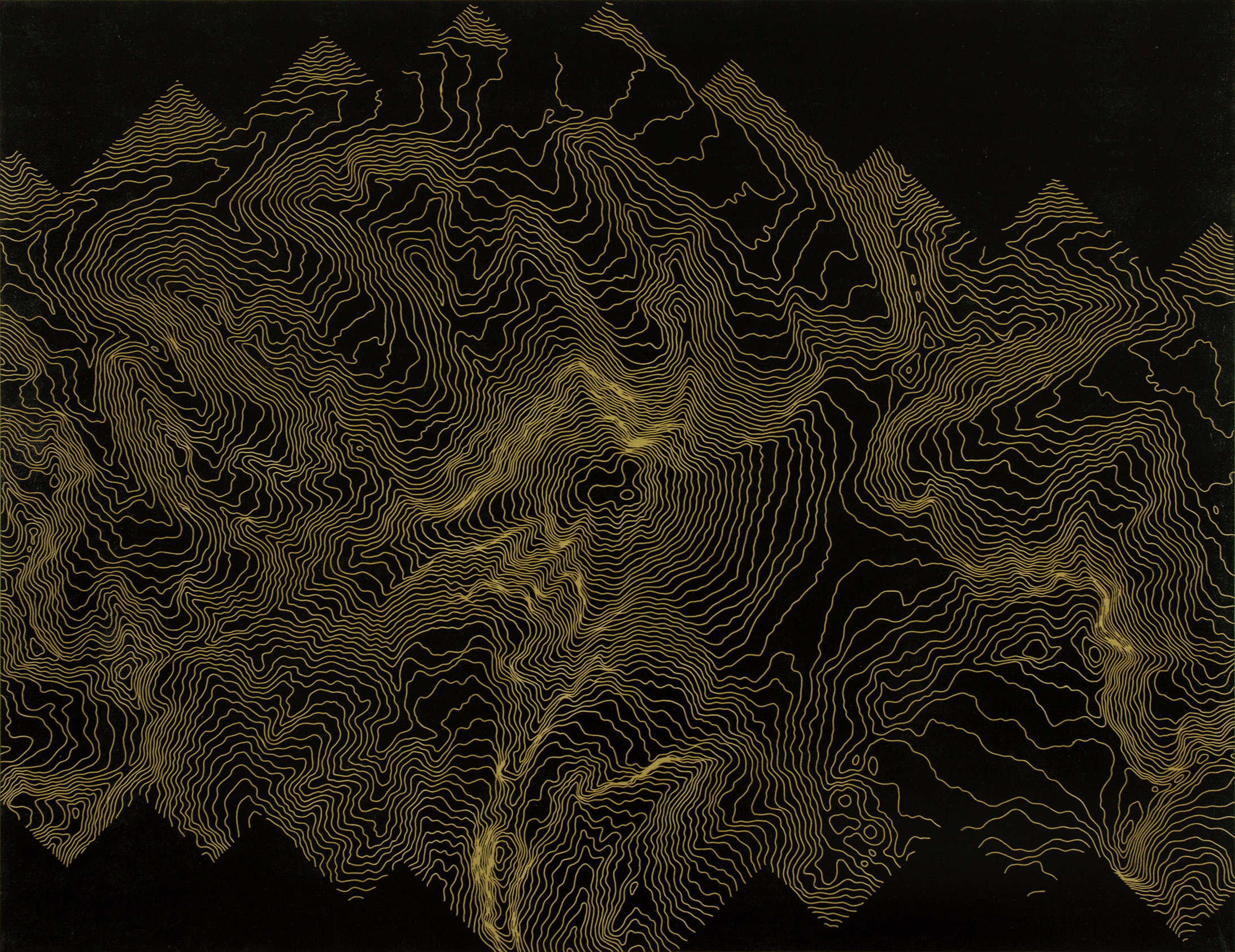
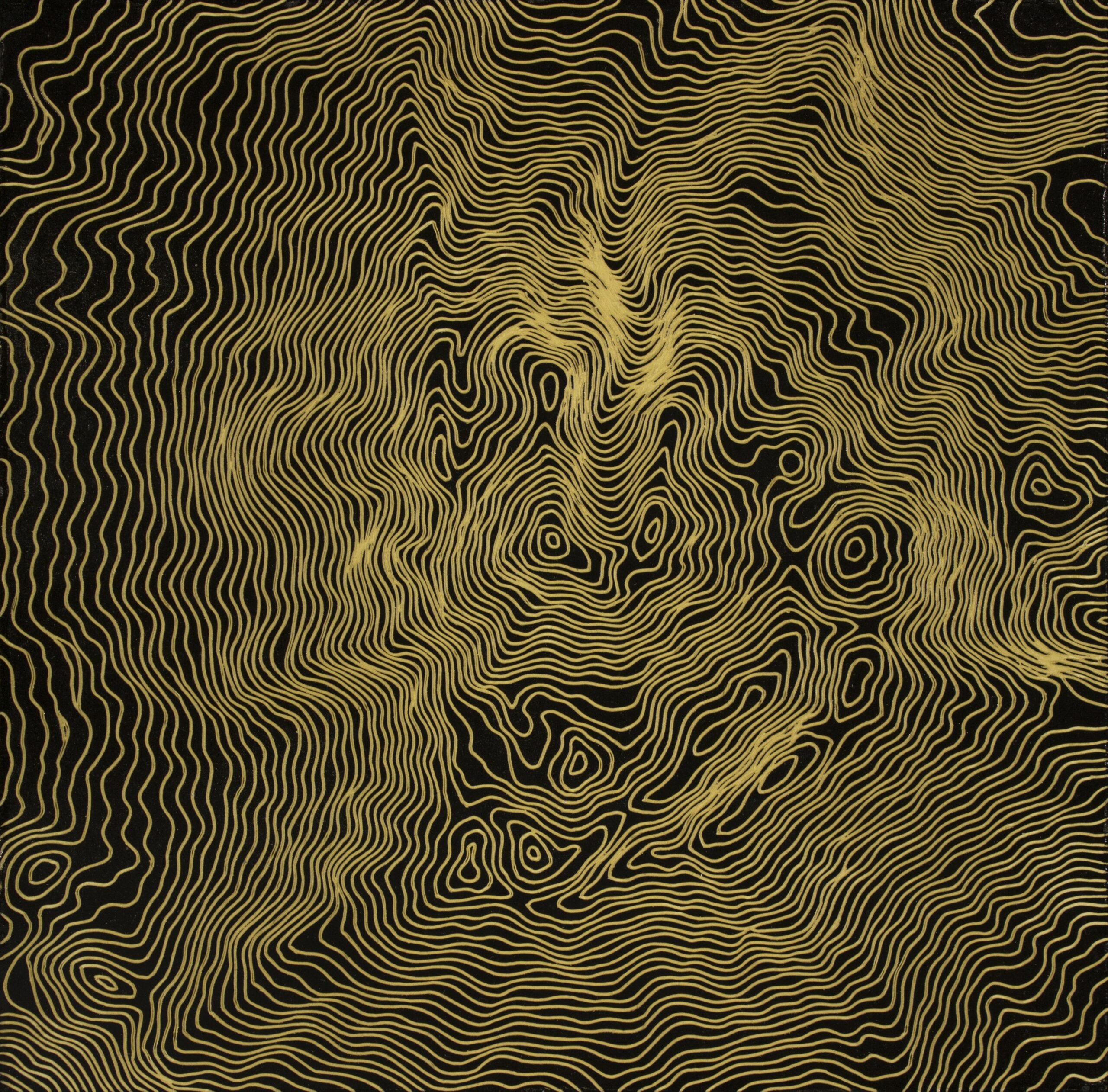
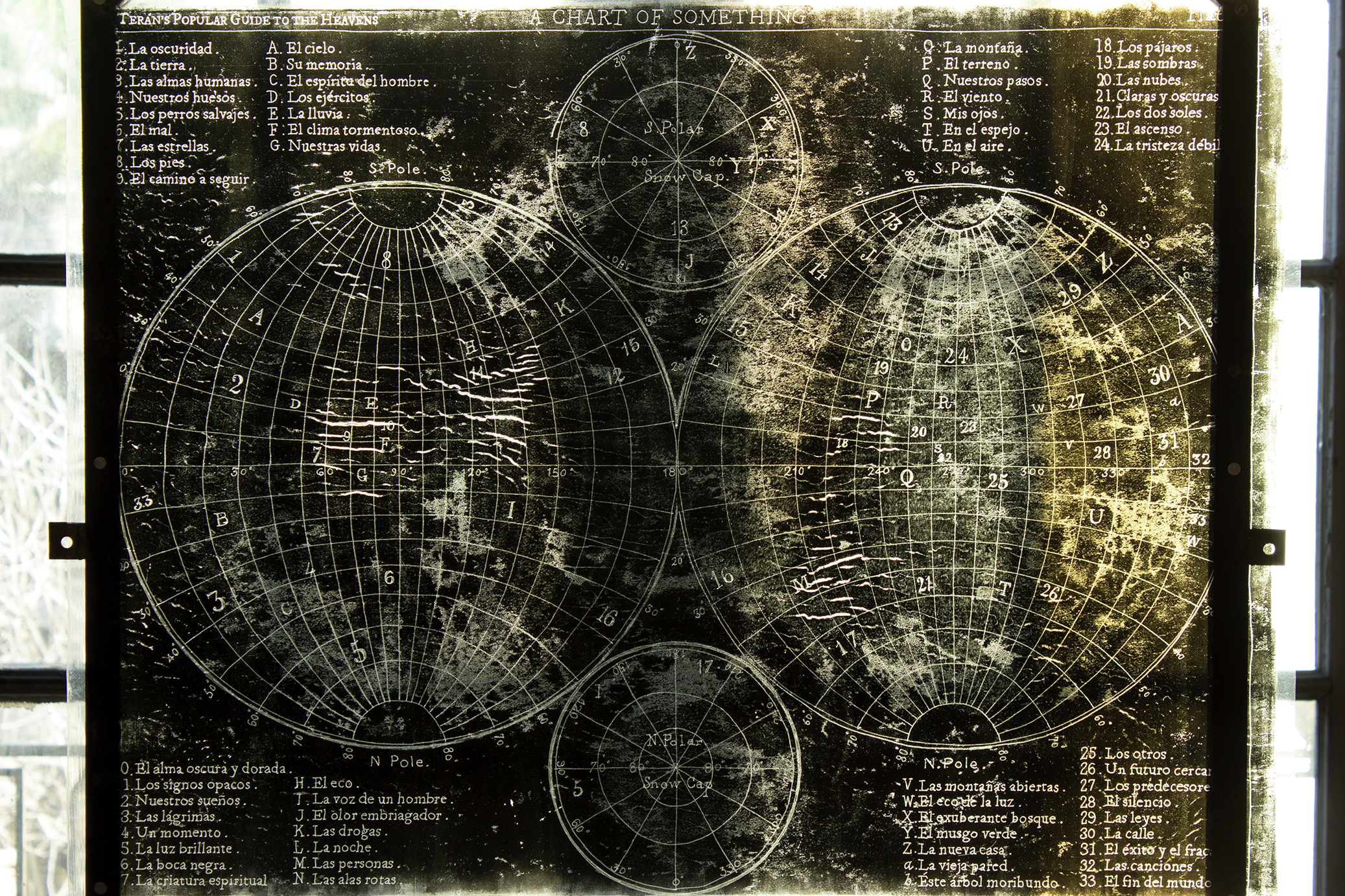
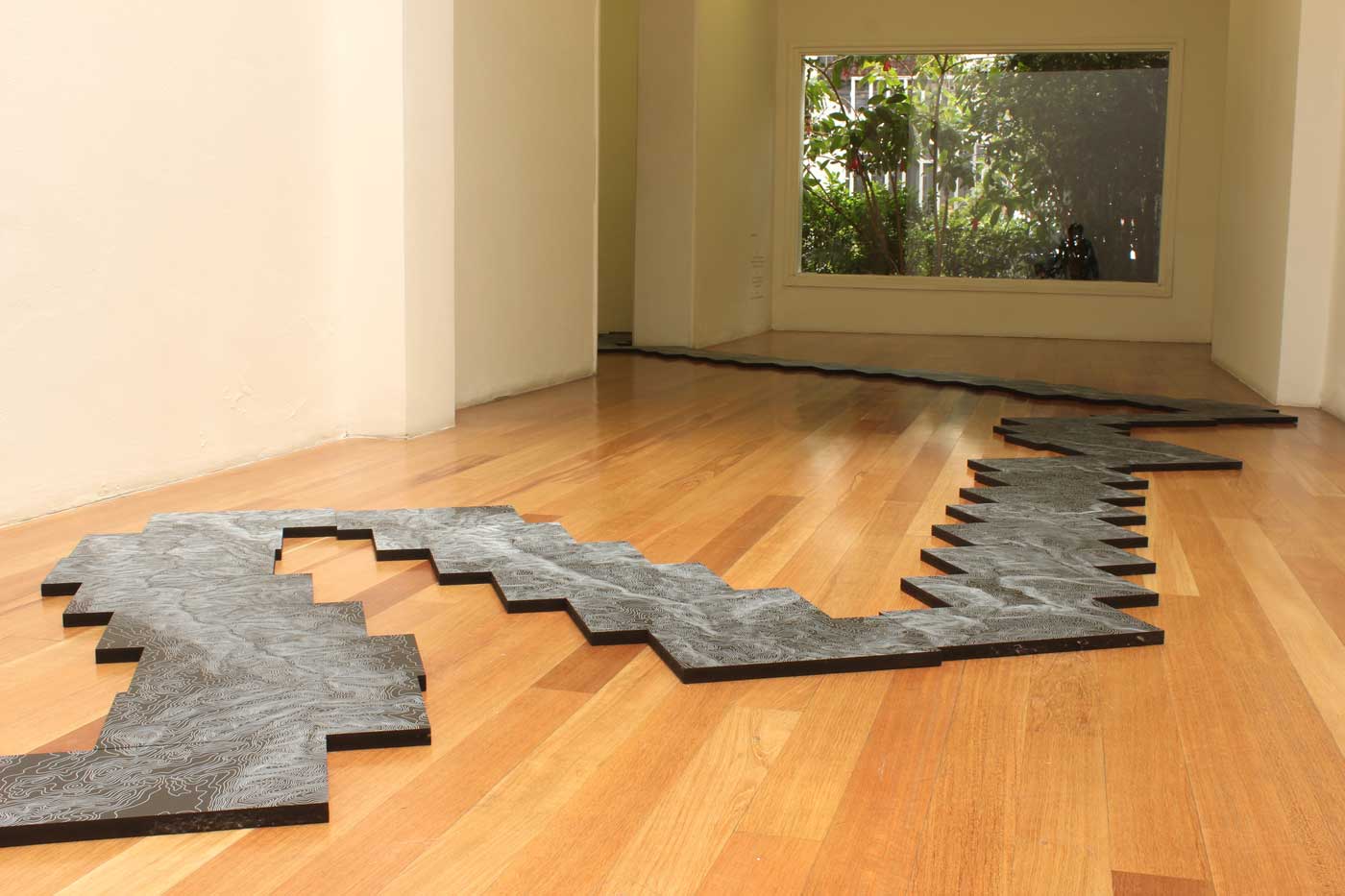
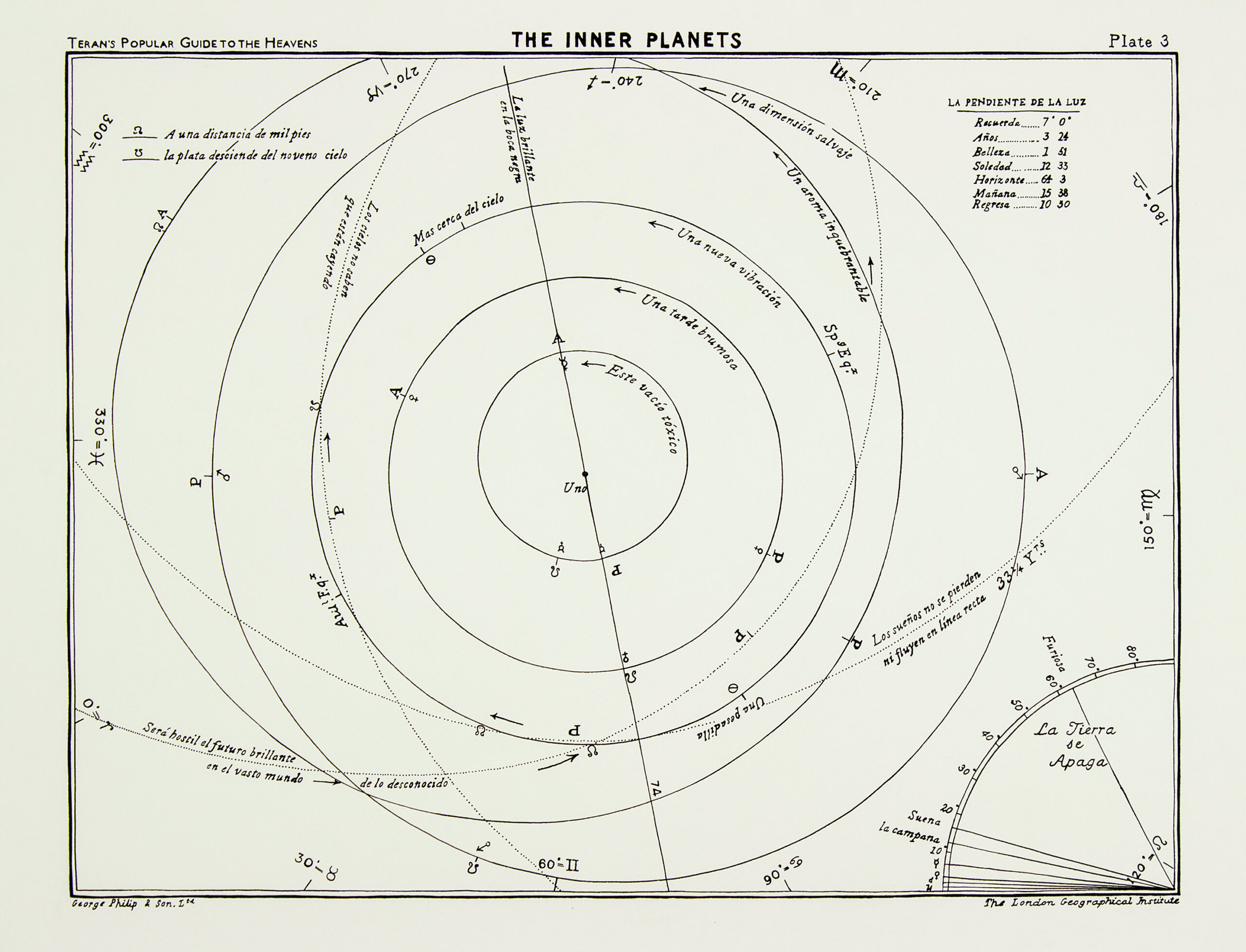
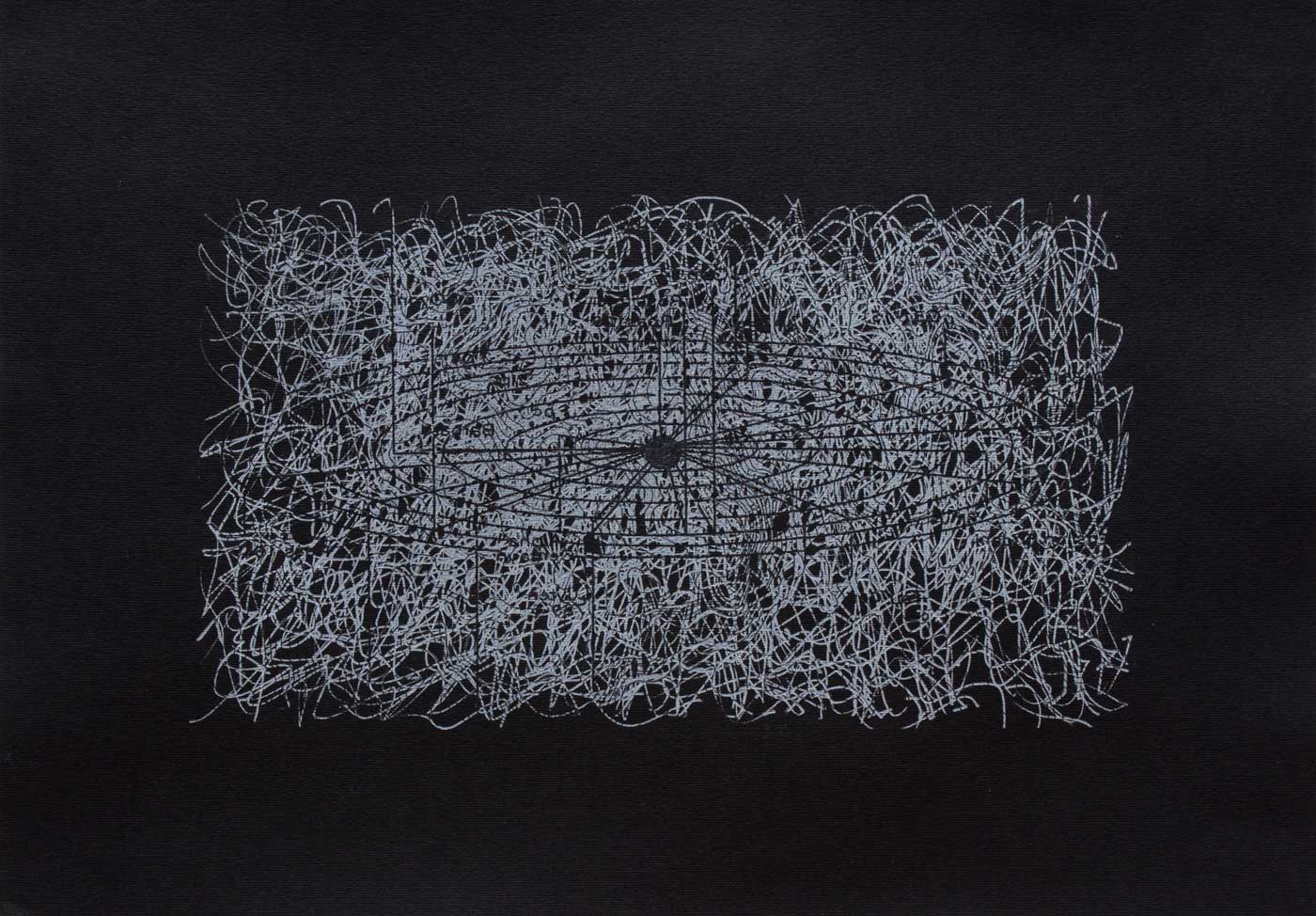
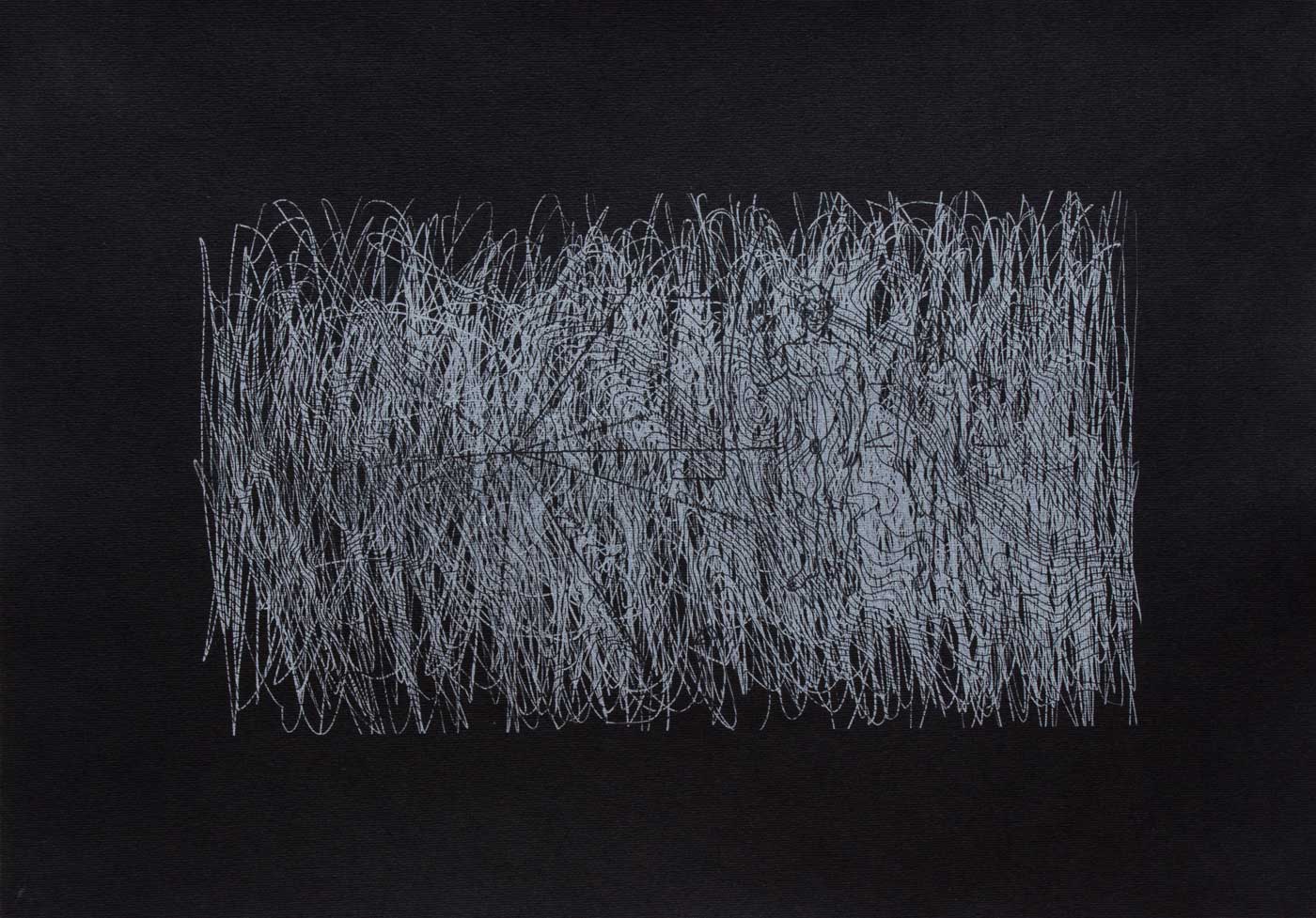
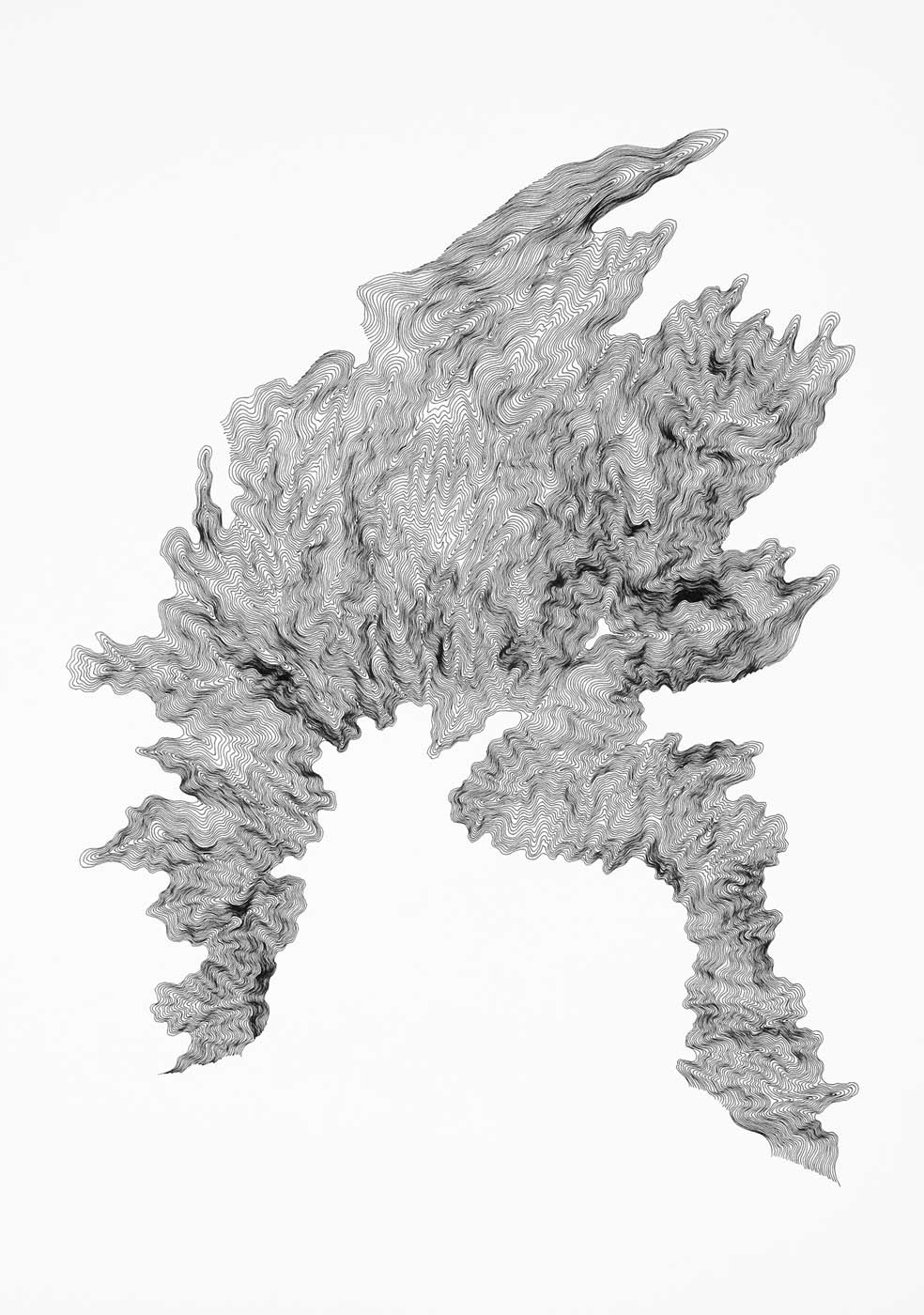
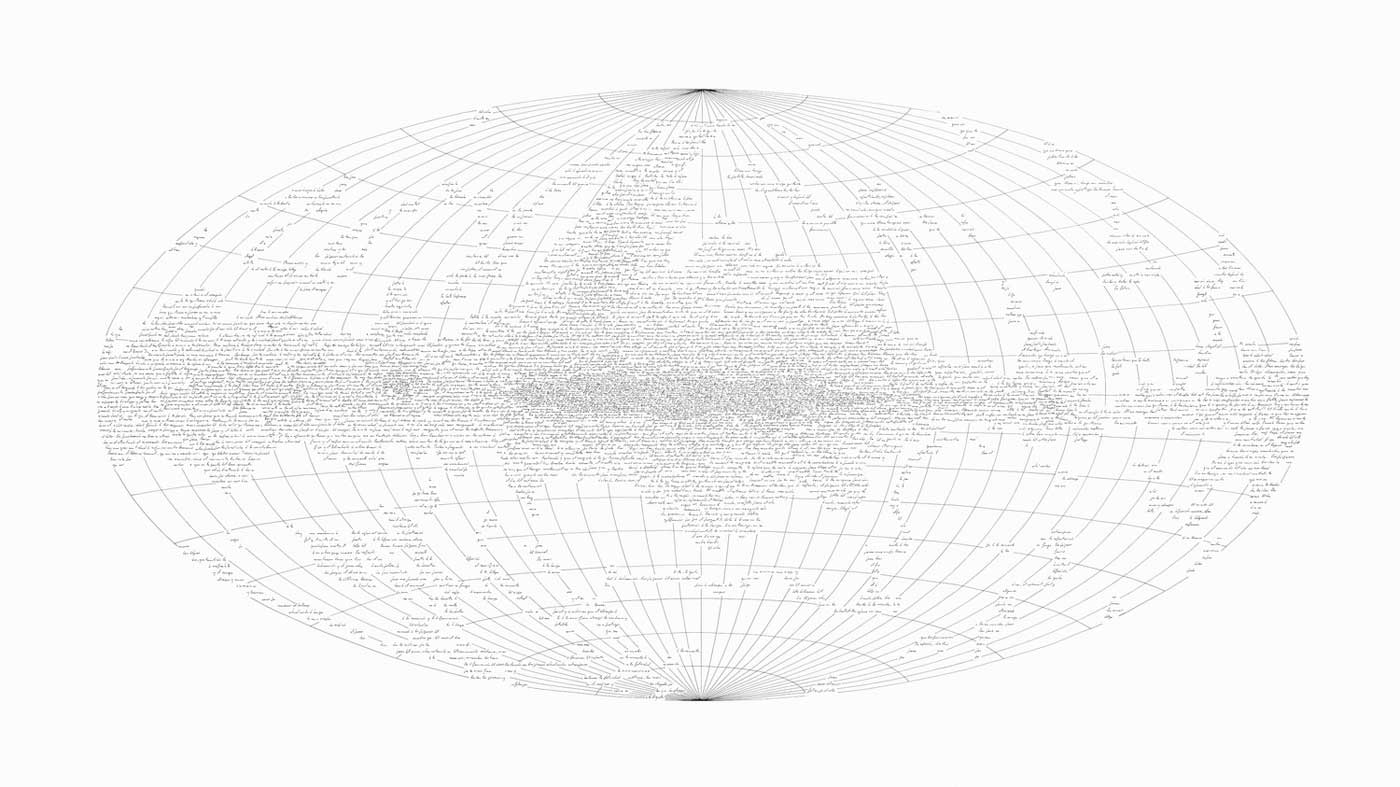
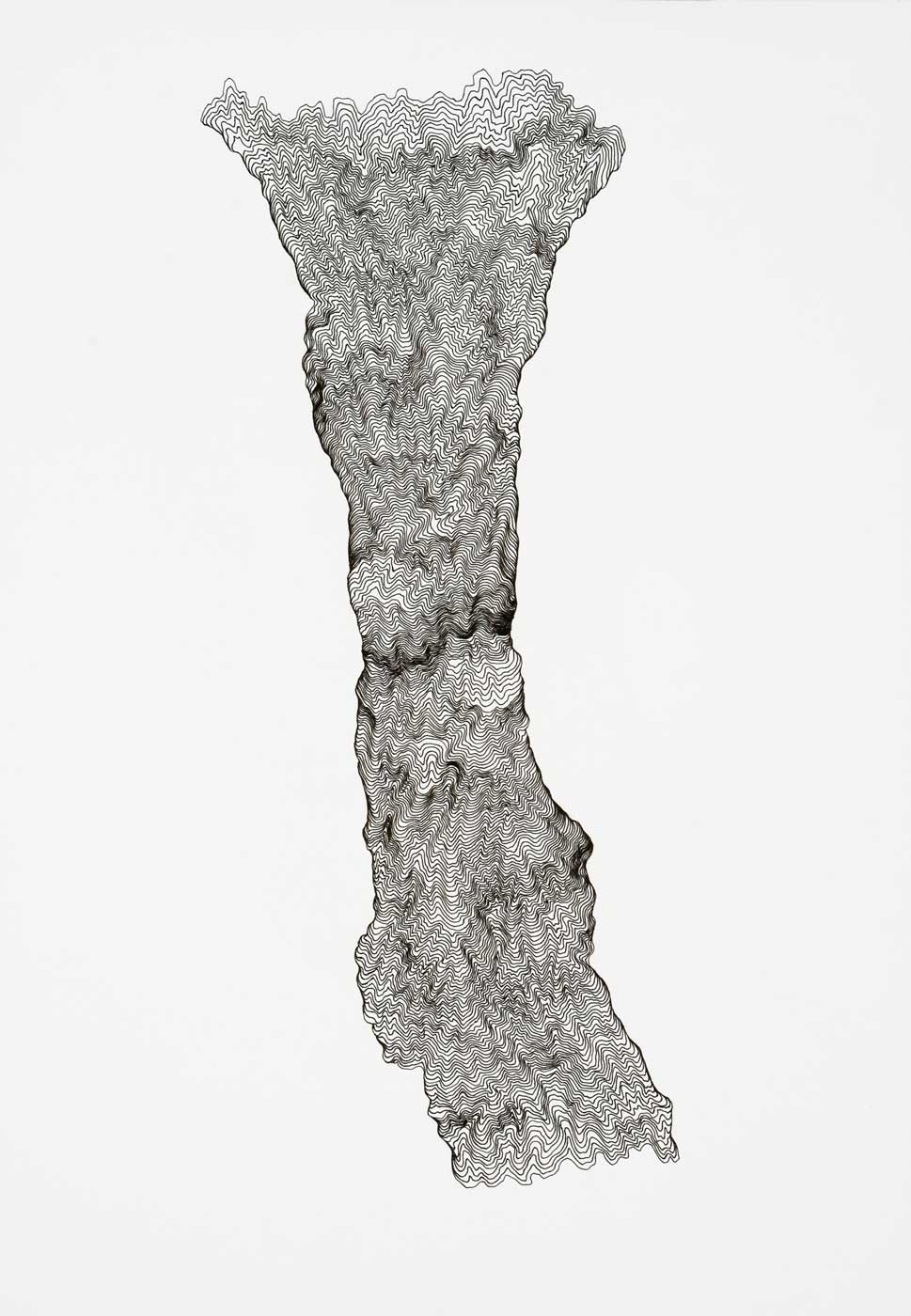
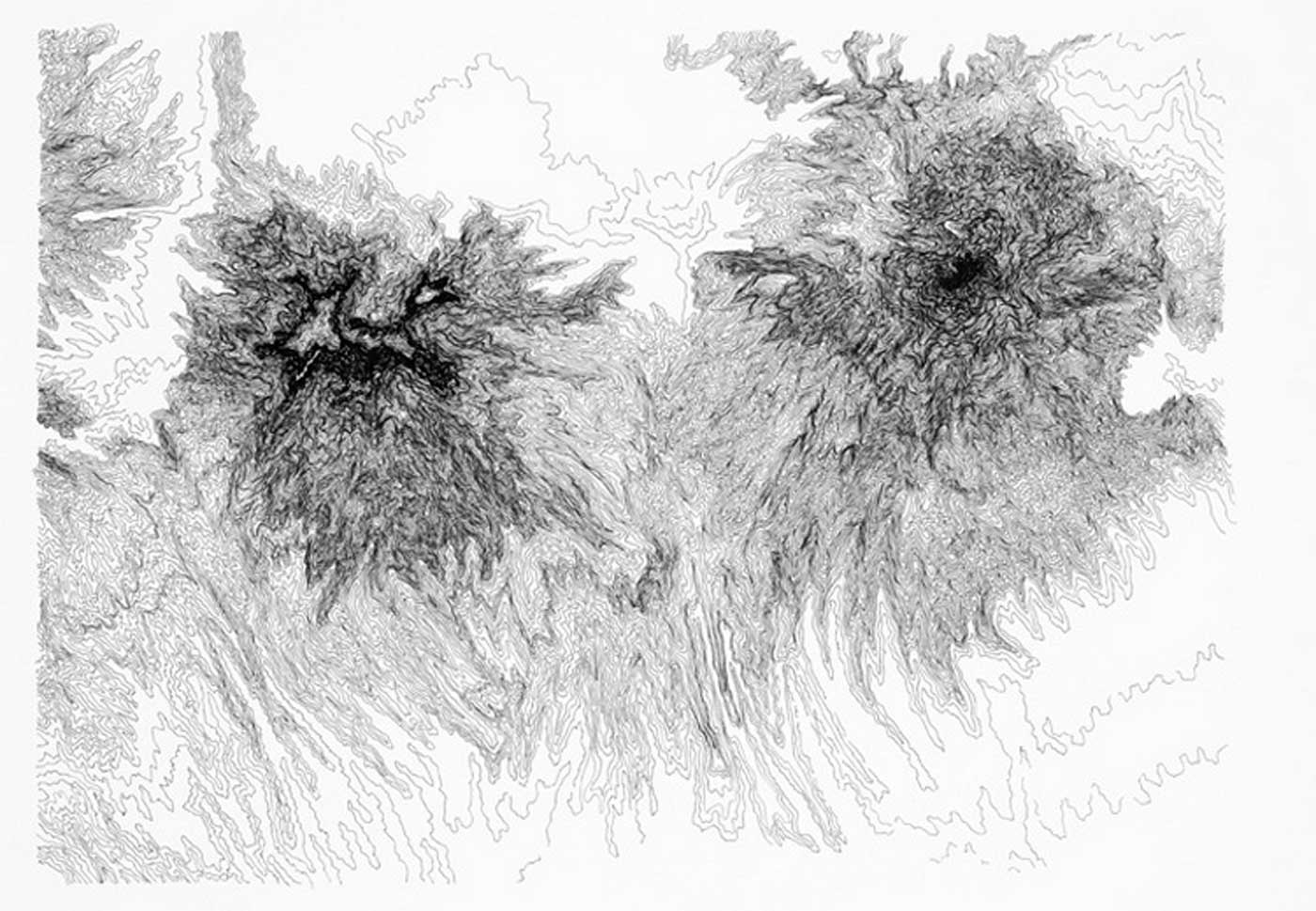
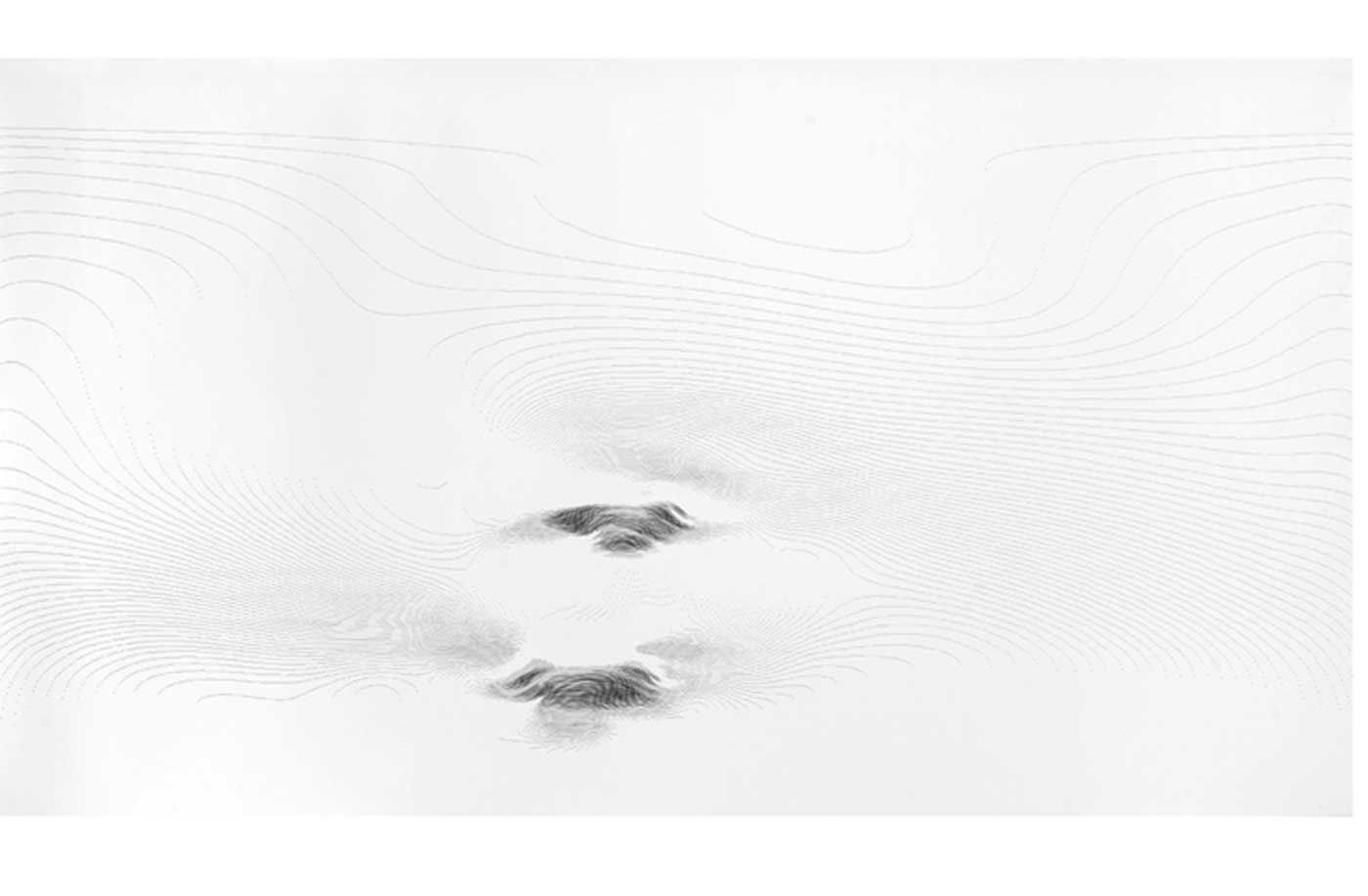
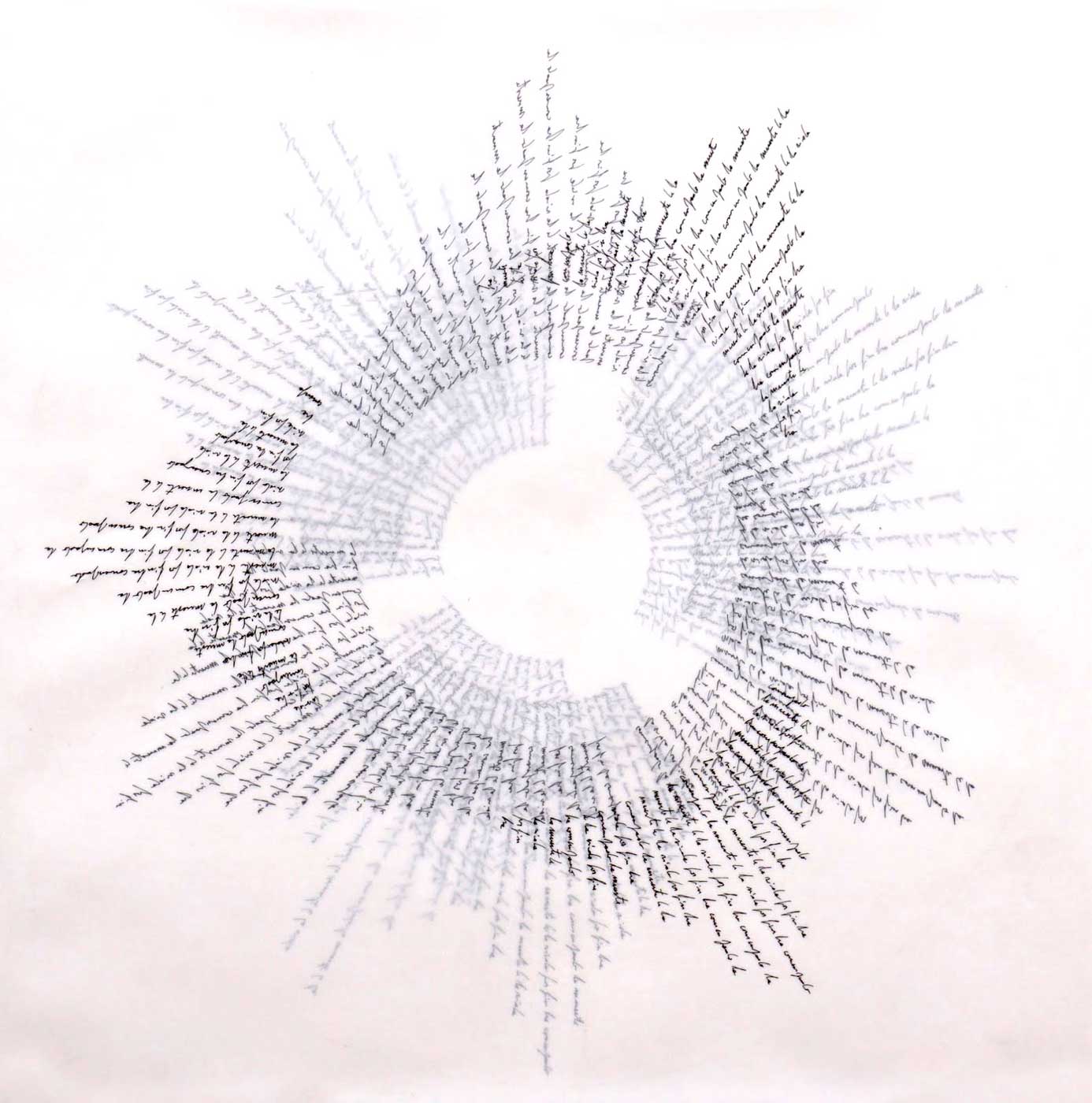
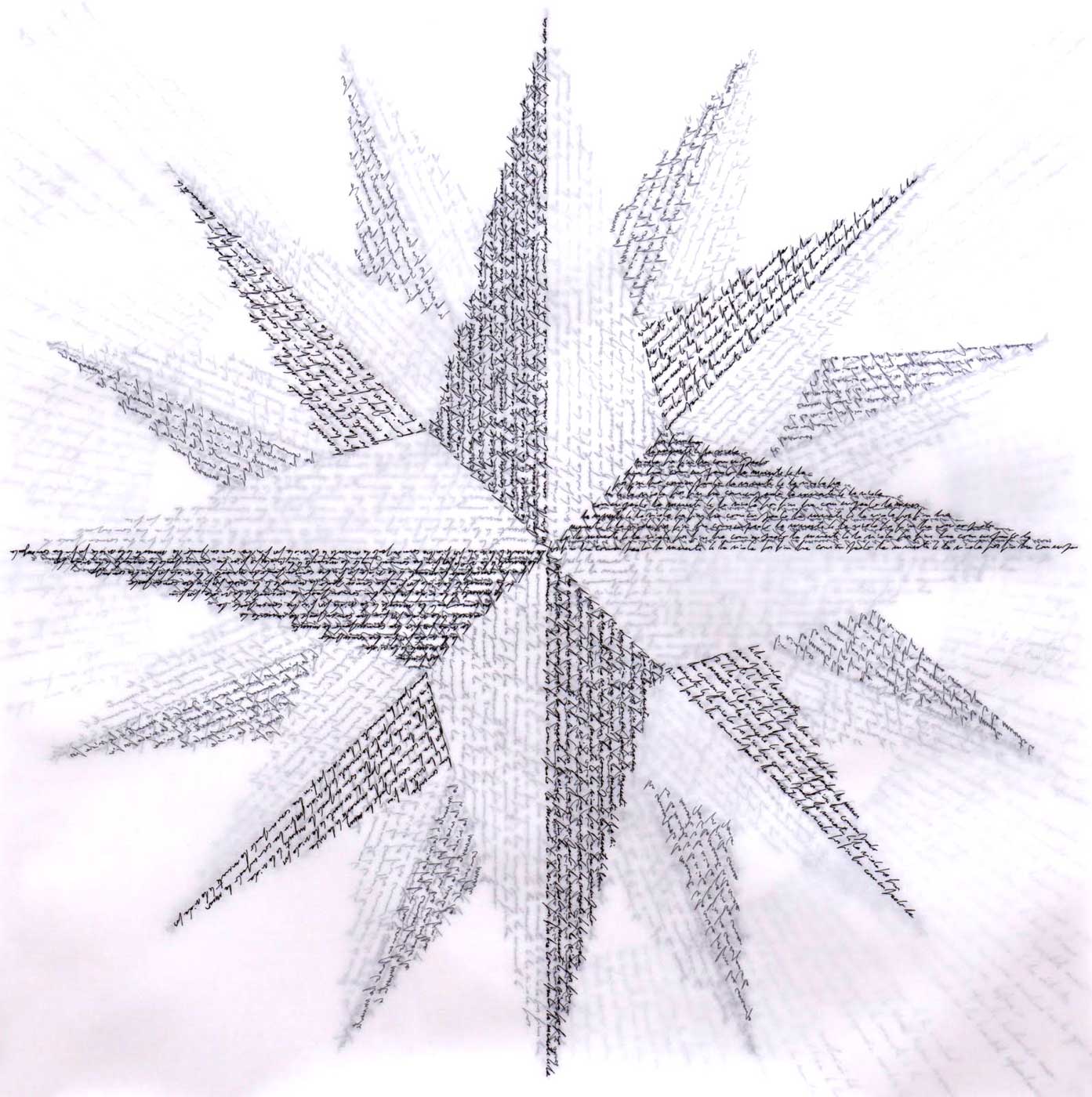
Julián Terán (La Plata, 1977) develops a practice in which a central concern is cartography and systems of representation: topological maps, astronomical diagrams, and the ways in which constellations structure the sky. His work focuses on how humans have constructed tools to translate territories and spaces into images, as well as on processes of translation between different languages: from the spatial to the visual, across artistic disciplines, and between linguistic systems.
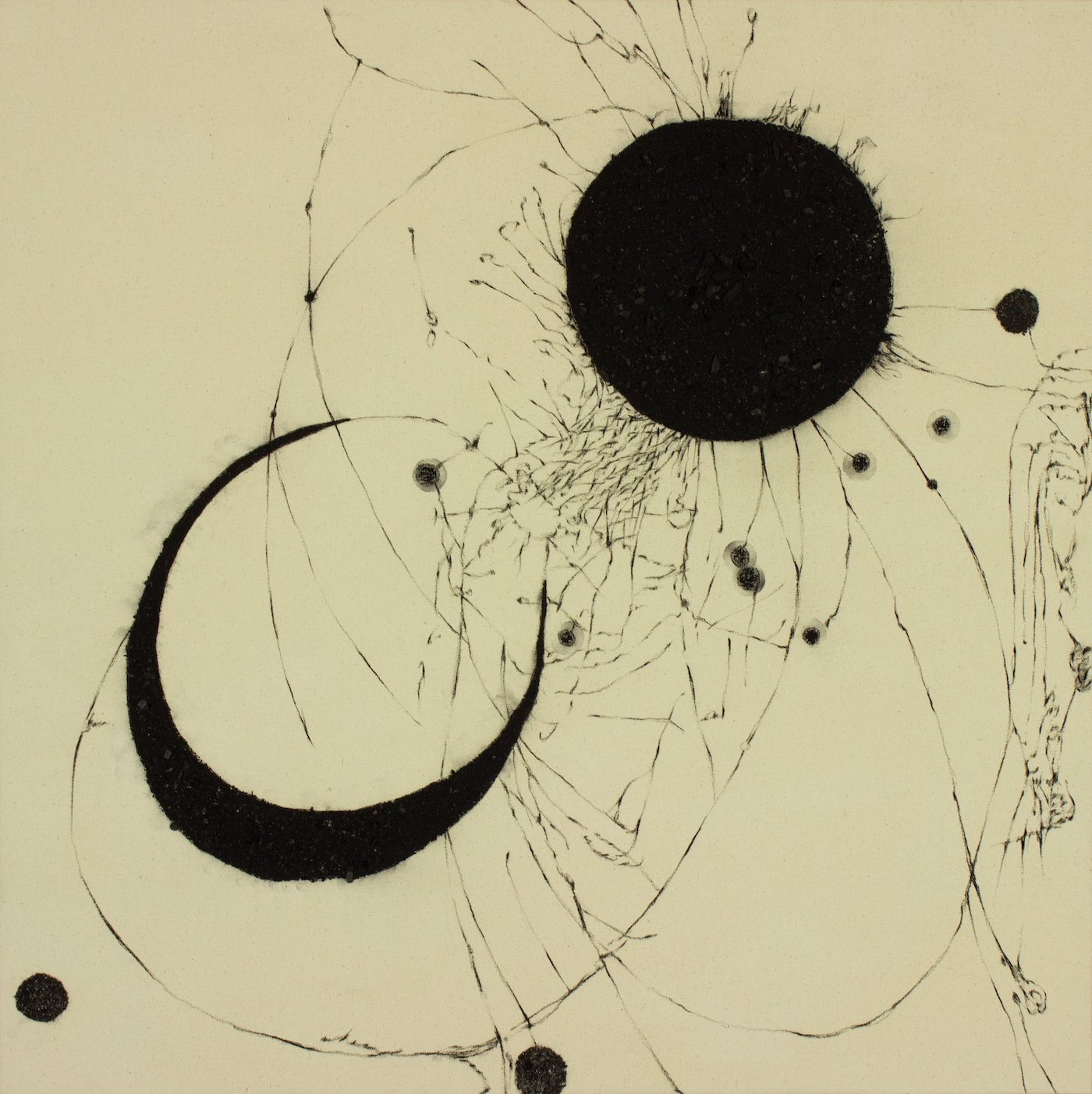
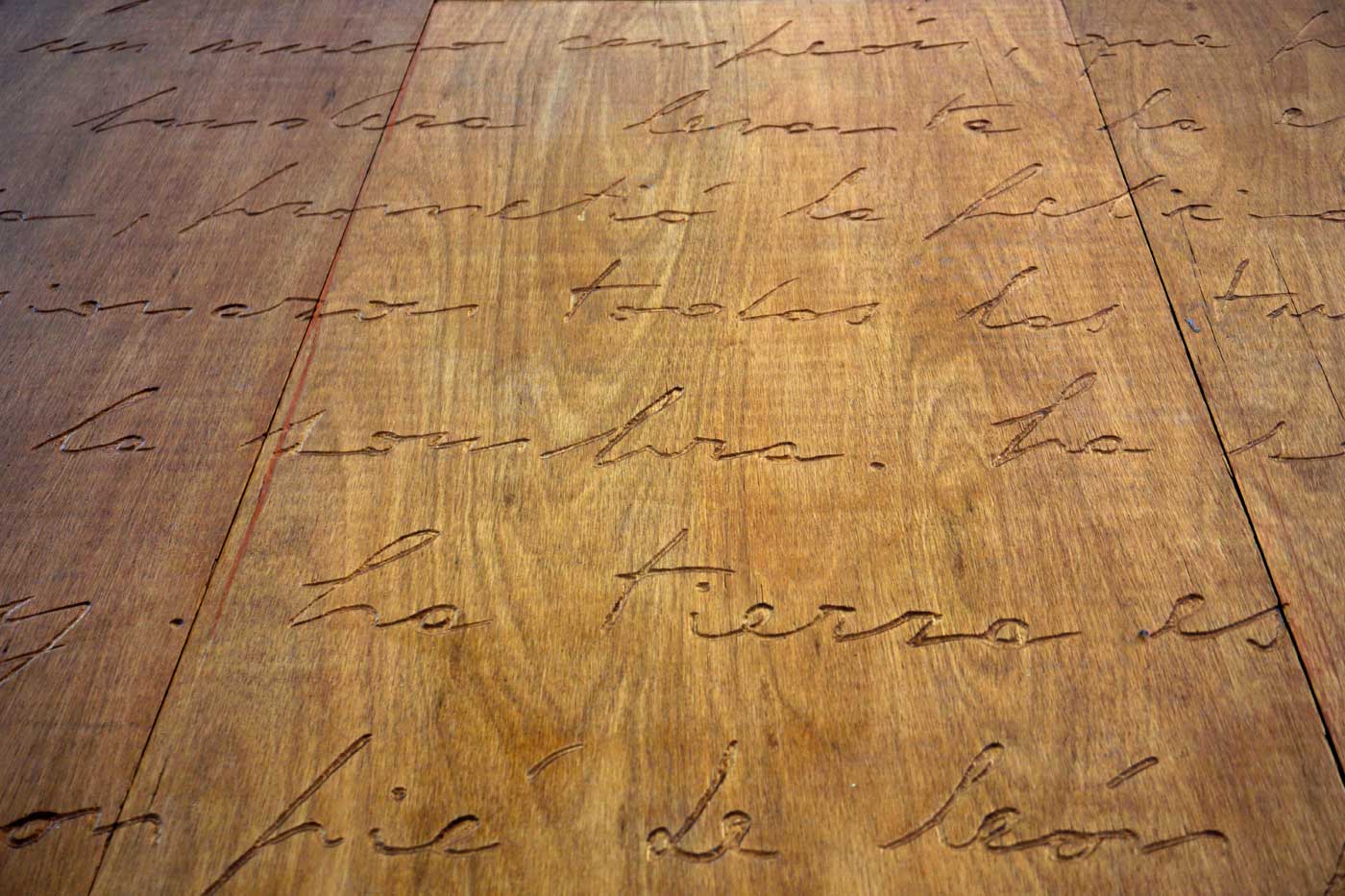
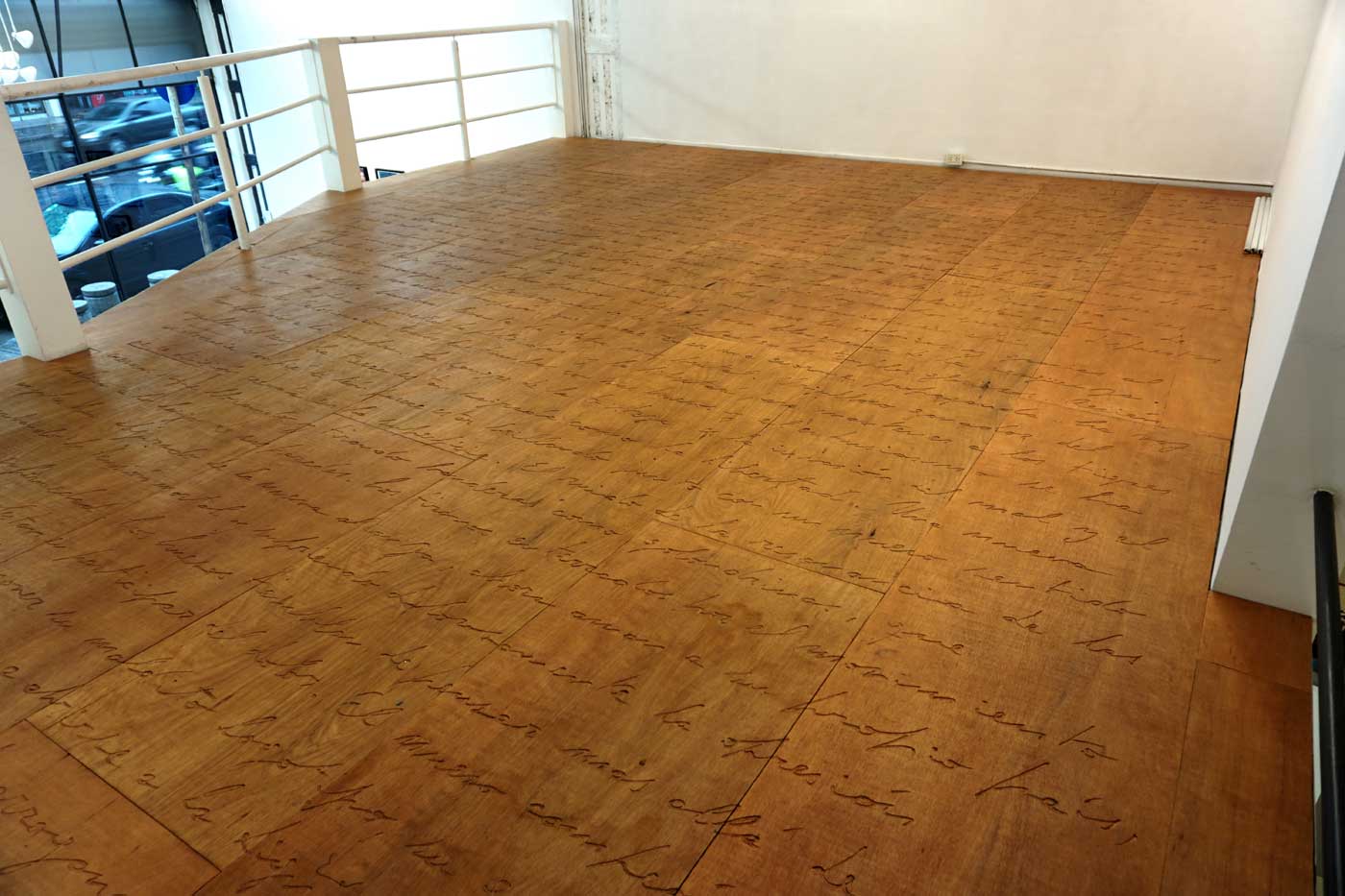
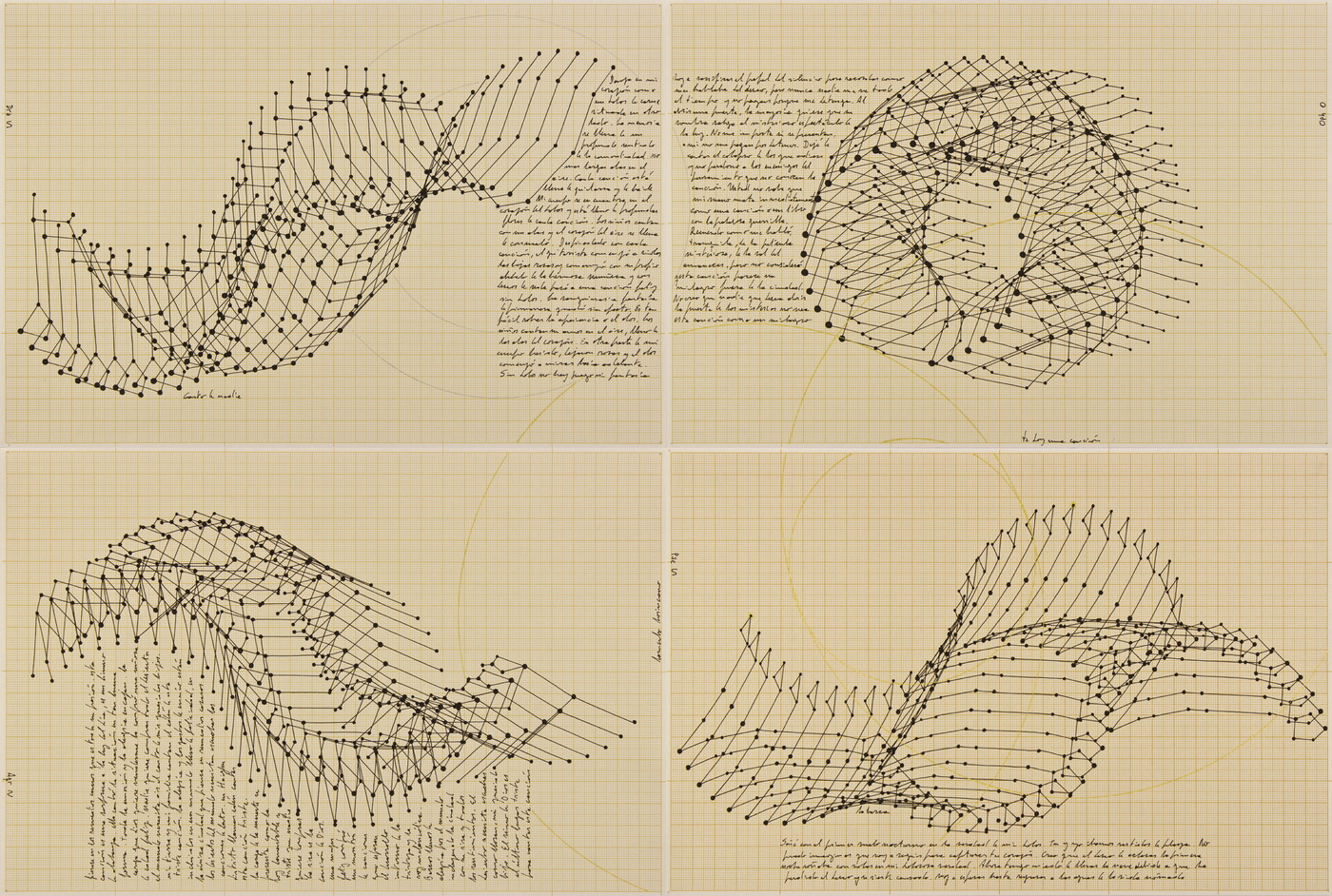
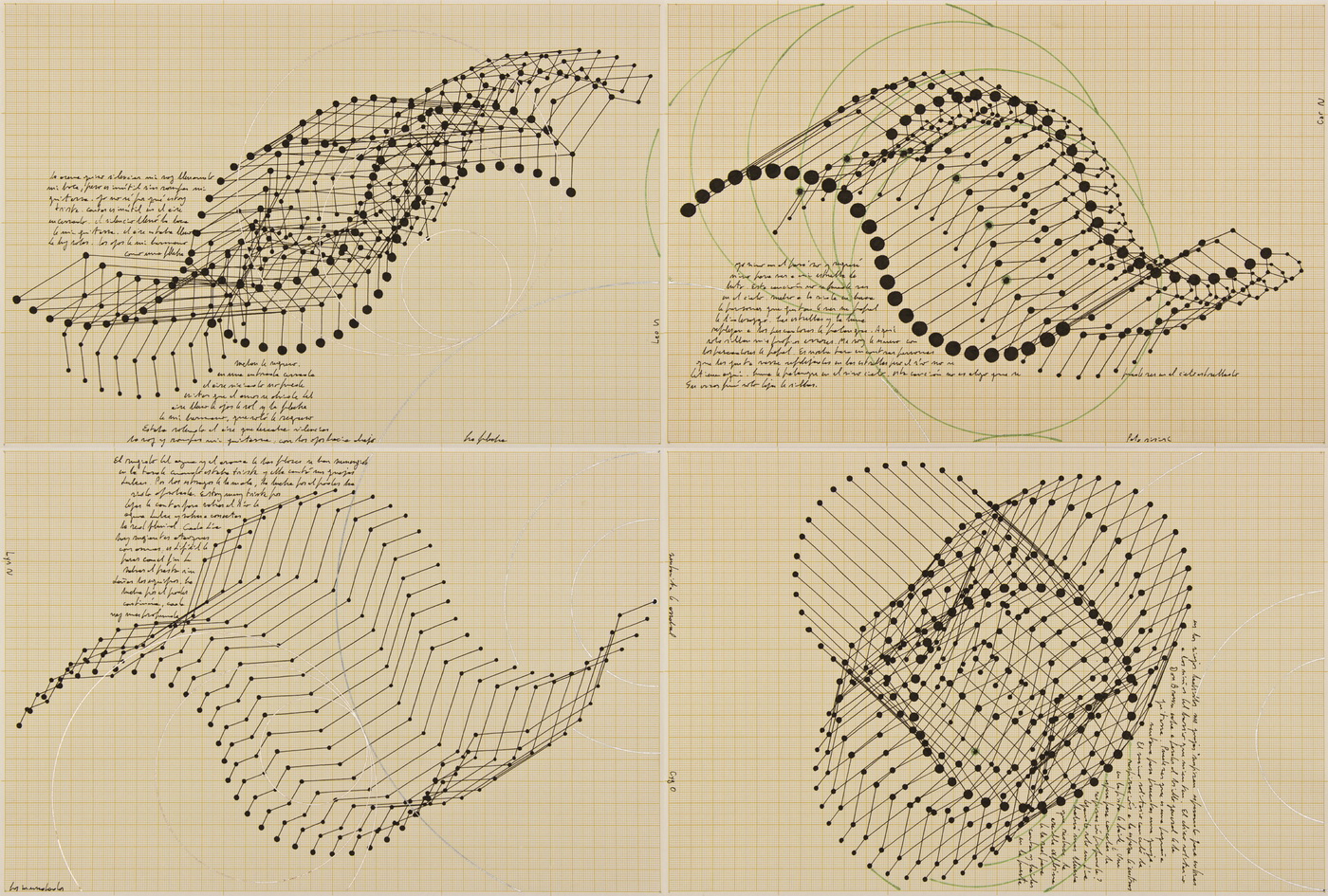
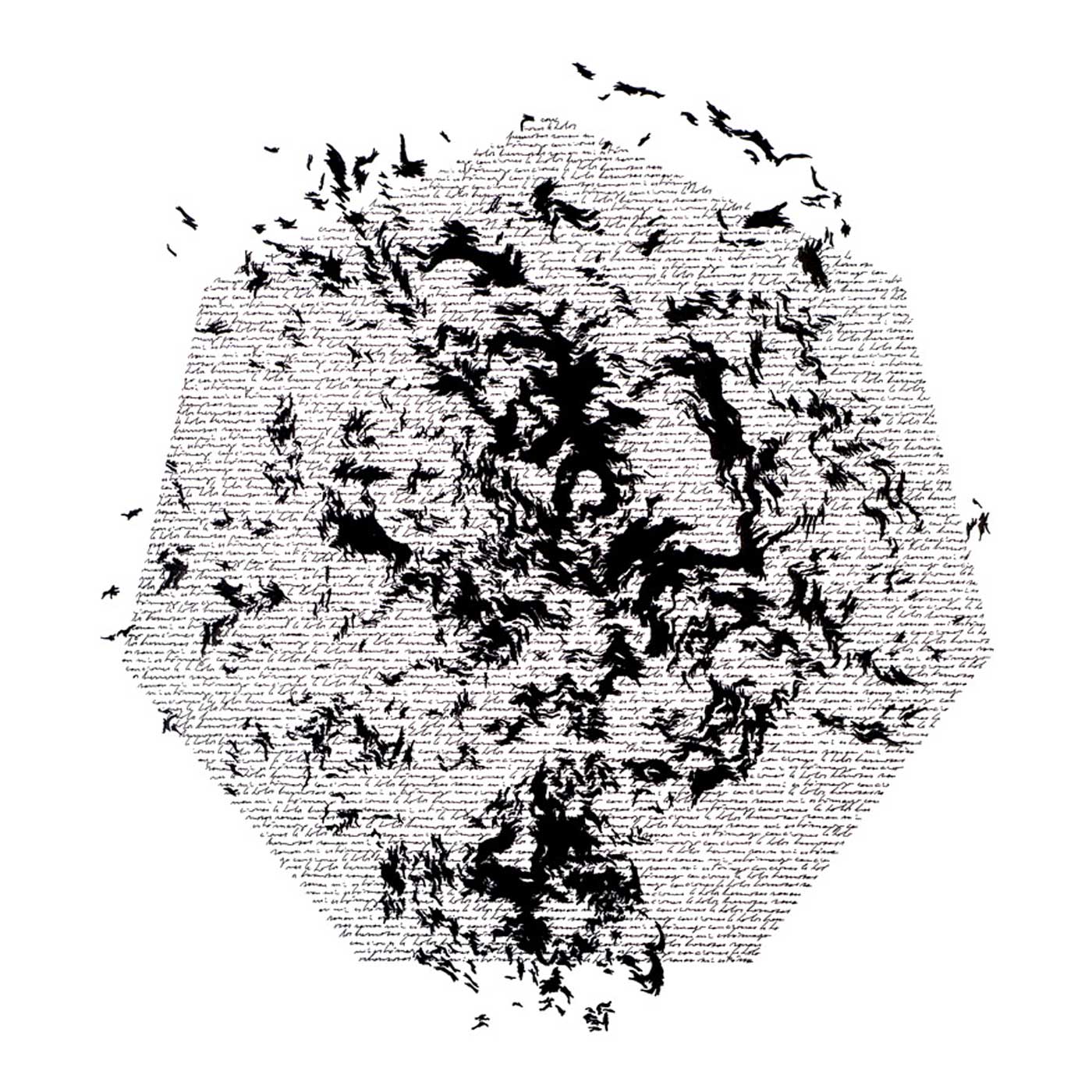
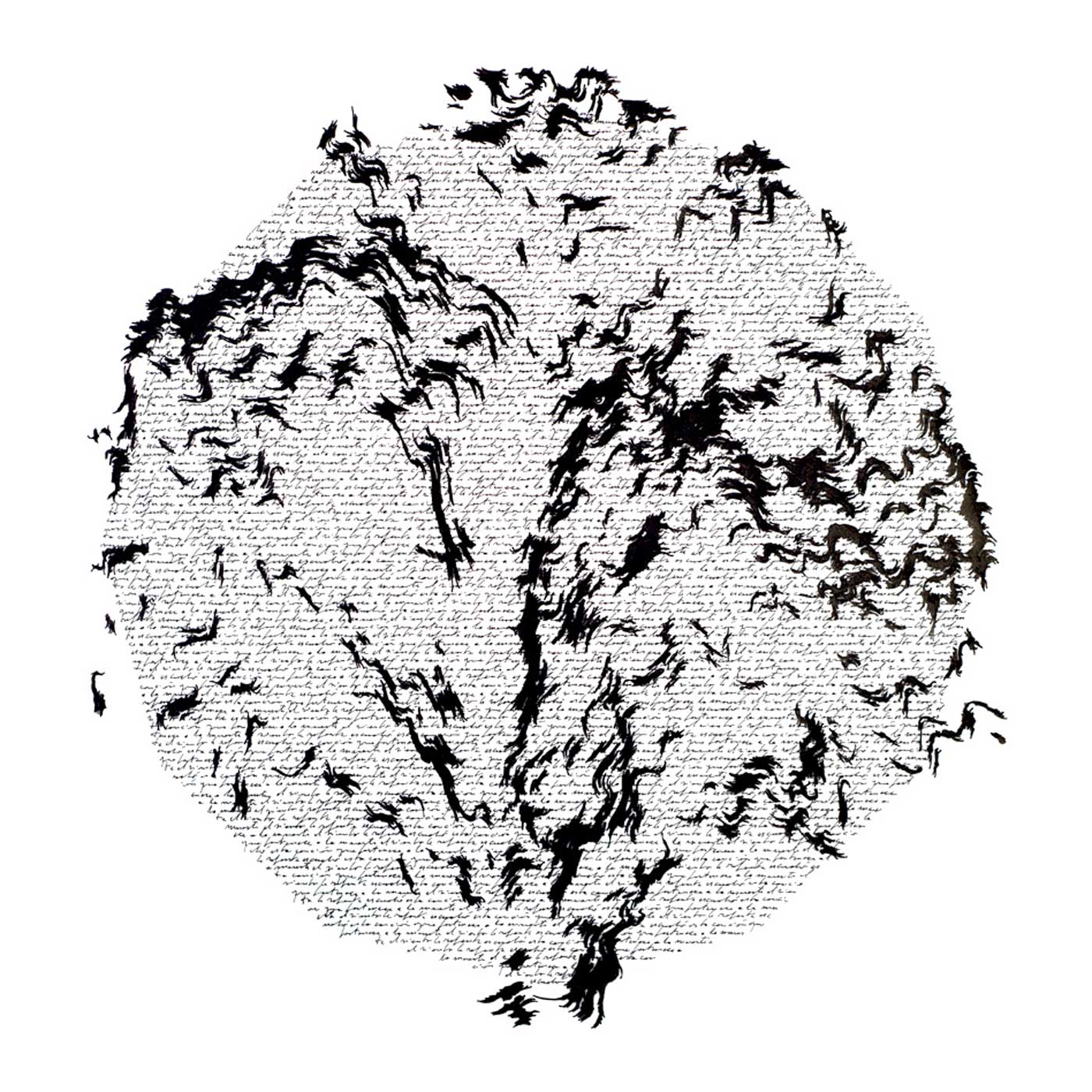
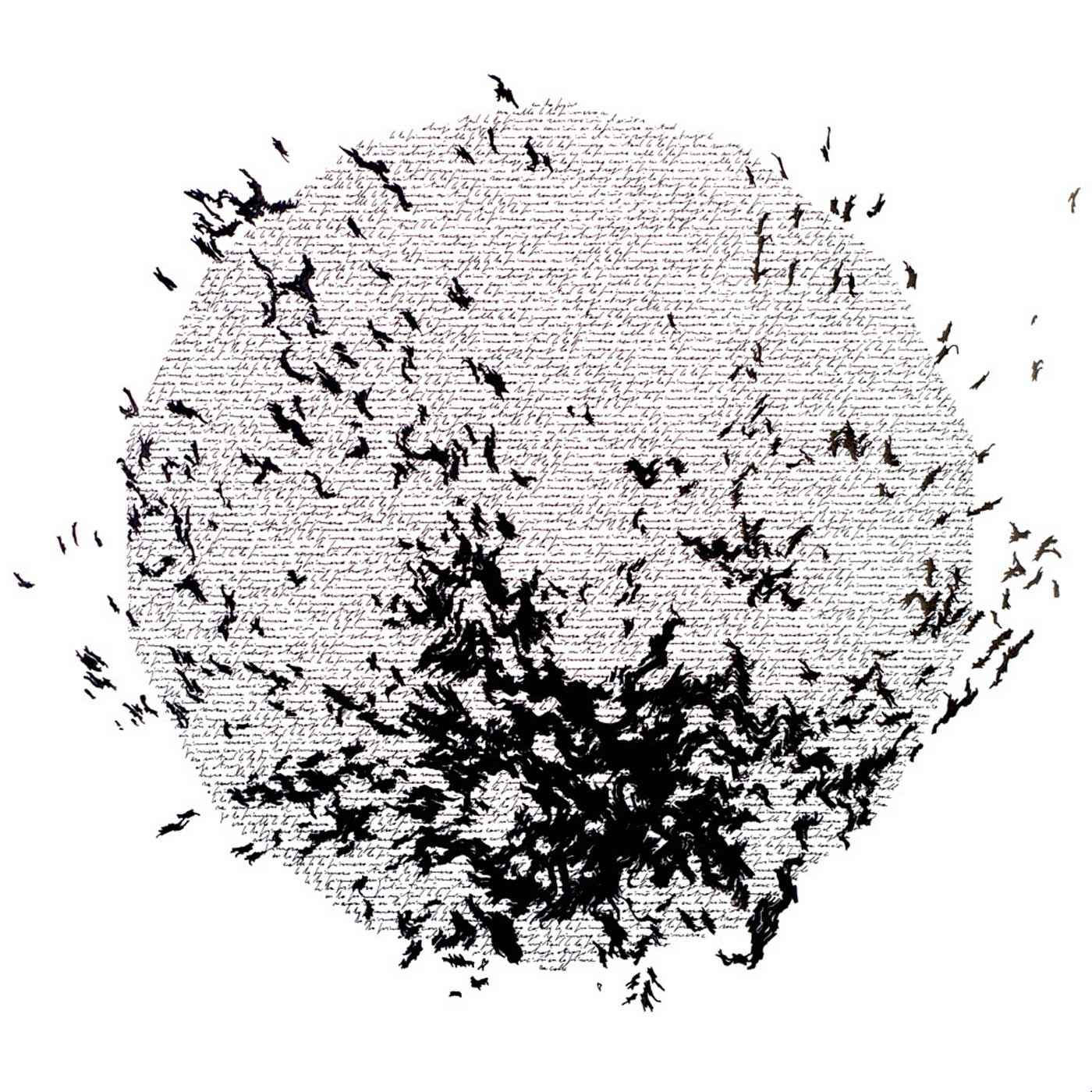
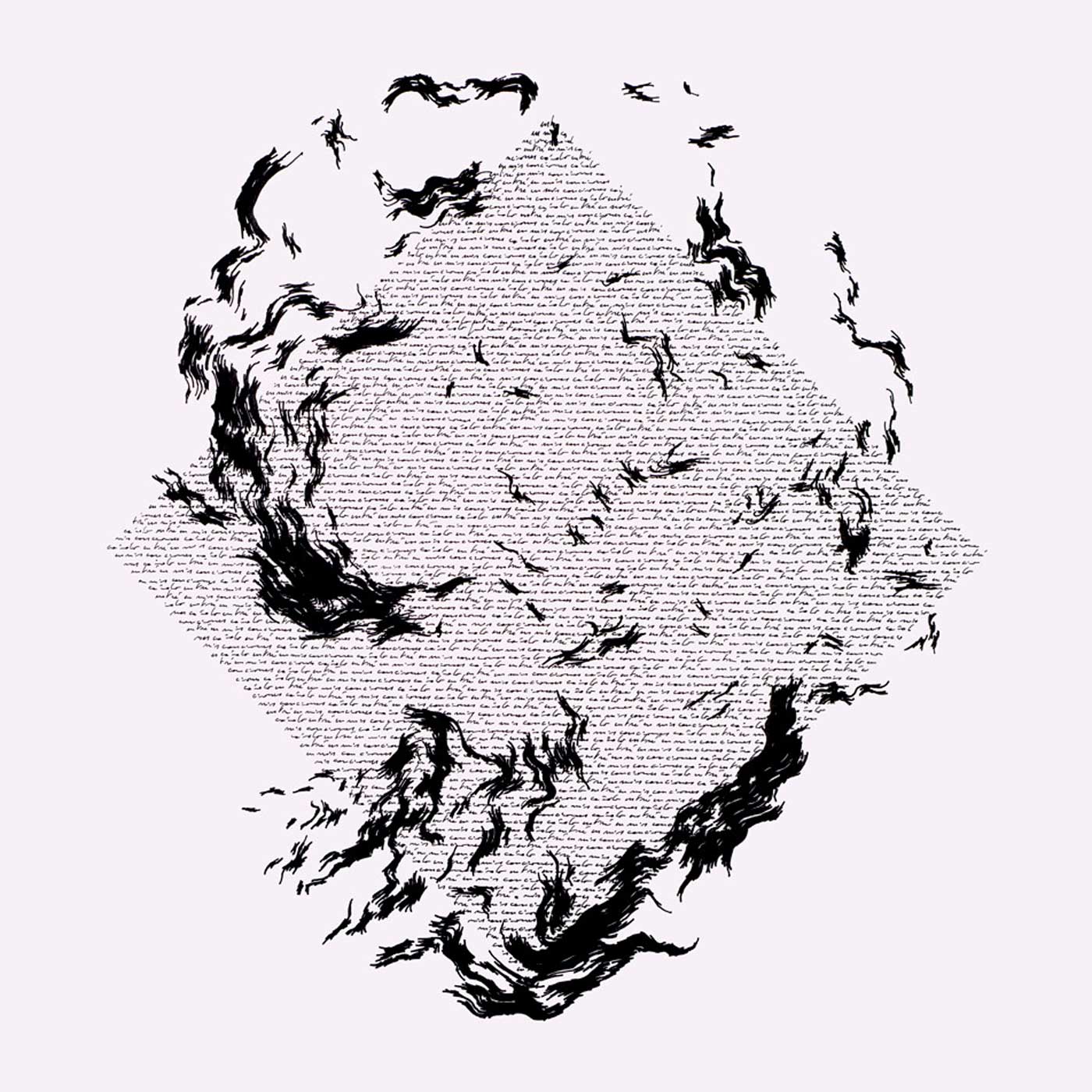
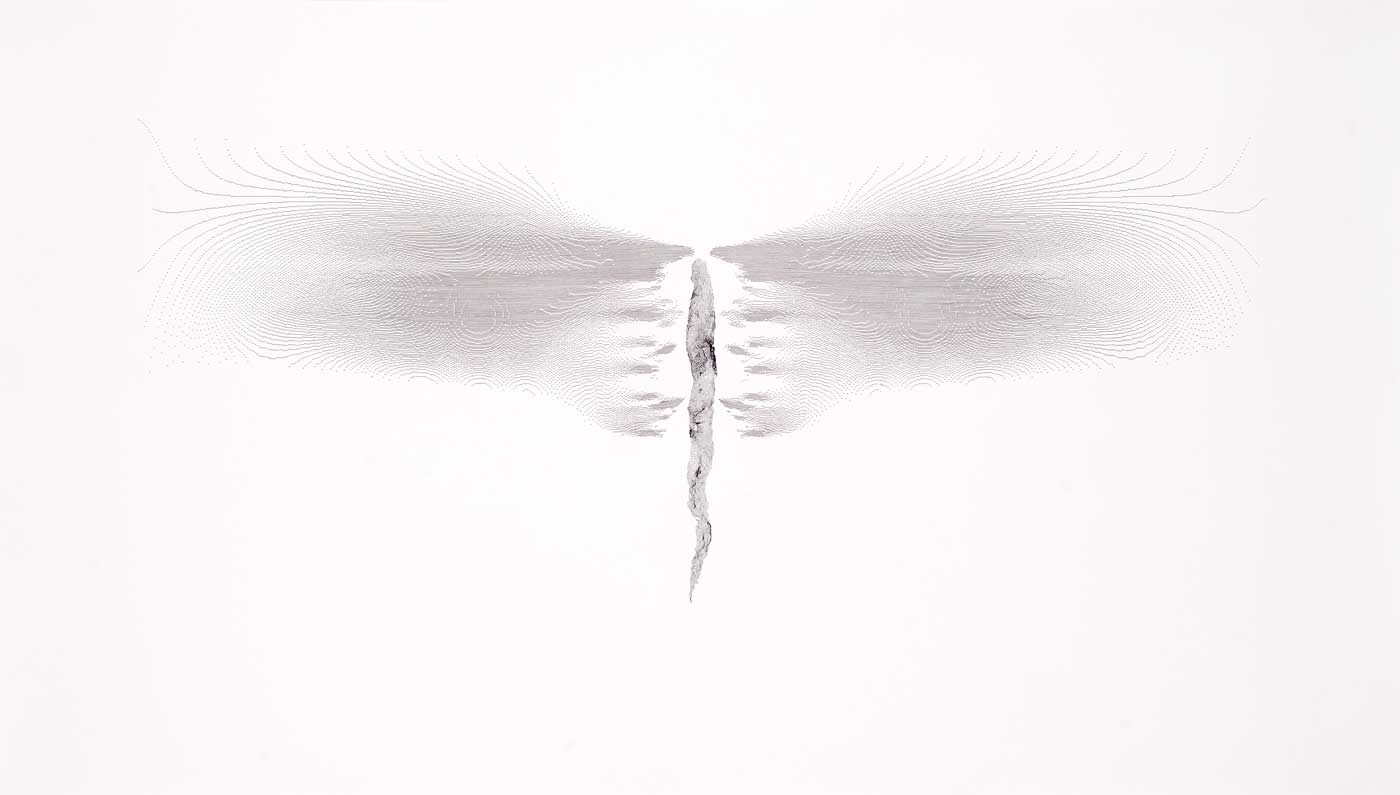
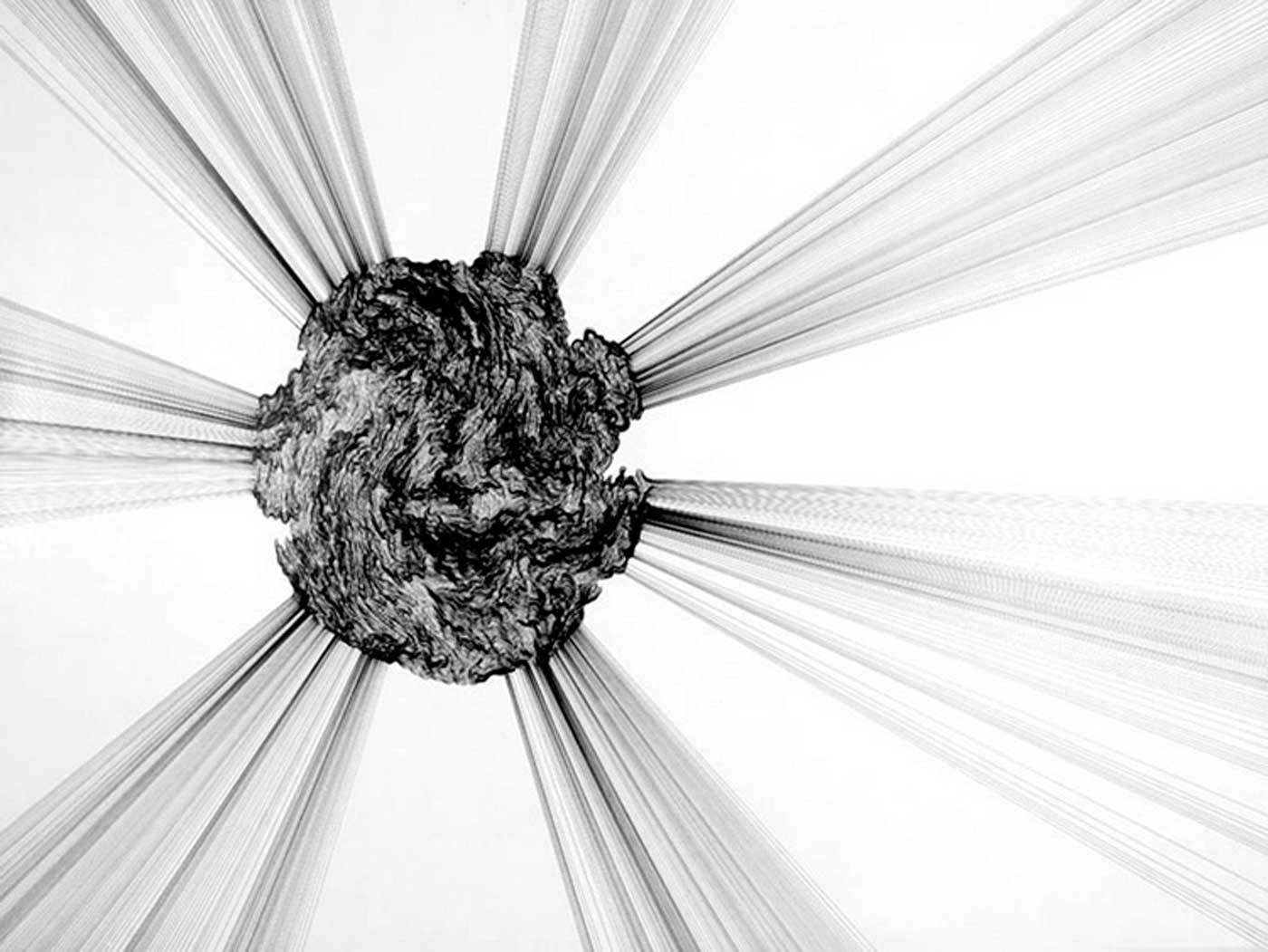
Through drawing, music, and writing, Terán investigates these operations as forms of knowledge and experience. His work is characterized by the construction of complex worlds from a minimal element—the line—and by the intensity of manual labor as a practice akin to meditation. His compositions oscillate between the cartographic, the abstract, and the narrative, generating visual systems that evoke both scientific diagrams and poetic imaginaries.
Raised in a small town in the province of Buenos Aires, his connection to the land and to the cultural traditions of Argentina’s interior constitutes a fundamental layer of his practice. This dimension also informs his musical work: in addition to being a visual artist, he is a composer and performer of contemporary Argentine folk music and develops projects related to music for children, such as RunRun.
His solo exhibitions include Los aventureros (2021) at Brasil 675; A la sombra de otro sol (2022); Honduras (2018), La ciencia inútil (2015), and Entremedio Impenetrable (2012), at Galería Nora Fisch; Mi casa (2011) at the Museo de Bellas Artes “Dr. J. R. Vidal,” Corrientes; and Nacimiento de una isla (2009) and Vol. 1 (2007) at Juana de Arco Casa de Arte. He has also exhibited his work in galleries in Bogotá and New York.
Selected group exhibitions include Walking on Stones (2022), Villa Waldberta – Palmenhaus, Feldafing; Una historia de la imaginación en la Argentina (2019), Museo de Arte Moderno de Buenos Aires; Latinoamérica: volver al futuro (2018), Museo de Arte Contemporáneo de Buenos Aires (MACBA); and A 18 minutos del sol, presented at the Museo de Arte Moderno de Buenos Aires and curated by Javier Villa. He has also participated in the 2nd National Drawing Biennial (2021), Museo Provincial de Bellas Artes Franklin Rawson; the Itaú Visual Arts Prize (Special Mention, 2016), Palais de Glace; the Federico Jorge Klemm Prize (2013), Fundación Klemm; the National Drawing Salon (Special Mention, 2013); and Fundación Williams Arte Joven (Second Prize, 2010), among others.
He is currently participating in a program at Fundación HITO, where he continues his research into systems of translation between image, territory, and language.